The grand canal in Venice — History & Analysis
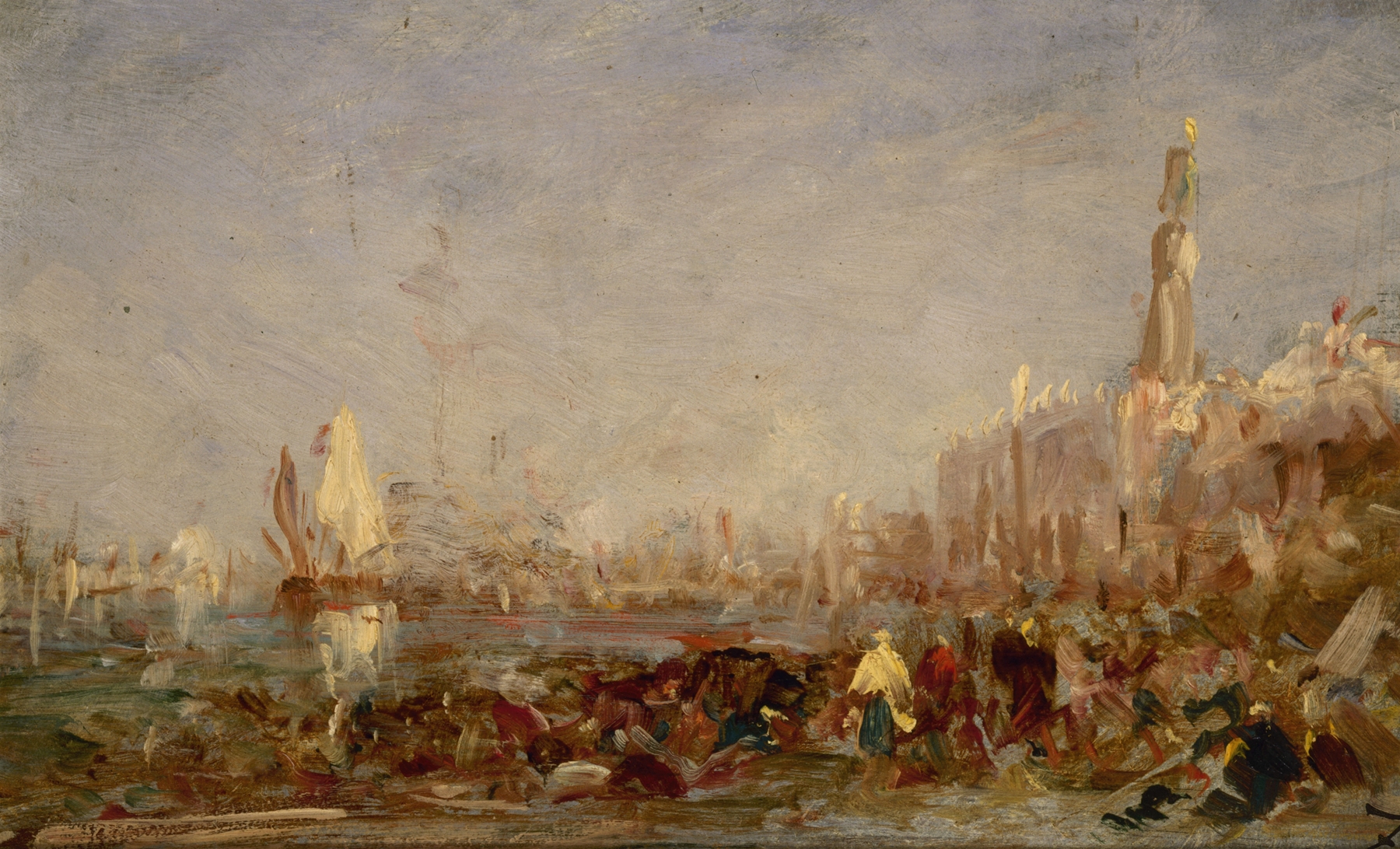
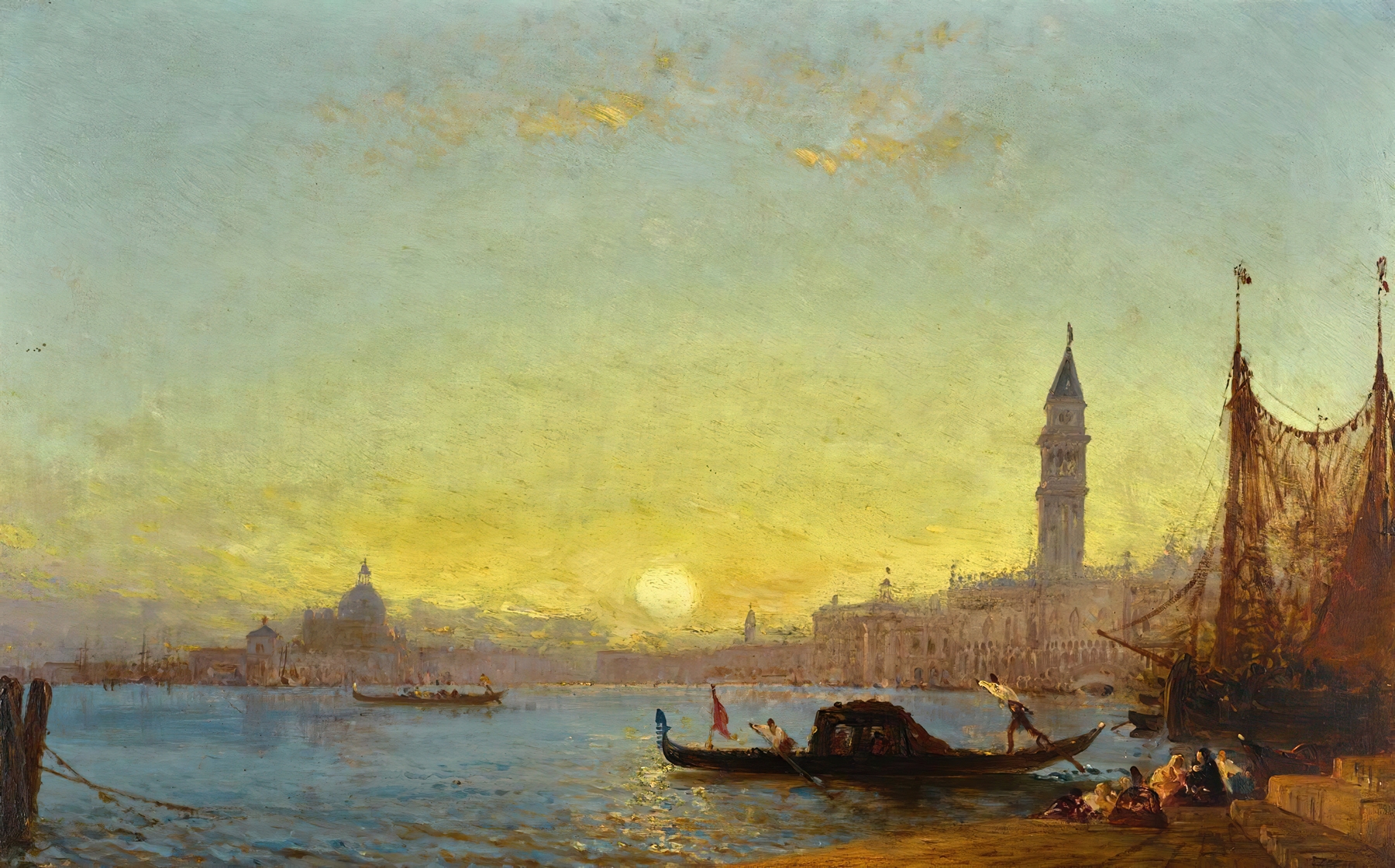
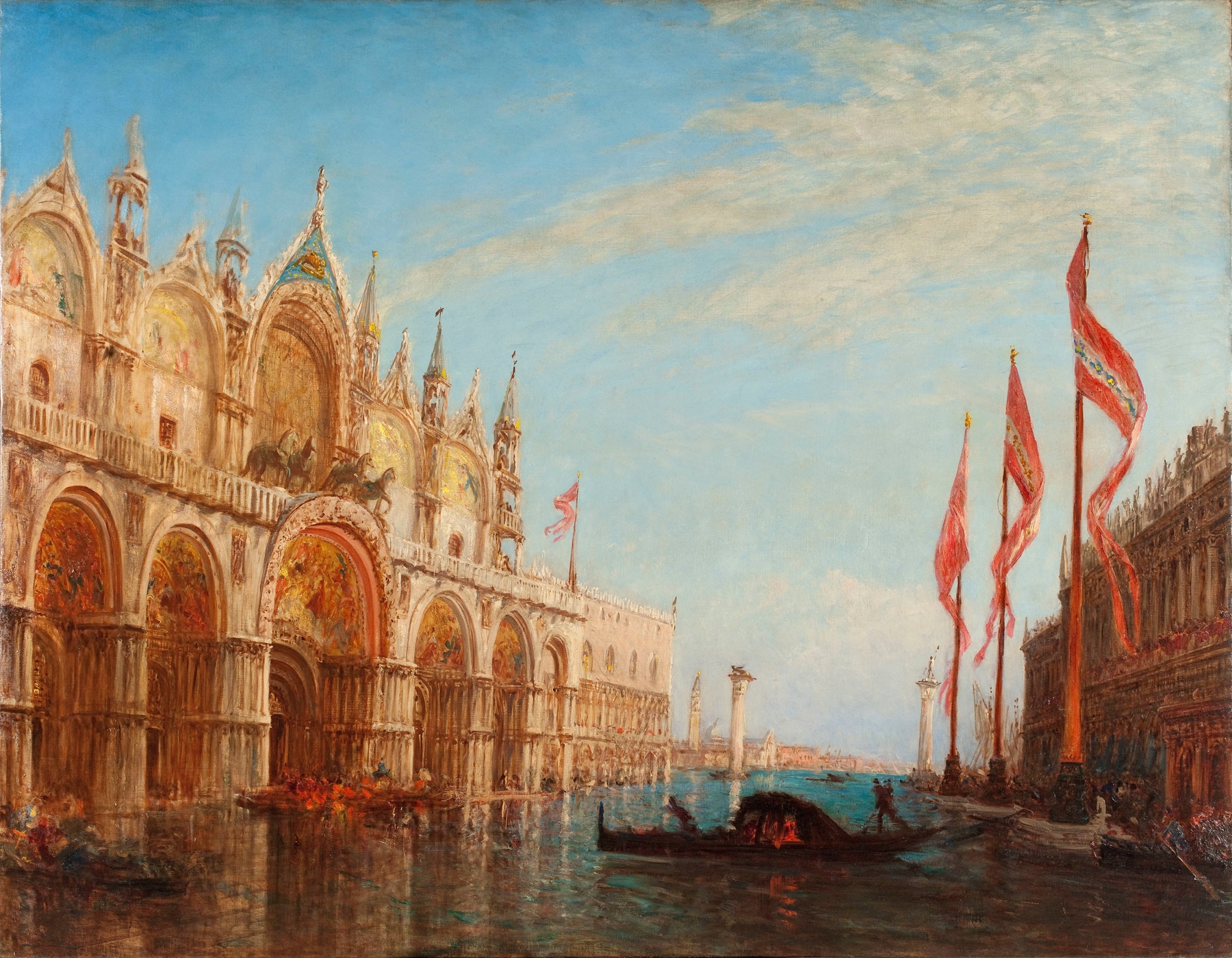
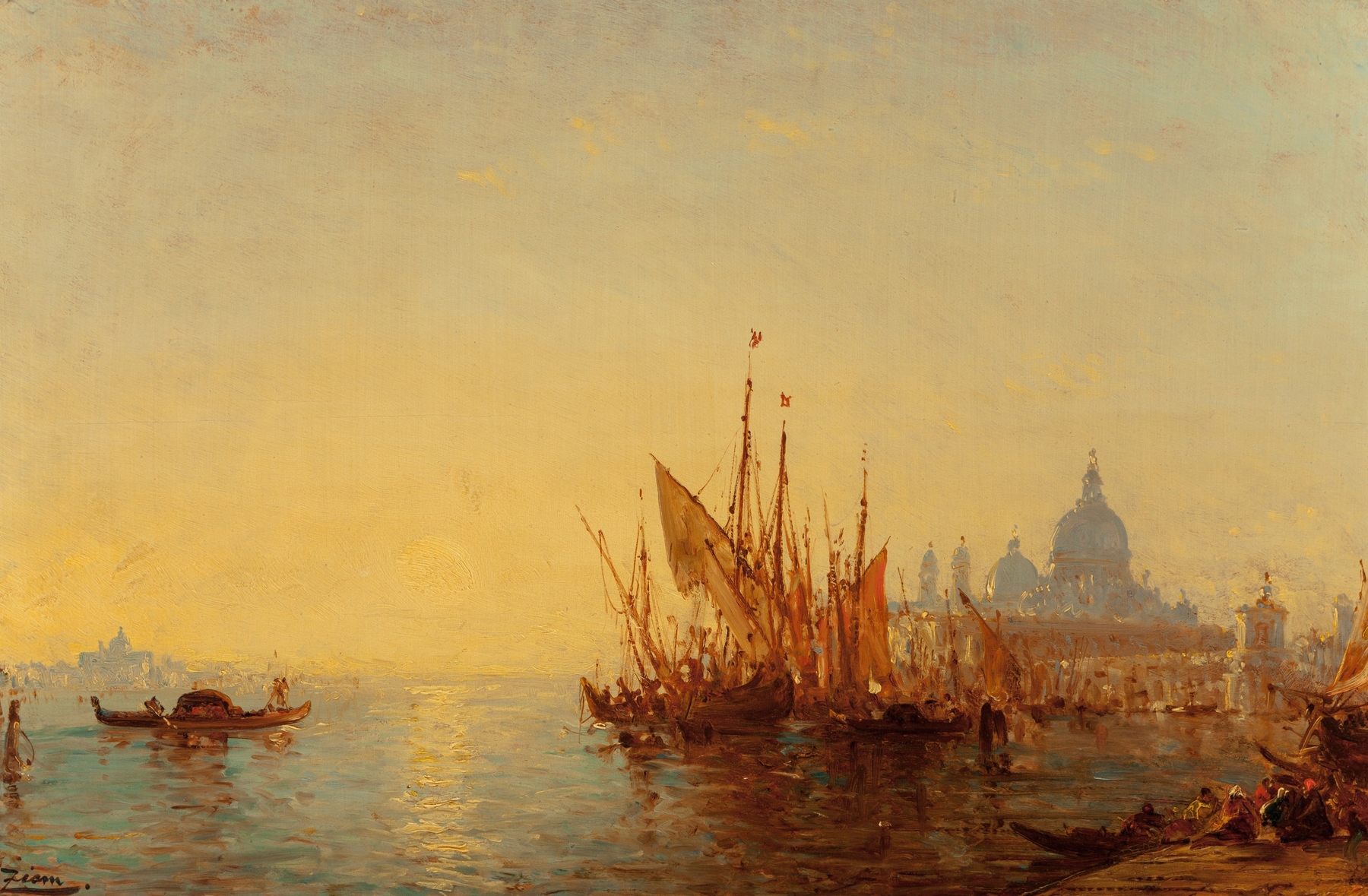
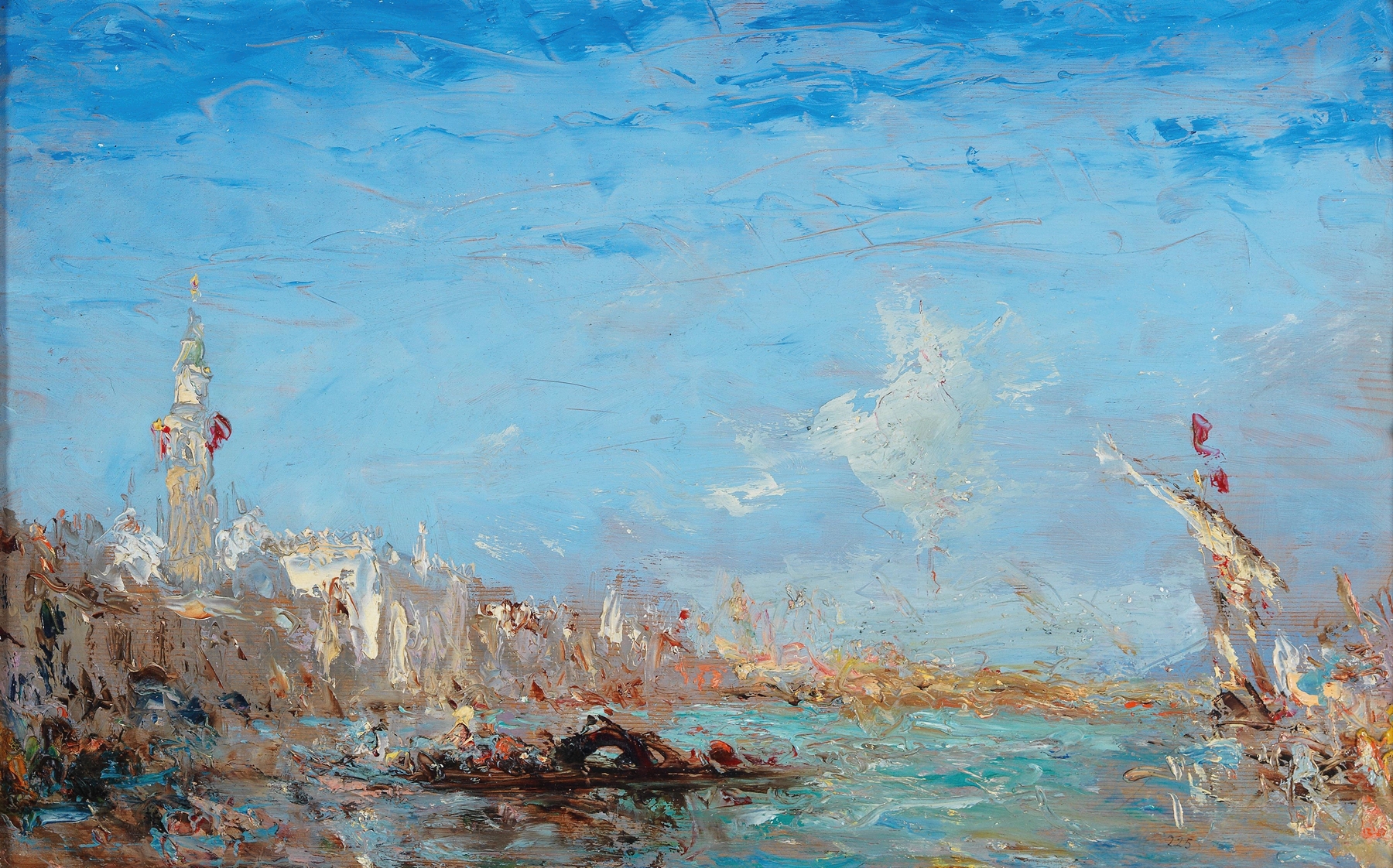
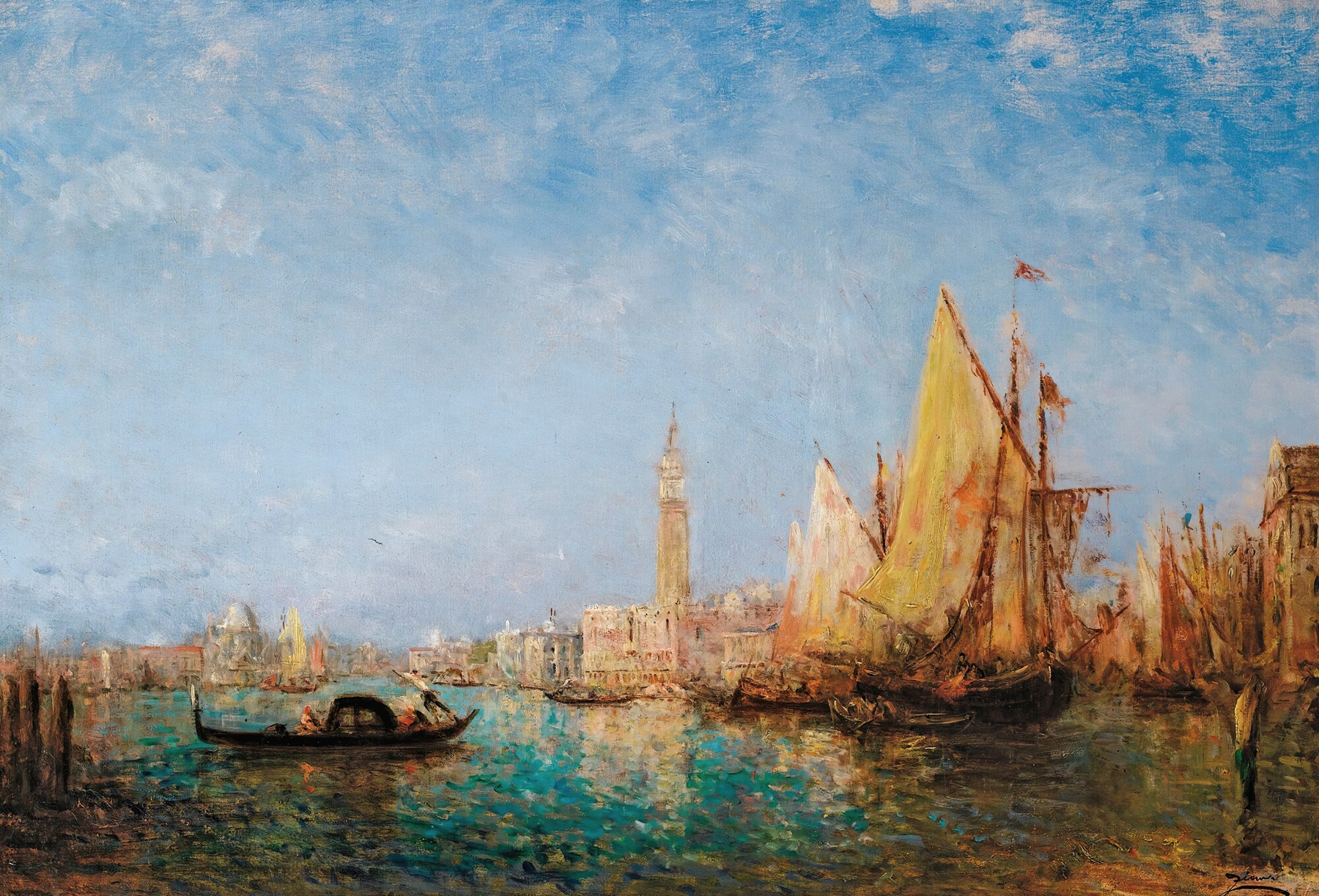
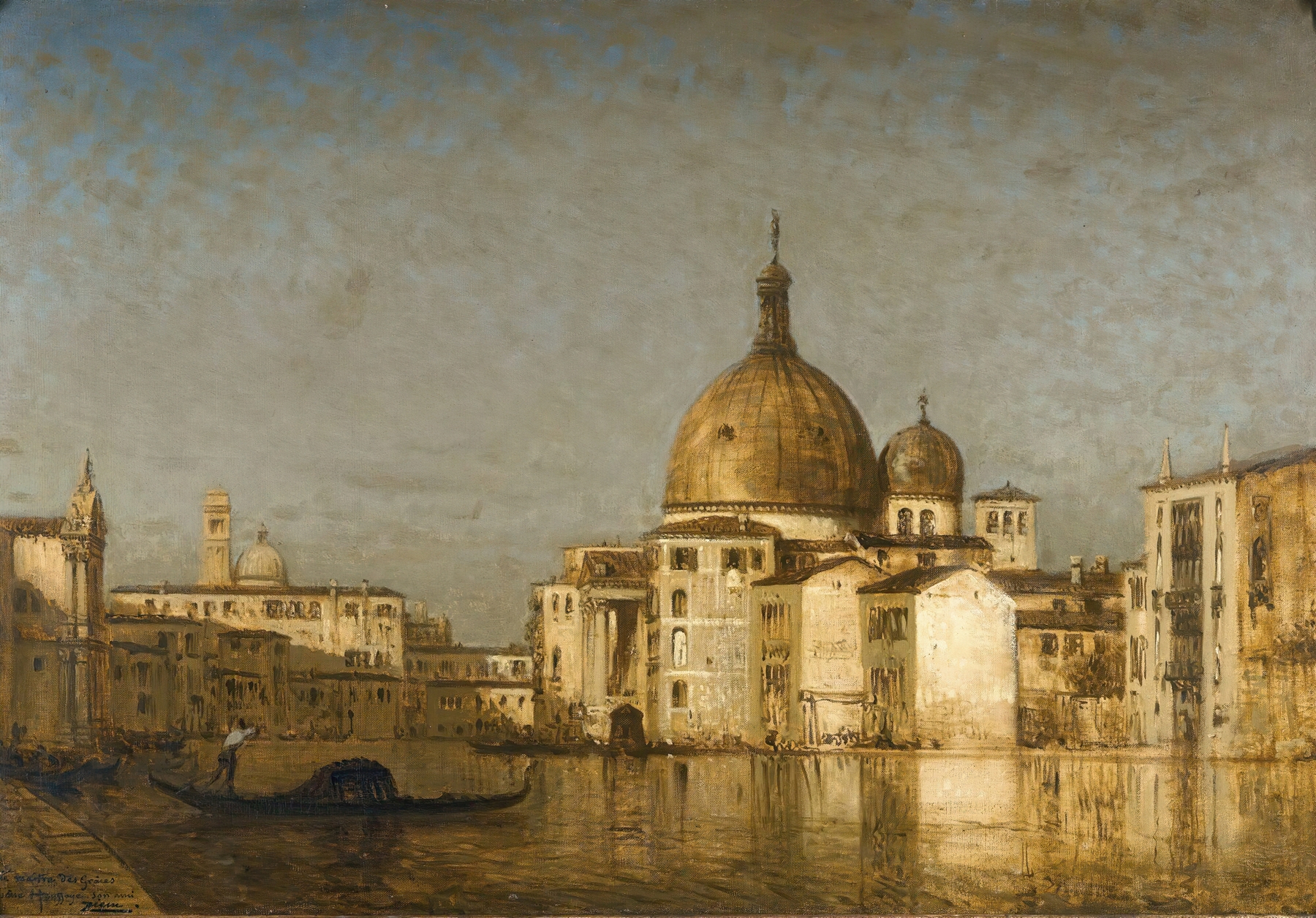
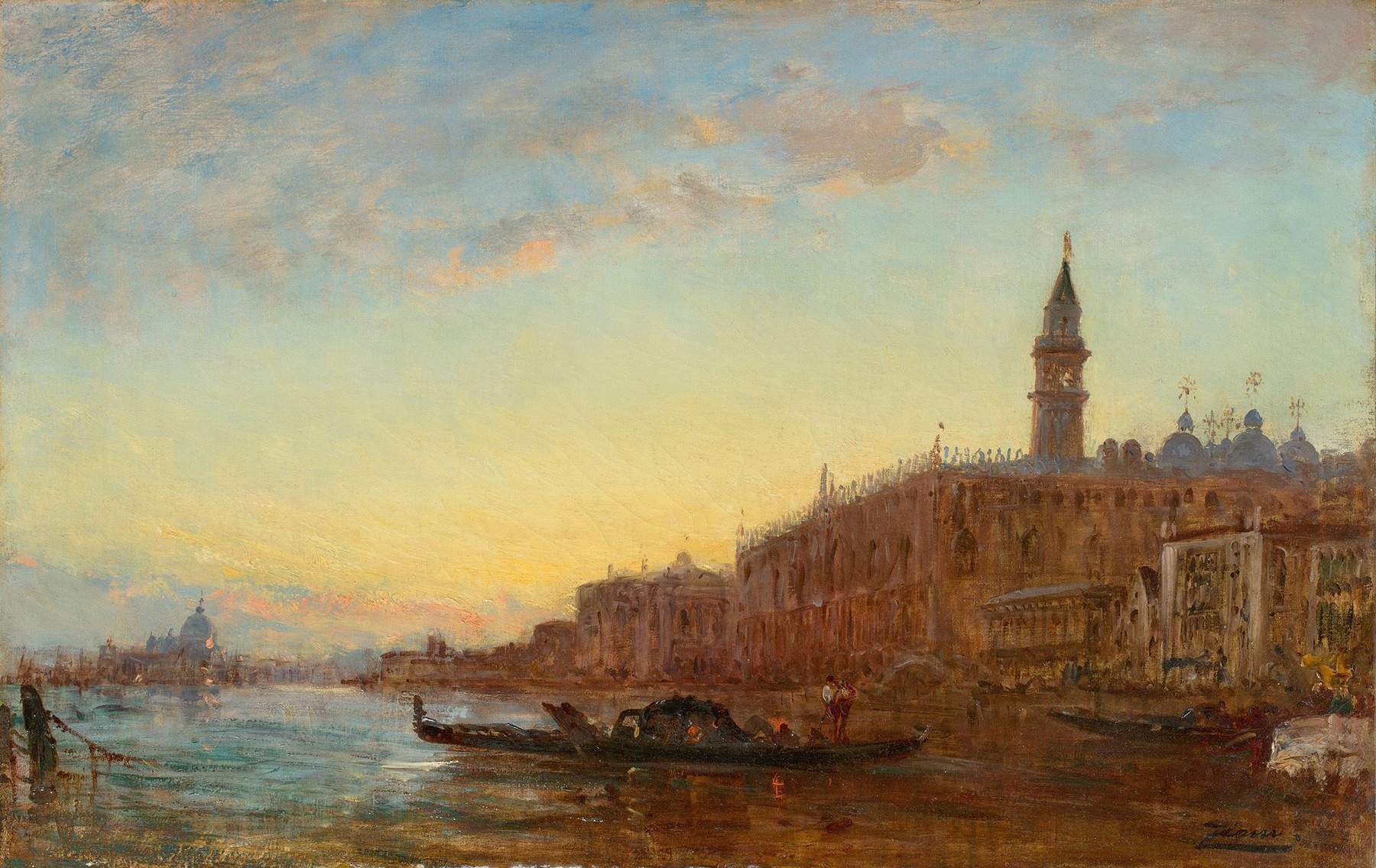
“To paint is to remember what time wants us to forget.” In The Grand Canal in Venice, light breathes life into the timeless beauty of a city that dances on water, each reflection shimmering with untold stories. The way sunlight splashes across the surface evokes a longing for moments lost beneath the tides. Look to the left at the intricate details of the buildings that line the canal, their vibrant hues blending seamlessly into the gentle ripples below. Notice how the artist skillfully captures the interplay of light and shadow, illuminating the intricate architecture while allowing the deeper tones to recede into mystery.
The composition leads your gaze along the canal, inviting exploration of the distant horizon, where boats drift like dreams powered by the currents of time. The emotional tension arises from the juxtaposition of serenity and movement: the calmness of the water against the bustling energy of merchant vessels. The vibrant colors of the houses reflect the vitality of life in Venice, while the soft blues and greens envelop the scene in nostalgia. Each stroke whispers of history, echoing the passage of time in this shimmering city, where every element seems to pulse with vitality, yet simultaneously hint at the inevitability of change.
Félix Ziem painted this scene during a period of great admiration for Venice, a city that often inspired artists in the late 19th century. As he captured the essence of the Grand Canal, Ziem was influenced by the burgeoning movement of Impressionism, which sought to express the ephemeral qualities of light. This period in his life was marked by a desire to merge reality with beauty, reflecting both his personal explorations and the broader shifts in artistic expression during that era.