The Grand Canal in Venice with Palazzo Bembo — History & Analysis
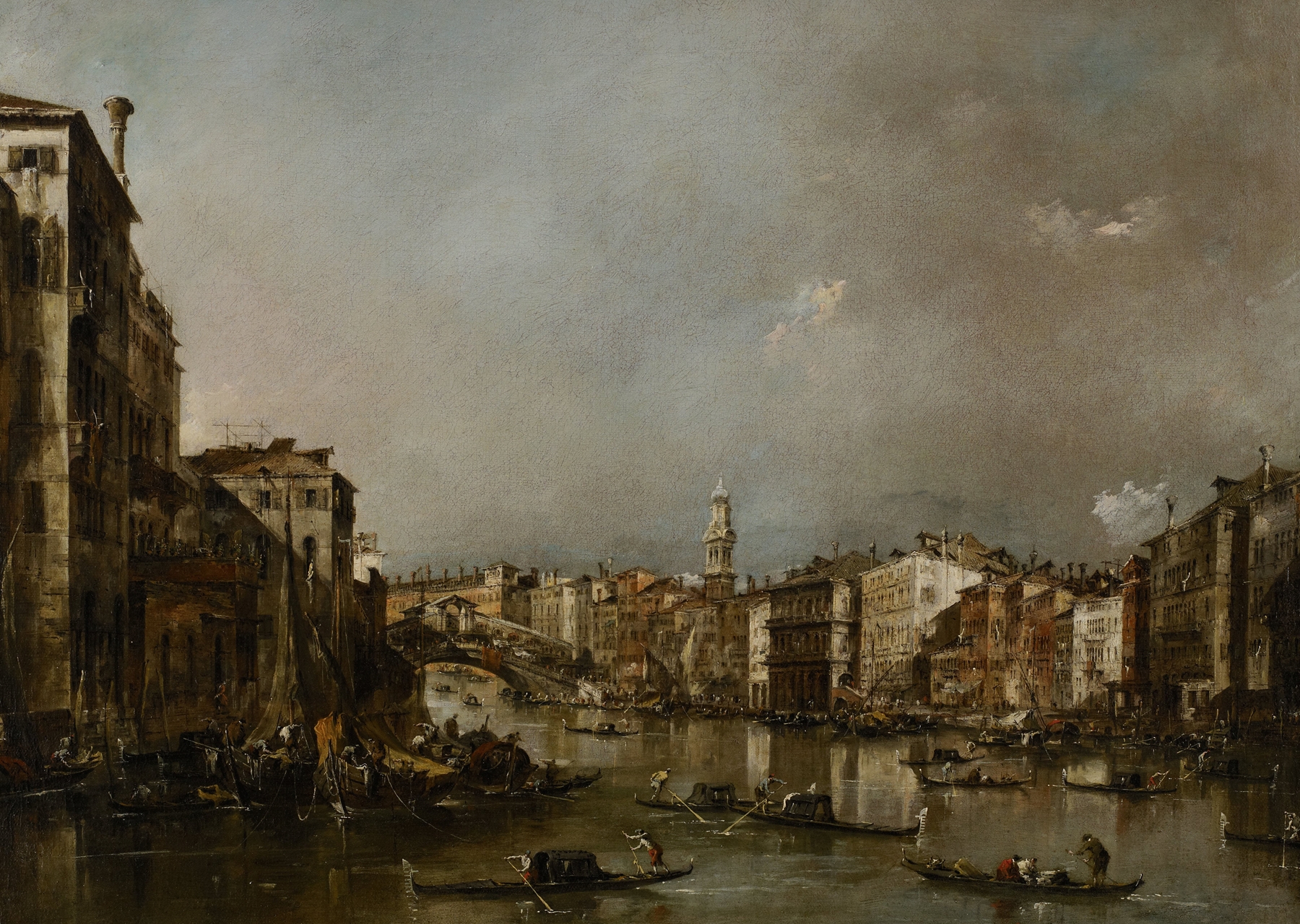
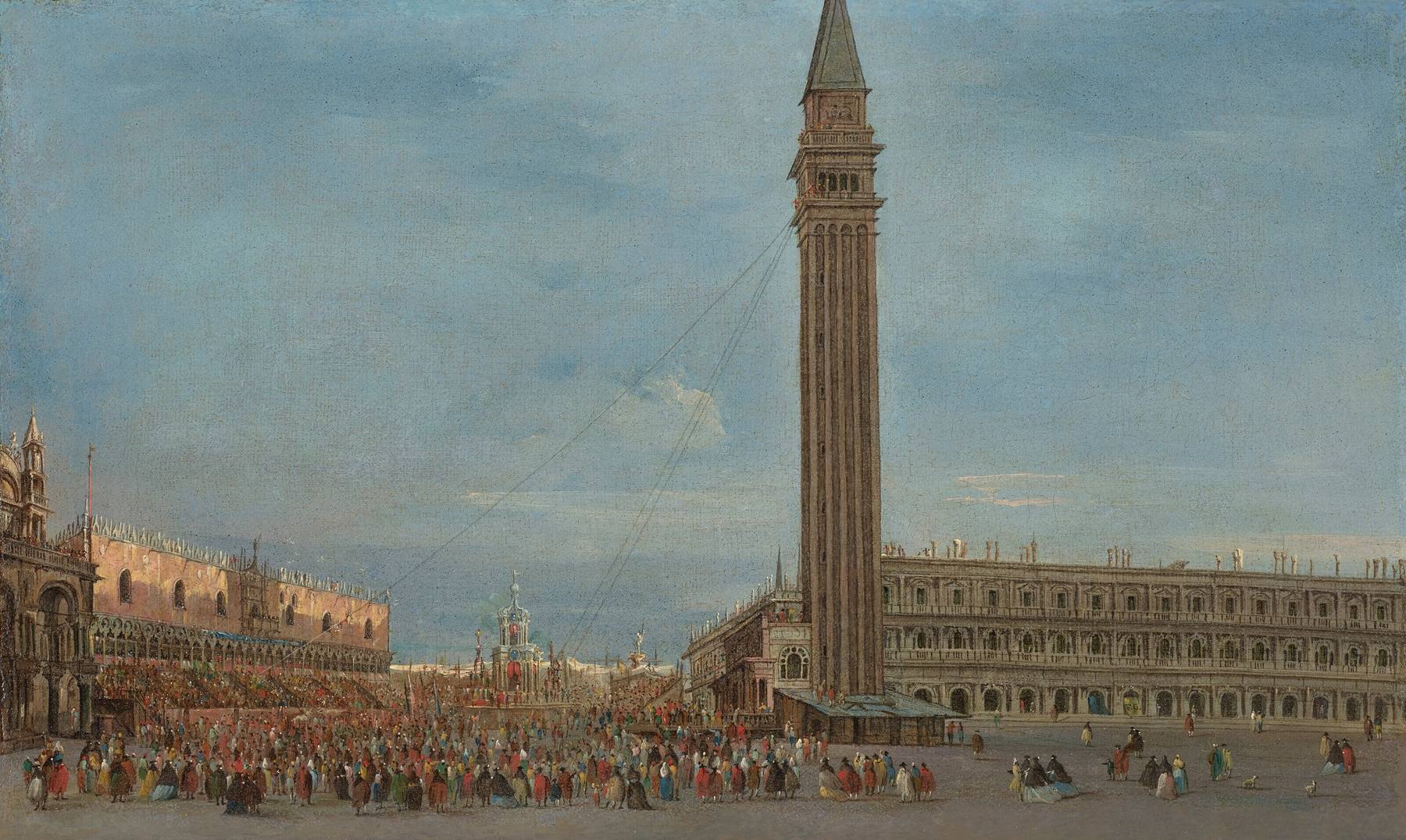
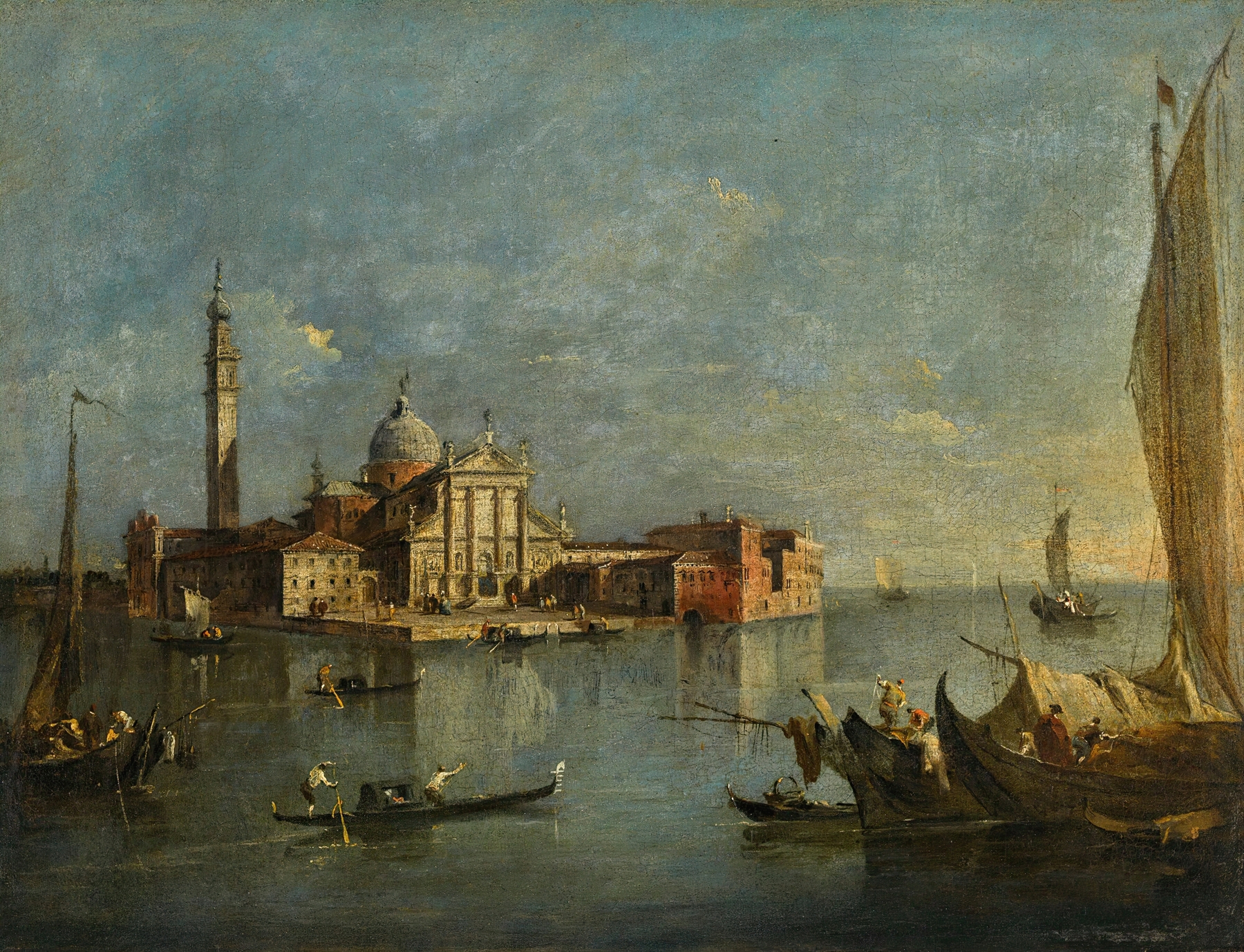
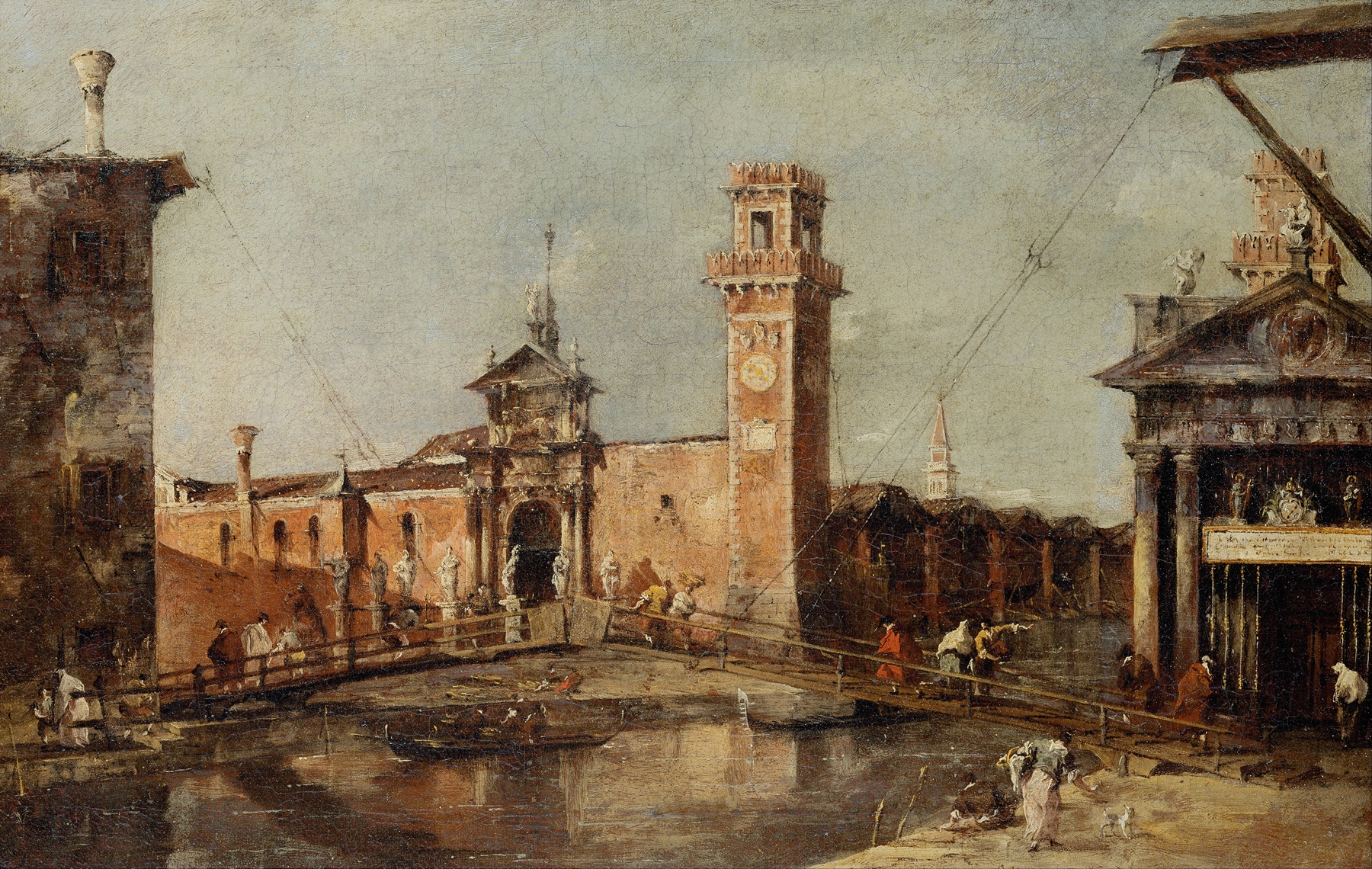
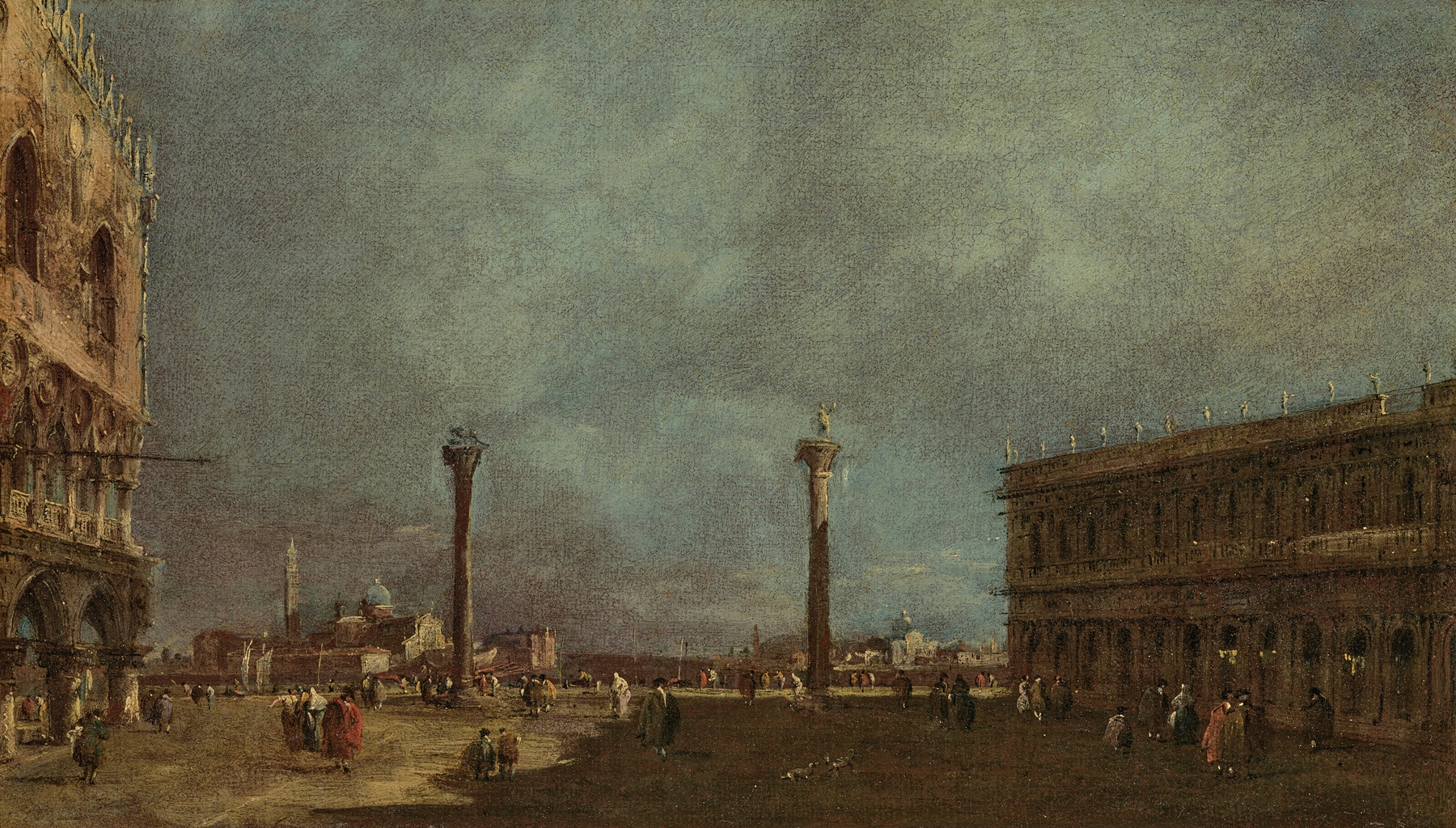
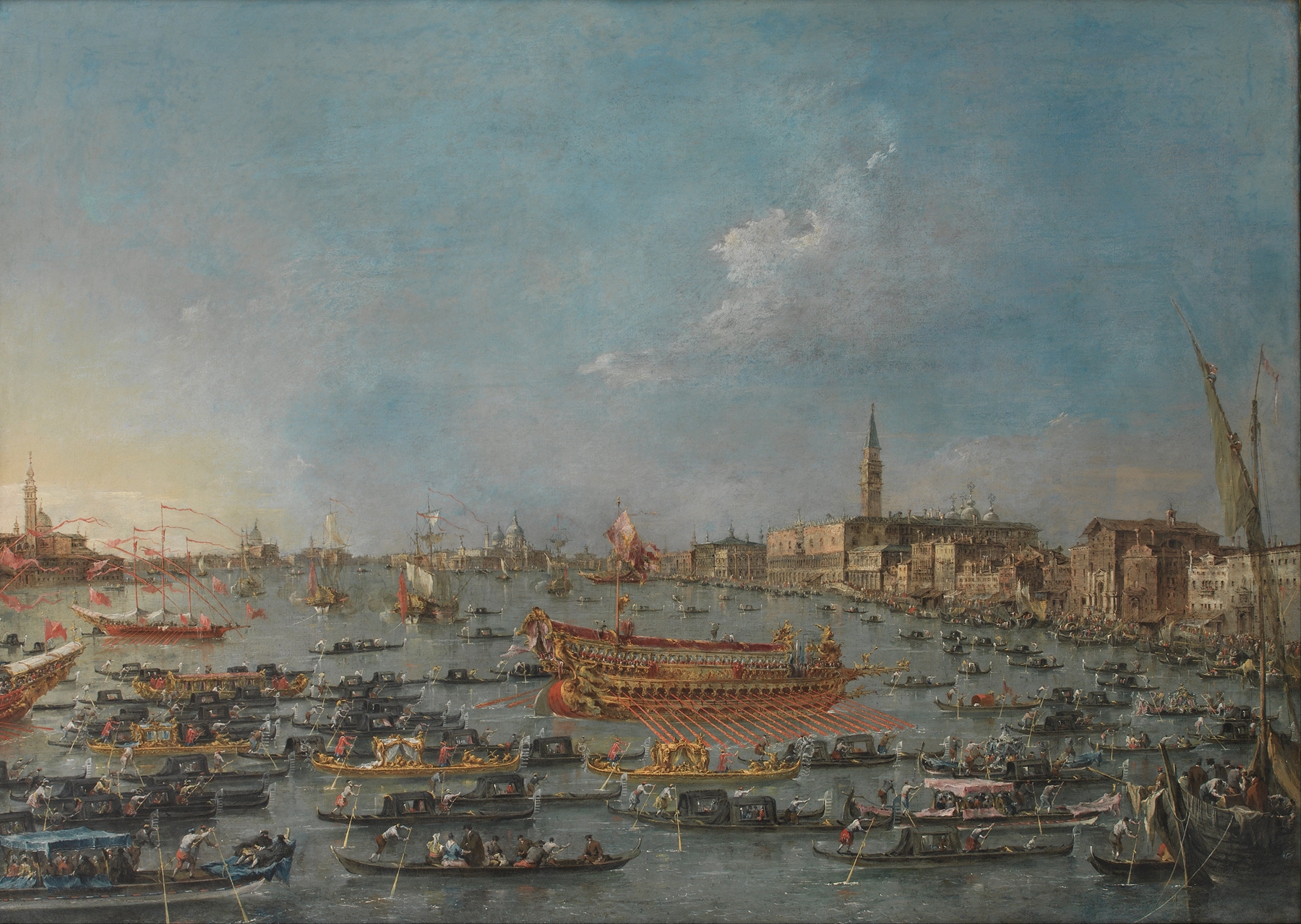
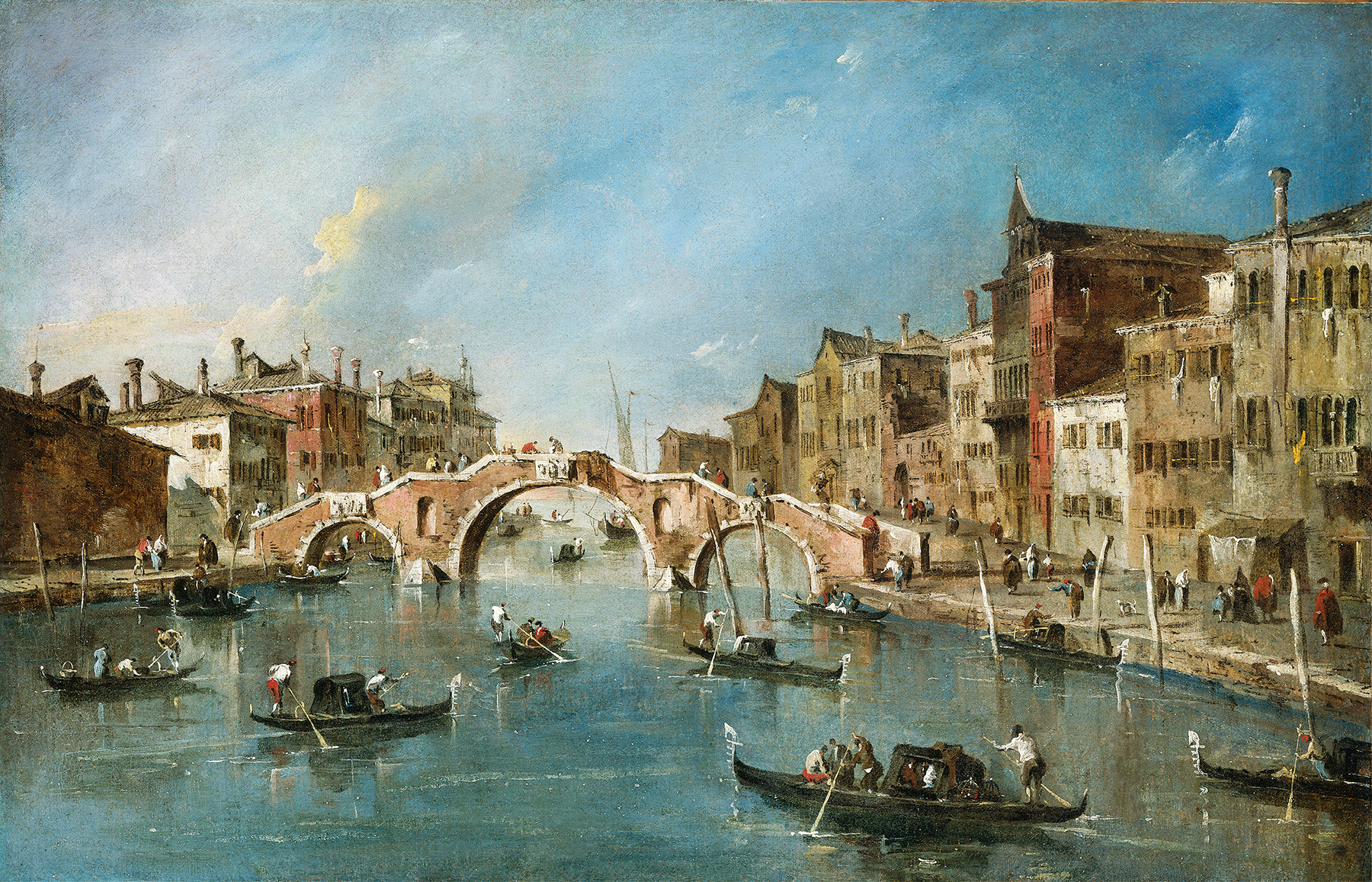
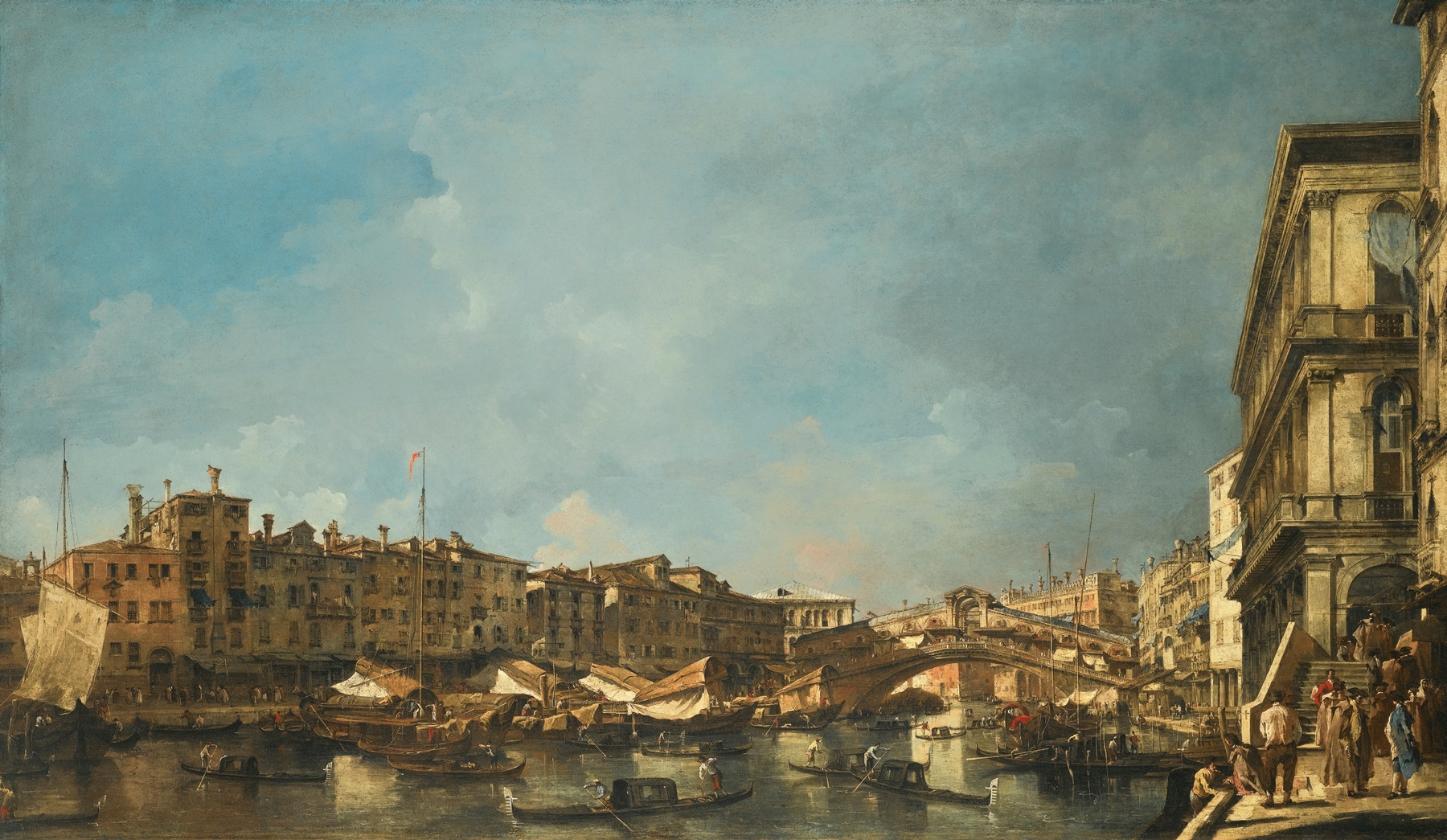
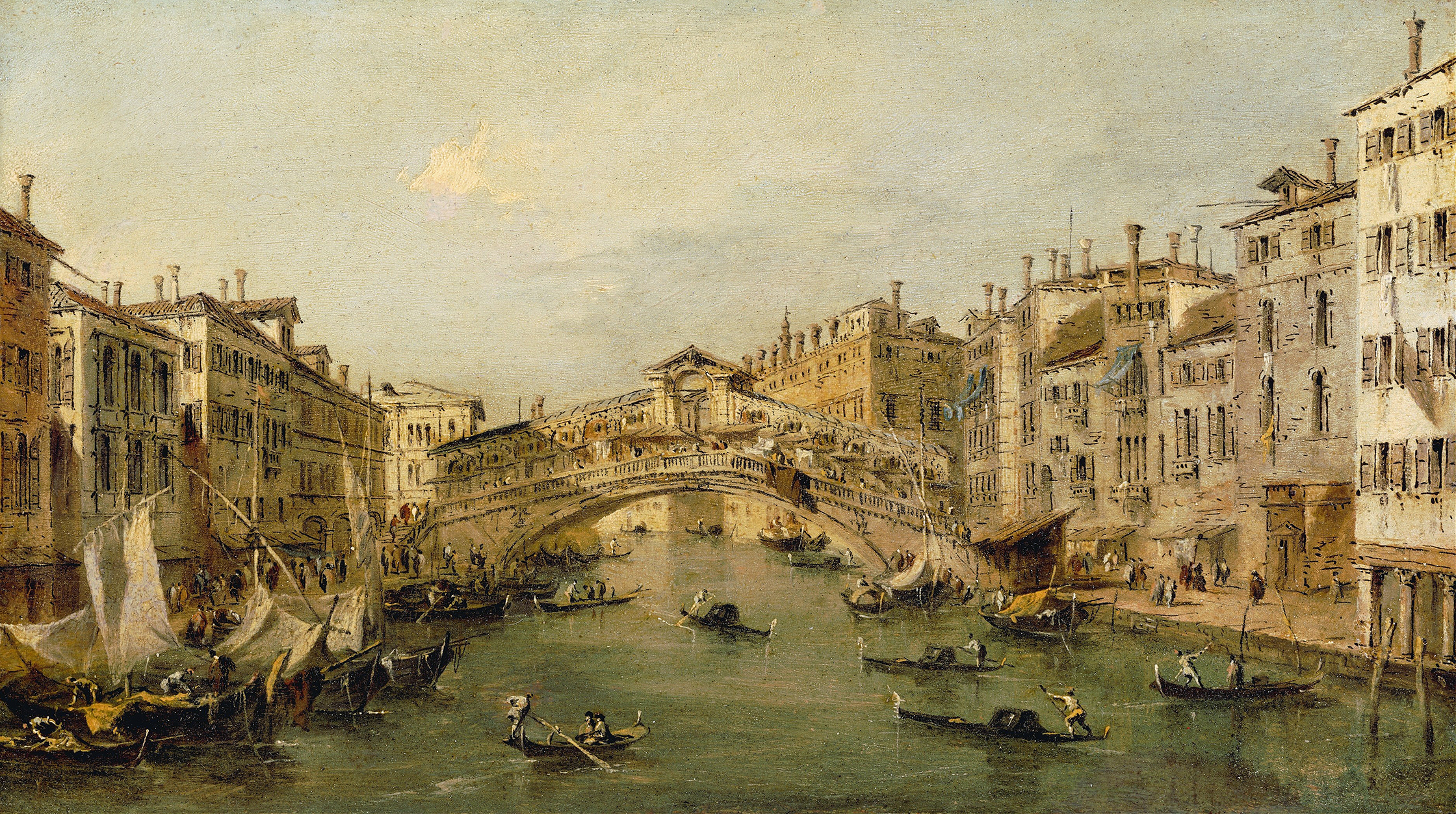
When did color learn to lie? As the sun kisses the horizon, hues of gold and crimson dance upon the gentle ripples of the Grand Canal, whispering secrets of both beauty and decay. Look to the left at the delicate palazzo, its ornate façade framed by soft, ethereal clouds. The brushstrokes are fluid, almost dreamlike, creating a sense of movement as the gondolas drift lazily by. Notice how the light falls upon the water, capturing its reflective surface to reveal a world balanced between reality and illusion.
The palette is a symphony of pastels, blending seamlessly to evoke nostalgia, while the architecture stands sturdy, hinting at the transience of what it represents. Beneath the surface, the scene speaks of mortality. The serene beauty of Venice is captured in a moment that feels both timeless and fleeting; the gondolas, symbols of both romance and loss, silently carry the weight of countless stories. The contrast between the vibrant life depicted and the knowledge of the city’s eventual decline creates a poignant tension.
Here, the grandiosity of the palazzo mirrors the ephemeral nature of existence, as if the very bricks are aware of their impermanence. Francesco Guardi painted this work around 1768 while living in Venice, a city on the cusp of change. The art world was shifting towards a more romanticized view of landscapes, and Guardi was at the forefront, capturing the essence of Venetian life with spontaneity. During this period, the city was grappling with the effects of declining power and influence, making the beauty he portrayed all the more poignant.