The Grand Canal, Venice — History & Analysis
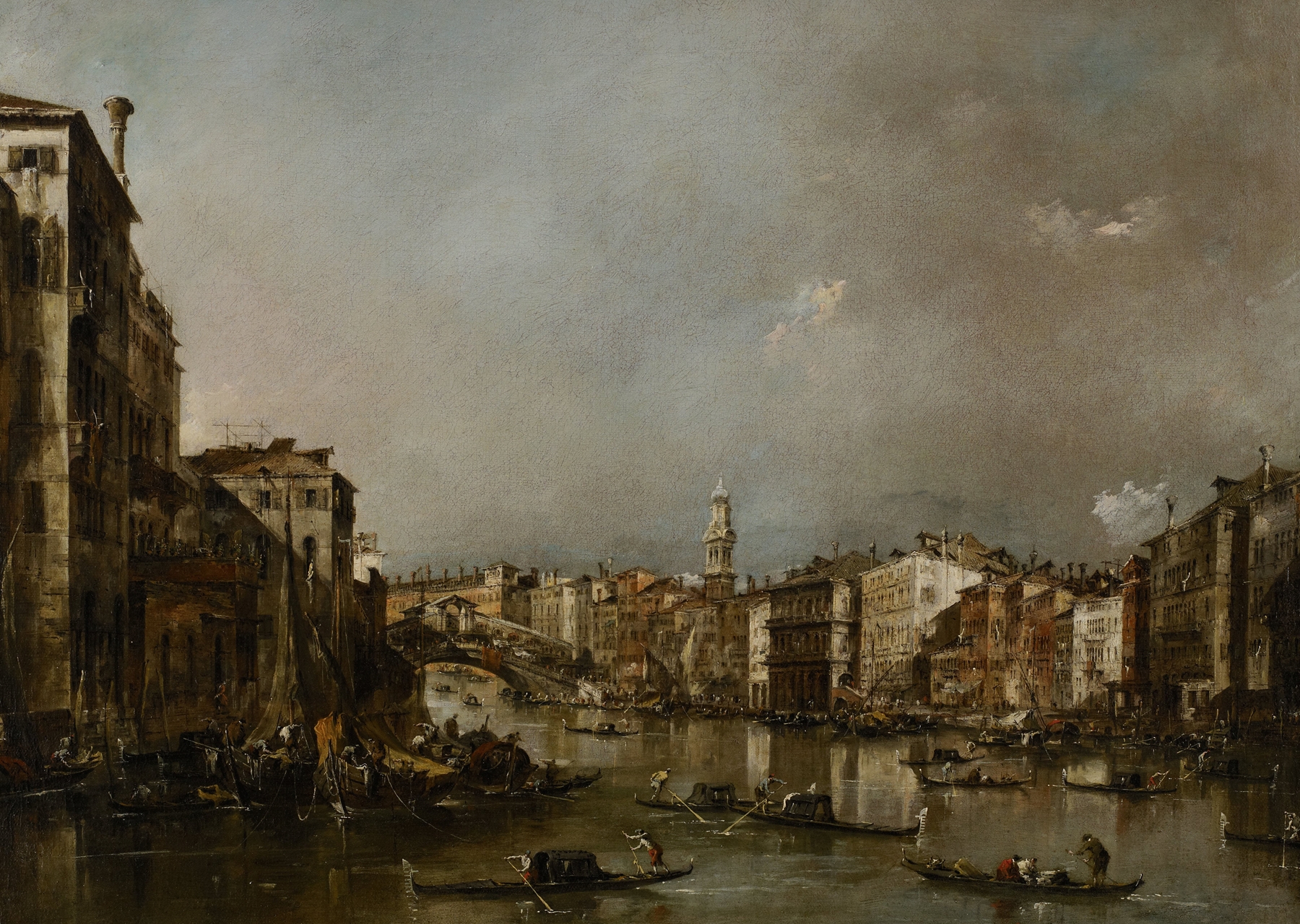
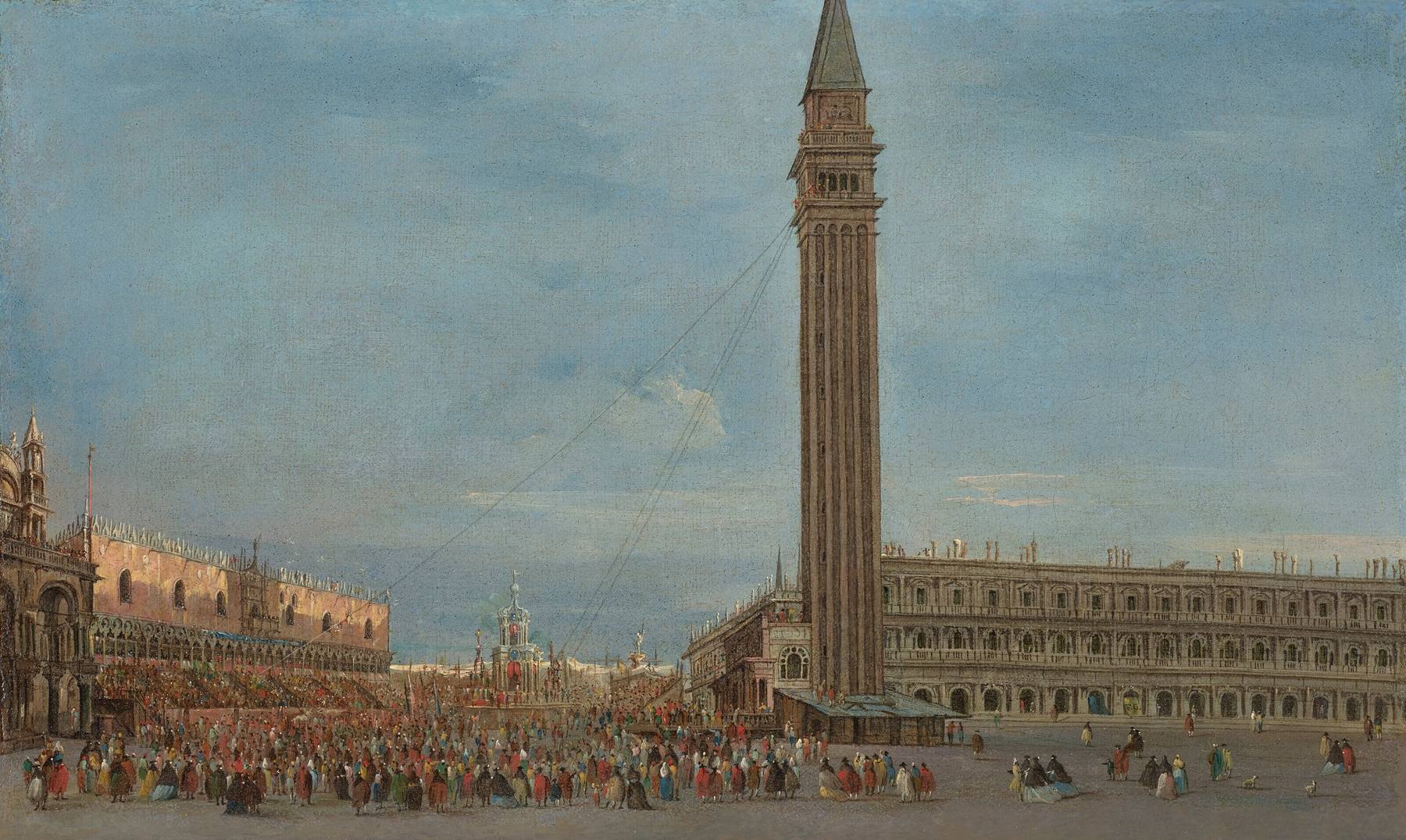
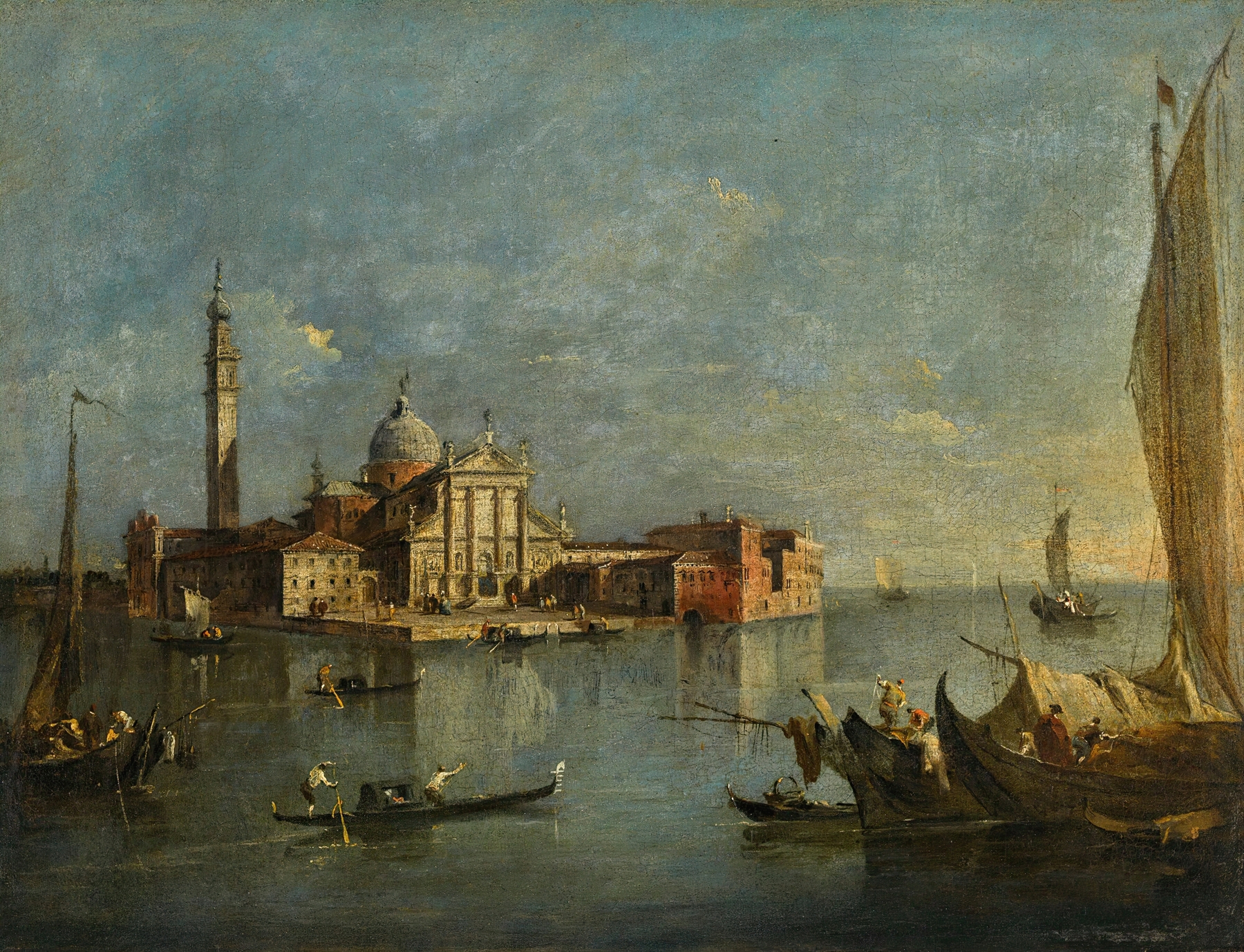
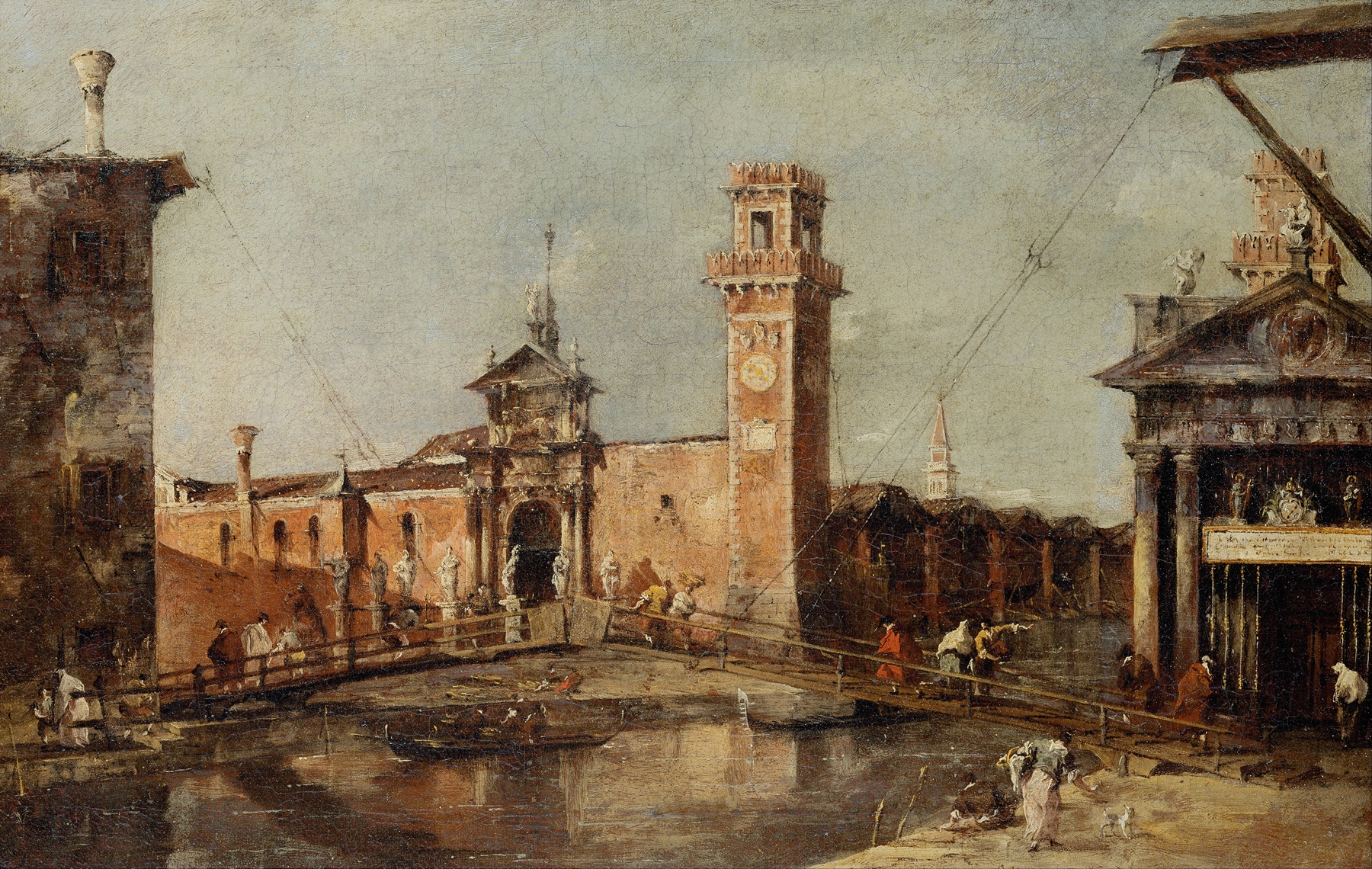
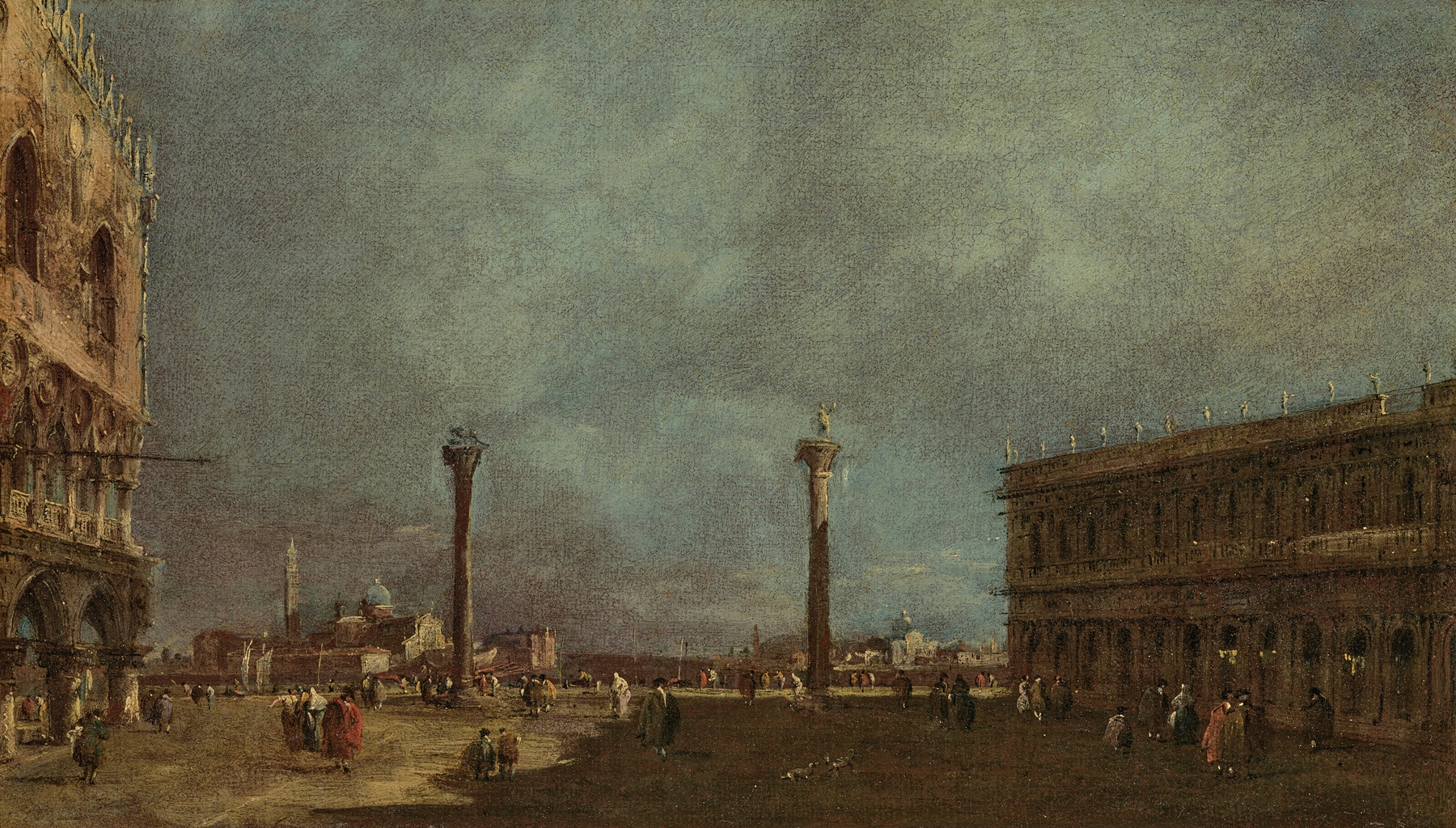
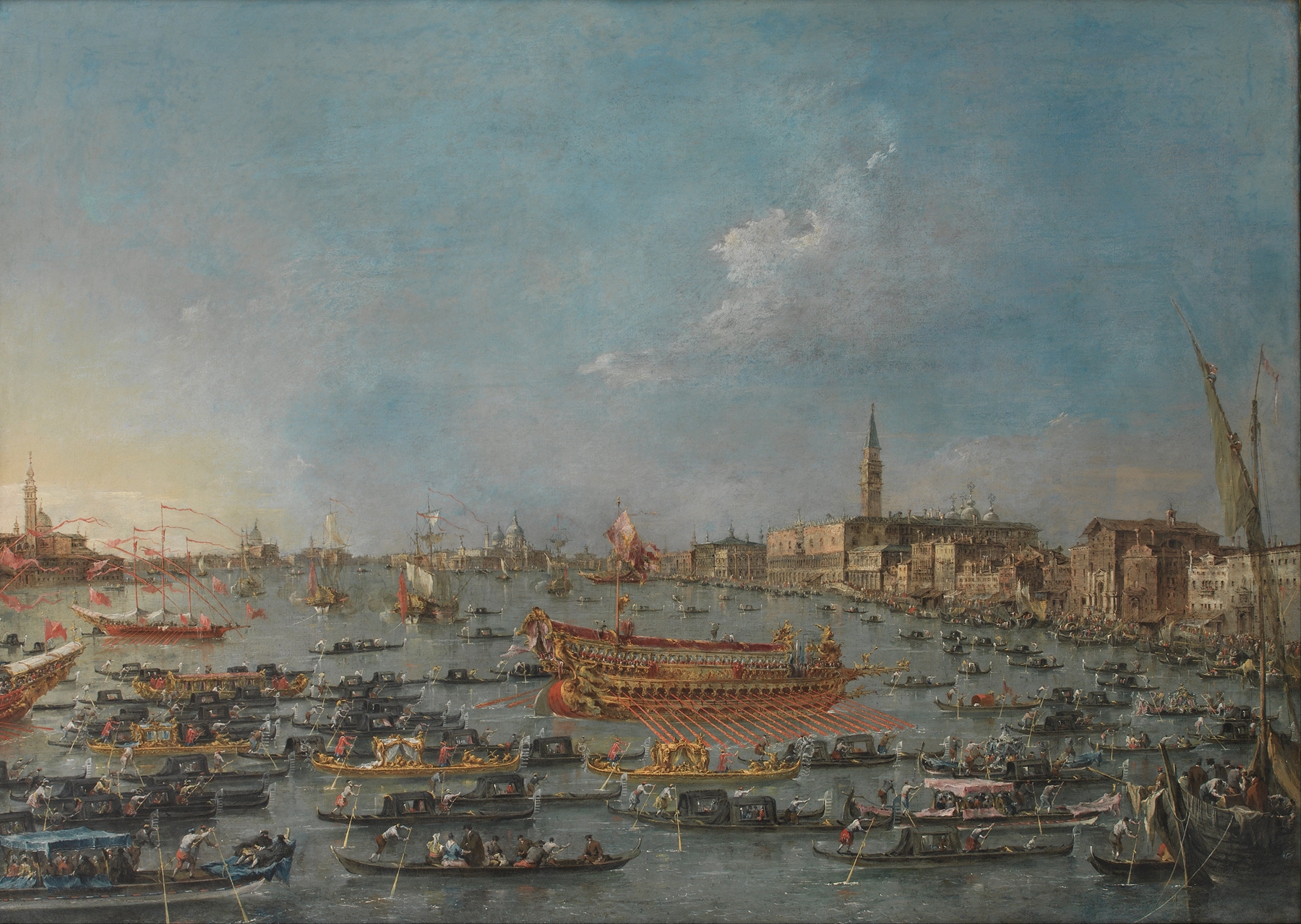
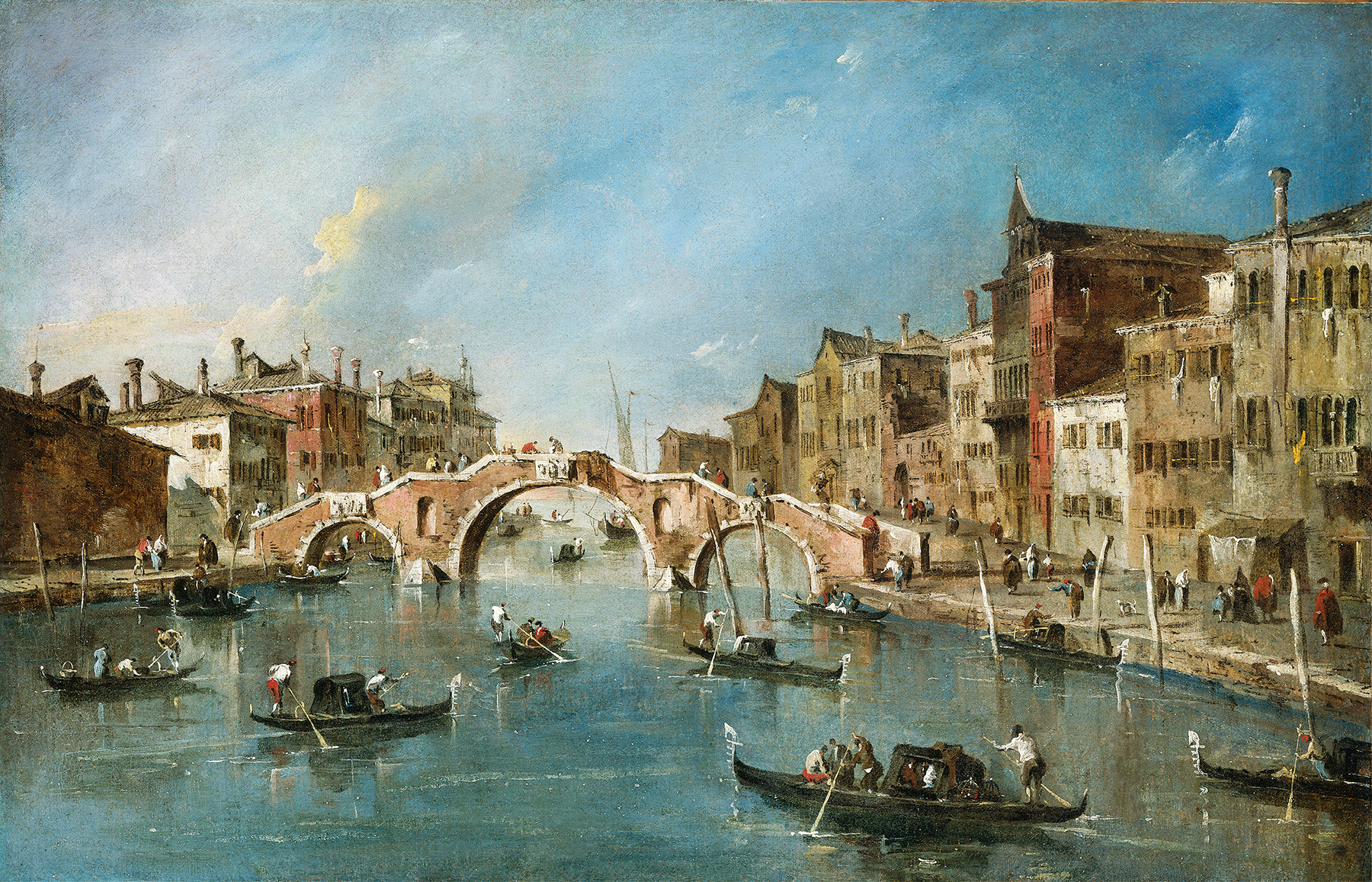
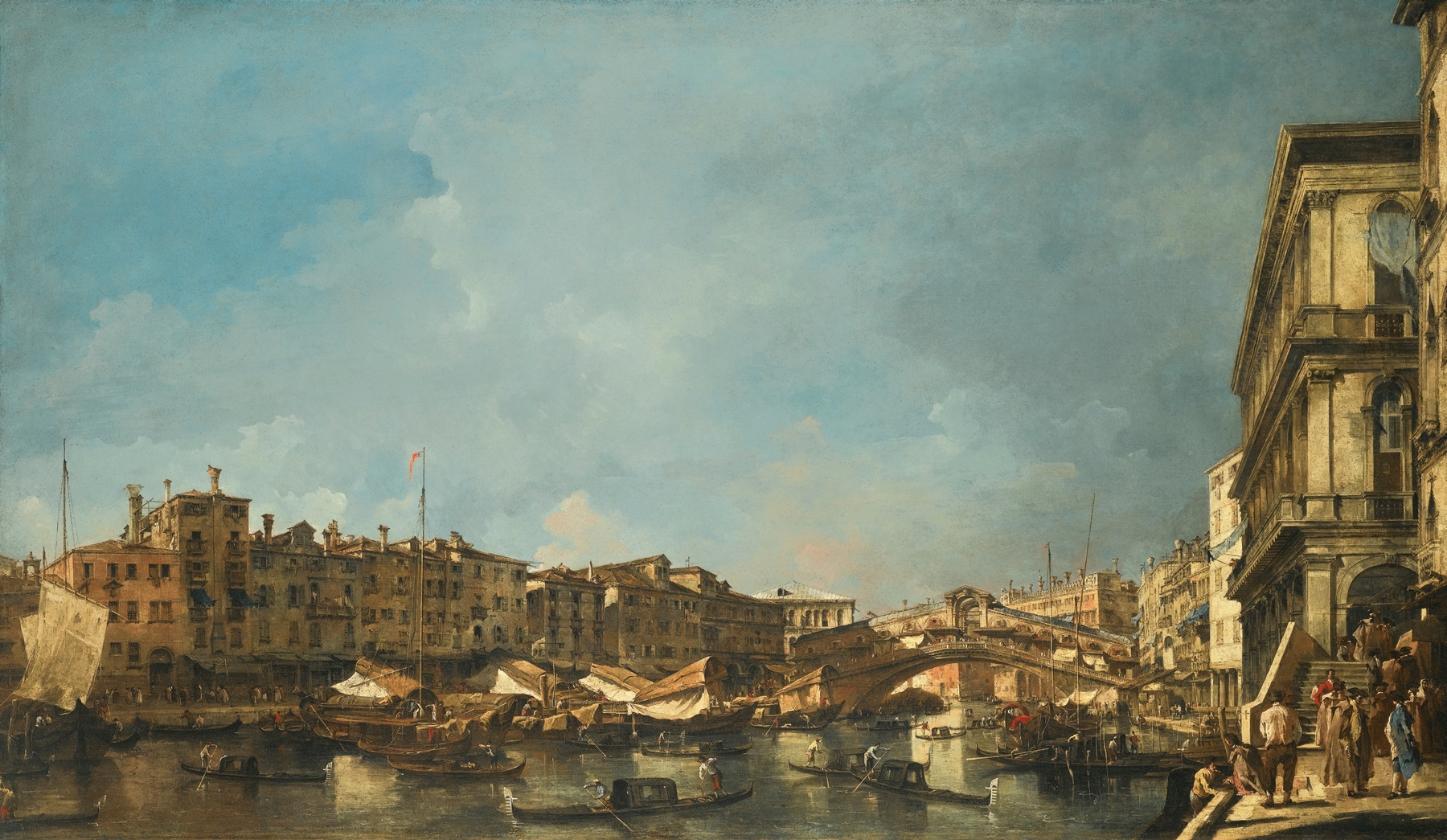
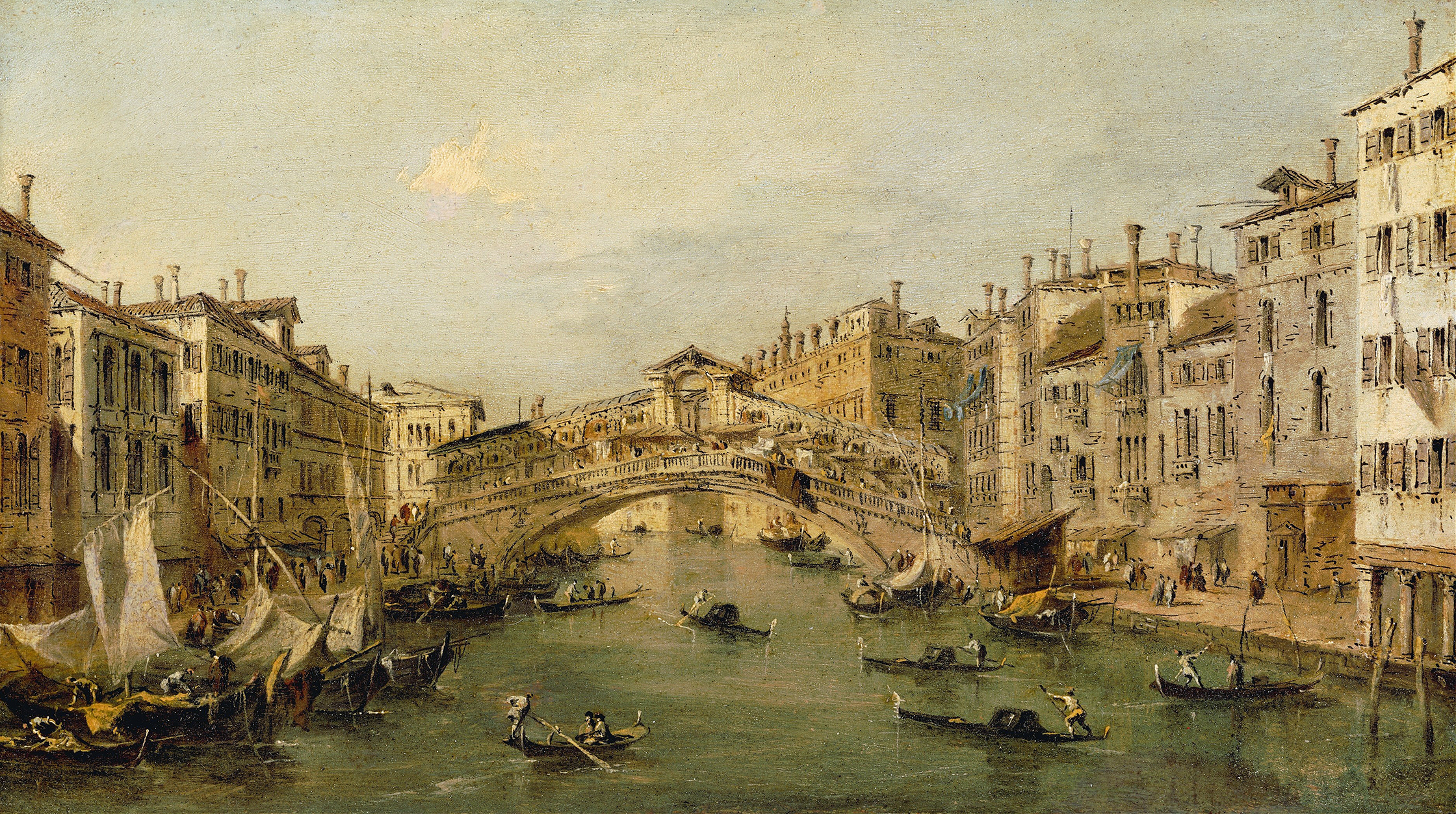
Can paint confess what words never could? In The Grand Canal, Venice, the canvas unfolds a revelation of a city that breathes through its shimmering waters and sun-drenched facades, whispering secrets only the artist could capture. Look to the right at the graceful gondolas gliding through the canal, their reflections dancing with the rippling water. Notice how the light falls upon the ornate buildings lining the shore, bathing them in a soft golden hue. The palette, a delicious mix of blues and warm earth tones, creates a balance between the tranquil sky and the bustling life below.
The composition draws your gaze along the canal, inviting you to traverse this watery thoroughfare, where every brushstroke feels like a gentle caress of nostalgia. In this evocative scene, contrasts abound. The peacefulness of the shimmering water starkly juxtaposes the vibrancy of the figures populating the gondolas and streets, who seem animated in their daily rituals. Each boat serves as a vessel not only of transport but of myriad stories, hinting at the lives intertwined in this urban tapestry.
The fading light suggests the passage of time—an empire in decline, yet still vibrant, still alive. Francesco Guardi created this masterpiece around 1760, during a period when Venice was grappling with its identity amidst shifting political landscapes. Guardi’s work marked a transition towards romanticism in art, as he focused on evoking emotion rather than simply recording reality. His brush captured the essence of his beloved city during a time when it was revered for its artistic and cultural heritage, yet faced the uncertainty of a changing world.