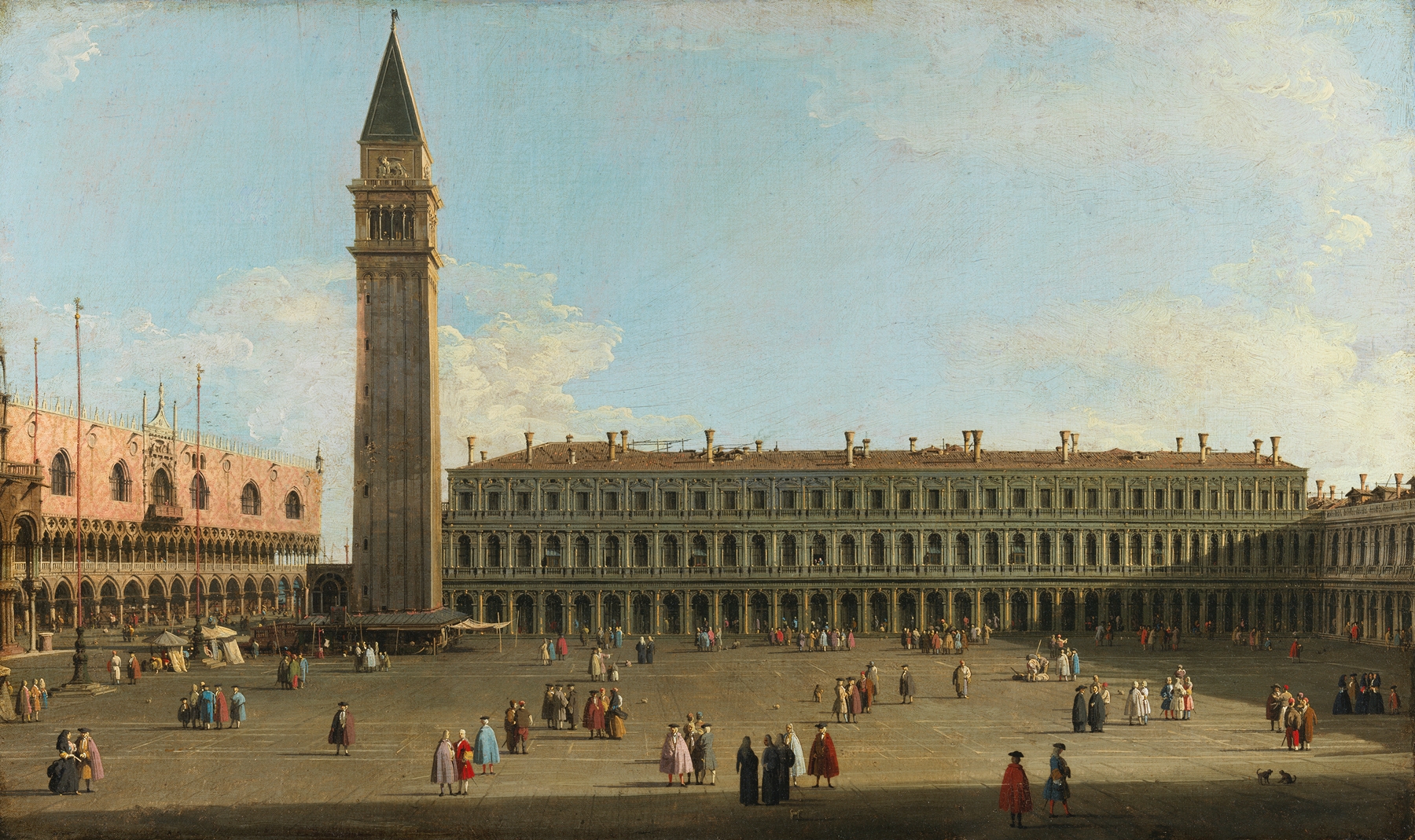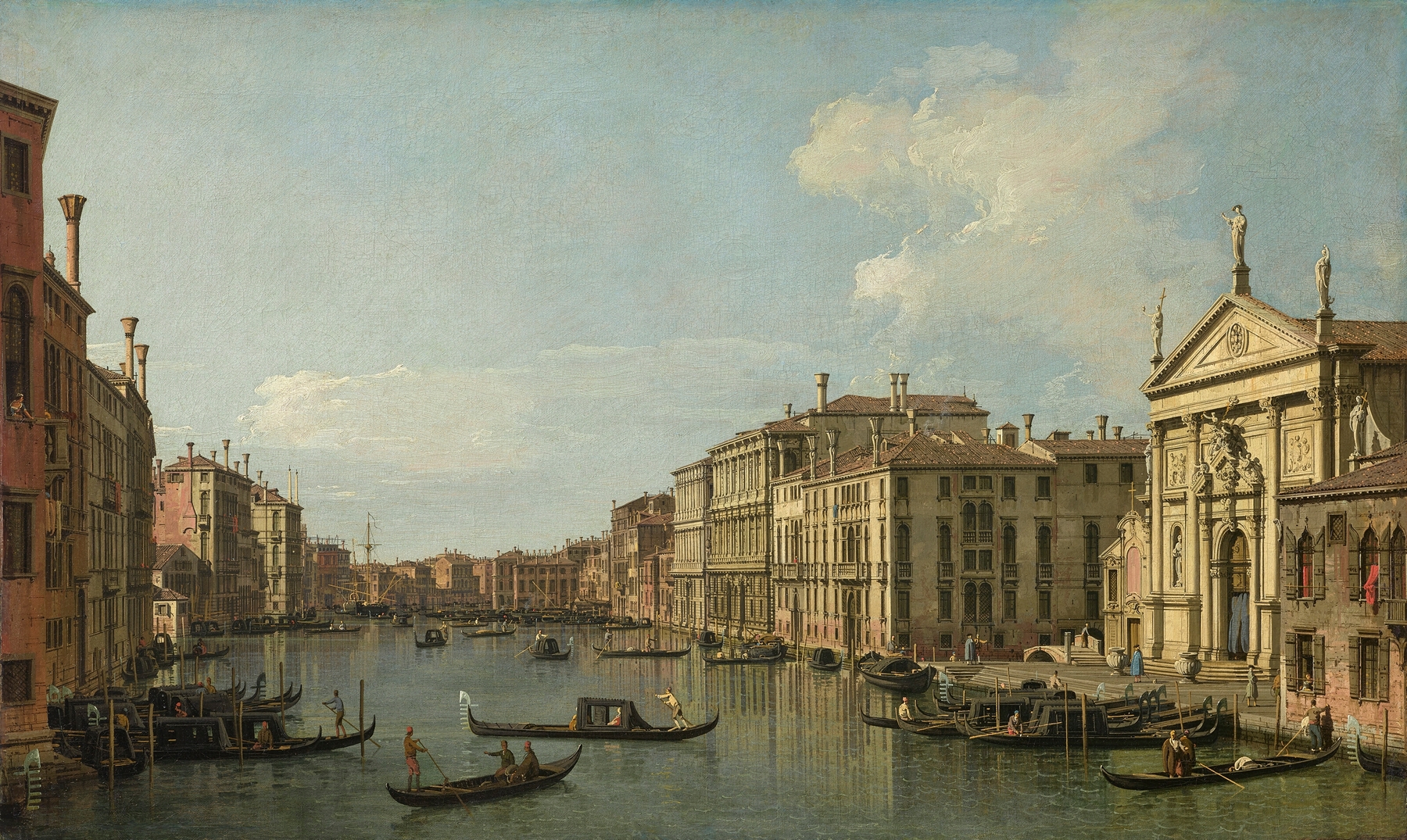
The Grand Canal, Venice, Looking South-East from San Stae to the Fabbriche Nuove di Rialto — History & Analysis
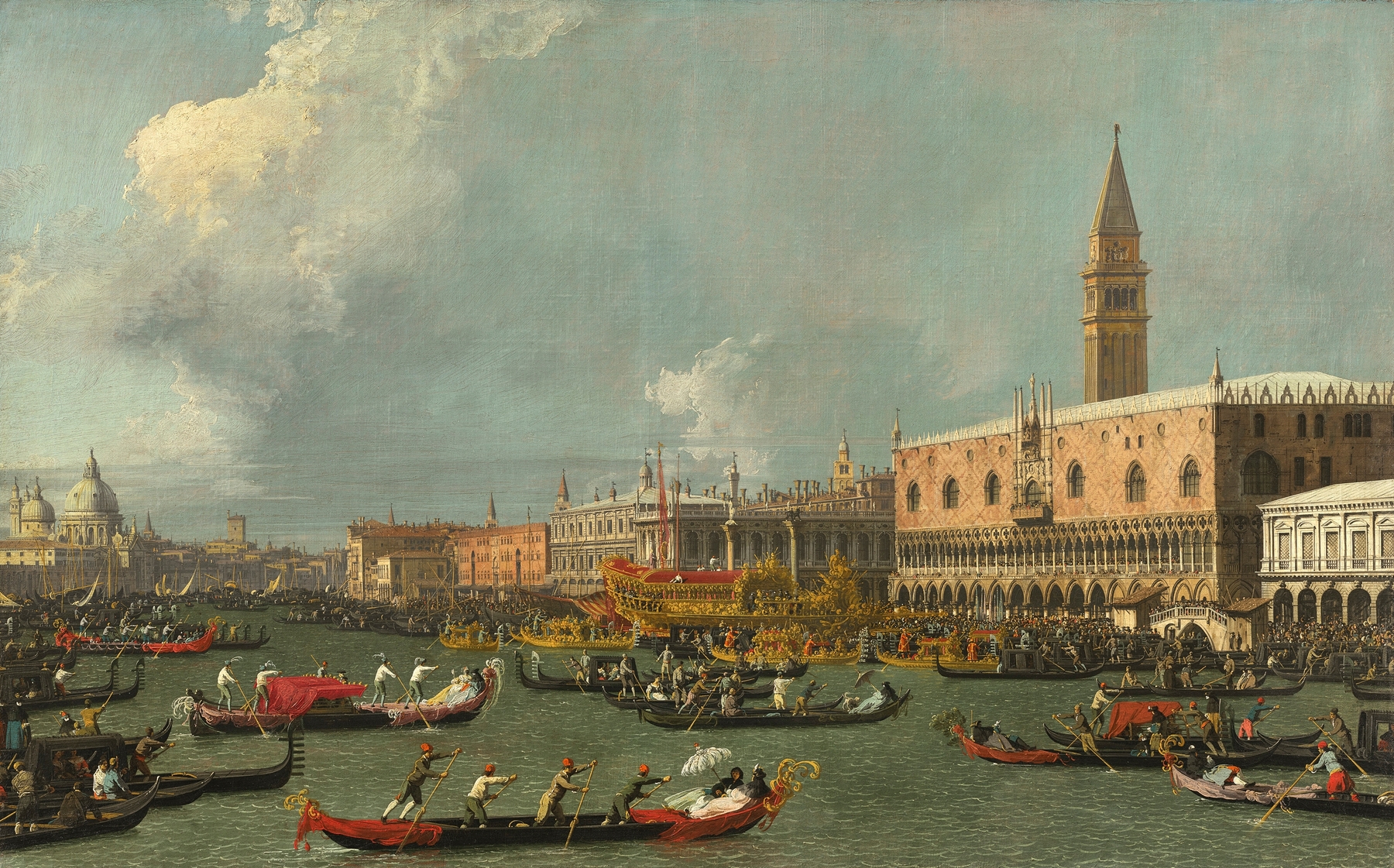
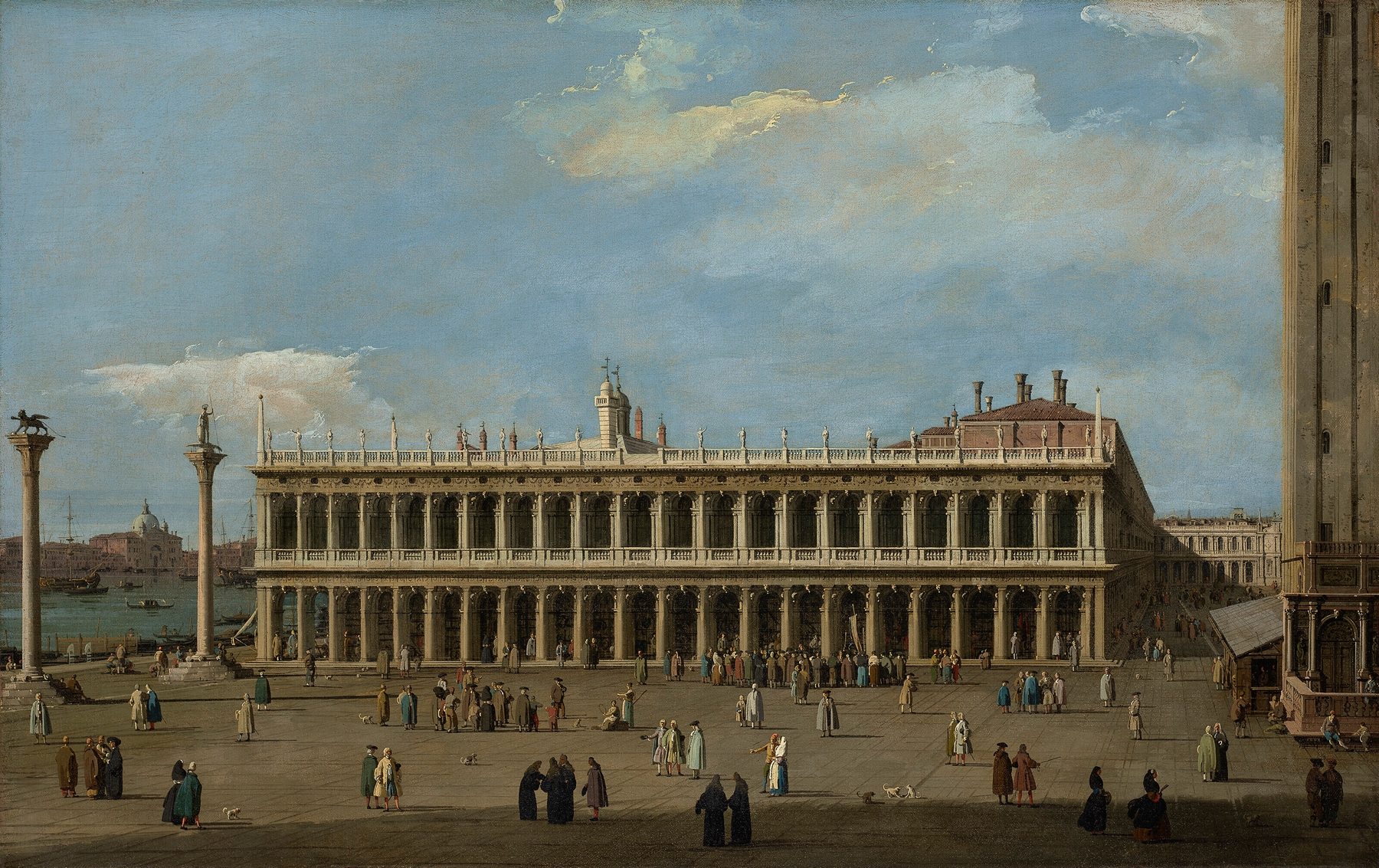
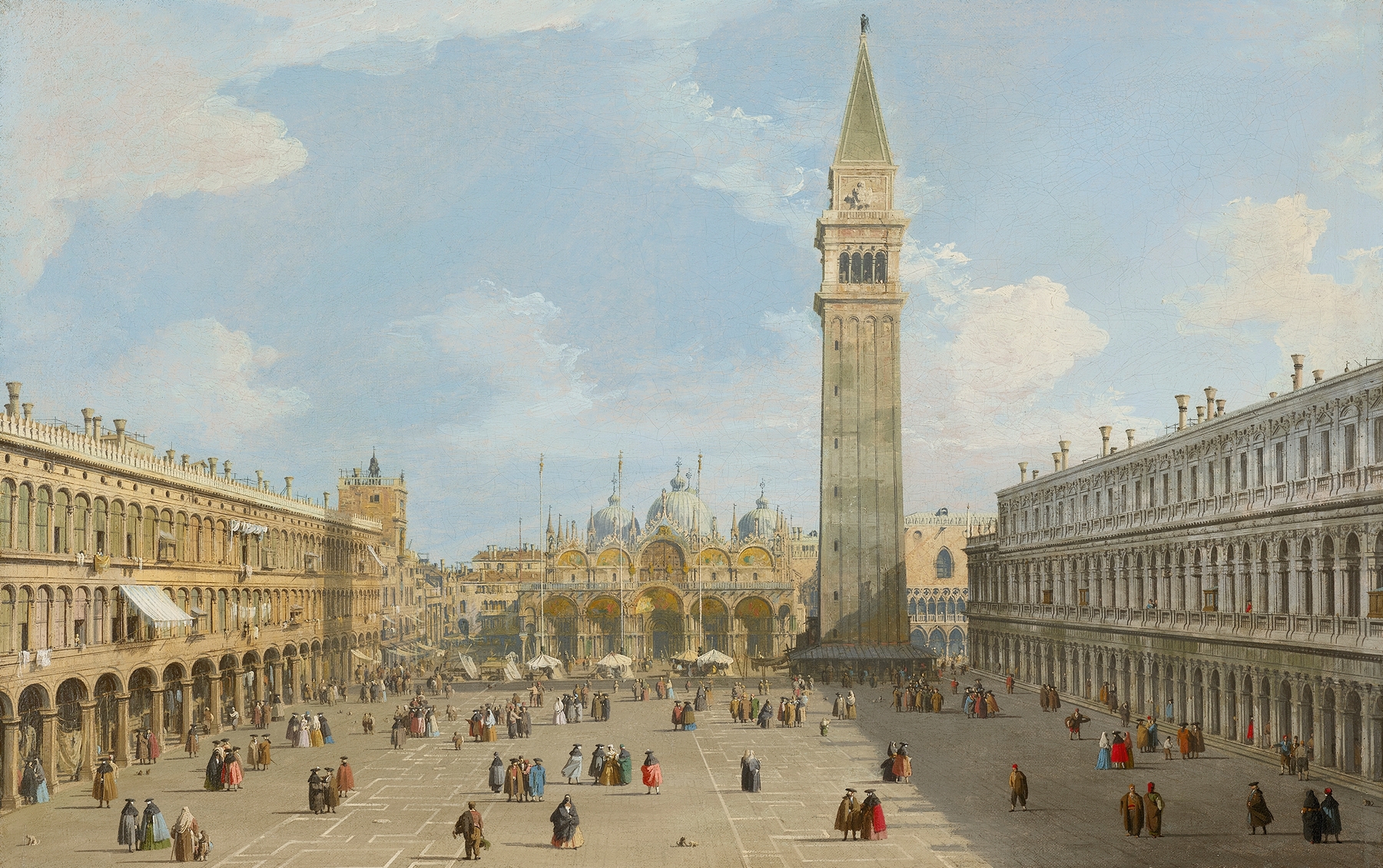
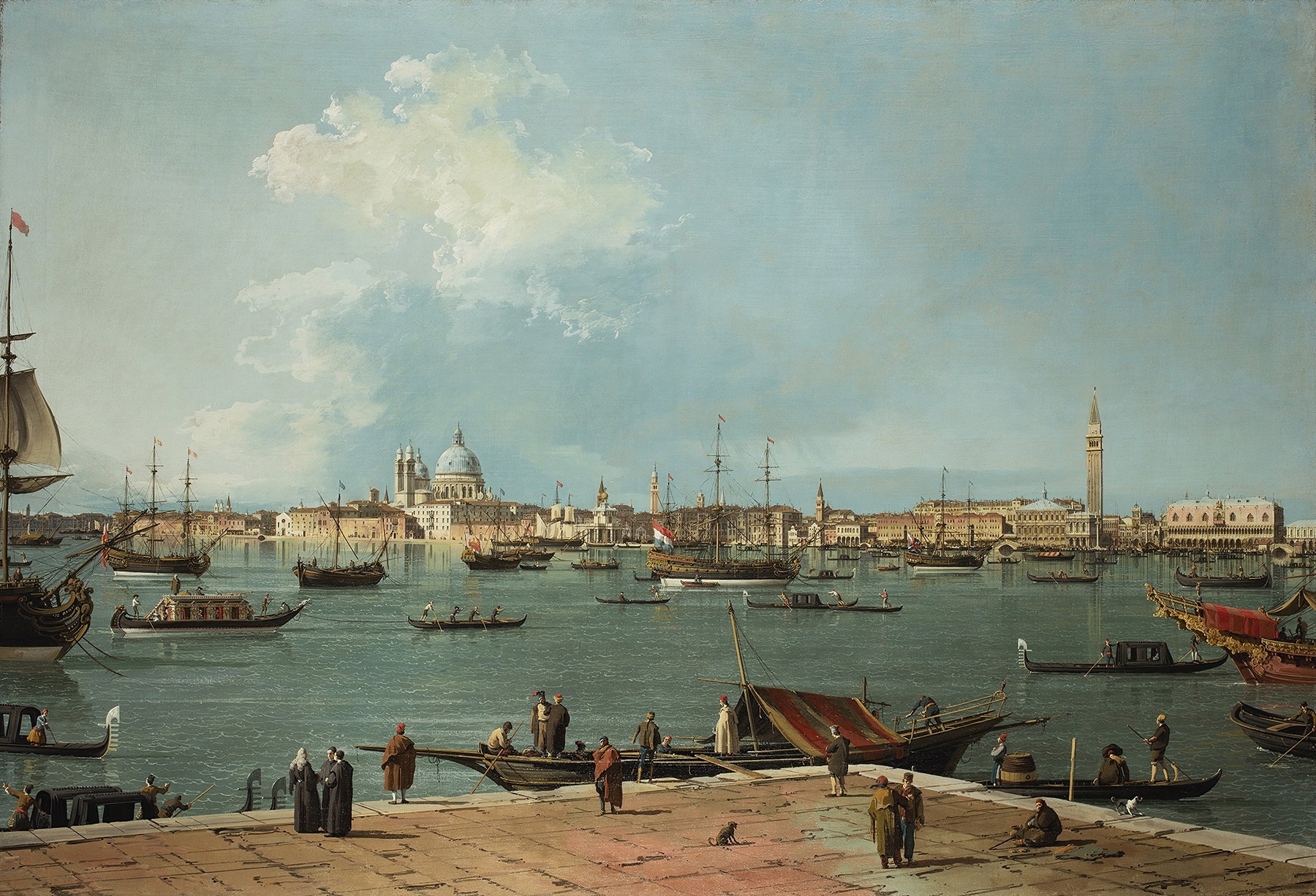
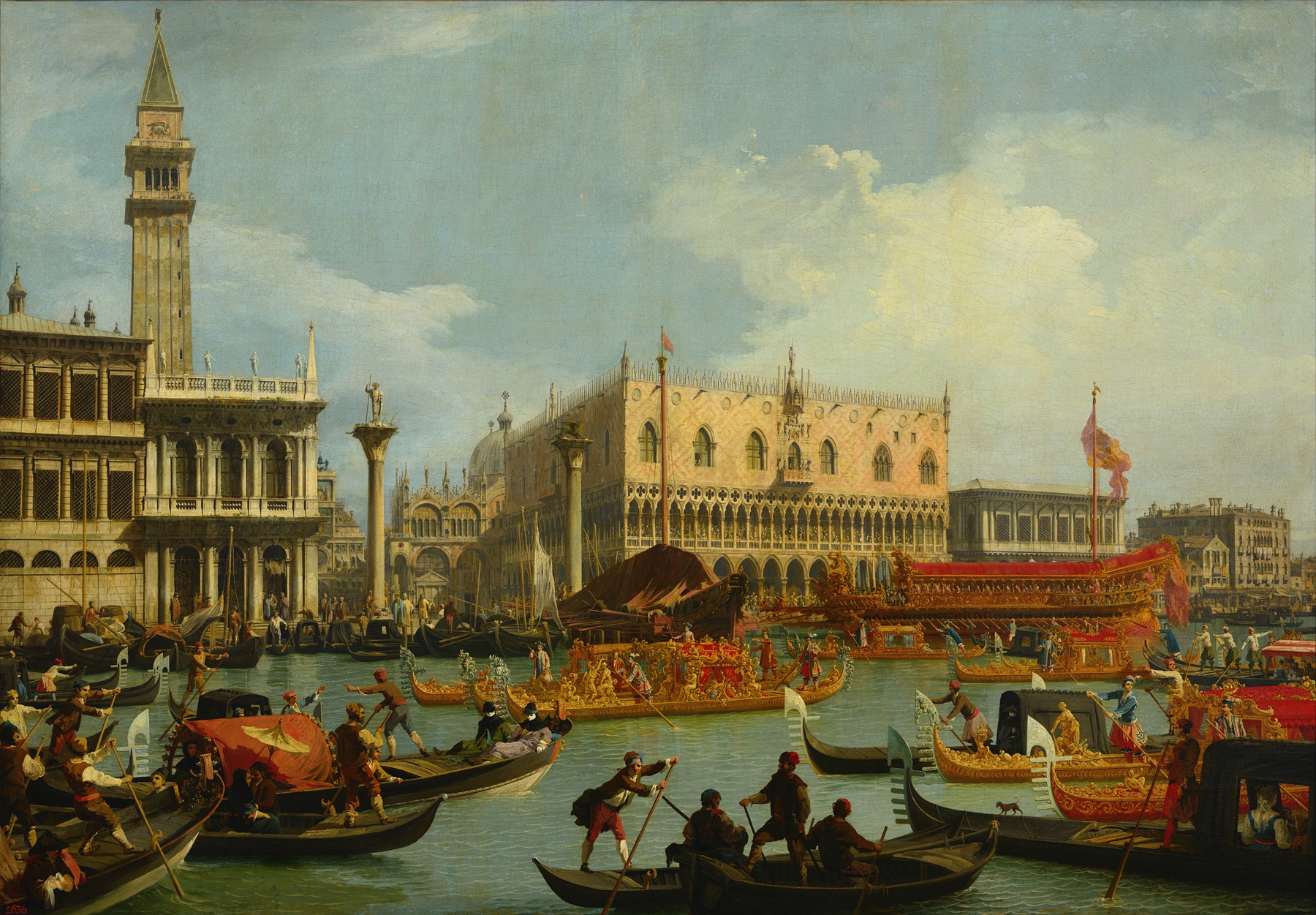
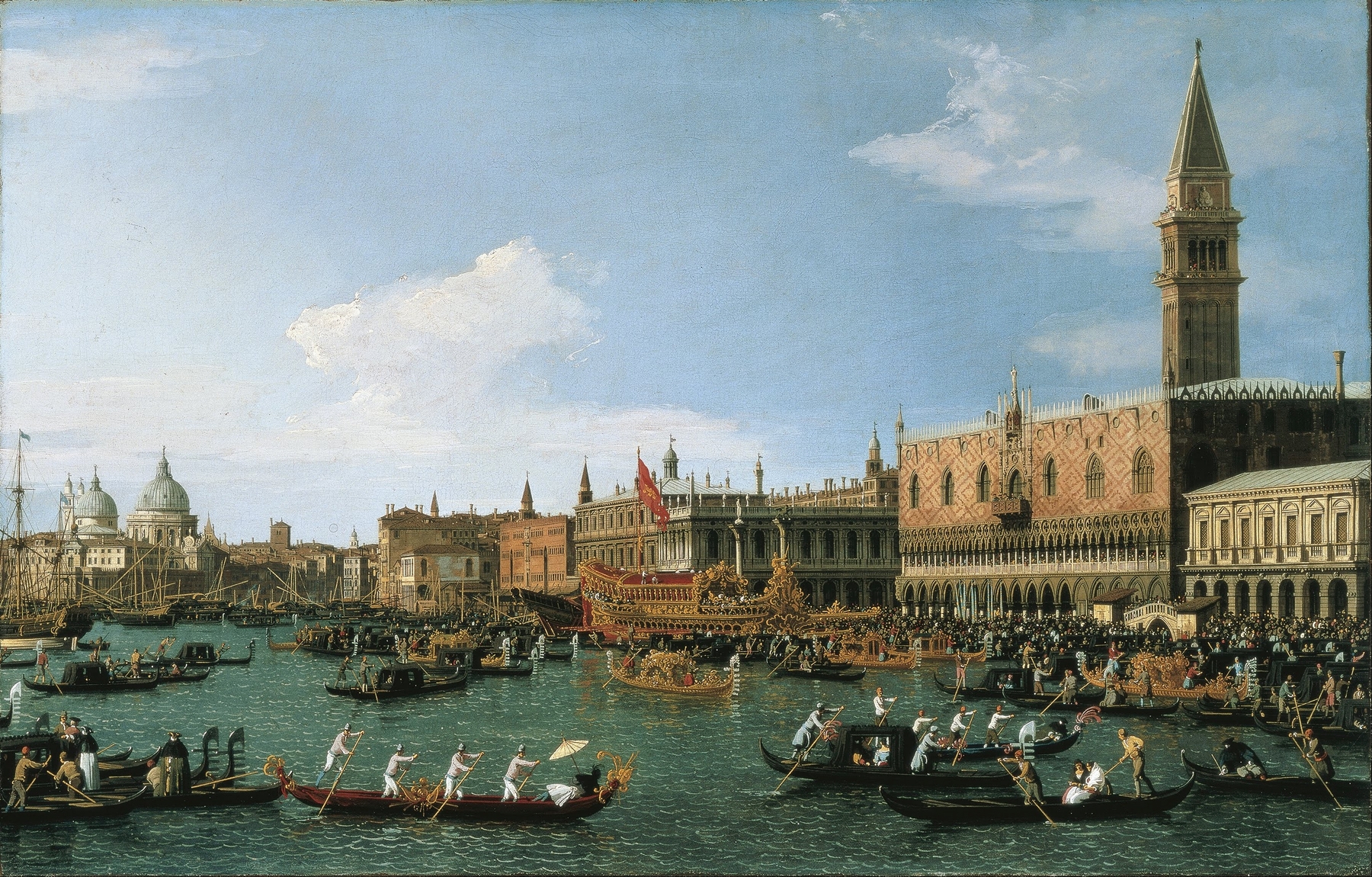
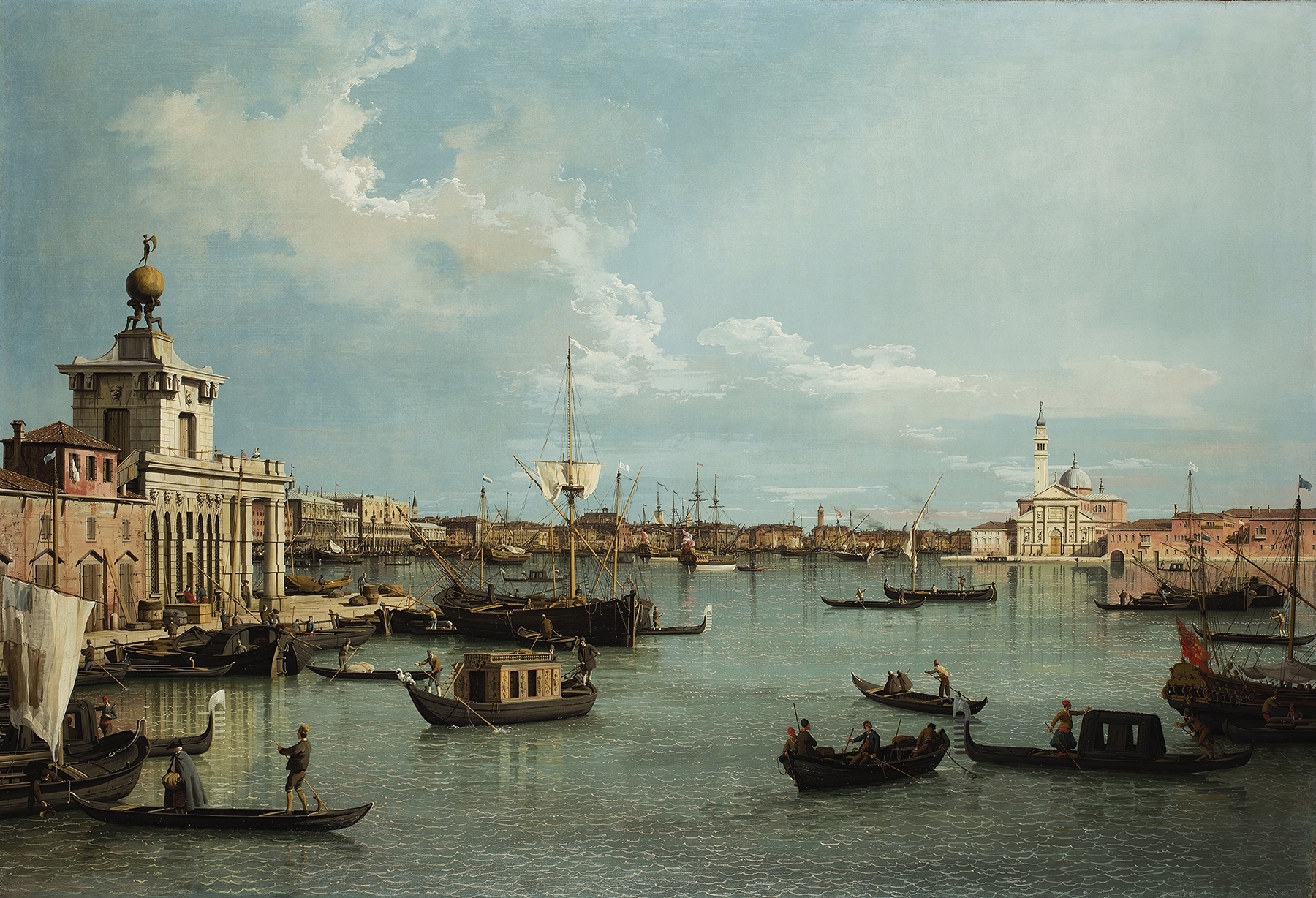
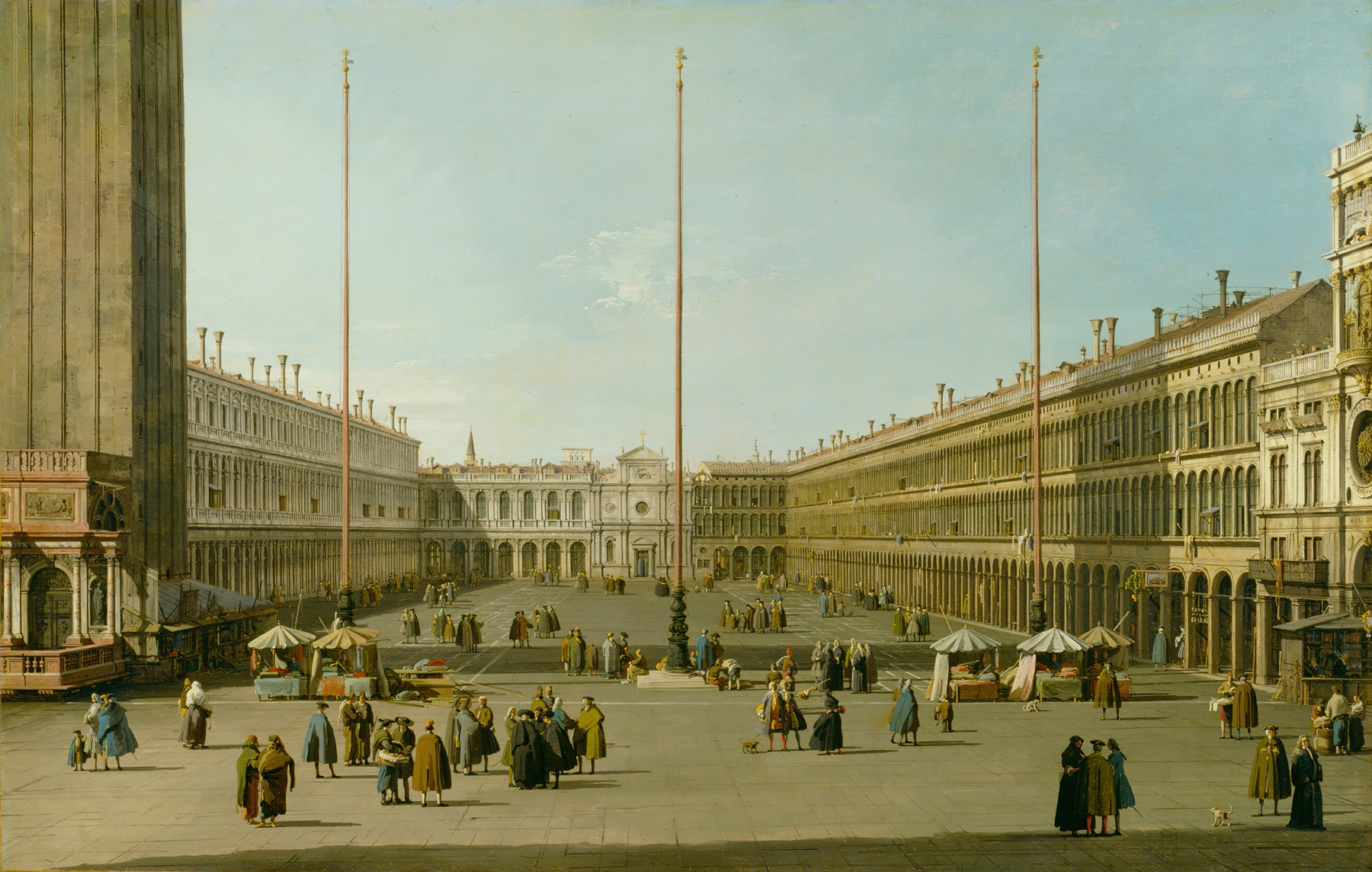
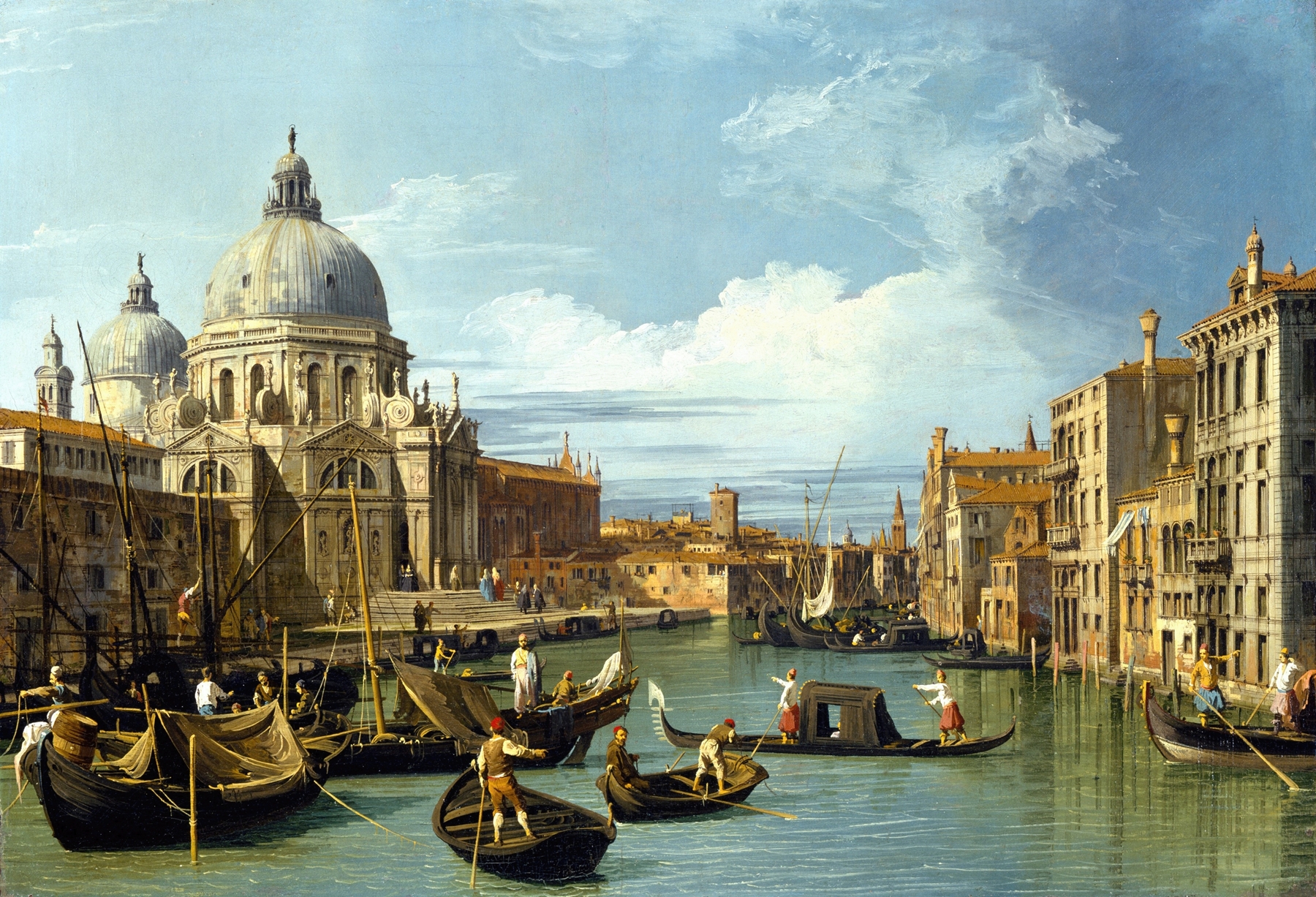
“Art reveals the soul when the world turns away.” In the shadows cast by history, we find the enduring light of creativity. Canaletto masterfully invites us to explore the delicate interplay of shadow and light in his panoramic vision of Venice, revealing a city both vibrant and tranquil. Focus first on the shimmering waters of the Grand Canal. Notice how the play of sunlight dances across the surface, creating a reflective tapestry that captures the essence of the city. Your eyes should travel along the waterway, tracing the elegant gondolas and the intricate architecture that lines the banks, all bathed in a soft, golden hue.
The composition’s depth draws you in, creating a world both tangible and dreamlike, where every detail—from the delicate ripples to the stoic facades—forms a unified harmony. Yet, beneath the surface beauty lies a complex narrative. The juxtaposition of light against shadow reveals not only the physicality of Venice but also hints at its historical weight. The darkened corners hint at untold stories and whispered secrets of the city, while the lively figures engaged in their daily rituals speak to the continuity of life amid the passage of time.
This interplay evokes a sense of nostalgia, as if we are glimpsing an ephemeral moment locked in the annals of time. Canaletto painted this captivating scene during the early 18th century, a time when Venice was a bustling center of commerce and culture. He frequently captured the city's splendor in his works, which appealed to the Grand Tour travelers seeking to immortalize their experiences. In this particular period, he was honing his signature style of meticulous detail and vivid light, establishing himself as a master of landscape and cityscape that would influence generations to come.