The Grand Piazza — History & Analysis
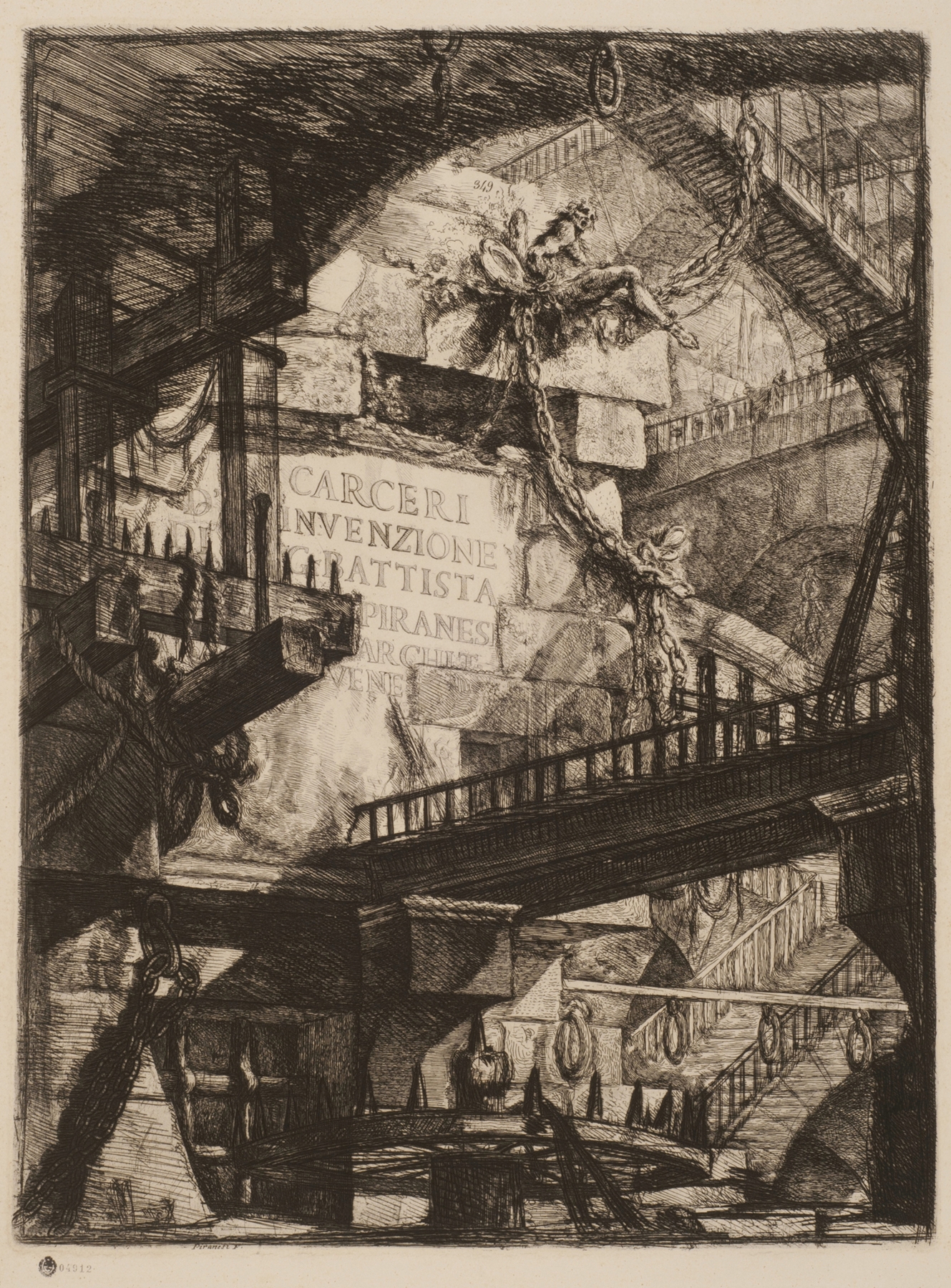
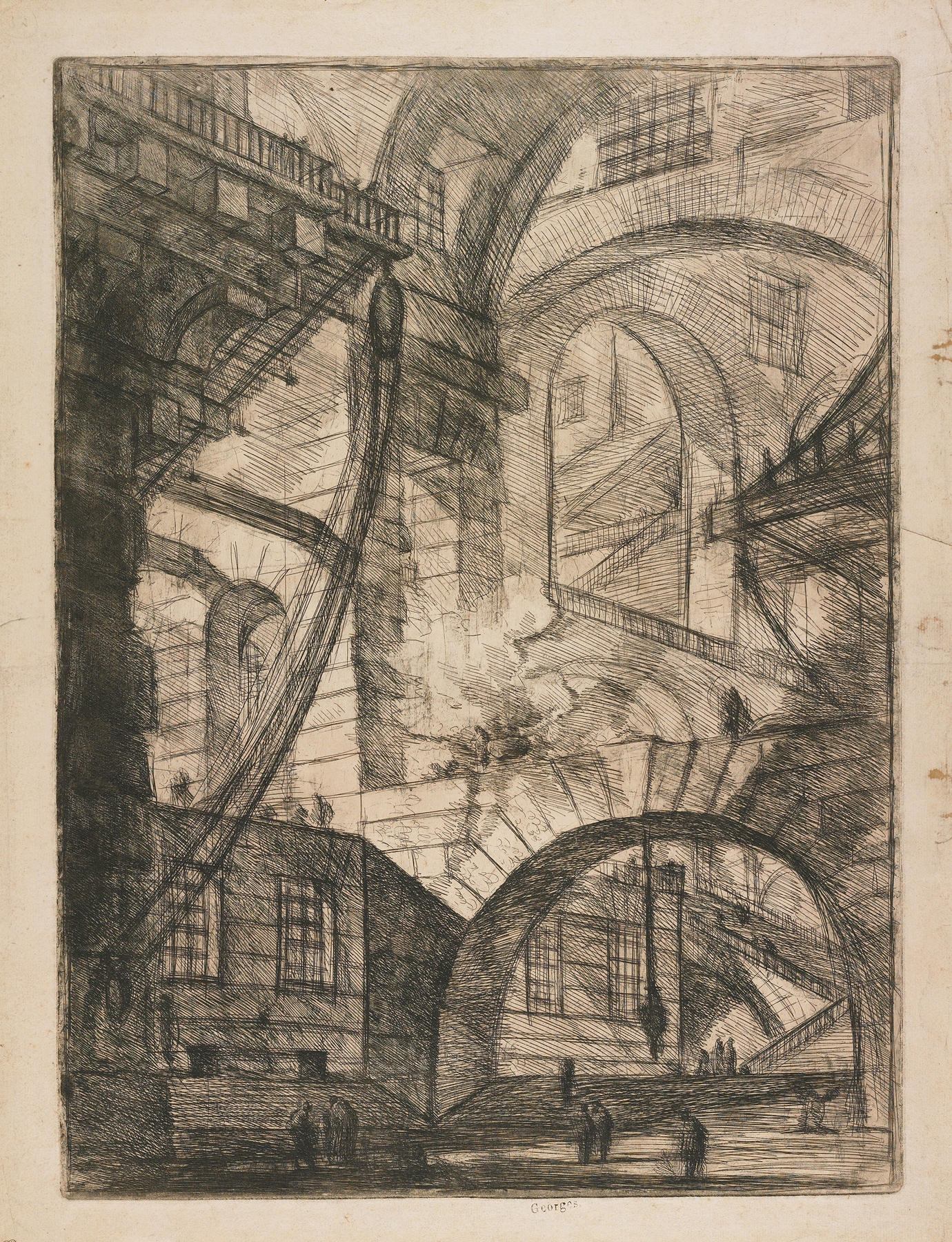
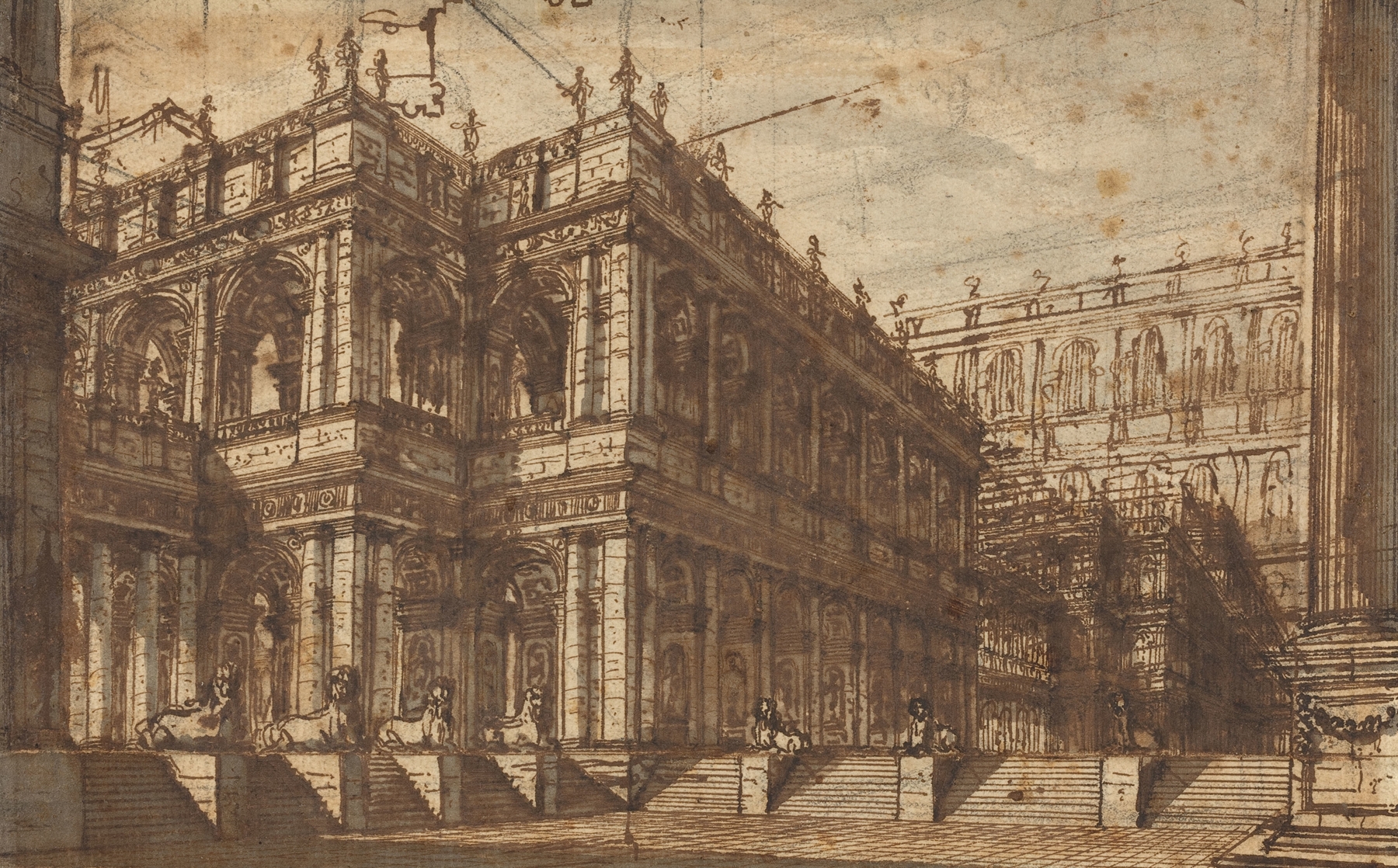
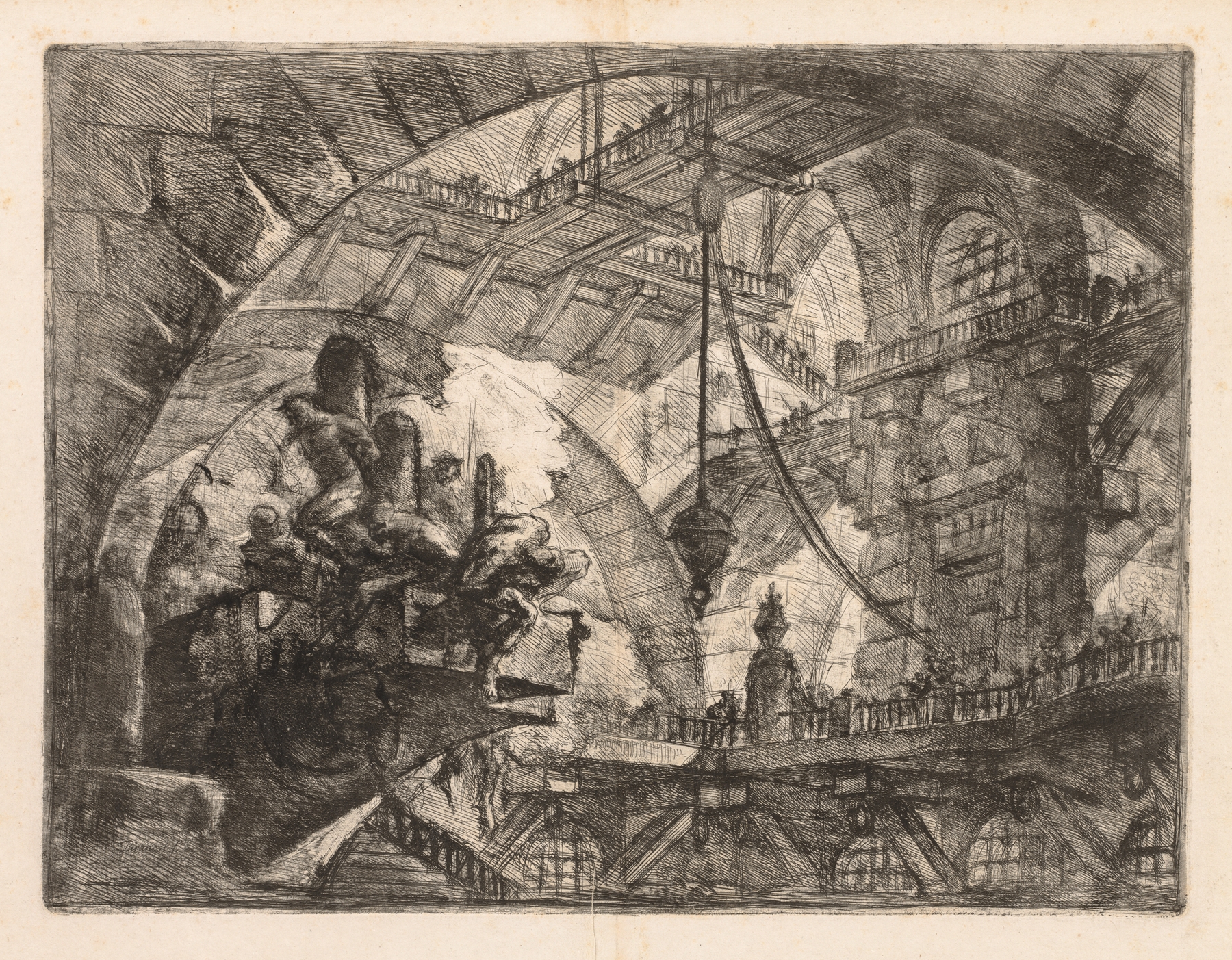
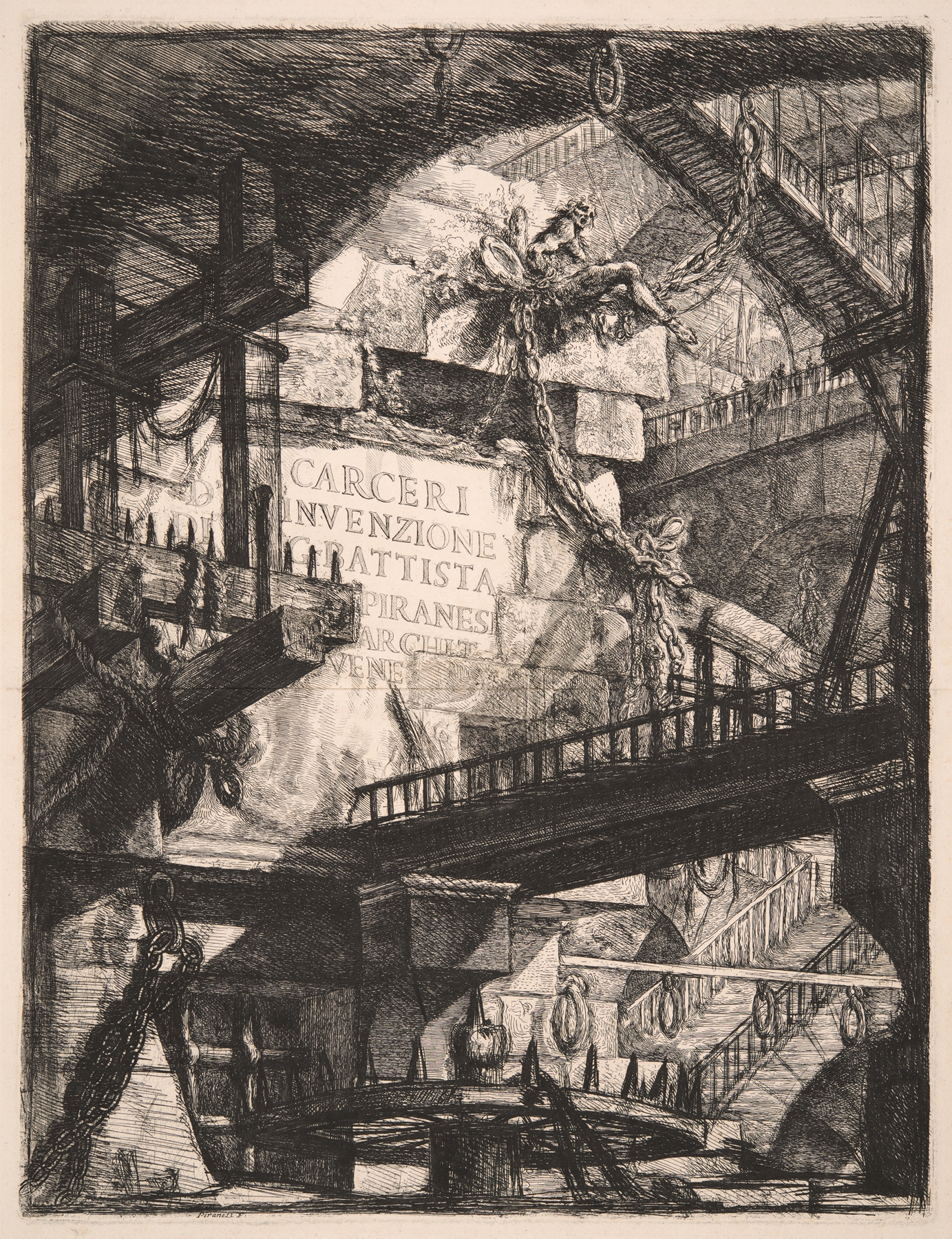
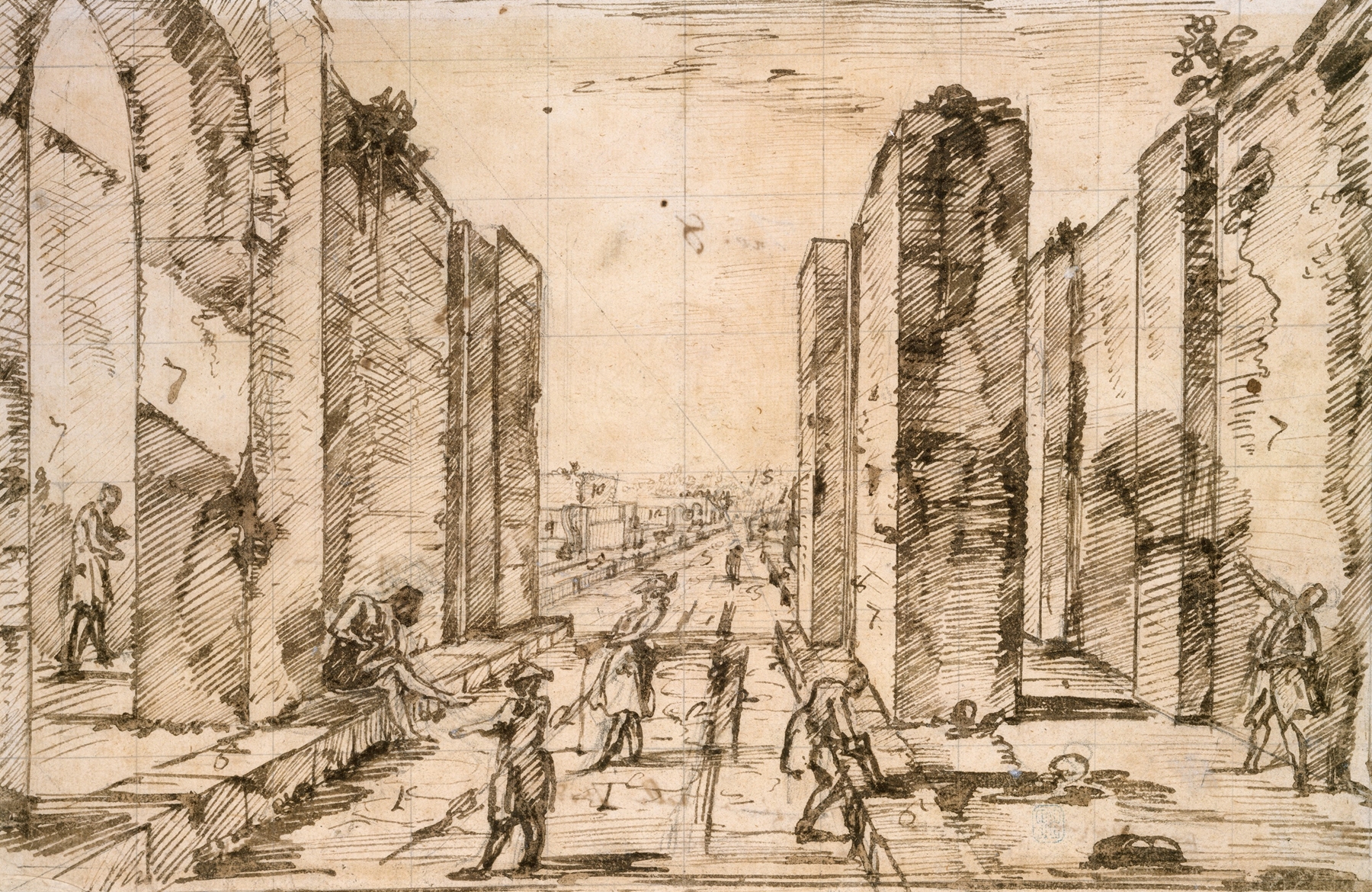
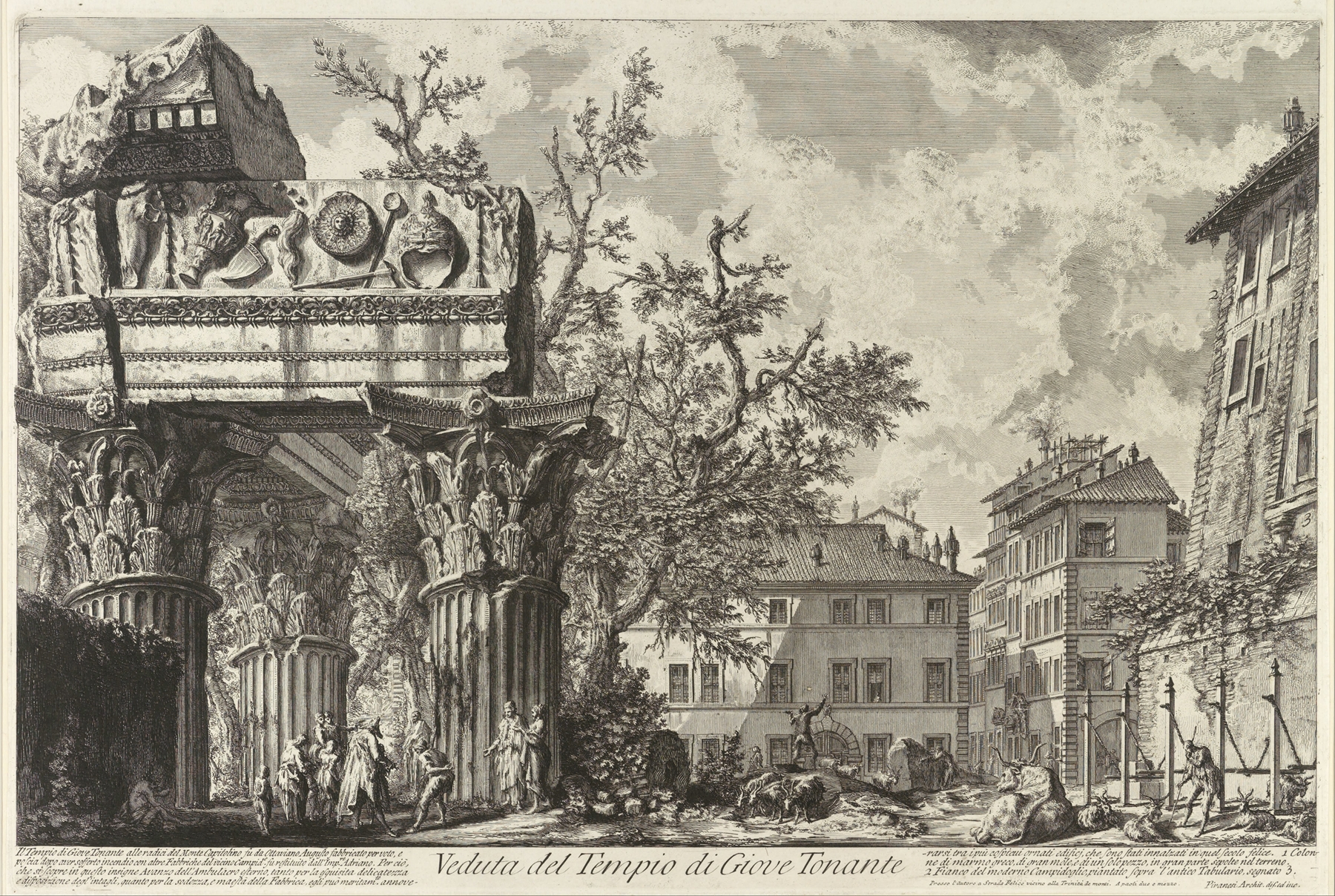
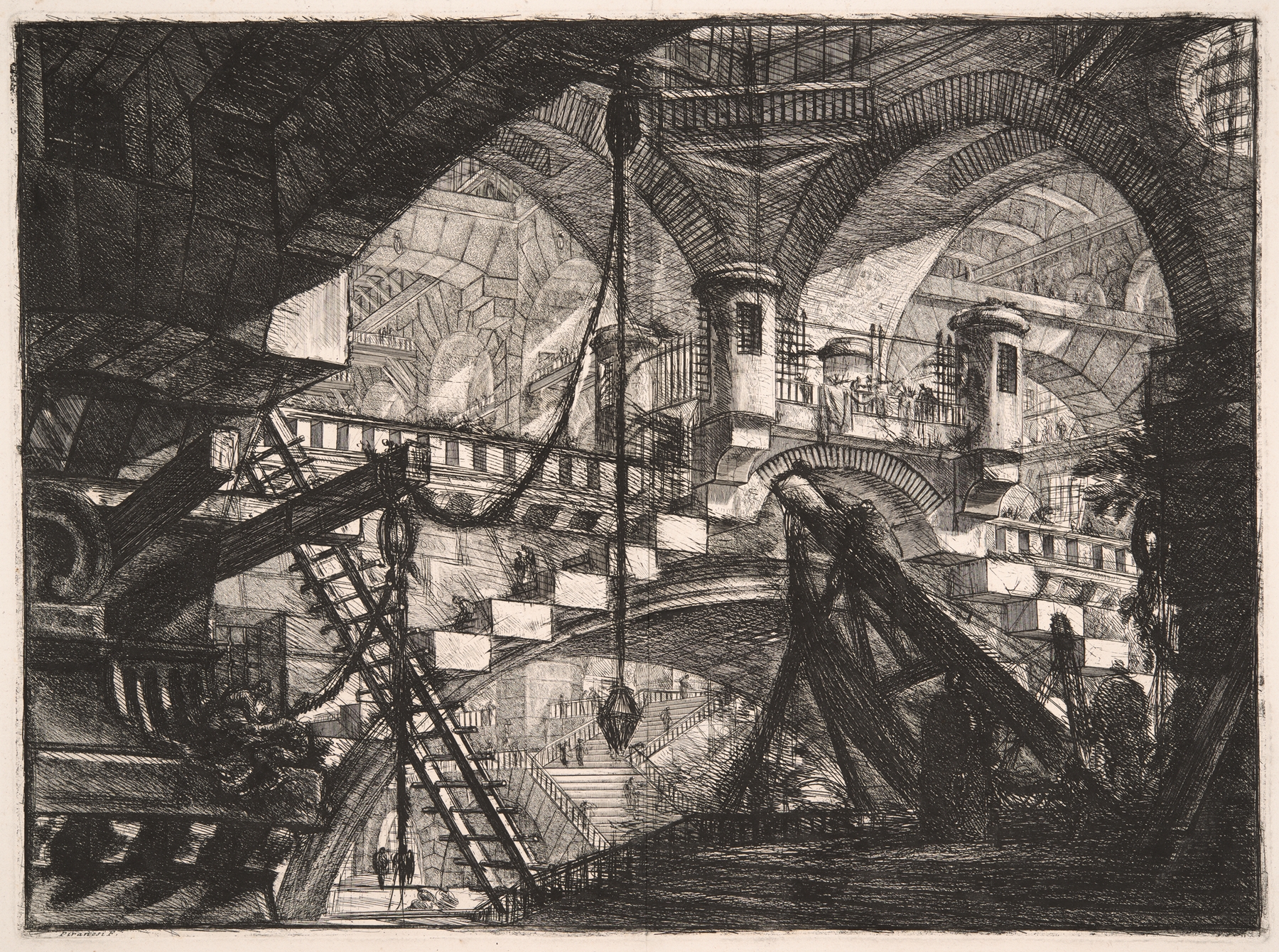
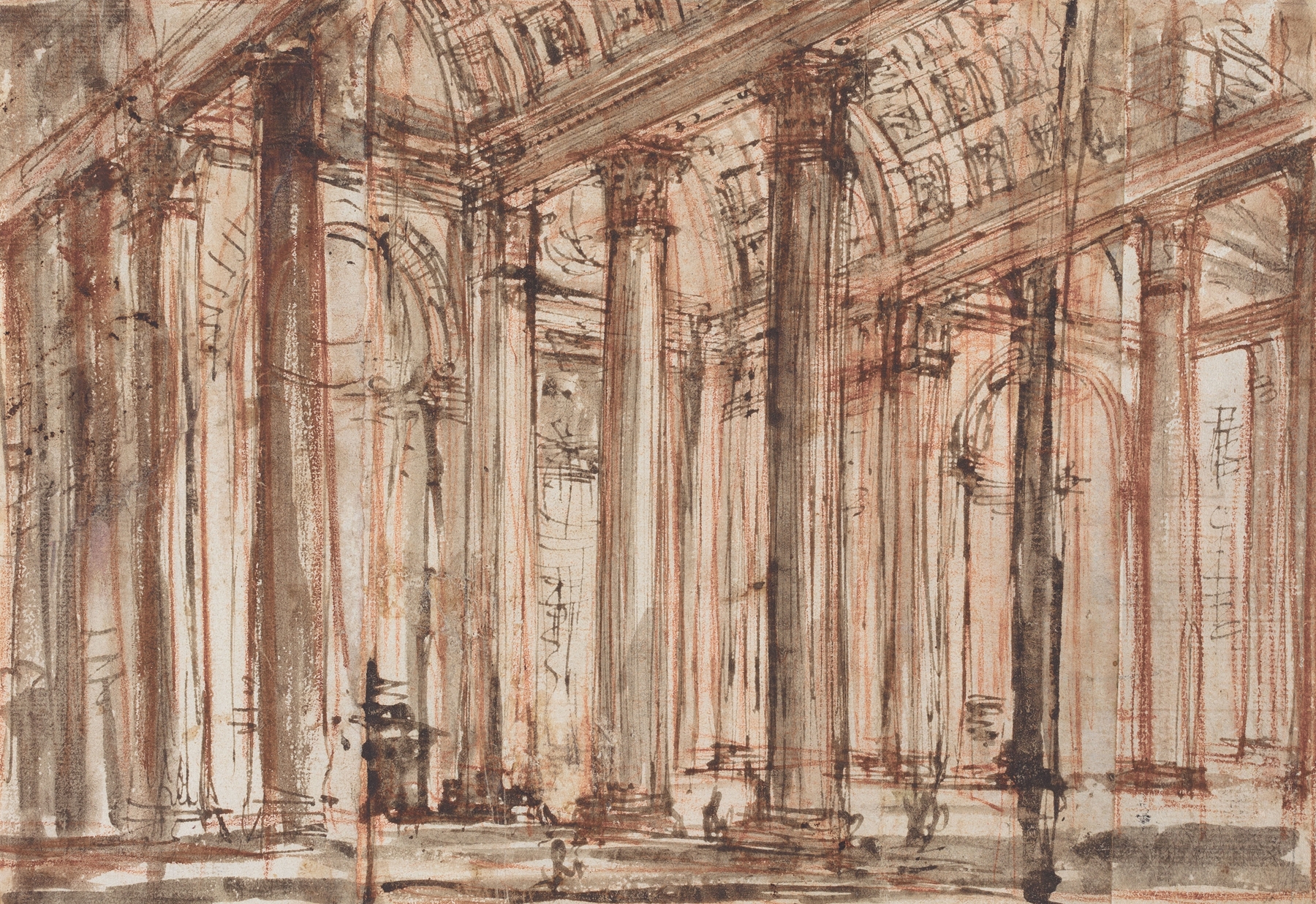
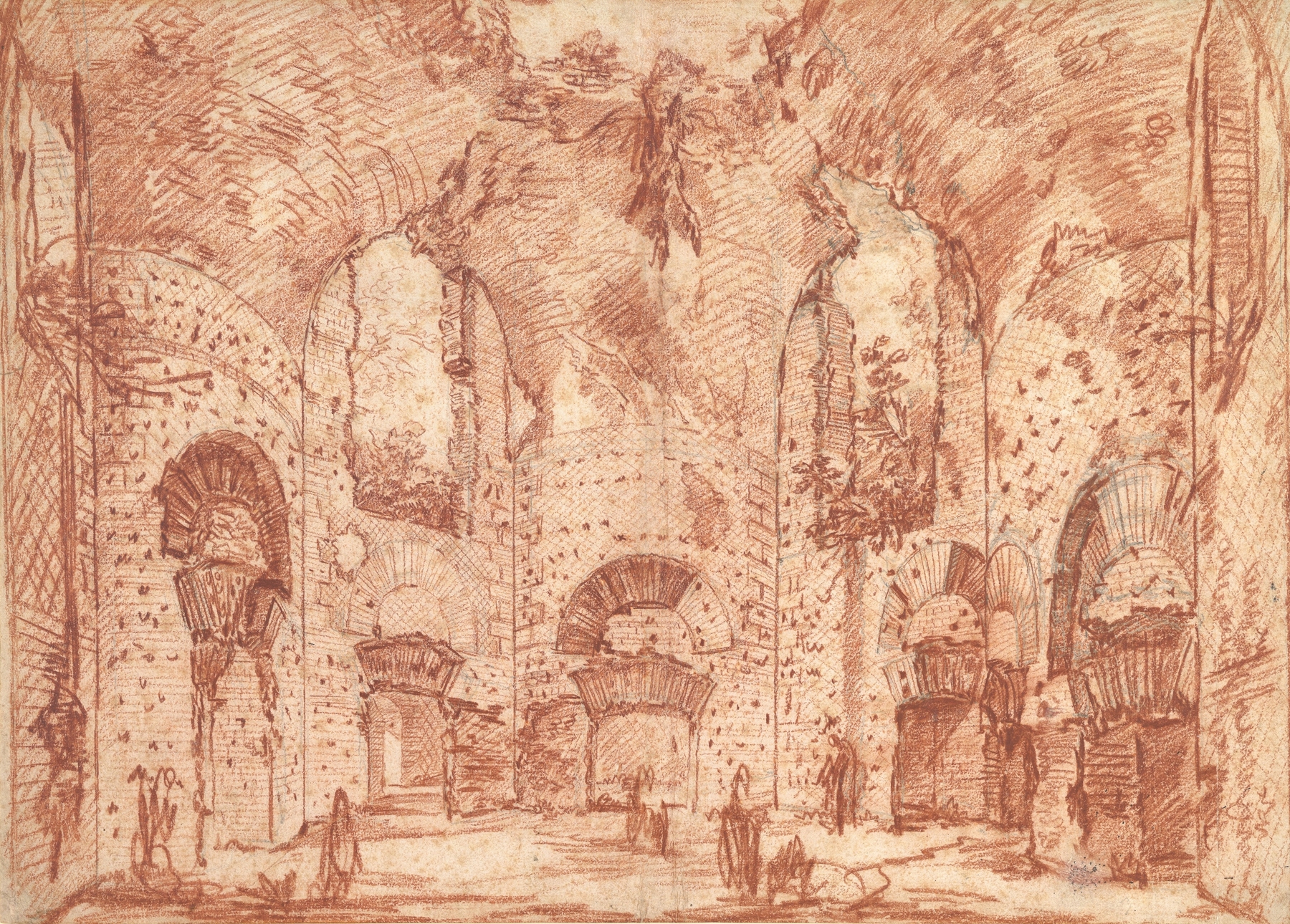
“Sometimes beauty is just pain, disguised in gold.” The echoes of time resonate through the arches and shadows of this enchanting work, inviting contemplation on the duality of beauty and decay. Look to the intricate details of the architecture, where grand pillars rise majestically, framing the scene with an air of both glory and weariness. Notice how the light delicately illuminates the ornate carvings, casting dramatic shadows that seem to whisper secrets of centuries past. The richness of the monochromatic palette draws the eye into a labyrinth of textures, where every stone tells a story of grandeur long lost.
In the corners, subtle hints of neglect emerge, revealing a deeper narrative woven into the fabric of the grandiosity. The interplay of light and shadow evokes a bittersweet tension, suggesting that these grand structures, once vibrant with life, now stand as solemn witnesses to the passage of time. This duality captivates the viewer, prompting reflections on our own transience amidst beauty’s fleeting nature.
Created in 1761, the etching emerged during a period of artistic exploration in Italy, where the Baroque style was gradually giving way to Neoclassicism. Piranesi, deeply immersed in the study of ancient ruins, sought to bridge the past and present. Living in Rome, he skillfully captured the essence of the eternal city, even as it grappled with the tensions of modernization and the remnants of its illustrious history.