The Houses of Parliament, Seagulls — History & Analysis
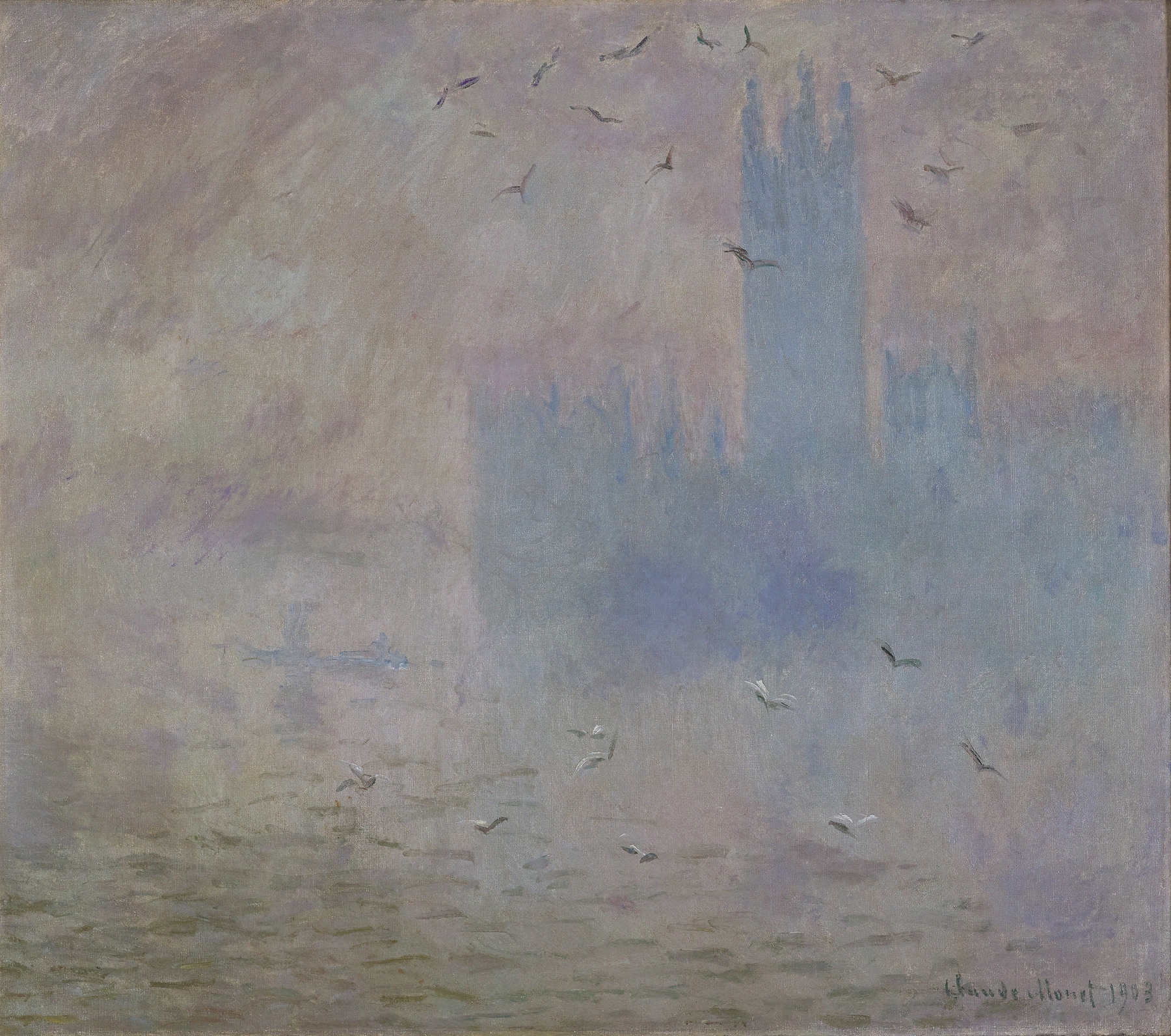
Can beauty exist without sorrow? In The Houses of Parliament, Seagulls, Monet confronts this question, capturing a moment that whispers of both grandeur and emptiness. Focus first on the ethereal fog that envelops the iconic structure, blurring the lines between reality and dream. The soft, muted colors wash over the canvas like a delicate veil, with shades of blues and grays intertwining. Notice how the light plays across the surface, reflecting off the water, creating a shimmering pathway that draws the eye toward the distant silhouette of the Parliament buildings.
The scattered seagulls add a touch of liveliness, their wings barely touching the stillness of the air, suggesting both freedom and isolation in this serene yet haunting landscape. Darker undertones pulse beneath the tranquil surface. The mist represents not just a momentary obscurity but a deeper emptiness — a reminder of what is hidden from view. The juxtaposition of the lively birds against the static, monumental architecture evokes a sense of fleeting joy overshadowed by the weight of history.
Each stroke reveals the tension between the vitality of nature and the permanence of man-made structures, suggesting that beauty is often laced with a hint of loss. Monet created this piece in 1903 while living in London, a time when he was exploring the effects of light on landscapes. This period marked a shift in his work as he began to embrace the atmospheric effects of color and form. In the art world, he was both a pioneer and a figure of controversy, often challenging traditional approaches to painting.