The Hudson From Phillips — History & Analysis
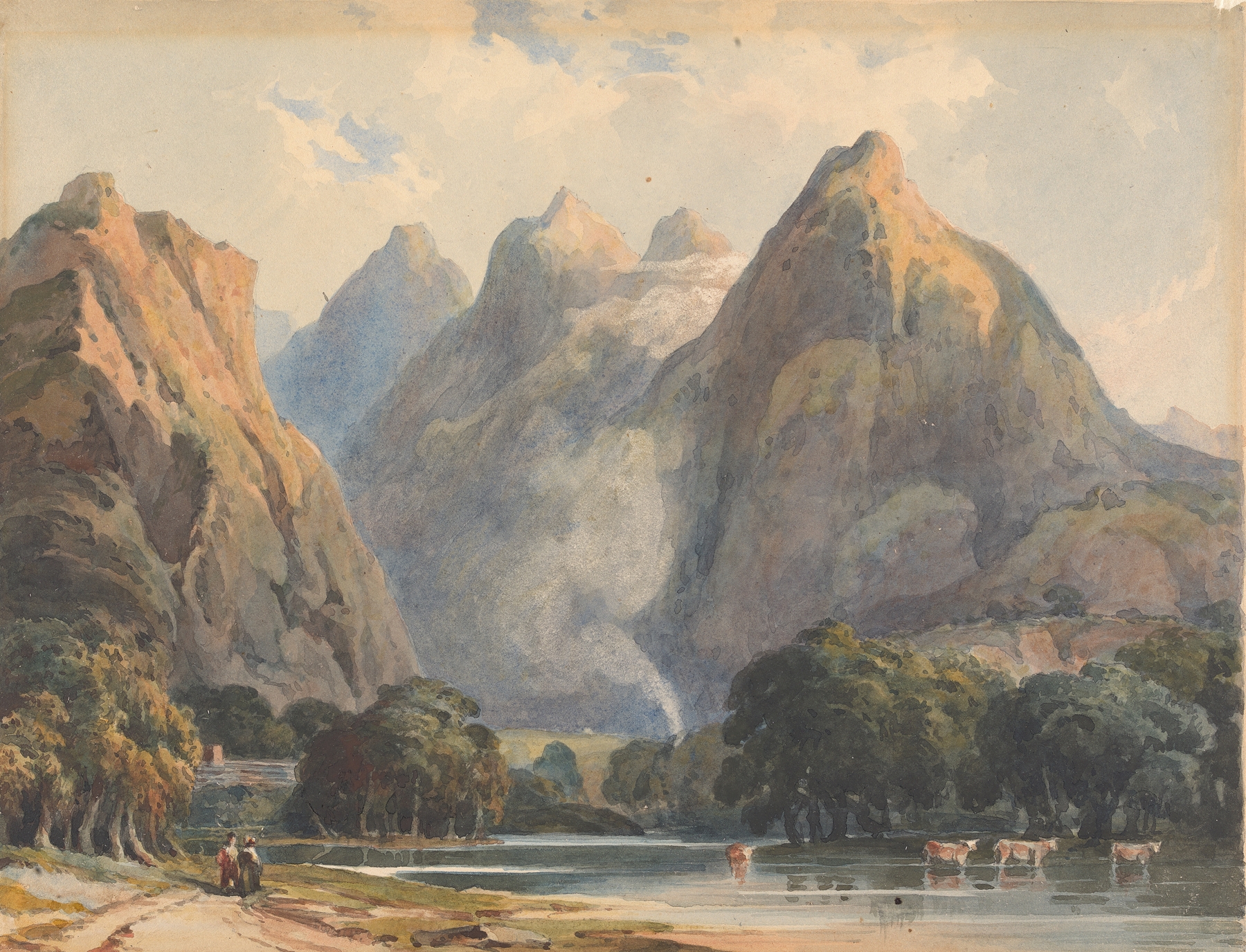
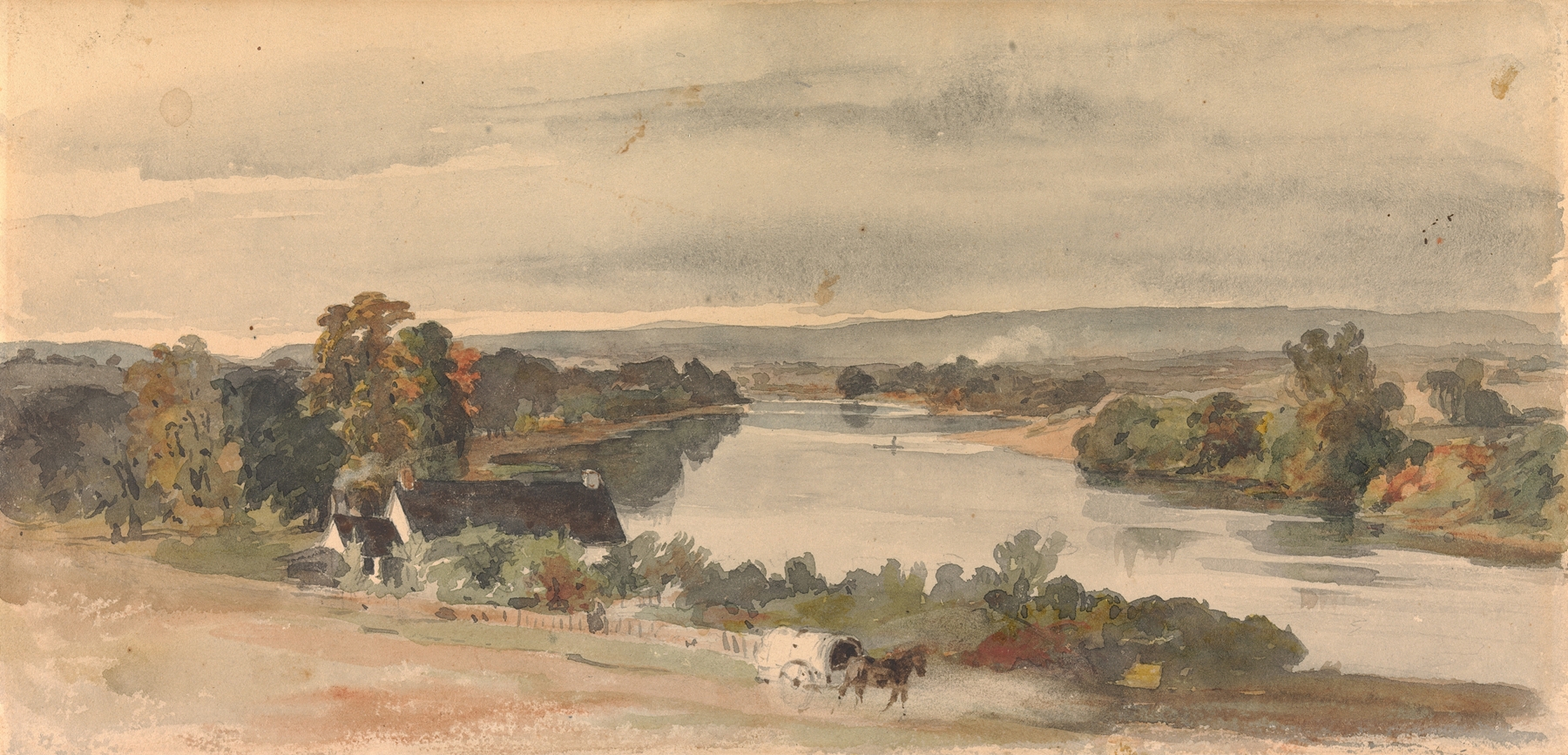
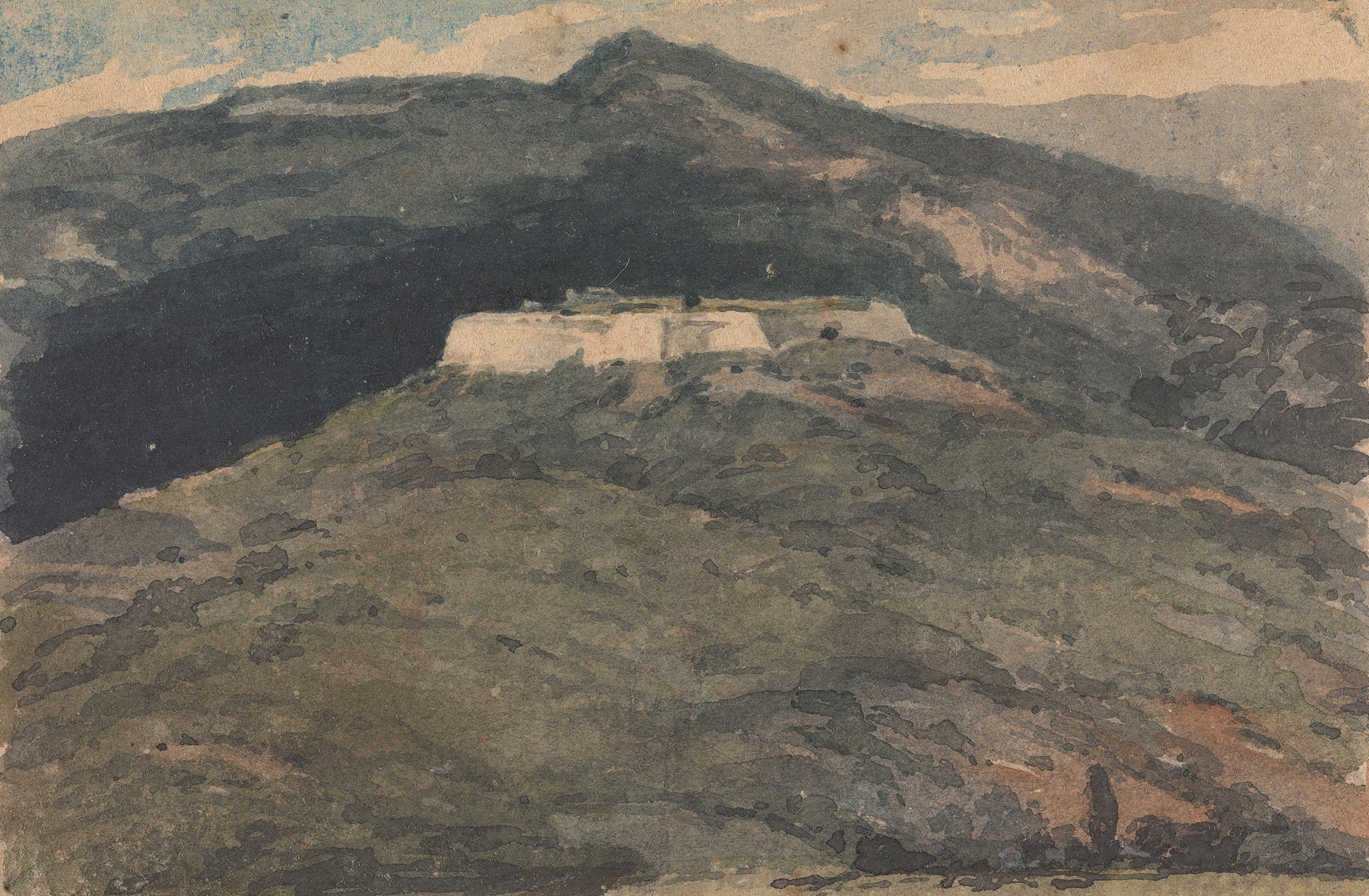
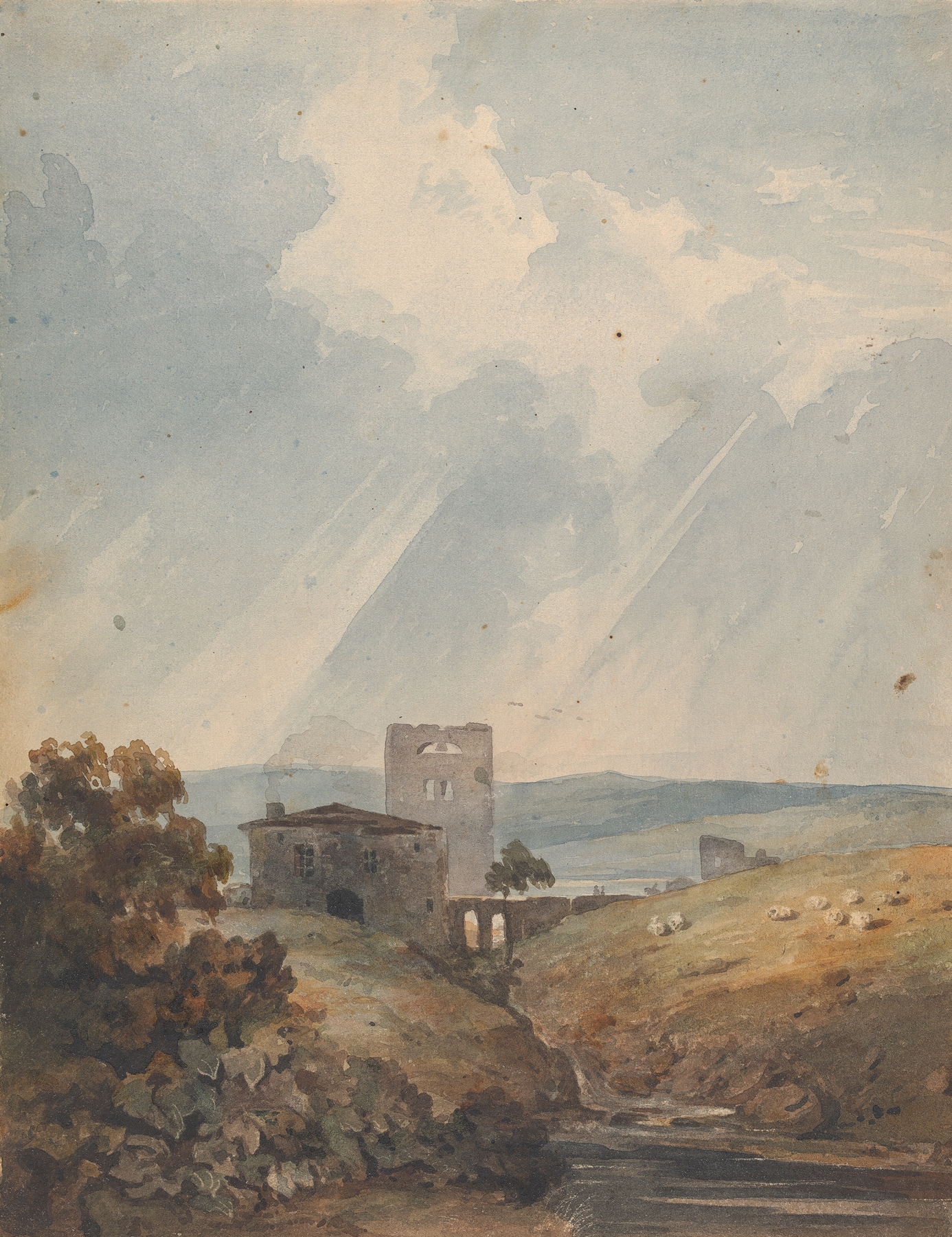
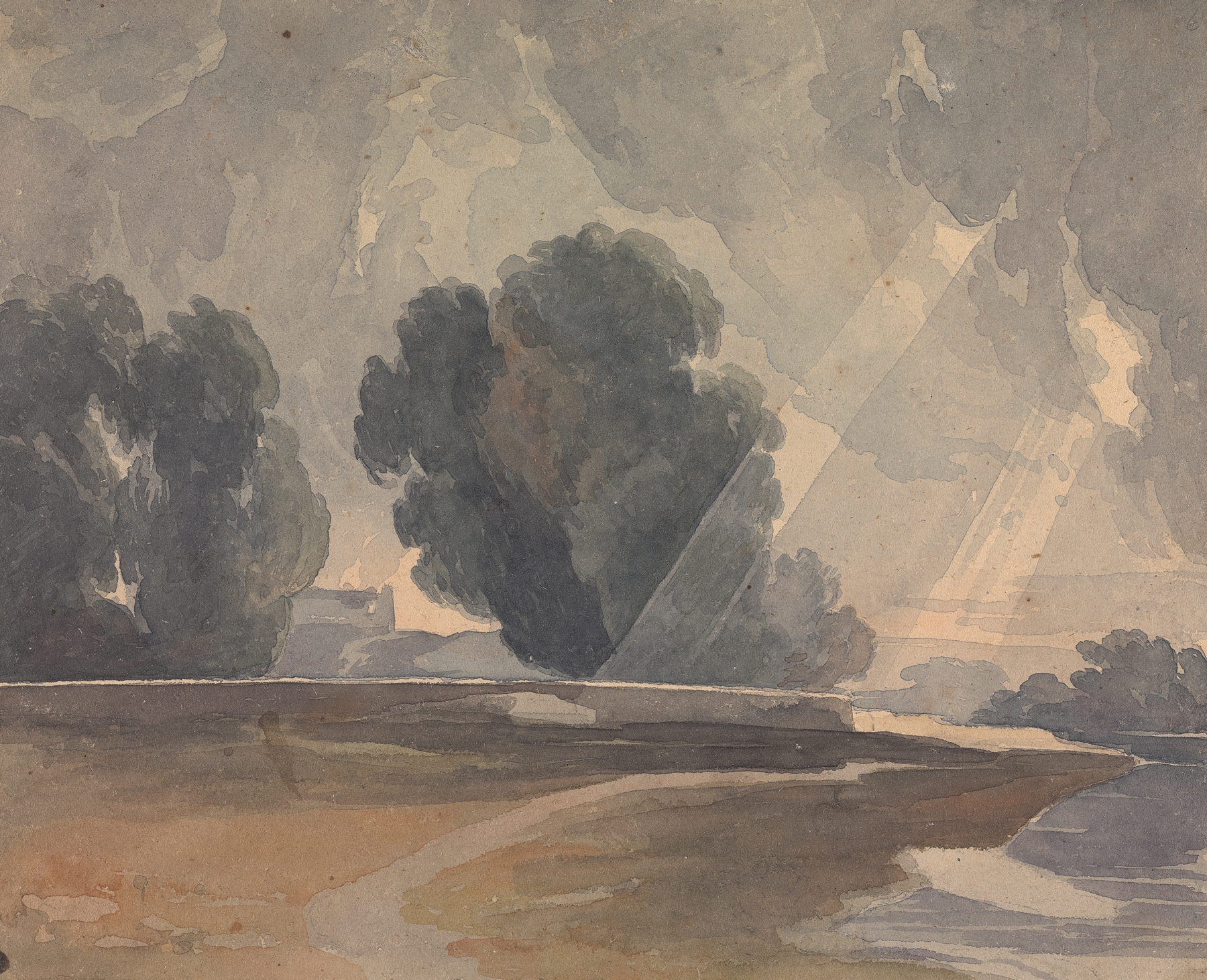
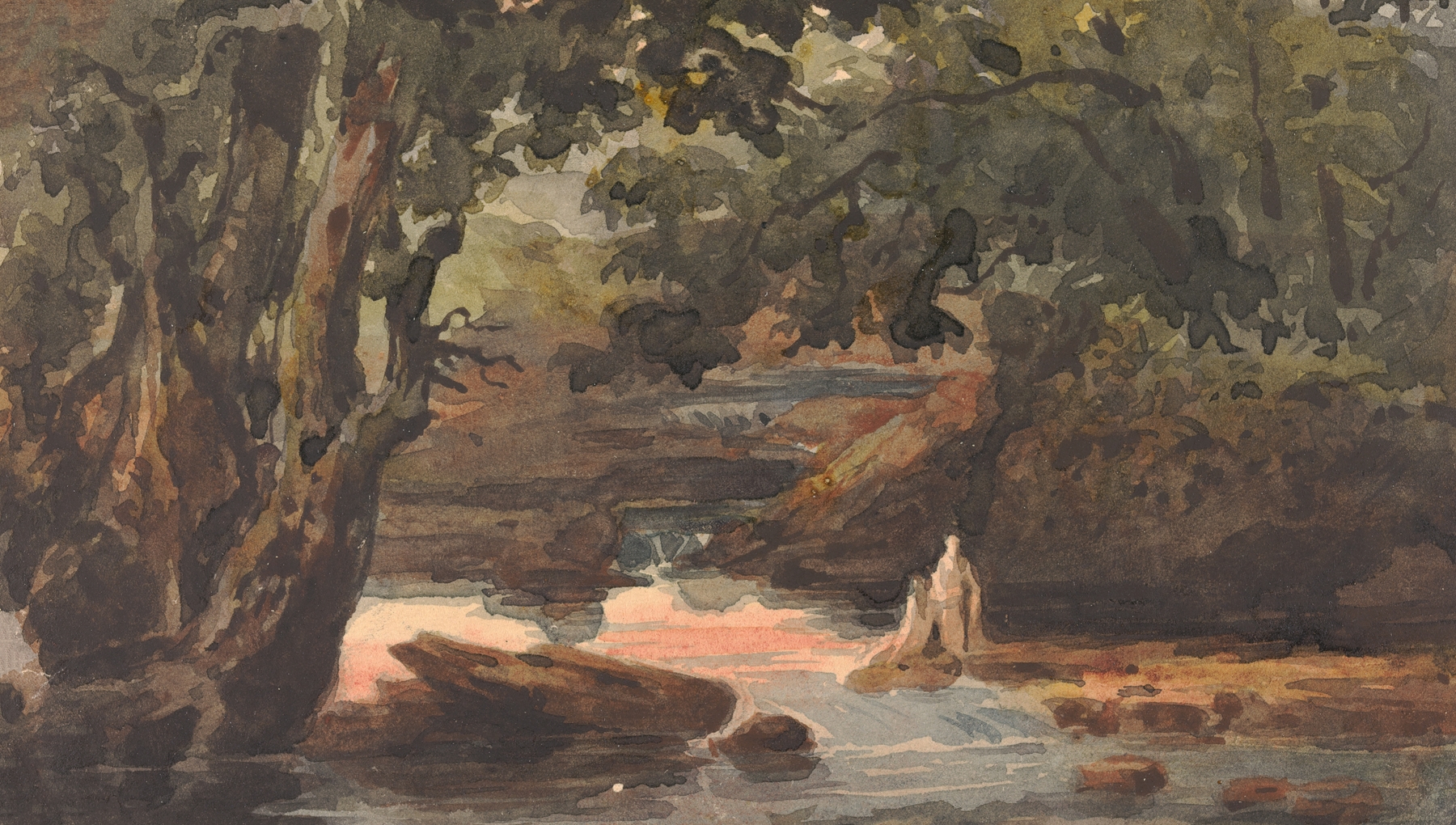
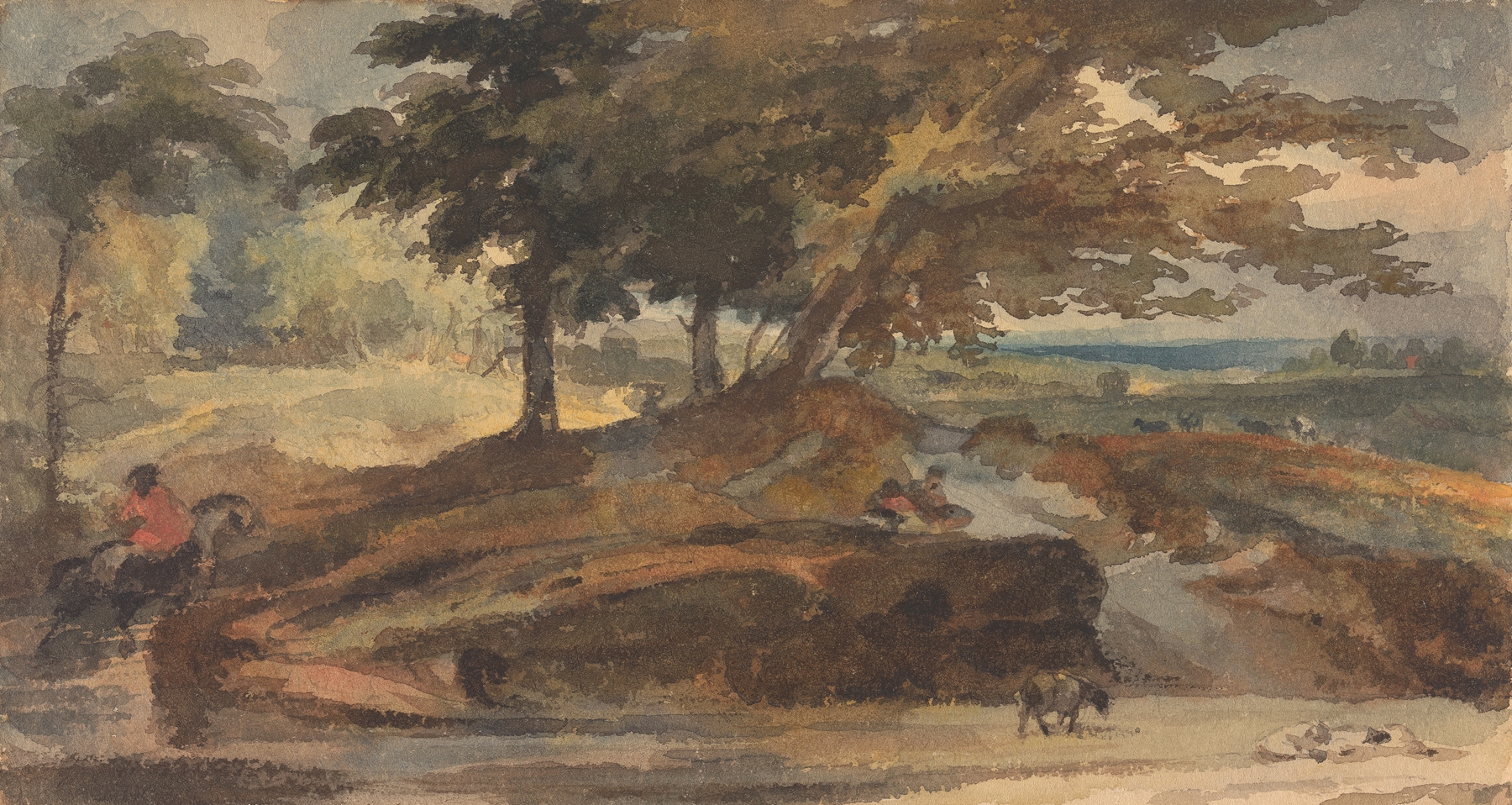
“Between color and silence, truth hides.” In the soft embrace of twilight, a melancholy hue envelopes the landscape, stirring emotions that linger long after the view shifts. Here, nature speaks in whispers, wrapping its secrets around the viewer like an old, familiar song. Look to the foreground; notice the gentle curve of the river as it meanders through the composition. The palette is a tender amalgamation of muted blues and greens, suggesting a serene yet reflective mood. Observe how the sky transitions from pale blue to deeper indigo, a silent testament to the day’s end.
The artist's brush strokes exude a delicate precision, each stroke layering color to create depth, while the calm water mirrors the fading light, inviting introspection. In the distance, the mountains loom—silent and eternal—contrasting the fluidity of the river below. This juxtaposition evokes a sense of longing, as though the landscape yearns to communicate untold stories. Shadows stretch and mingle with light, signifying the transient nature of time and memory.
The stillness suggests a moment suspended between past and future, invoking the weight of what has been and what might yet be. Created during the early 19th century, this piece reflects the artist’s exploration of the American landscape amidst a burgeoning romanticism. Thomas Sully painted this work at a time when America was rediscovering and redefining its natural beauty, as industrialization began to reshape the country. The emotional resonance of The Hudson From Phillips captures a poignant moment in art history, as the nation sought solace and identity in its vast, untamed landscapes.