The Lane from East Bergholt to Flatford — History & Analysis
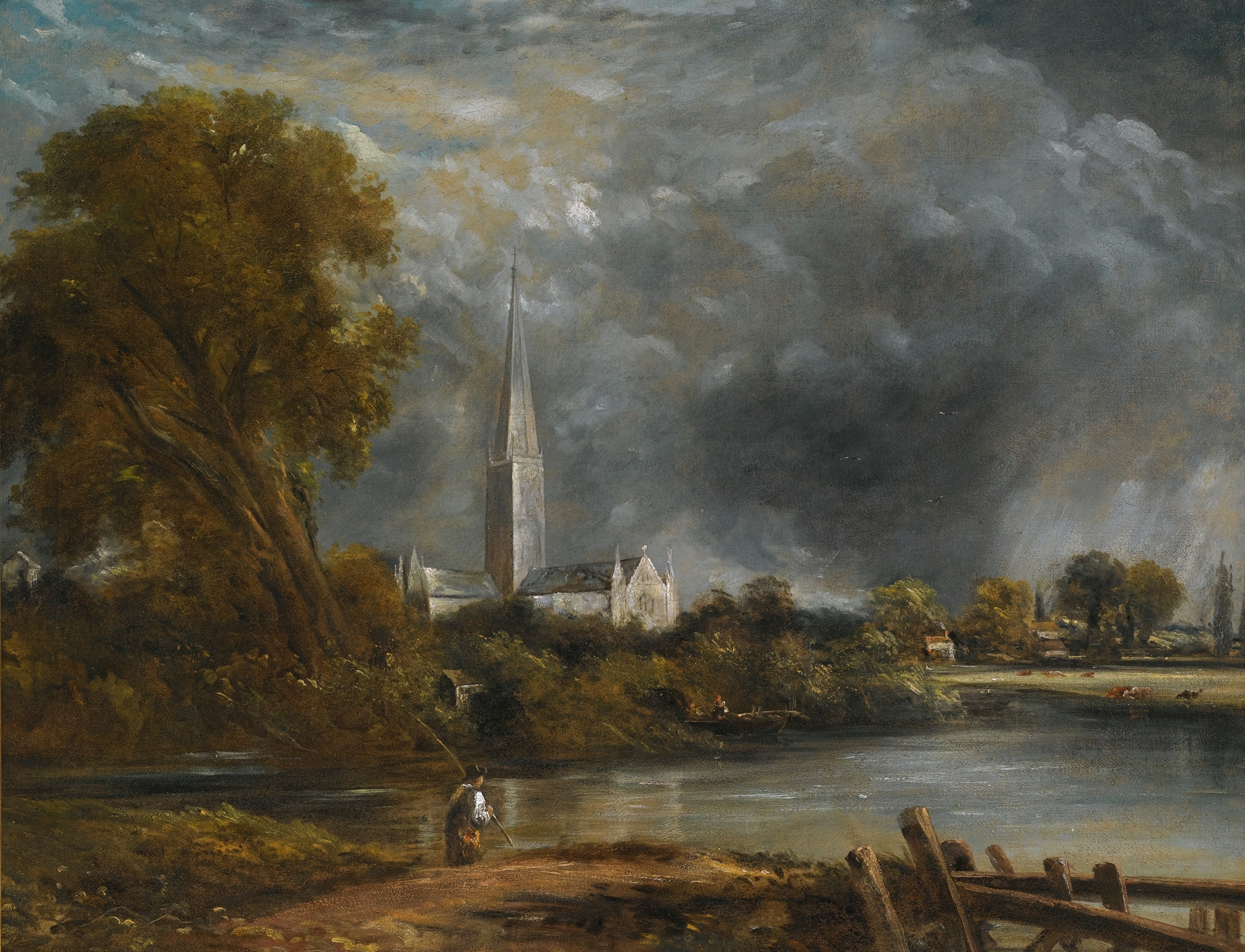
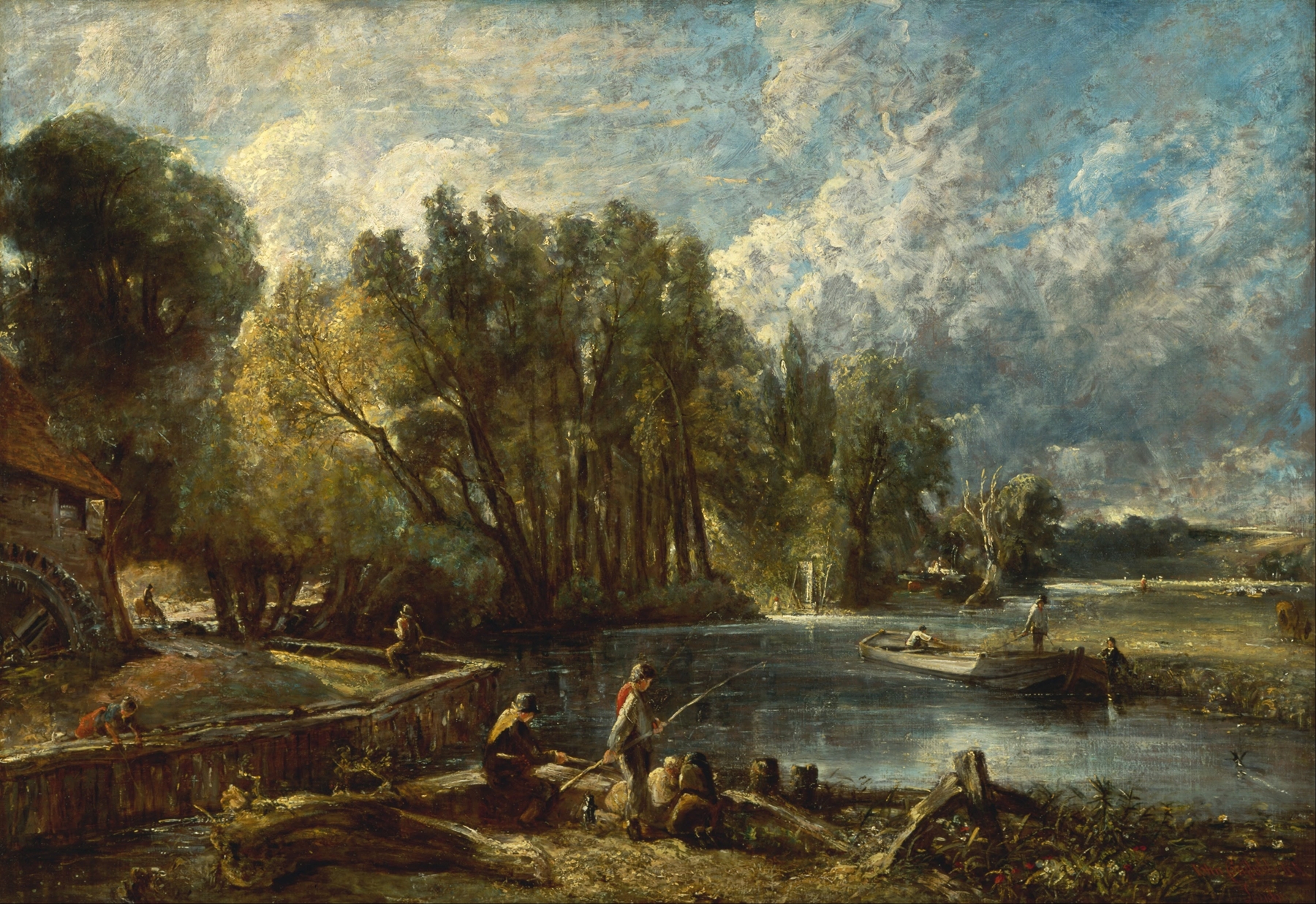
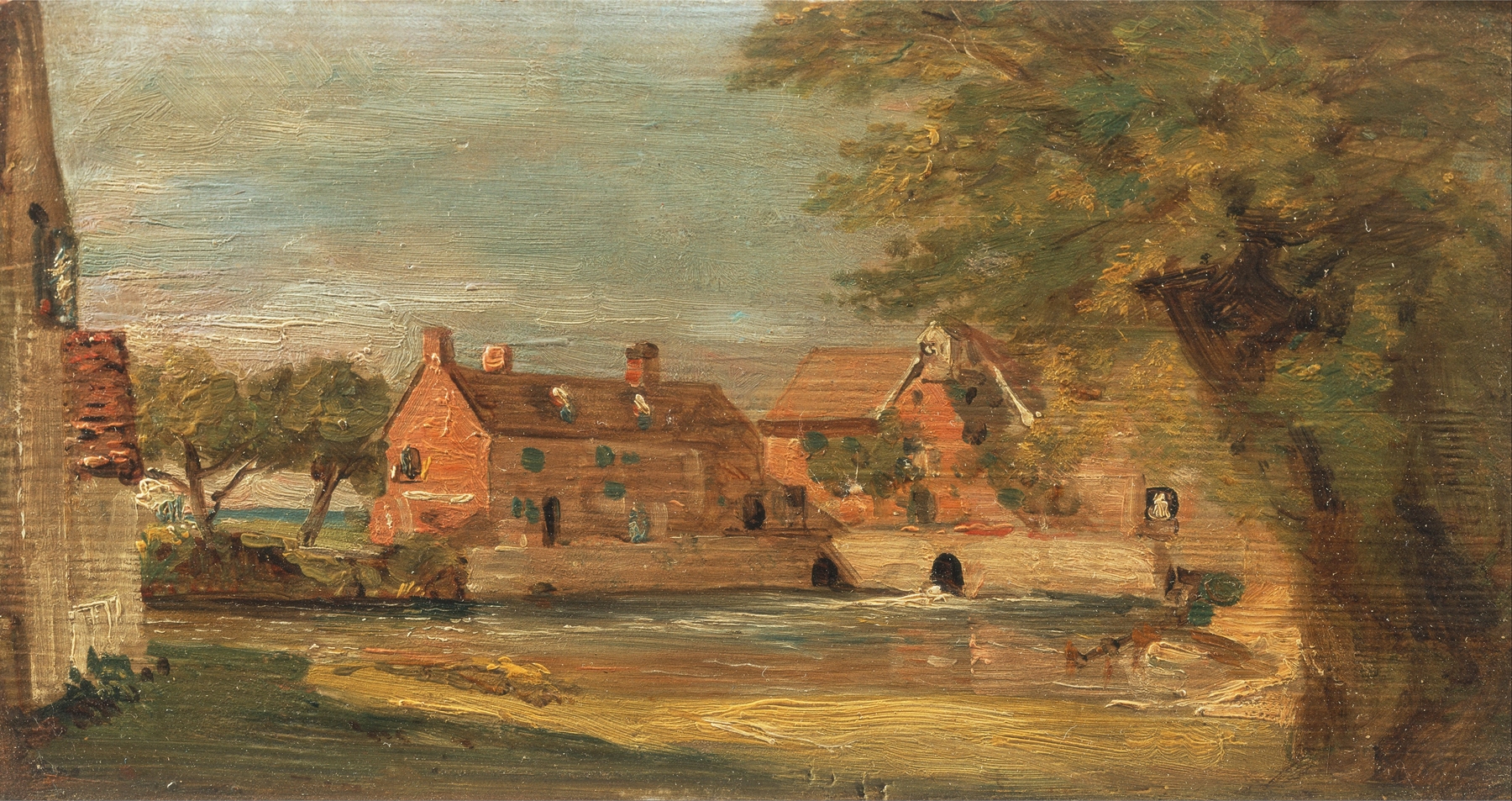
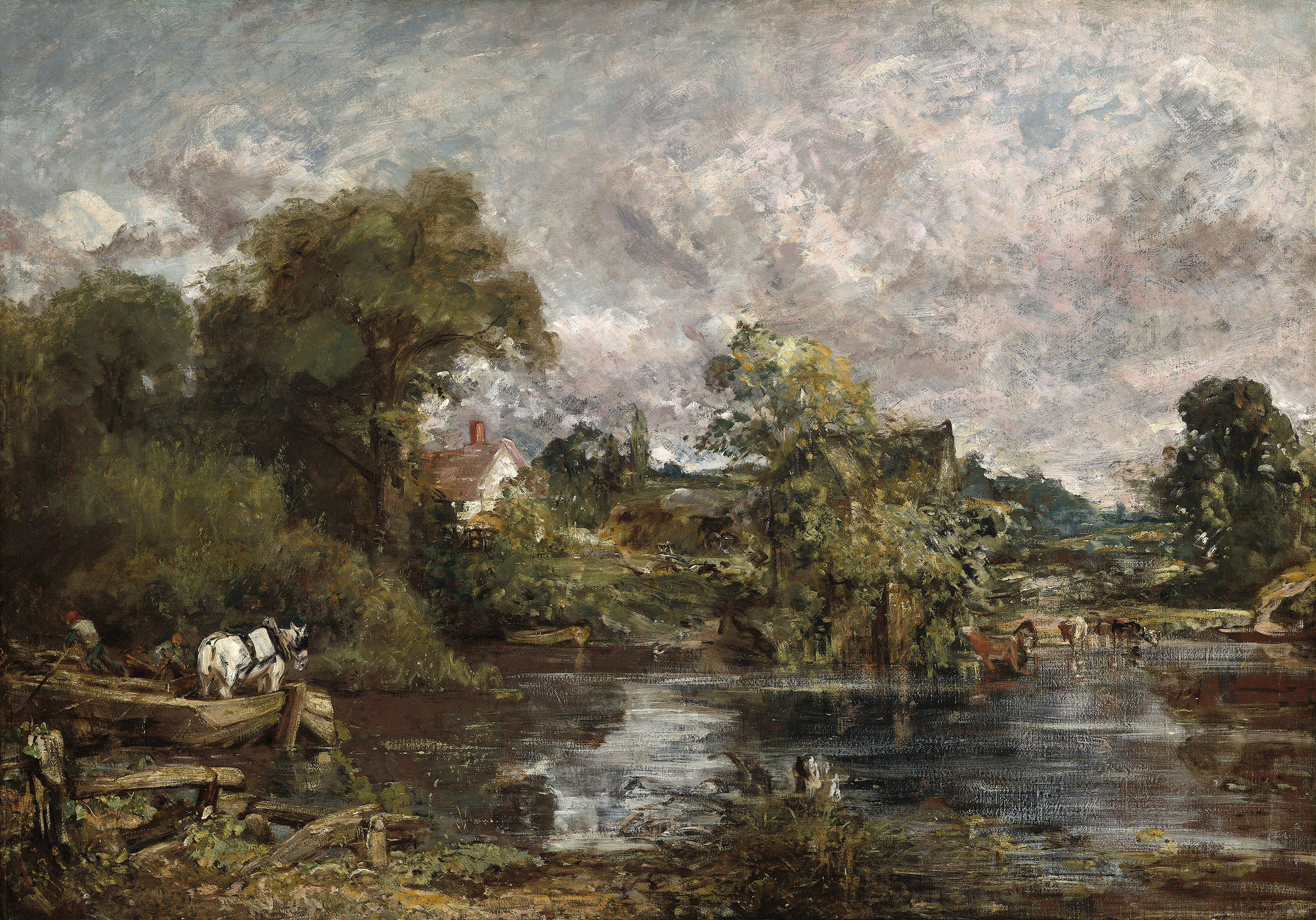
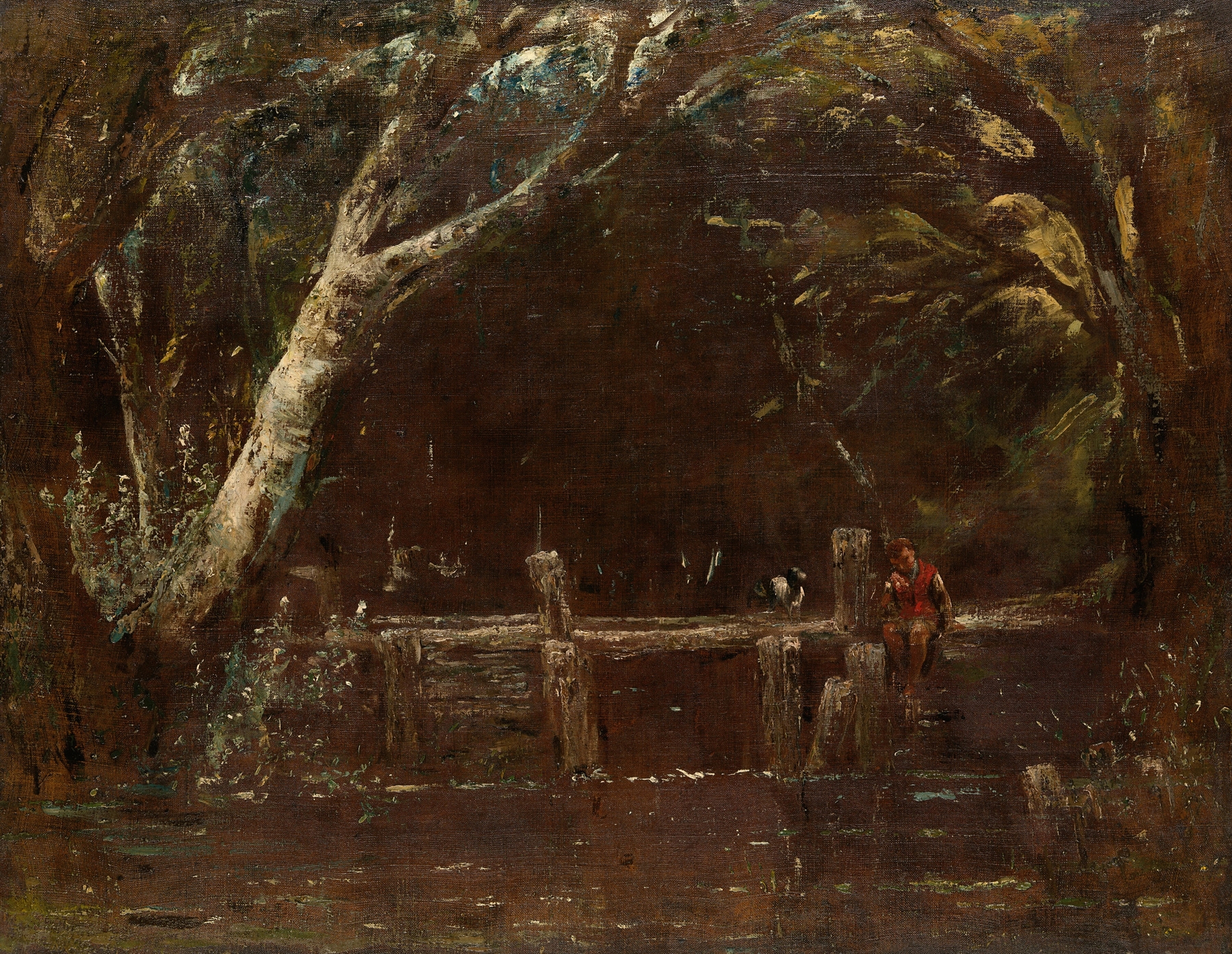
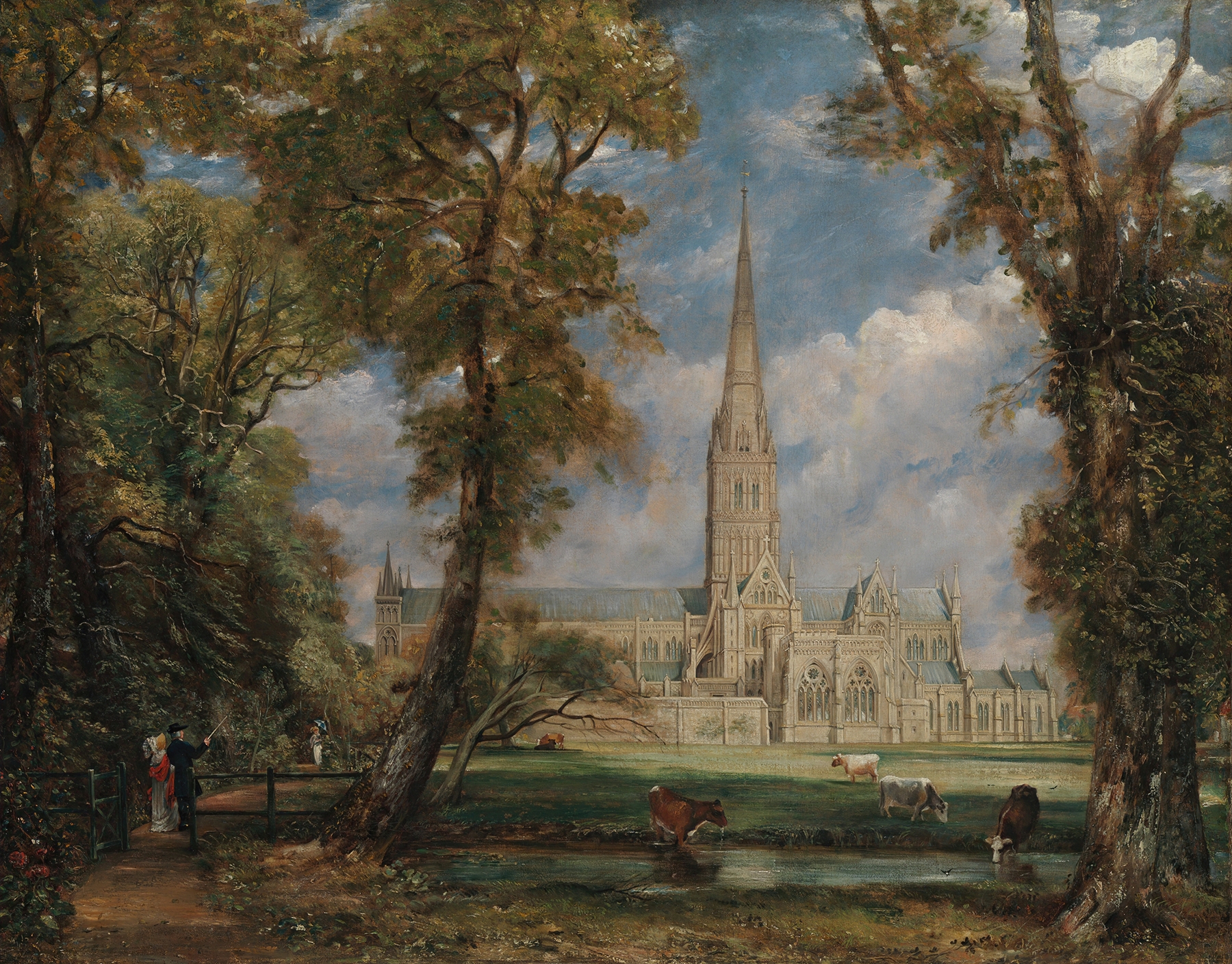
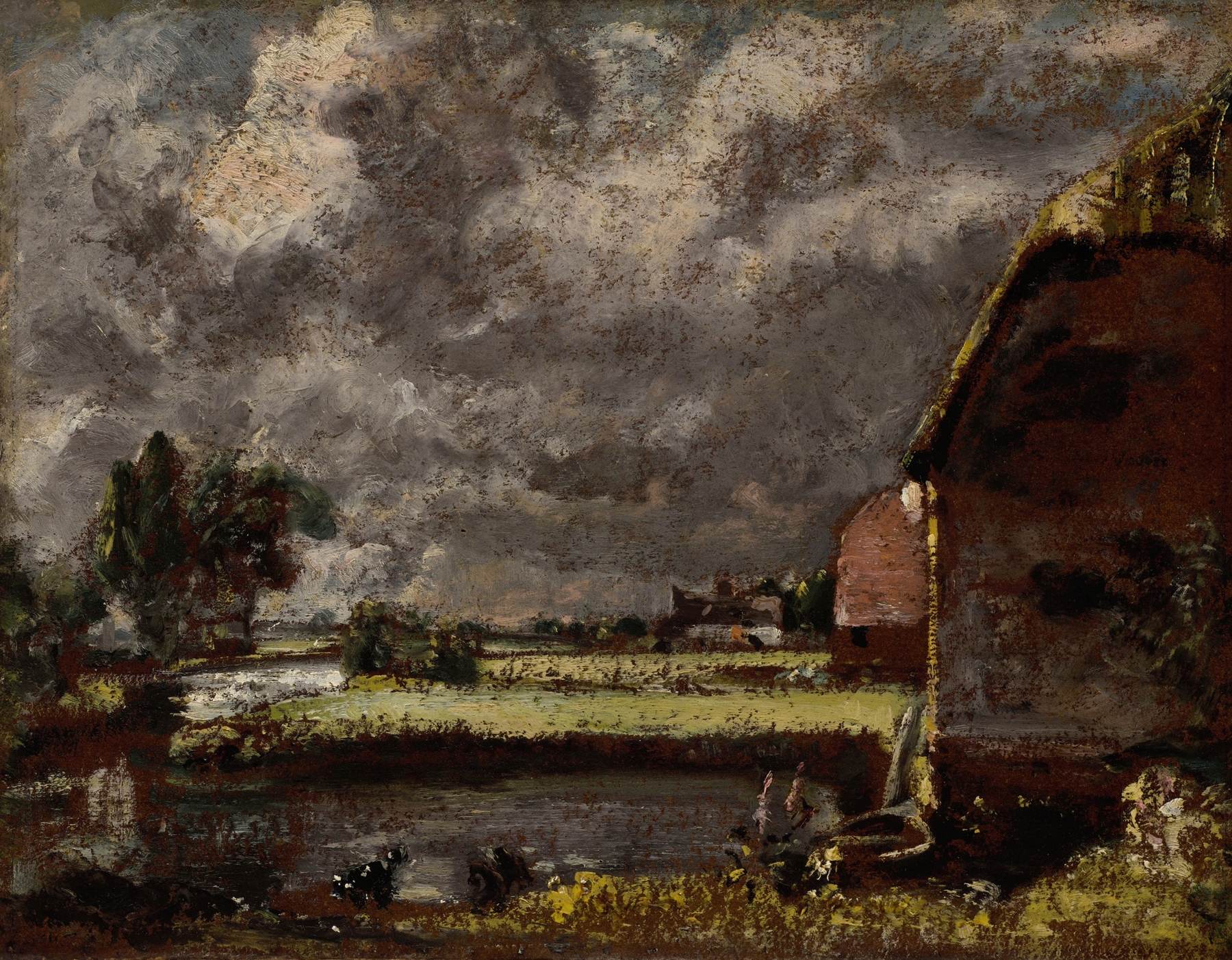
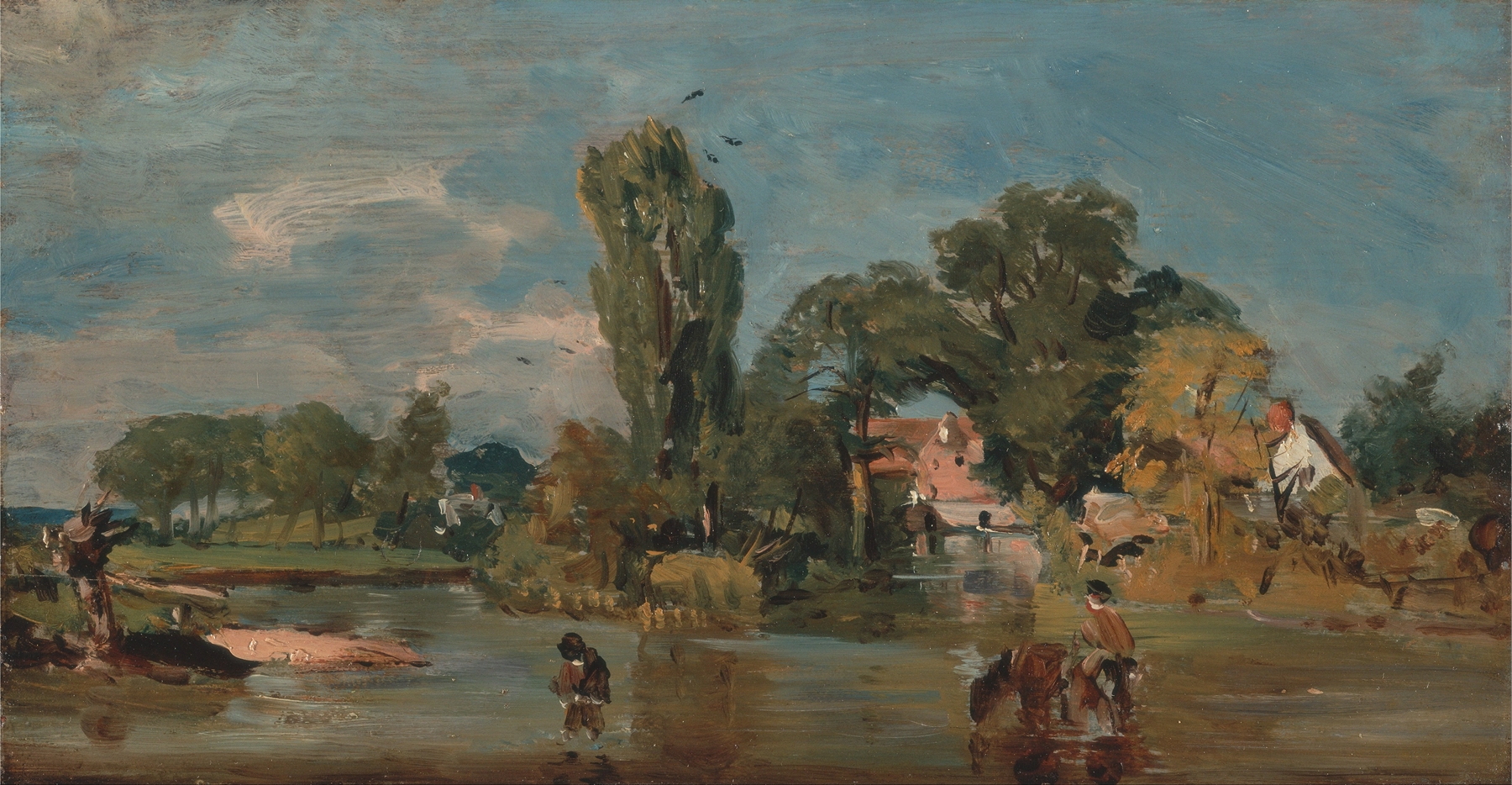
“The canvas doesn’t lie — it simply waits.” In this stillness, shadows do not merely fall; they whisper stories of the past and present, weaving time into the fabric of nature. Look to the left at the winding path, where the thick foliage bends under the weight of deep greens and browns. Notice how the dappled light dances across the ground, creating a mosaic of shadow and sunlight that draws your eye deeper into the scenery. The subtle brushstrokes evoke a sense of movement in the trees, while the sky above stretches with soft, billowing clouds, suggesting a fleeting moment caught between day and dusk.
Upon closer inspection, the juxtaposition of light and shade reveals a tension between tranquility and the unseen. The path, lined with shadows, invites the viewer to wander, yet hints at the isolation that can come from solitude. The interplay of colors speaks to a lushness of life, while the darker areas symbolize the weight of nature's mysteries, suggesting both beauty and the unknown.
In 1812, this work emerged from John Constable's brush as he painted in the Suffolk countryside, a region deeply connected to his identity. During this time, the artist sought to capture the essence of rural English landscapes, reflecting a broader Romantic movement that celebrated nature's majesty amidst the growing Industrial Revolution. Constable’s careful attention to light and shadow emphasized not only the beauty of the scene but also its emotional resonance within a changing world.