The Lion Bas-Reliefs — History & Analysis
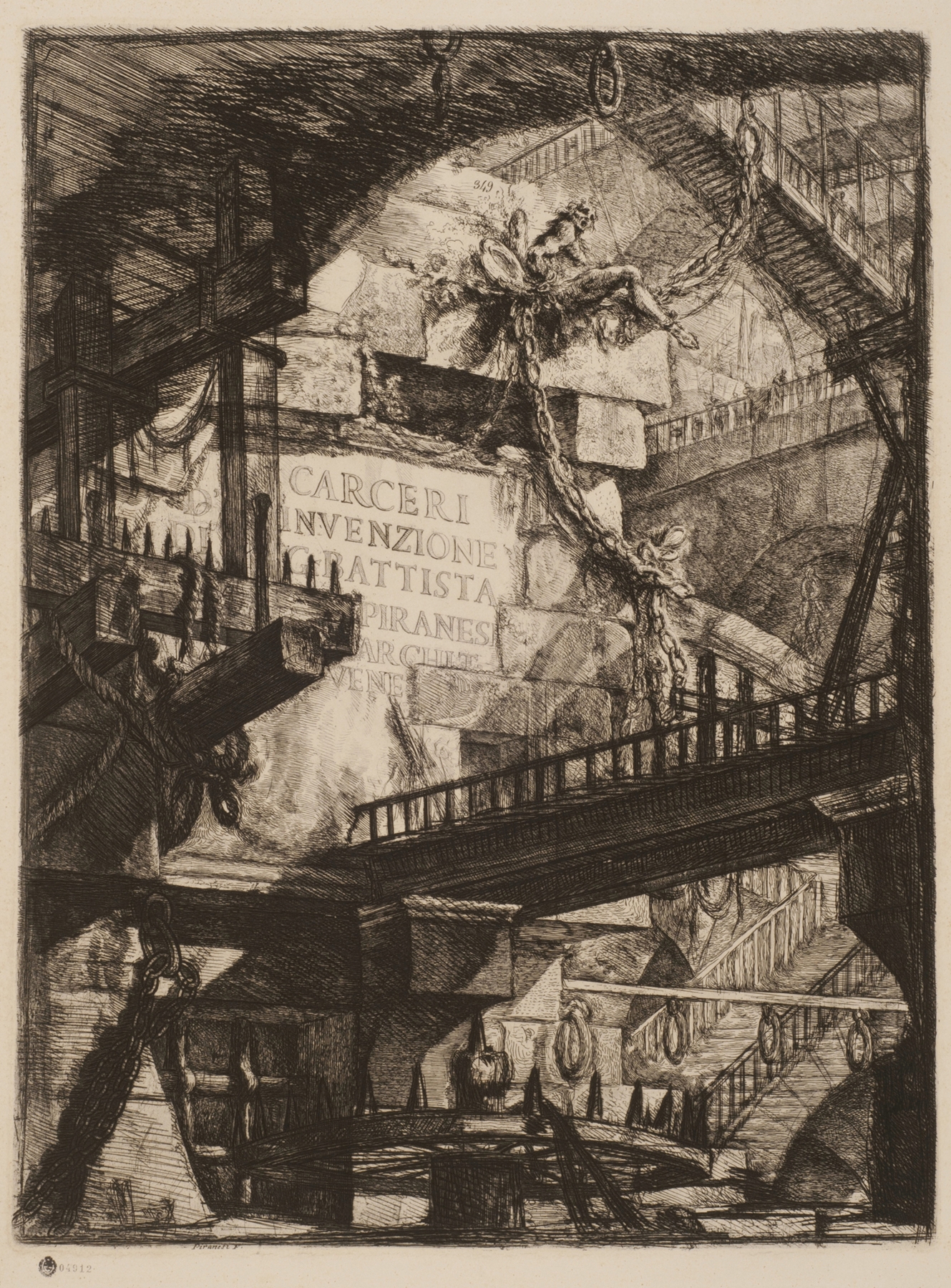
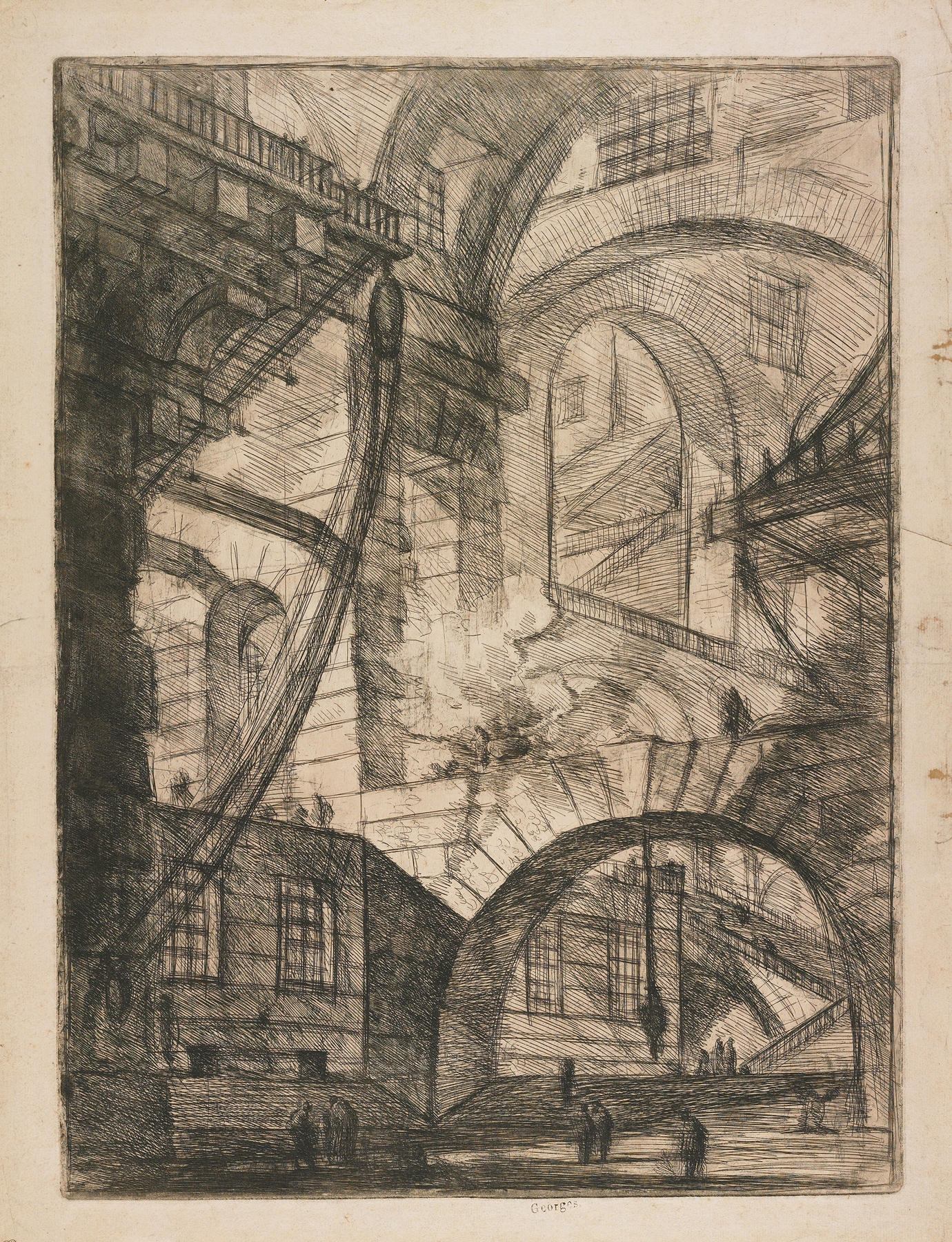
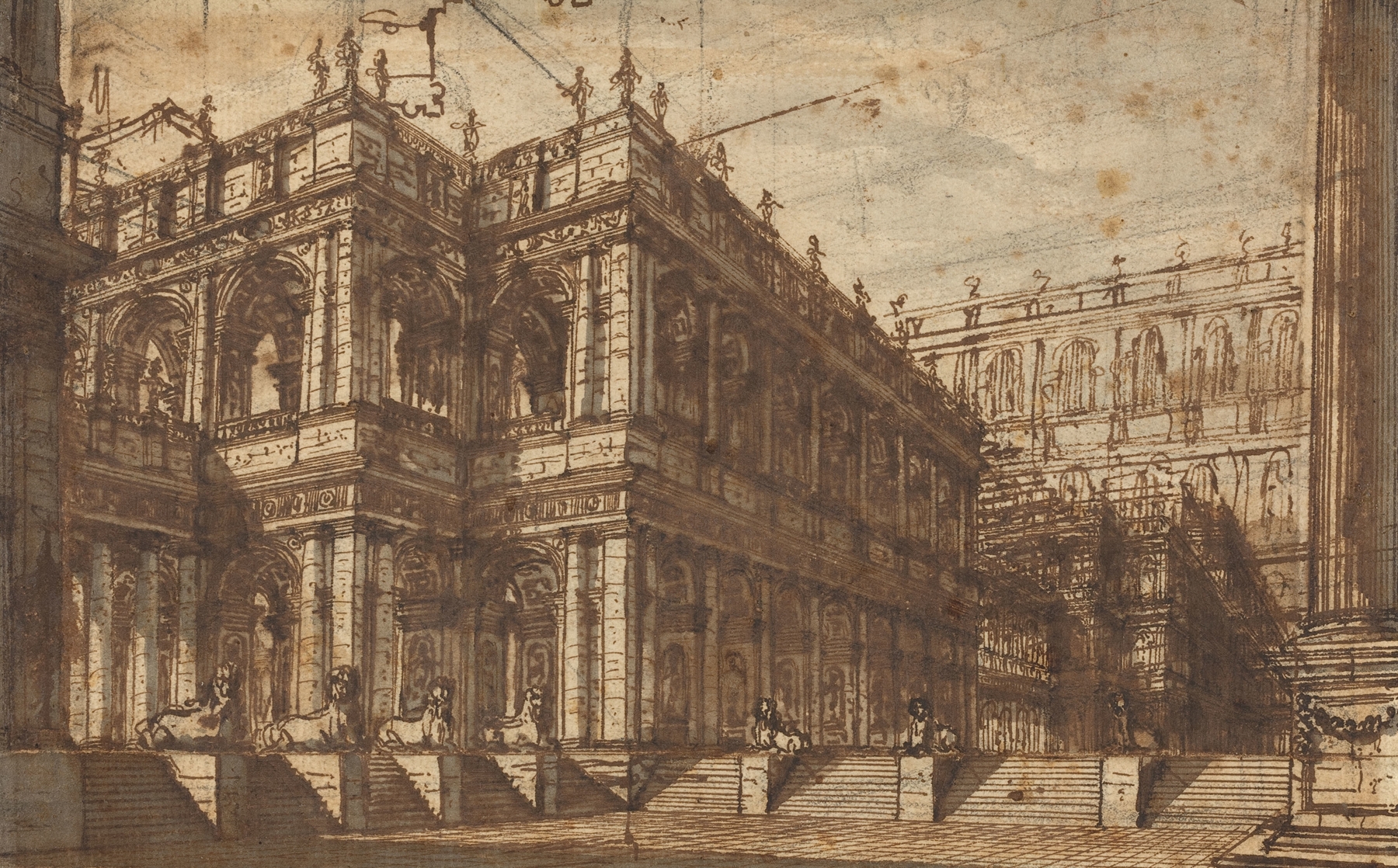
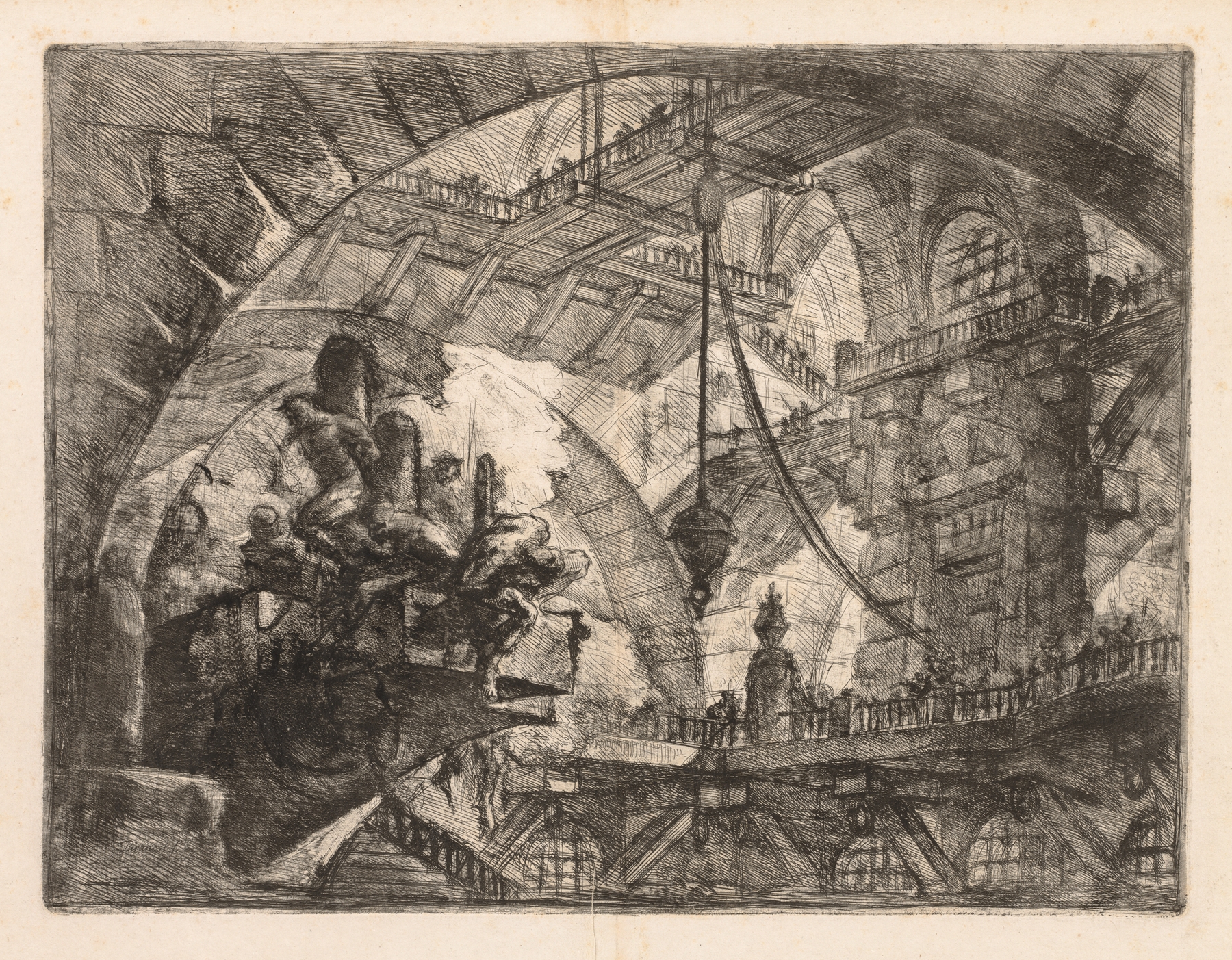
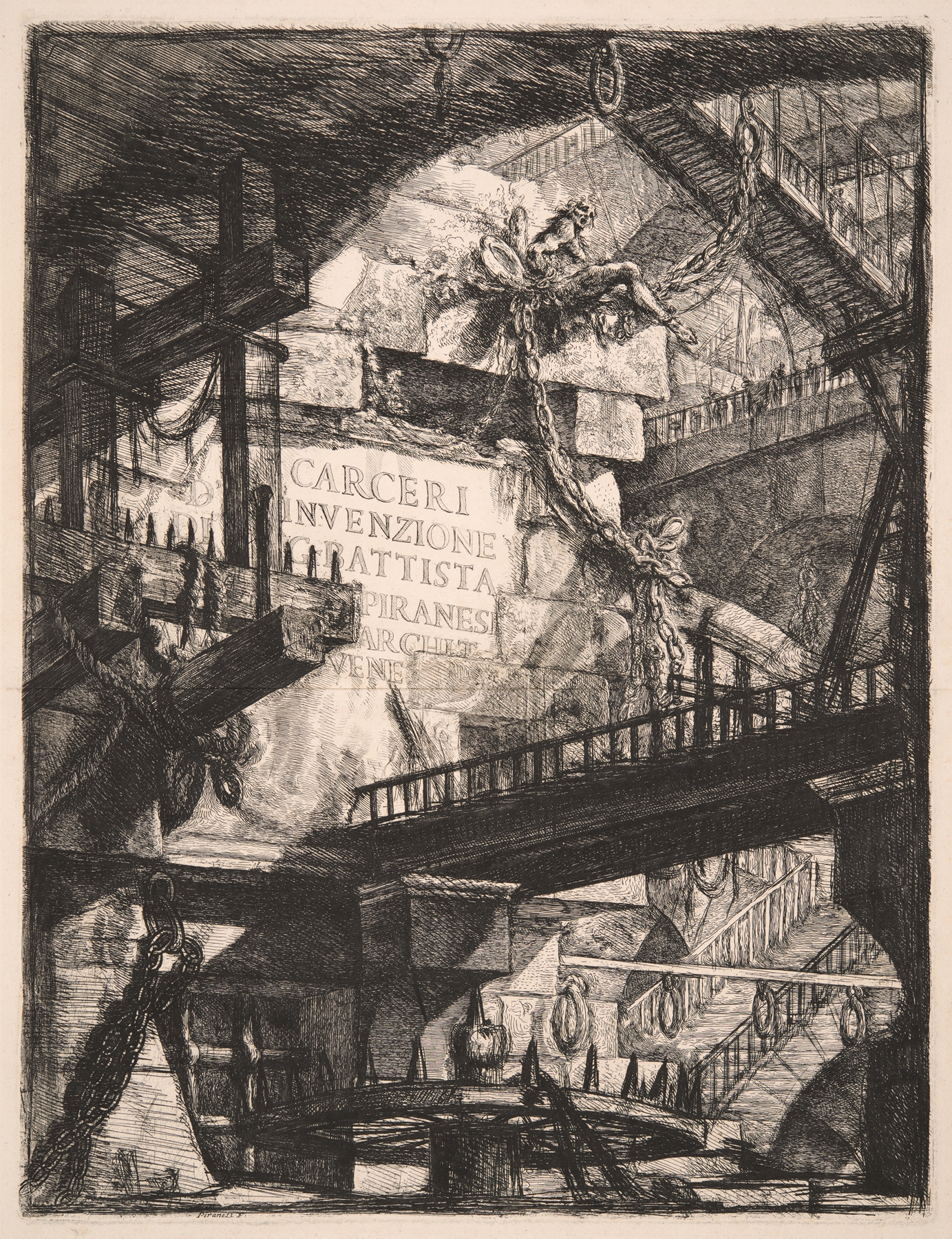
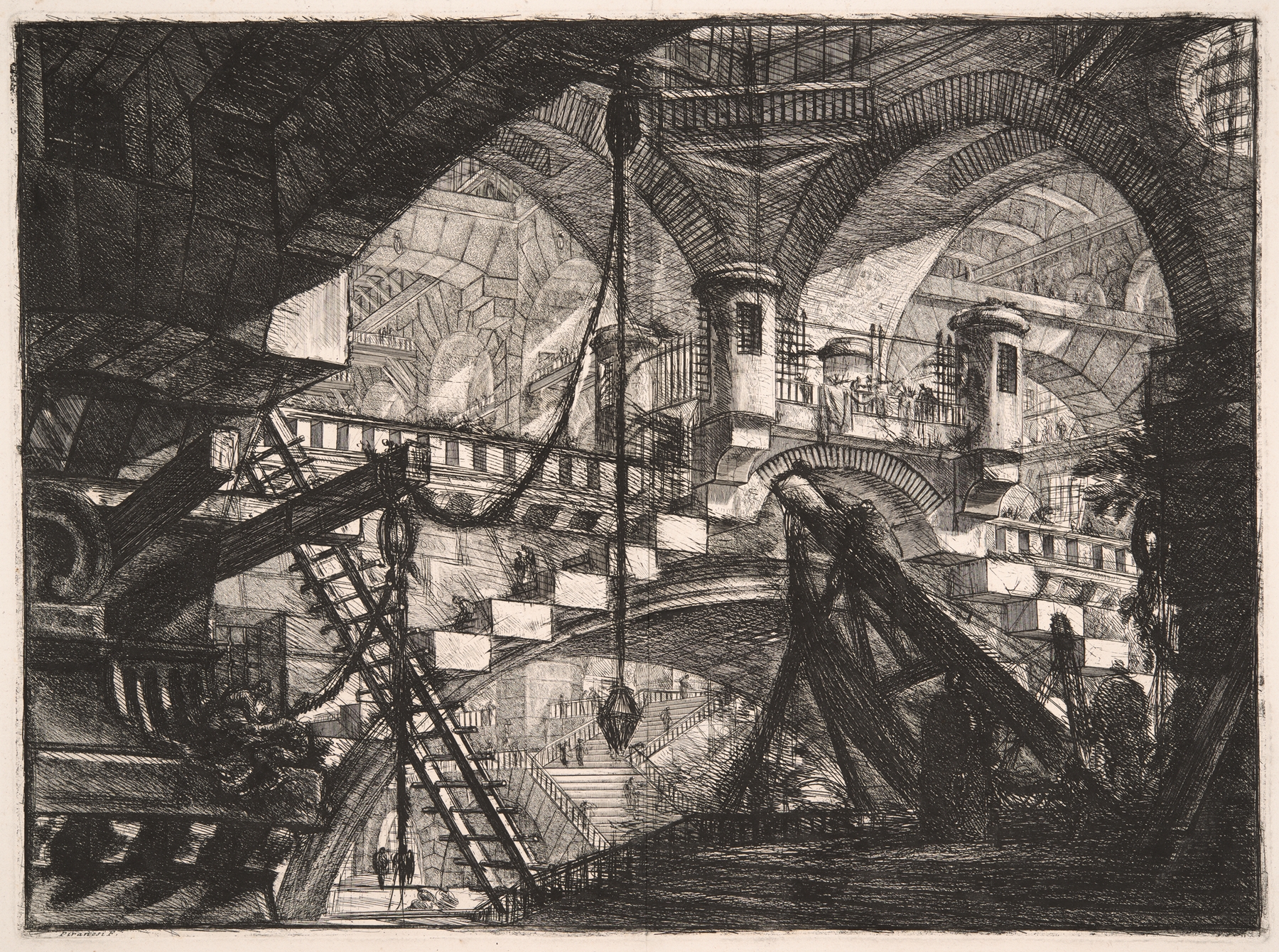
Where does light end, and longing begin? In the intricate depths of The Lion Bas-Reliefs, the shadows weave a narrative of history and emotion that transcends the stone itself. Look to the left of the composition, where the fierce visage of a lion emerges from the background, its expression caught between strength and vulnerability. The chiaroscuro technique enhances the textural details, allowing the light to dance upon the surface of the bas-reliefs while simultaneously plunging the surrounding areas into profound darkness.
Notice how the meticulously carved lines guide your gaze, drawing attention to the lion's powerful paws that seem both regal and menacing. Yet, there is a deeper resonance within the shadows that envelop this work. The juxtaposition of the lion’s ferocity against the silence of the surrounding stone creates an emotional tension that speaks to themes of power and vulnerability. Each groove and crevice carved into the relief captures not just the likeness of a lion but a sense of longing for a past filled with glory and the passage of time that erodes even the strongest of figures.
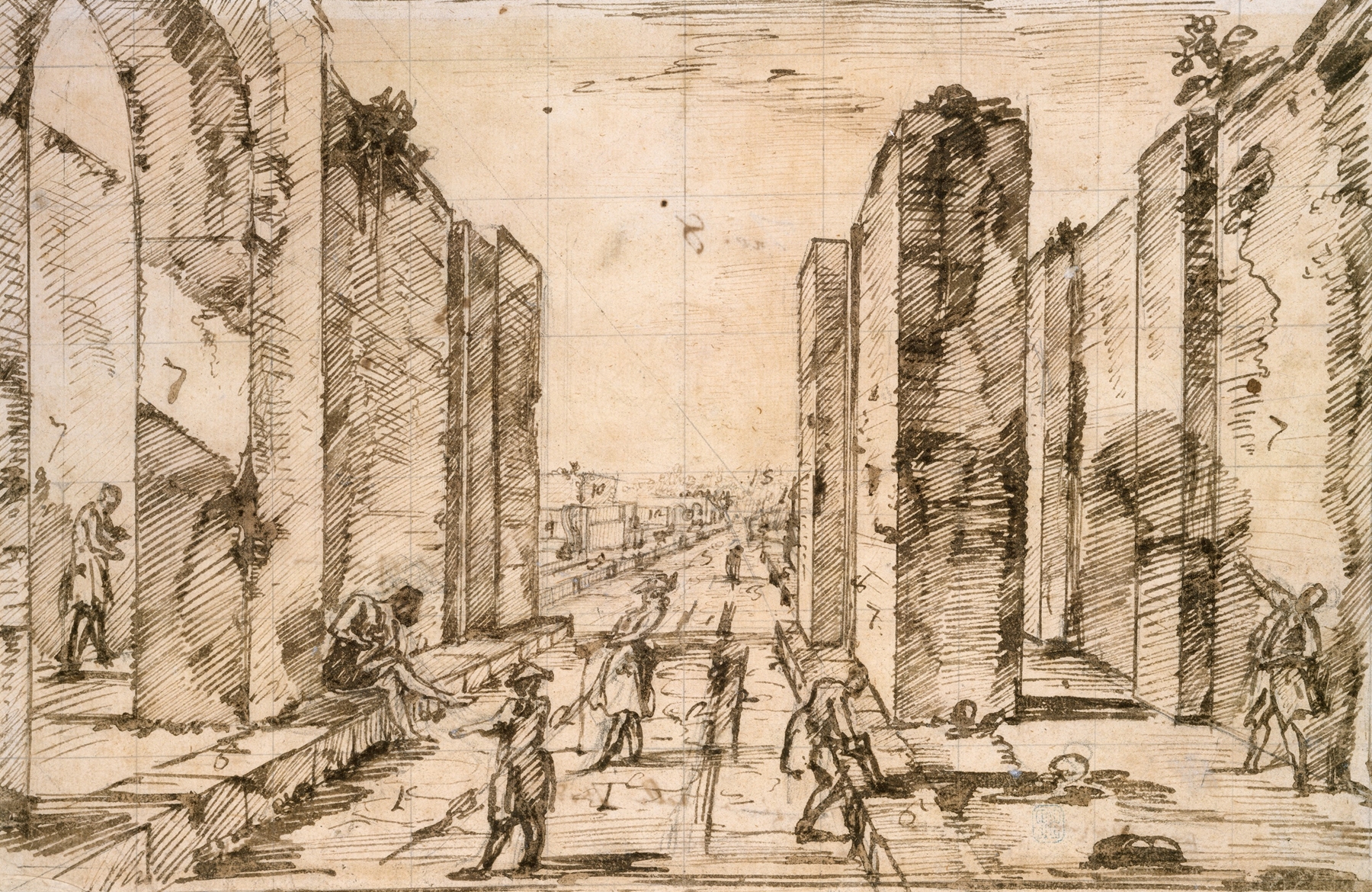
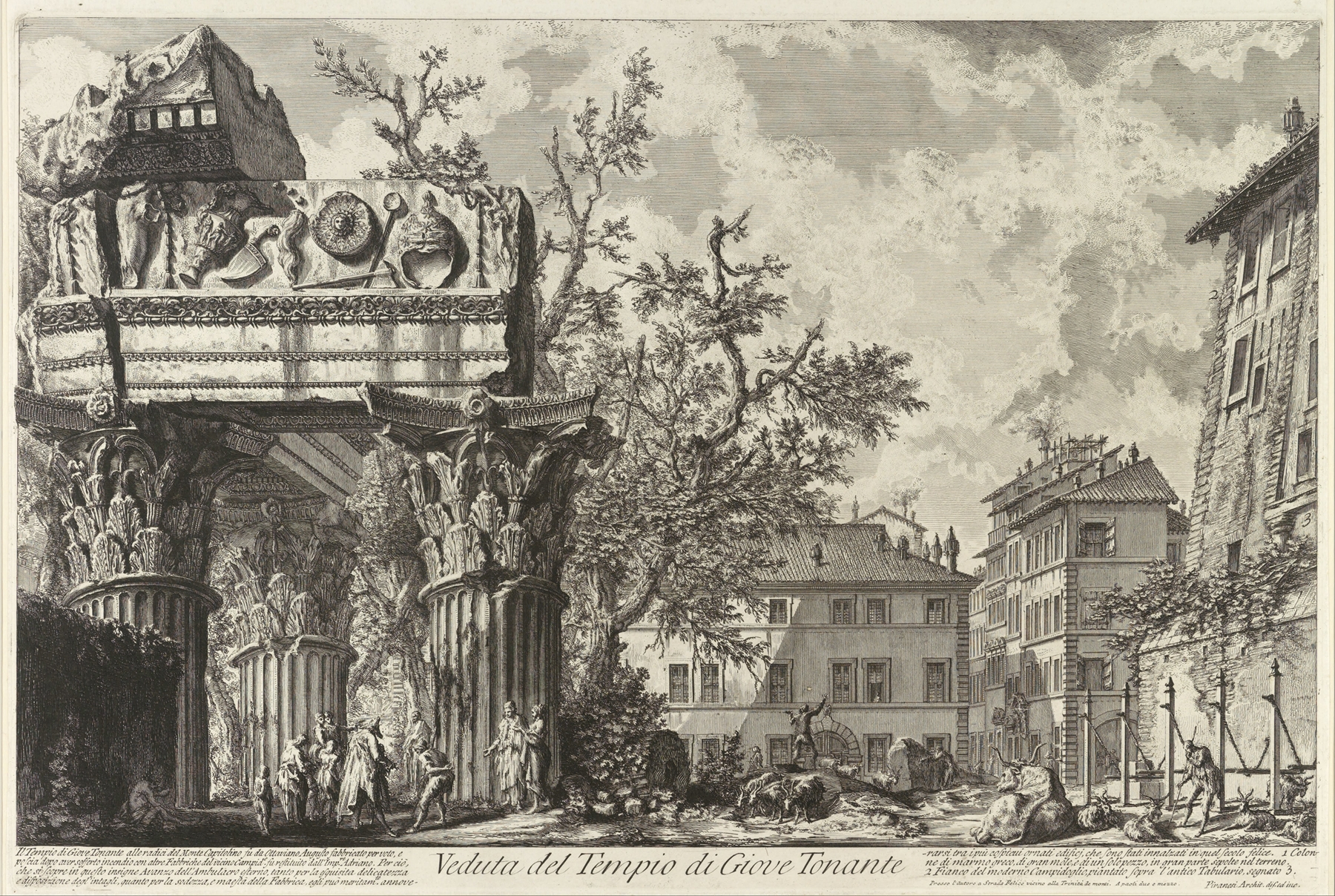
The interplay of light and shadow serves as a metaphor for the dualities of existence—bravery intertwined with fear. In 1761, Giovanni Battista Piranesi, inspired by the classical ruins of Rome, produced this work amidst the fervent Neoclassical movement that sought to revive the ideals of antiquity. He was deeply engaged in exploring architectural forms and their historical significance, reflecting a time when Europe was immersed in discoveries of ancient civilizations. This piece stands as a testament to his artistic vision, capturing not only the physicality of his subjects but also their emotional depths.