The Man on the Rack — History & Analysis
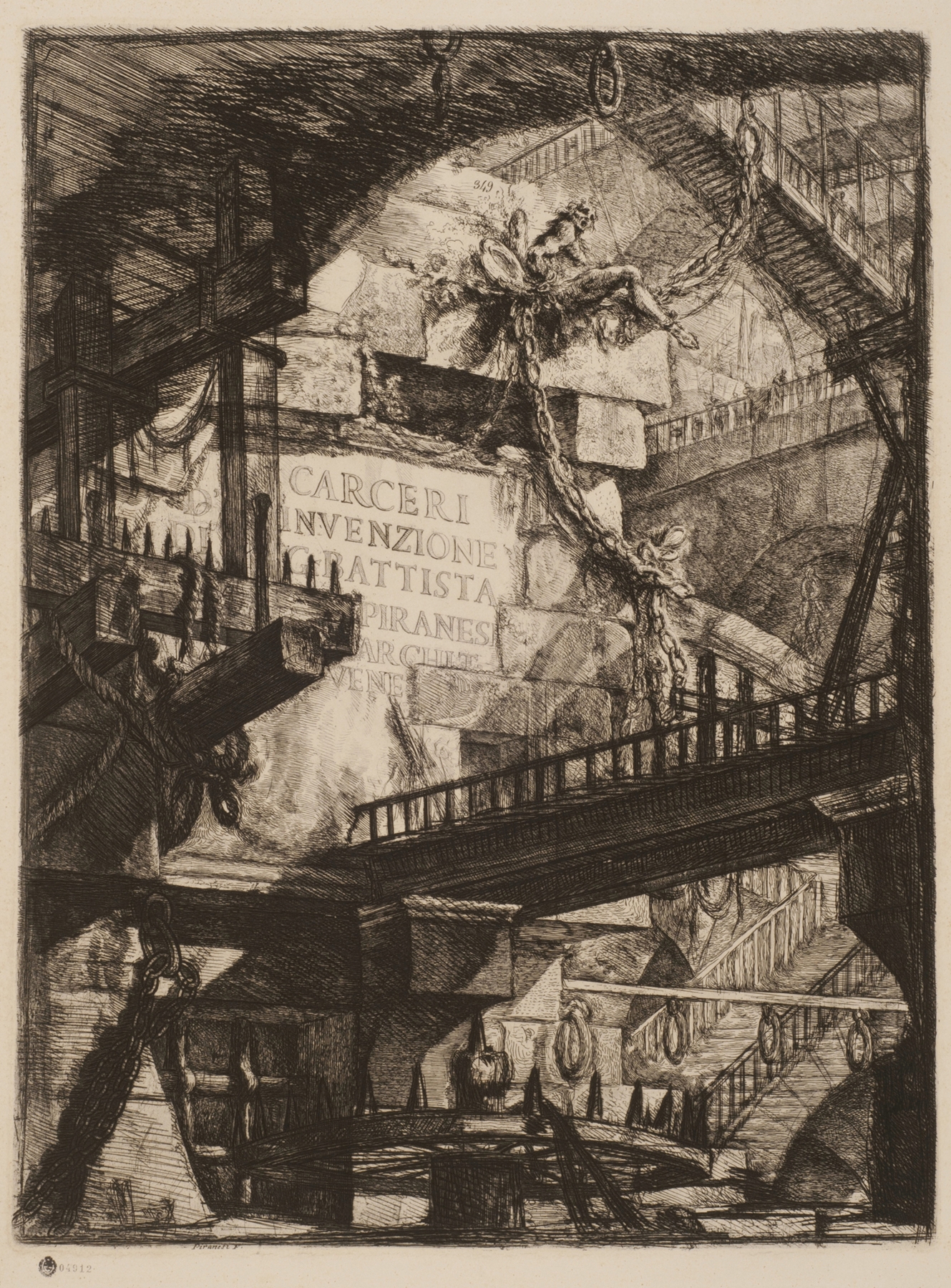
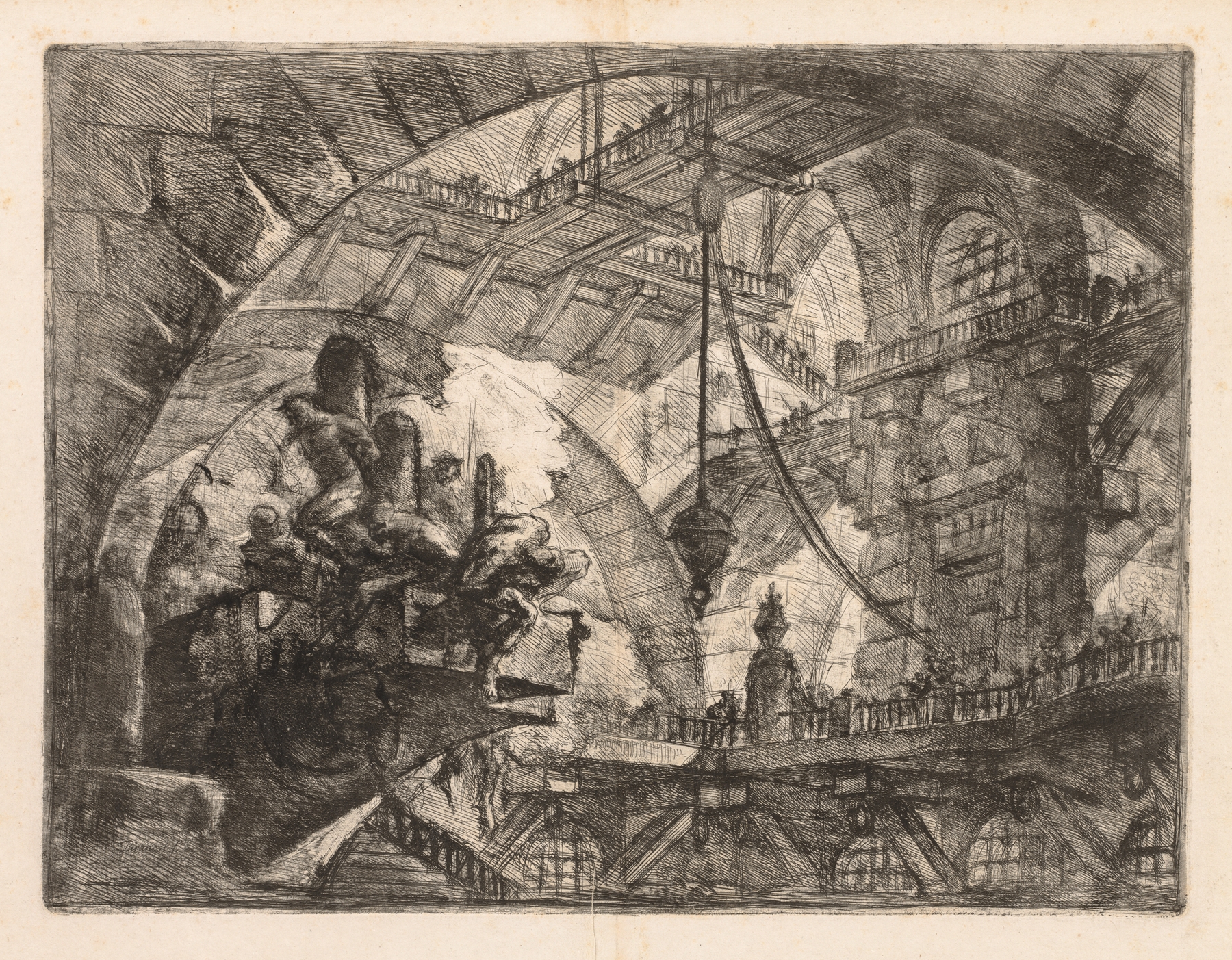
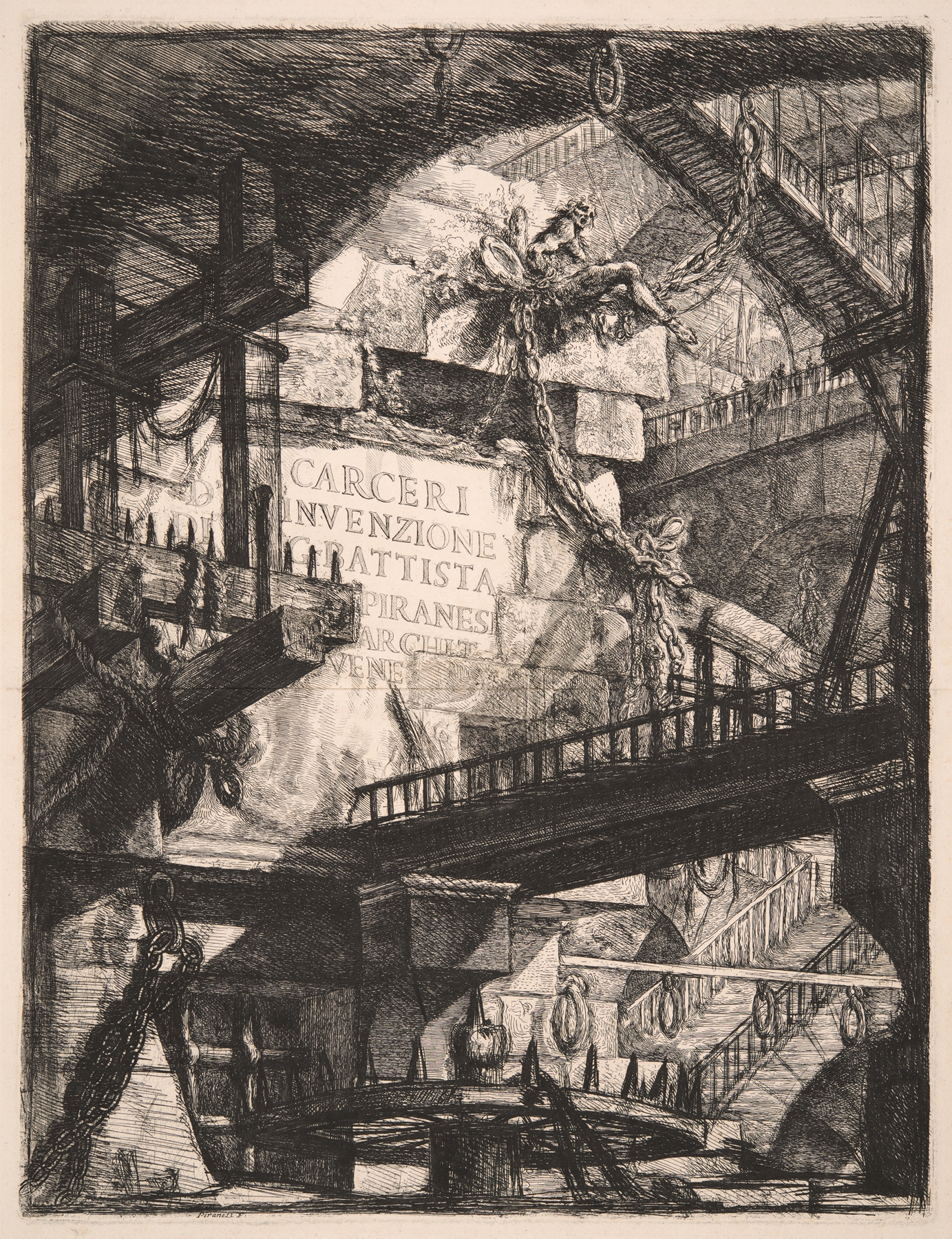
“Art reveals the soul when the world turns away.” Giovanni Battista Piranesi’s The Man on the Rack invites a haunting reflection on the ecstasy concealed within suffering. In a world that often shuns vulnerability, this work emerges as a visceral confrontation with the depths of human experience. Look closely at the anguished figure at the center; the contorted body, mere flesh stretched taut against a cruel device, draws the eye immediately. Shadows weave through the stark contrast of light and dark, creating a chiaroscuro that emphasizes the tension of the moment.
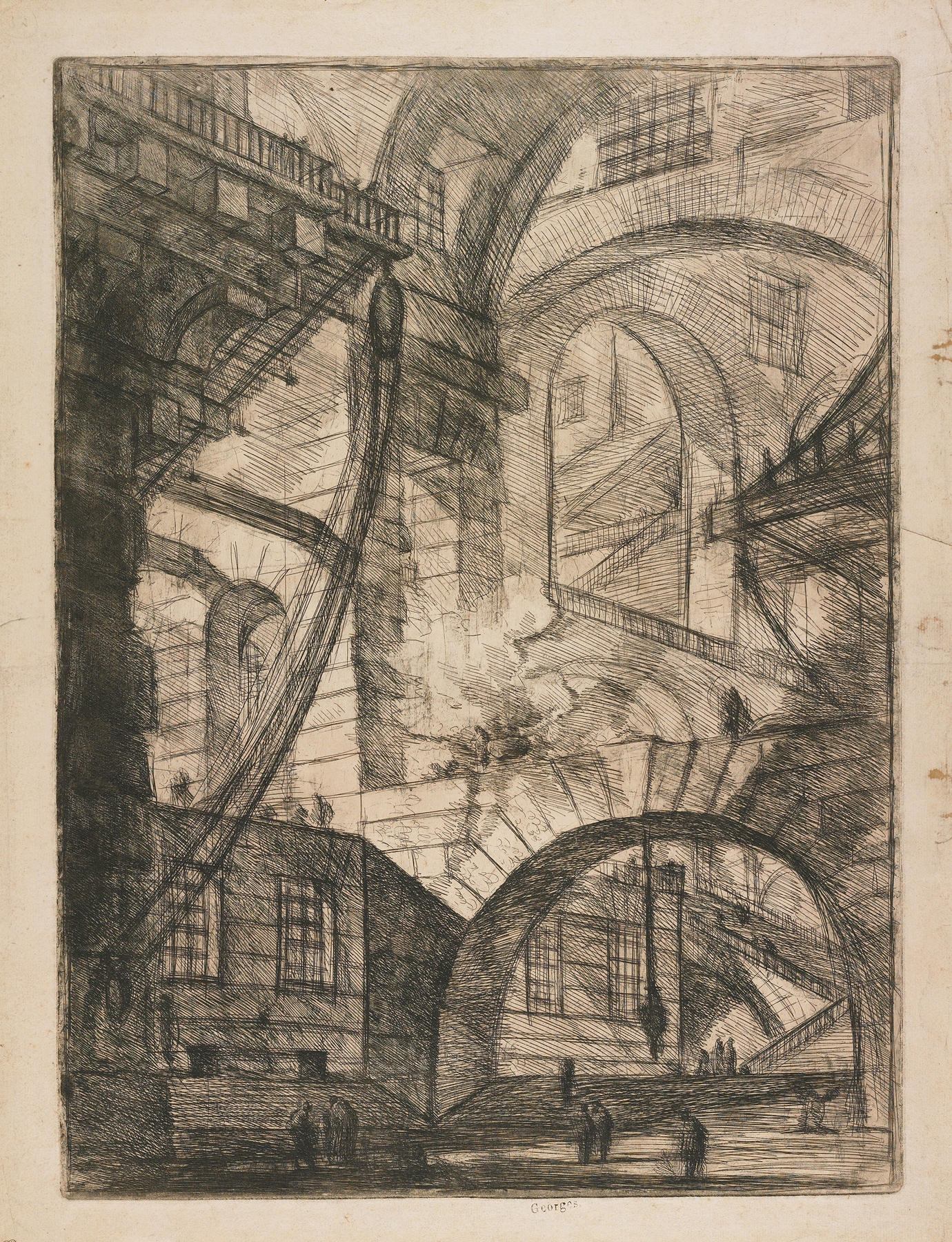
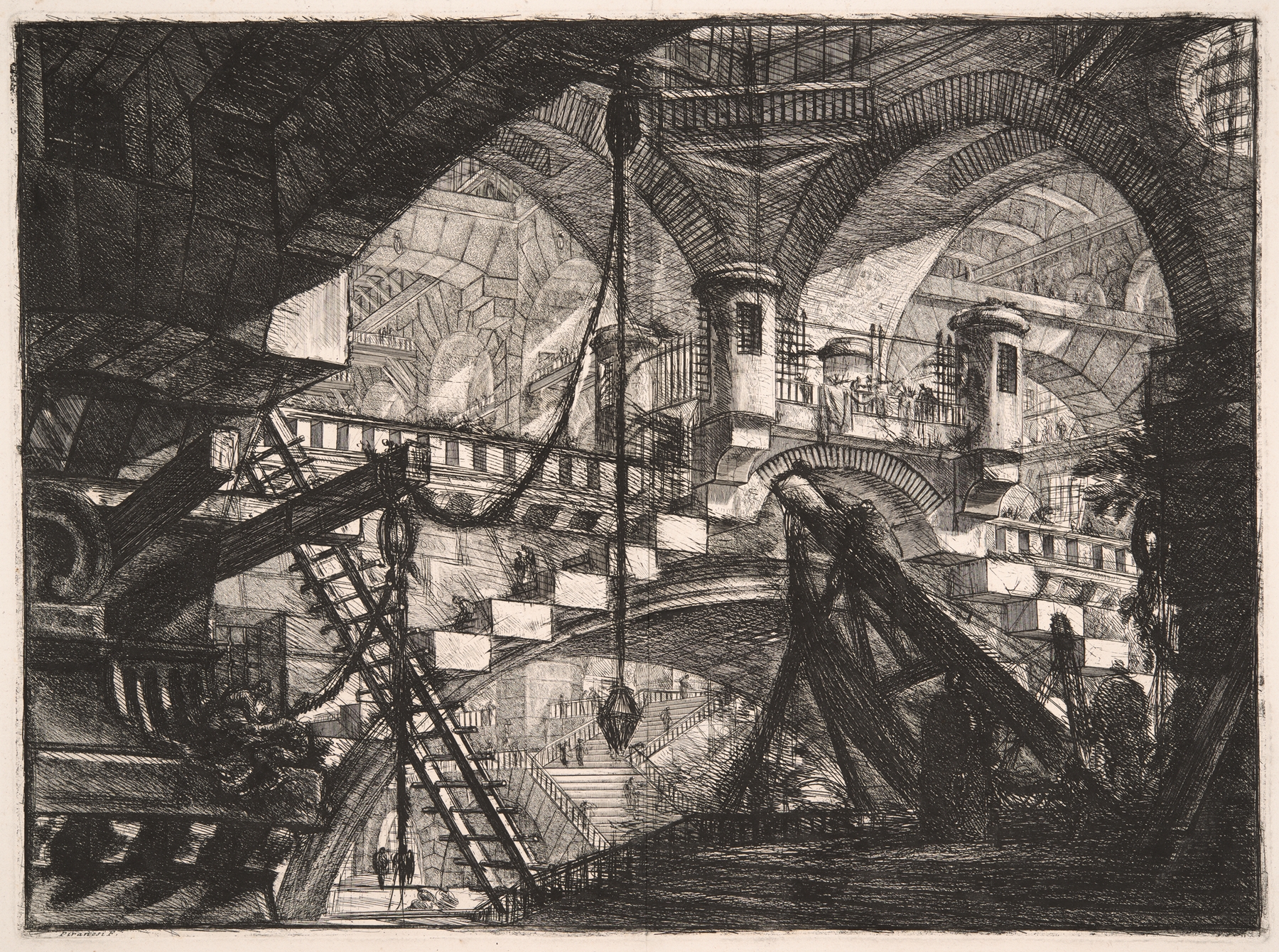
The intricate architectural elements surrounding him, with their grand arches and looming shadows, evoke a sense of oppressive power, framing the man’s plight with a relentless emphasis on despair. Yet, within this darkness, there lies an undeniable tension. The figure’s posture teeters on the brink of agony and transcendence, invoking a complex interplay between suffering and ecstasy. The stark lines of the rack echo a brutal symmetry, suggesting the paradox of beauty found in pain.
Each detail—be it the delicate rendering of the skin or the magnificence of the architectural backdrop—contributes to a broader commentary on the fragility of the human condition, revealing strength in vulnerability. Created in 1761, this work emerged during a time when Piranesi was deeply engaged with the themes of ancient Rome and its ruins. Living in Venice, he was experiencing a resurgence of interest in classical antiquity, and his explorations into the interplay of architecture and human emotion marked a significant departure from the artistic norms of his era. This period was pivotal, as artists began to explore the emotional depths of their subjects, leading to a richer, more nuanced understanding of human experience in art.