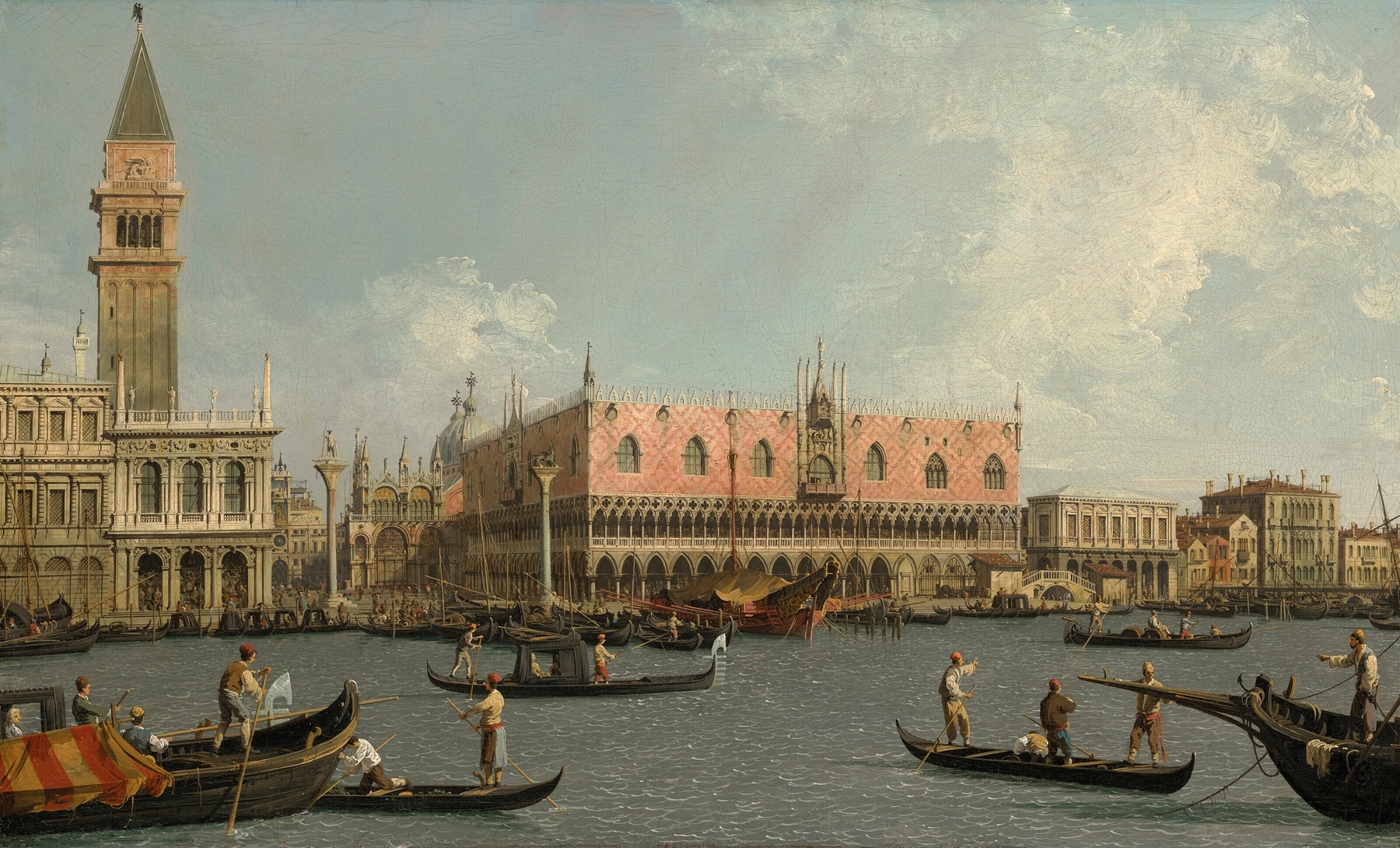
The Molo, with the Piazzetta and the Doge’s Palace, from the Bacino — History & Analysis
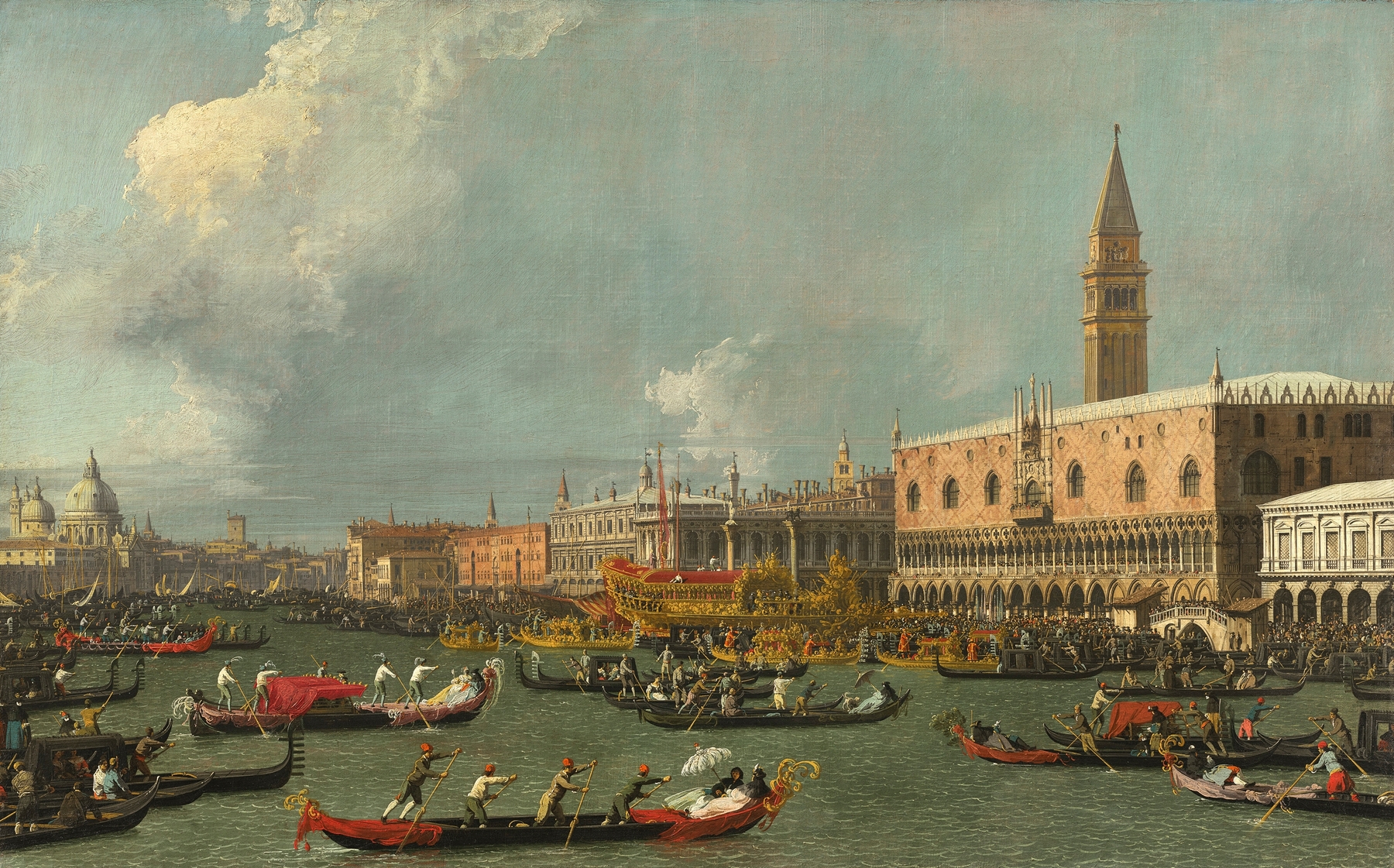
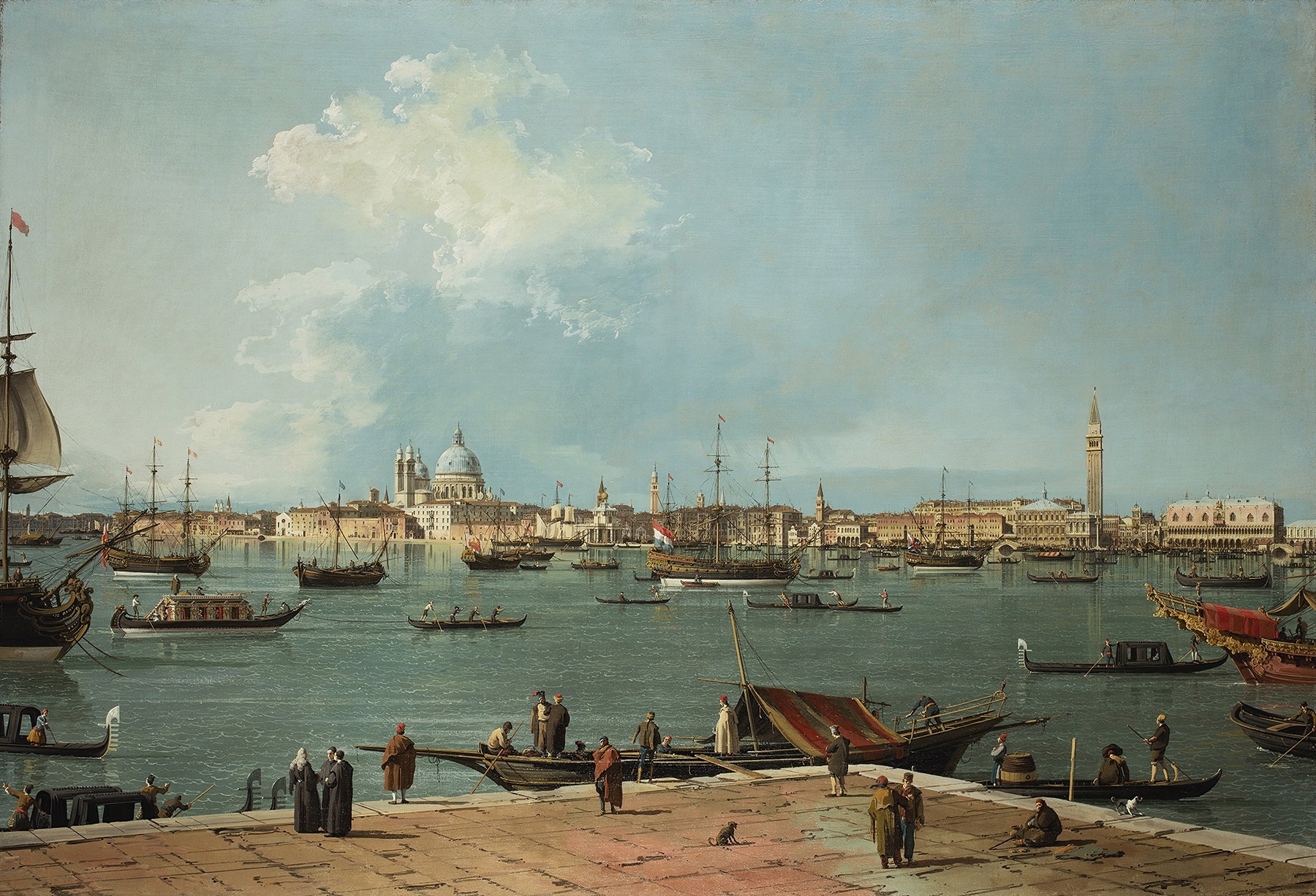
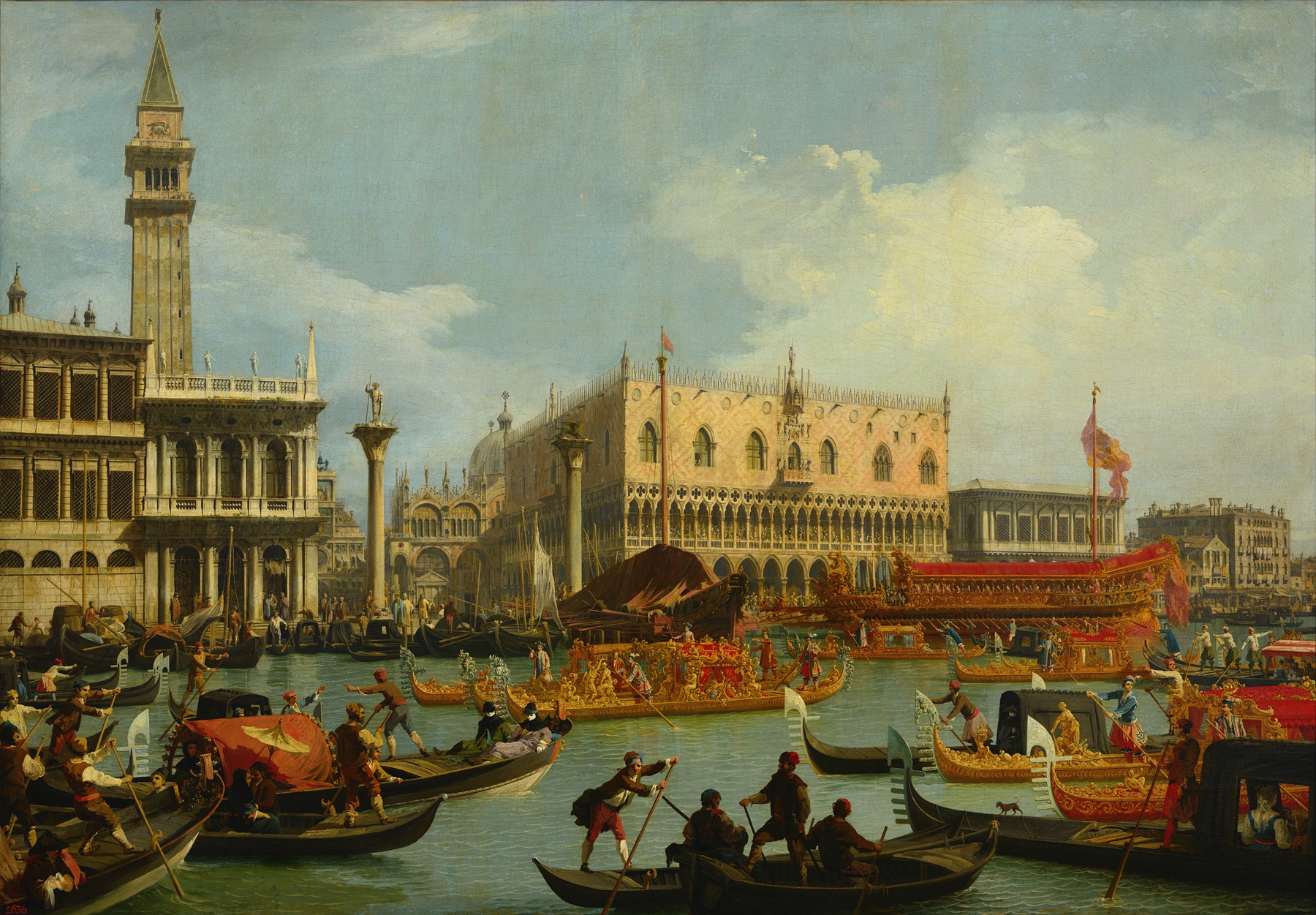
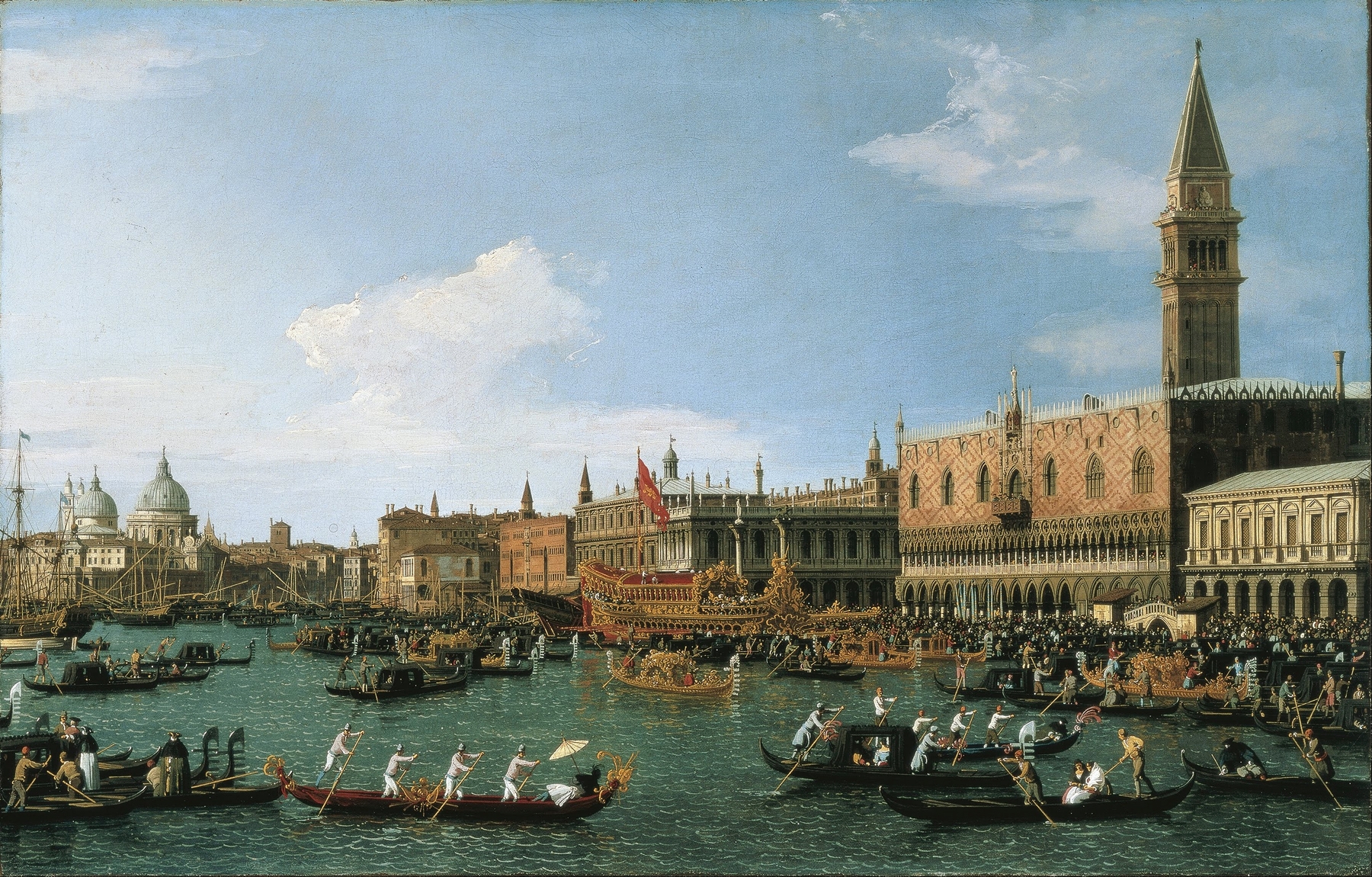
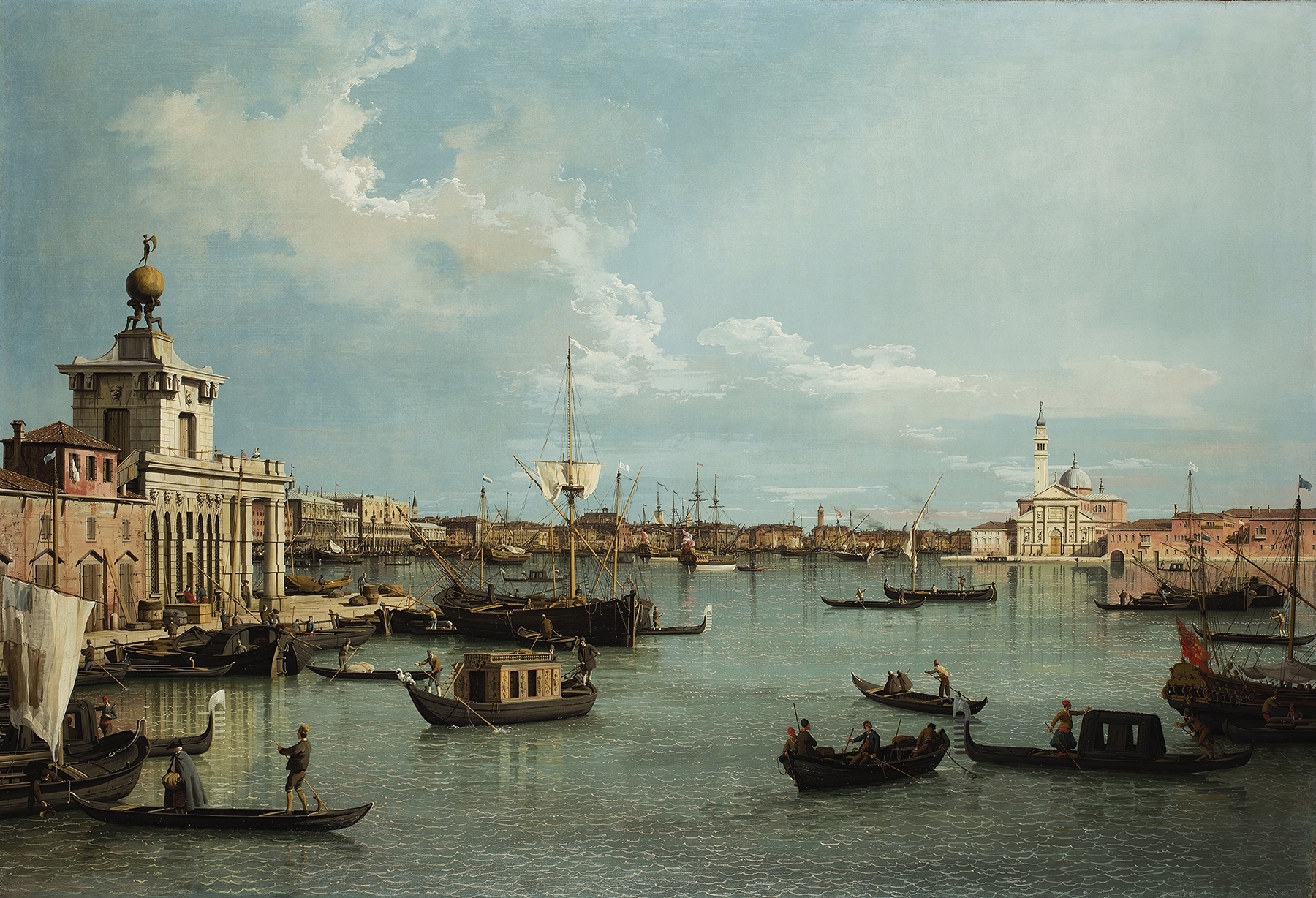
When did color learn to lie? Each hue on the canvas whispers a tale of aspiration, weaving a narrative of beauty that stands resilient against the passage of time. Focus on the luminous reflections glimmering on the water, where shades of azure and gold dance in harmony. The intricate detailing of the Doge's Palace looms majestically in the background, its façade bathed in warm sunlight that invites the eye to linger.
Notice how the vibrant sails of distant boats contrast strikingly against the tranquil waters, creating a vivid dynamism that suggests movement and life. The painting’s composition invites exploration, guiding the viewer’s gaze from the bustling piazzetta to the serene canal, uniting the vibrancy of public life with the calm of the Venetian backdrop. Delve deeper into the emotional currents at play, as the juxtaposition of the ornate architecture against the simplicity of the boats encapsulates the tension between human ambition and the serenity of nature. The palette, rich and inviting, conveys not just a representation of Venice but also a sense of hope, as it seems to promise new beginnings amid the enduring splendor of the city.
The play of light and shadow evokes a feeling of nostalgia, reminding us of the fleeting moments that define our existence. During the early 18th century, Canaletto created this piece amidst a surge of interest in Venice as both a cultural hub and a tourist destination. The artist had established himself as a leading figure in the genre of cityscapes, capturing the essence of his surroundings with remarkable precision. Amidst political changes and artistic evolution, he found his voice in the vibrant life of Venice, immortalizing its beauty for generations to come.