The Obelisk — History & Analysis
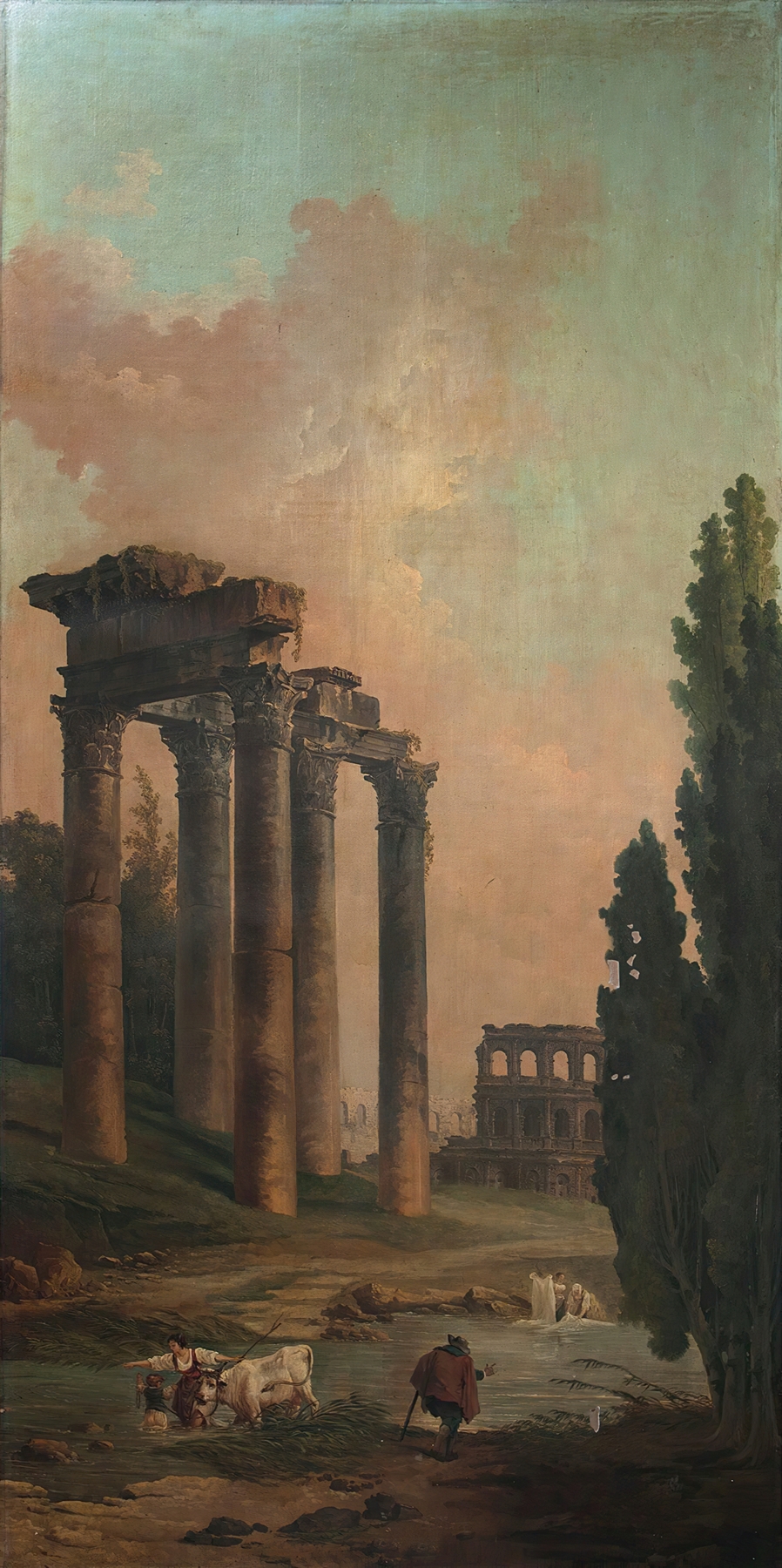
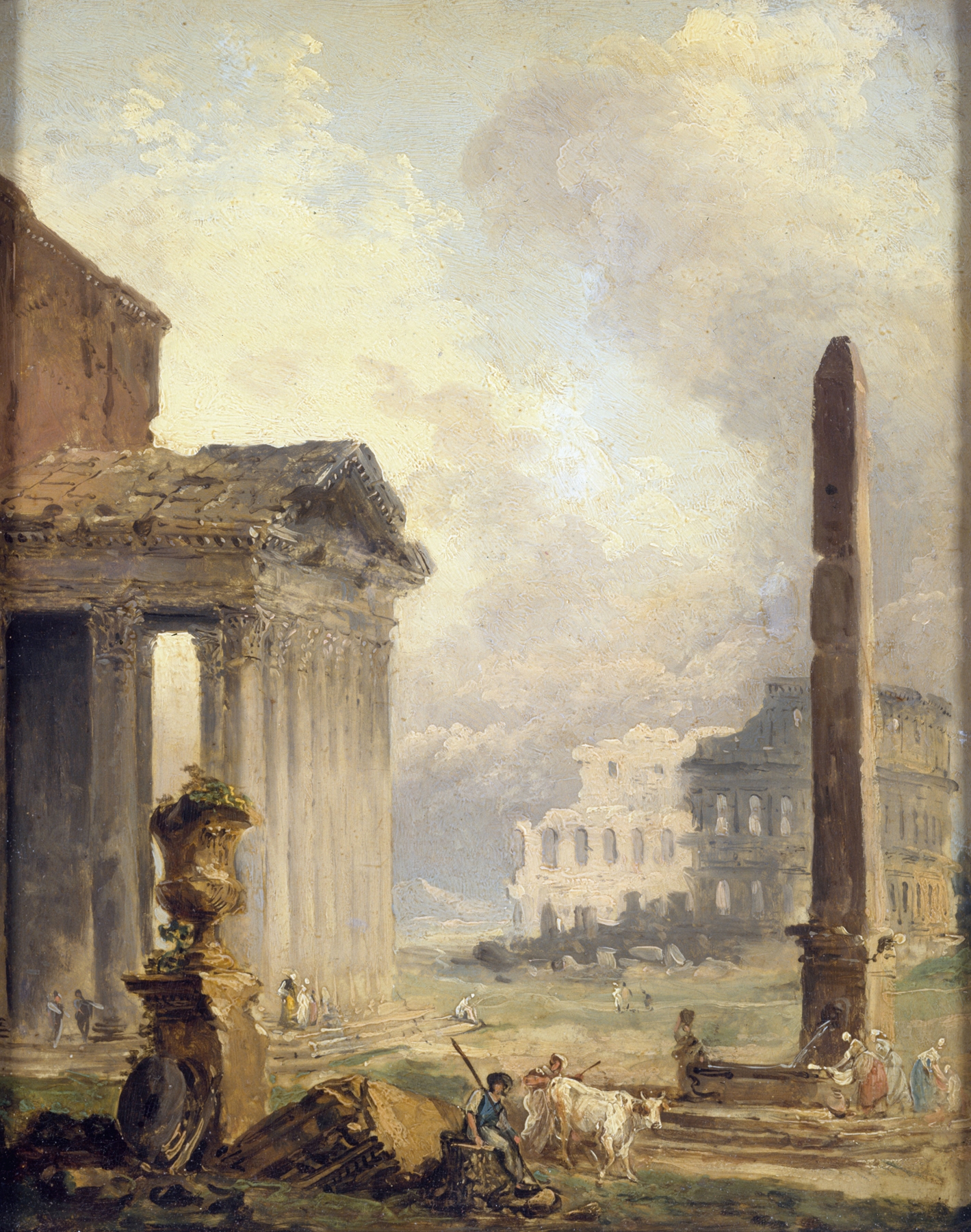
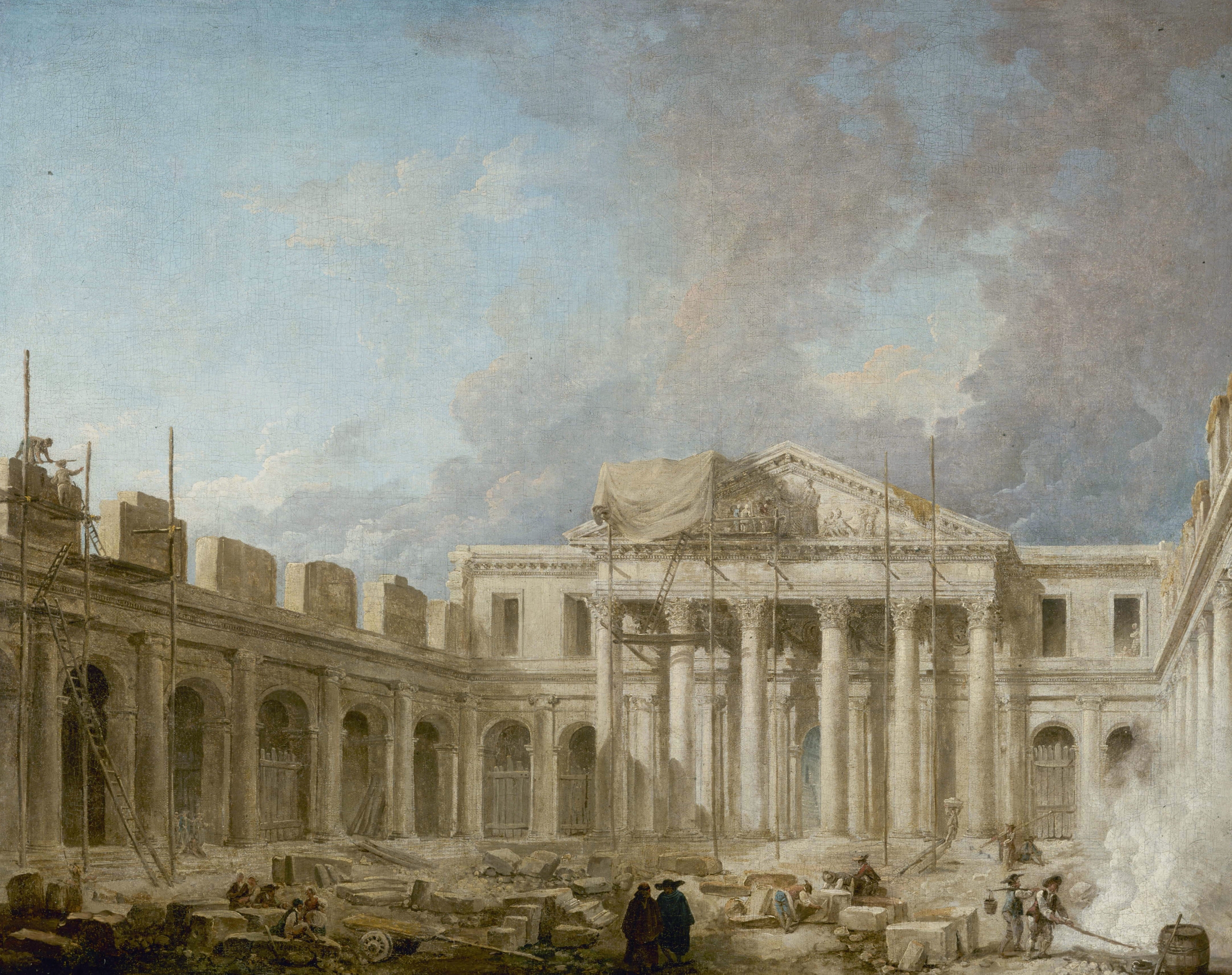
What secret hides in the quiet of the canvas? In a world brimming with chaos, stillness often becomes the gateway to understanding the divine. Look to the left at the towering obelisk, its ancient form reaching skyward, framed by lush greenery. The warm hues of ochre and soft greens envelop the scene, casting a serene glow that invites contemplation. Note the gentle play of light and shadow, as it dances across the weathered stone and verdant foliage, harmonizing nature with human craftsmanship.
The obelisk stands as a solemn sentinel amid the delicate ruins, evoking both reverence and nostalgia. This juxtaposition of the monumental and the natural speaks volumes. The obelisk, a symbol of divine connection and permanence, contrasts sharply with the crumbling remnants of civilization at its base, hinting at the transitory nature of human endeavors. The whispers of the past intertwine with the present, suggesting both grandeur and decay.
In this delicate balance lies an emotional tension, inviting the viewer to ponder the permanence of legacy versus the inevitable passage of time. In 1789, Hubert Robert painted this piece amidst the upheaval of the French Revolution, reflecting a society grappling with its own identity. Living in Paris, he was deeply influenced by the artistic movements of neoclassicism and romanticism, recognizing the power of ruins to convey history and inspire future generations. This work captures a critical moment in time, merging the historic with the contemporary, and allowing us to reflect on our own place within the continuum of existence.