The Old Road to the Sea — History & Analysis
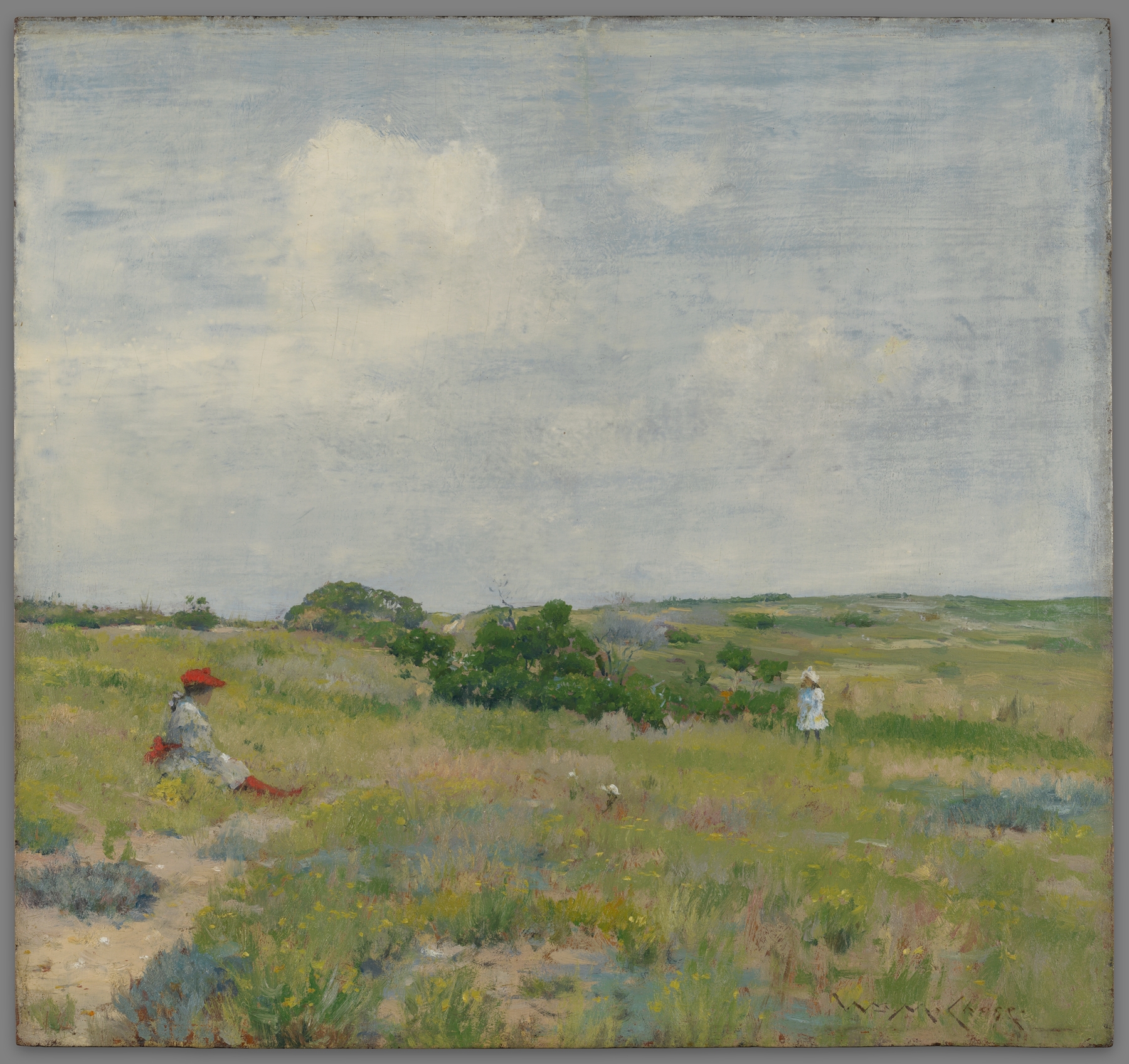
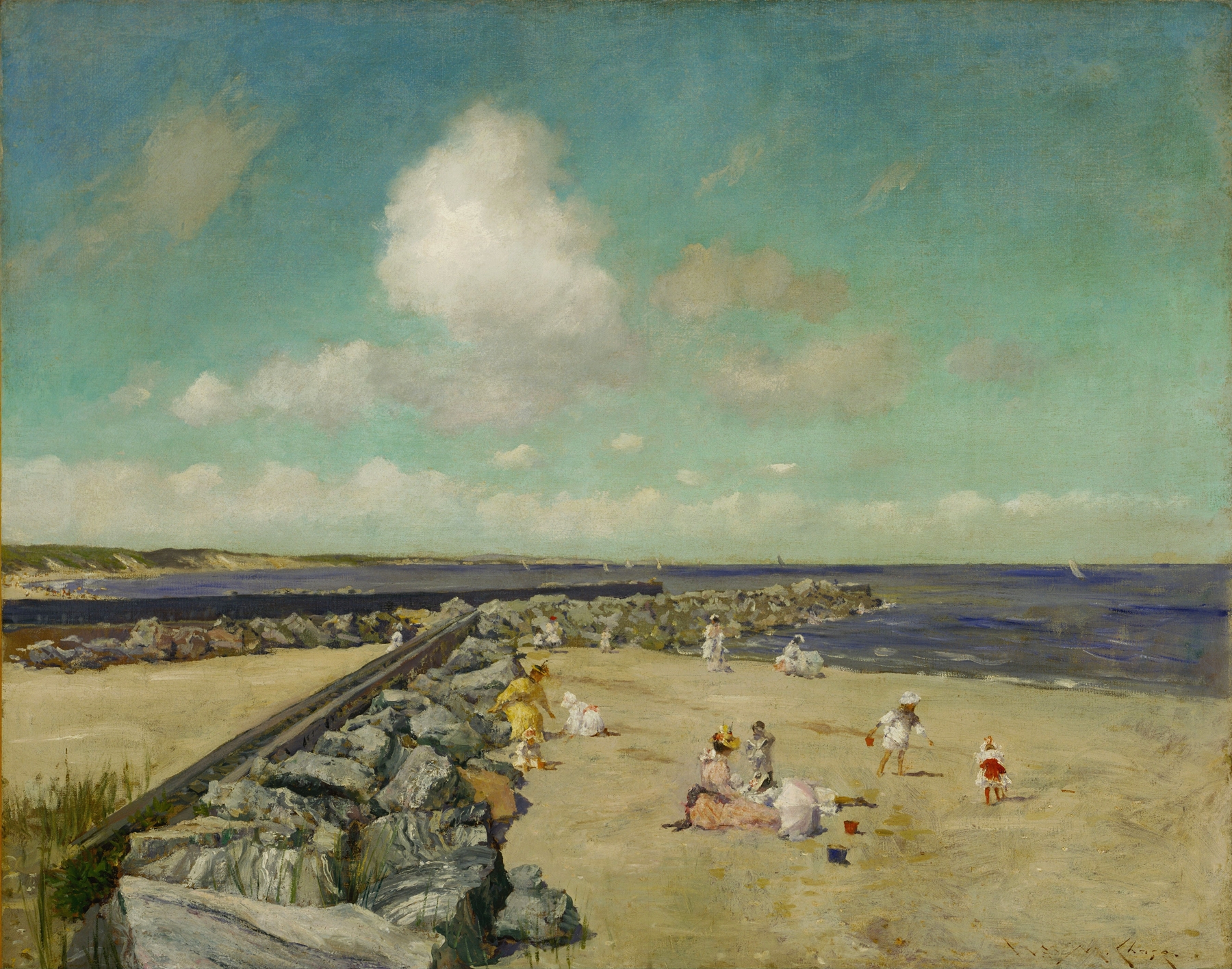
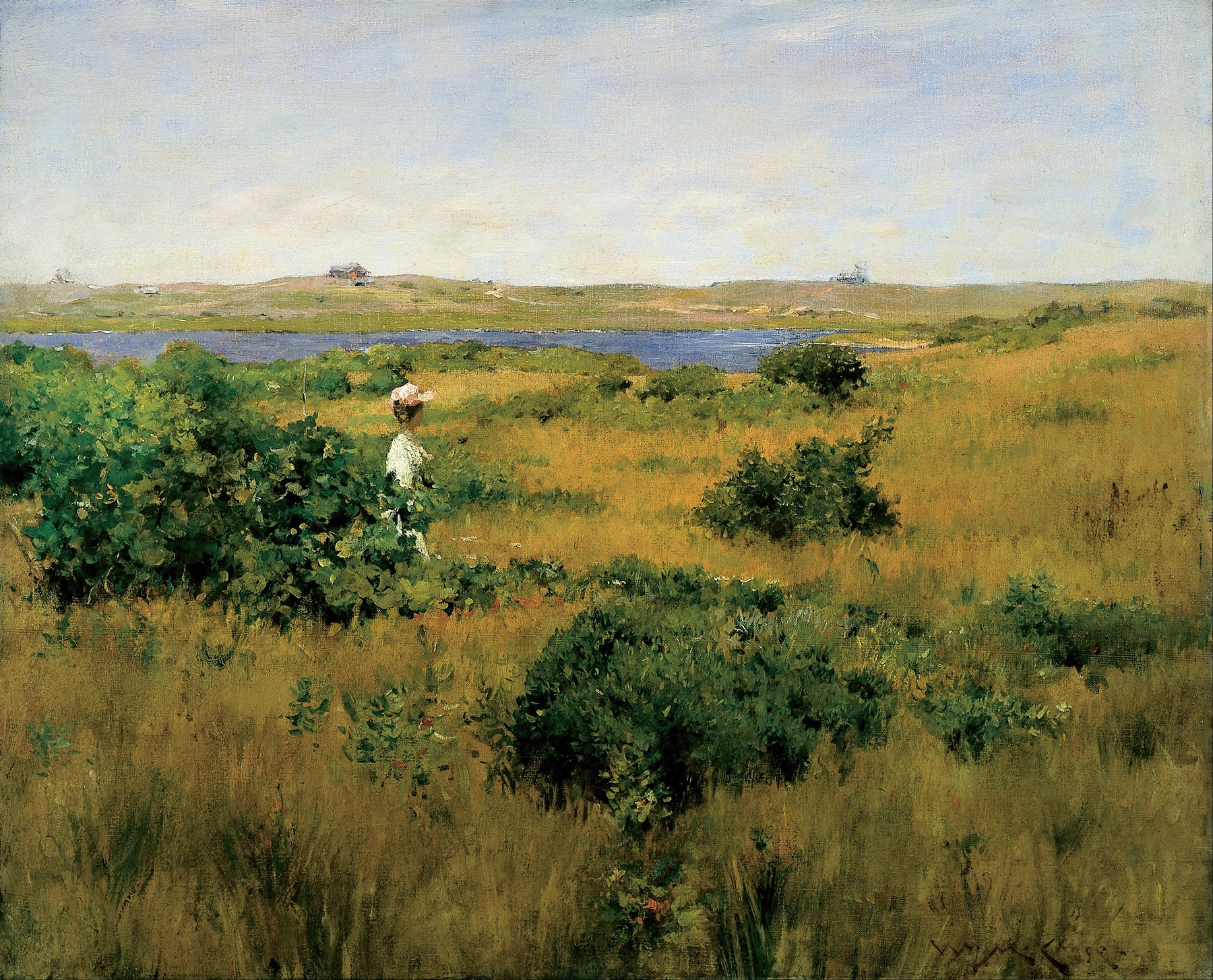
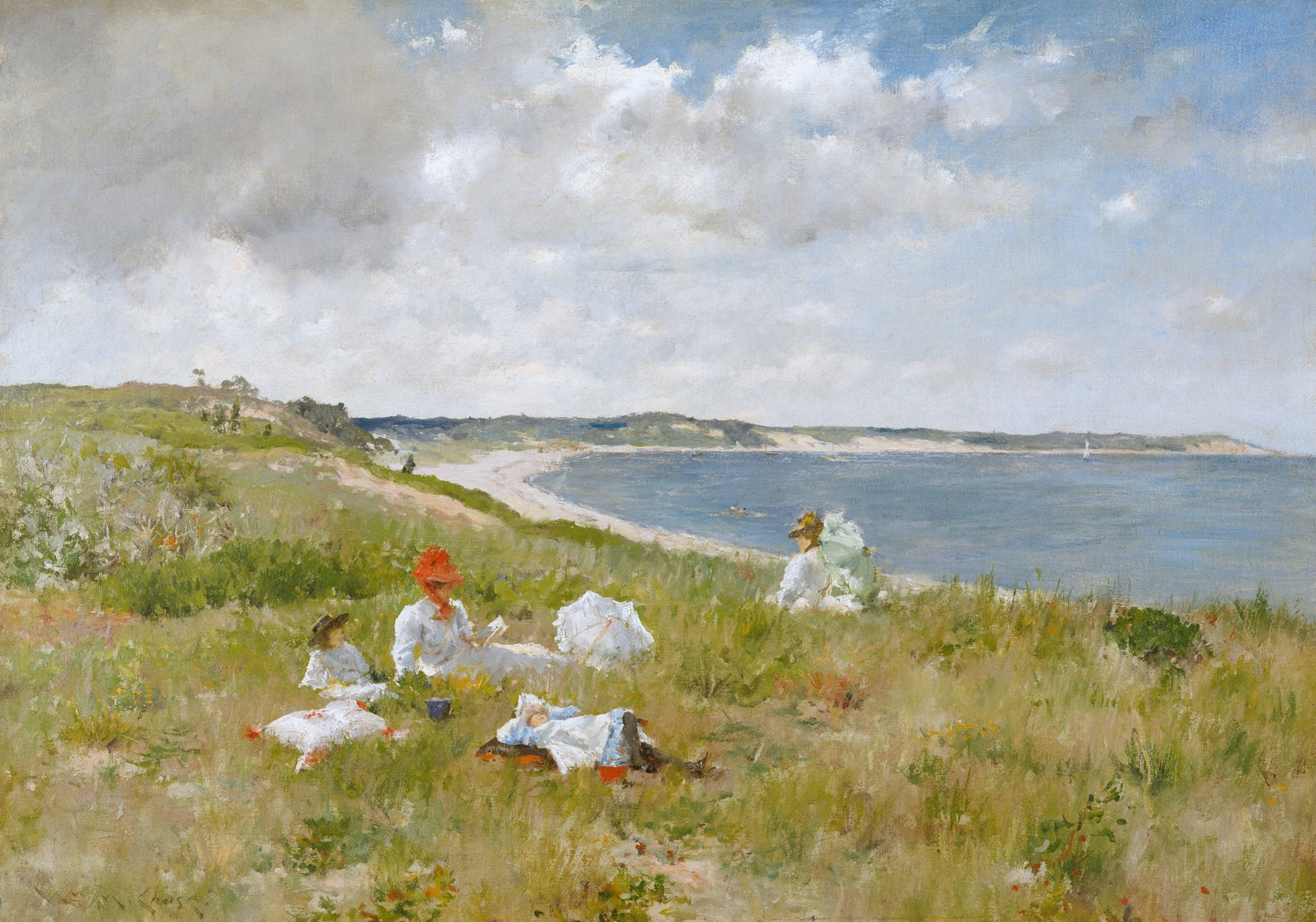
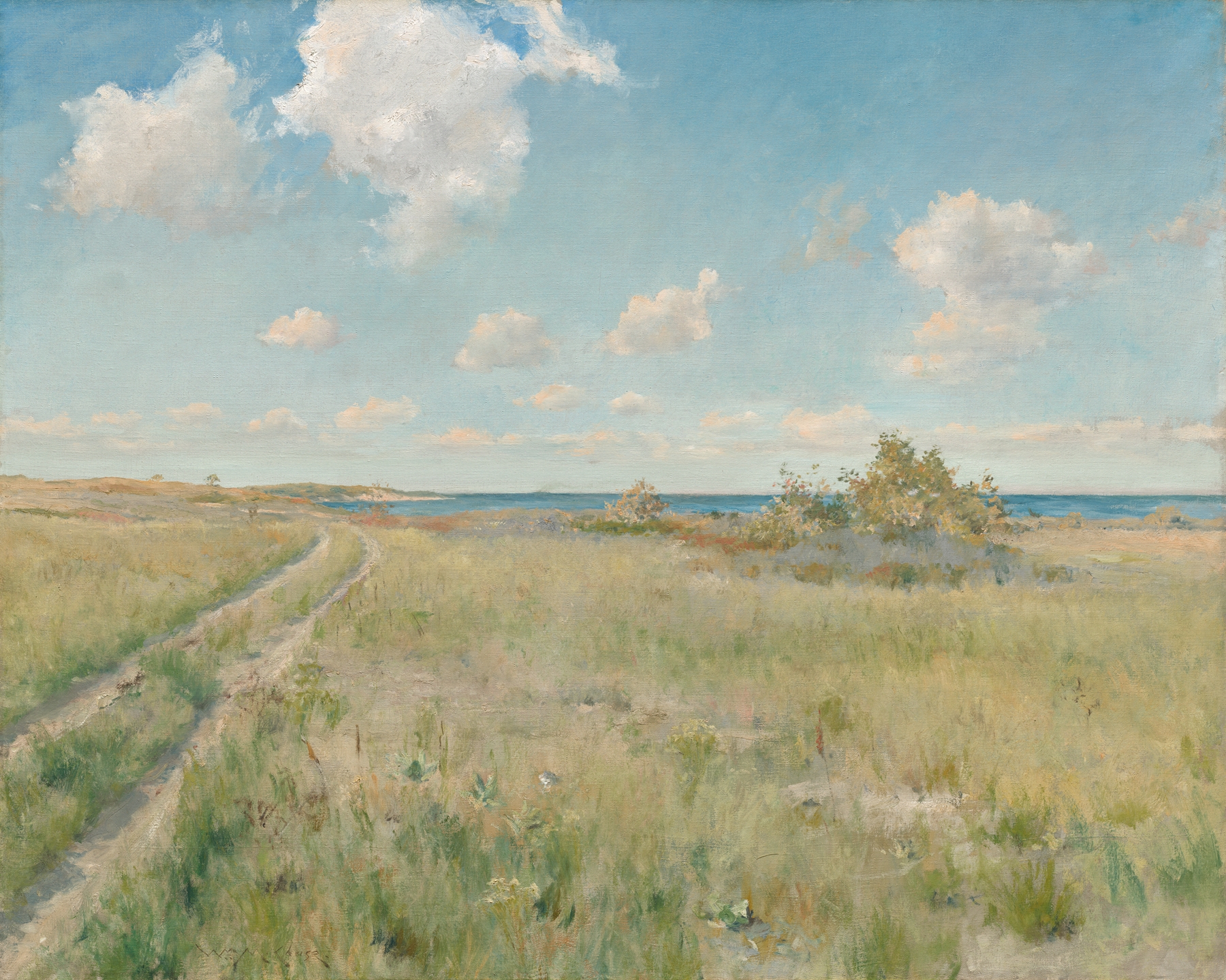
Is this a mirror — or a memory? The essence of longing shimmers in the air, suspended between the present and what once was, as the horizon beckons like a forgotten dream. Look to the left at the winding path, leading the eye toward an inviting yet elusive coastline. The lush greens of the landscape harmonize with the soft blues of sea and sky, creating a delicate interplay of colors that draw you in.
Notice how the sunlight bathes the scene in a warm glow, illuminating the textures of the grass and the sandy road that seems to whisper tales of travelers past. Each brushstroke captures the essence of both the familiar and the unknown, inviting viewers to step onto the road that leads to the sea. Beneath the surface, the painting reflects a deeper yearning—a desire for escape, for adventure, or perhaps for reconciliation with the past. The old road, suggestive of journeys taken and those left untraveled, embodies the tension between the safety of the known and the allure of discovery.
The gentle undulations of the path mirror the ebb and flow of emotions, while the horizon, forever distant, serves as a reminder of dreams that remain just out of reach. In the early 1890s, Chase created this piece during a vibrant period in American art, marked by a growing fascination with Impressionism. Working in New York and the nearby coastal landscapes, he sought to capture fleeting moments of beauty, drawing inspiration from both nature and memory. His exploration of light and color in The Old Road to the Sea reflects not just personal desire but also the broader artistic movement of his time, which sought to evoke emotion through the interplay of landscape and atmosphere.