The Old Sand Road — History & Analysis
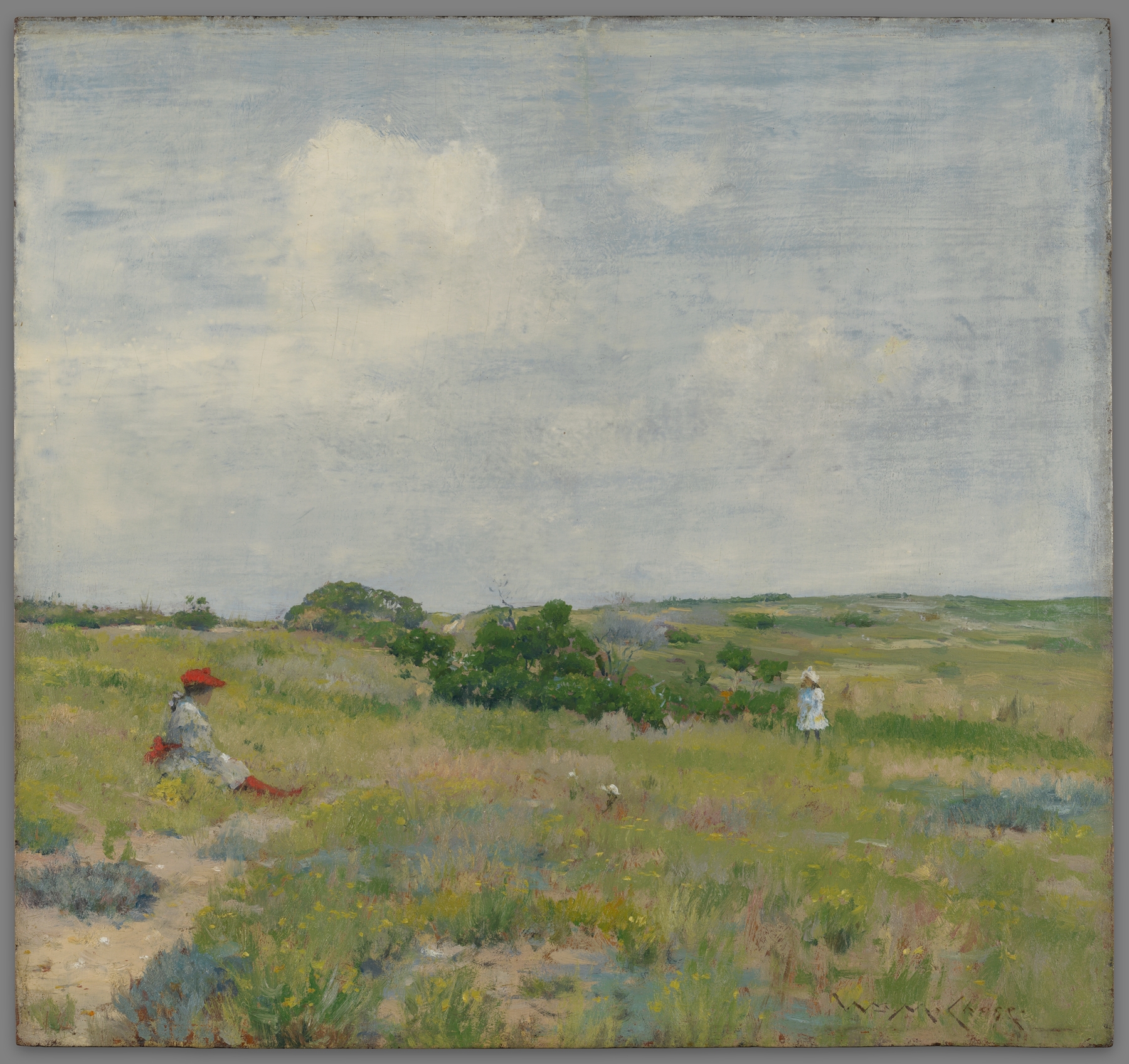
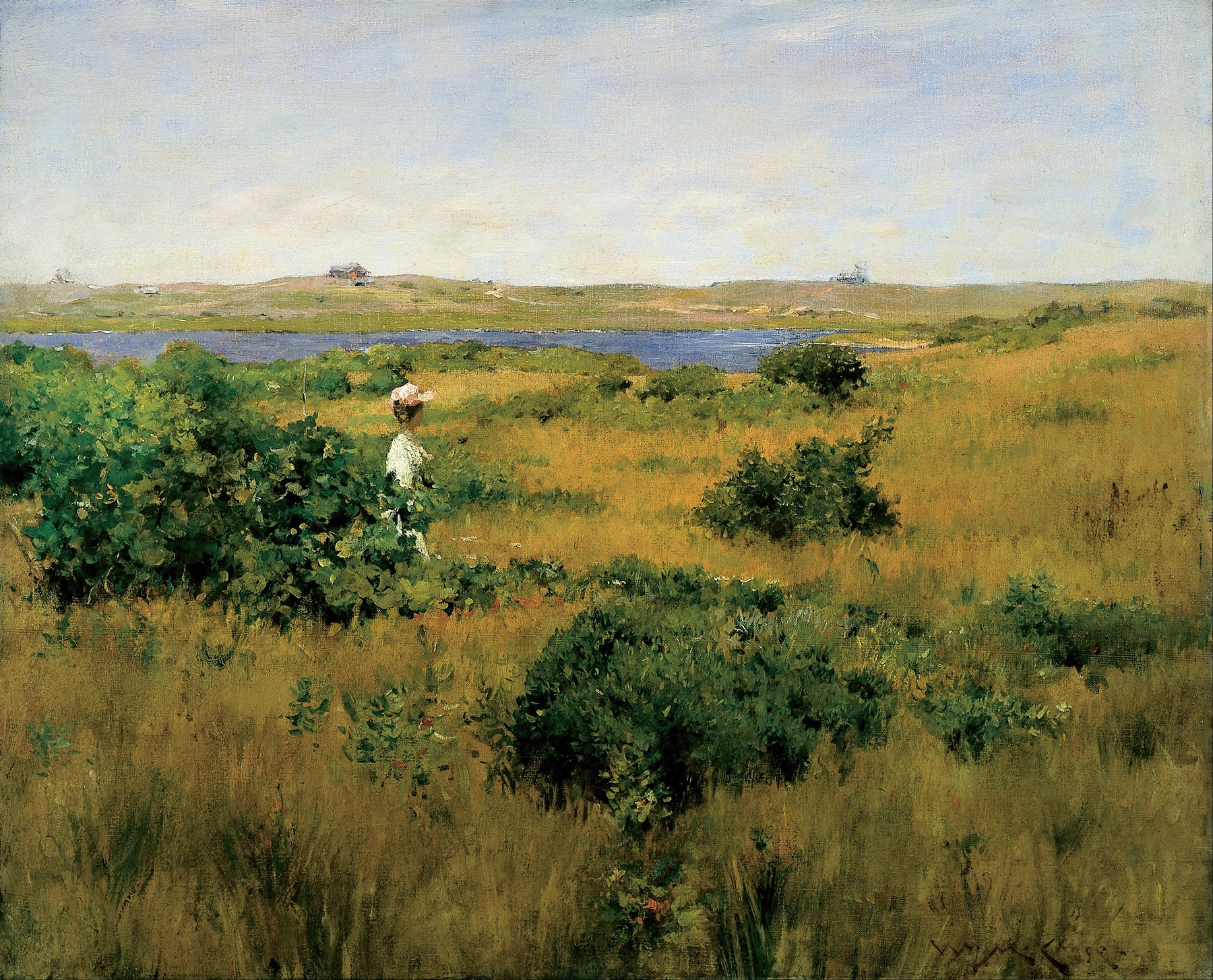
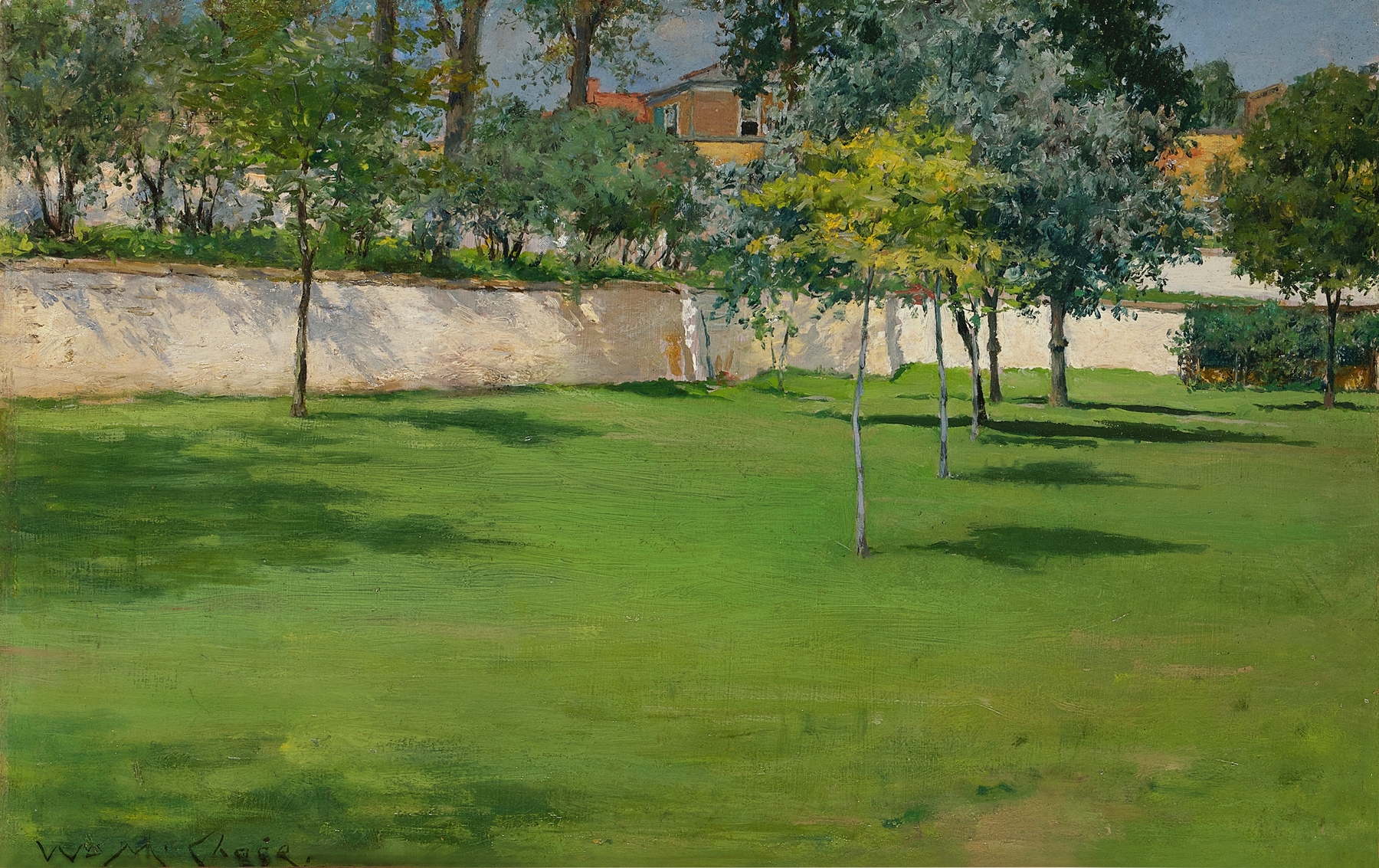
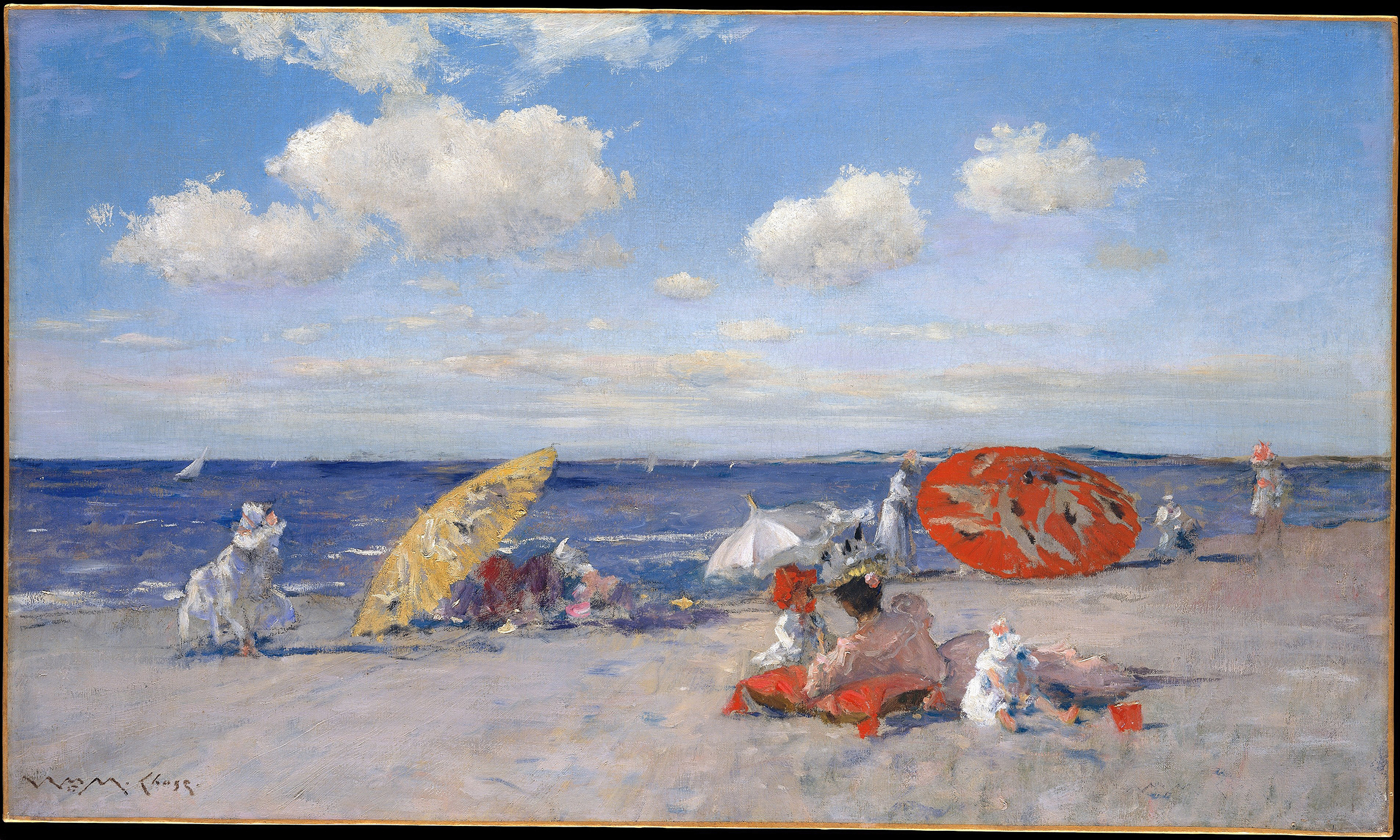
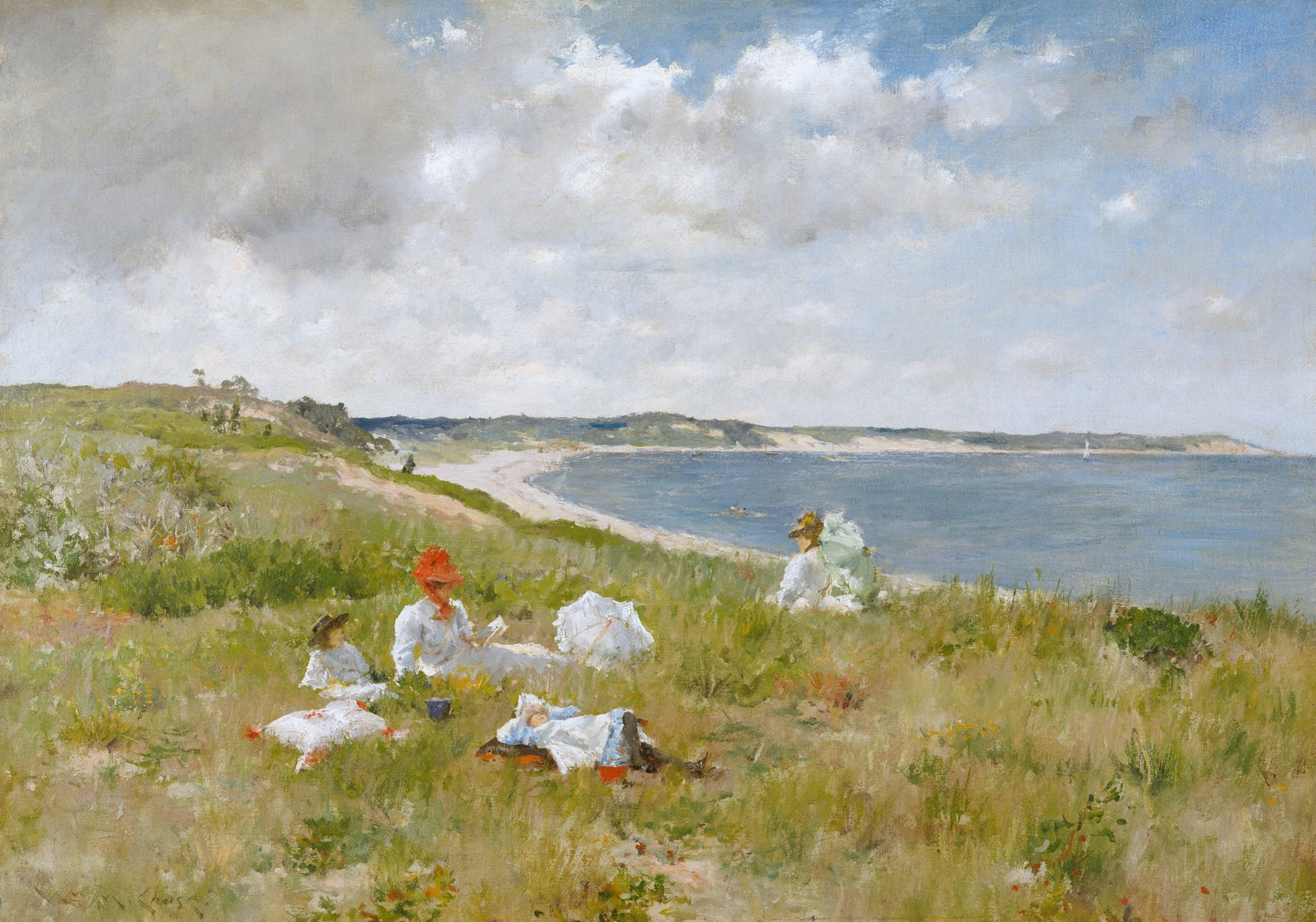
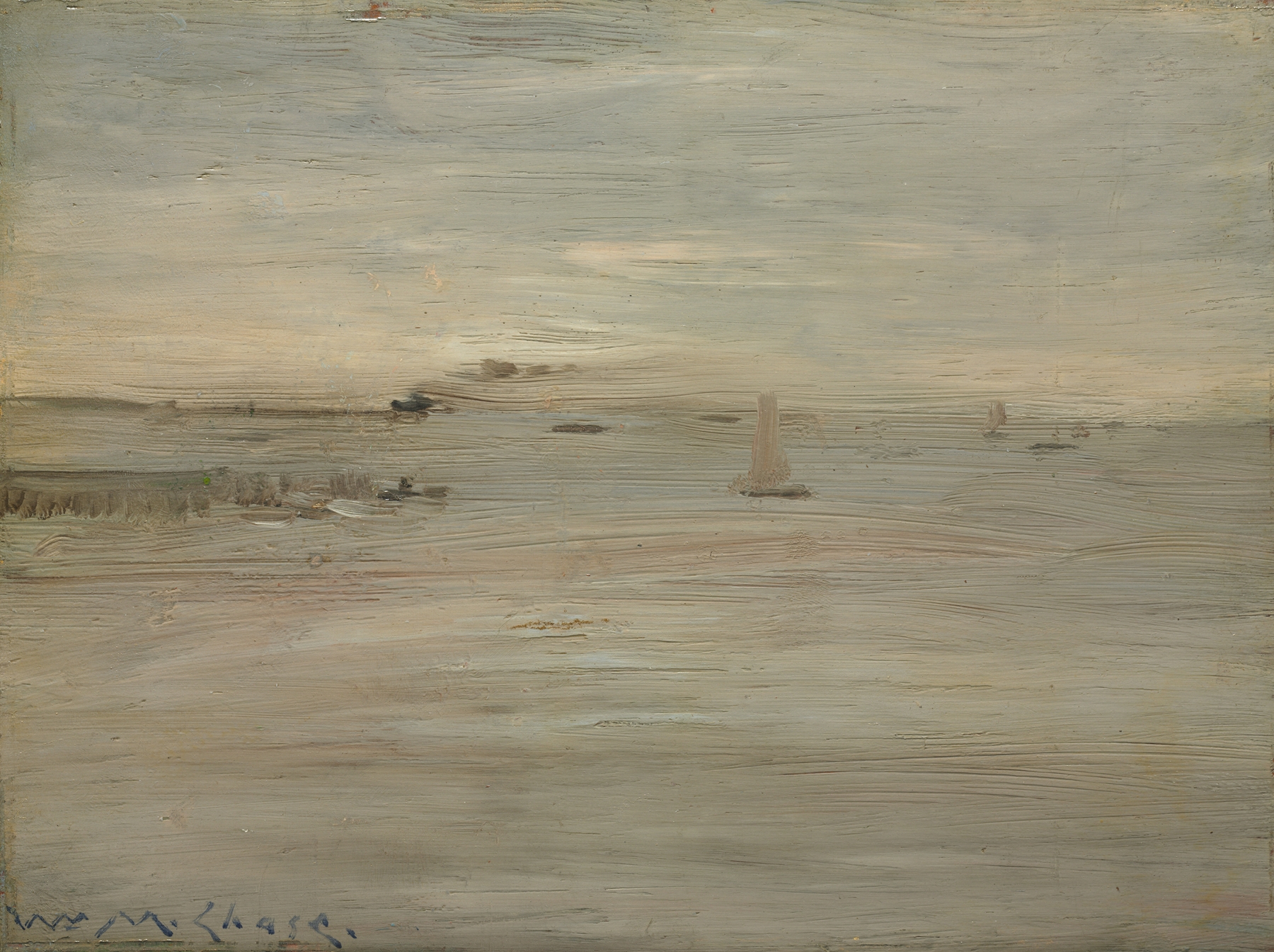
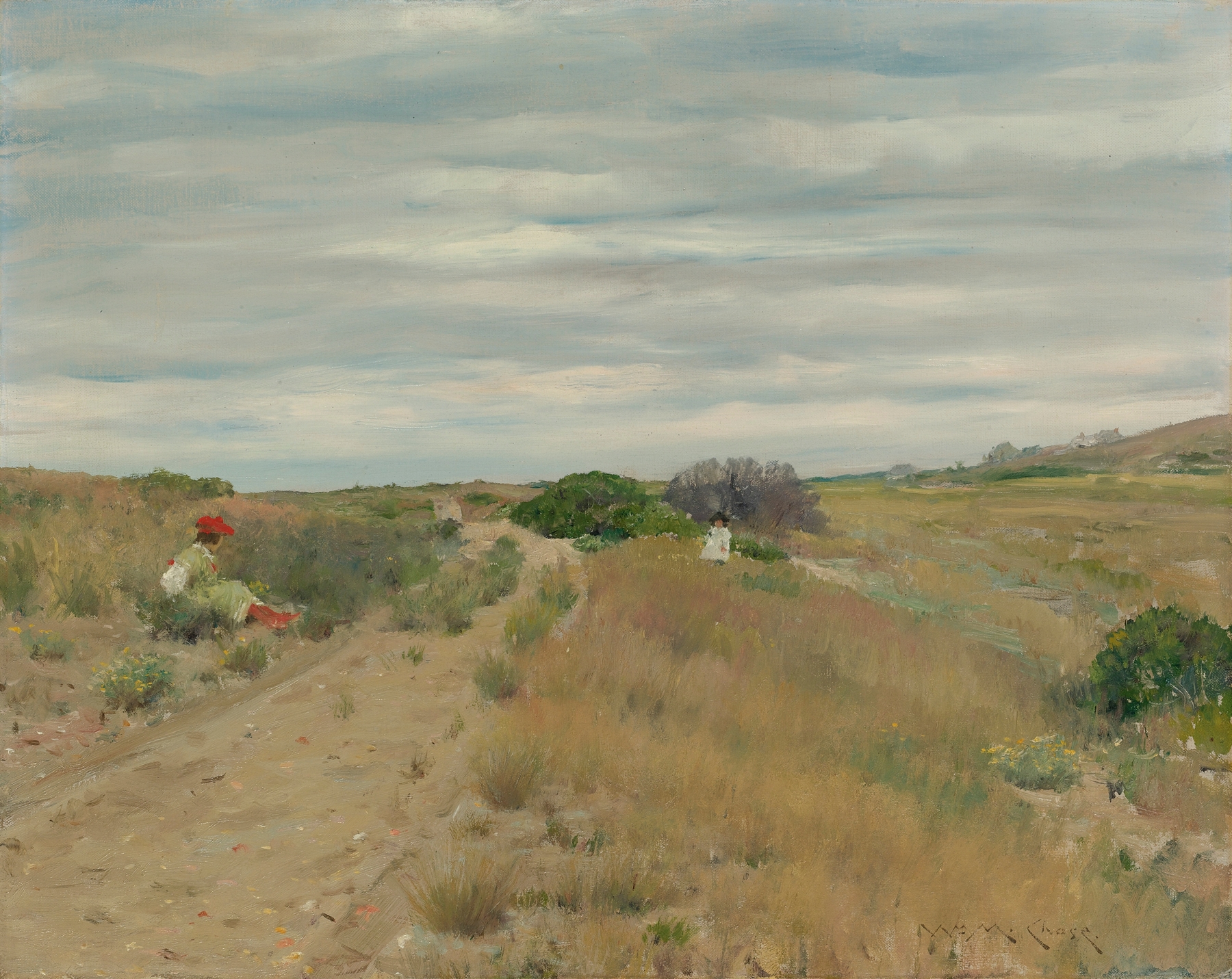
“Between color and silence, truth hides.” The delicate balance of vibrancy and stillness captures the fragility of our surroundings, reminding us that beauty often lies in the ephemeral. Look toward the center, where soft strokes of earth tones converge, creating a winding path that draws the eye deeper into the canvas. Notice how the light dances over the sandy road, illuminating flecks of gold and ochre amid shadows that cling to the edges. The composition invites contemplation, a quiet moment before the viewer is compelled to journey down the path laid before them.
The juxtaposition of warm and cool hues evokes a sense of nostalgia, suggesting the passage of time experienced along this old road. Small details, like the sparse tufts of grass and the fading trees in the distance, whisper stories of resilience and decay. Each element struggles to assert its presence, reflecting the fragility of life and the transient nature of beauty itself.
William Merritt Chase painted this piece during a period of exploration in his artistic career, likely in the late 1890s. As a leading figure in the American Impressionist movement, he sought to capture the essence of light and atmosphere in his landscapes. His works from this time reflect both personal introspection and broader shifts in the art world, as artists began to embrace spontaneity and the fleeting moments of everyday life.