The Outskirts of a Wood — History & Analysis
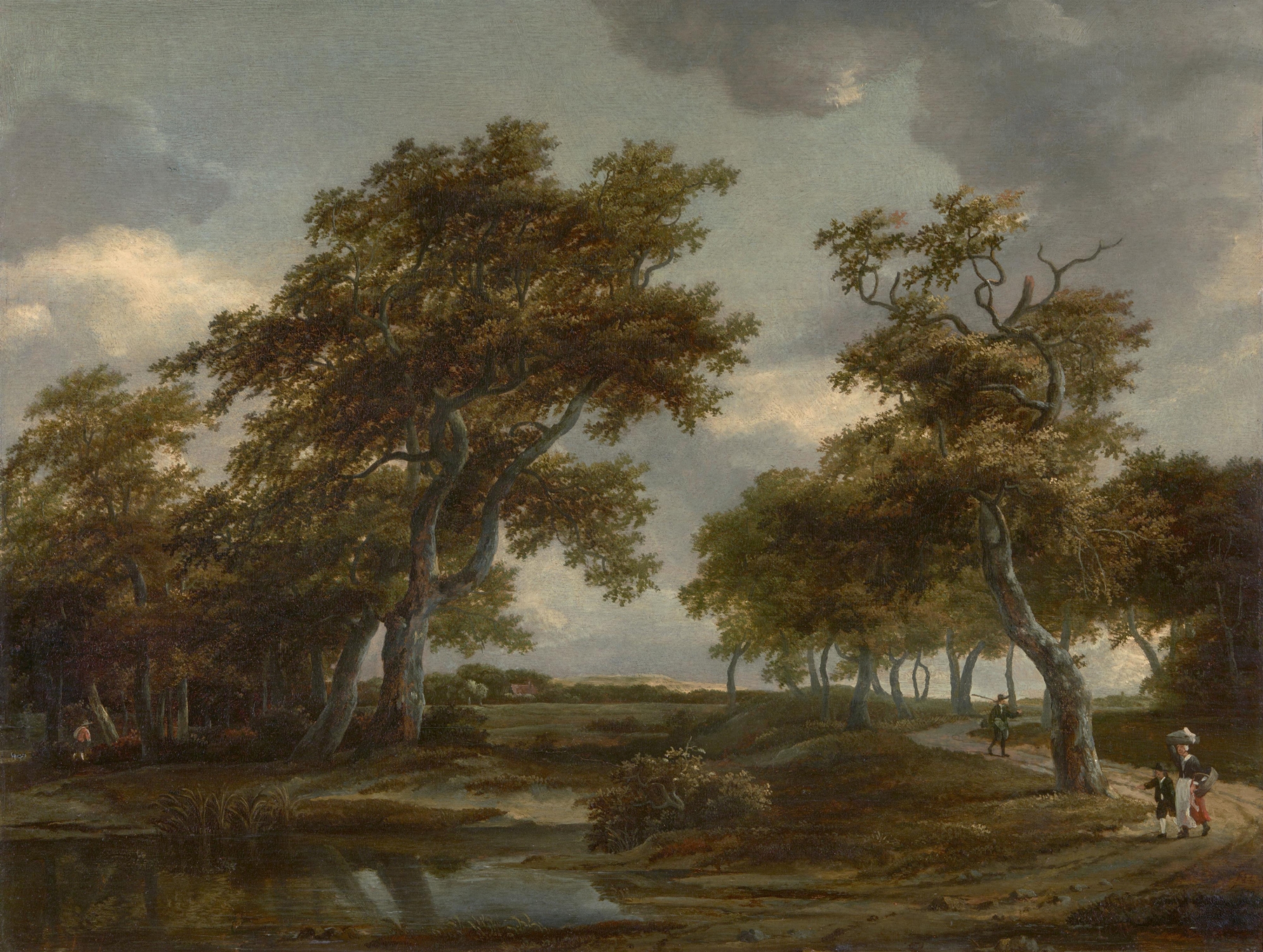
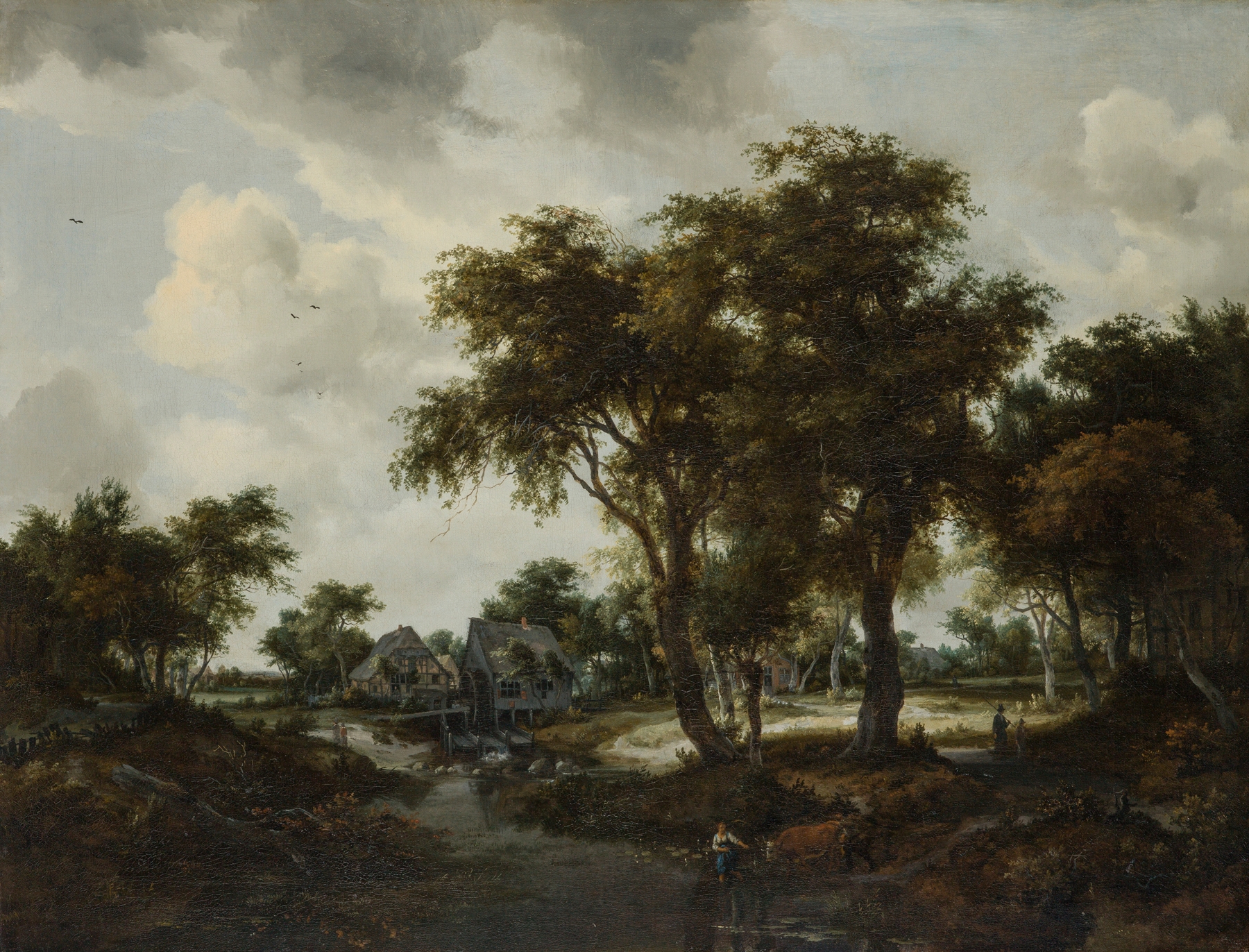
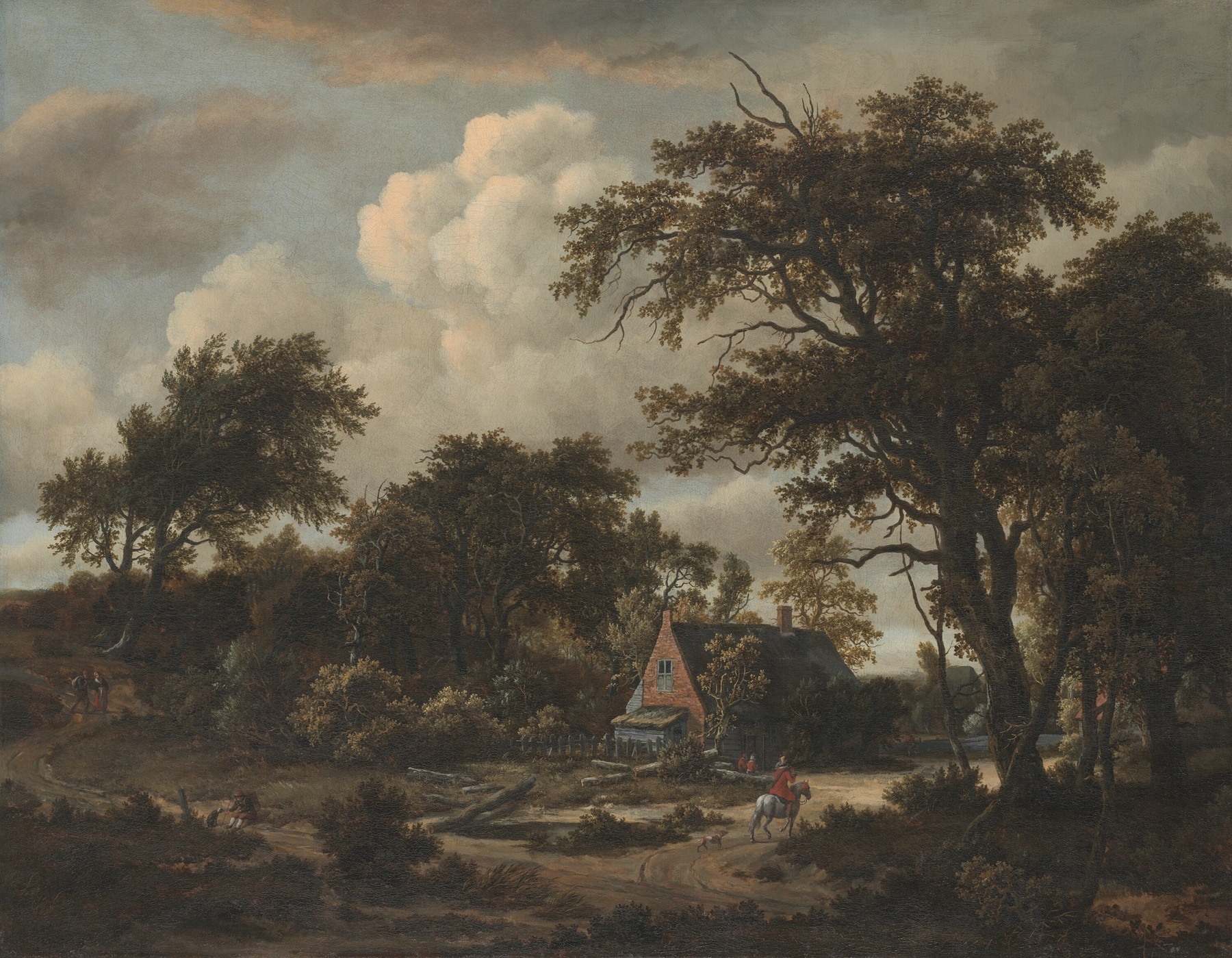
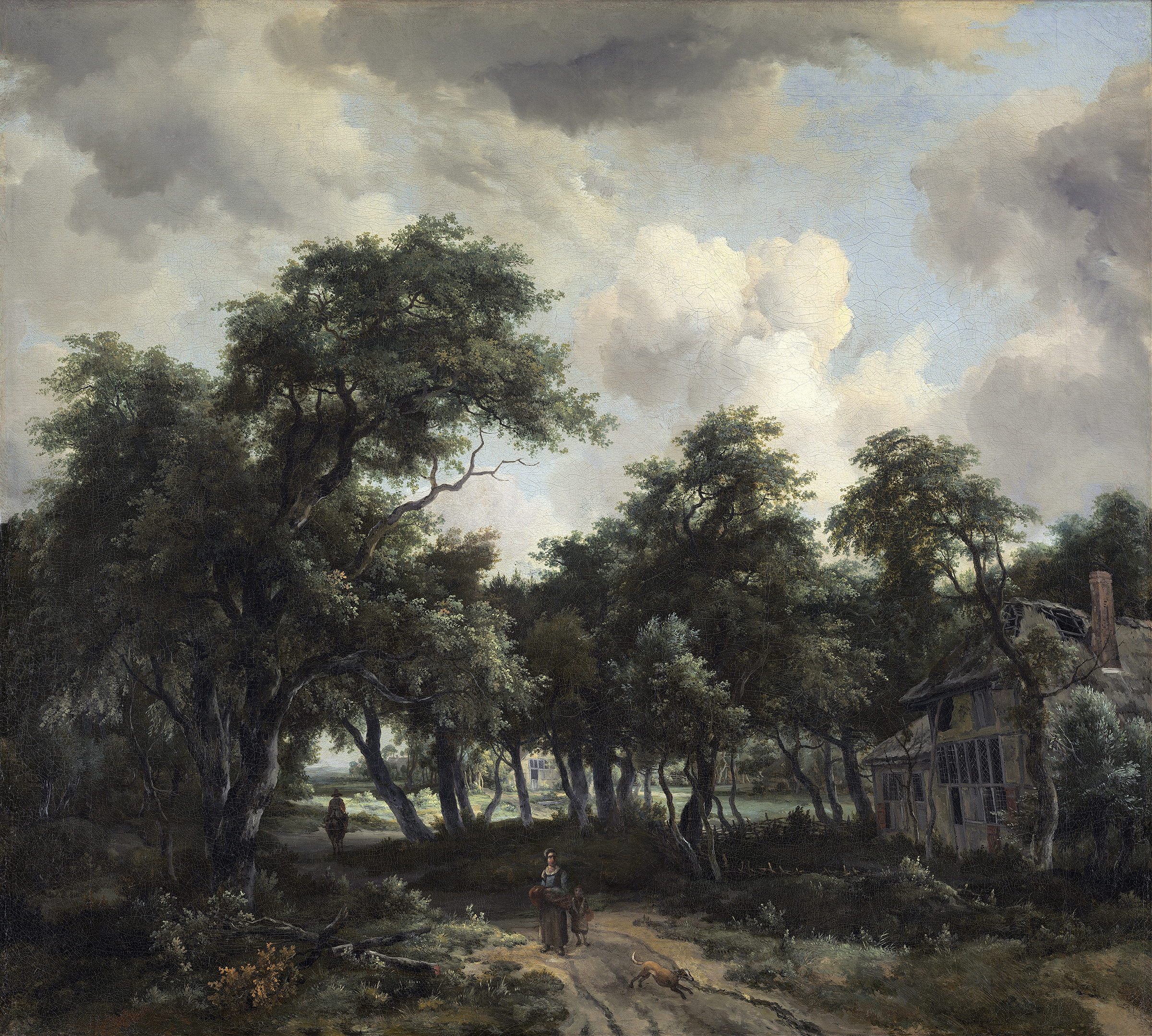
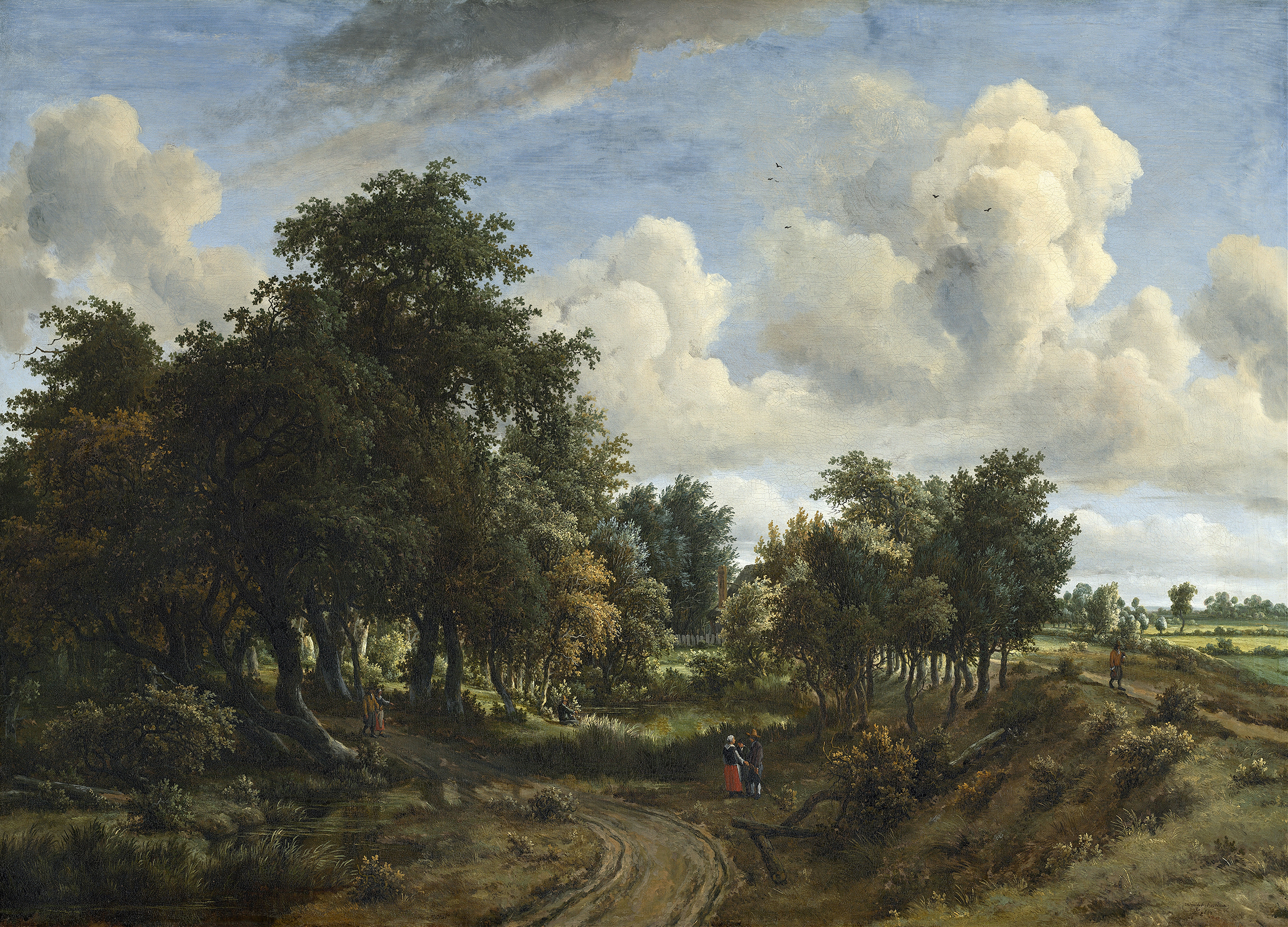
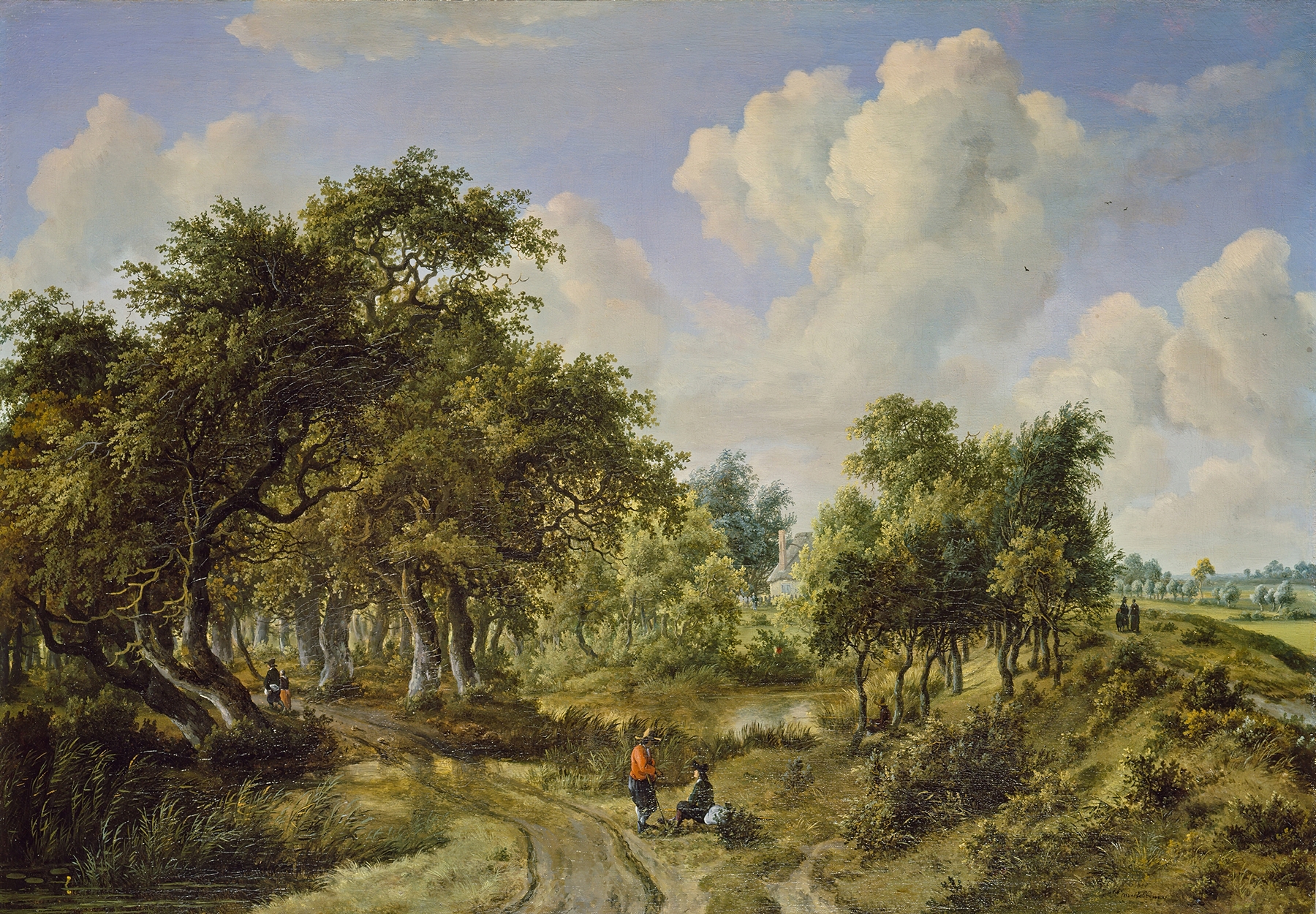
Who listens when art speaks of silence? In a world overflowing with noise, the quietude captured in this work invites contemplation and reflection on the essence of truth. Focus first on the verdant greens that dominate the canvas, drawing your eye towards the lush foliage that spills onto the path. Notice how the light gently filters through the trees, casting a soft glow that contrasts with the shadowy edges of the forest.
The meticulous brushwork reveals layers of texture, while the interplay of earthy tones evokes a sense of harmony and stillness, as if time itself has paused in this serene setting. The composition holds a meditative tension between the wildness of nature and the man-made path that bisects it. The figures in the distance, though small, suggest a narrative of exploration and the sublime relationship between humanity and the natural world. Hobbema’s choice to portray the edges of the wood symbolizes both a threshold and a choice, an invitation into a space that embodies both beauty and mystery.
Painted in the 1660s, during a period of profound transition in Dutch art, Hobbema stood at the forefront of the Golden Age of painting, where landscapes became a celebrated genre. Living in Amsterdam, he embraced the emerging focus on realism and detailed observation in nature, reflecting a society increasingly captivated by the allure of the natural world juxtaposed with burgeoning urban life. In this piece, he wove together personal expression and broader artistic trends, captivating viewers with his masterful depiction of the serene outskirts of a wood.