The Pier with Chains — History & Analysis
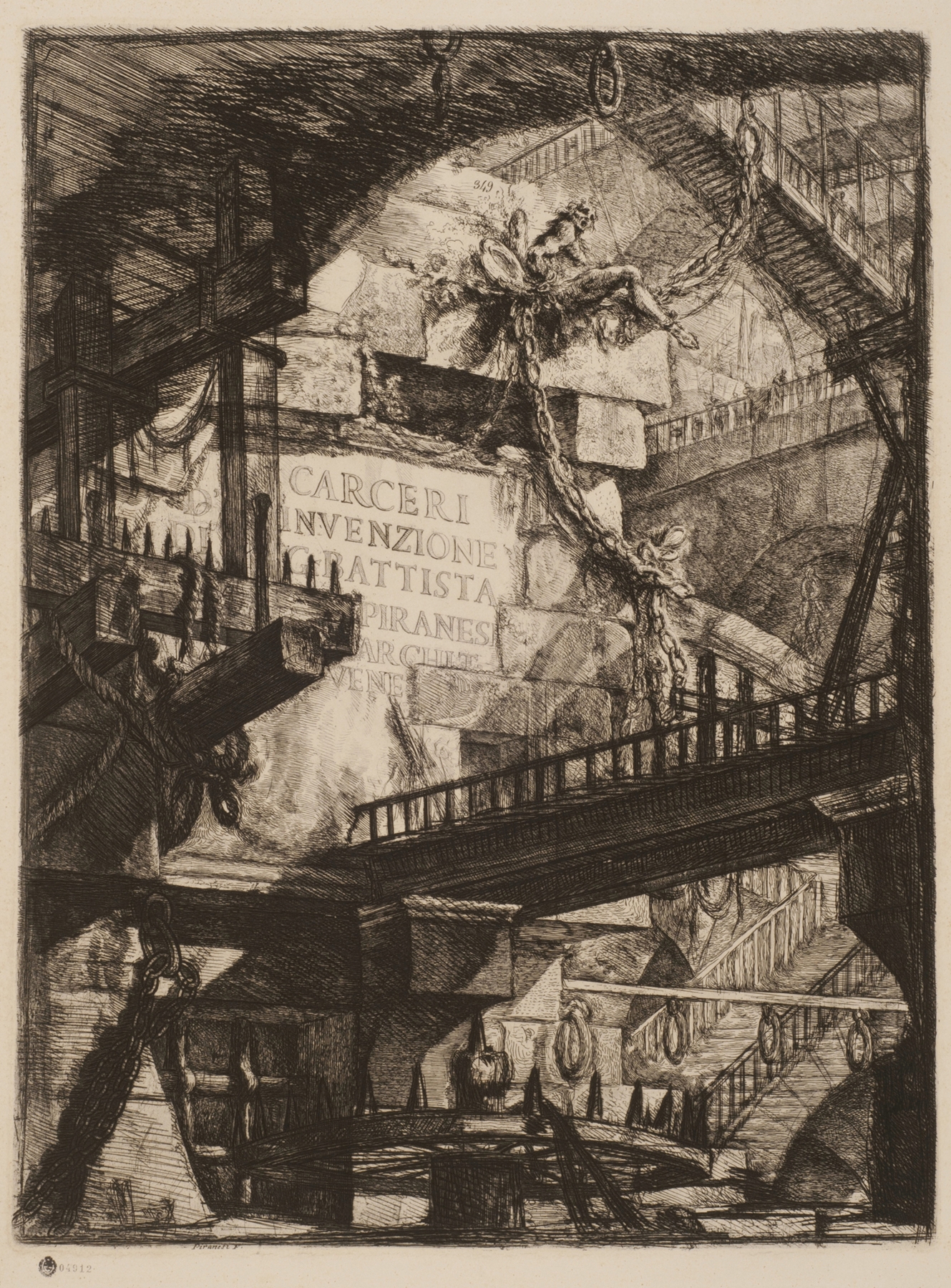
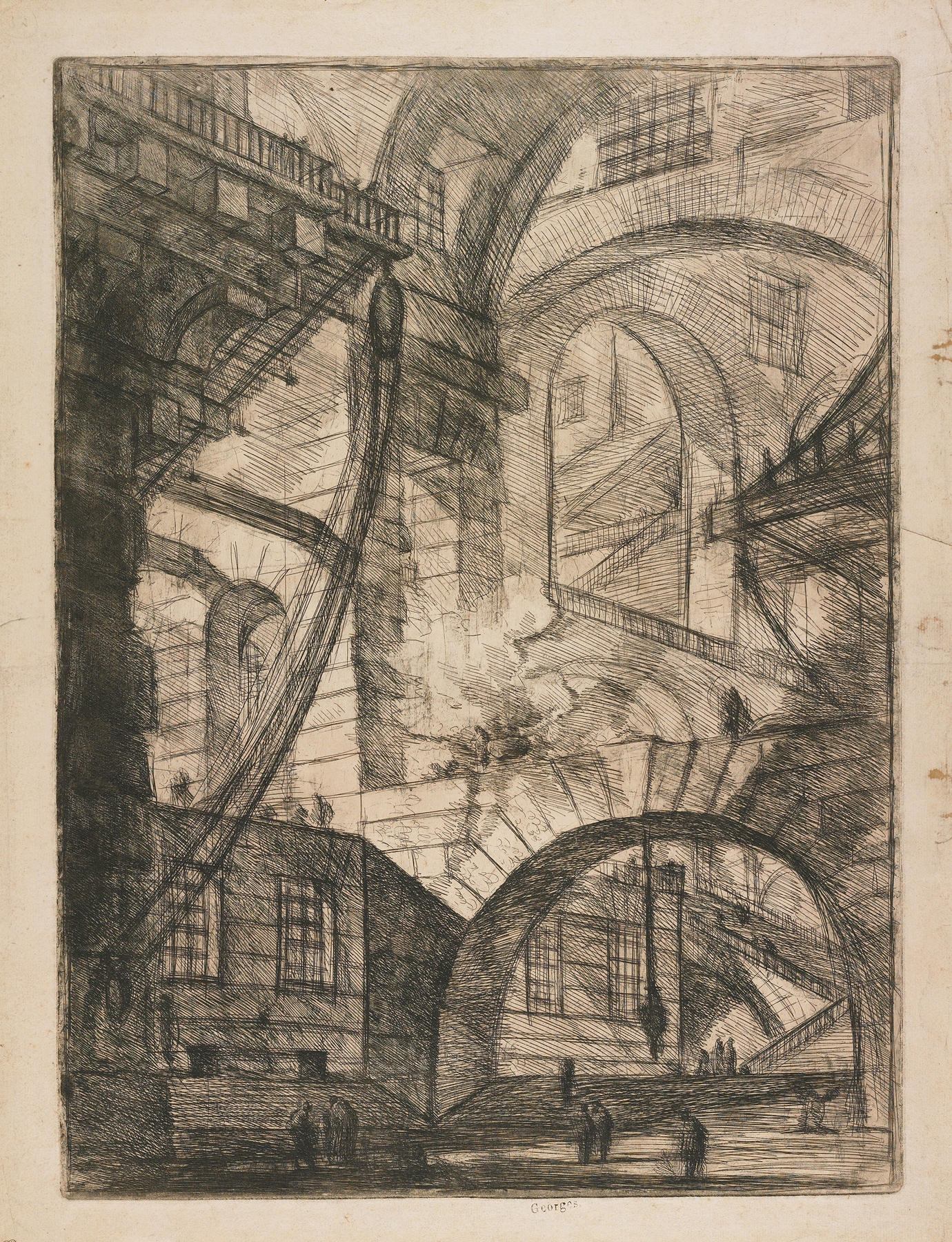
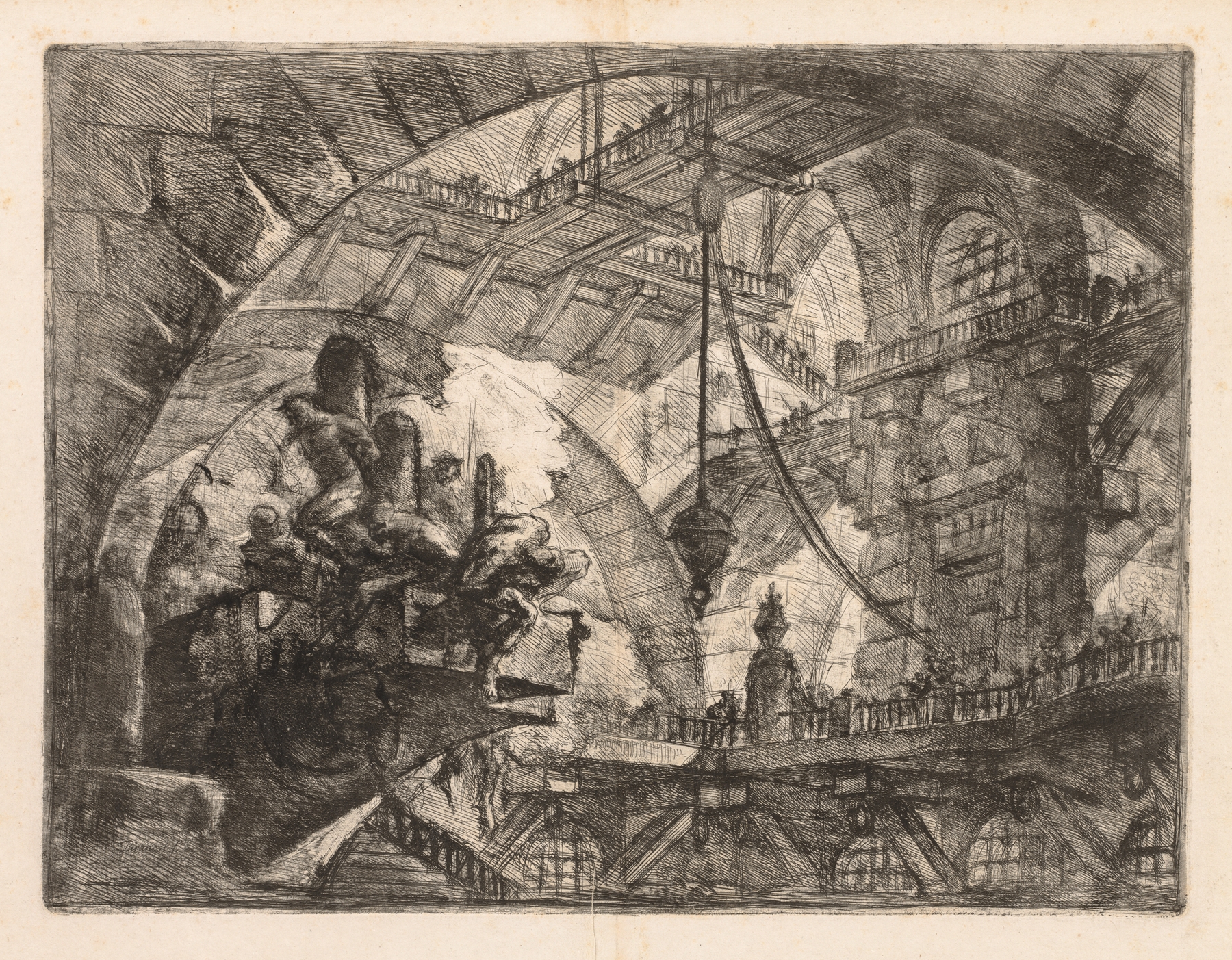
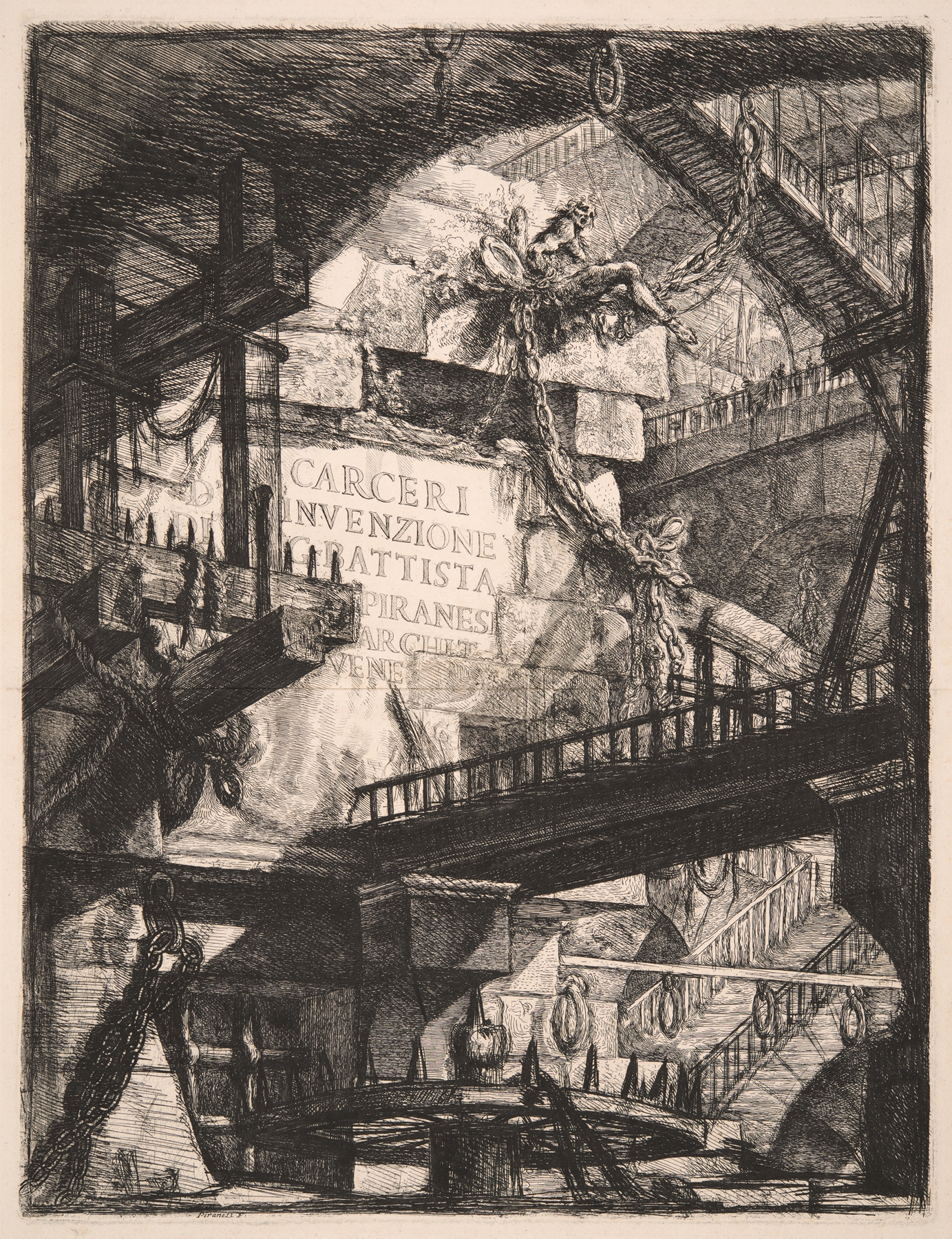
When did color learn to lie? In a world where the echoes of history are both vibrant and haunting, the lines between reality and illusion blur effortlessly. Look to the left at the intricate juxtaposition of dark, foreboding chains draping over the pier, casting shadows that almost seem to pulse with a life of their own. The meticulous detailing of the structures, with their weathered stone and crumbling integrity, draws the eye towards the distant horizon where the sky meets the water, creating a contrast between strength and decay.
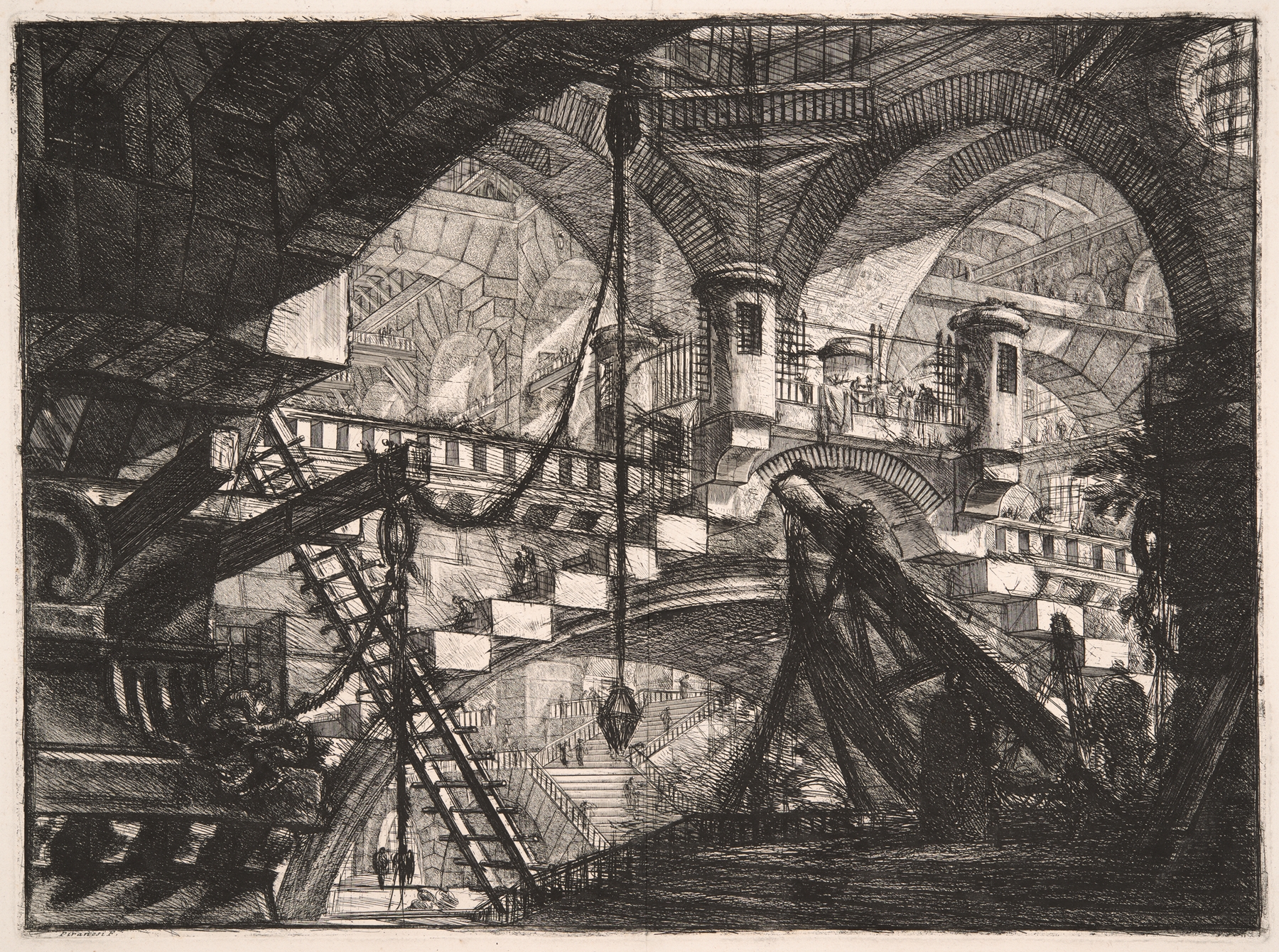
Piranesi’s masterful use of chiaroscuro highlights the textures of each surface, elevating the impact of light and shadow which enhances the emotional gravity of the scene. Delve deeper and observe the tension between the monumental and the ephemeral. The chains symbolize the weight of legacy—binding the past to the present—while the serene waters remind us of time's relentless flow. The interplay of these elements evokes a palpable sense of nostalgia and melancholy, suggesting that beauty is often found in transience, and strength in fragility.
Created in 1761, this artwork emerged during a period of significant change for Giovanni Battista Piranesi. As one of the foremost figures in the realm of etching and architecture, he was navigating the complexities of the Enlightenment, a time rich with intellectual exploration and artistic evolution. His work was not only a reflection of his unique style but also a profound commentary on the legacy of civilization, capturing the dialogues of a world poised between the past and the promise of the future.