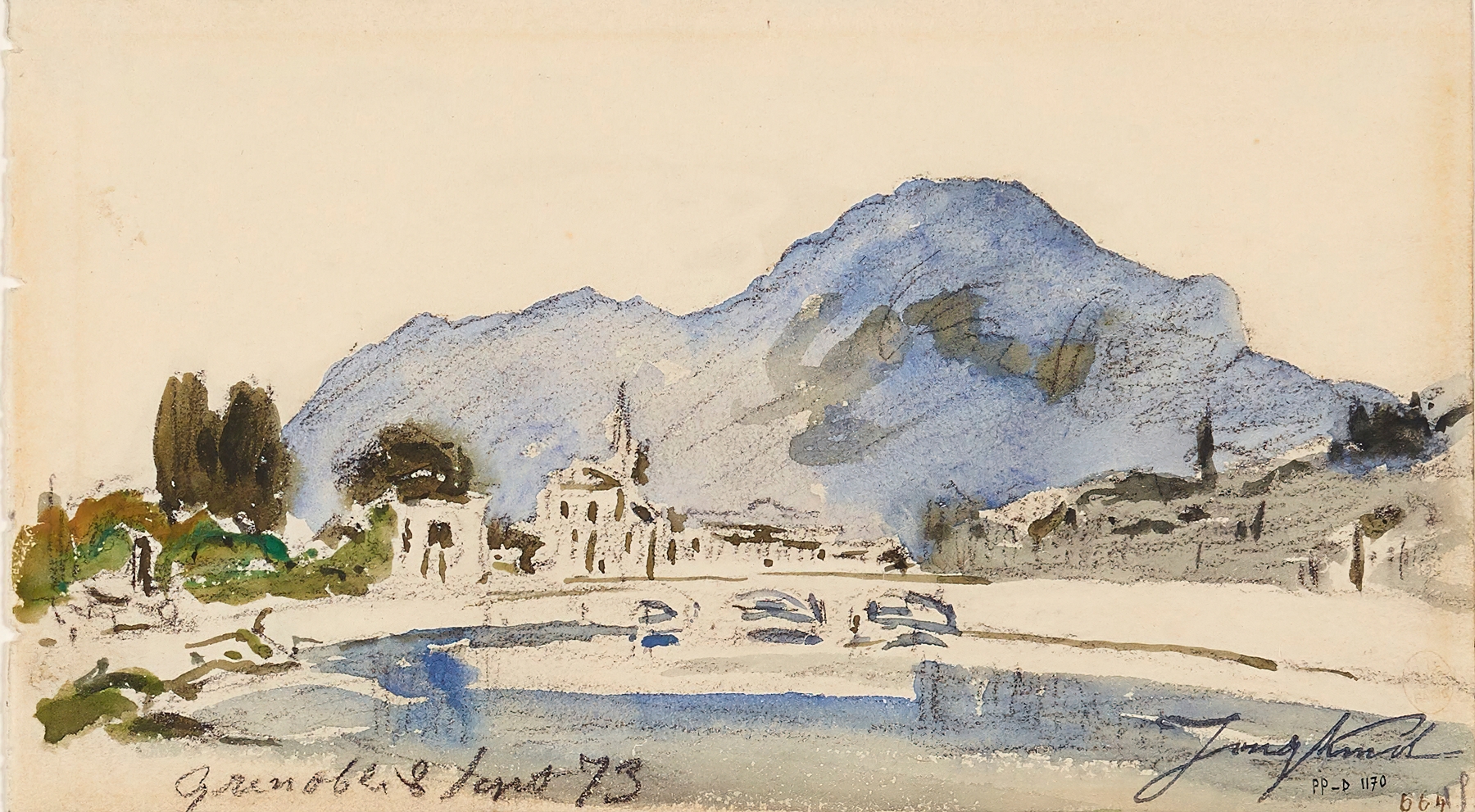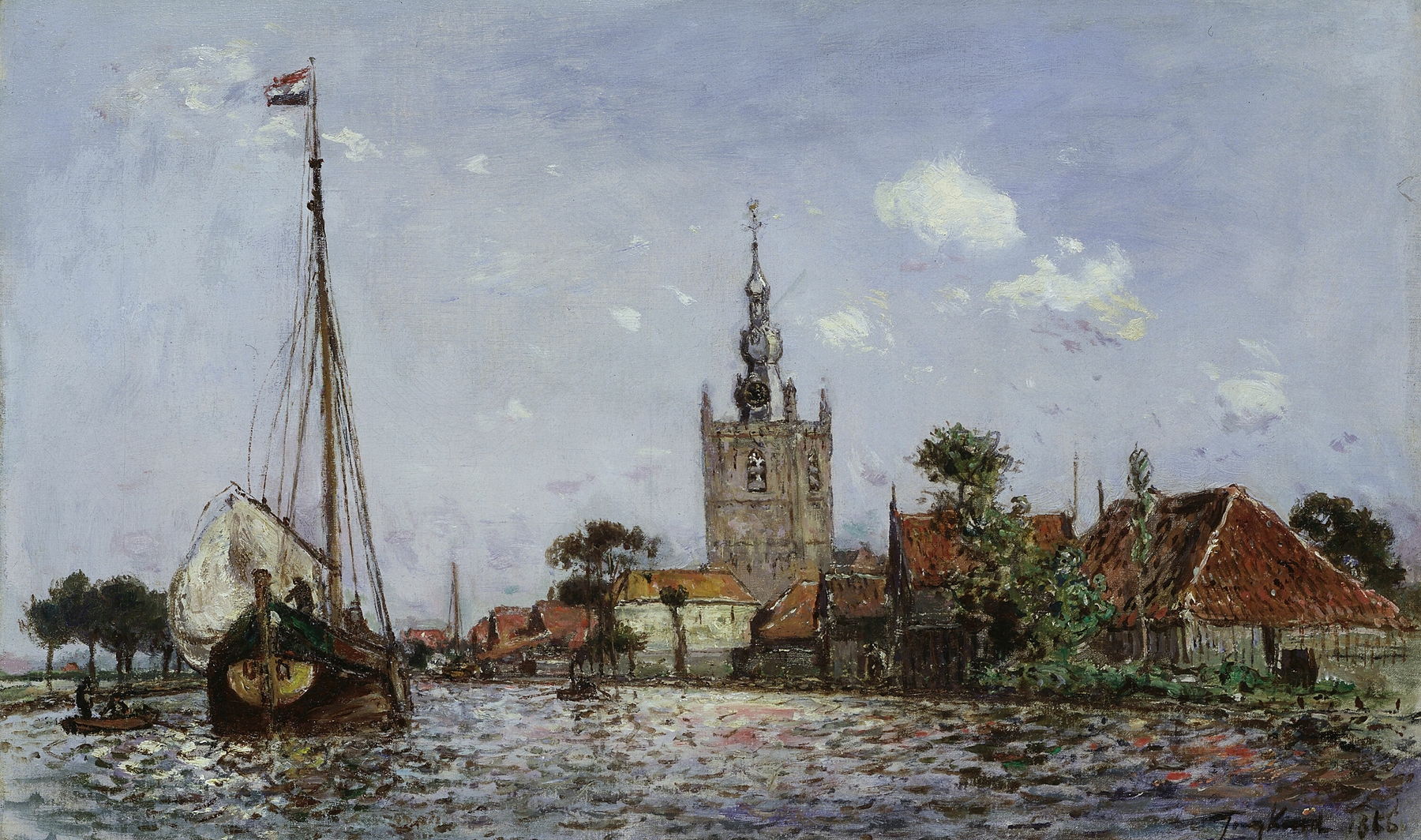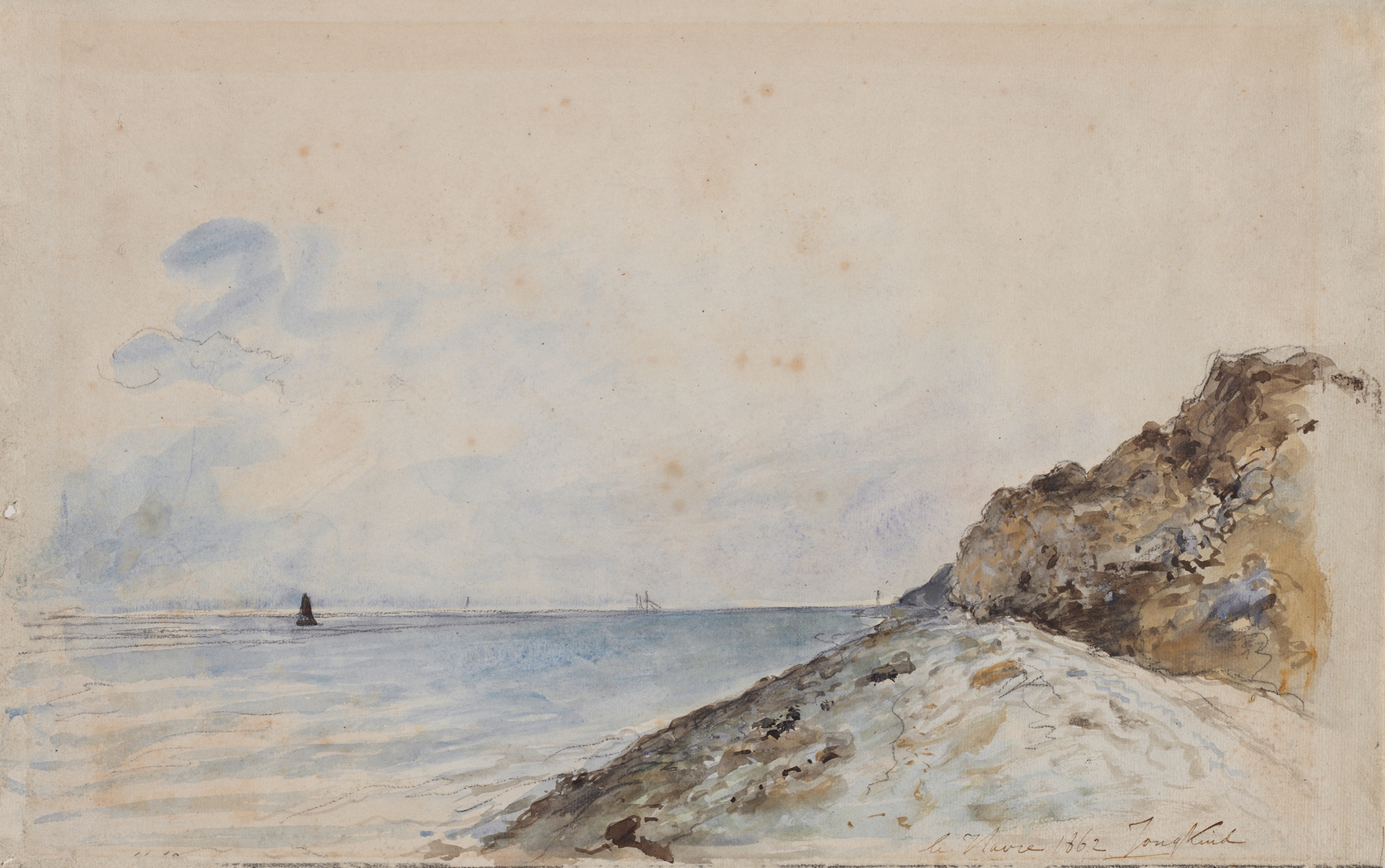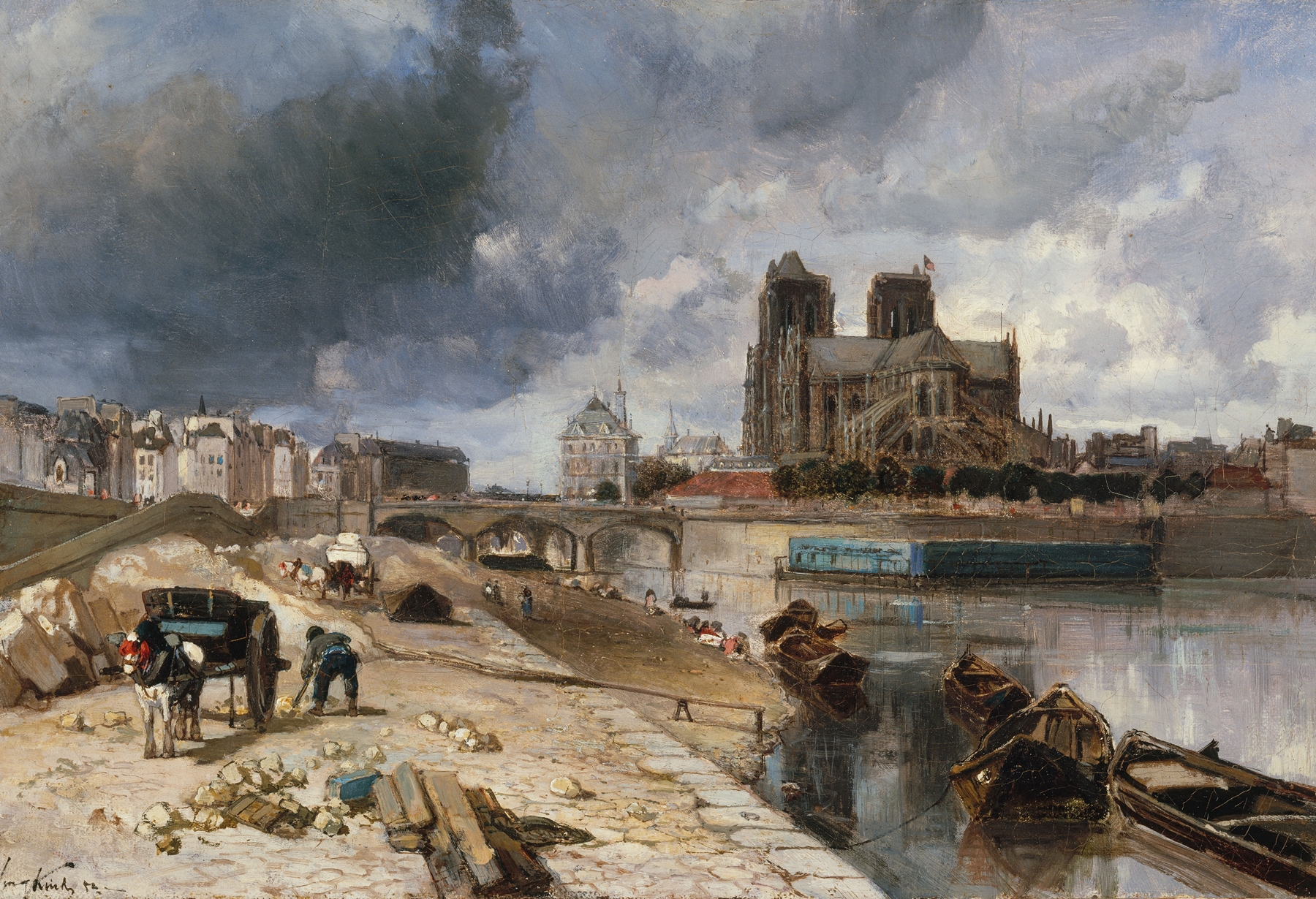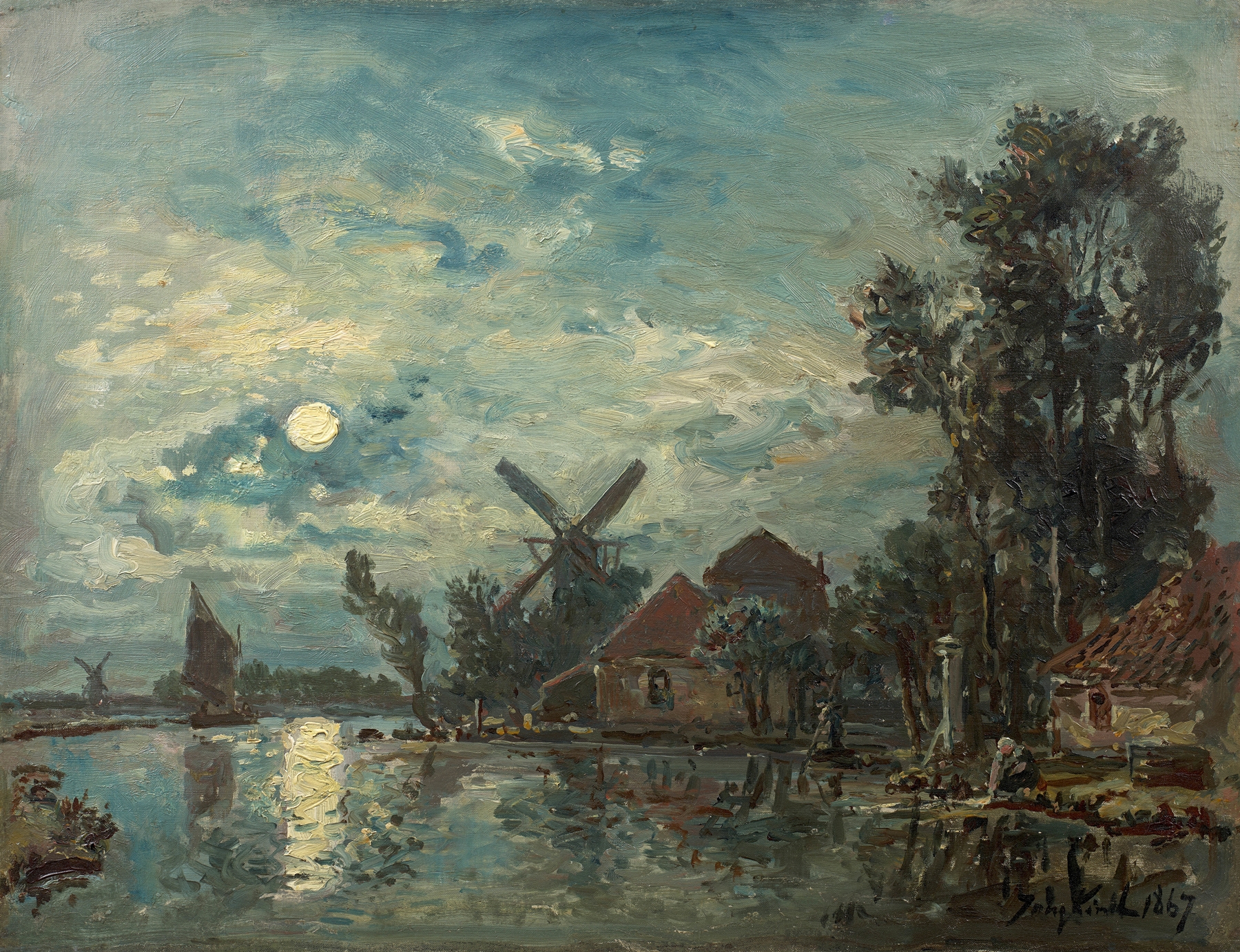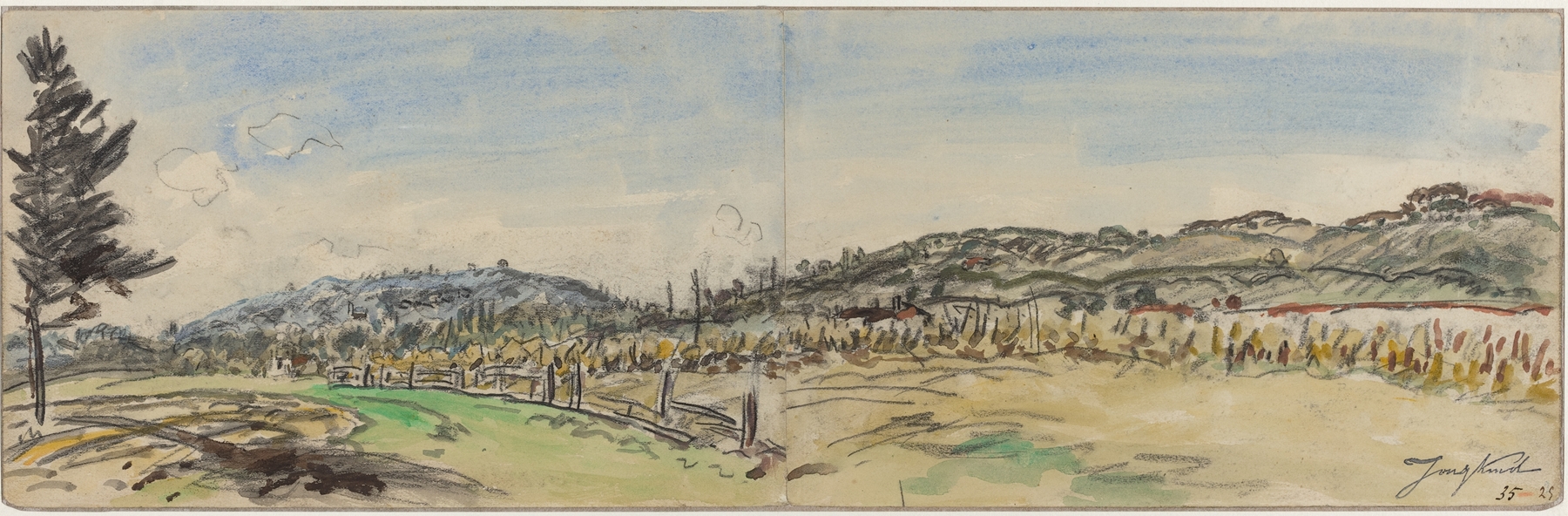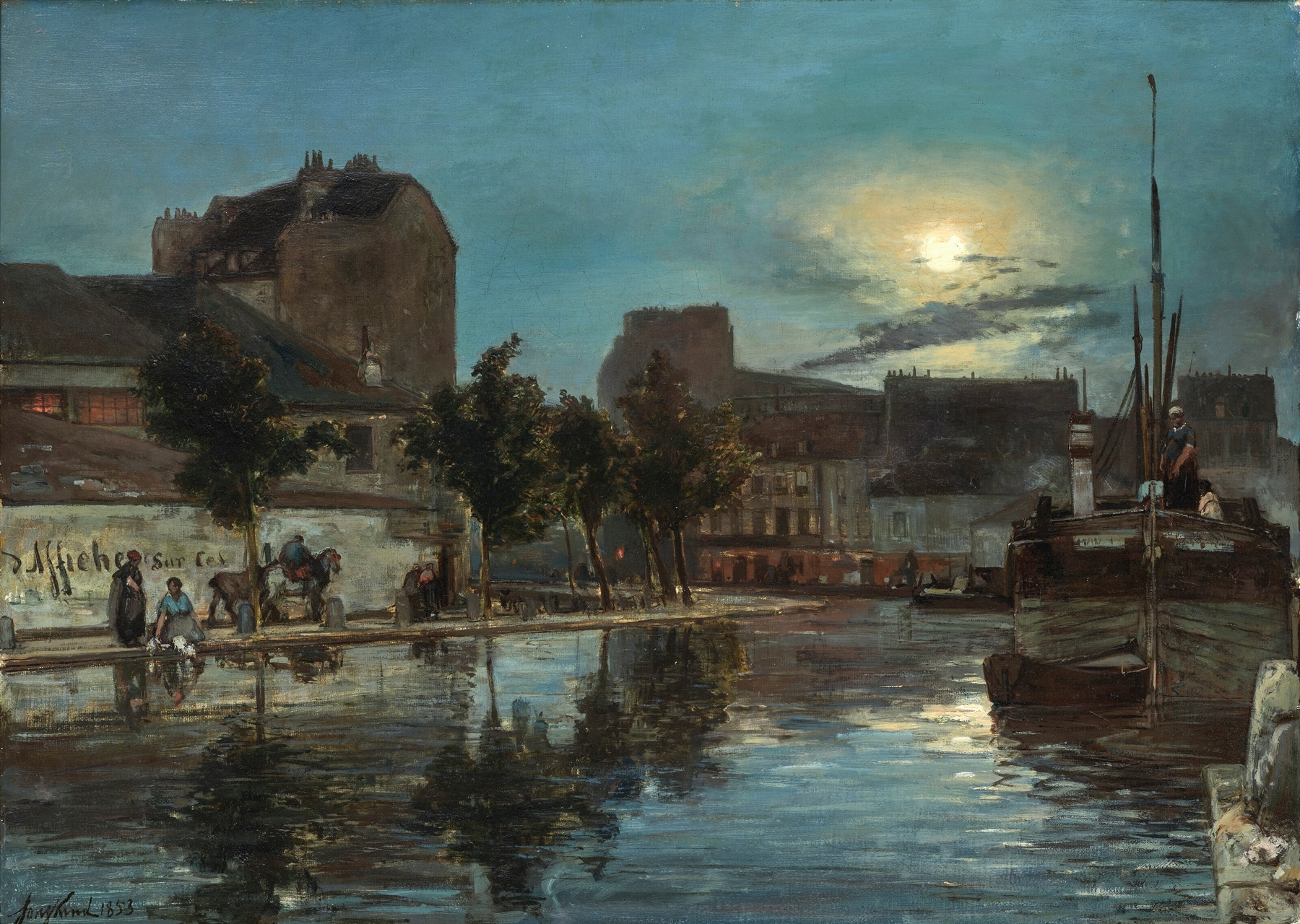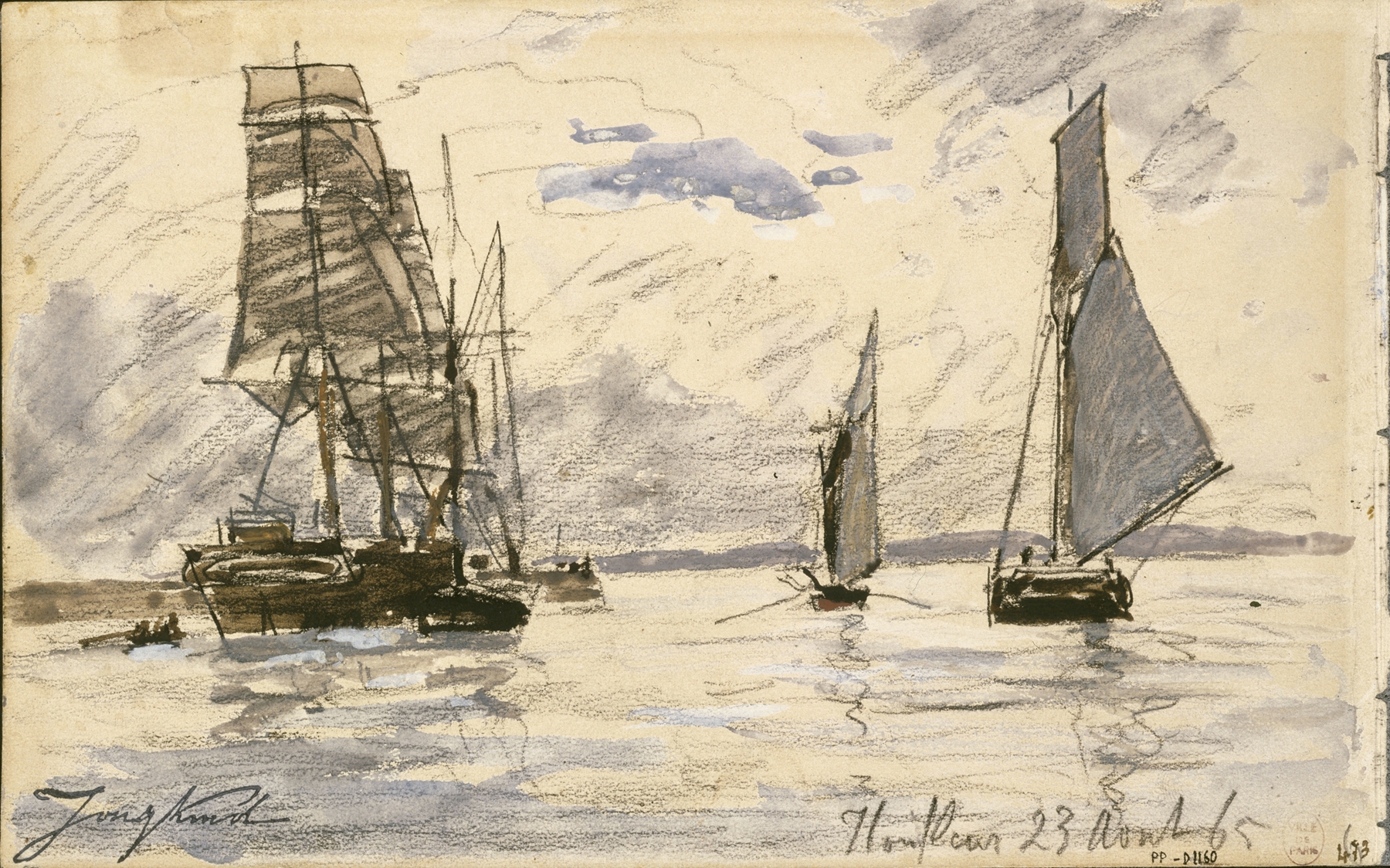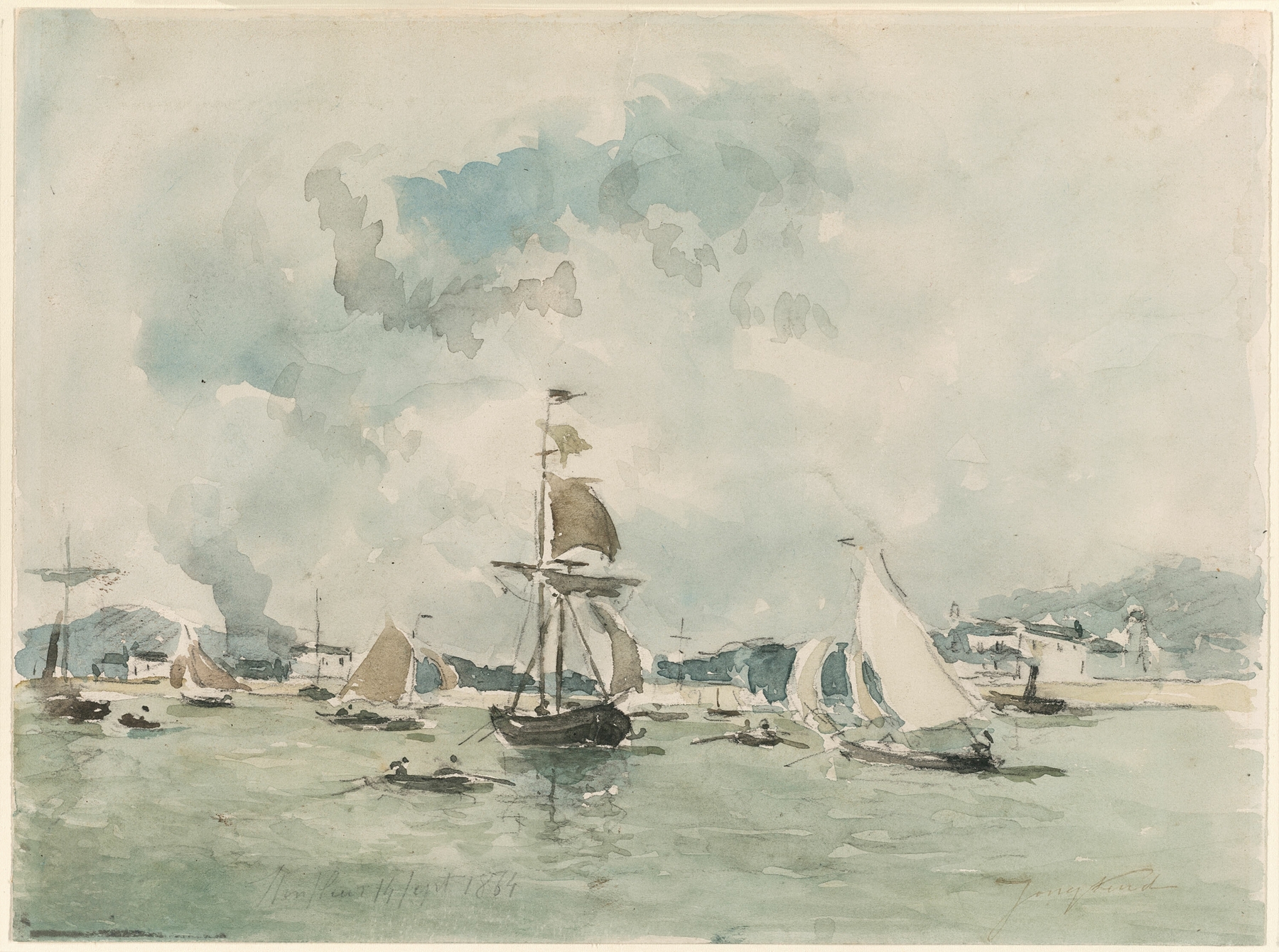
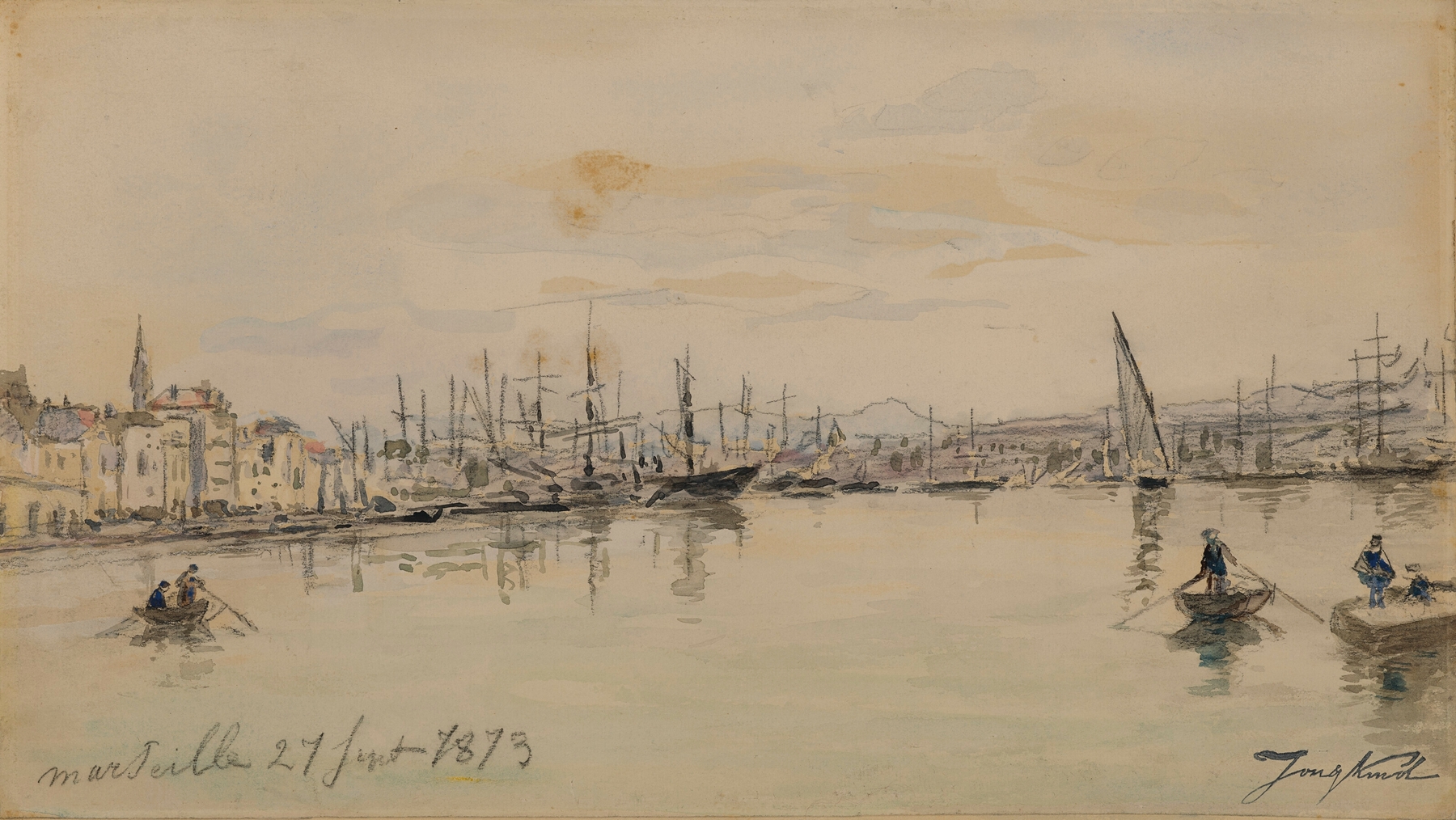
“To paint is to remember what time wants us to forget.” In the delicate interplay of water and sky, beauty emerges, capturing fleeting moments that slip through our fingers like sand. Look closely at the canvas, where the gentle waves of the harbor ripple with hues of turquoise and pearl. Focus on the boats, their sails catching the soft light of dawn, painted with such precision they seem to sway with the breeze. The sky above, a riot of pastel colors, reflects upon the water, creating harmony between the elements. The composition draws your eye from the foreground of moored vessels to the distant outlines of the quaint town, inviting you into a tranquil yet dynamic scene. Beneath the surface beauty lies a tension between stillness and motion. The calm waters cradle the boats, while the soft brushstrokes evoke a sense of languid time slowing down. There is a sense of nostalgia as the scene hints at a world on the brink of industrial change, a moment of serene existence caught before the storm of progress. Each small detail, like the glimmers of sunlight reflecting off the water, speaks to the artist's desire to preserve this ephemeral beauty. Created in 1864, this work emerged during a significant period for Johan Barthold Jongkind, who was pivotal in the transition from realism to impressionism. Living in France, Jongkind was deeply influenced by the vibrant coastal life and the evolving art scene, seeking to convey the essence of the landscape with a fresh, expressive approach. His connection to Honfleur, a picturesque fishing port, provided the perfect backdrop for his reflections on beauty and change.