The Quay at Antwerp — History & Analysis
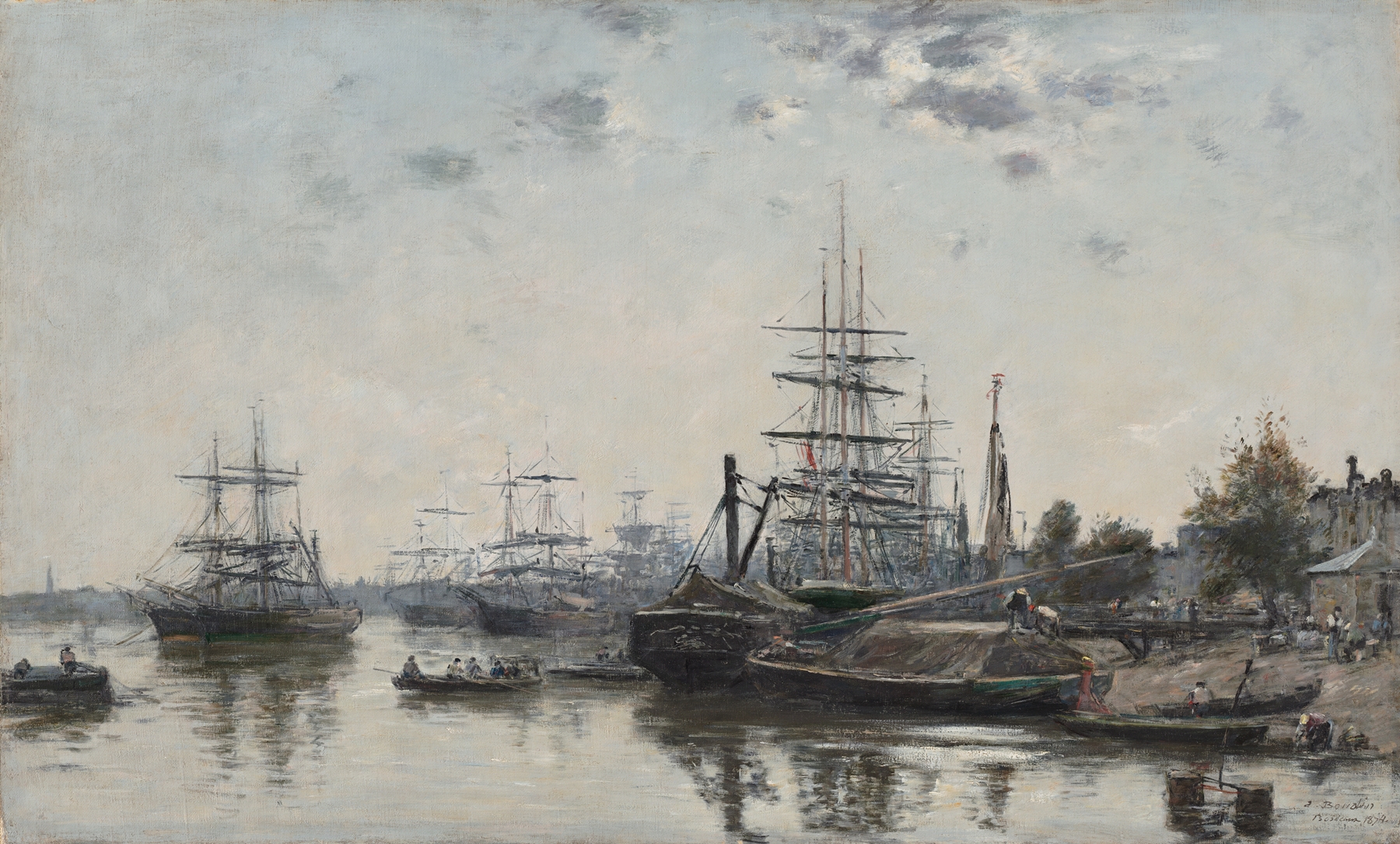
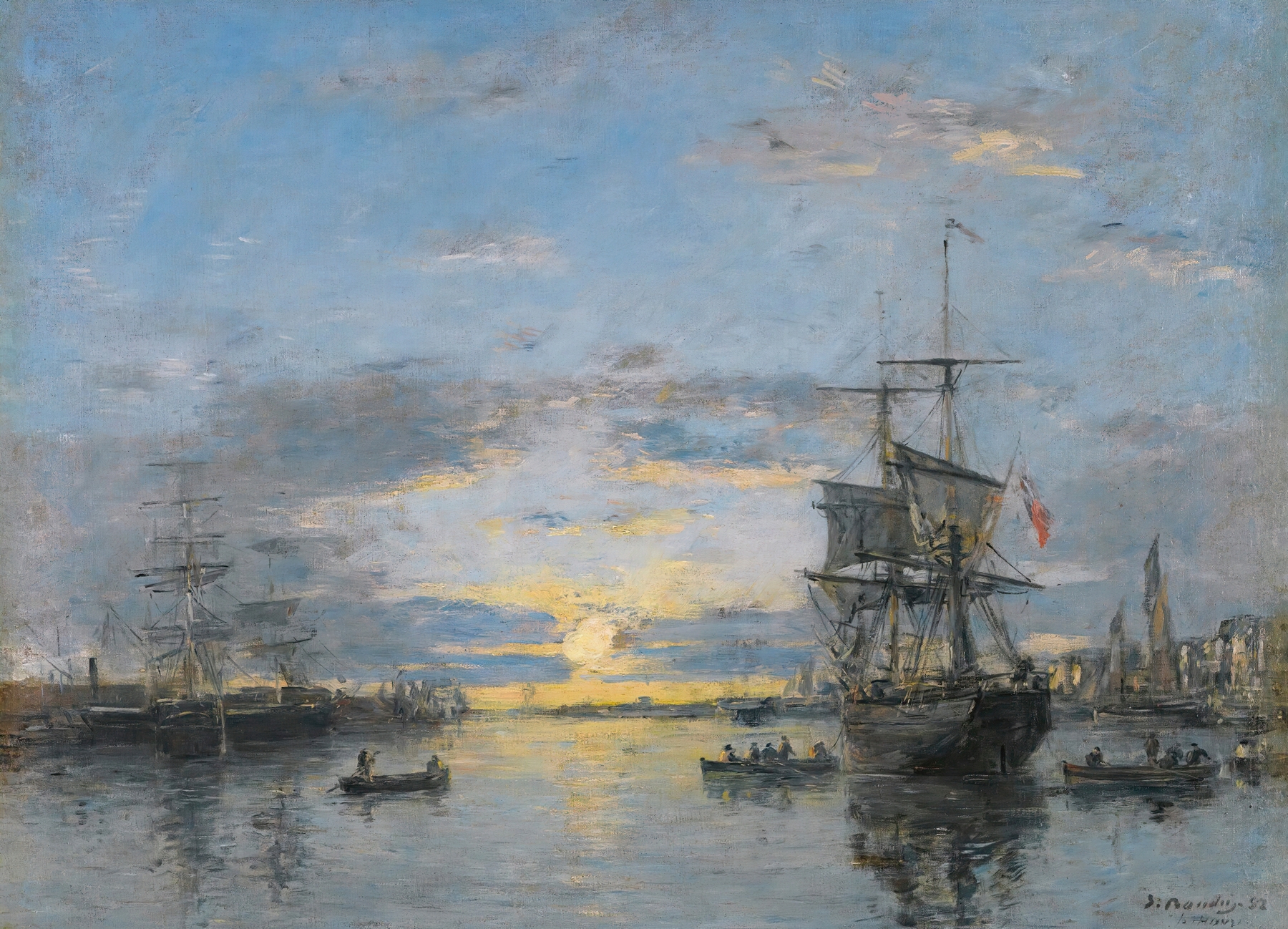
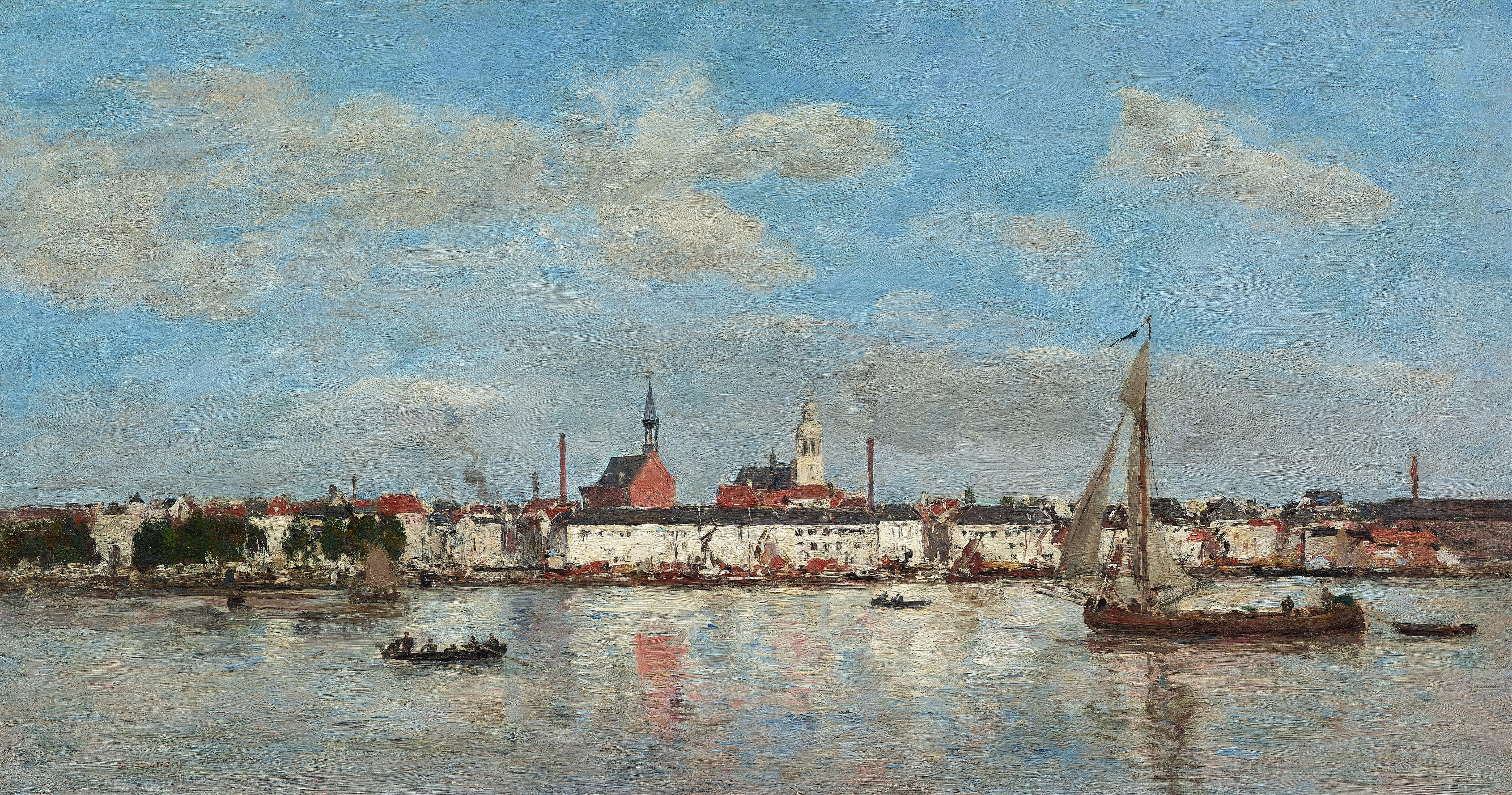
“Art reveals the soul when the world turns away.” In the stillness of a moment, the chaos of life is suspended, inviting reflection and revolution within the viewer's heart. Look to the left at the gentle curve of the quay, where boats are tethered, their sails catching the soft embrace of the breeze. Notice how the light dances upon the water's surface, illuminating the palette of blues and greens that Boudin masterfully employs. The interplay of shadow and sunlight along the dock serves to capture the essence of a lively harbor, bustling yet serene, inviting a sense of tranquility amidst activity.
Delve deeper into the composition, where the figures of fishermen and merchants, mere silhouettes against the vibrant backdrop, embody the spirit of labor and community. The juxtaposition of animated scenes against the calm, reflective water signifies the dual nature of life — both tumultuous and peaceful, industrious and introspective. Each brushstroke seems to pulse with energy, a vivid reminder of the ebb and flow of existence, and the quiet revolutions that occur within daily life.
In 1874, while working in France, the artist captured this moment of everyday life in Antwerp, a city on the cusp of industrialization. At this time, Boudin was establishing himself within the Impressionist movement, focusing on light and atmosphere, often drawing inspiration from coastal landscapes and harbor scenes. The world was on the brink of change, and through this work, he not only documented fleeting moments but also embraced the evolving nature of art itself.