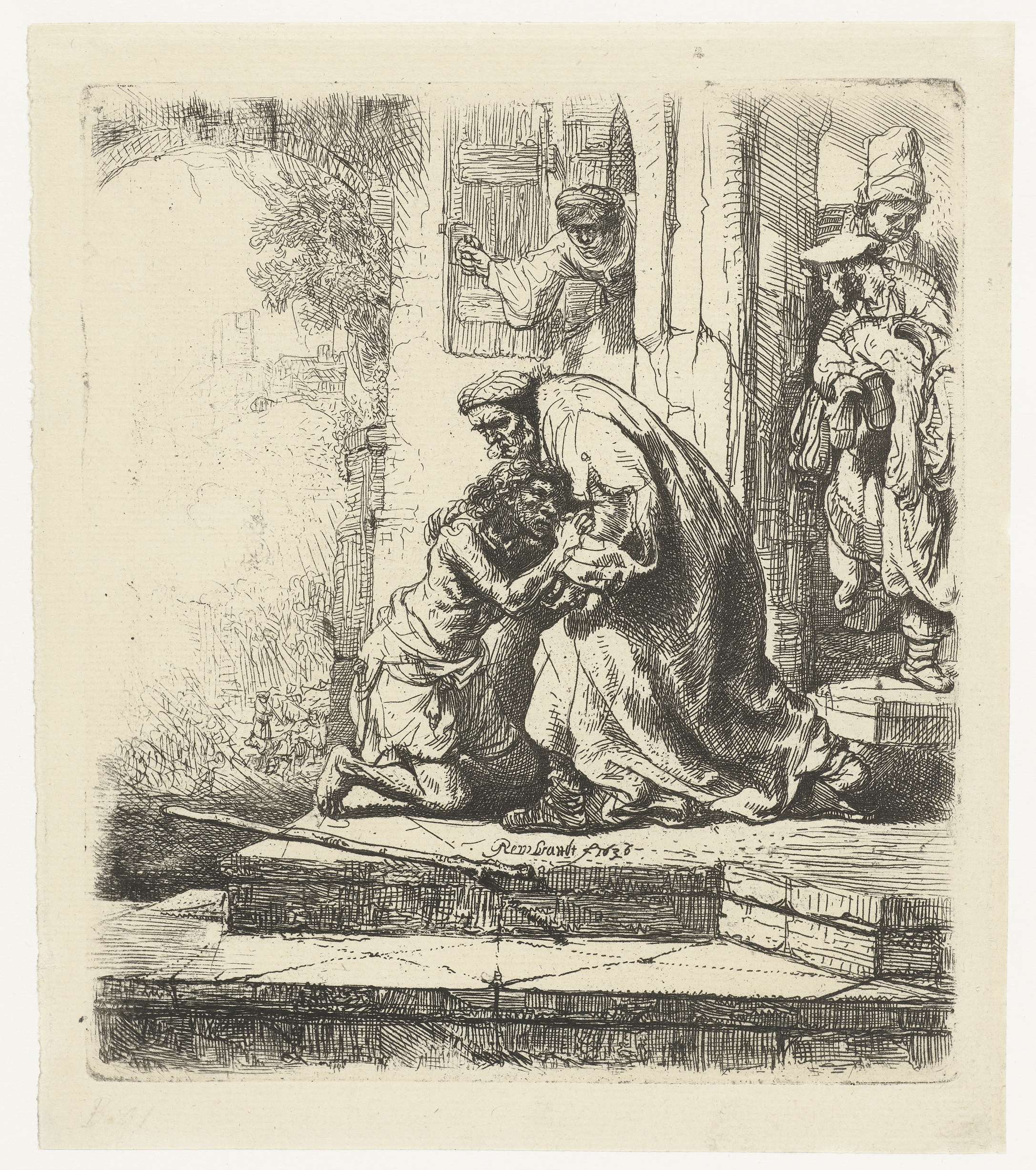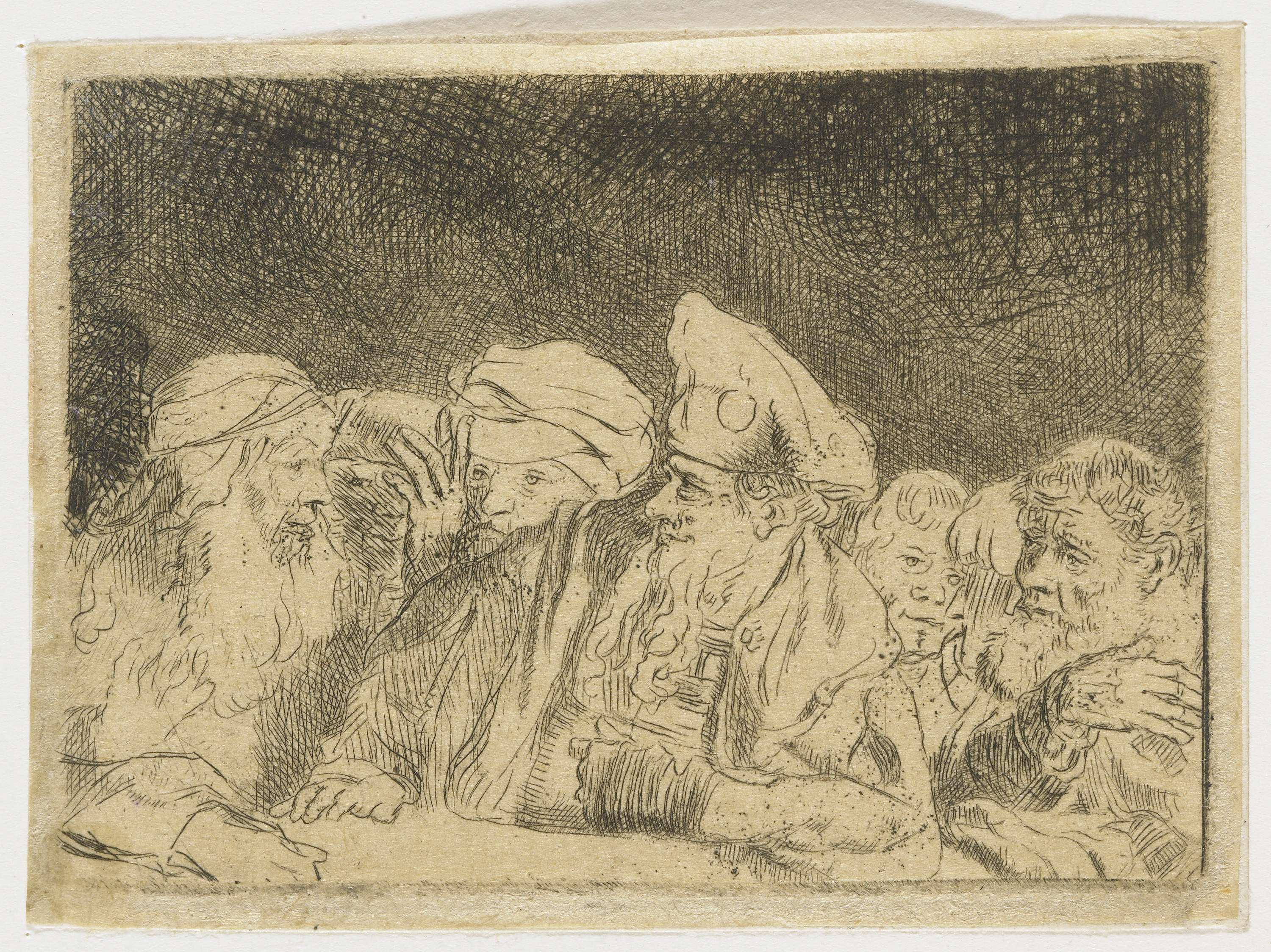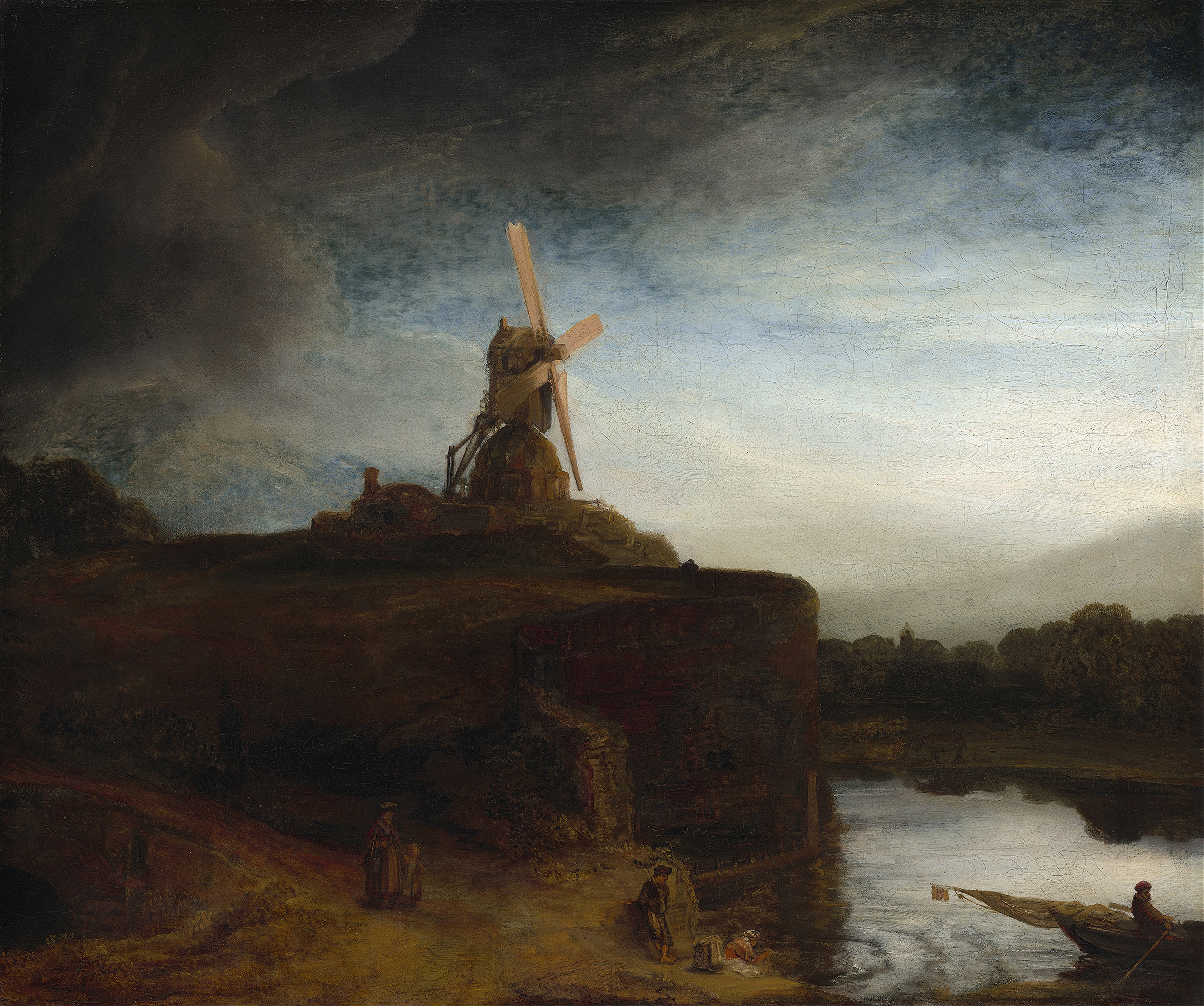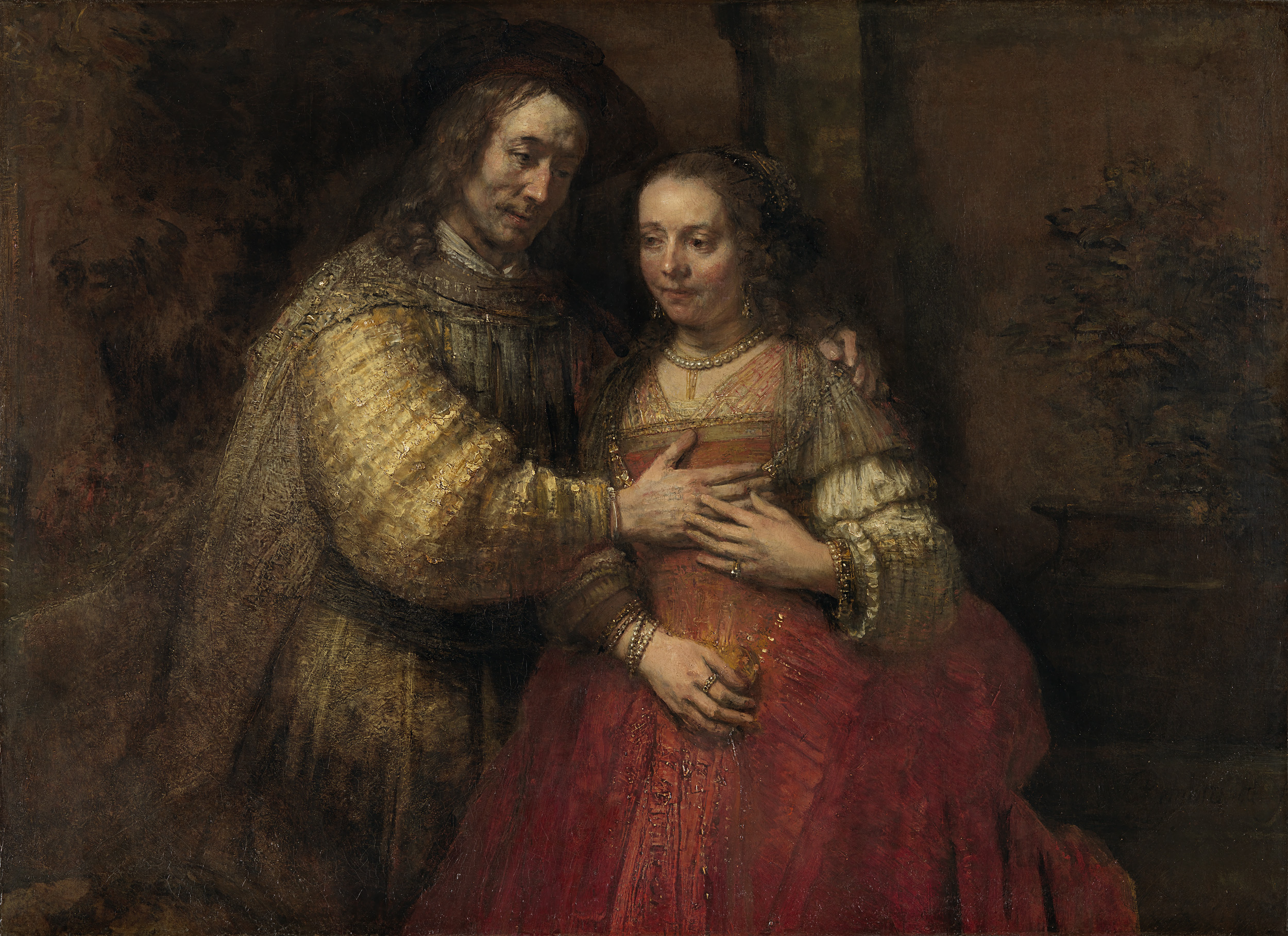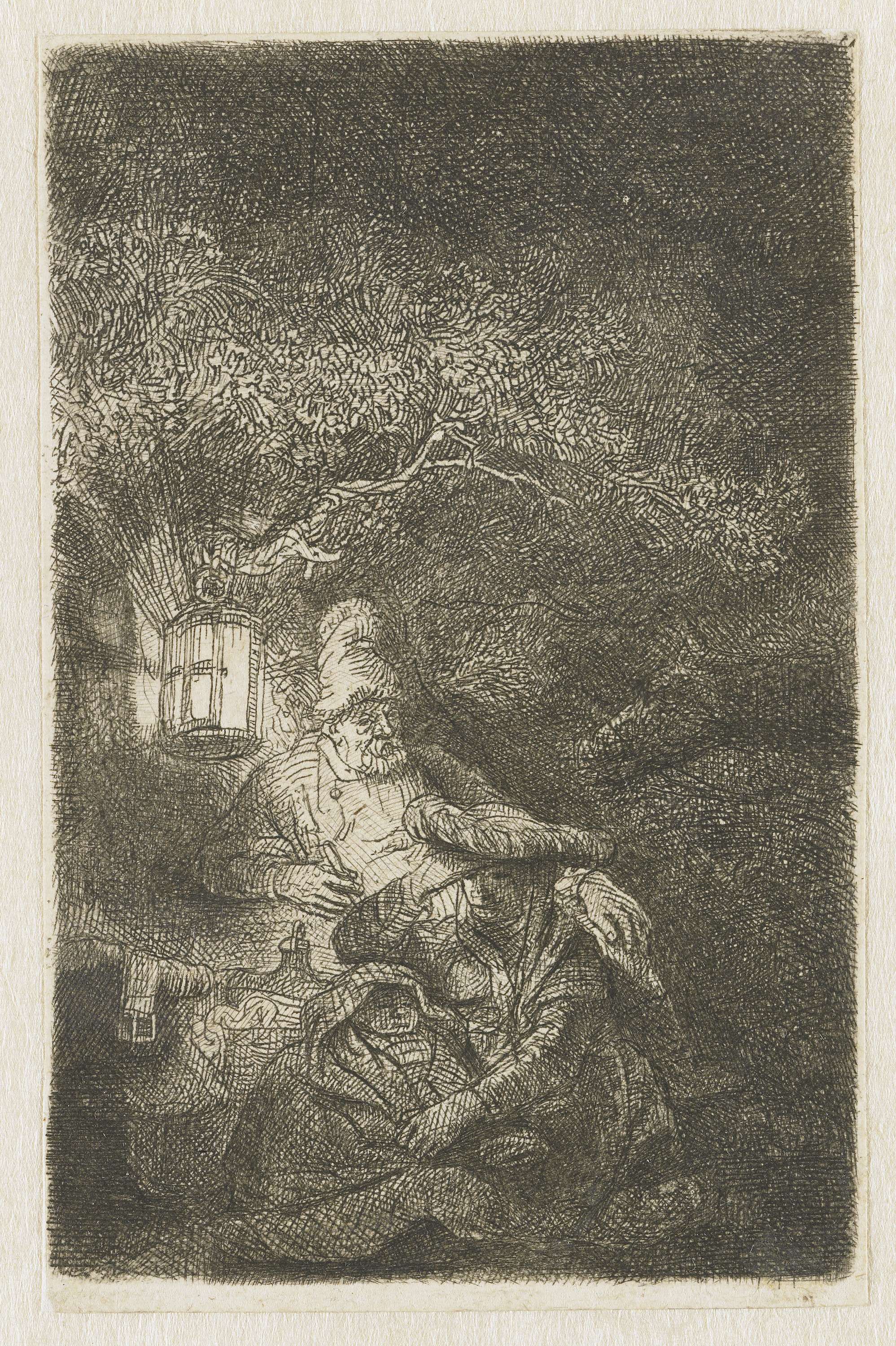
“The canvas doesn’t lie — it simply waits.” In the stillness of night, a moment of divine pause unfolds, inviting us to witness a profound journey of transcendence. Focus first on the serene figures nestled in the dim light of the canvas. Observe how the soft glow illuminates the faces of Mary and Joseph, highlighting their exhaustion yet enveloping them in a warmth that suggests protection and hope. The muted palette deepens the atmosphere, with rich browns and shadowy blacks creating an intimate space filled with the hush of night. Notice the way the light seems to emanate from within the figures, contrasting with the surrounding darkness, emphasizing their sacred mission. Within this tranquil scene lies an intricate interplay of vulnerability and strength. The tension between the weary travelers and the looming shadows tells of the trials they face on their flight, while the stillness of the night signifies a moment of divine blessing. The baby, swathed in cloth, symbolizes both innocence and the weight of future sacrifice, encapsulating the essence of a journey that transcends time and earthly struggles. The surrounding trees are laden with mystery, suggesting that nature, too, bears witness to their passage. In the early 1640s, Rembrandt worked in Amsterdam, a time of personal and professional challenges, yet also artistic growth. He faced financial difficulties and tragedies, including the loss of family members, which imbued his work with profound emotional depth. Created around 1644, this piece reflects his ability to capture complex human emotions against a backdrop of spirituality, as he explored themes of faith and redemption during a period when art was experiencing significant transformations.