The Rio dei Mendicanti — History & Analysis
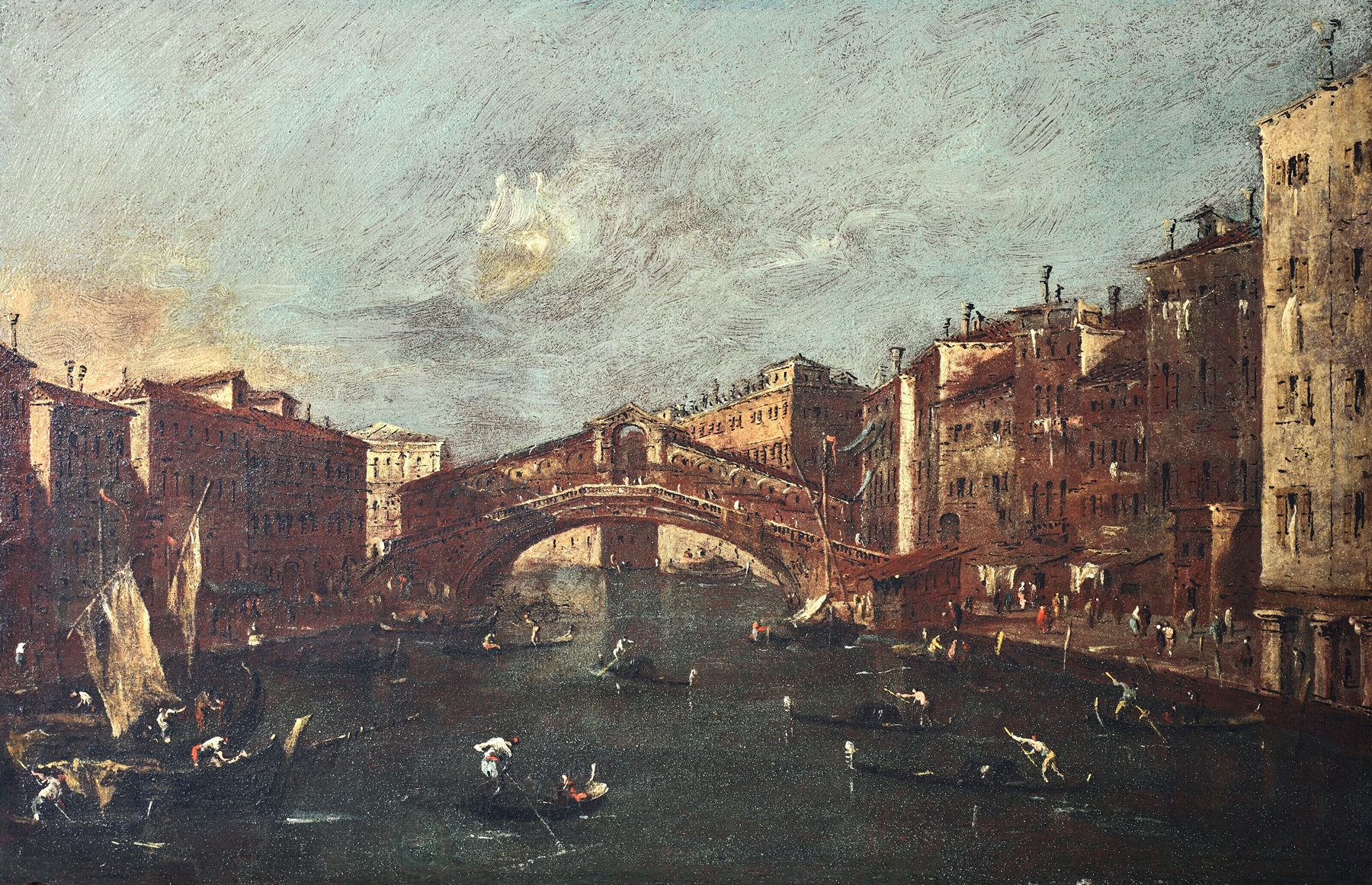
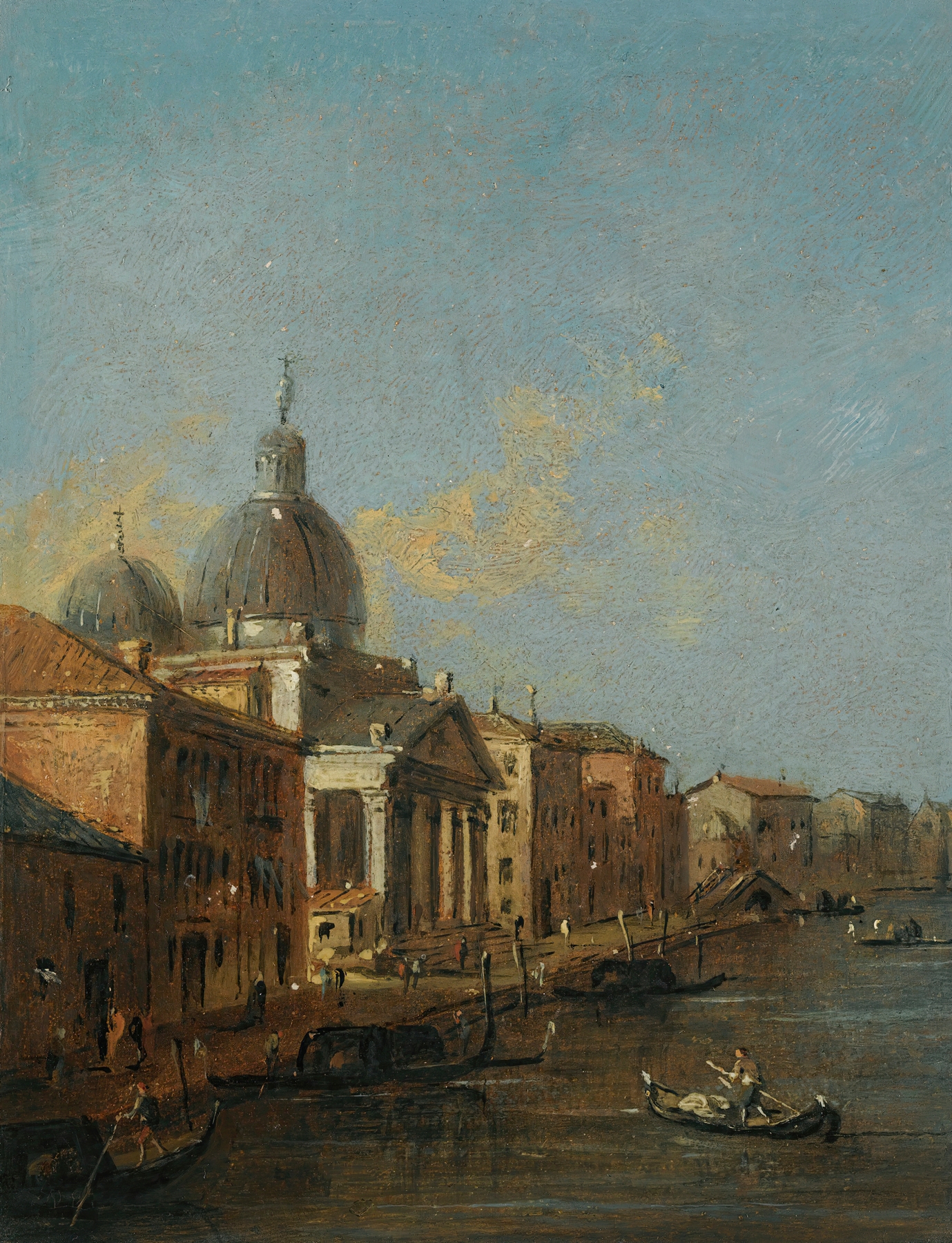
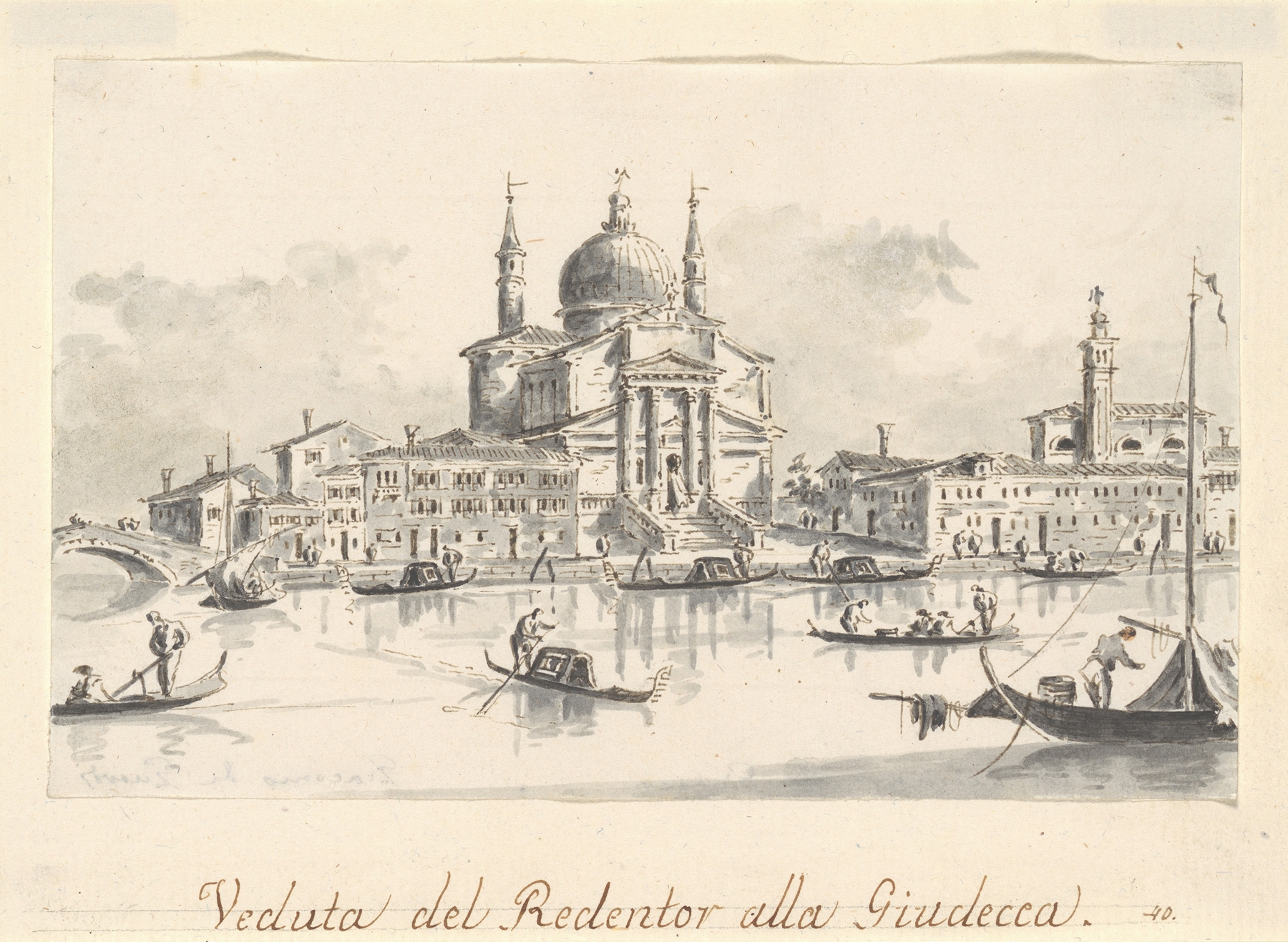
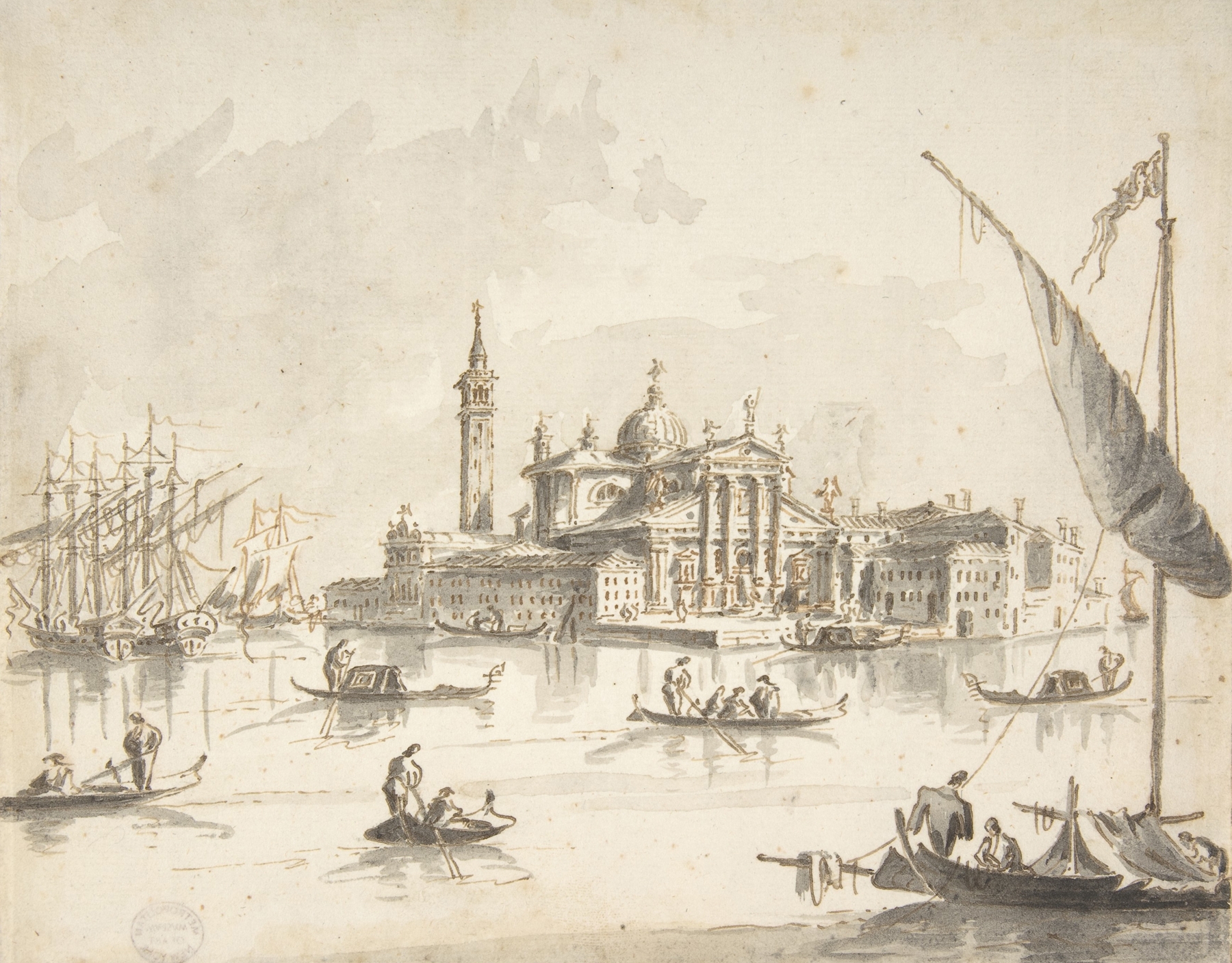
Can beauty exist without sorrow? In Giacomo Guardi's The Rio dei Mendicanti, the harmonious interplay of light and shade awakens a profound sense of longing amidst the picturesque scenery of Venice. Look to the left, where the serene canal reflects a soft, golden light, inviting the eye to trace its gentle curves. Notice how the architecture frames the waterway, with pastel-hued buildings leaning gracefully toward the canal, their windows glimmering like whispers of stories untold.
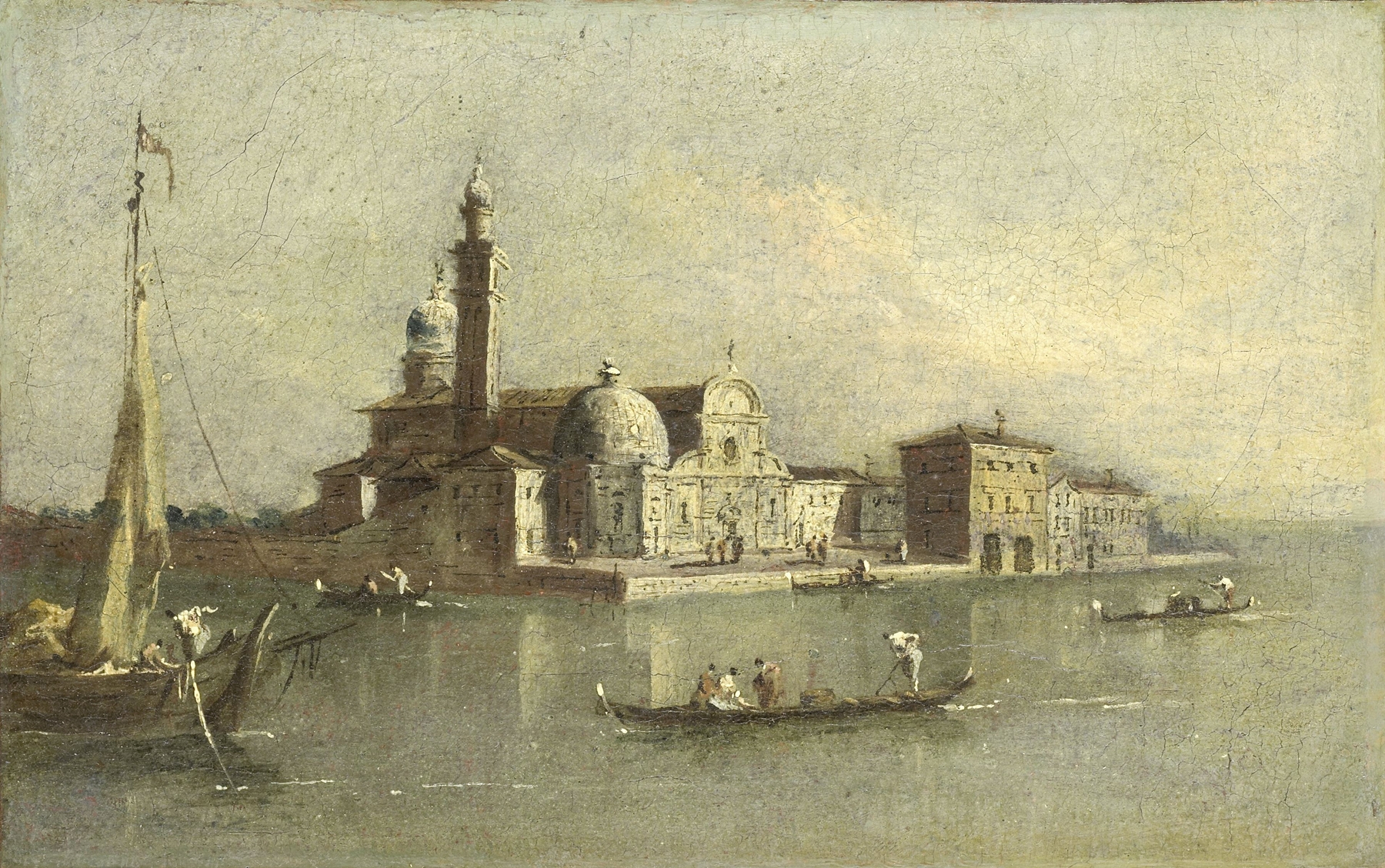
The painter employs delicate brushwork to create textures that breathe life into the scene, while the palette, infused with vibrant blues and warm ochres, evokes a sense of nostalgia and joy intertwined. As you delve deeper, observe the juxtaposition of the crowded boats with their passengers—some animated in conversation, others lost in thought—against the stillness of the water. This contrast illustrates the tension between the ephemeral nature of life and the enduring beauty of the city. The viewer senses the fleeting moments of joy and grief that coexist, revealing a bittersweet narrative that resonates with the human experience.
Created between 1804 and 1825, this work emerged during a period of transformation for Guardi, who worked in a rapidly changing Venice. As Romanticism began to influence the art world, he was drawn to capturing not only the beauty of his surroundings but also the underlying emotional truths within them. The city was alive with artistic dialogue, and Guardi found his voice in this vibrant milieu, wrapping the viewer in the ecstasy of Venice’s delicate melancholy.