The Sawhorse — History & Analysis
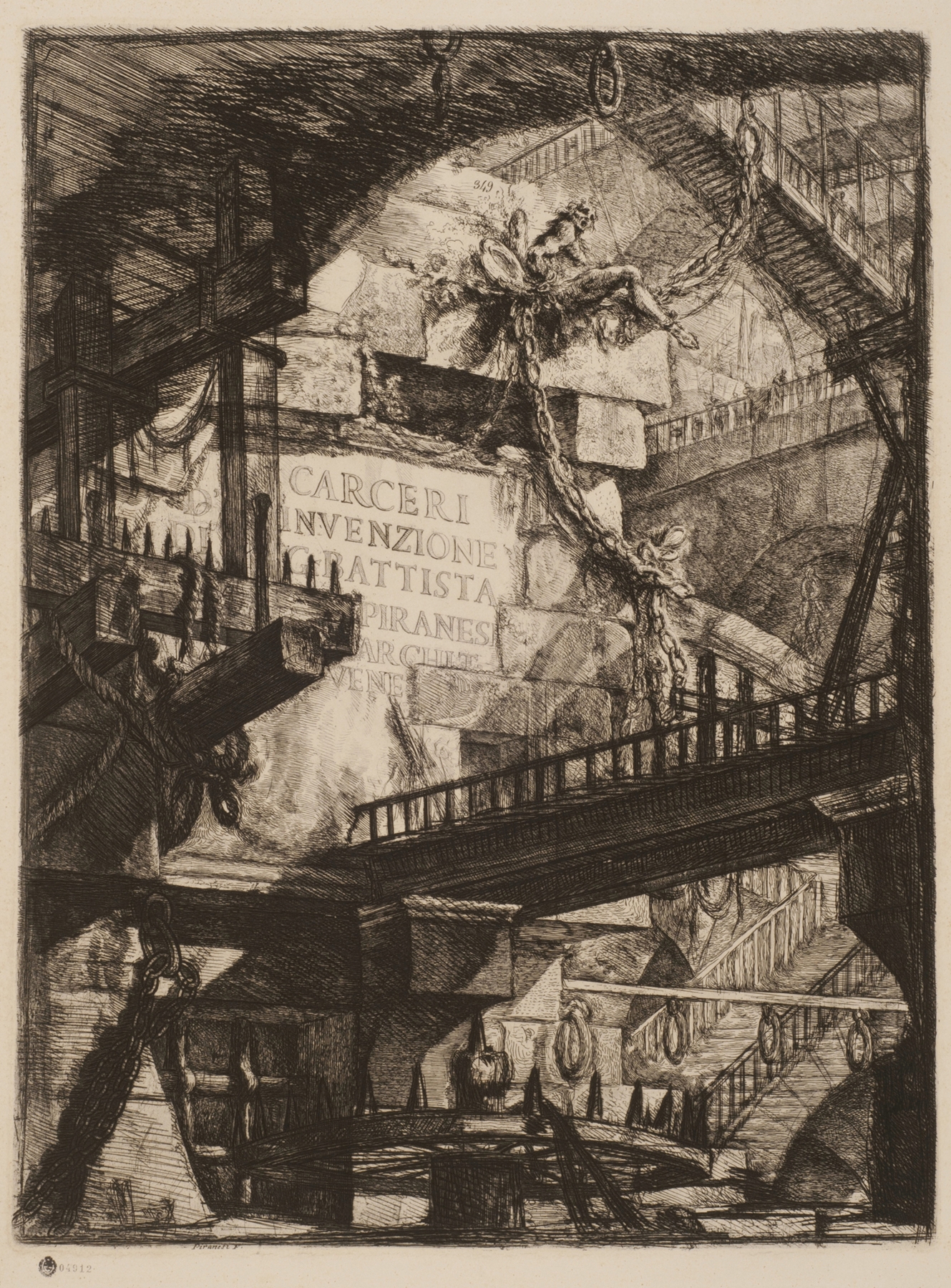
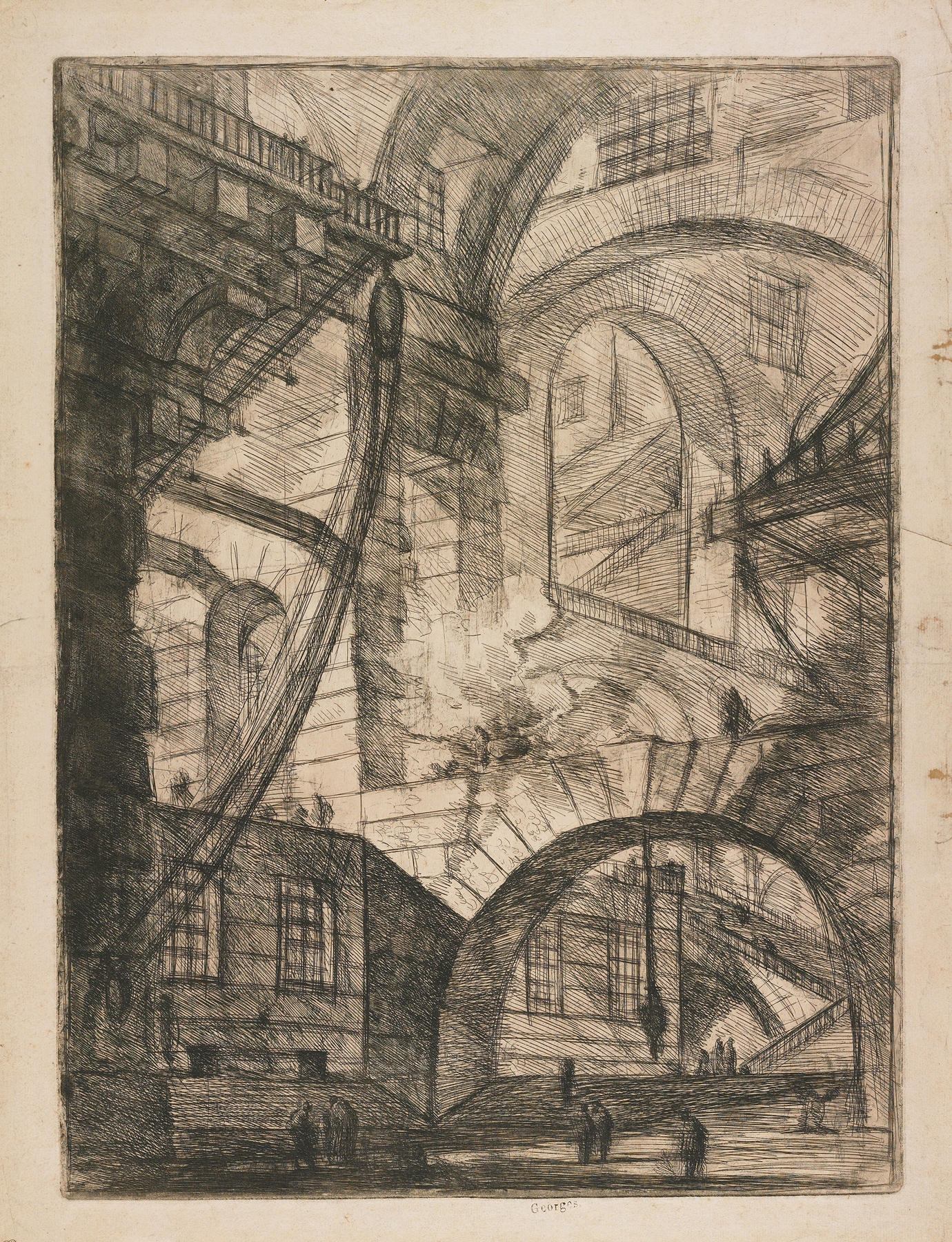
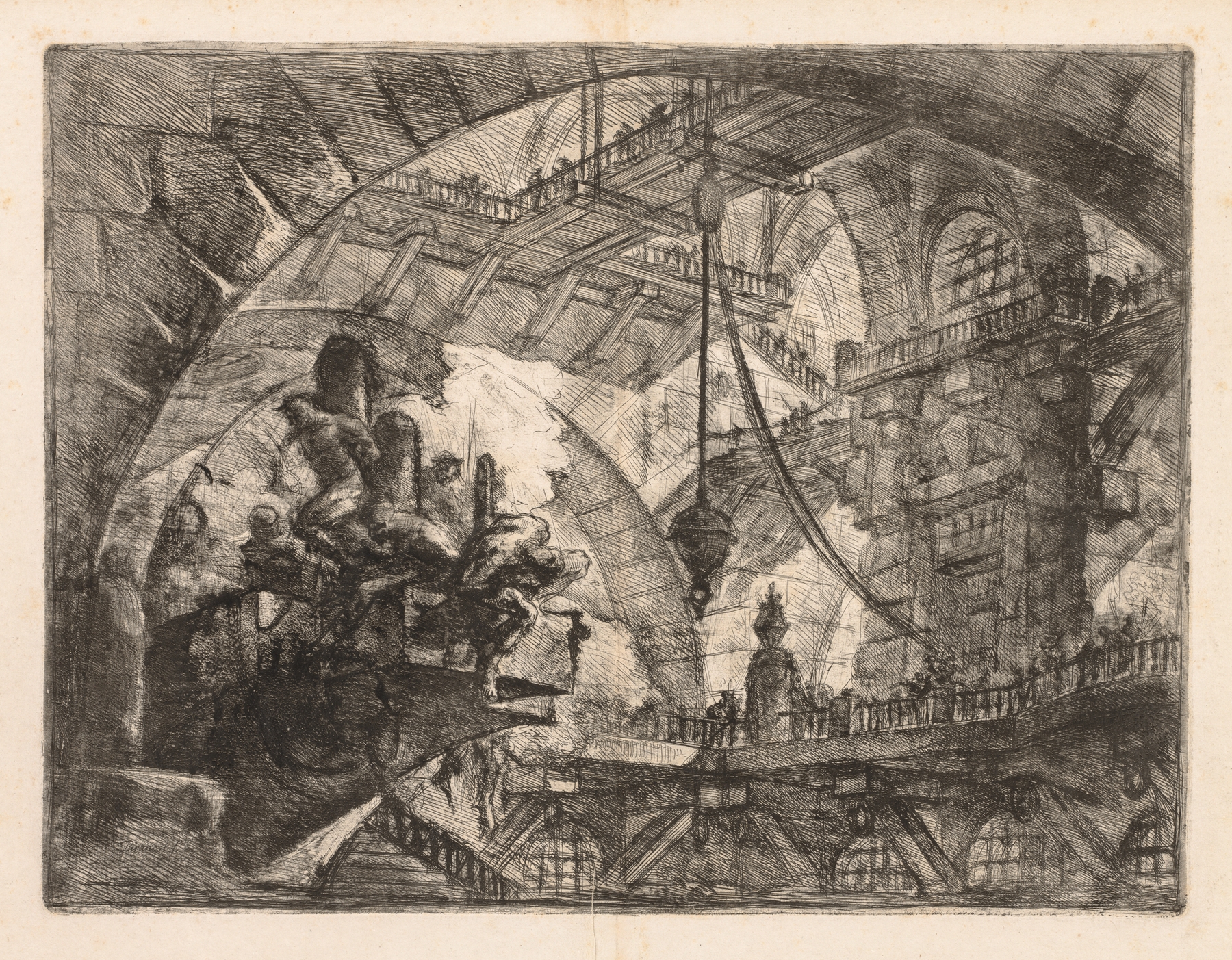
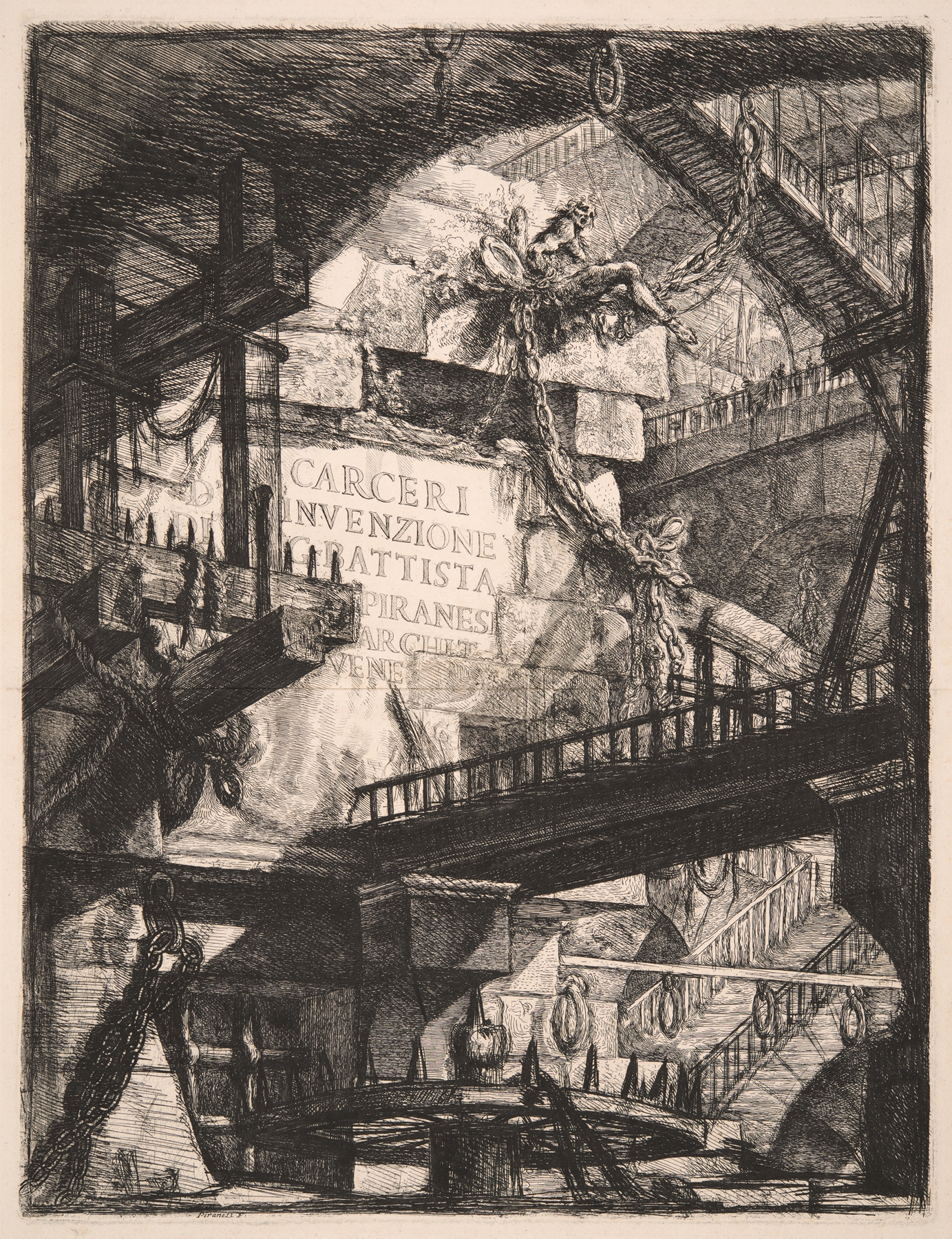
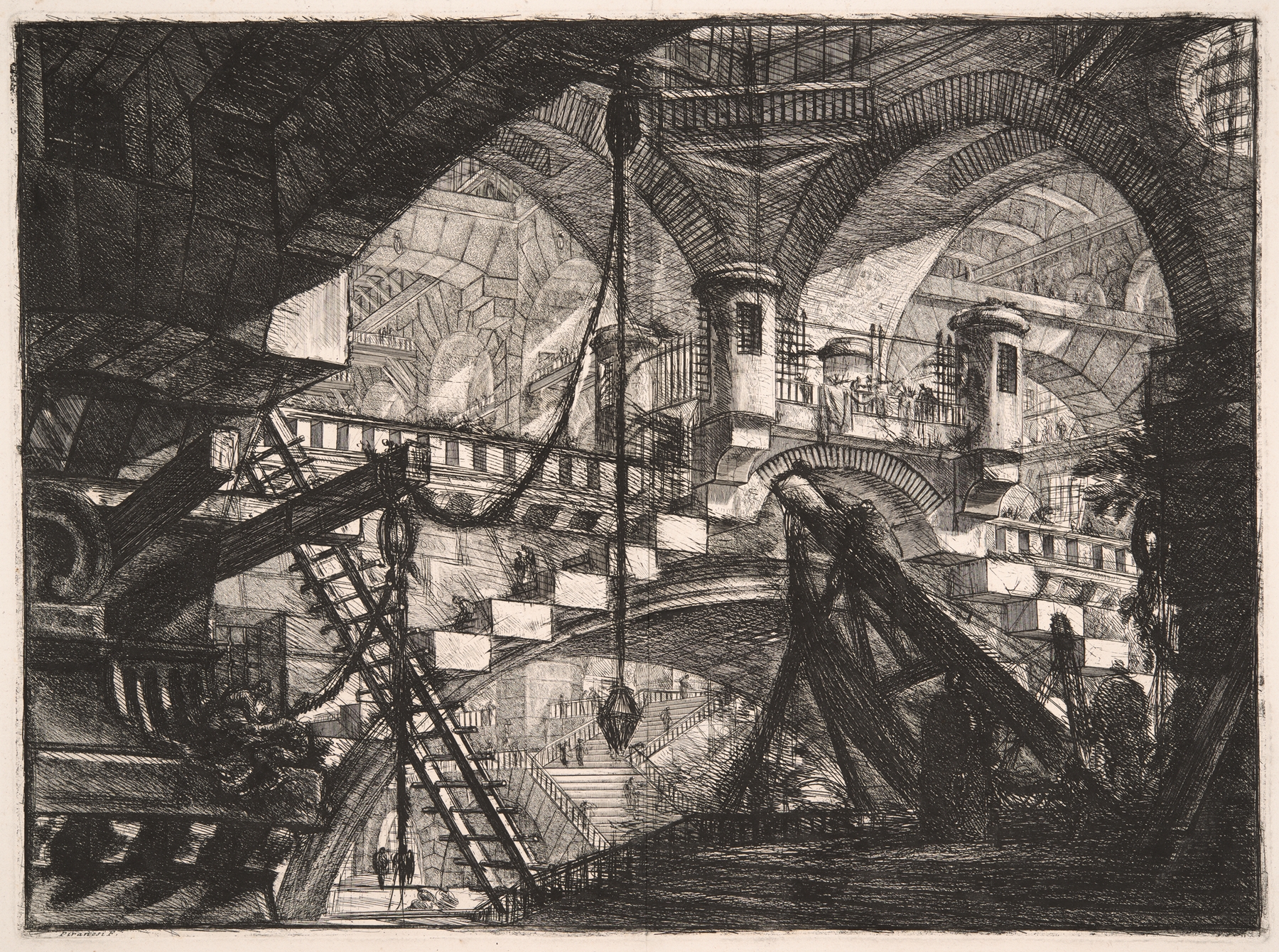
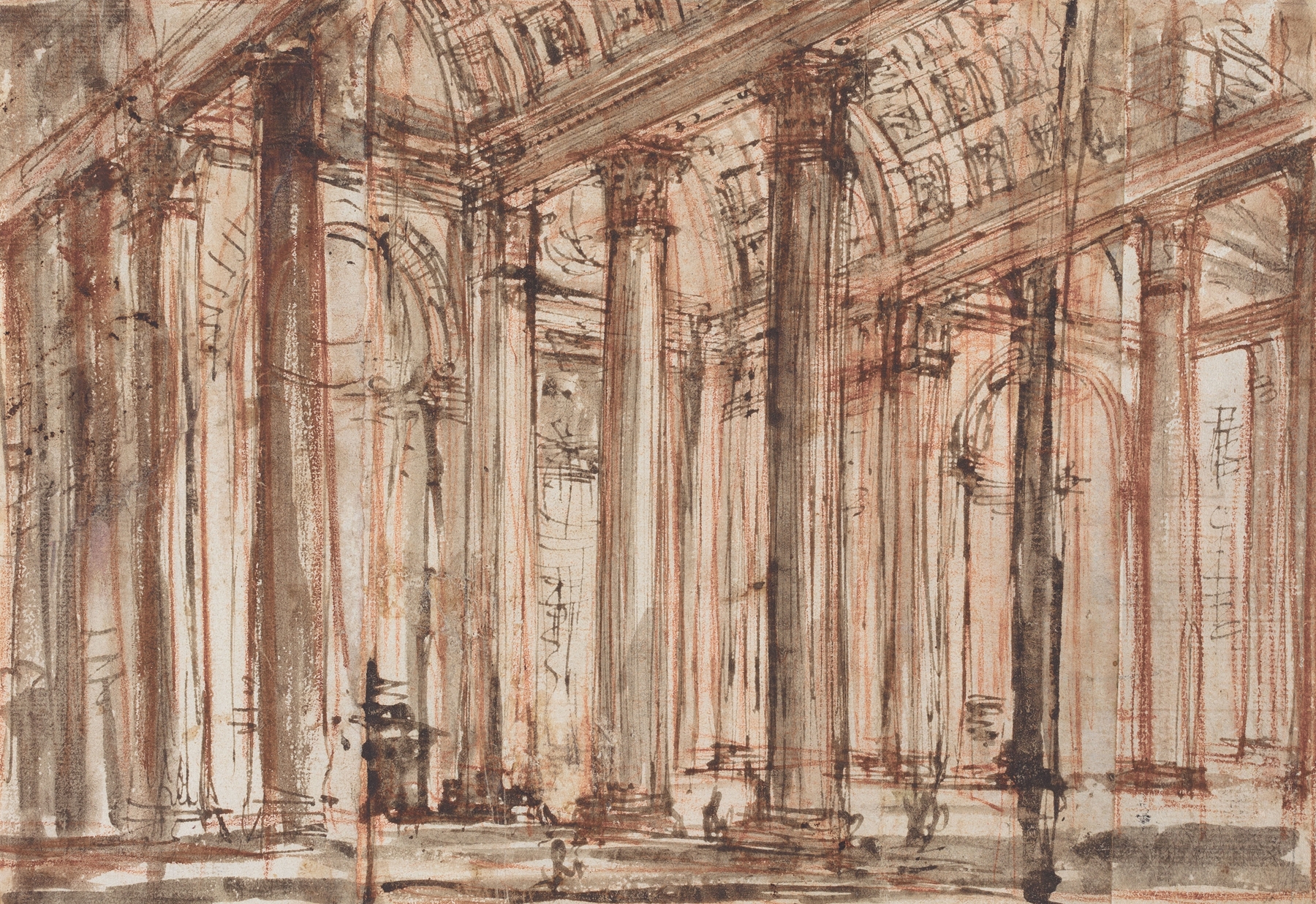
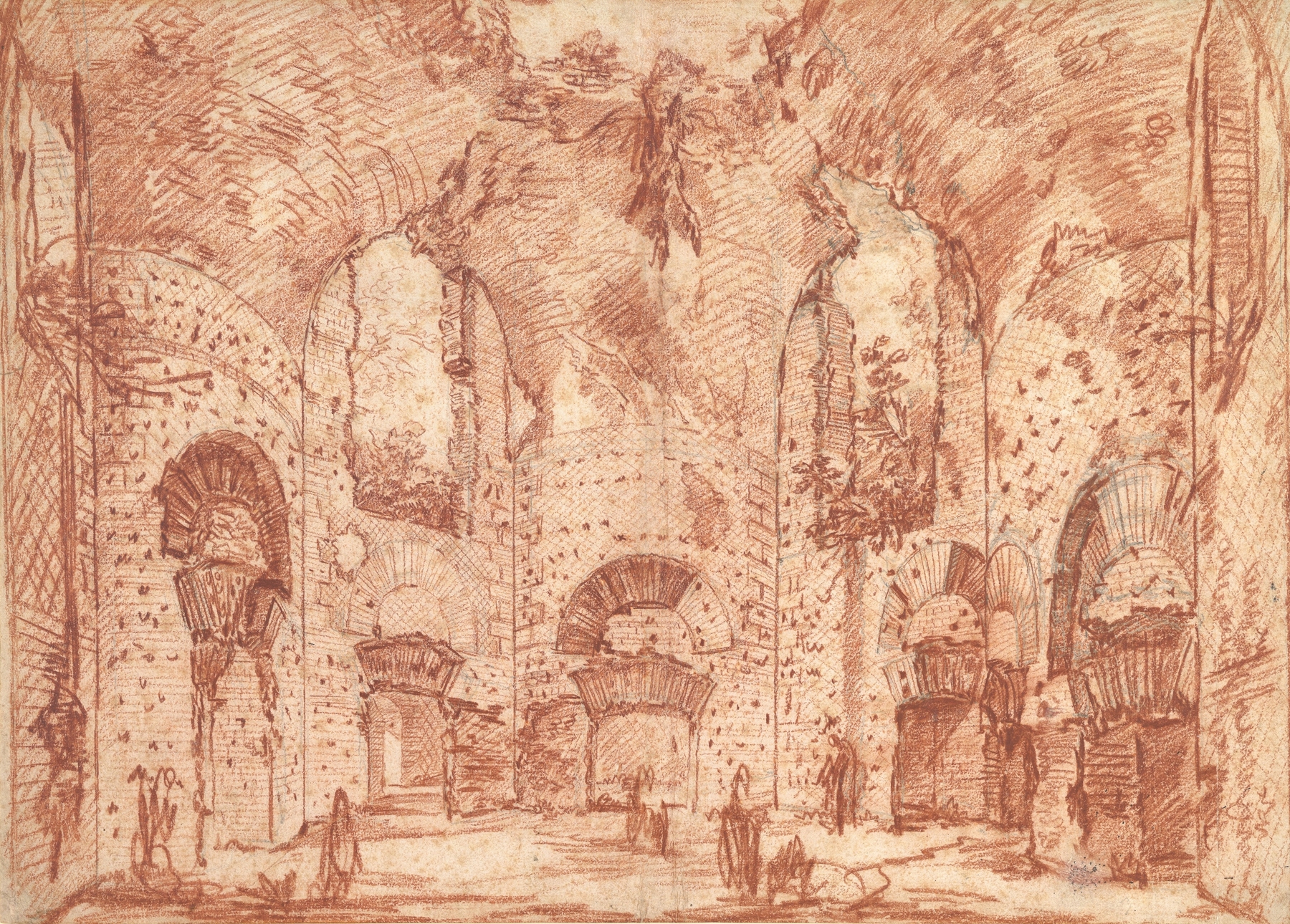
“Every silence here is a confession.” In The Sawhorse, we confront a moment suspended in revelation, an invitation to explore the complexities of human craftsmanship and its silent narratives. The stark, wooden form beckons us to ponder not just its utility, but the deeper truths hidden within the spaces it occupies. Look closely at the intricate details of the sawhorse, where the rough wood is juxtaposed against the smoothness of the surrounding blankness. Notice how the careful carving reveals the artist's deft hand, each line telling a story of labor and intention. The light, soft yet piercing, bathes the scene, highlighting the textures and creating a dialogue between shadow and form.
Piranesi’s choice of monochrome elevates the sawhorse, removing distractions and urging us to focus on its essence. Yet, beneath this simplicity lies a poignant commentary on creation and the passage of time. The sawhorse stands not merely as a tool but as a relic, symbolizing the laborer’s quiet endurance and the transient nature of all things crafted by hand. The emptiness surrounding it amplifies the isolation of the object, evoking the silent sacrifices of those who labor in anonymity.
This tension between presence and absence invites a deeper reflection on the unseen stories behind skilled hands and forgotten labor. In 1761, Giovanni Battista Piranesi crafted this work during a period marked by enlightenment thought and artistic exploration. Living in Rome, he was immersed in the burgeoning interest in classical antiquity and architectural forms. This era was rich with innovation, yet Piranesi's focus on everyday objects like the sawhorse showcases his ability to find beauty and meaning in the mundane, reflecting his unique perspective on art and craftsmanship.