The Simplon Road, Meillerie, France — History & Analysis
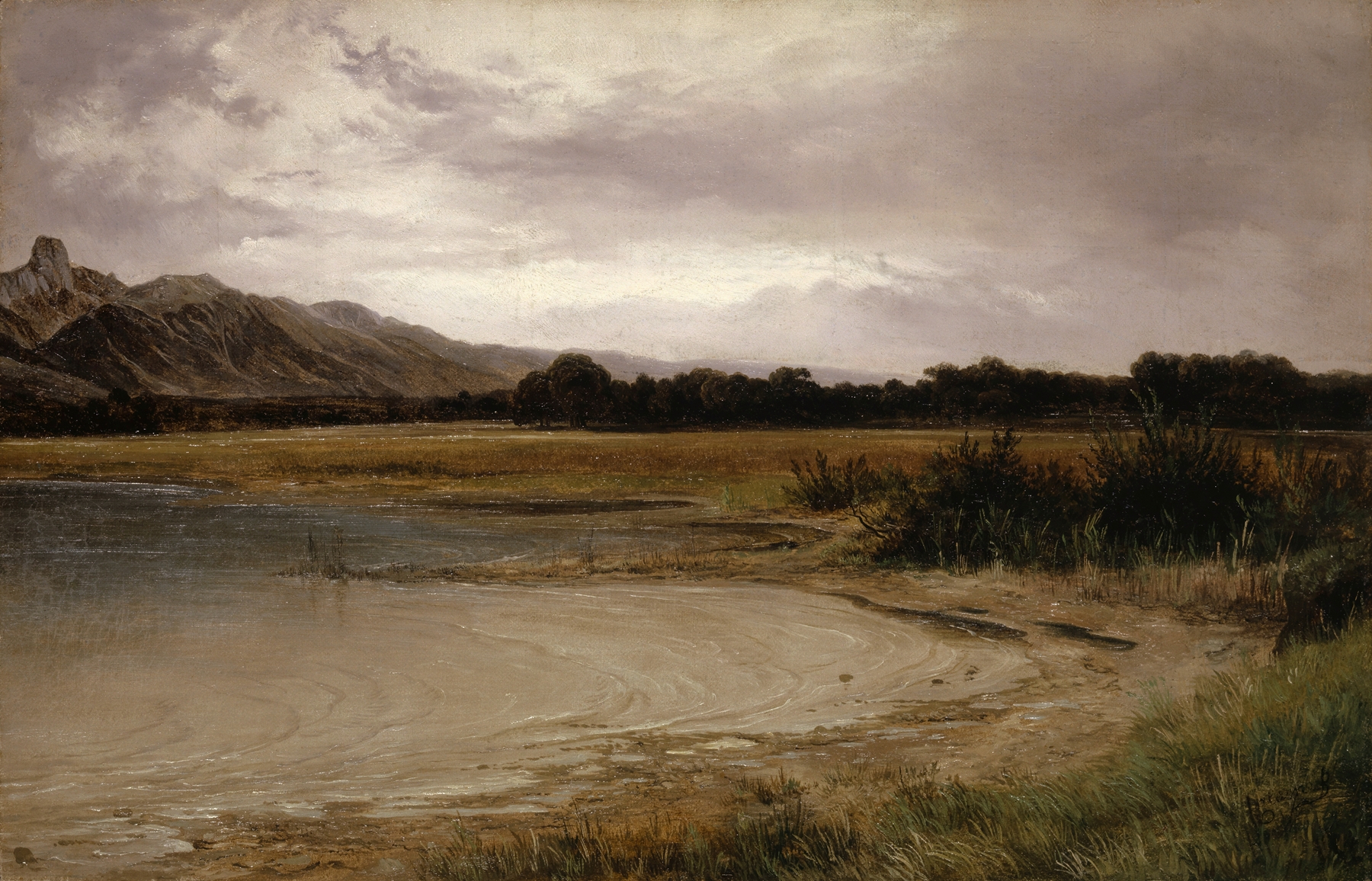
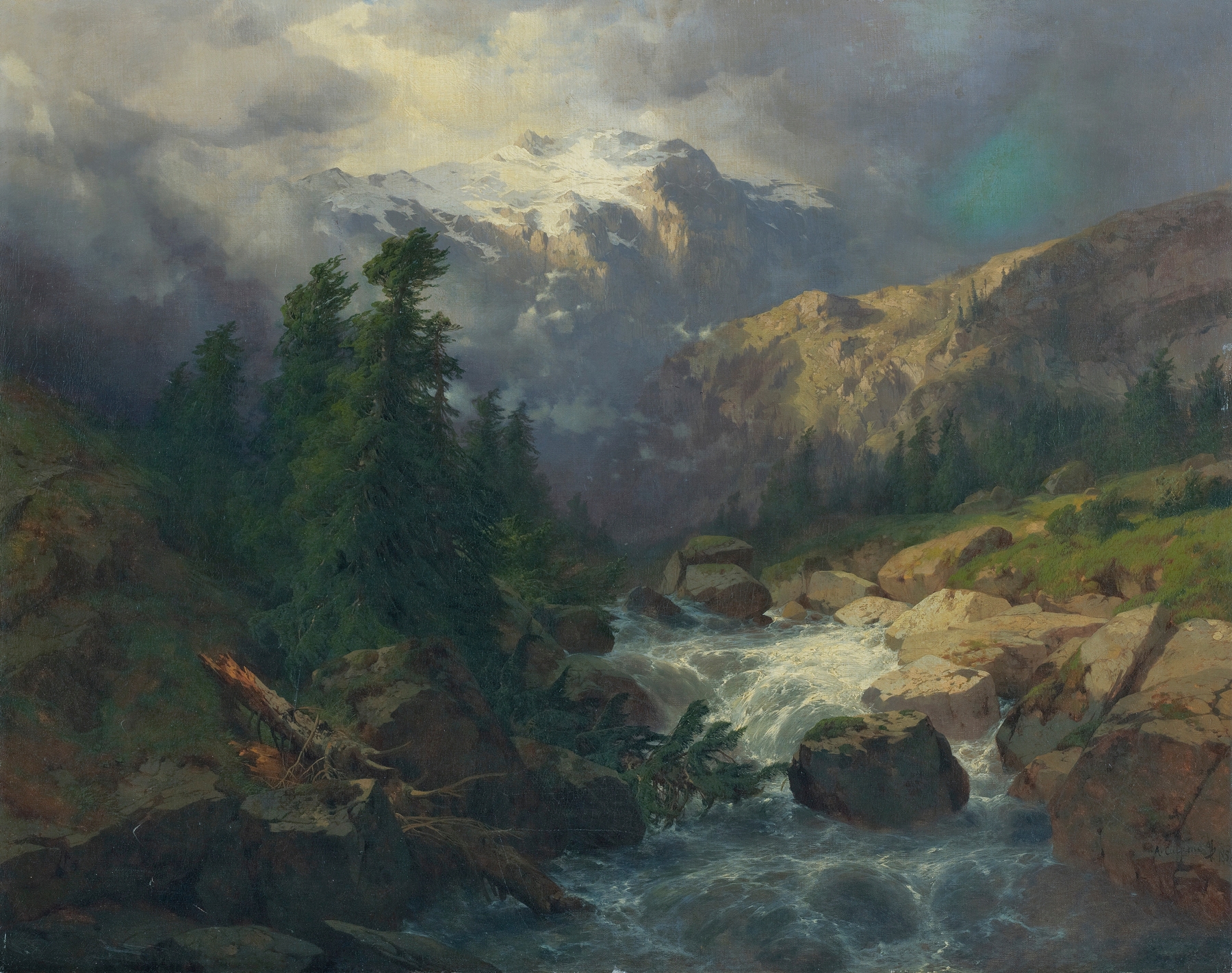
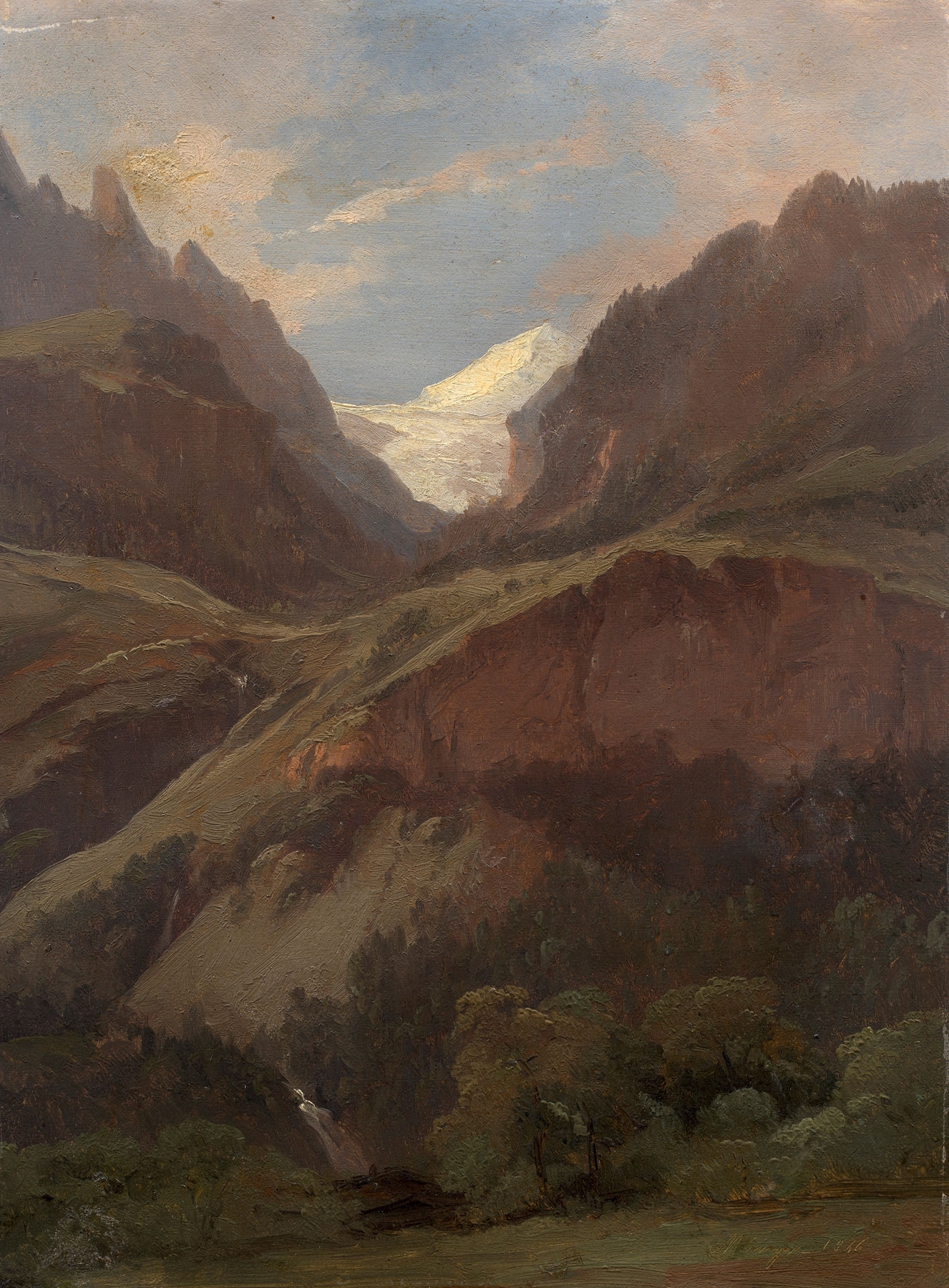
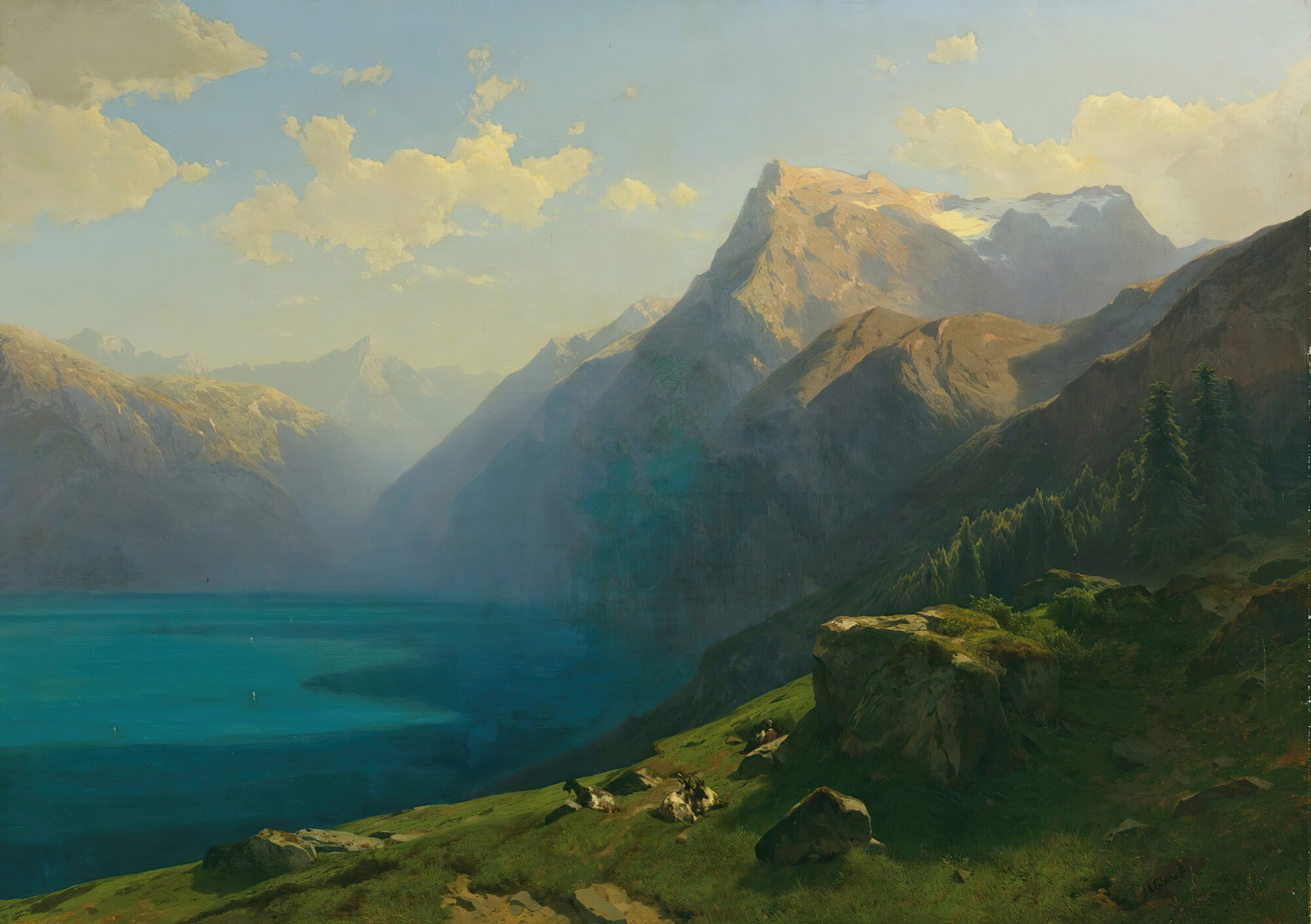
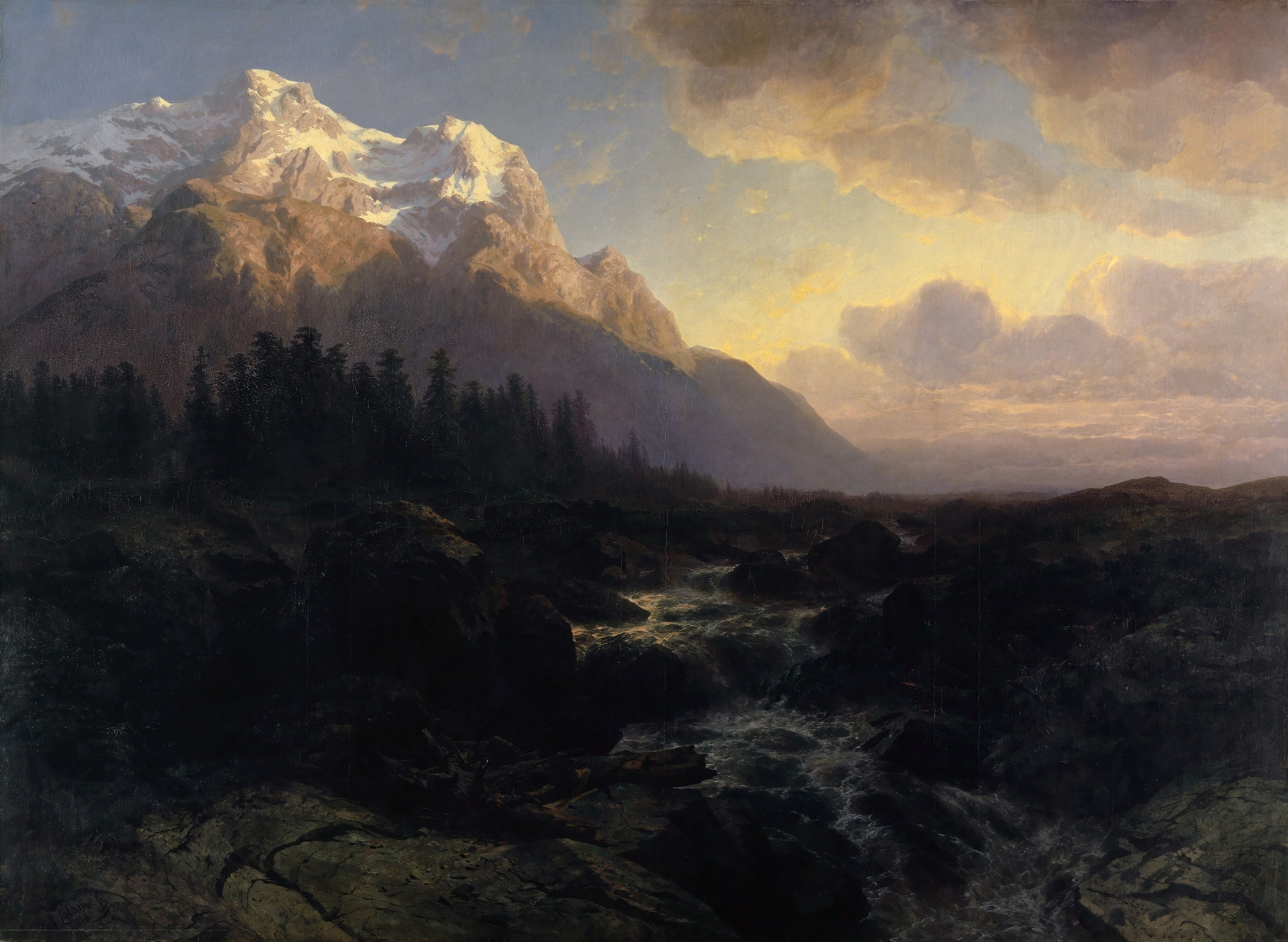
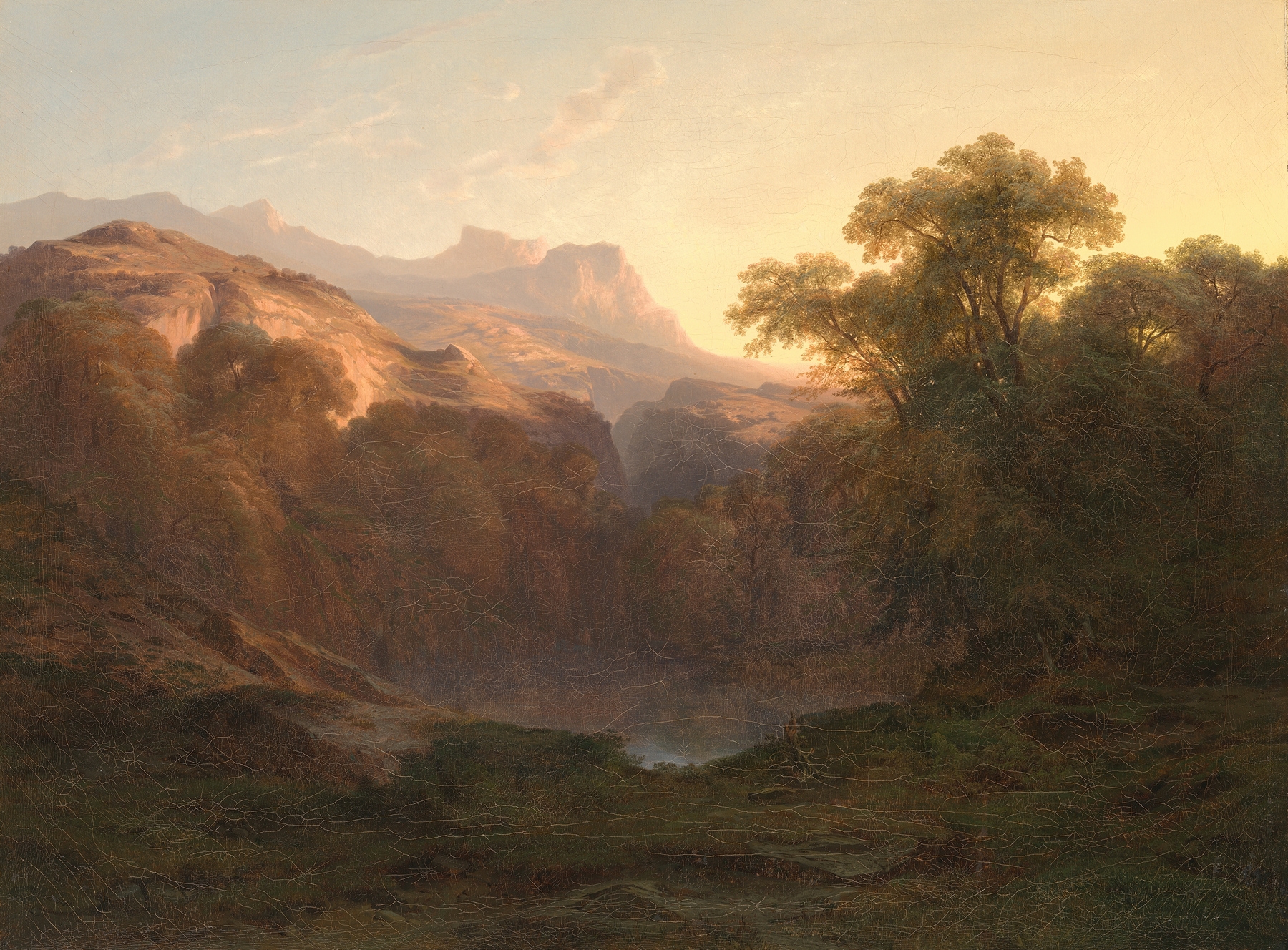
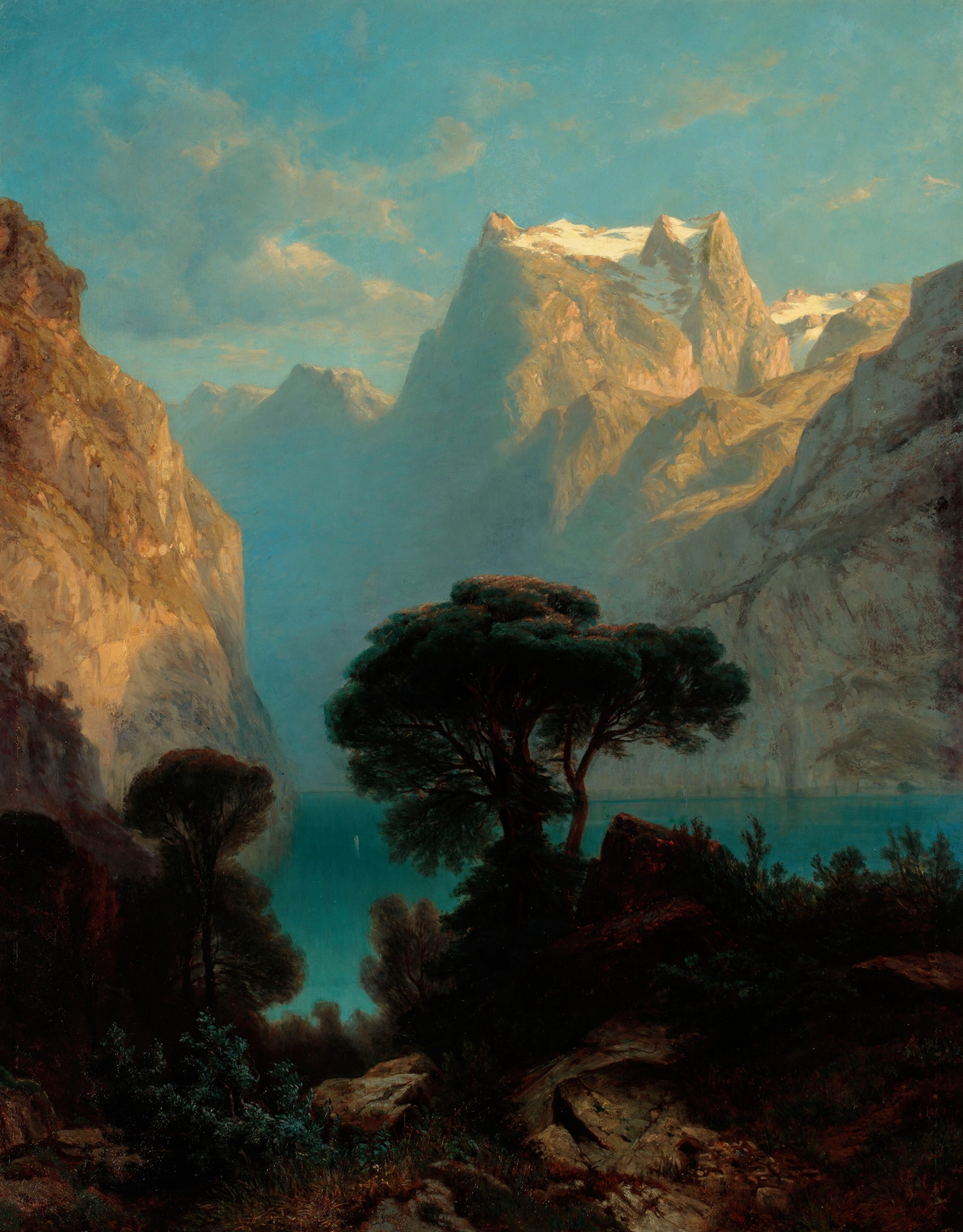
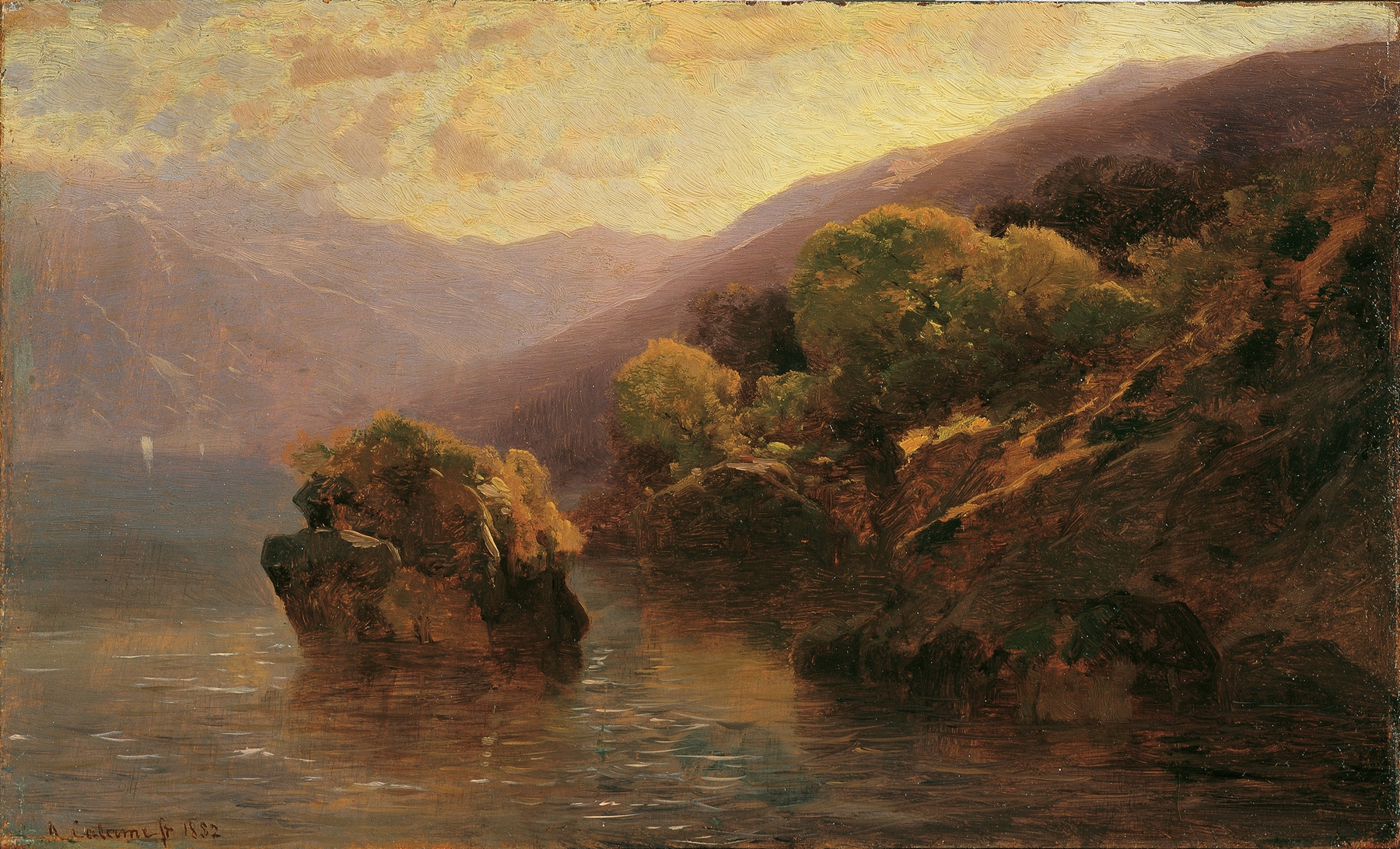
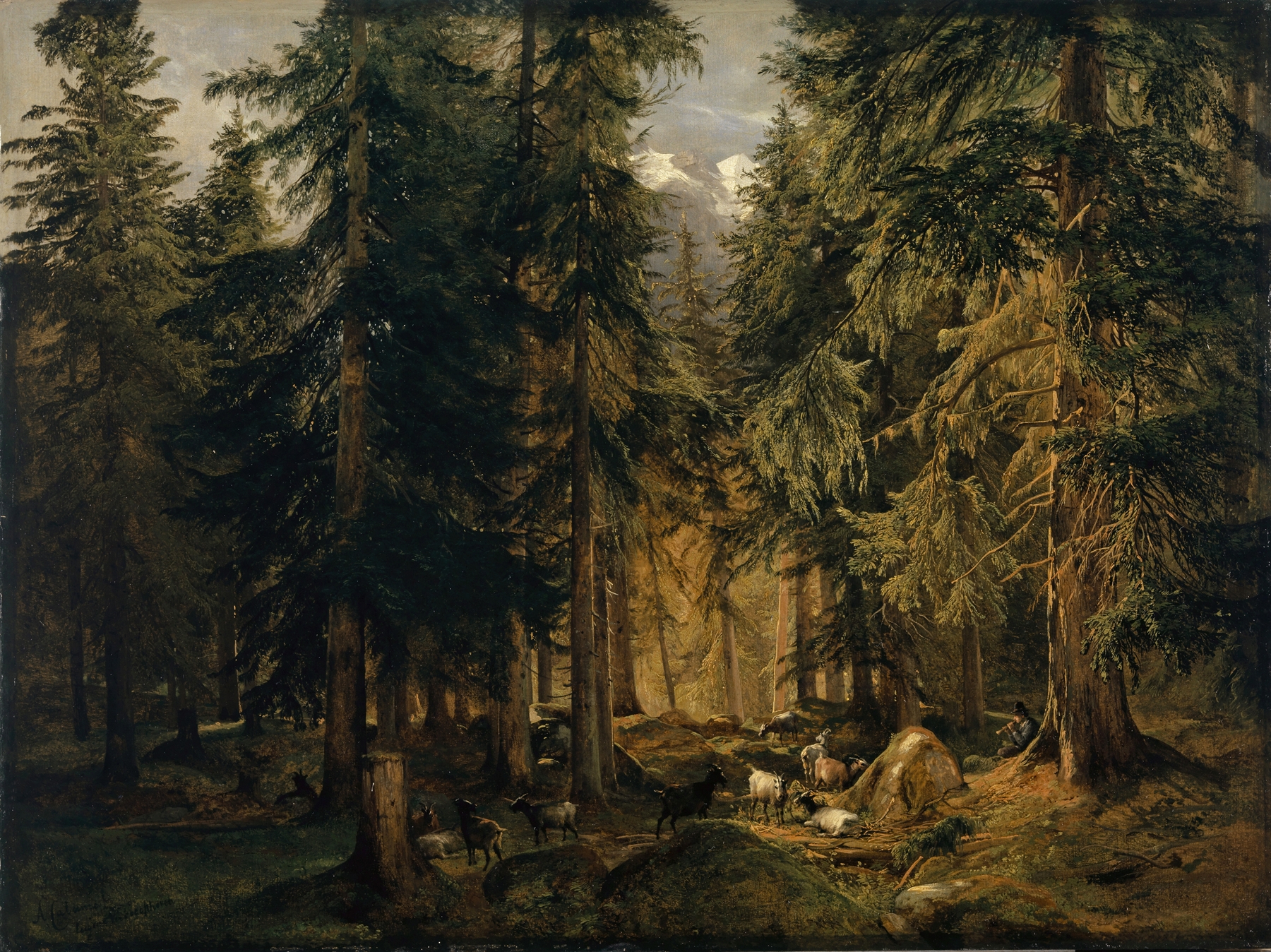
Could beauty survive in a century of chaos? In the mid-1800s, as upheaval swept across Europe, one artist dared to find solace in the unyielding majesty of nature. Look to the horizon, where the path winds through the lush greenery, leading your eye toward the expansive lake framed by towering mountains. Notice how Calame employs rich hues of green and blue, creating a sense of tranquility that stands in stark contrast to the turmoil of the time.
The interplay of light and shadow enhances the textures of the landscape, inviting you to step into the scene, breathe in the crisp air, and feel the gentle caress of the breeze. Amid the beauty lies a powerful tension—between the serene road and the tumultuous world beyond. The path represents a journey, perhaps an escape from chaos, while the distant peaks symbolize obstacles waiting to be faced. The soft ripples of the lake reflect the sky's changing moods, hinting at the transience of peace—a reminder that even in moments of serenity, impermanence lingers close.
These details weave together to create a complex narrative of hope and uncertainty. In this period, the artist was immersed in the Romantic movement, painting The Simplon Road, Meillerie, France while grappling with the artistic ideals of expressing emotion and the sublime. Living in an era marked by political unrest and a reevaluation of nature’s role within the human experience, Calame sought to convey not only what was seen but also what was felt, revealing the duality of beauty and chaos.