The Smoking Fire — History & Analysis
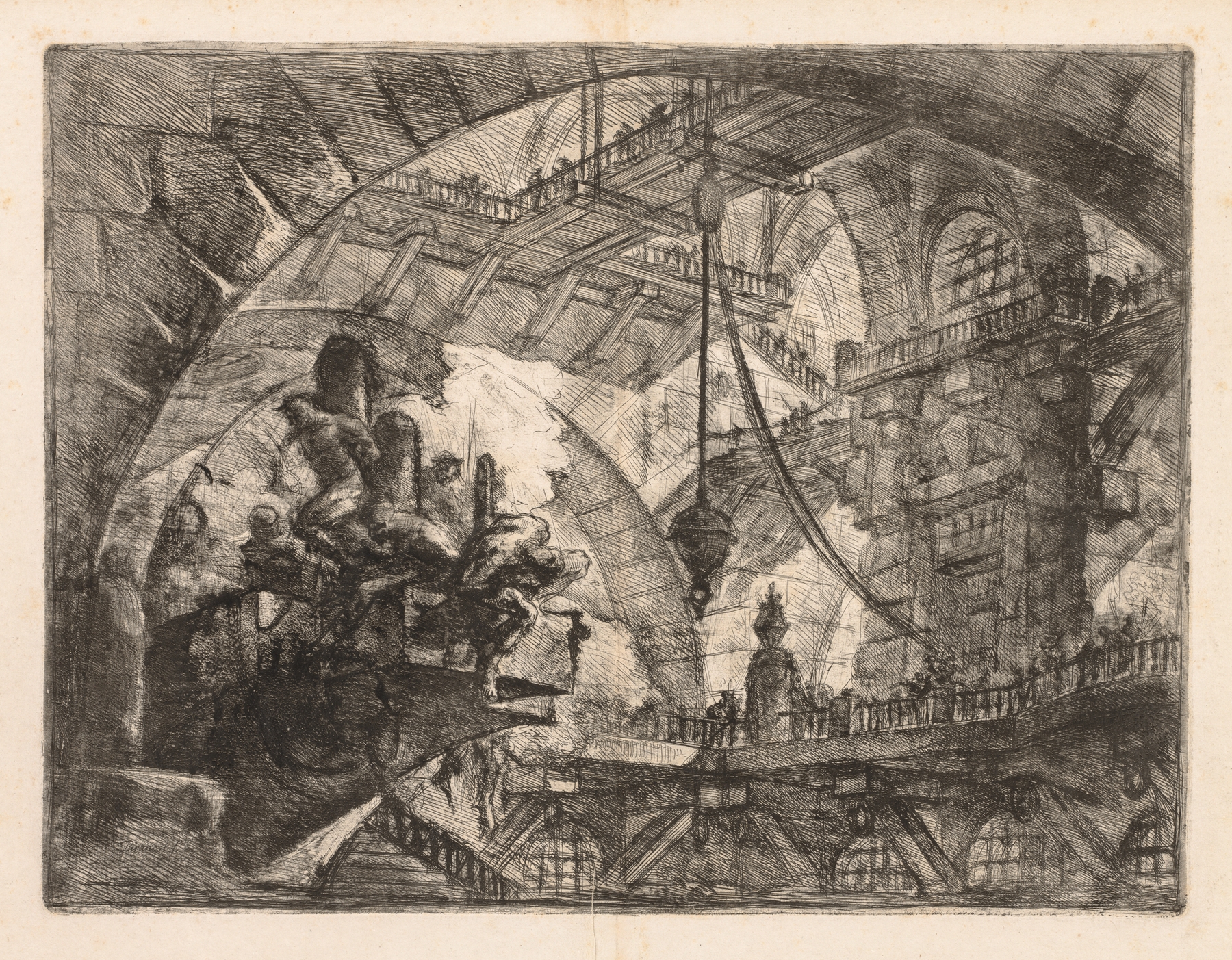
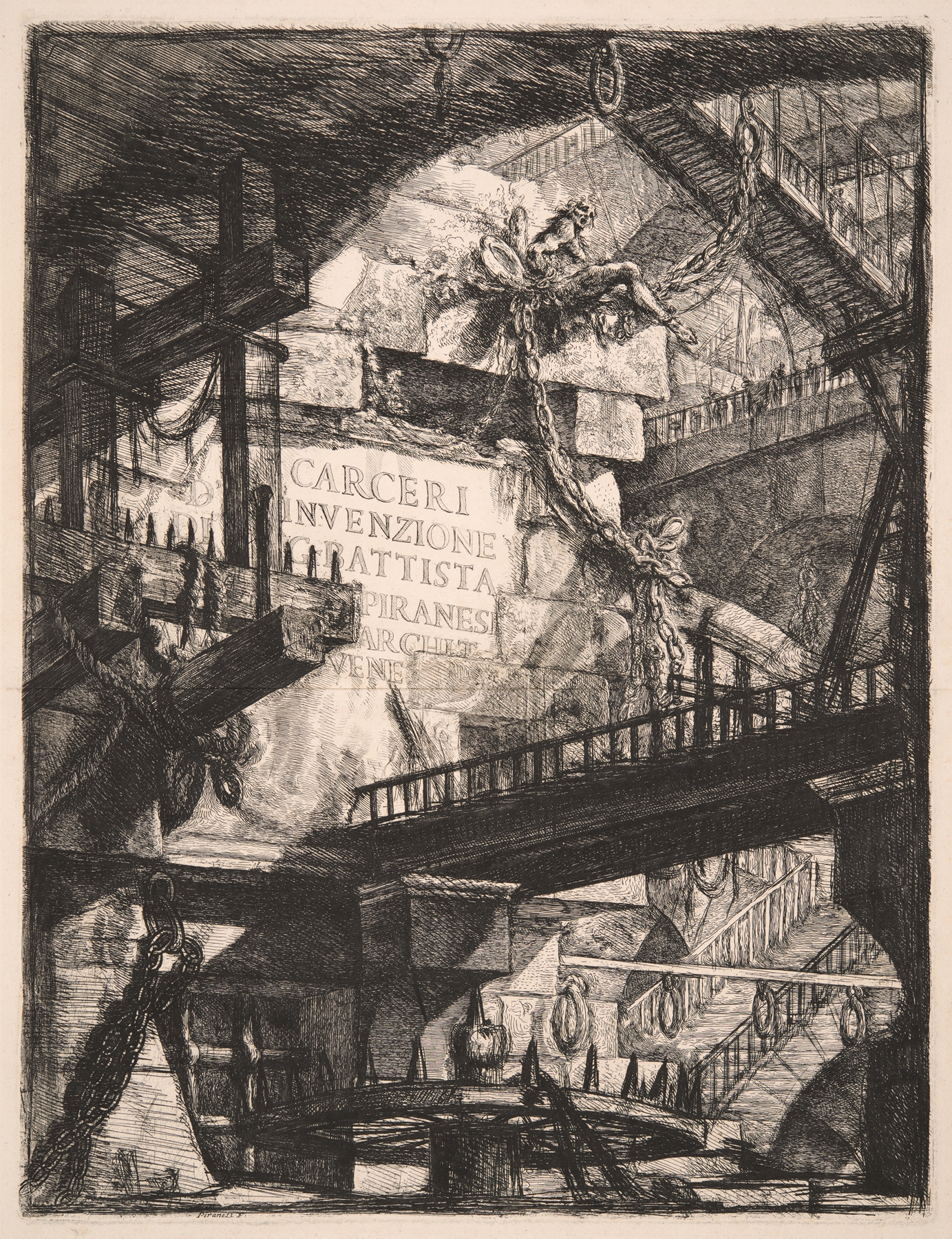
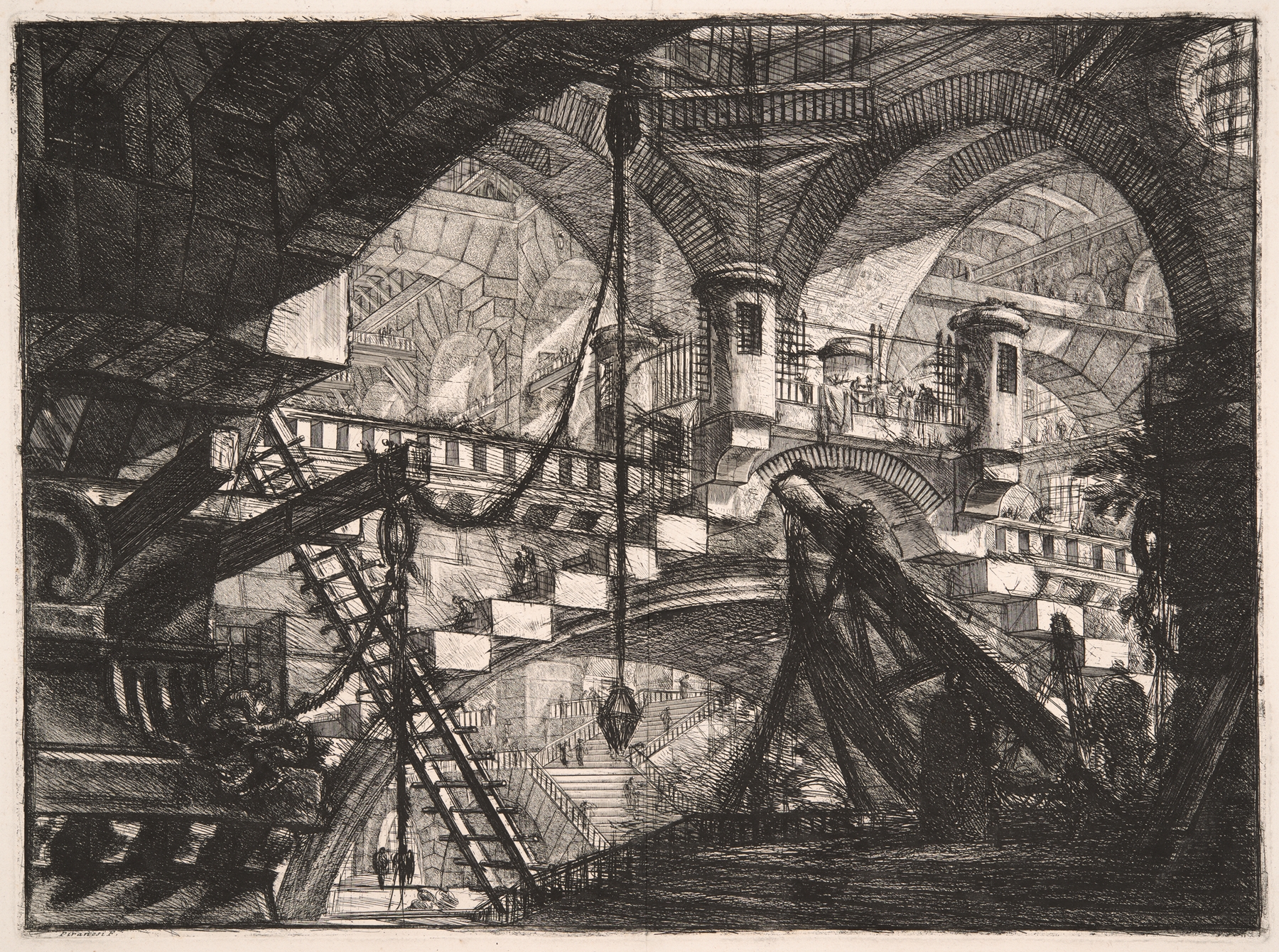
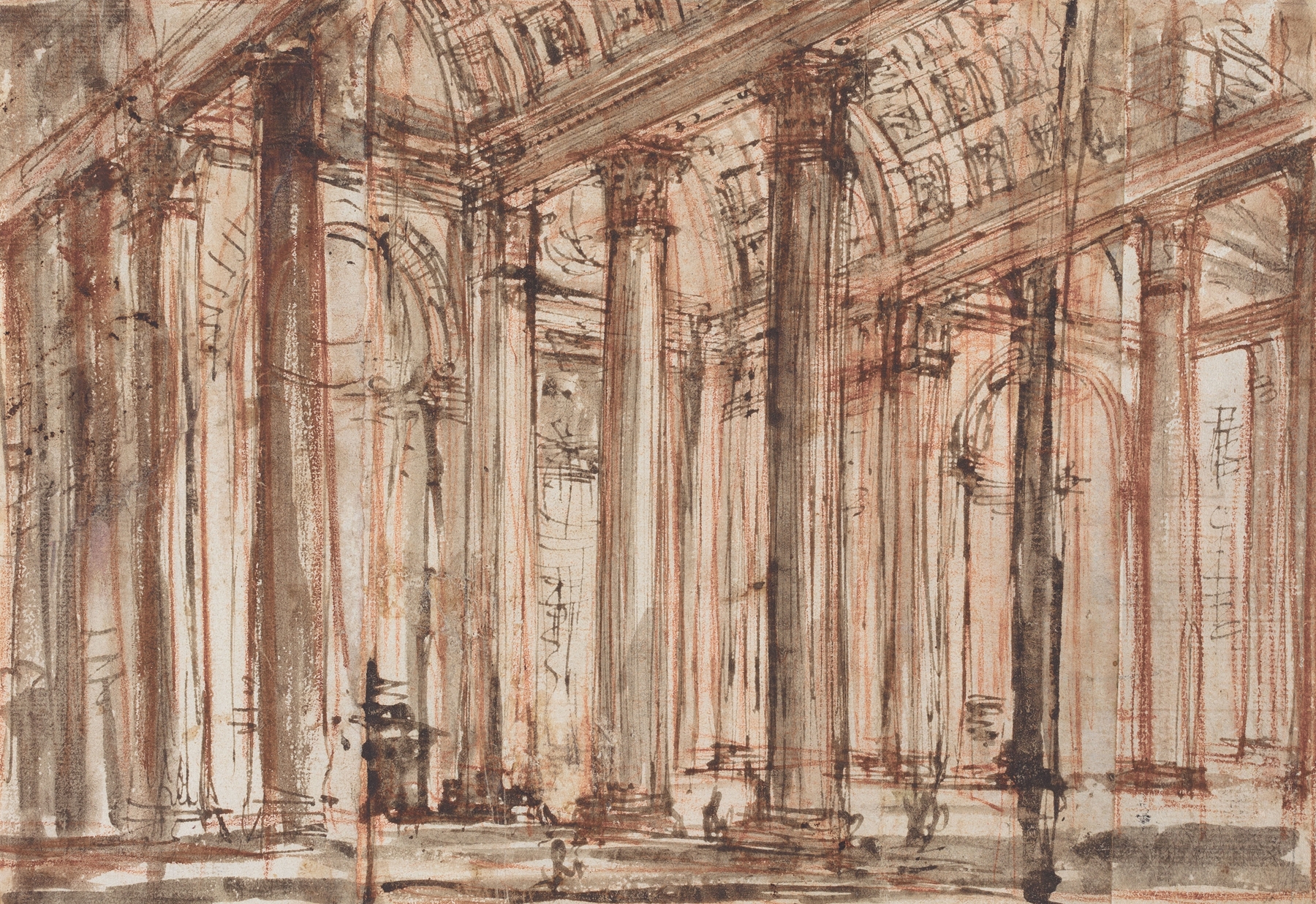
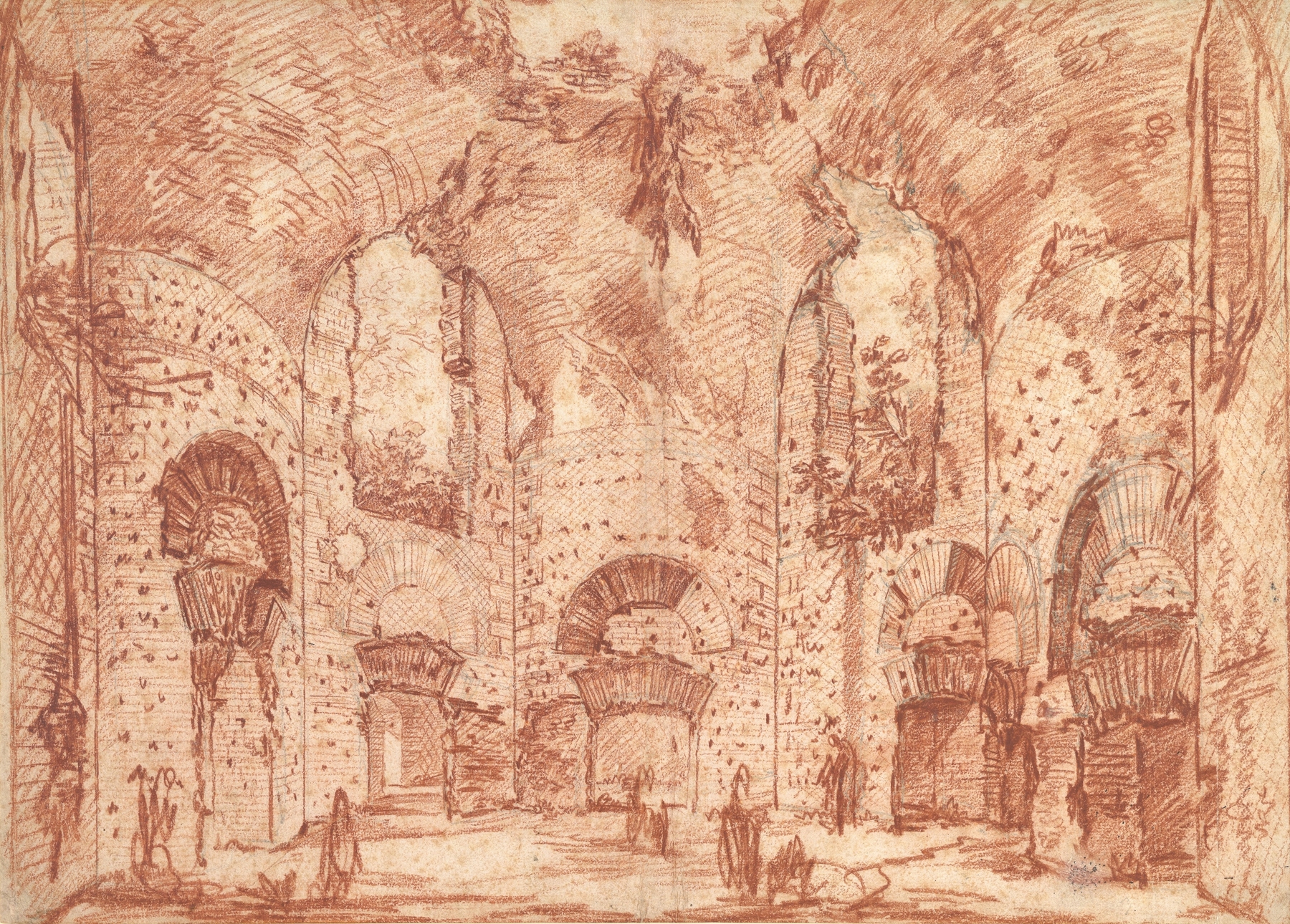
Did the painter know this moment would outlive them? In The Smoking Fire, a vessel of smoke wafts through a surreal, ancient space, suggesting both destruction and renewal in equal measure. It whispers faith in the transcendence of artistry, evoking a dialogue between time and the ephemeral nature of existence. Look to the left at the towering, crumbling architecture, a testament to the passage of time, while the vibrant tendrils of smoke curl into the air, creating a stark contrast against the cool, muted tones of the stone. Notice how the light gently bathes the edges of the structure in a soft glow, drawing your eye to the interplay between shadow and illumination.
Piranesi uses intricate lines and a meticulous attention to detail to create a sense of depth, pulling us into this ethereal moment suspended between the past and a hopeful future. Within this work, the interplay of destruction and rebirth runs deep. The smoke, while suggestive of fire’s devastation, also evokes a sense of hope and continuity, as if it carries whispers of the lives once lived within those majestic walls. This duality reflects a profound belief in the resilience of faith and art, both enduring beyond physical form.
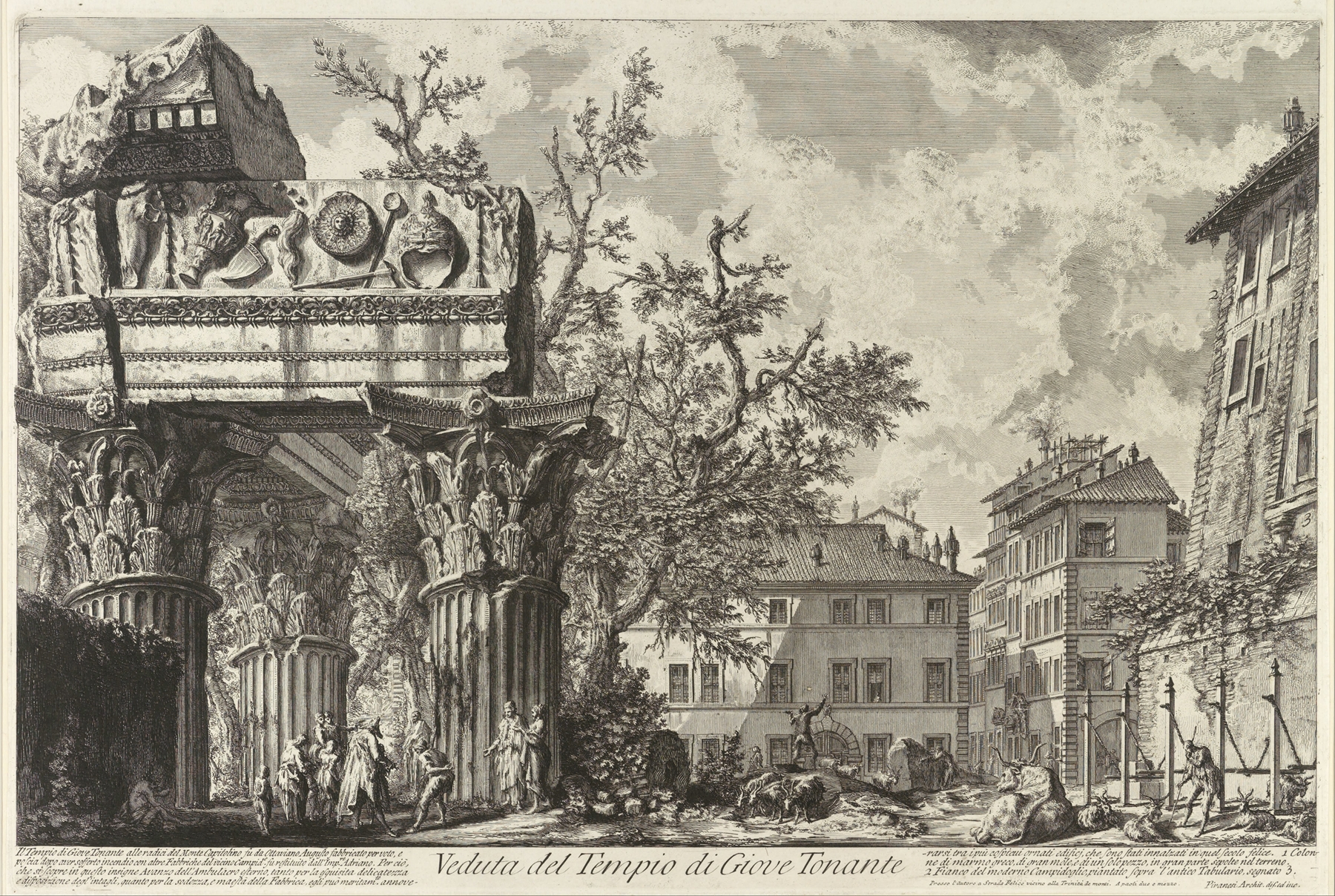
Each brushstroke serves not only as a record of what was, but as a promise of what might yet come, creating a tension that resonates within the viewer. In 1761, while in Rome, Piranesi embarked on creating this piece amidst a burgeoning fascination with antiquity and ruin in European art. The Enlightenment period was unraveling new ideas about culture and history, and the artist was deeply engaged in portraying the grandeur and decay of classical architecture. This work emerged during a time when artists were beginning to wrestle with the concepts of permanence and transience, capturing both the splendor and the fragility of human endeavor.