The Temple of Diana — History & Analysis
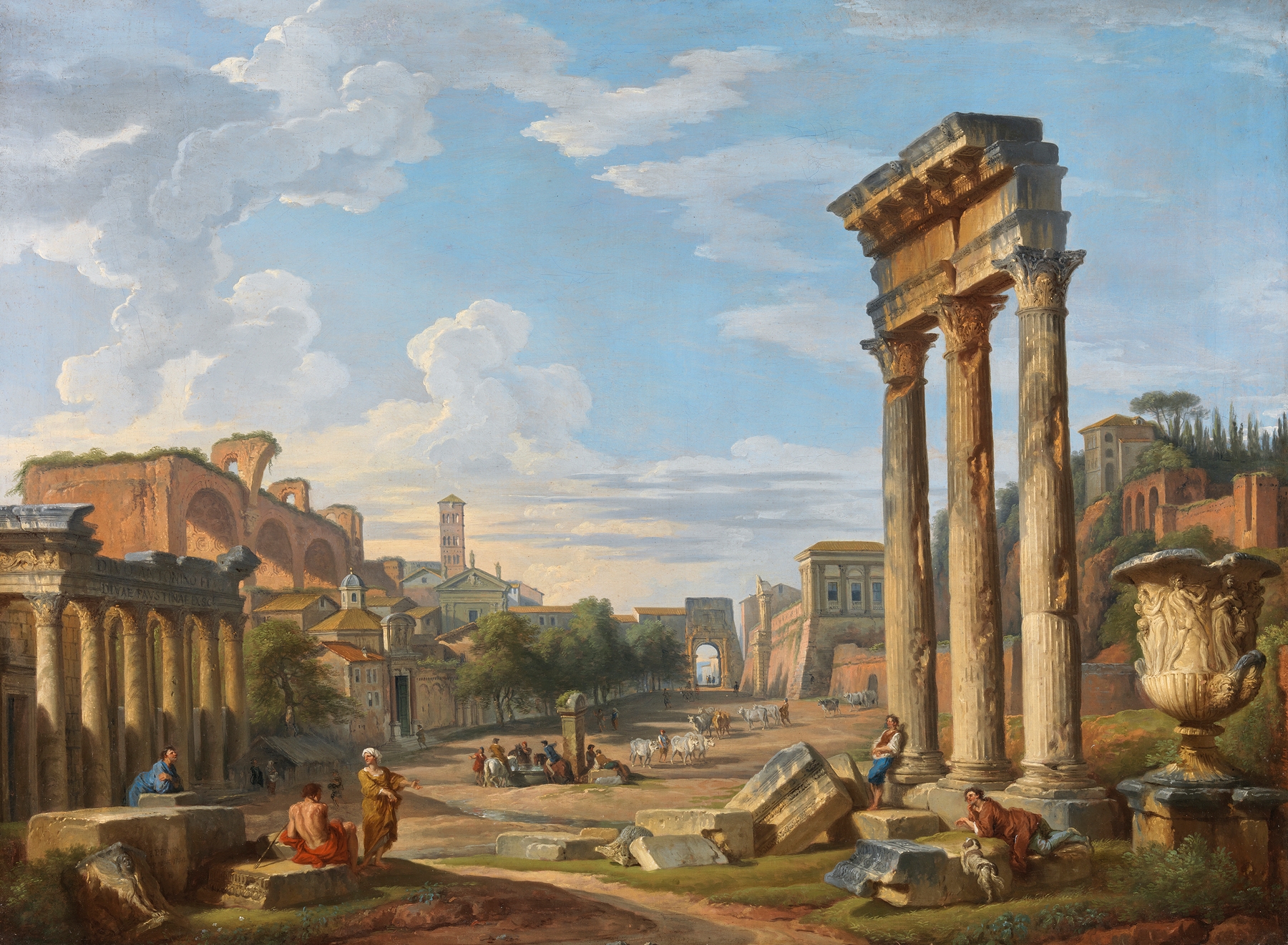
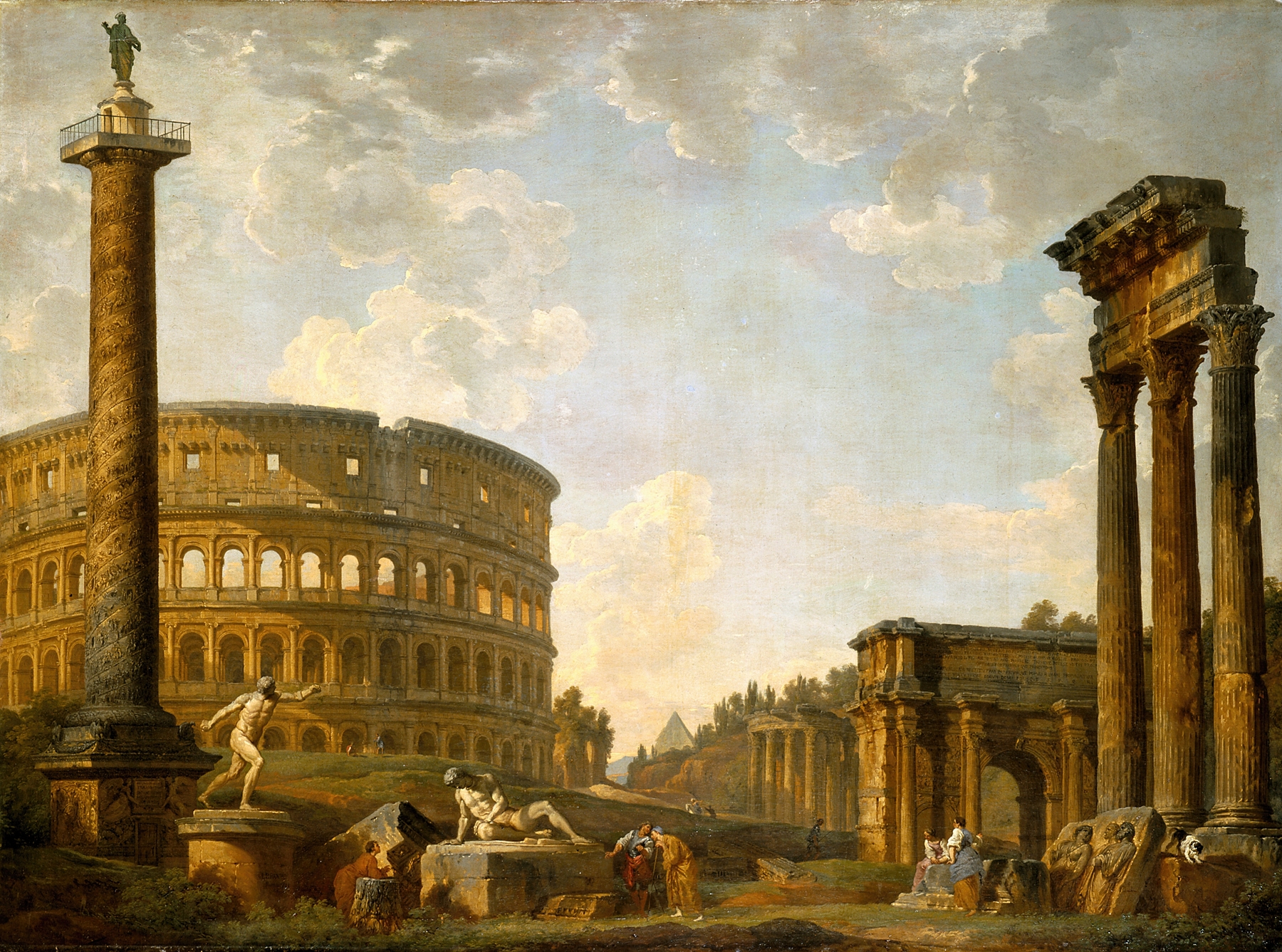
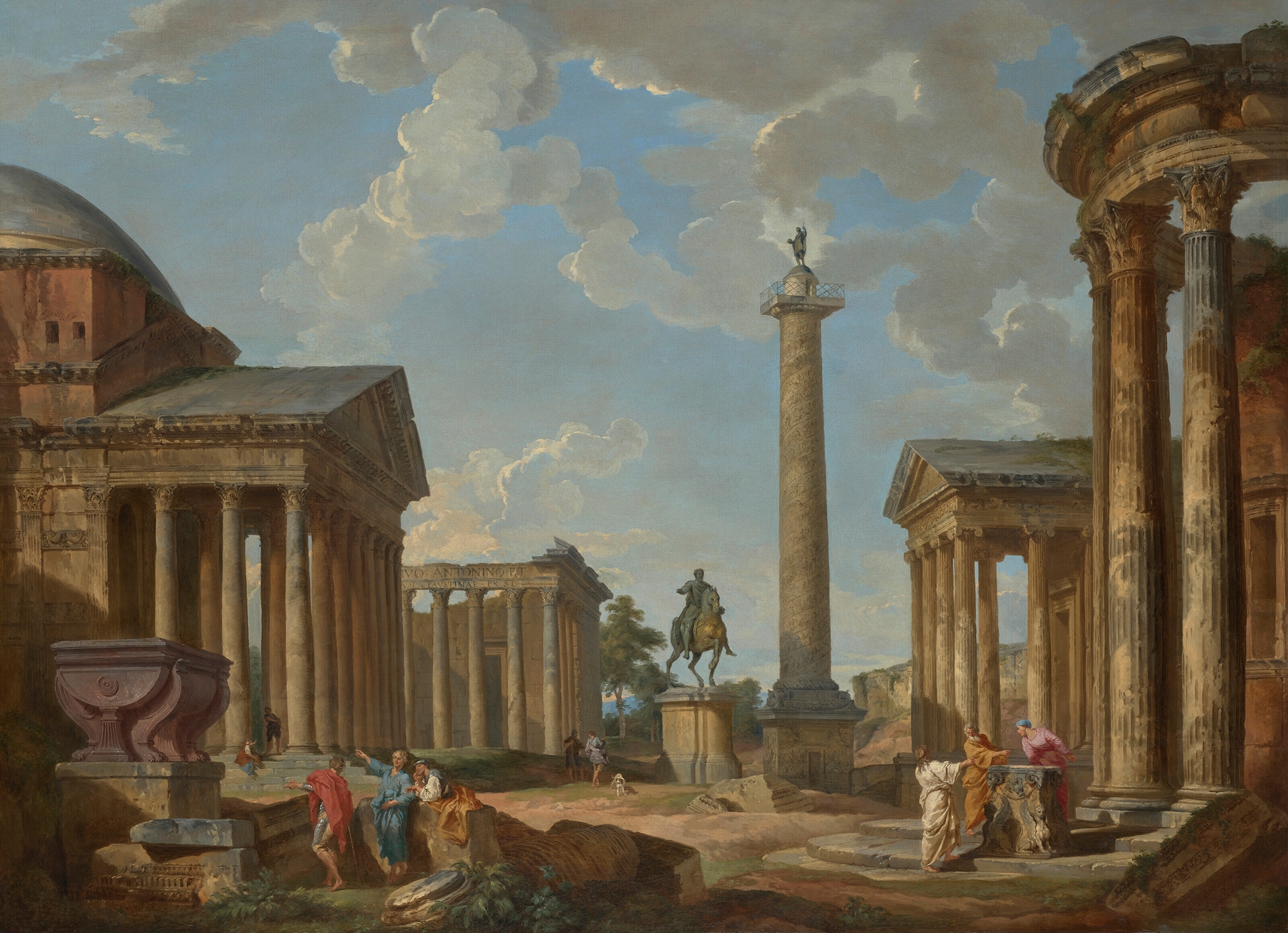
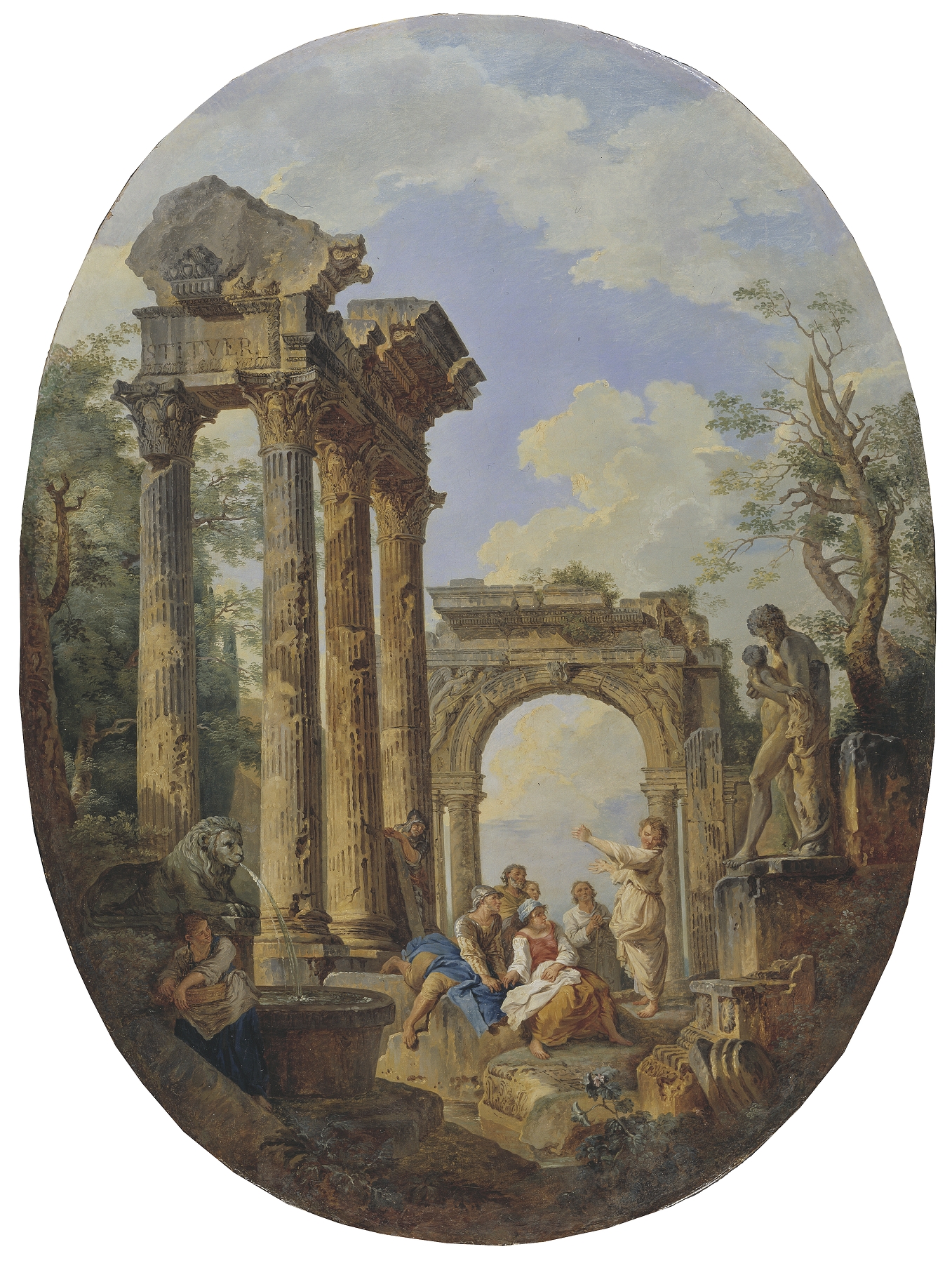
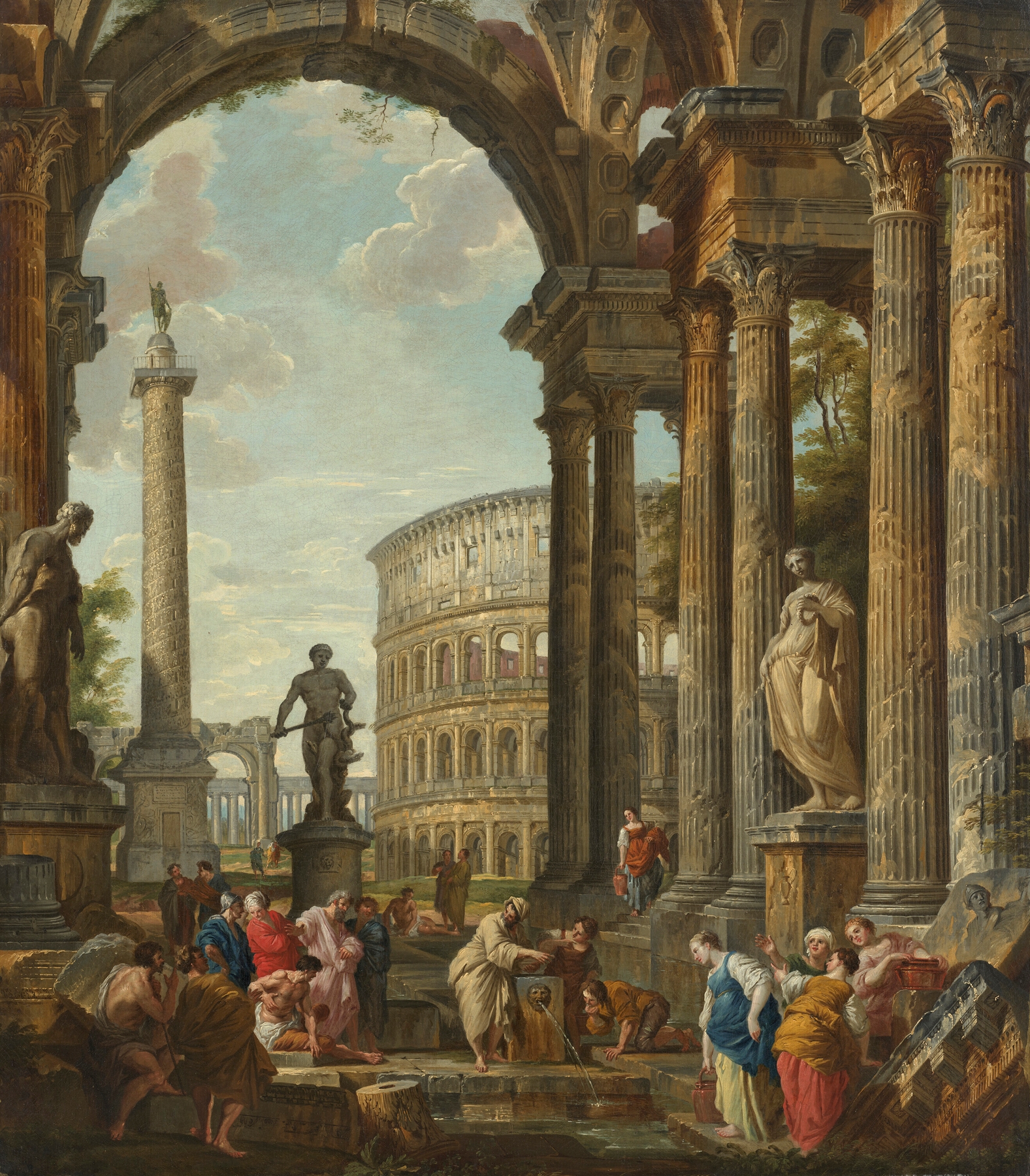
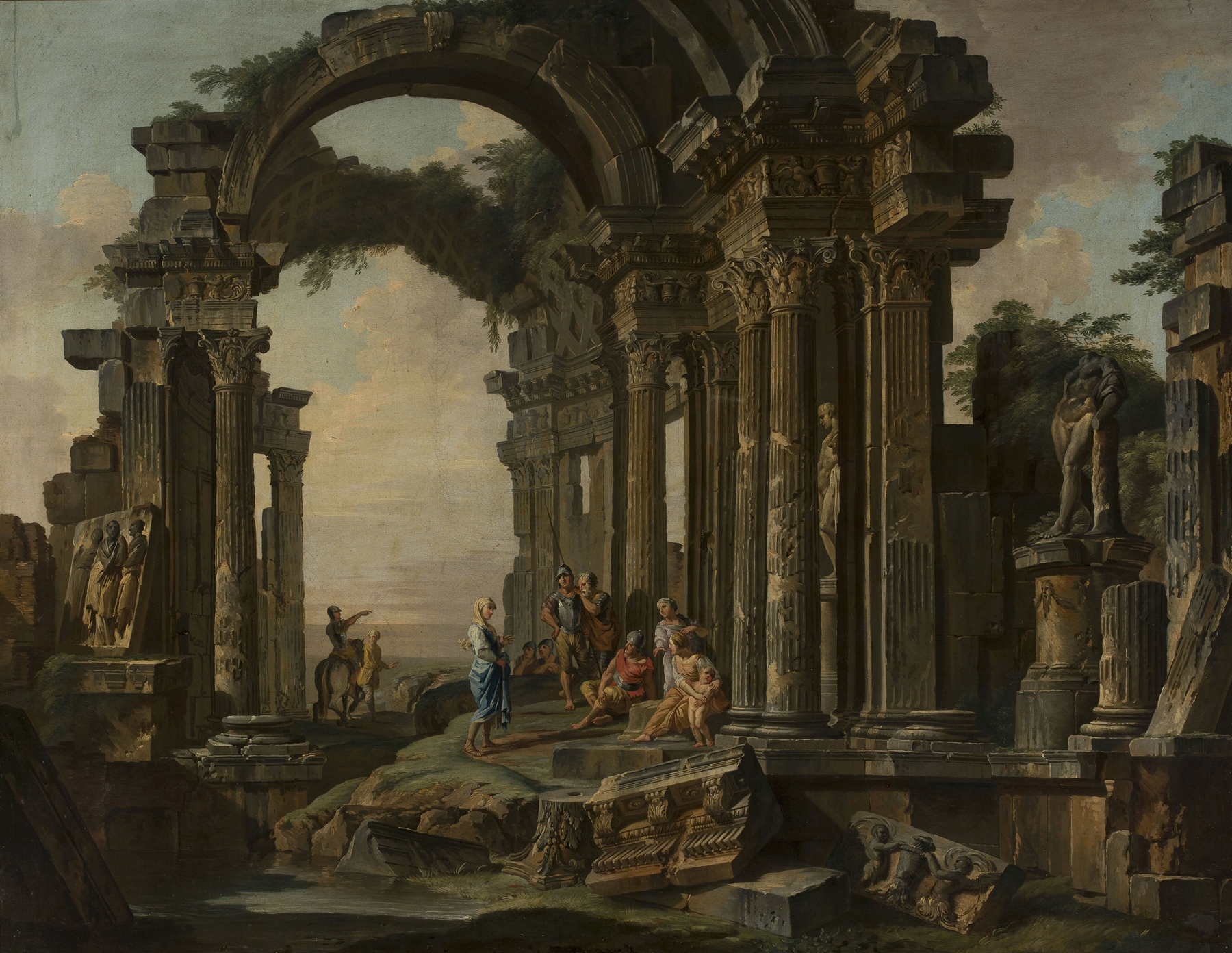
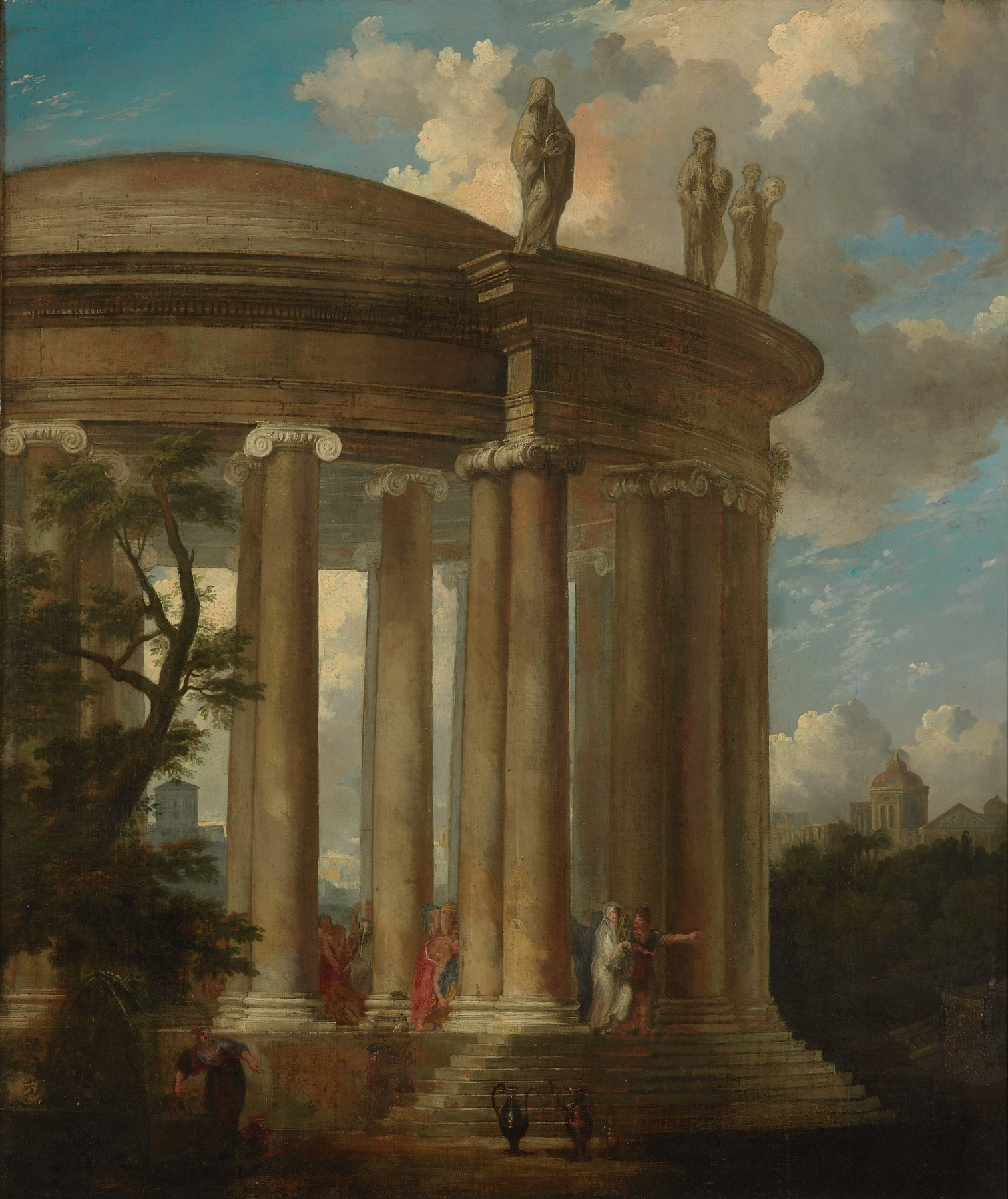
“Every brushstroke is a heartbeat remembered.” The essence of revelation lies in the interplay of light, shadow, and architectural grandeur, each element whispering stories of the past. Focus first on the imposing structure at the center, the Temple of Diana, with its Corinthian columns standing tall and proud against a vivid sky. Notice the careful arrangement of figures, their gestures a silent conversation of reverence and wonder. The warm tones of gold and ochre create a rich tapestry that draws the eye, while the cooler blues peak through the architectural frames, establishing a dynamic tension between the manmade and the divine.
As you explore the detailed carvings on the temple, consider what they symbolize — perhaps the fleeting nature of time and history, or the eternal pursuit of beauty and knowledge in the face of mortality. The figures below, seemingly miniature against the grand architecture, provide a contrast that highlights humanity’s place amidst the monumental. Together, they echo a shared revelation, an acknowledgment of the power held within sacred spaces and the stories they tell.
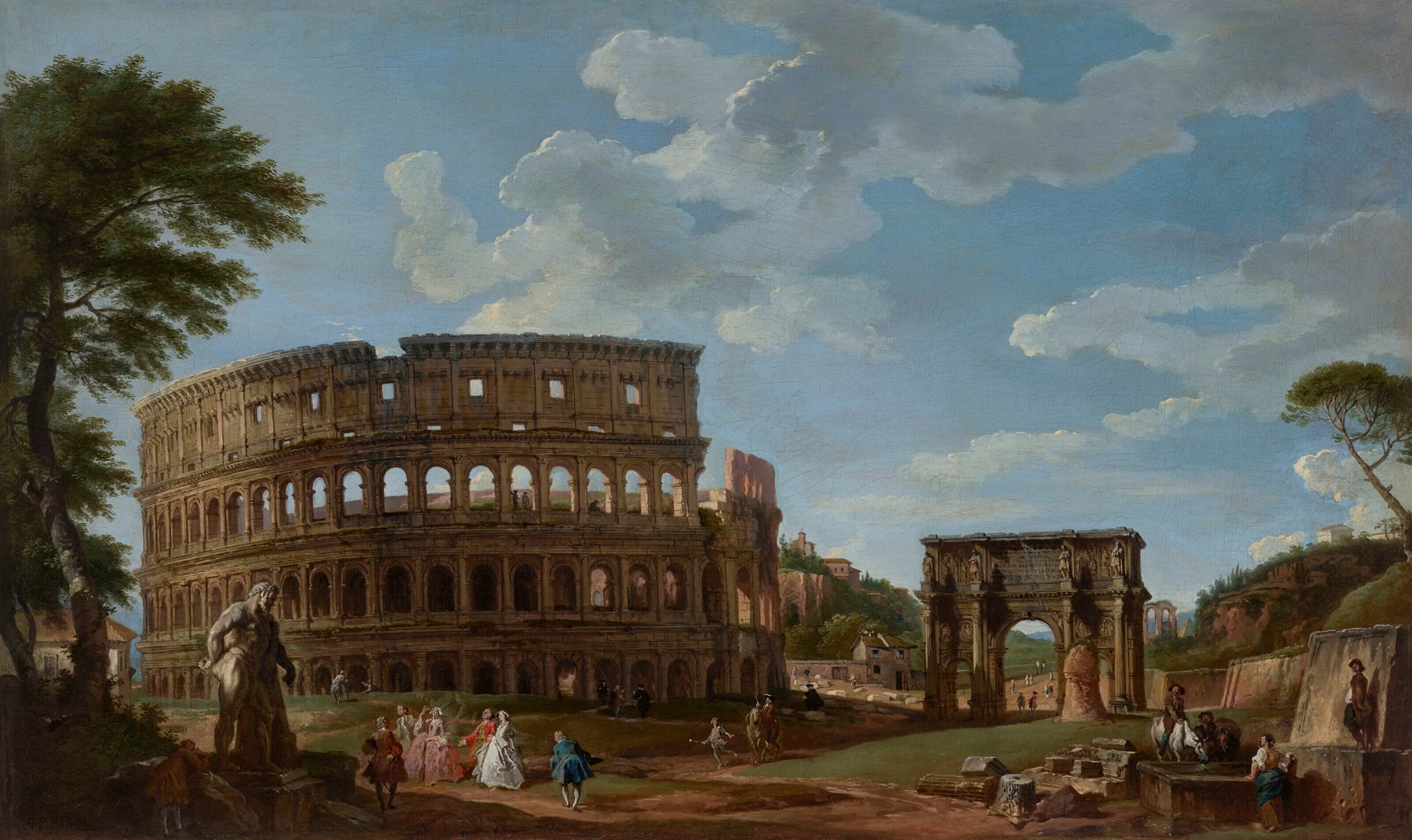
In 1740, amidst the flourishing of the Baroque style, the artist found himself deeply immersed in the cultural revival of classical antiquity while living in Rome. This period was marked by a growing fascination with ruins and historical landscapes, as artists sought to capture the grandeur of the past, reflecting both a personal and collective journey of discovery. Panini’s work is a testament to that era, steeped in the echoes of history while inviting viewers to contemplate their own revelations through art.