The Thousand Acres of Clouds — History & Analysis
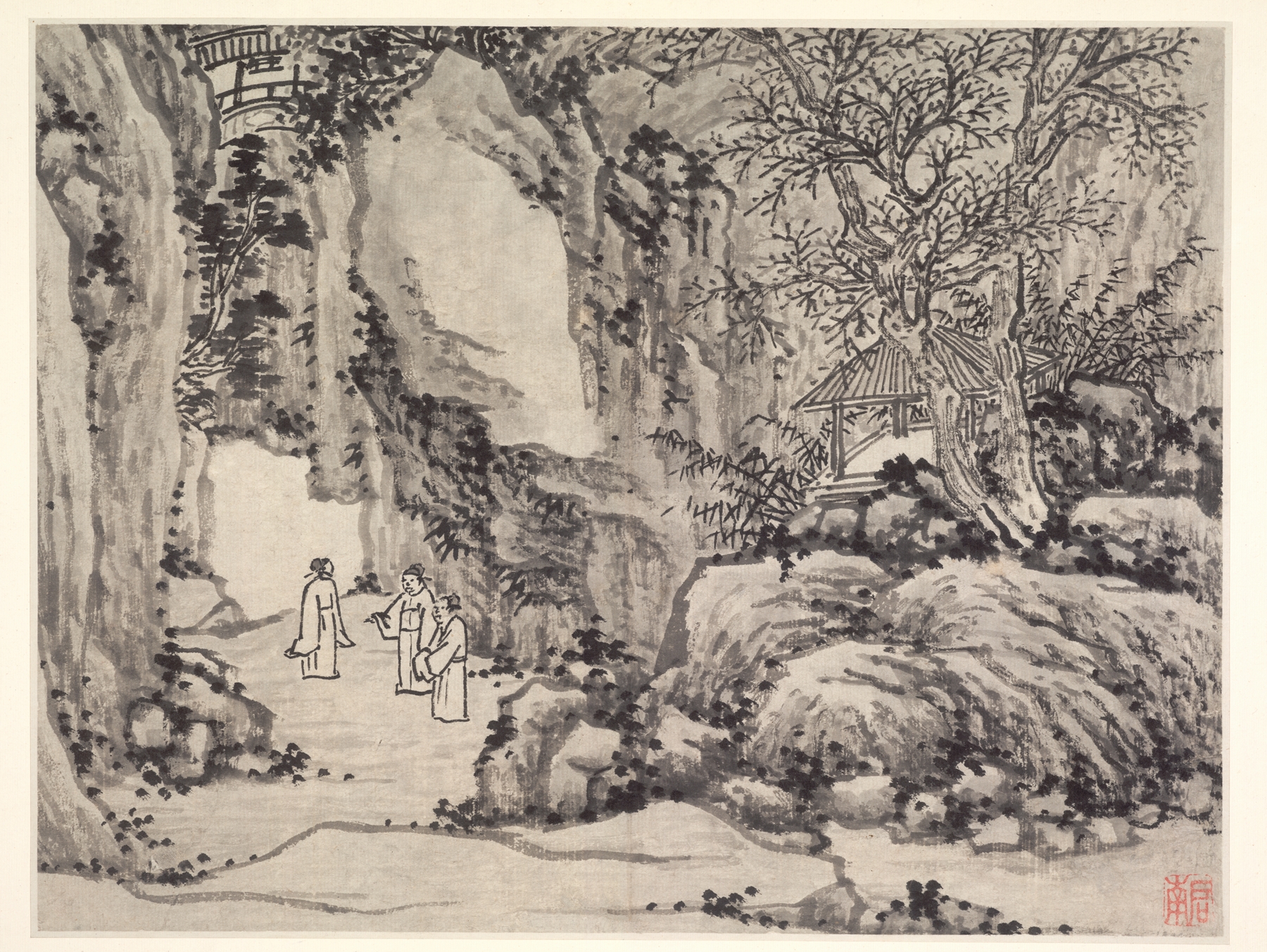
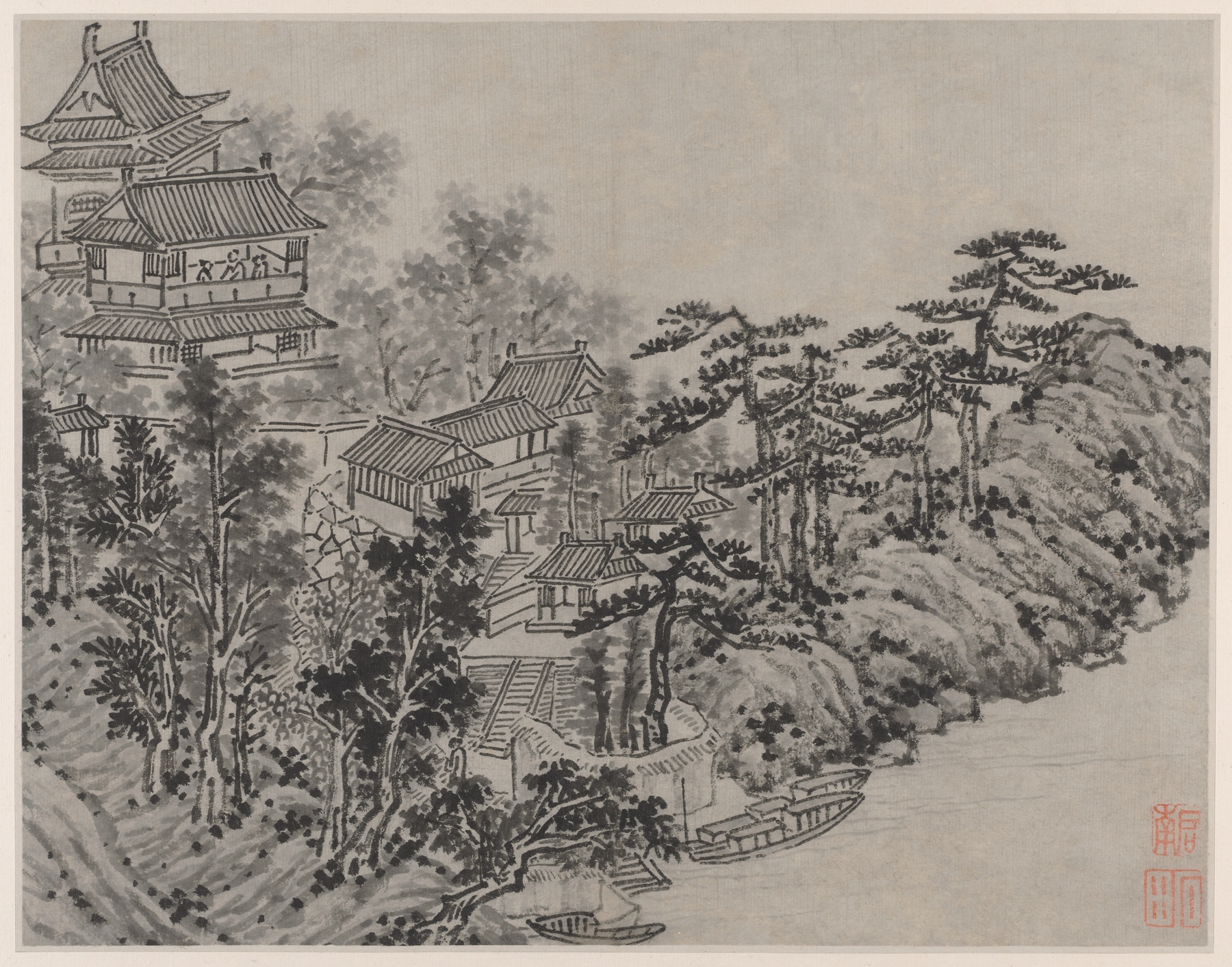
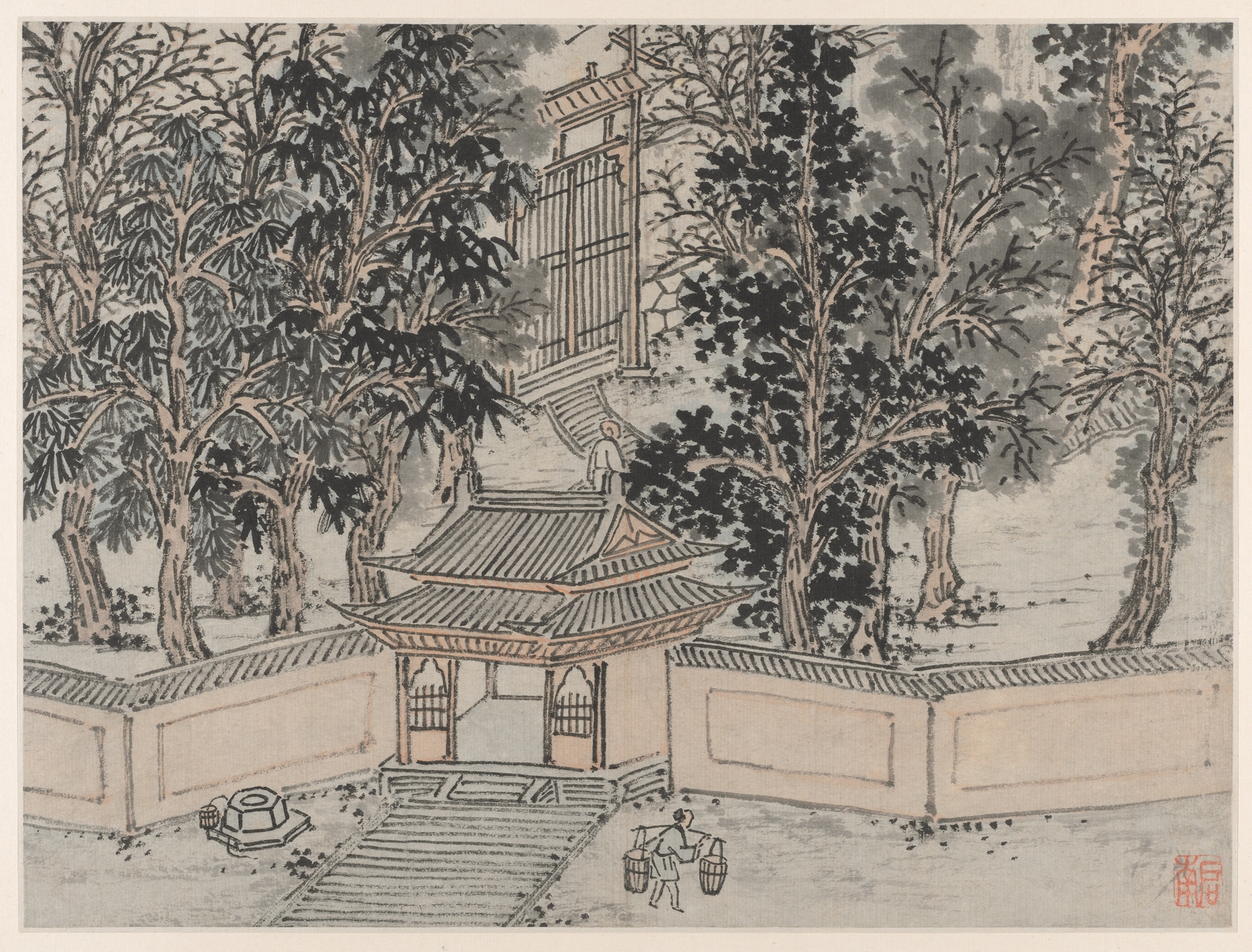
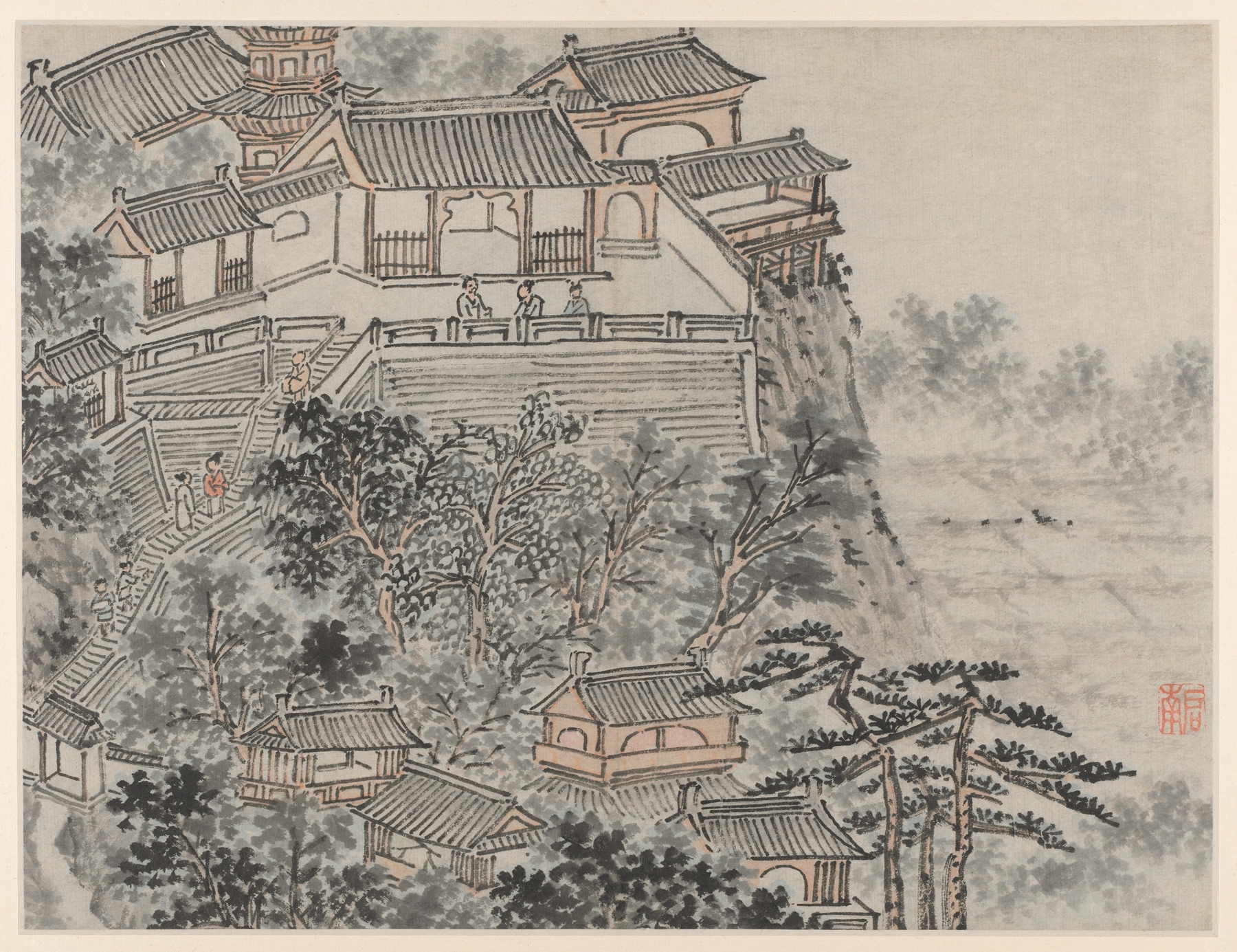
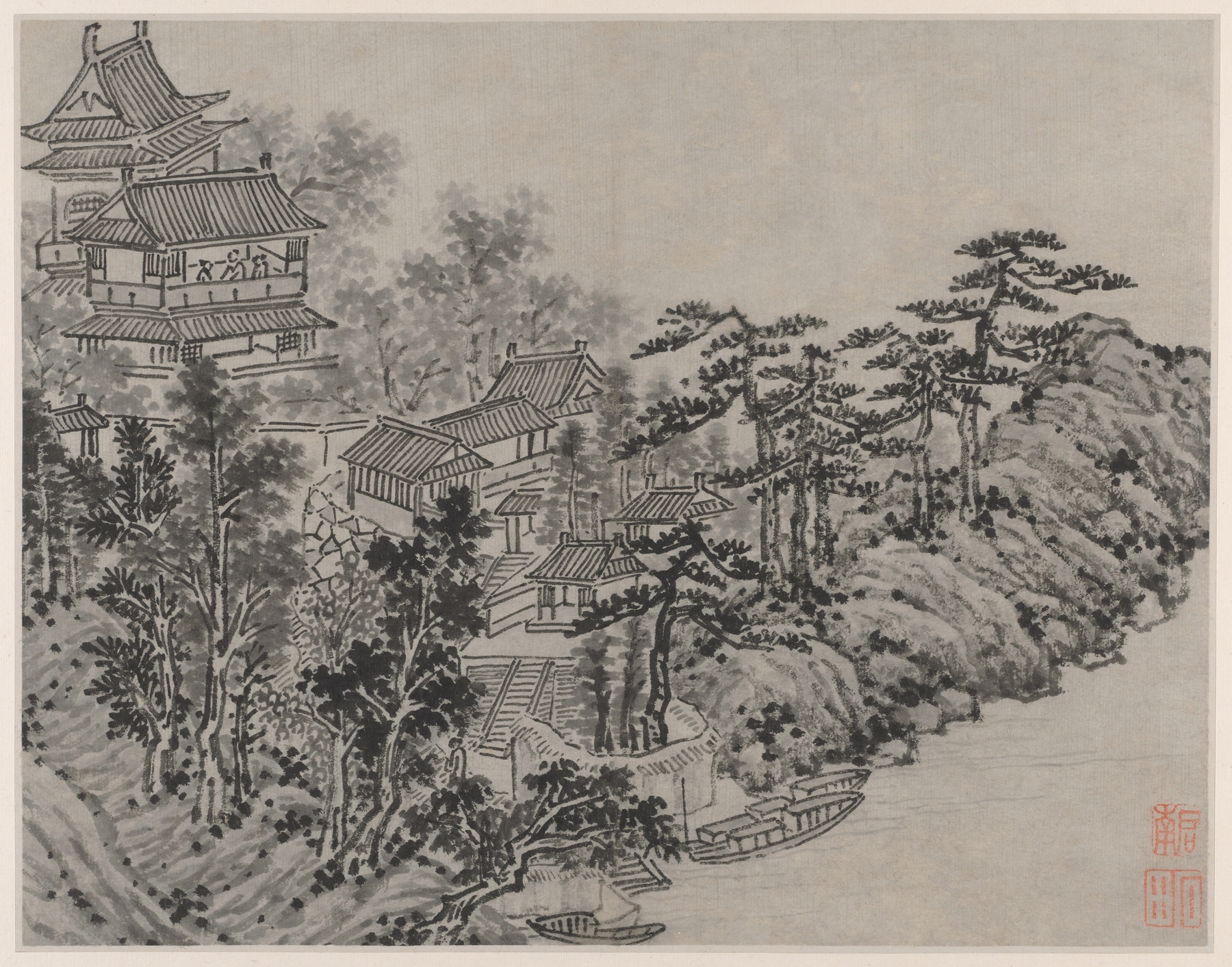
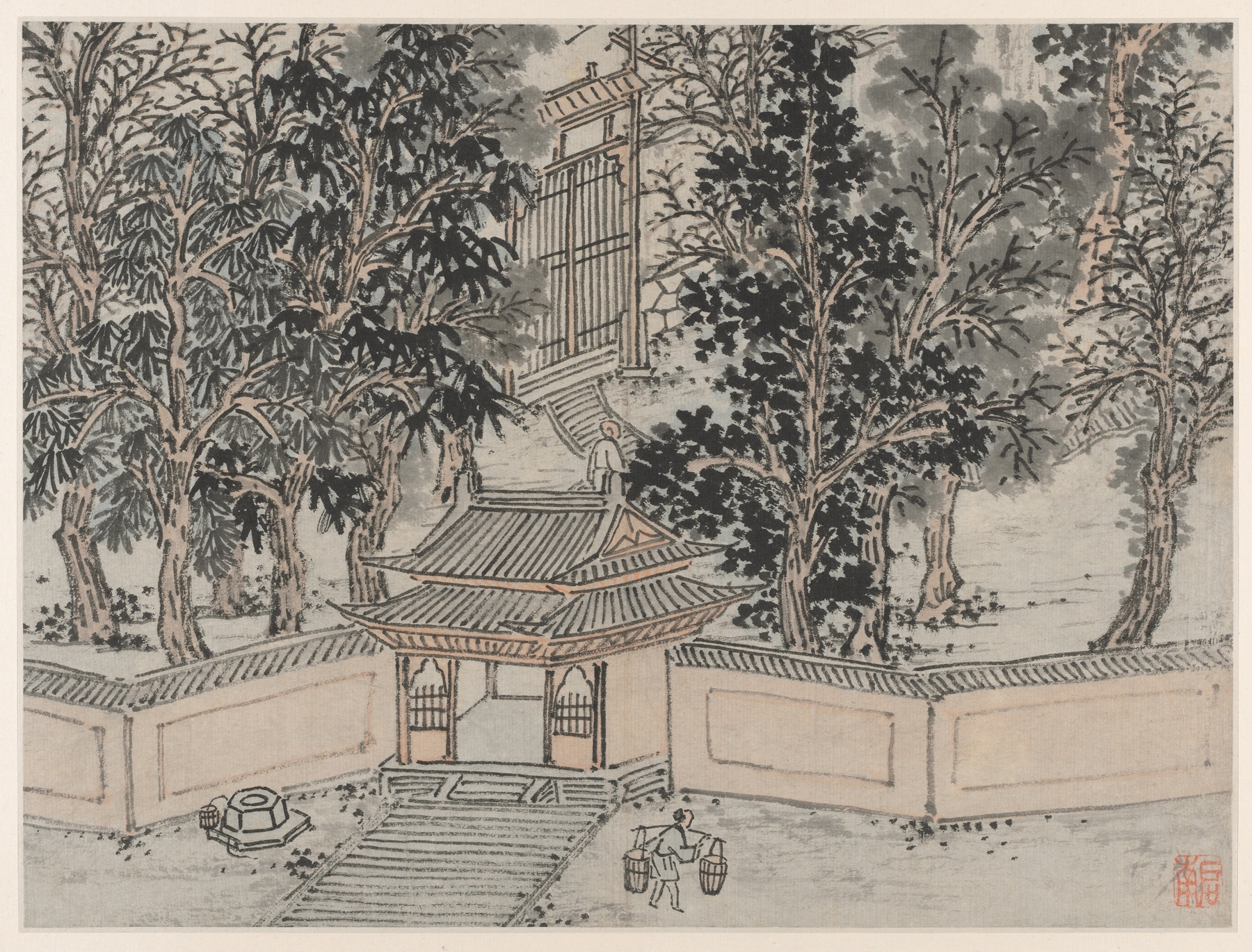
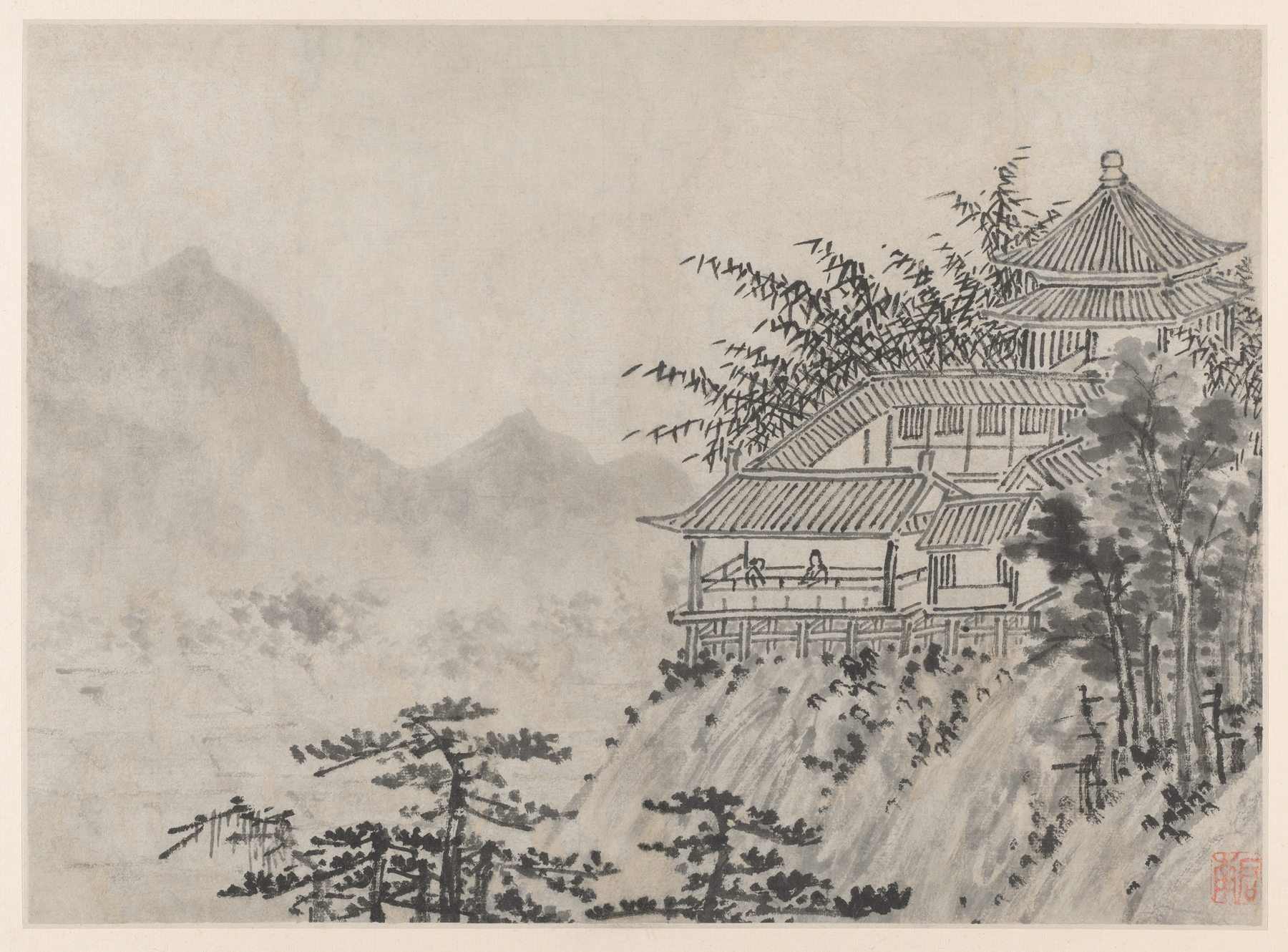
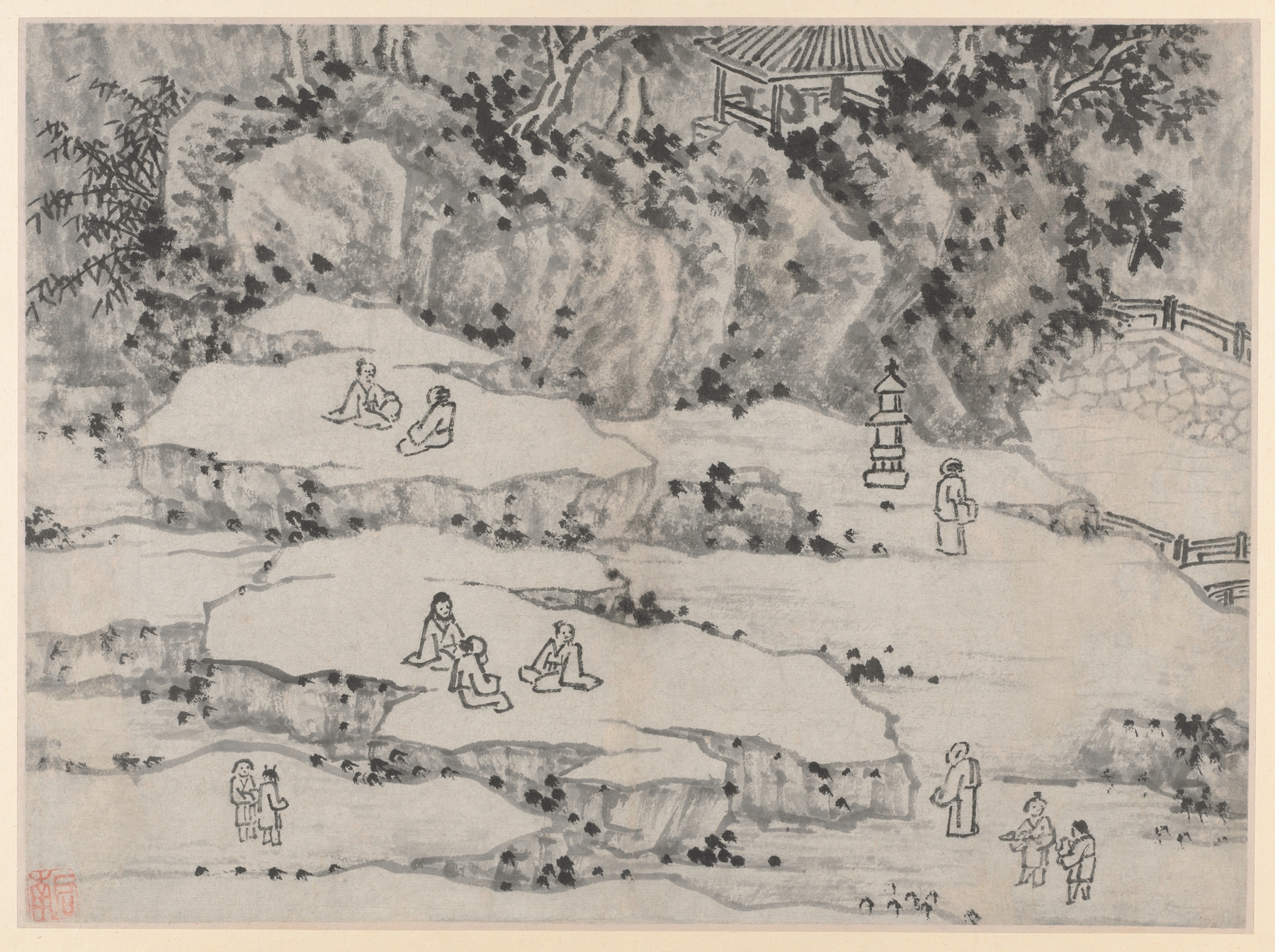
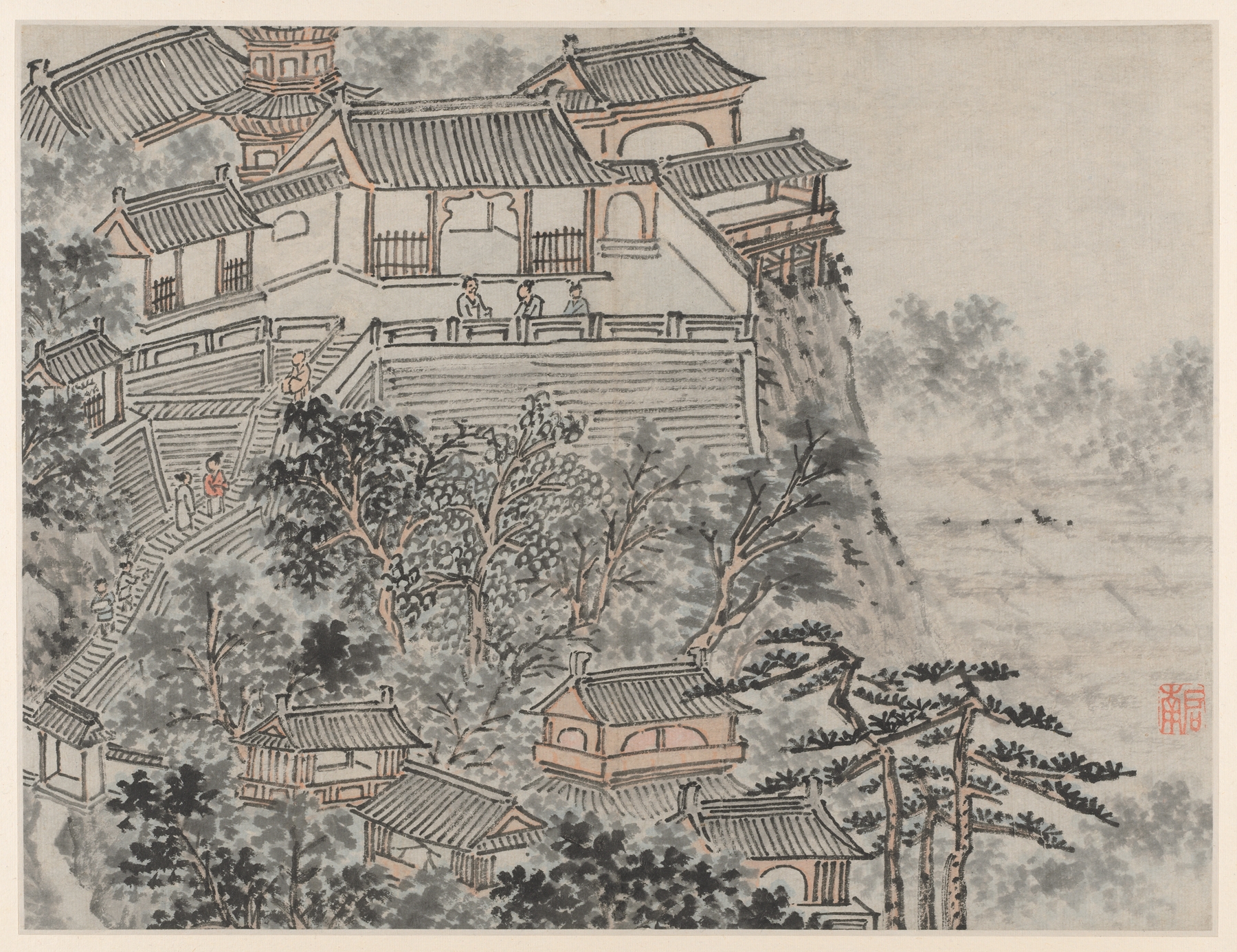
When did color learn to lie? In the delicate interplay of ink and wash, one may find a transcendent truth hidden among the clouds. Look to the top left at the swirling cerulean hues that bleed into soft whites, creating a sense of infinite sky. Dotted across the canvas, subtle strokes evoke the weightlessness of clouds, drifting lazily above the tranquil landscape below.
The meticulous layering of ink creates depth, inviting the viewer to journey from the airy heights down to the vast expanse of muted greens and browns that ground the composition. Notice how the light dances across the clouds, enhancing their ethereal quality, while the earth below appears almost static in comparison. The contrasts are striking: the ephemeral versus the eternal, the lightness of being against the heaviness of existence. The flowing clouds symbolize transcendence, perhaps a reminder of the ephemeral nature of life and thought, while the grounded terrain hints at the stability and continuity of the earthly realm.
This juxtaposition invites reflection on the tension between aspiration and reality, urging the viewer to contemplate their own place within this spectrum. Shen Zhou painted this work in the aftermath of the Ming Dynasty's establishment, a time marked by a resurgence in the appreciation of landscape painting. Living in Suzhou, he was part of an artistic community that sought to harmonize nature and philosophy, blending traditional techniques with personal expression. This artwork embodies both the influence of his predecessors and his unique vision, capturing a moment that transcends time and space.