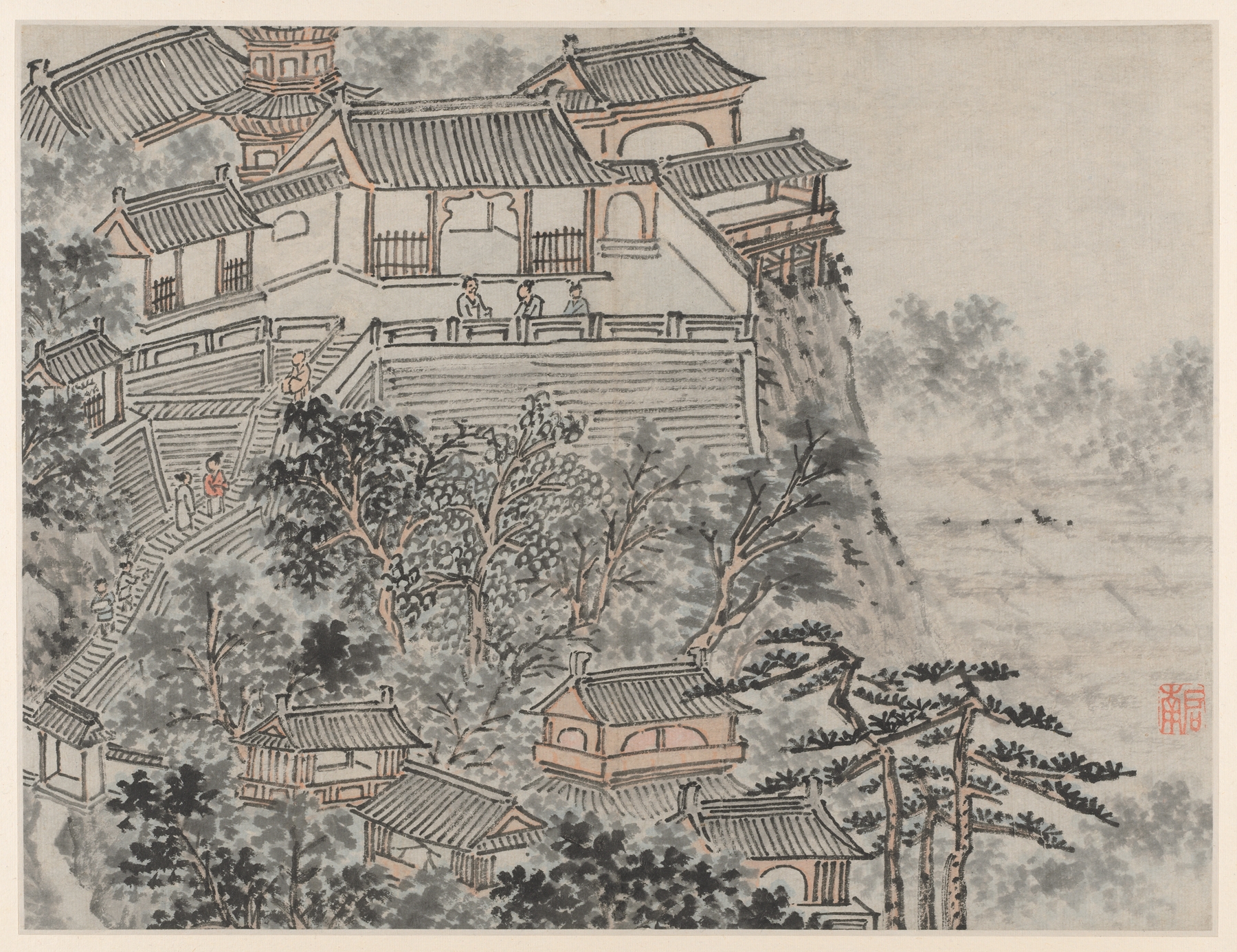
Tiger-Flight Spring at the Back Gate, from Twelve Views of Tiger Hill, Suzhou — History & Analysis
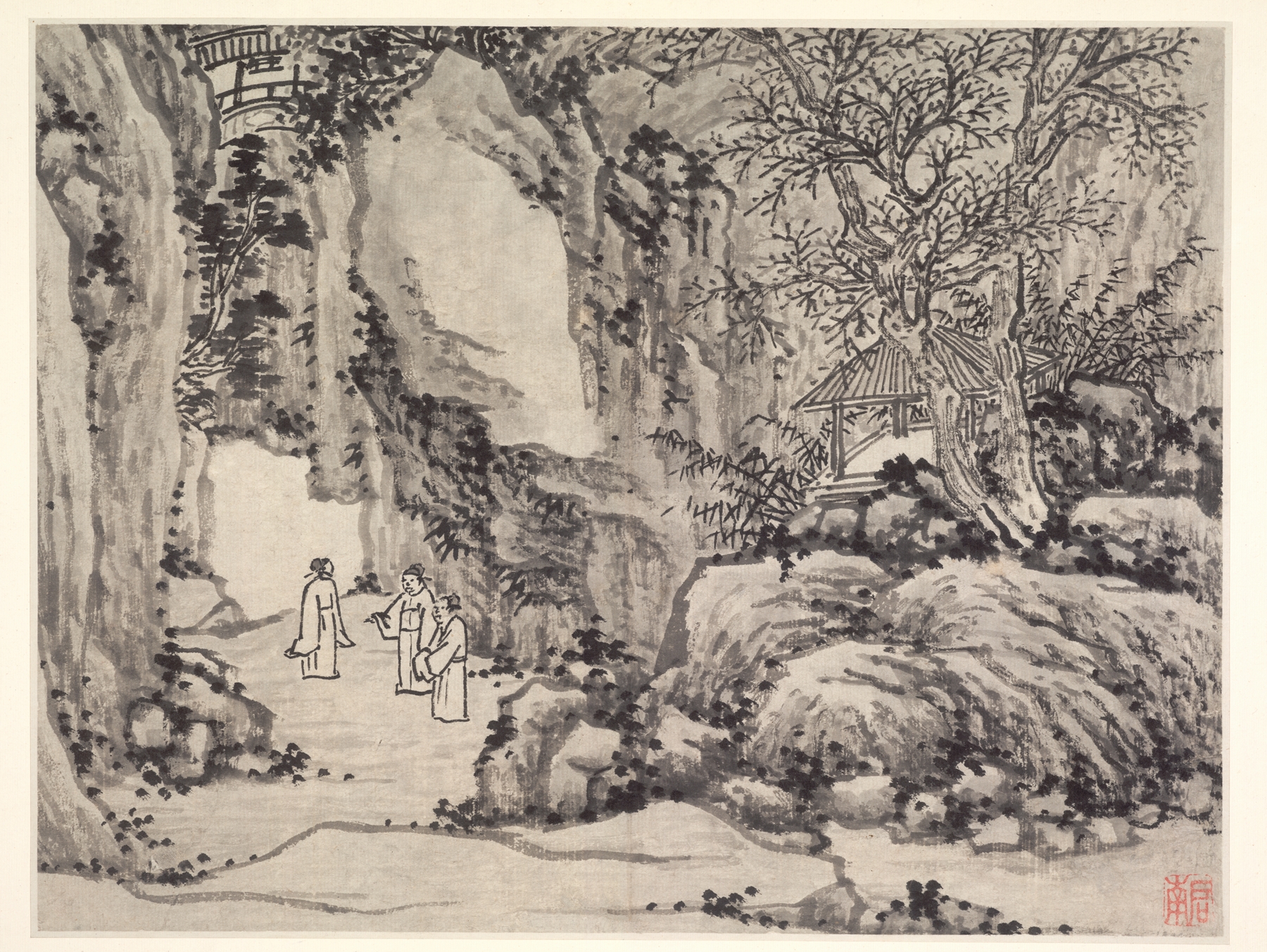
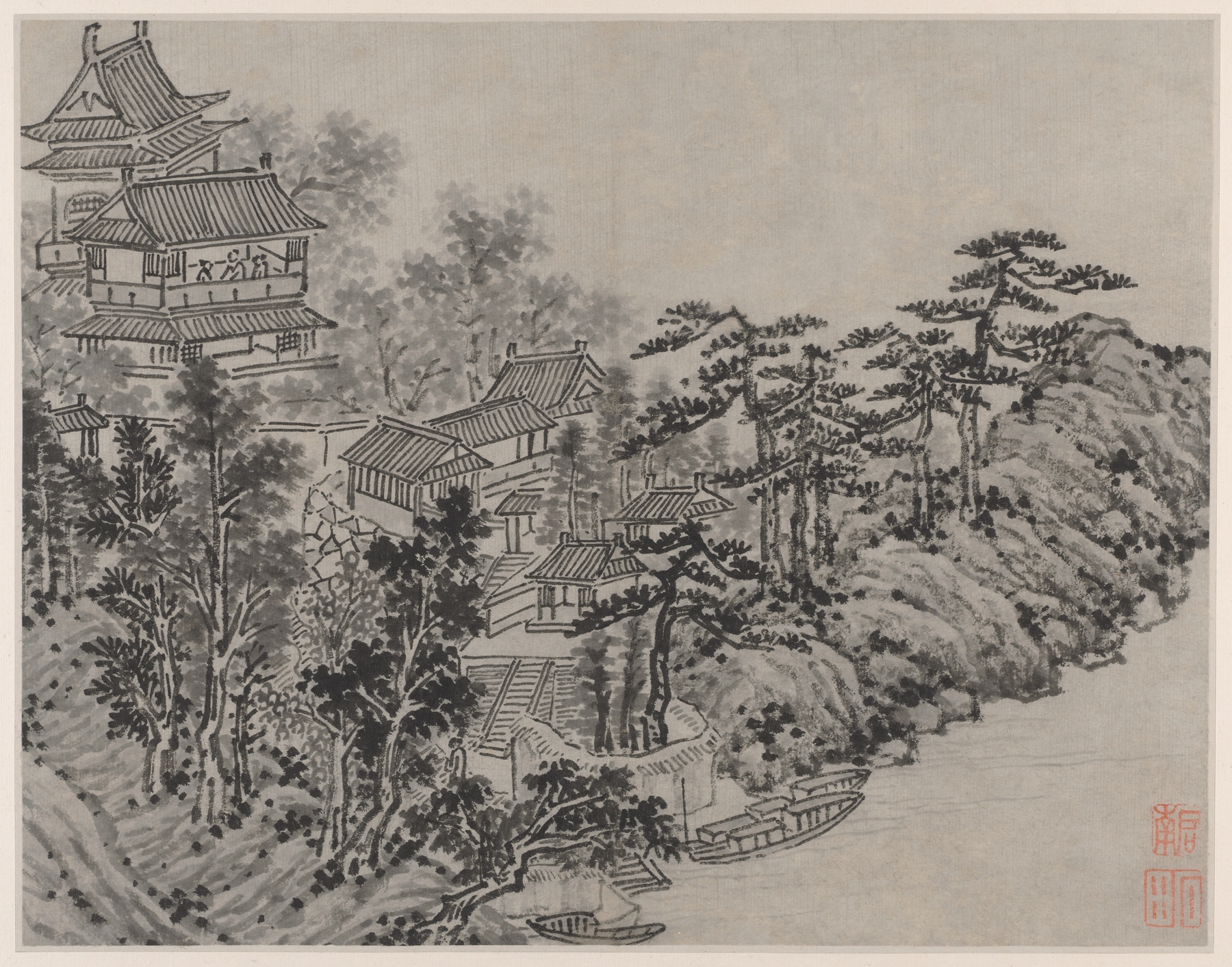
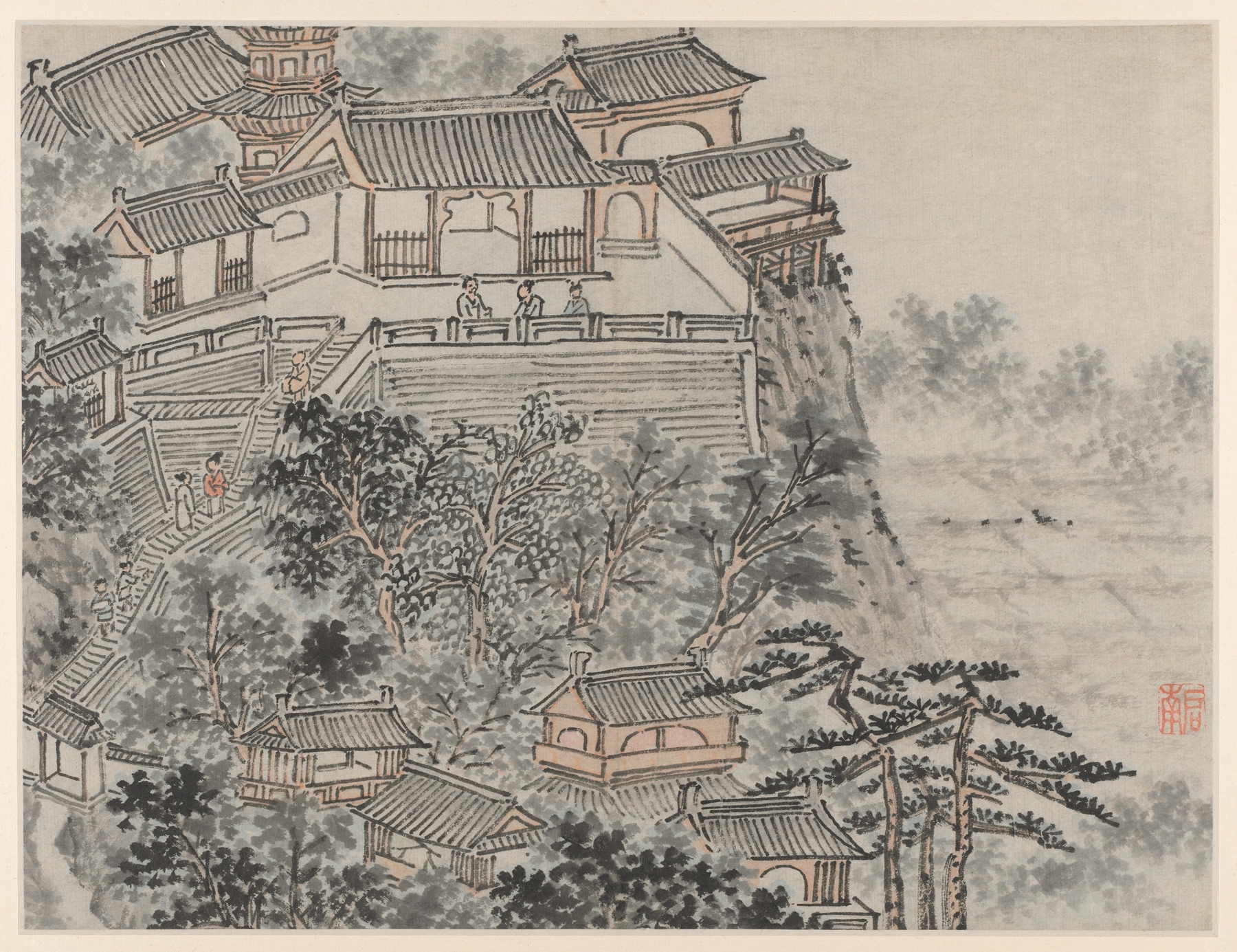
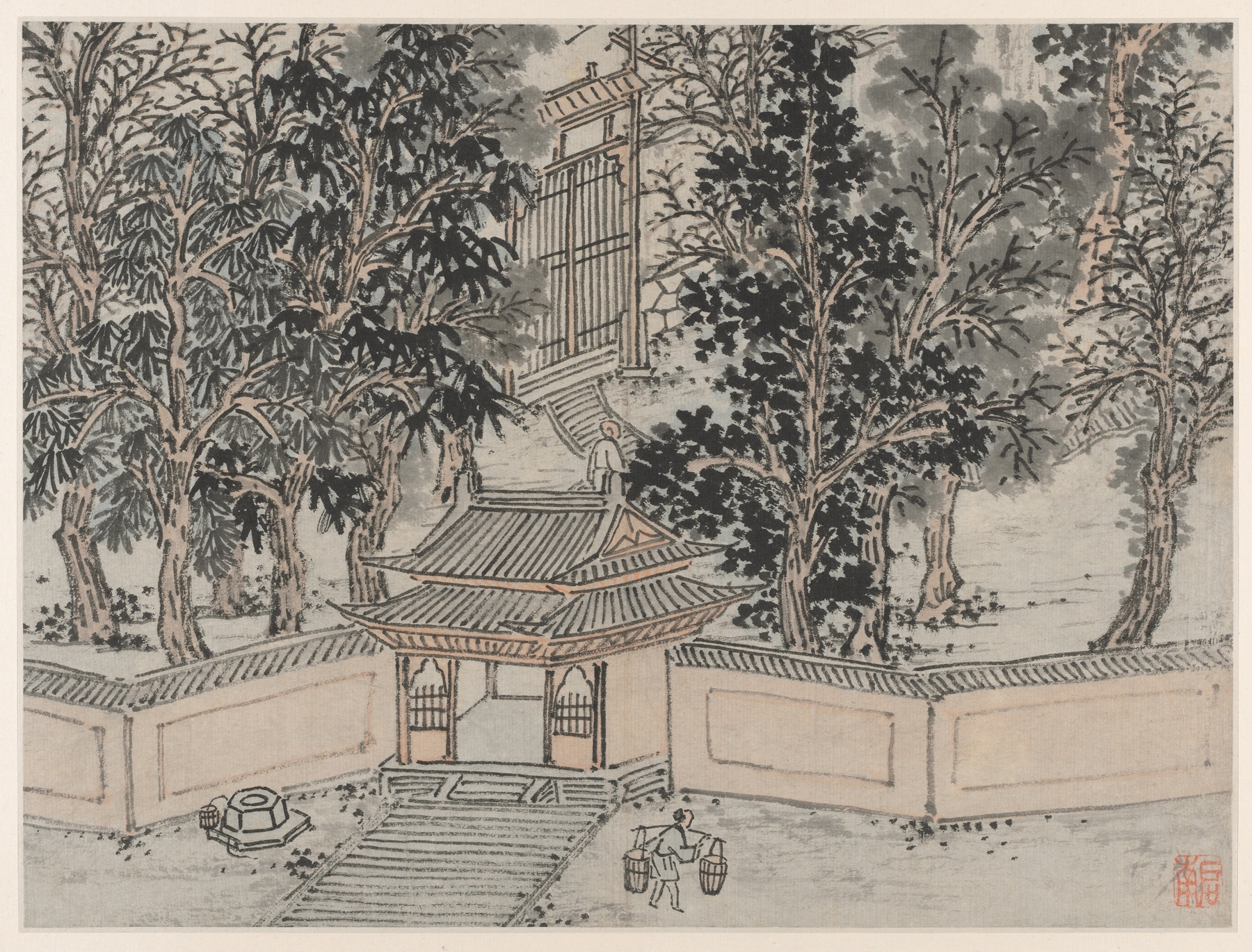
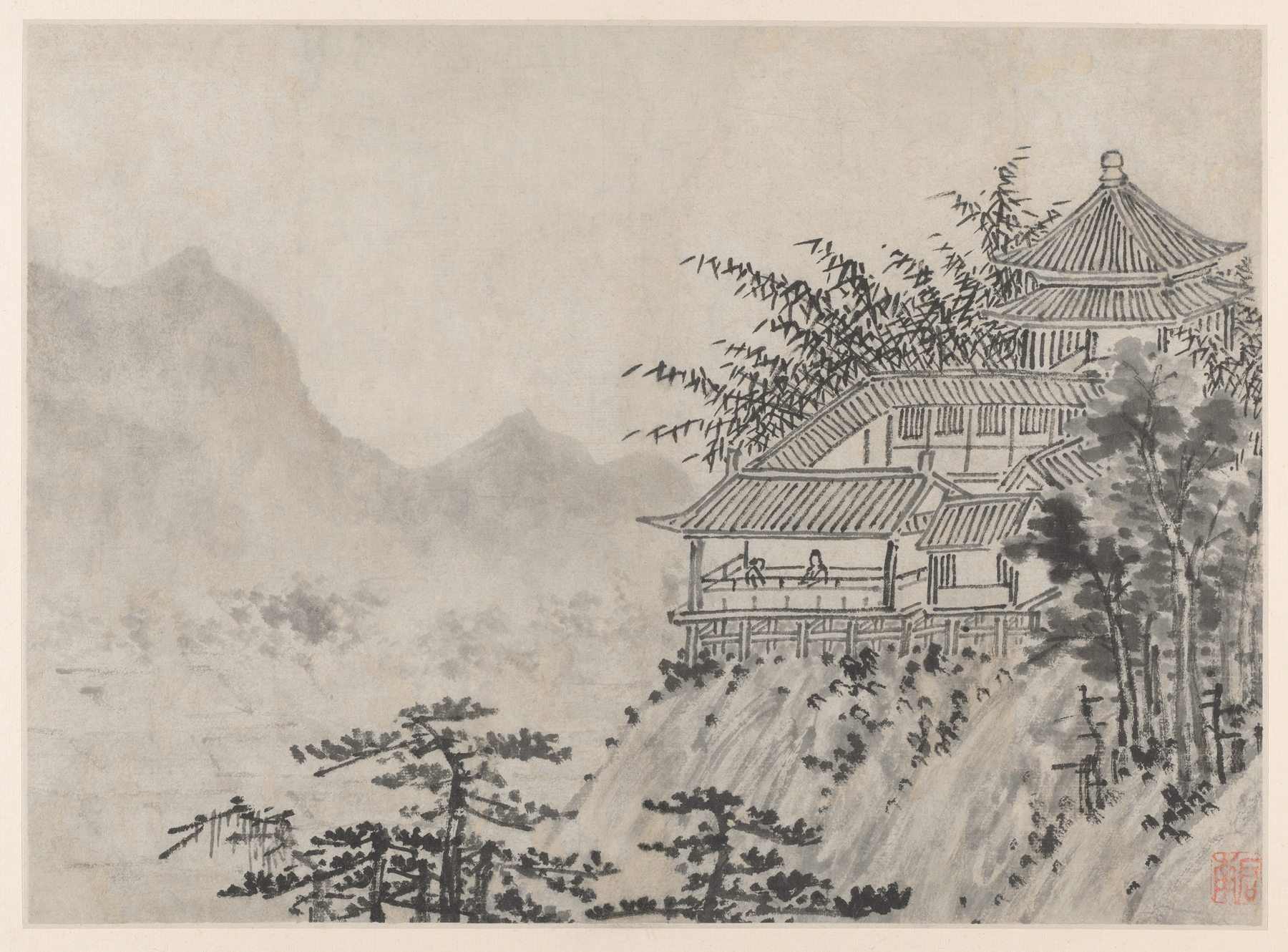
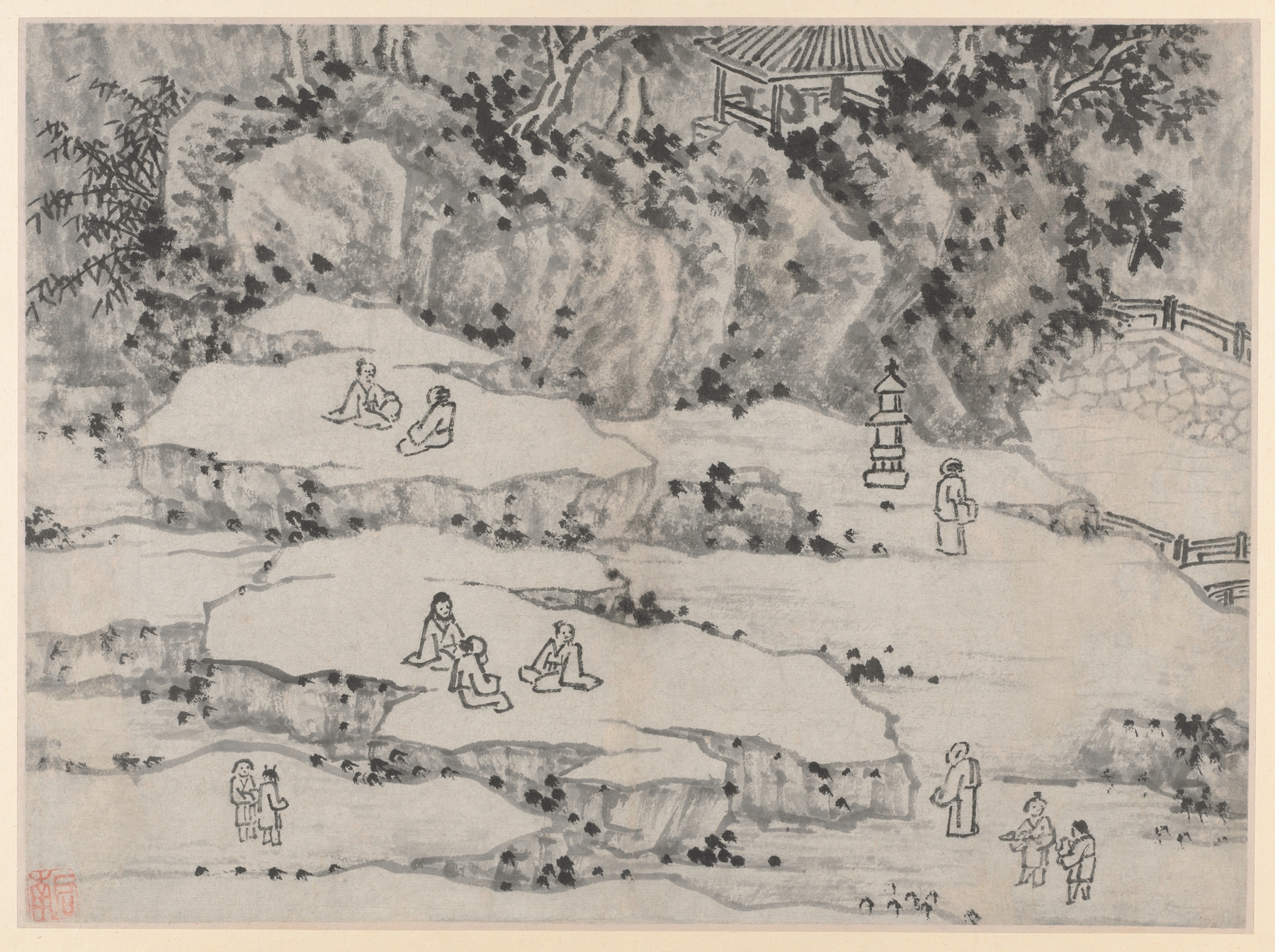
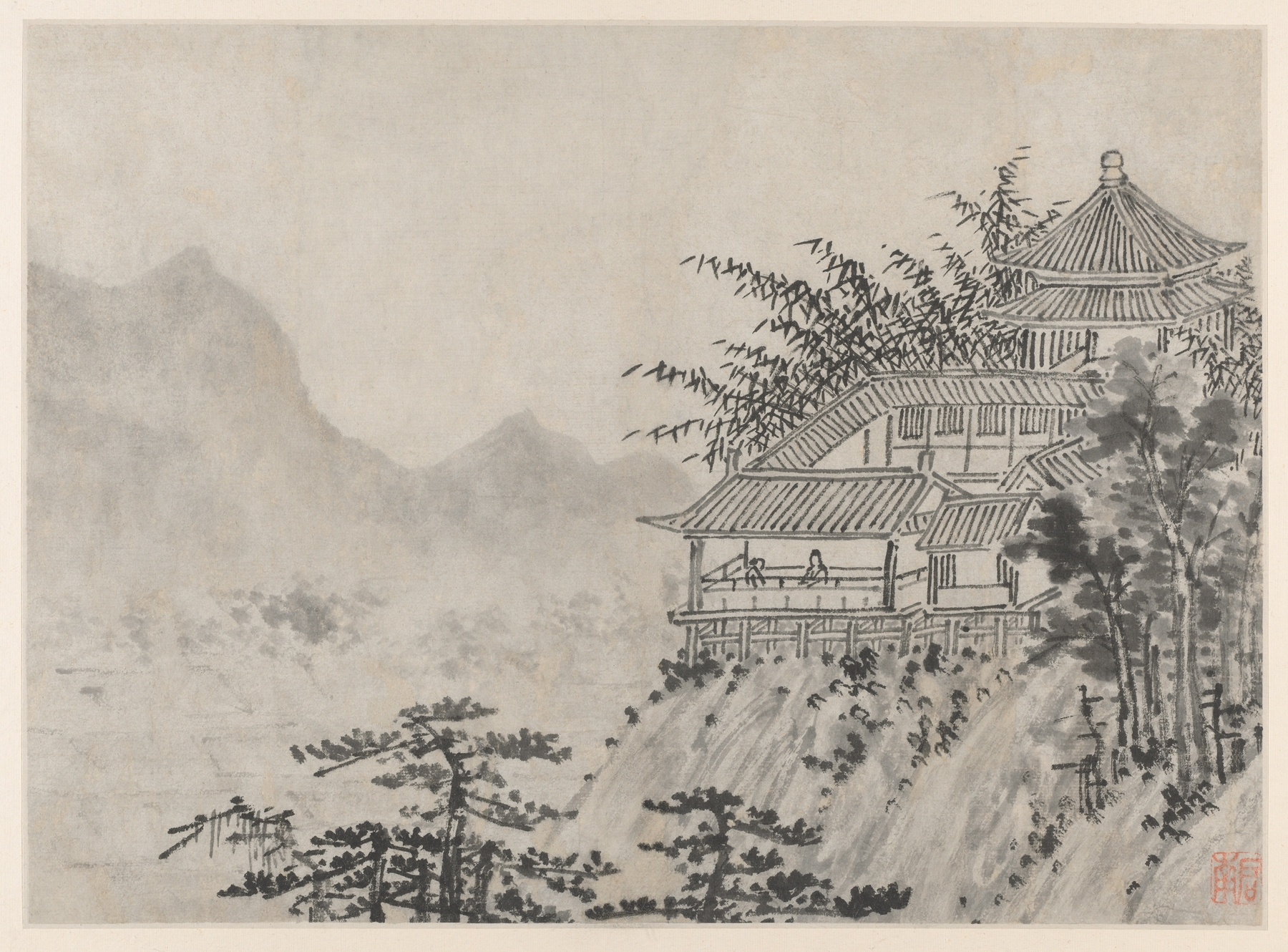
Did the painter know this moment would outlive them? In a world fraught with fleeting instability, Tiger-Flight Spring at the Back Gate captures an eternal instant, where nature’s ferocity dances with serenity. Focus on the tranquil waters in the foreground, which mirror a world brimming with life. The vibrant greens of the foliage command your gaze, while the delicate strokes of the distant mountains evoke a sense of depth and distance. The graceful tiger, poised for flight, draws the eye, embodying both the fierce power and gentle beauty of nature.
The color palette—lush greens, soft blues, and the striking presence of the orange and black stripes—creates a harmonious balance that invites admiration. Yet beneath the surface lies a tension that transcends beauty. The juxtaposition of the wild tiger against the serene landscape speaks to the duality of existence, where violence lurks close to tranquility. The almost dreamlike quality of the scene belies the potential for chaos, a reminder that violence and peace coexist in nature.
The tiger, caught in a moment of both grace and threat, encapsulates the balance of strength and fragility inherent in life. Shen Zhou created this work in the late 15th century, a time when the Ming dynasty was flourishing amidst cultural and artistic advancements. As a leading figure of the Wu School, he sought to blend poetry, painting, and philosophy. This painting reflects his deep connection to the natural world and the philosophical inquiries of his era, allowing us to glimpse the complexities of life through his brush.