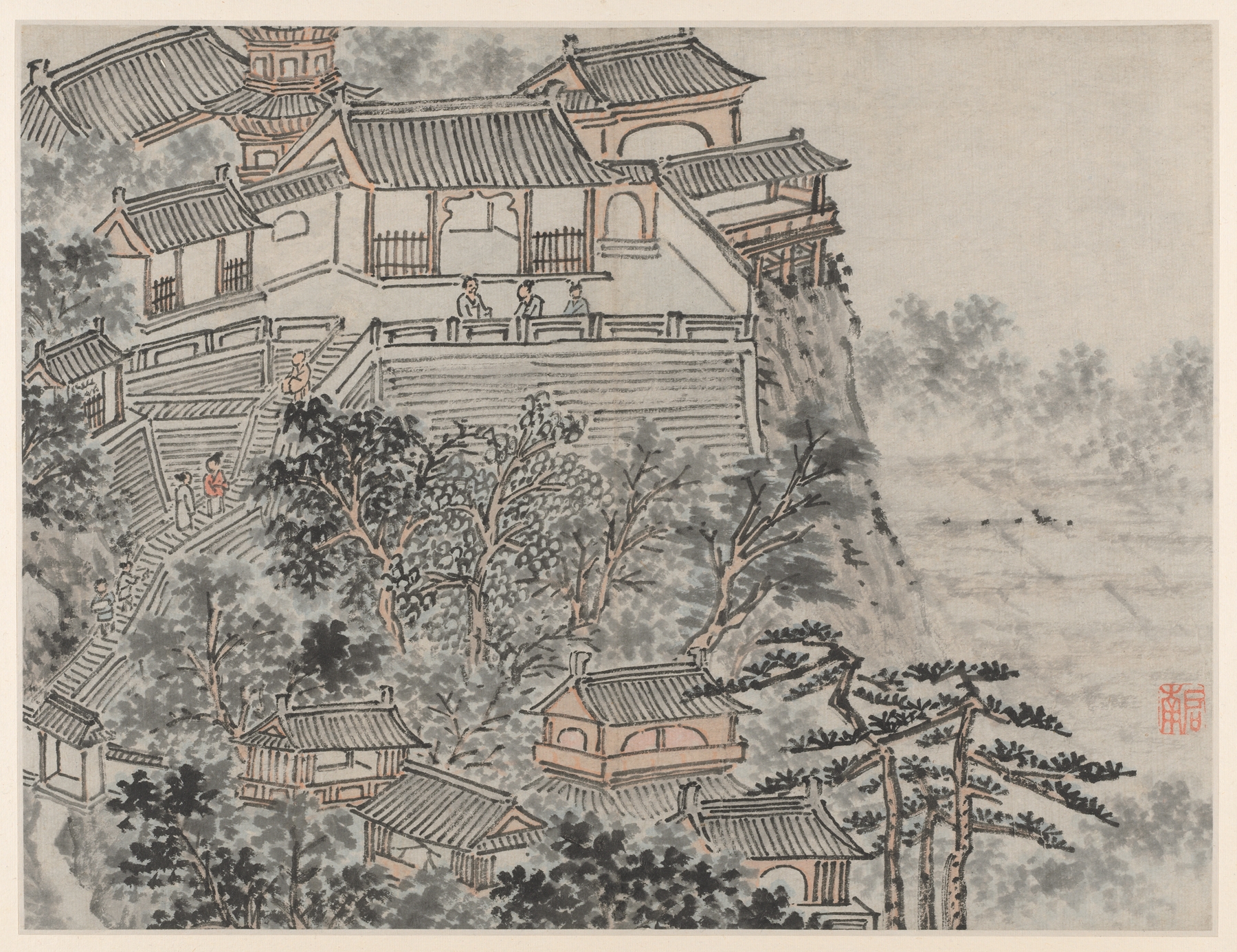
The Thousand Acres of Clouds, from Twelve Views of Tiger Hill, Suzhou — History & Analysis
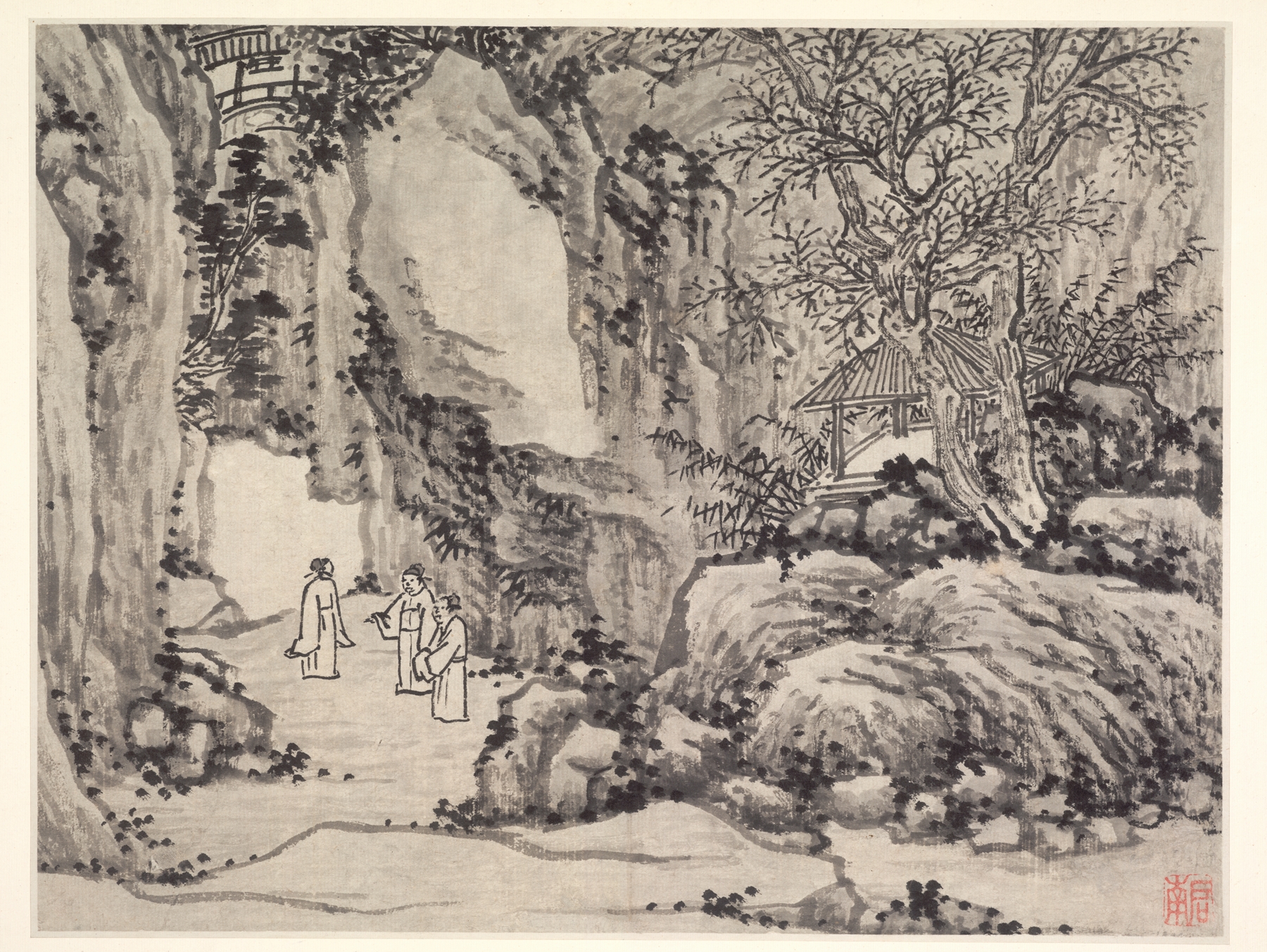
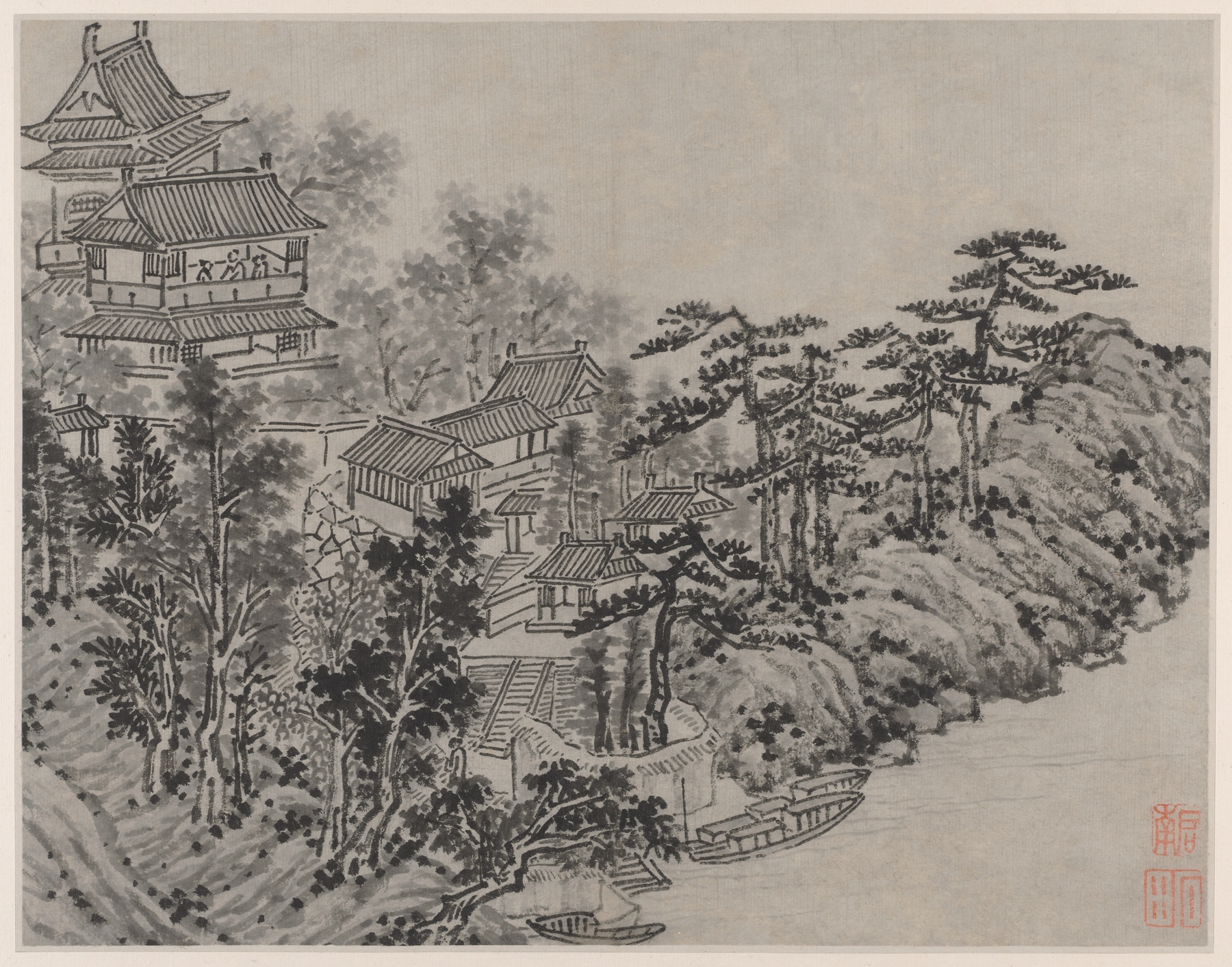
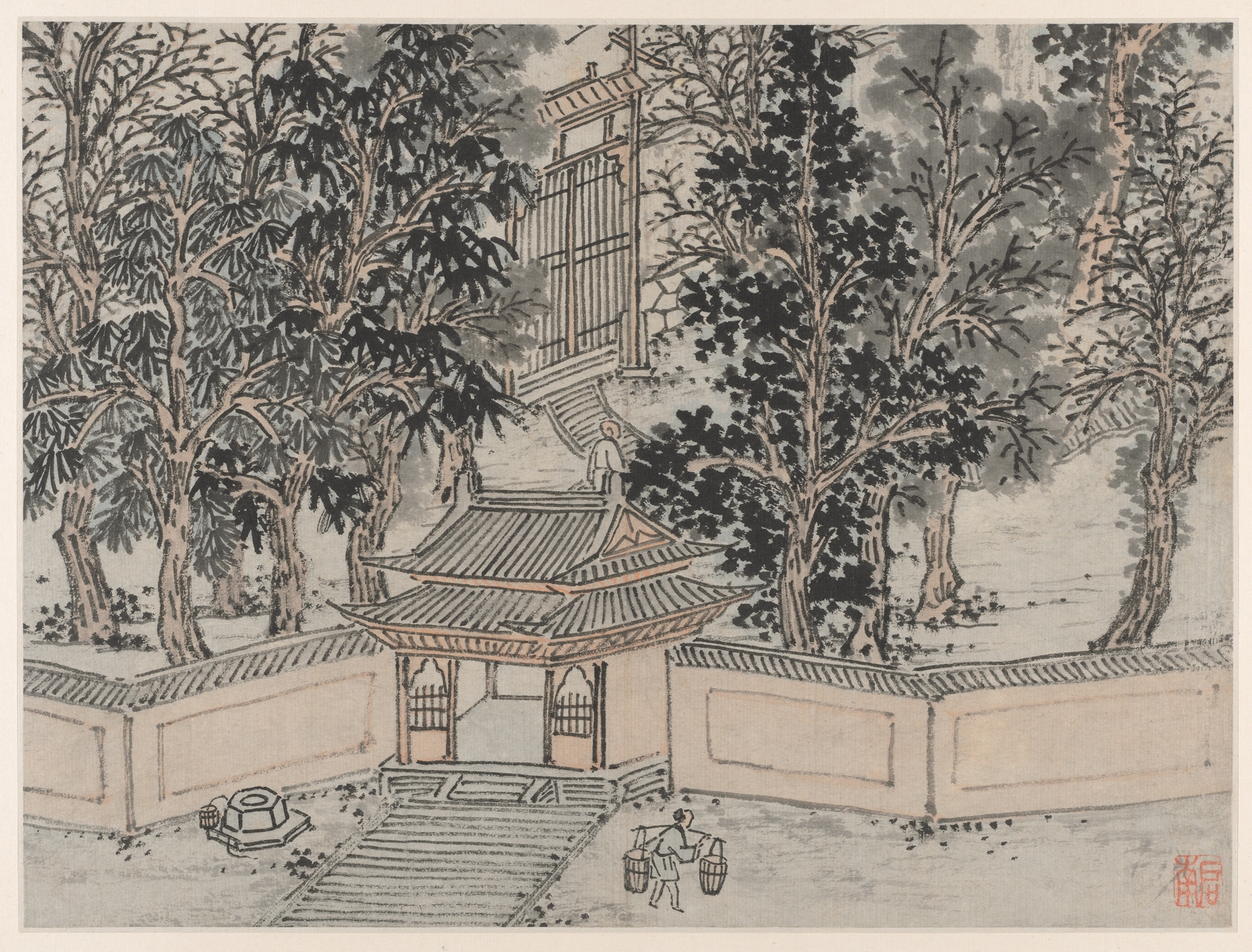
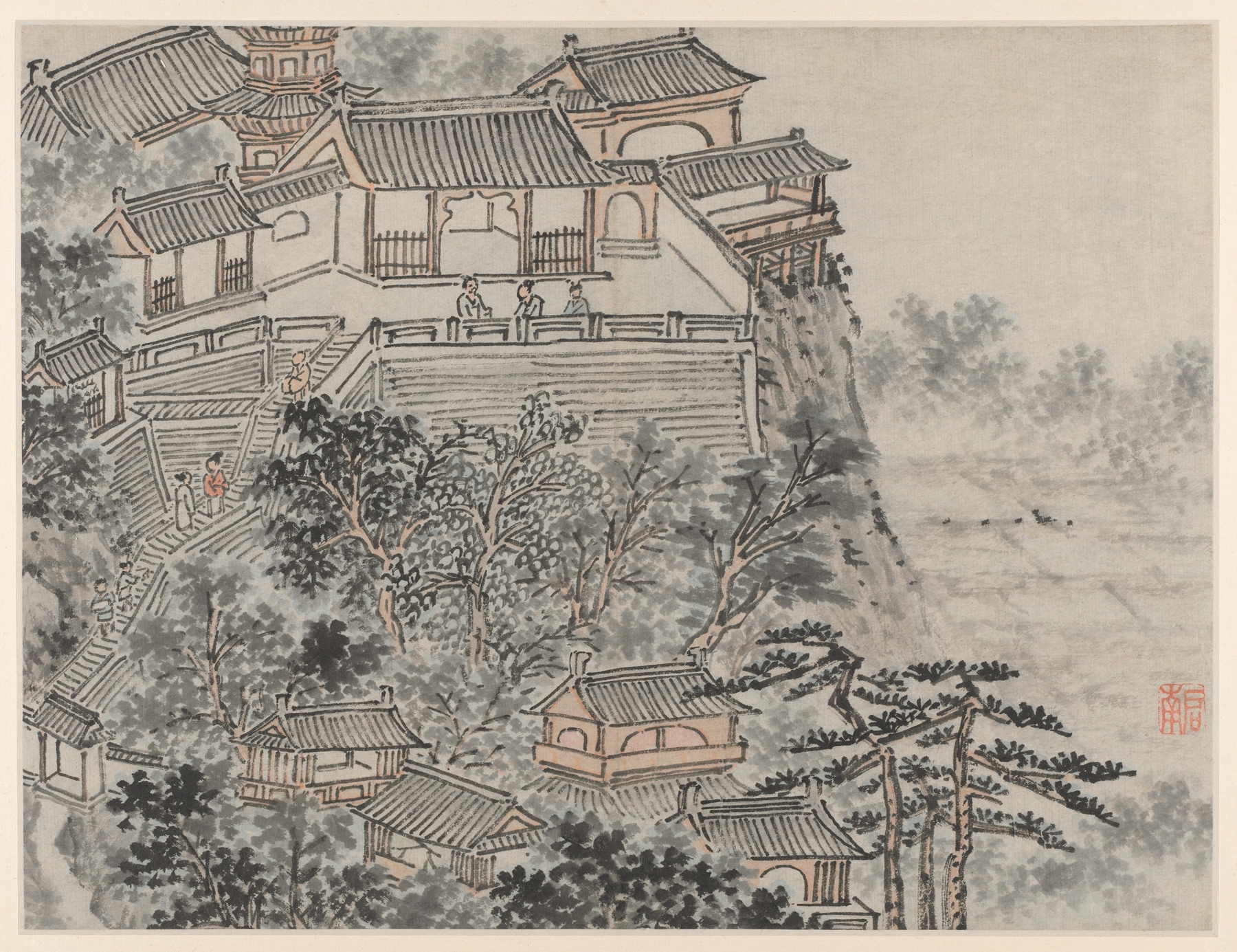
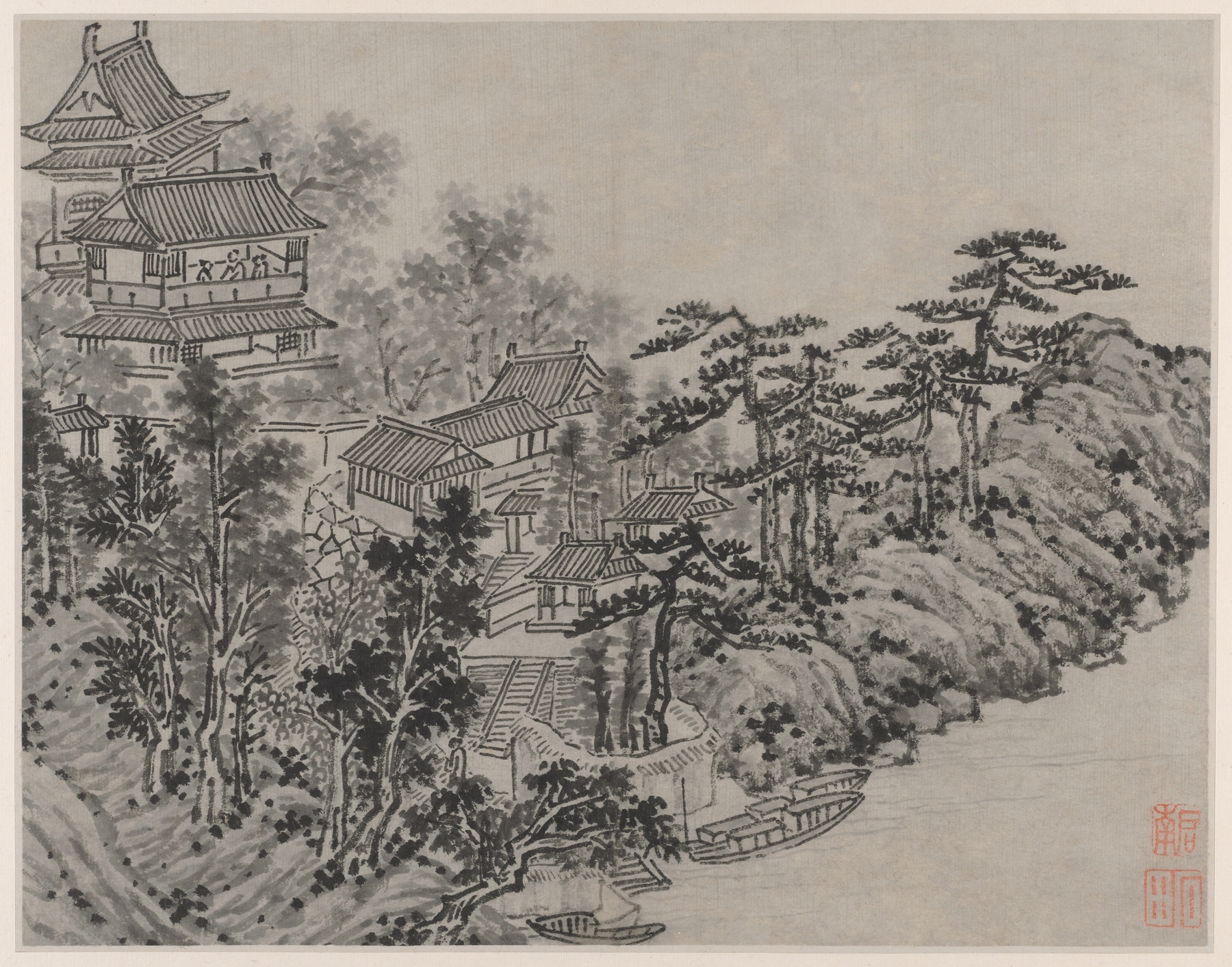
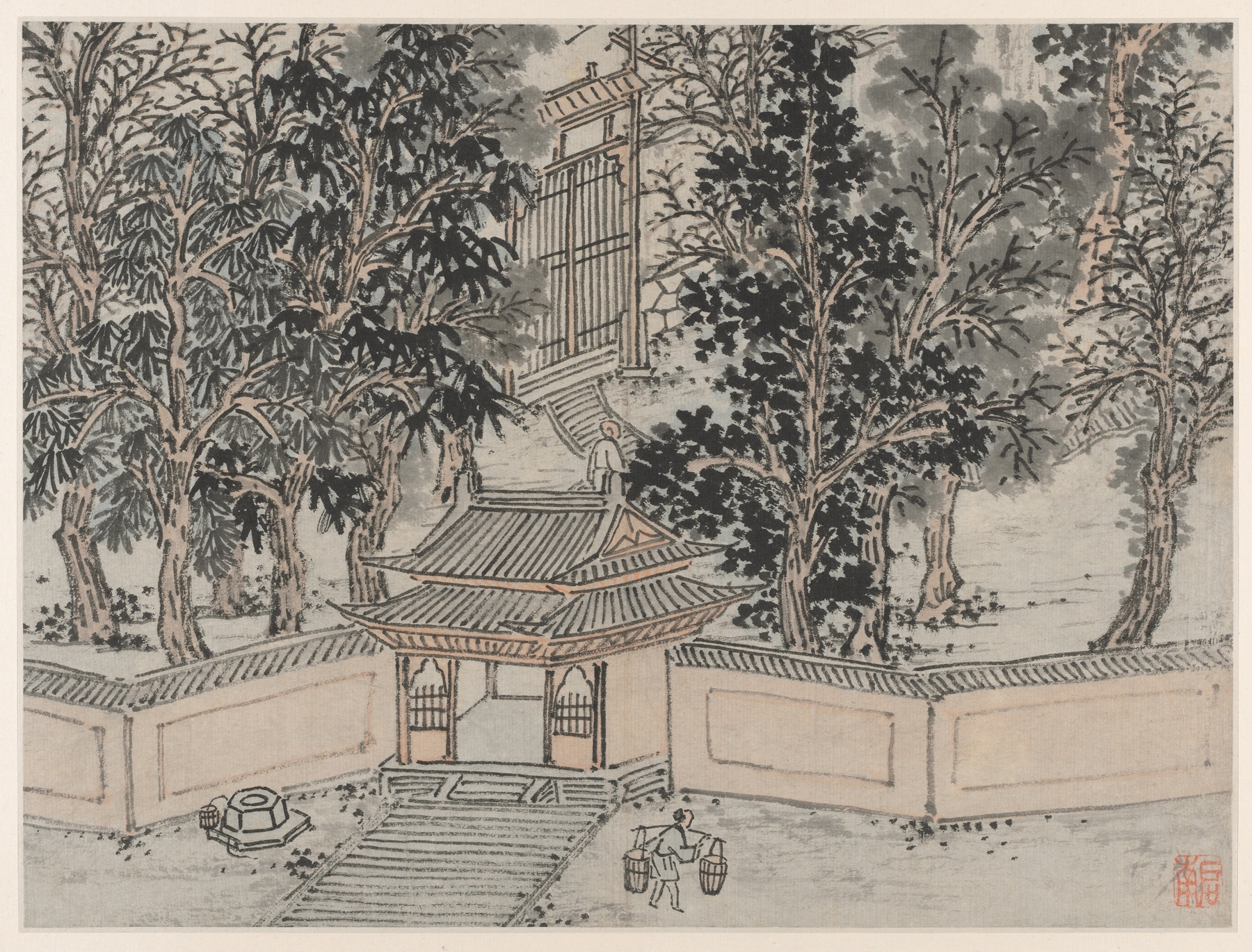
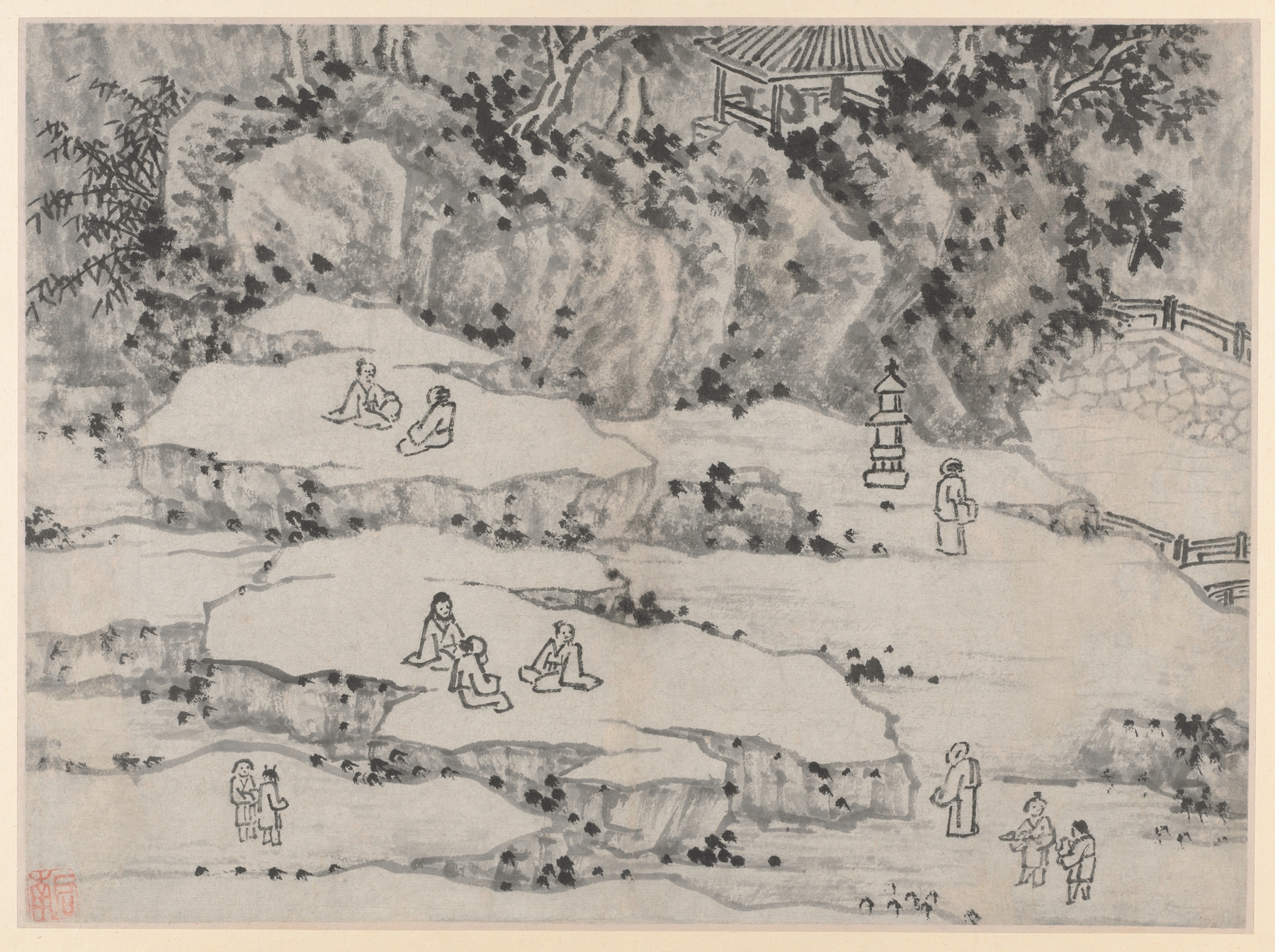
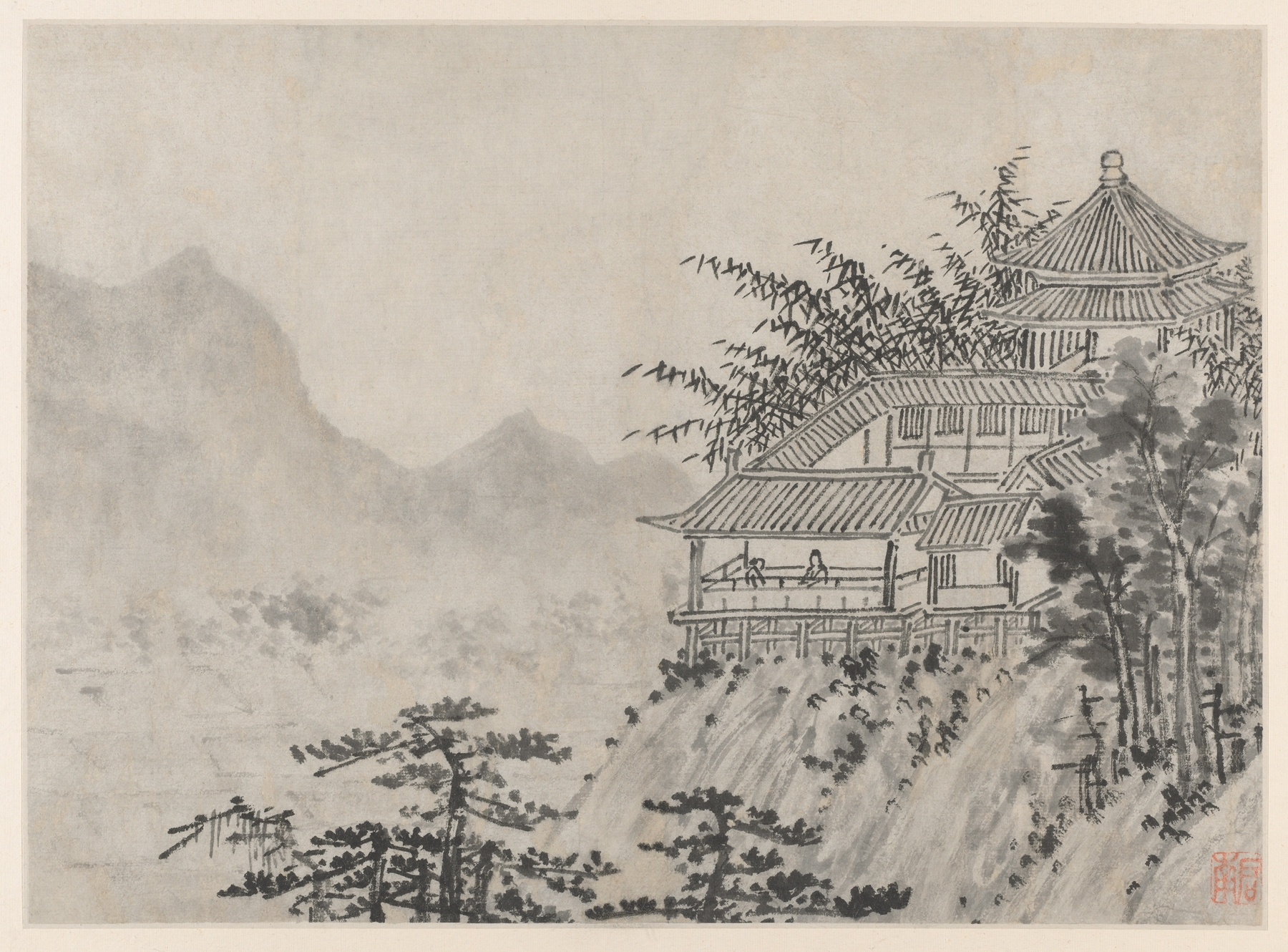
Art reveals the soul when the world turns away. In the quiet grace of Shen Zhou's work, the landscape invites contemplation and introspection, beckoning viewers to look deeper into the interplay of nature and spirit. Look to the left, where gentle, rolling hills cradle a sky sprawling with billowing clouds. The soft wash of ink captures the ethereal quality of the atmosphere, while delicate brushstrokes evoke a sense of movement, as if the clouds themselves are alive. Notice how the artist employs a muted color palette, allowing shades of blue, gray, and white to harmonize, creating an ambiance of serenity.
The composition balances the vastness of the heavens with the intimacy of the earth, drawing the eye from the foreground to the distant peaks that disappear into the mist. Beneath this tranquil surface lies a profound dialogue between reality and the metaphysical. The expansive sky suggests boundless possibilities, while the grounded land below speaks to human experience and mortality. The contrast between the sturdy, earthy tones and the fluidity of the clouds hints at the transient nature of life itself, inviting reflection on our place within this vast universe.
Each stroke reveals not only the beauty of the landscape but also the deeper yearning for connection and understanding, a revelation that resonates across time and culture. Shen Zhou created this piece after 1490 during a period of significant artistic growth in the Ming Dynasty. Living in Suzhou, a center for landscape painting, he was part of a movement that sought to blend poetic expression with visual art. This era saw a resurgence of interest in traditional Chinese aesthetics, and as a leading scholar-artist, Shen Zhou contributed richly to this dialogue, exploring the relationship between nature and the self in his works.