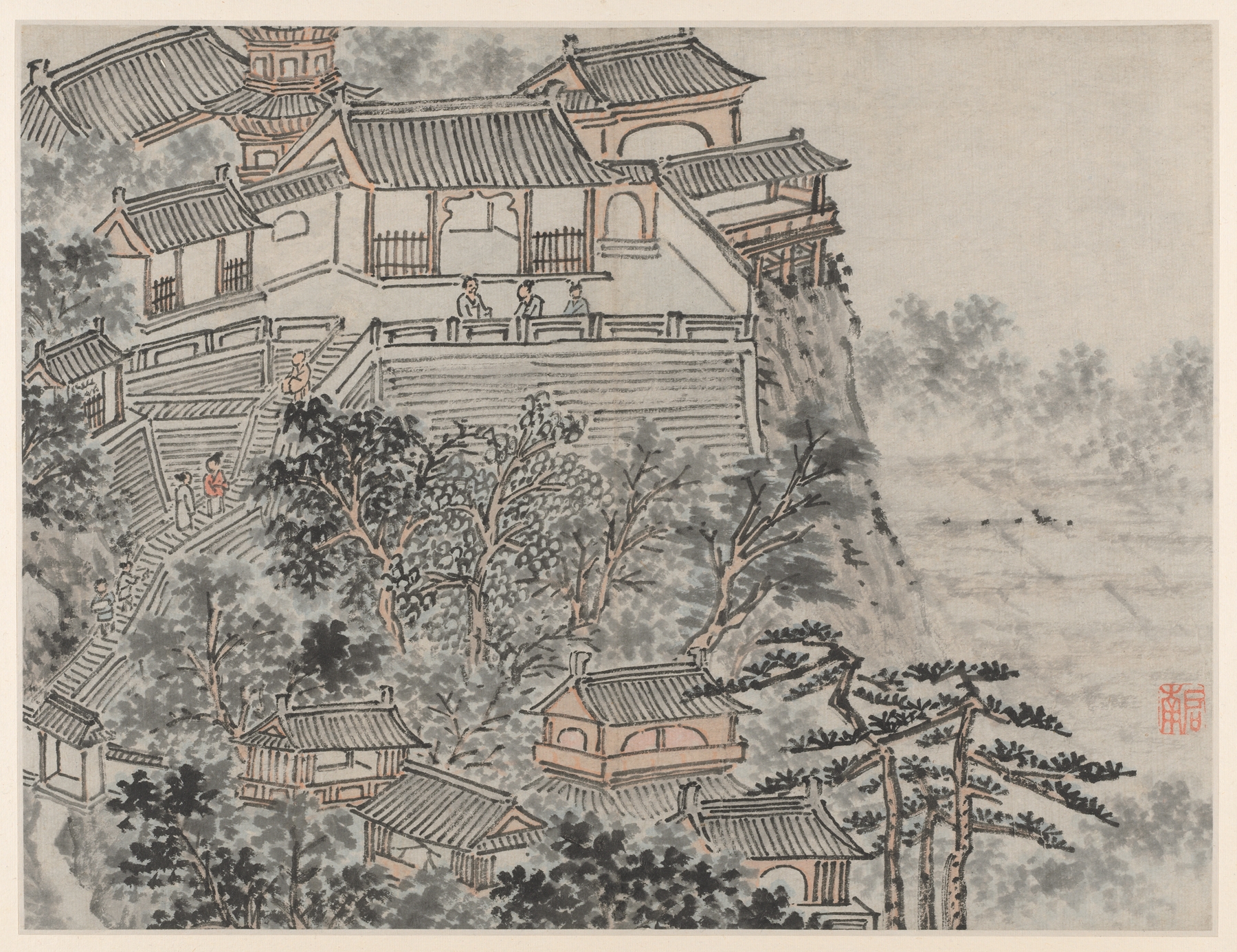
The Sword Spring, Tiger Hill, from Twelve Views of Tiger Hill, Suzhou — History & Analysis
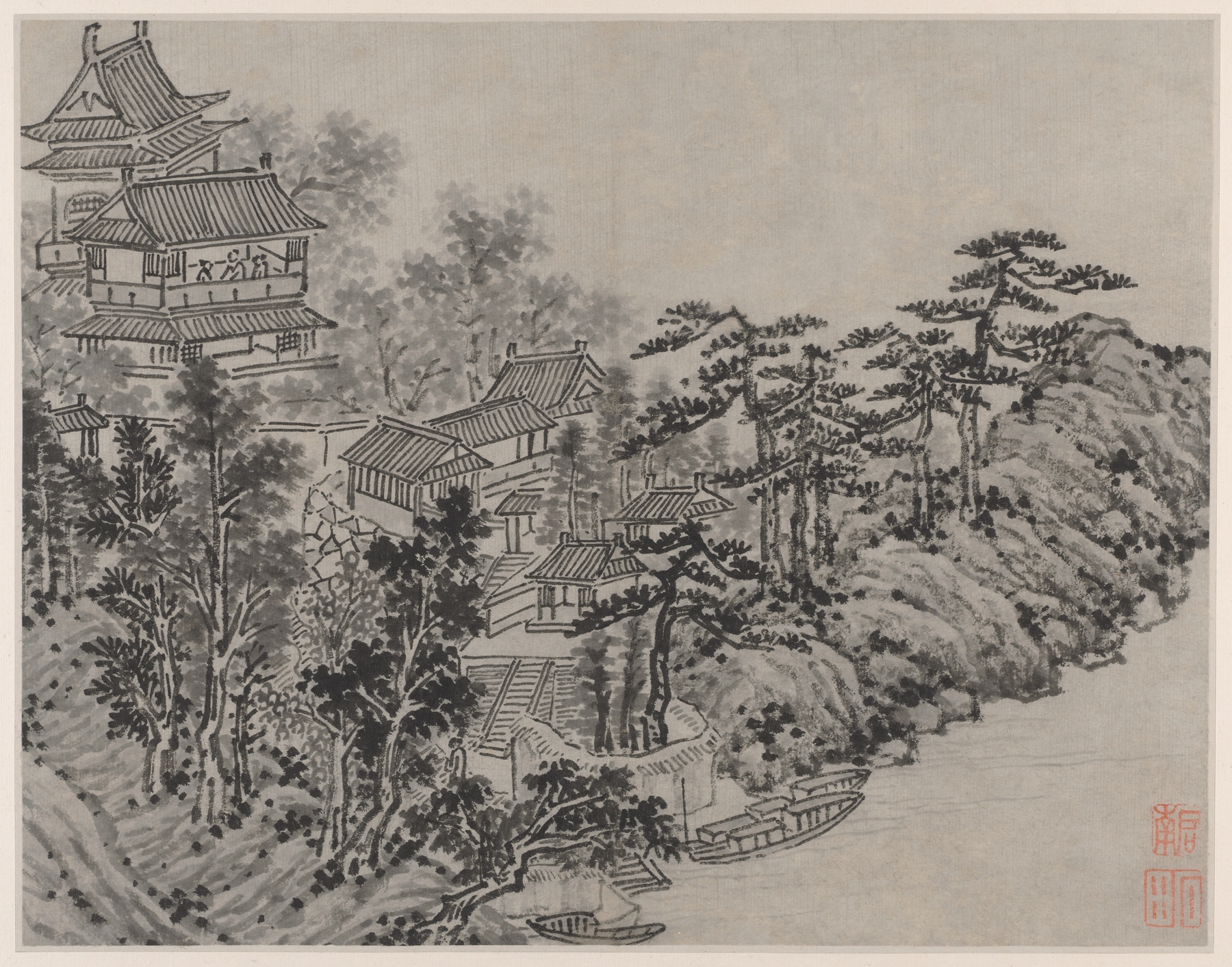
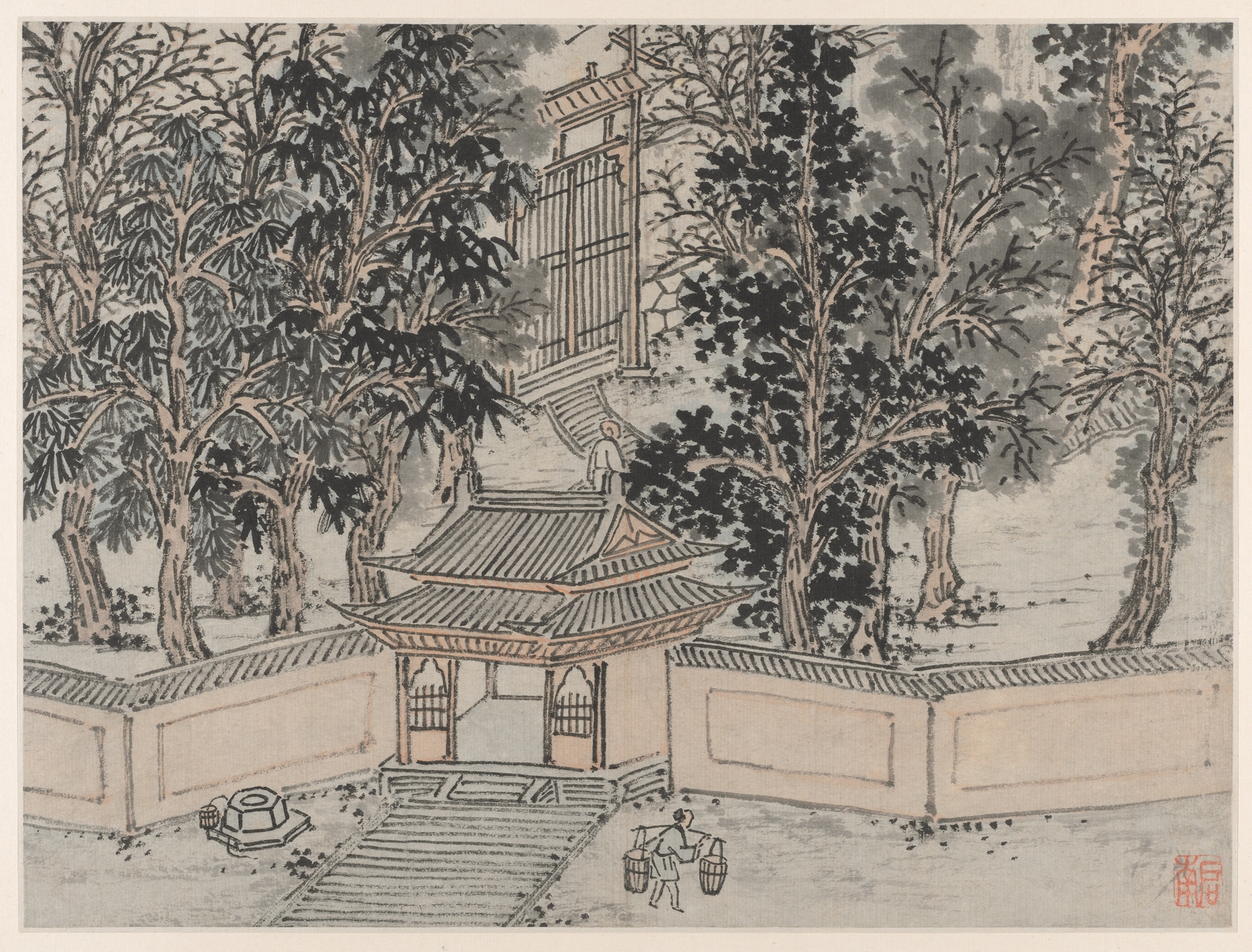
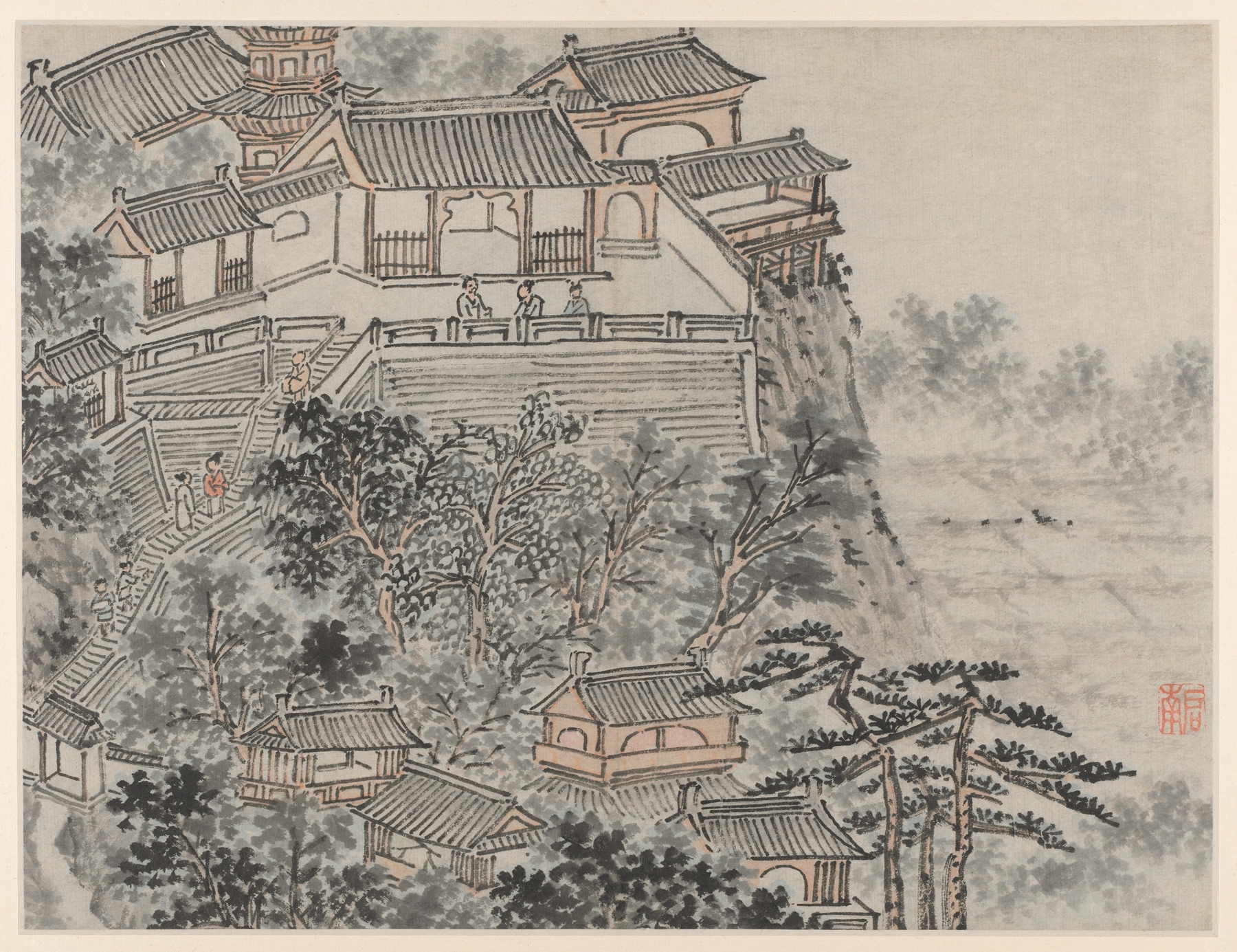
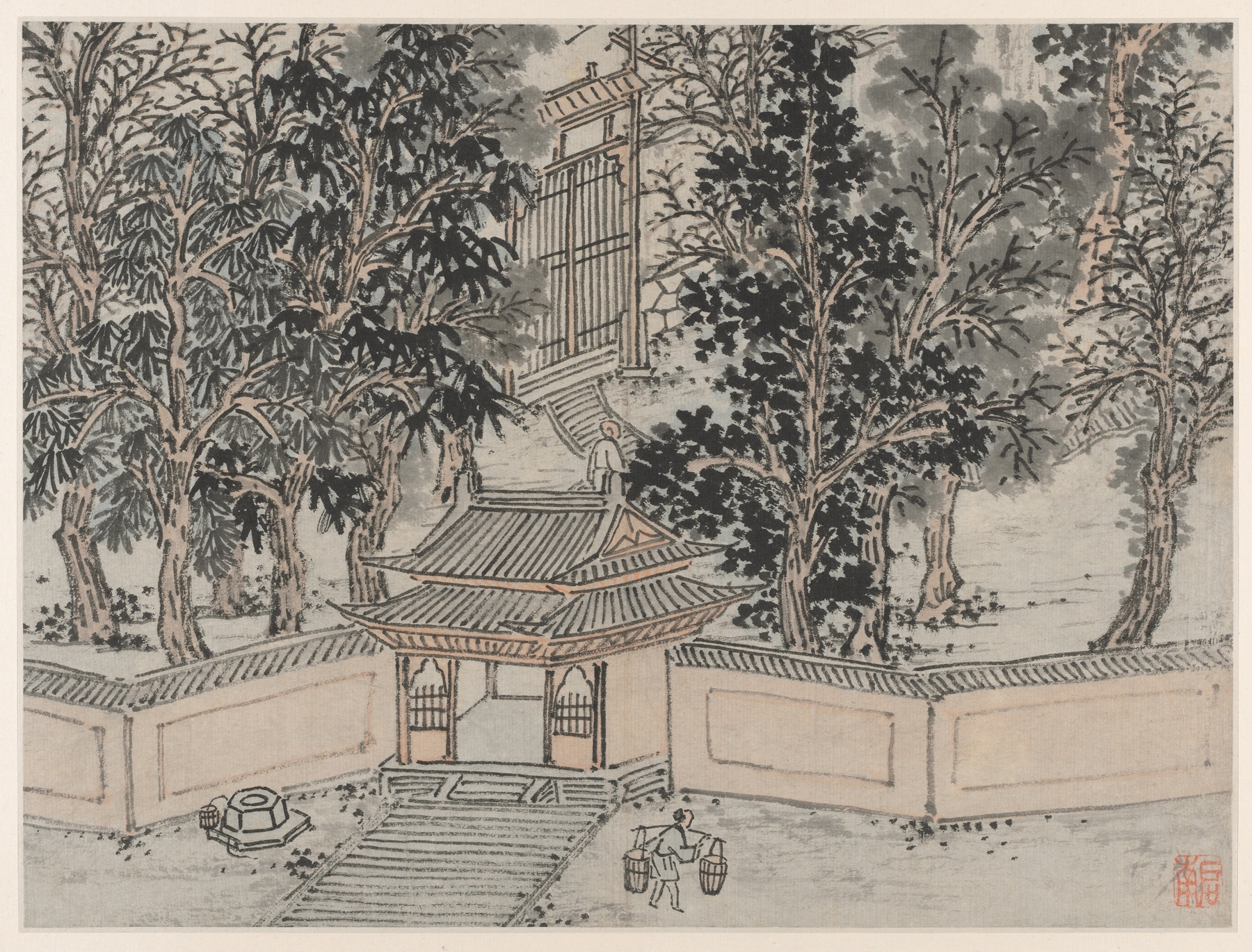
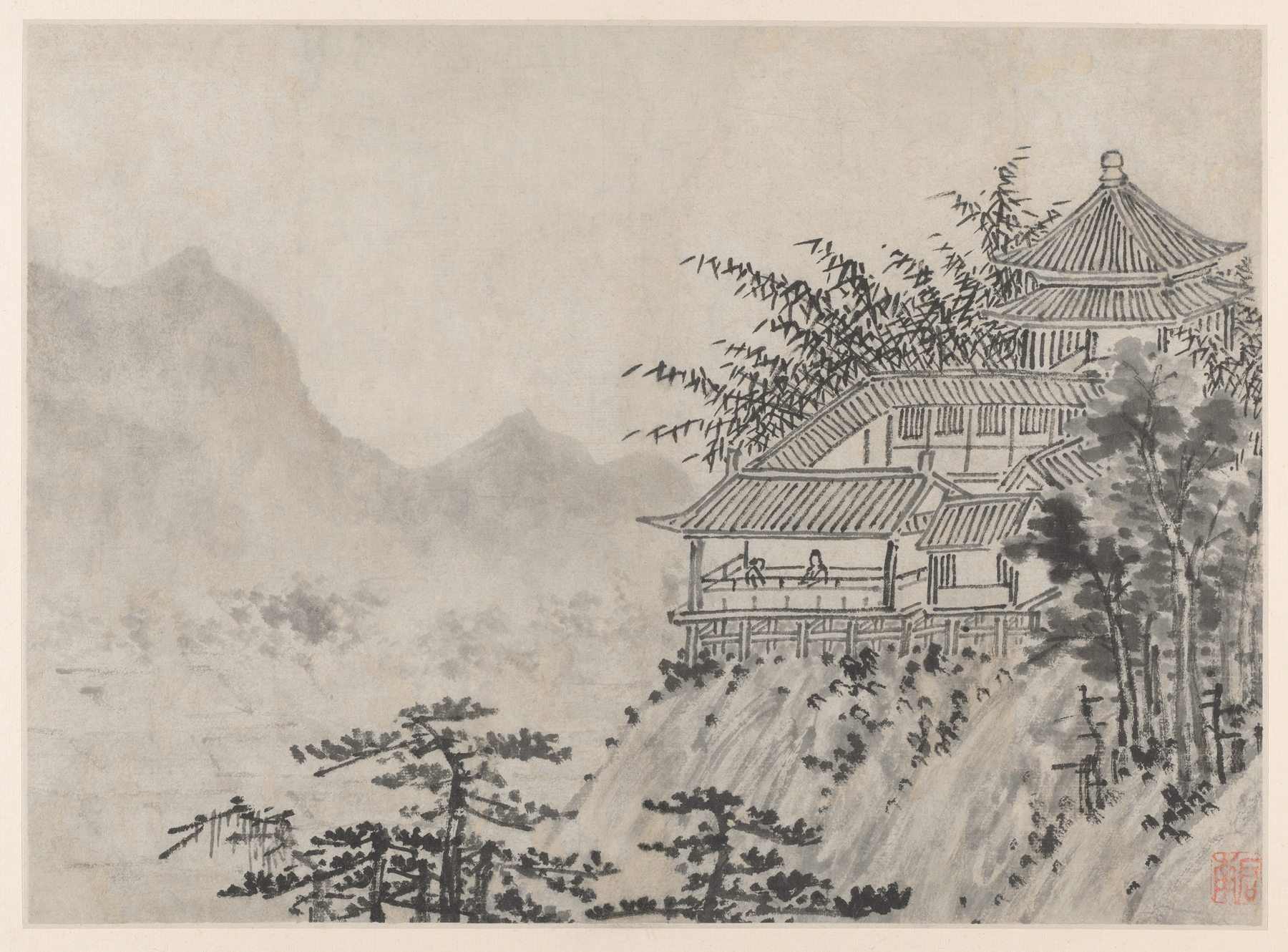
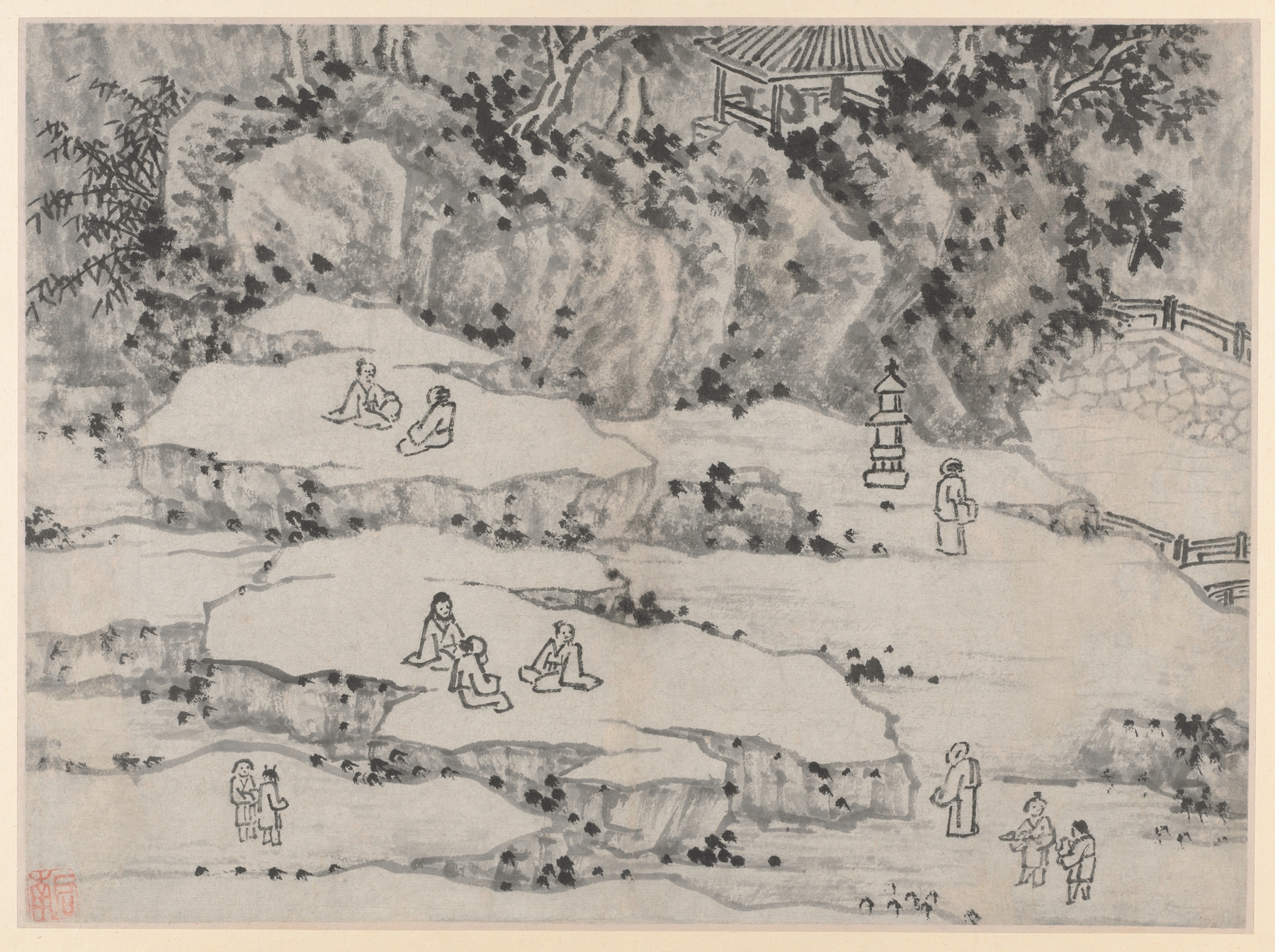
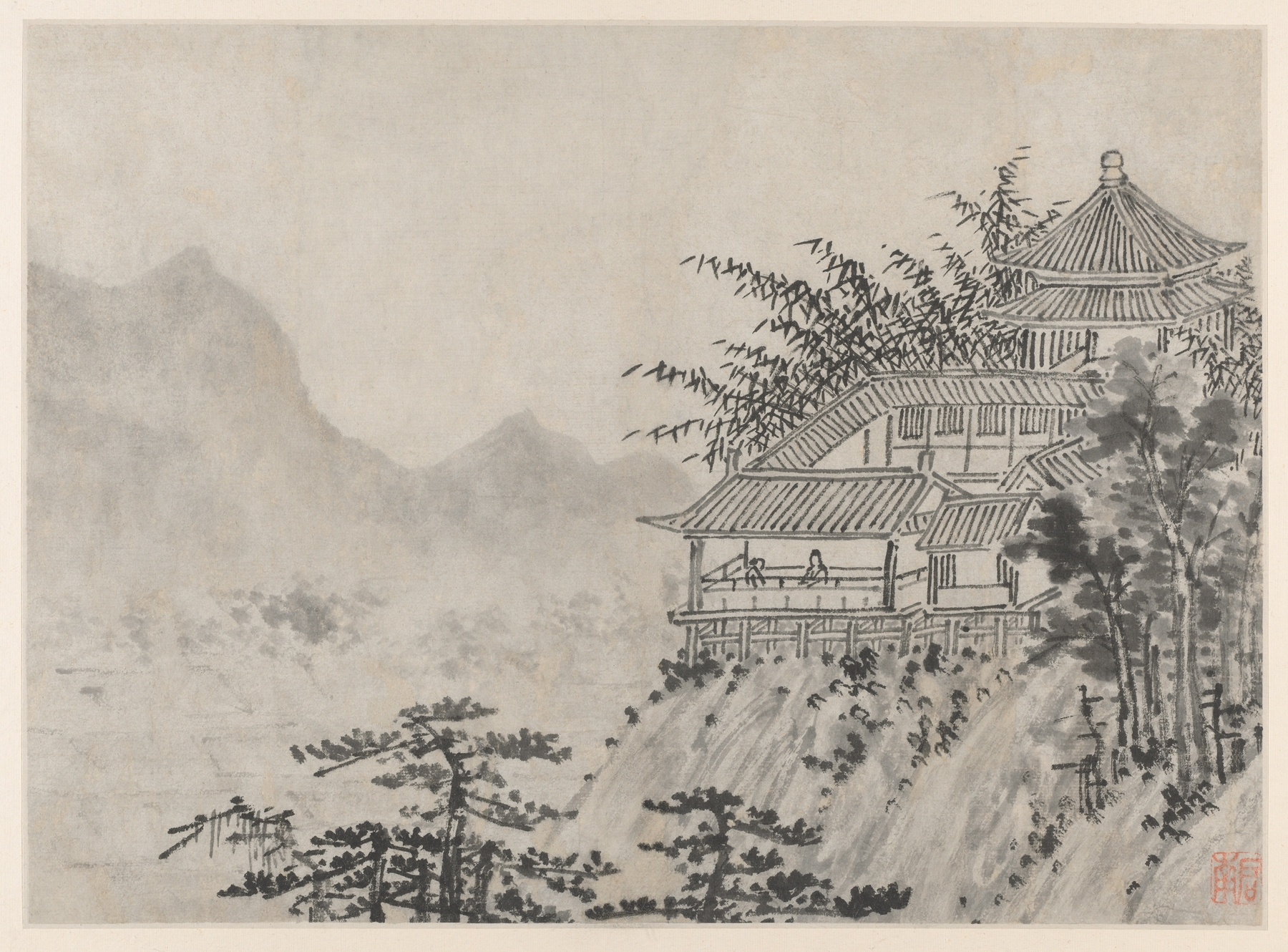
What if silence could speak through light? In The Sword Spring, Tiger Hill, the essence of truth flows from the delicate brushwork and tranquil landscape, inviting the viewer into a world of serene contemplation. Look to the left at the gentle curve of the mountain, its peaks enveloped in mist, drawing the eye through the intricate layers of nature. The subtle greens and muted blues blend harmoniously, while the soft strokes evoke a sense of peacefulness.
Notice how the light dances across the water’s surface, reflecting the surrounding foliage, creating a mirrored dialogue that transcends mere representation. Each stroke seems to whisper, capturing a moment that feels timeless and profound. Delve deeper into the details — the lone figure standing by the water’s edge represents humanity’s smallness against the vastness of nature, symbolizing solitude and introspection. The balance between the robust mountains and the delicate water reflects harmony, suggesting a philosophical connection between strength and fragility.
Shadows linger in the corners, hinting at the mysteries that lie beneath the surface, prompting the viewer to ponder the truth hidden in the stillness. Shen Zhou created this piece after 1490 during the Ming Dynasty in China, a time when landscape painting flourished and artists sought to convey their inner feelings through nature. As a literati painter, he was deeply influenced by Confucian ideals and the significance of personal expression in art. This painting reflects not only his technical skill but also his desire to express a deep connection to the natural world during a period of cultural richness and introspection.