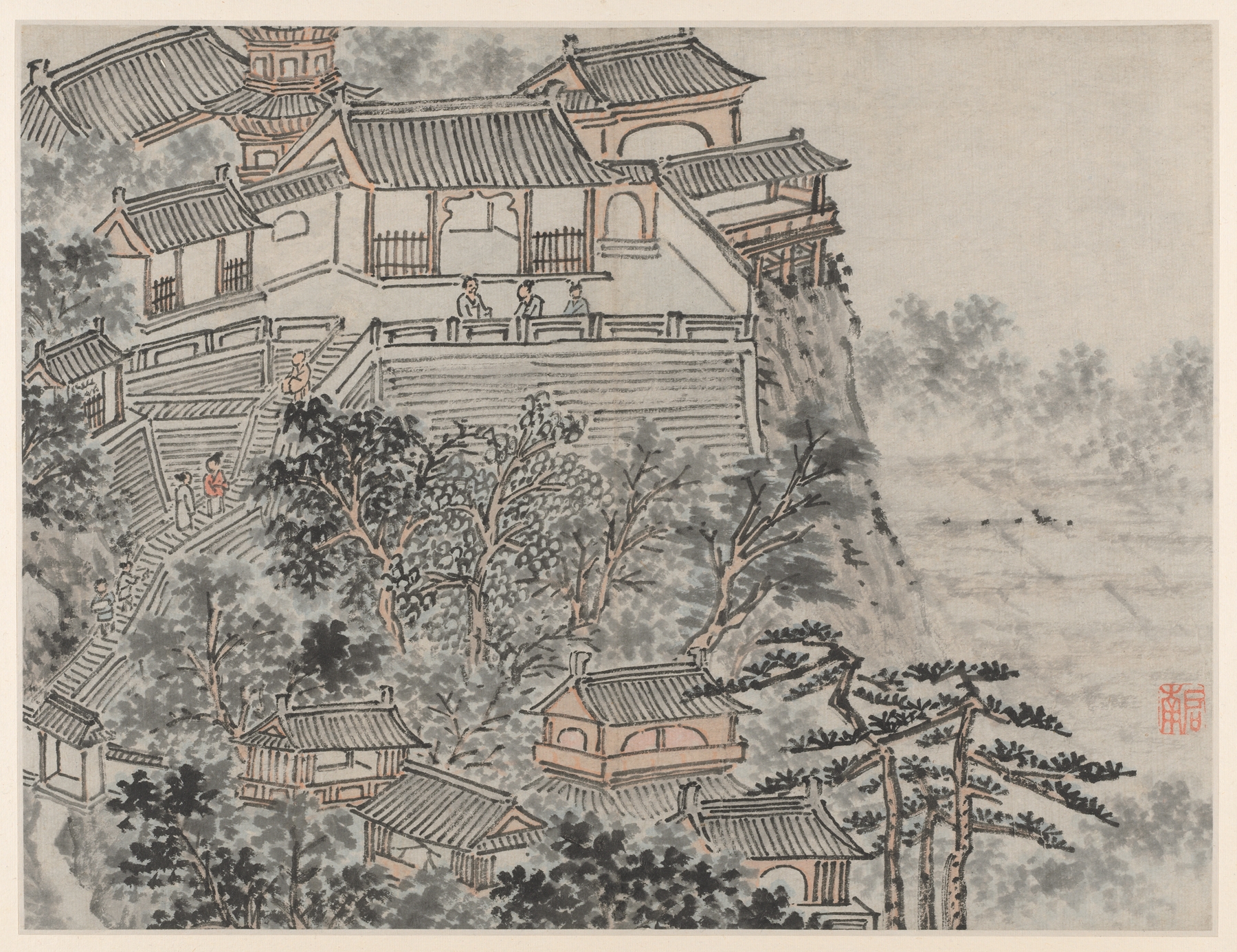
Tiger-Flight Spring at the Back Gate — History & Analysis
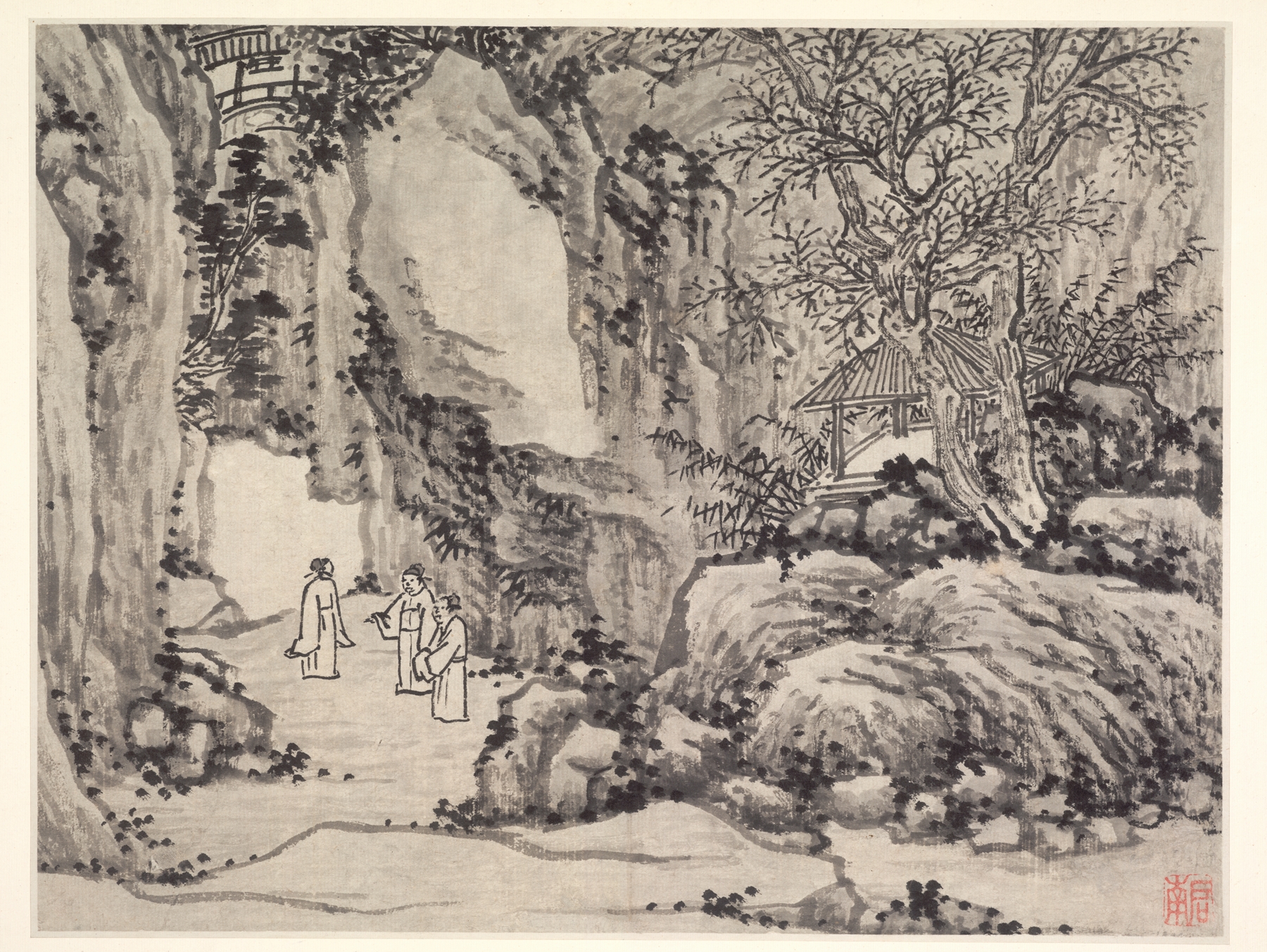
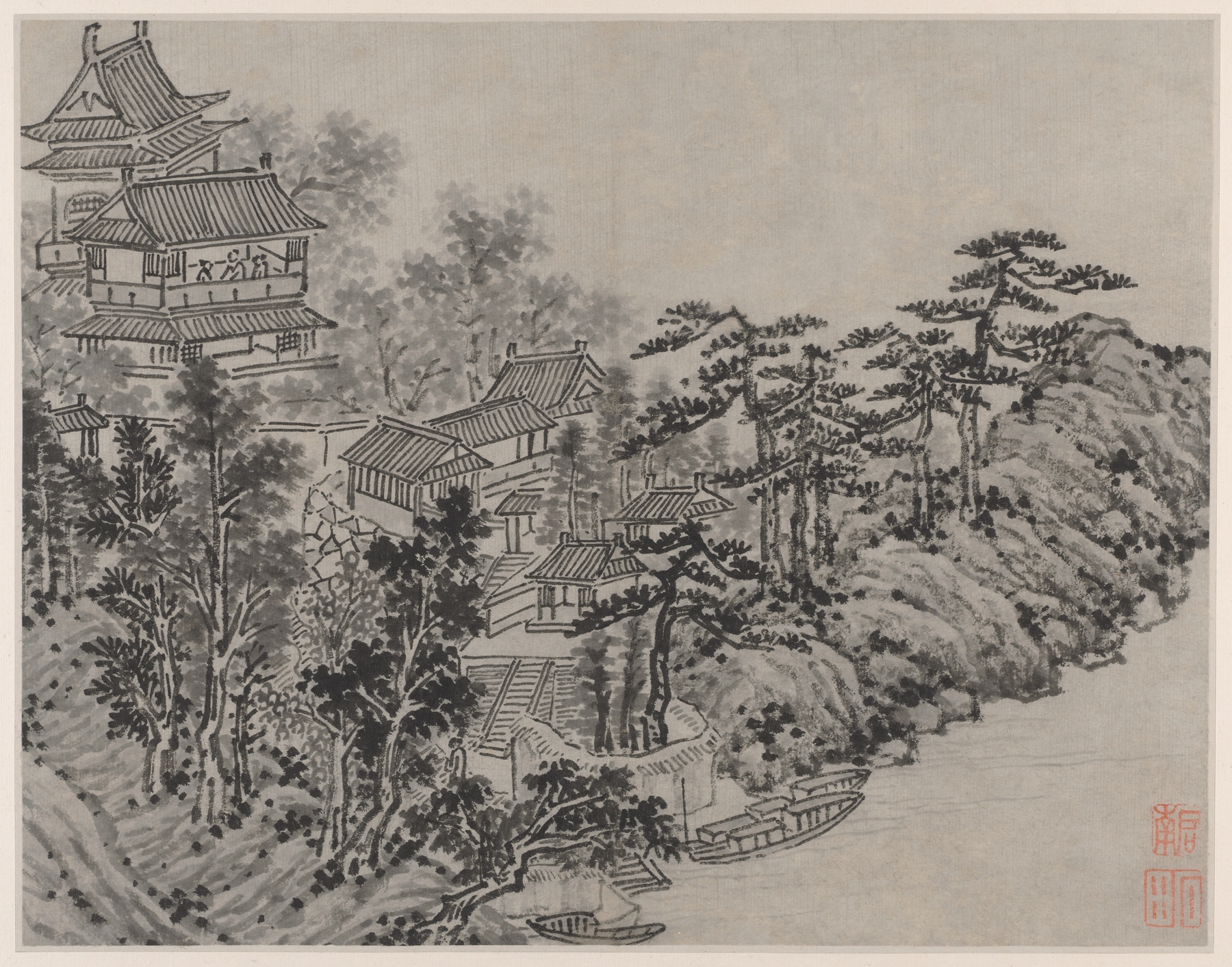
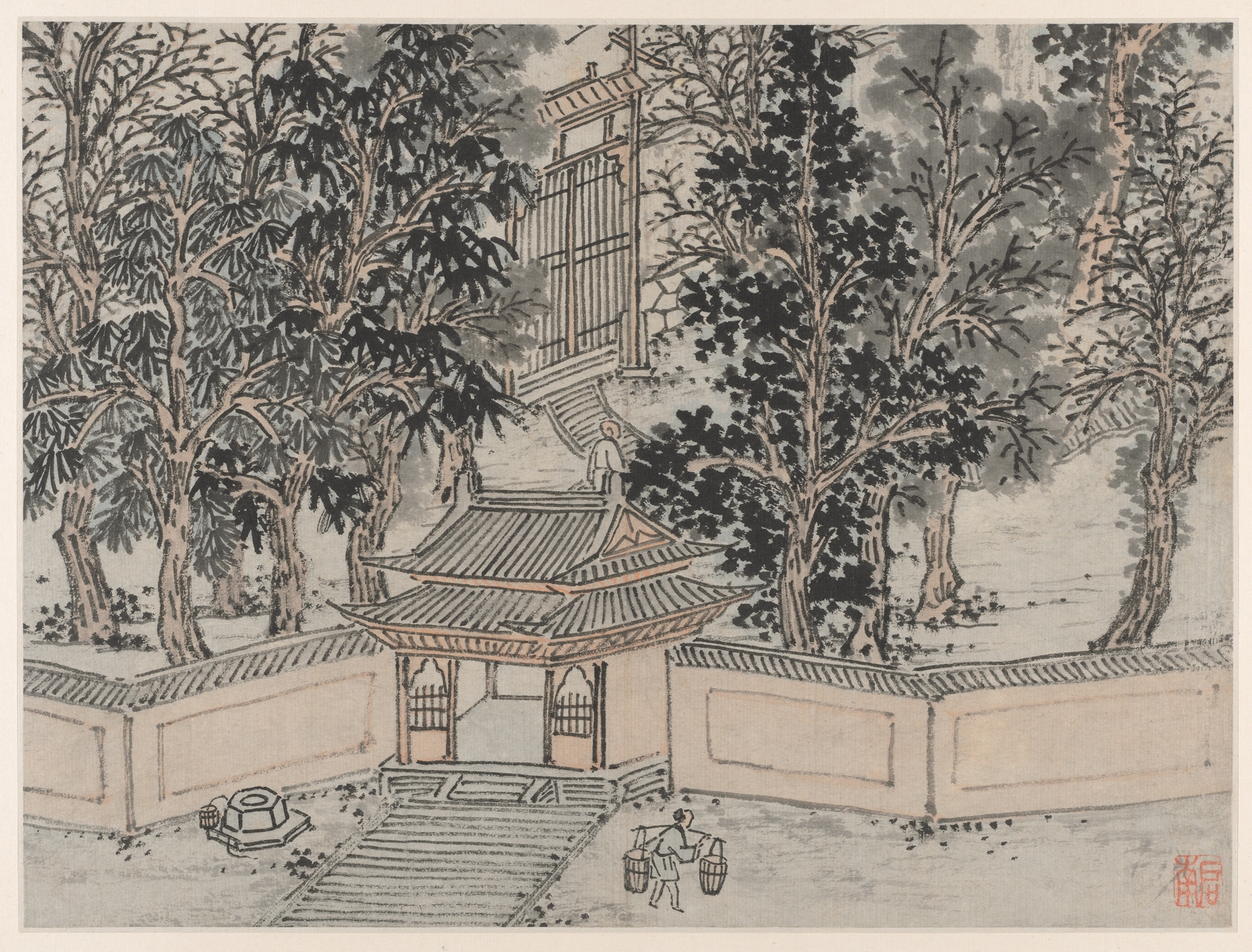
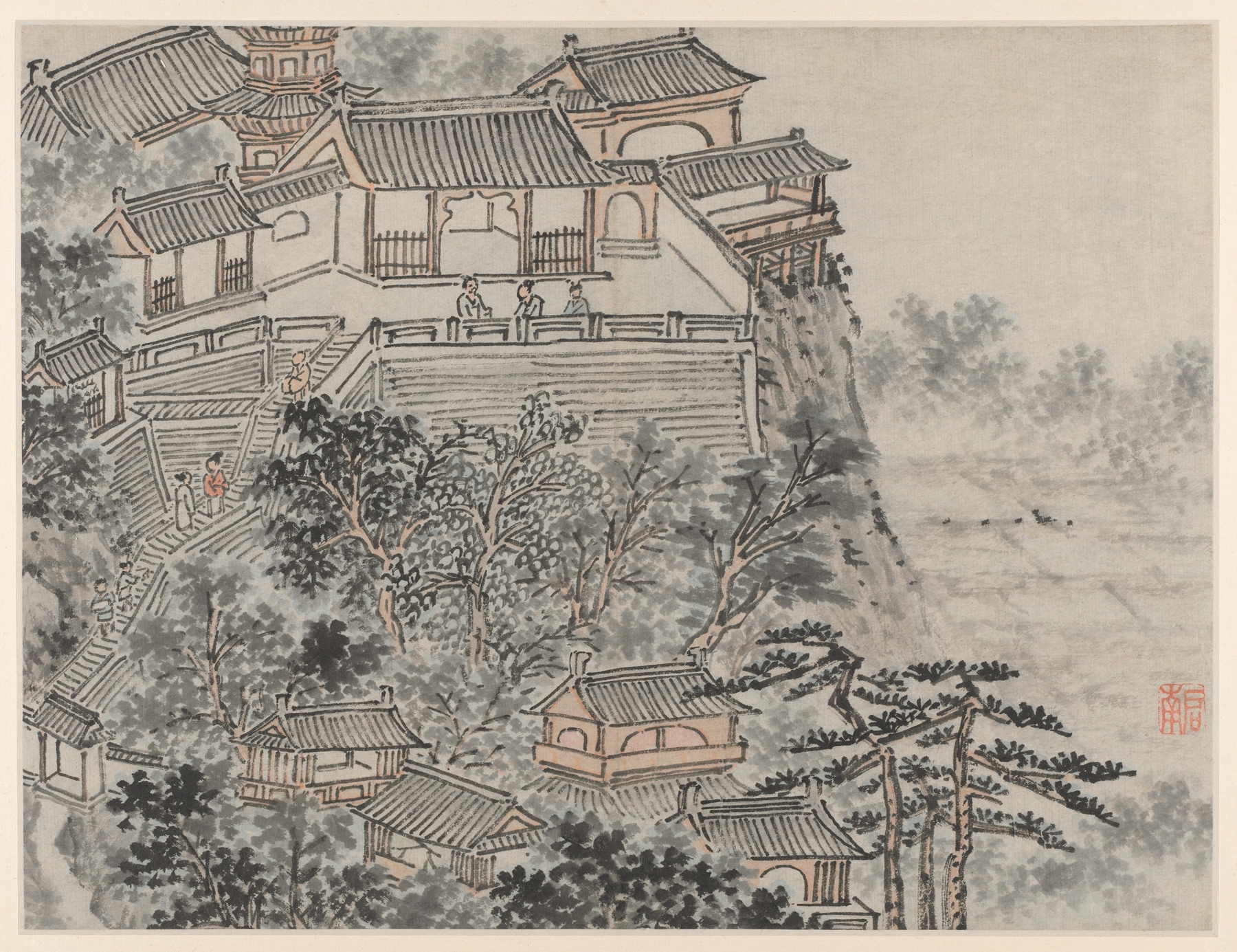
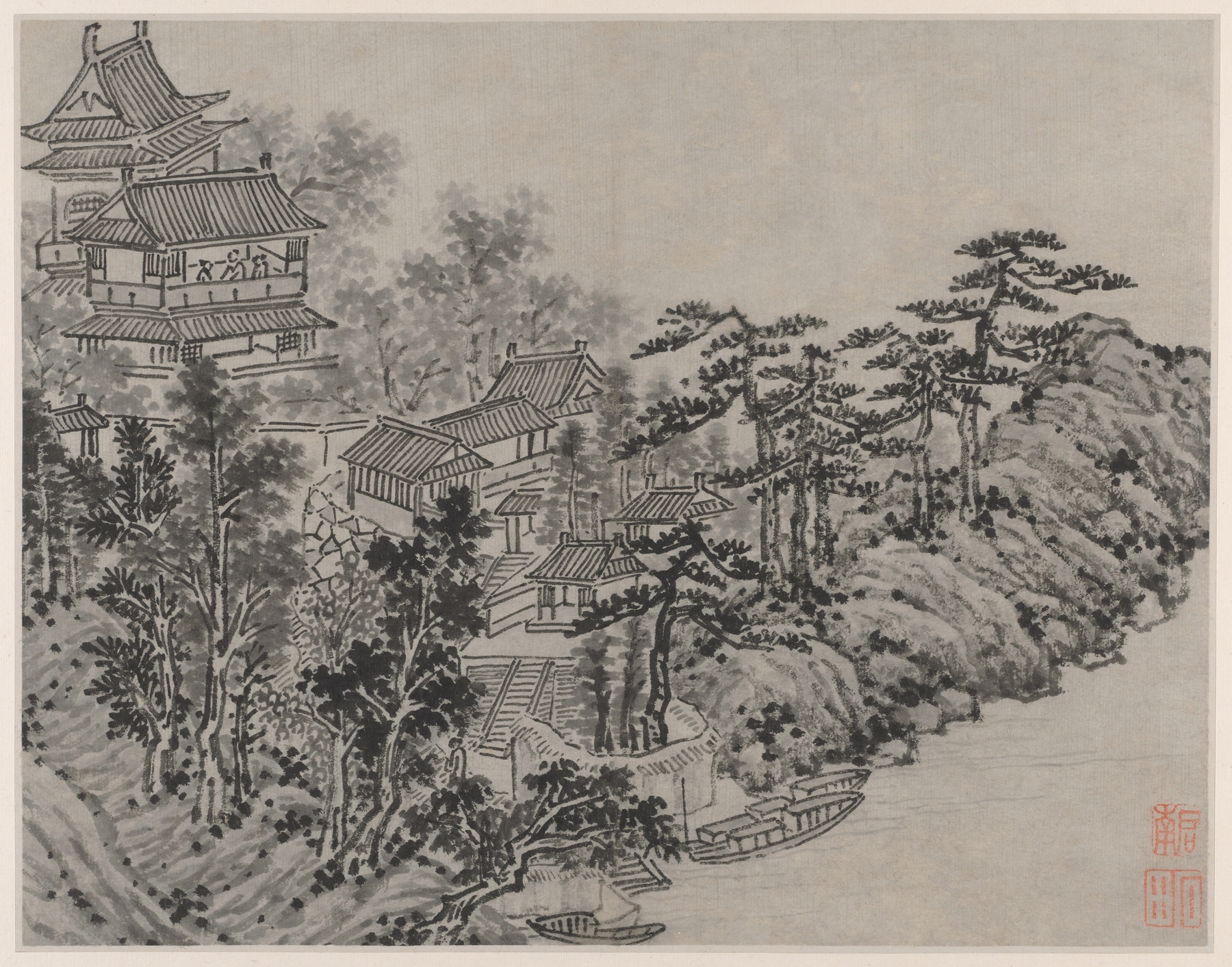
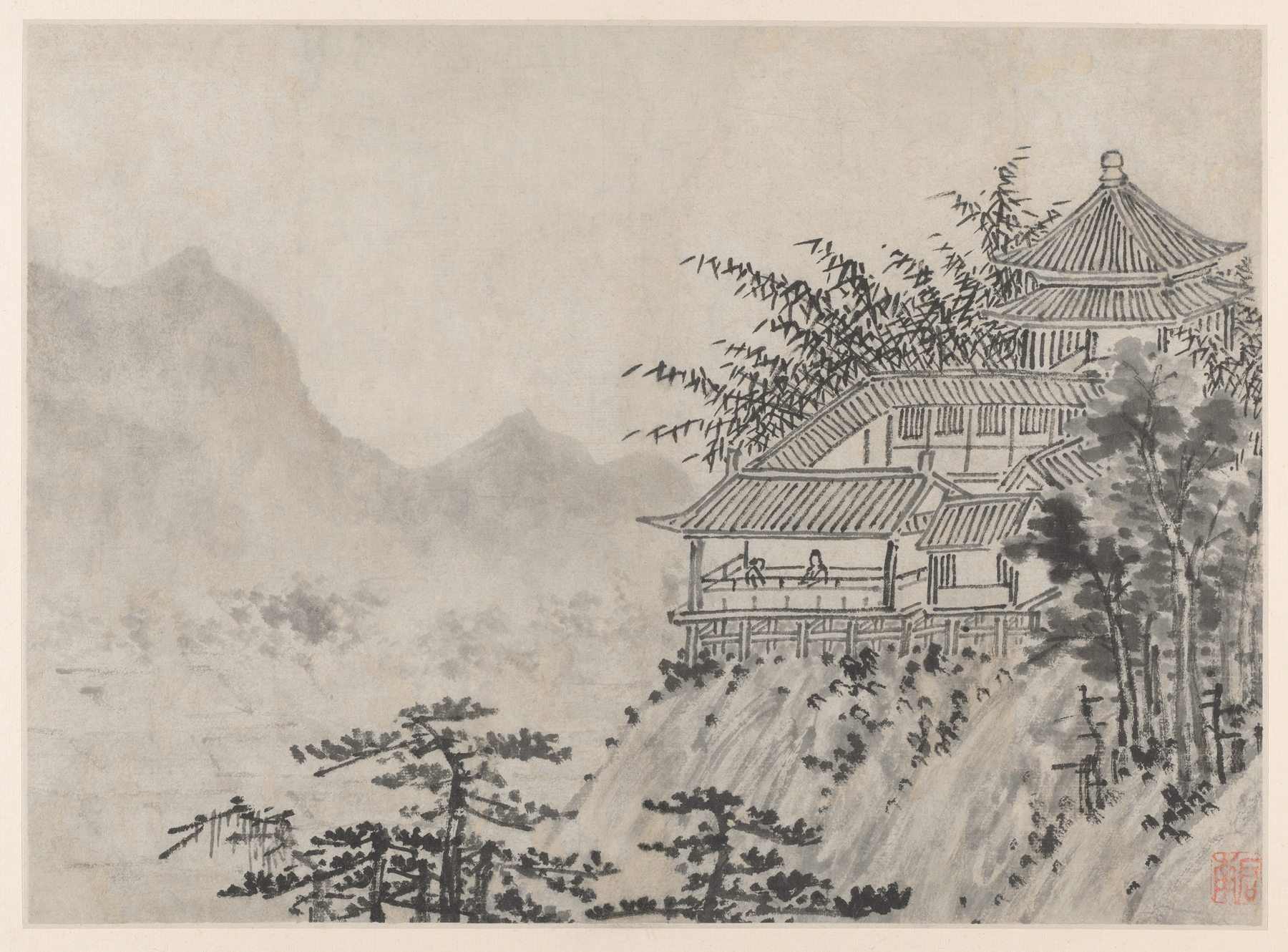
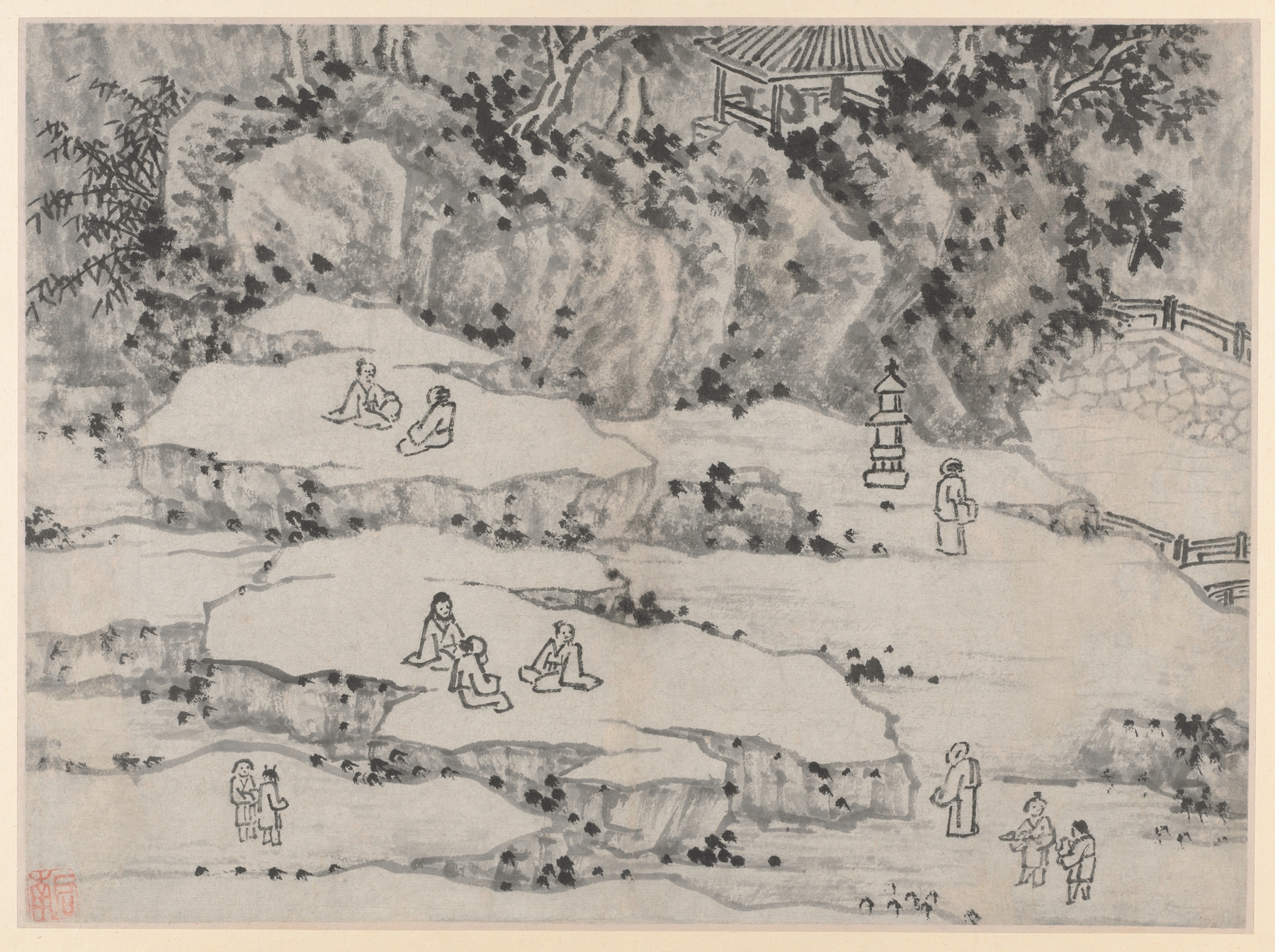
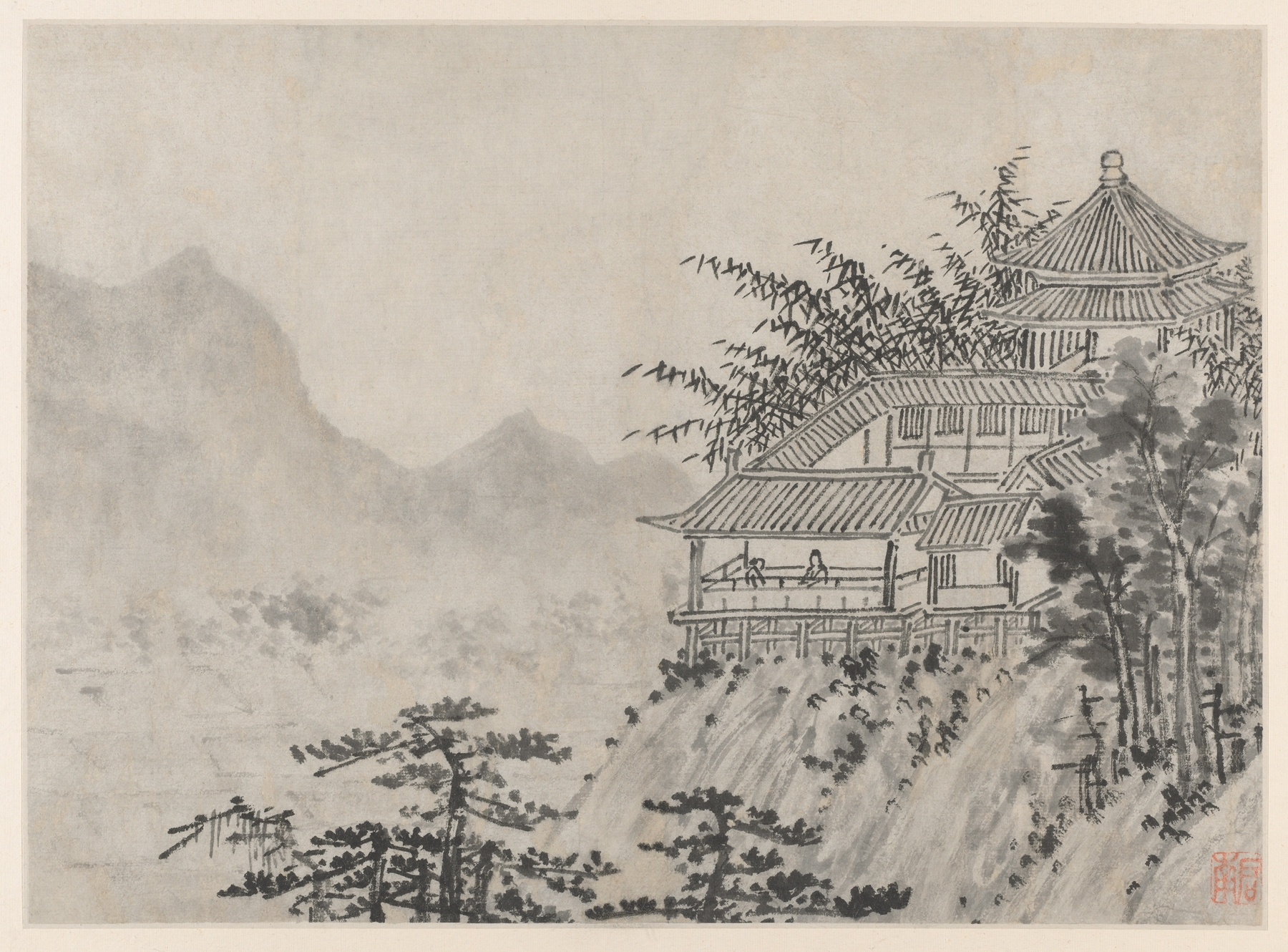
What secret hides in the quiet of the canvas? In the gentle brushstrokes of Tiger-Flight Spring at the Back Gate, faith emerges as a silent presence, whispering through the lush landscape and delicate figures. Focus your gaze on the serene harmony of greens and blues that envelop the scene, where the breathtaking mountains cradle a tranquil pond. Notice how the artist employs subtle variations in color to depict the play of light dancing upon the water's surface, guiding your eyes to the fragile blossoms that punctuate the composition.
Each element is meticulously placed, creating a sense of balance; the figures, adorned in flowing robes, seem to mimic the grace of nature surrounding them. Upon closer inspection, the viewer can sense deeper emotional currents. The juxtaposition of the ethereal landscape against the earthly figures reflects the tension between the spiritual and the mundane, illustrating a journey towards enlightenment. The quiet movement of the figures seems to resonate with an unspoken prayer, suggesting a search for solace amidst the chaos of life.
In blooming flowers and towering trees, hope and faith intertwine, inviting contemplation. During the late 15th century, Shen Zhou painted this work in his native China, a period marked by the Ming Dynasty's cultural flourishing. As a prominent literati painter, he sought to capture the essence of nature and connect it with human experience, reflecting the ideals of Confucianism and Daoism. This artwork, created after 1490, embodies his pursuit of harmony between man and the natural world, a testament to his belief in the spiritual dimensions of landscape painting.