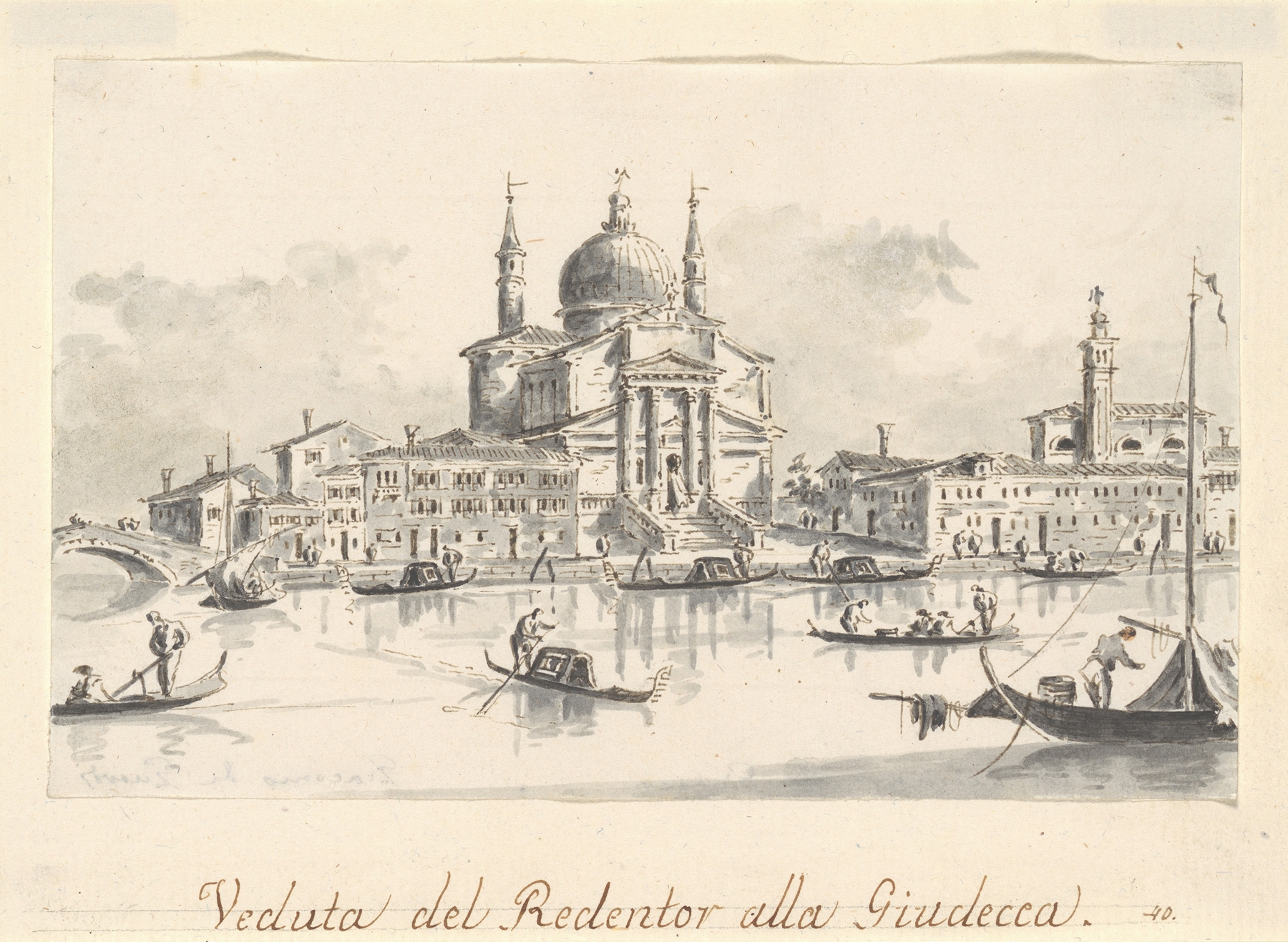
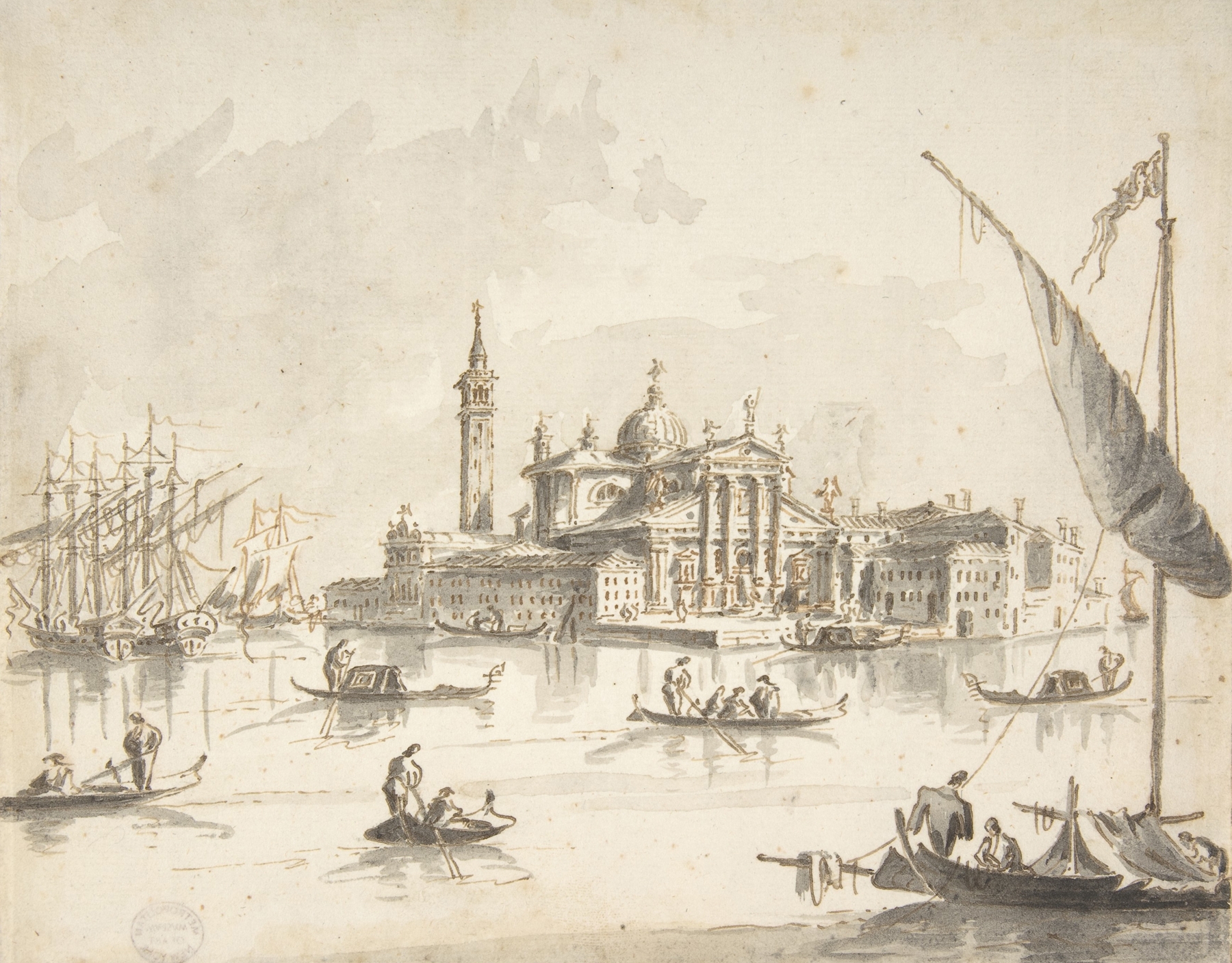
The Venetian lagoon with ruins and figures — History & Analysis
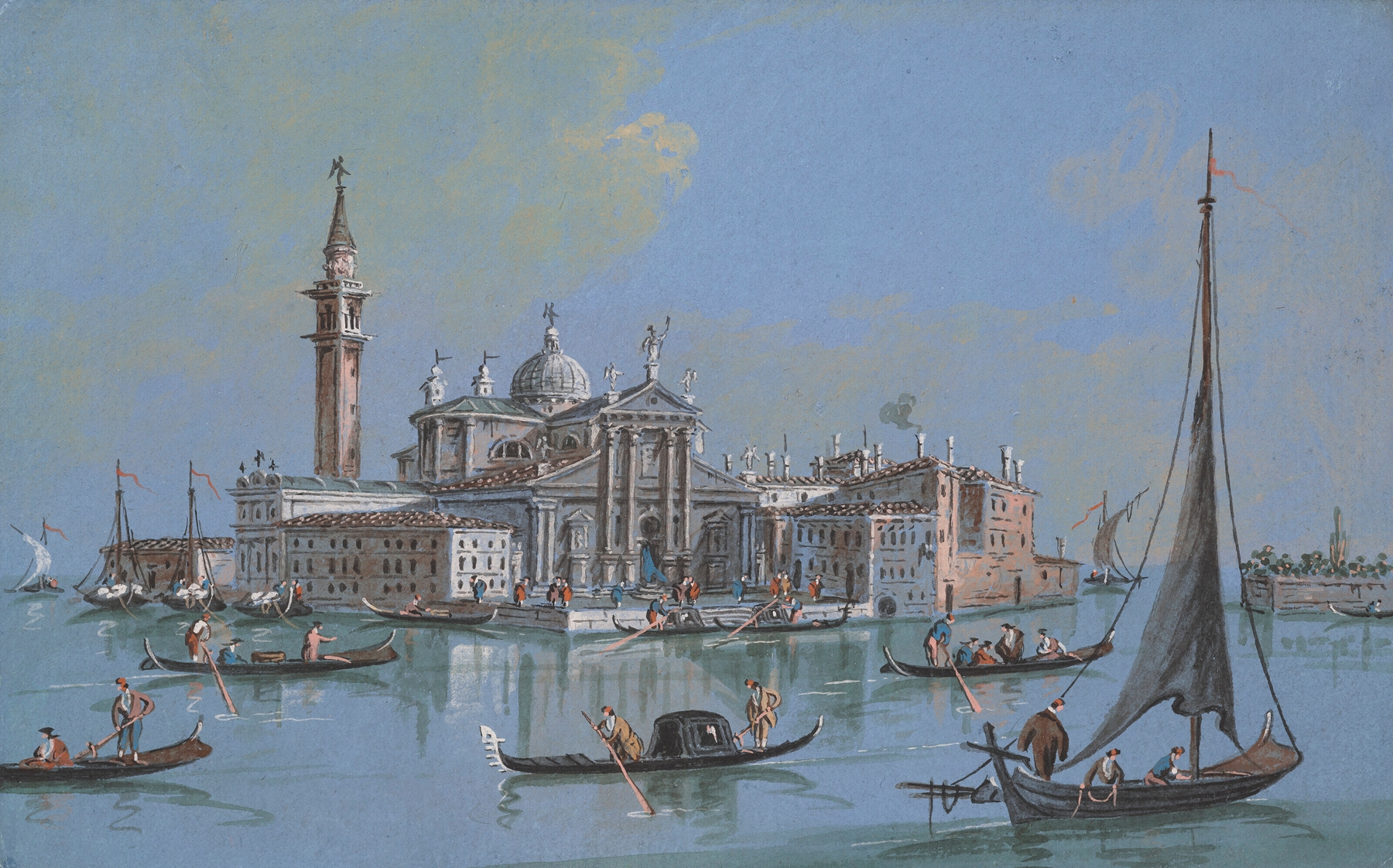
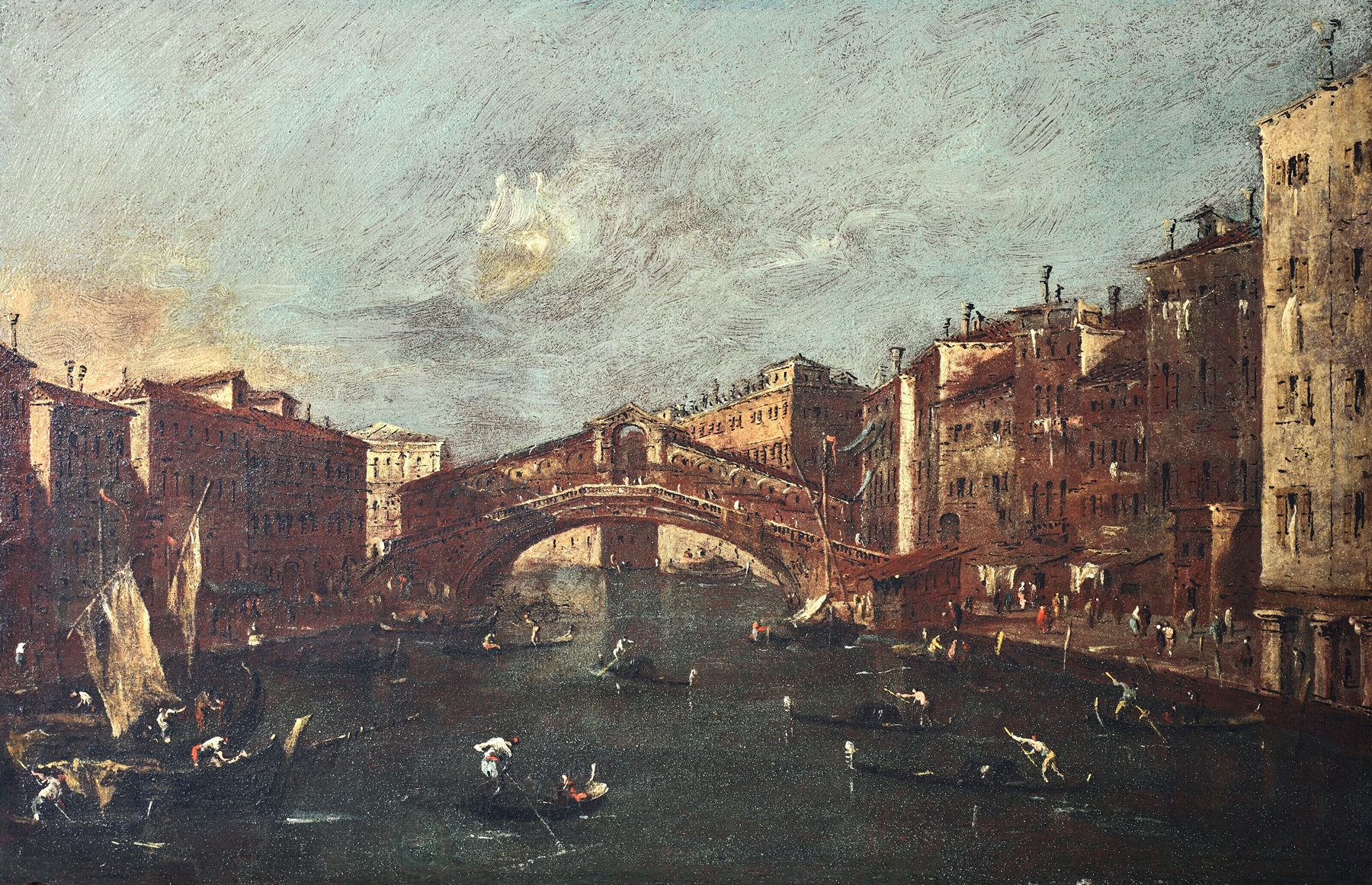
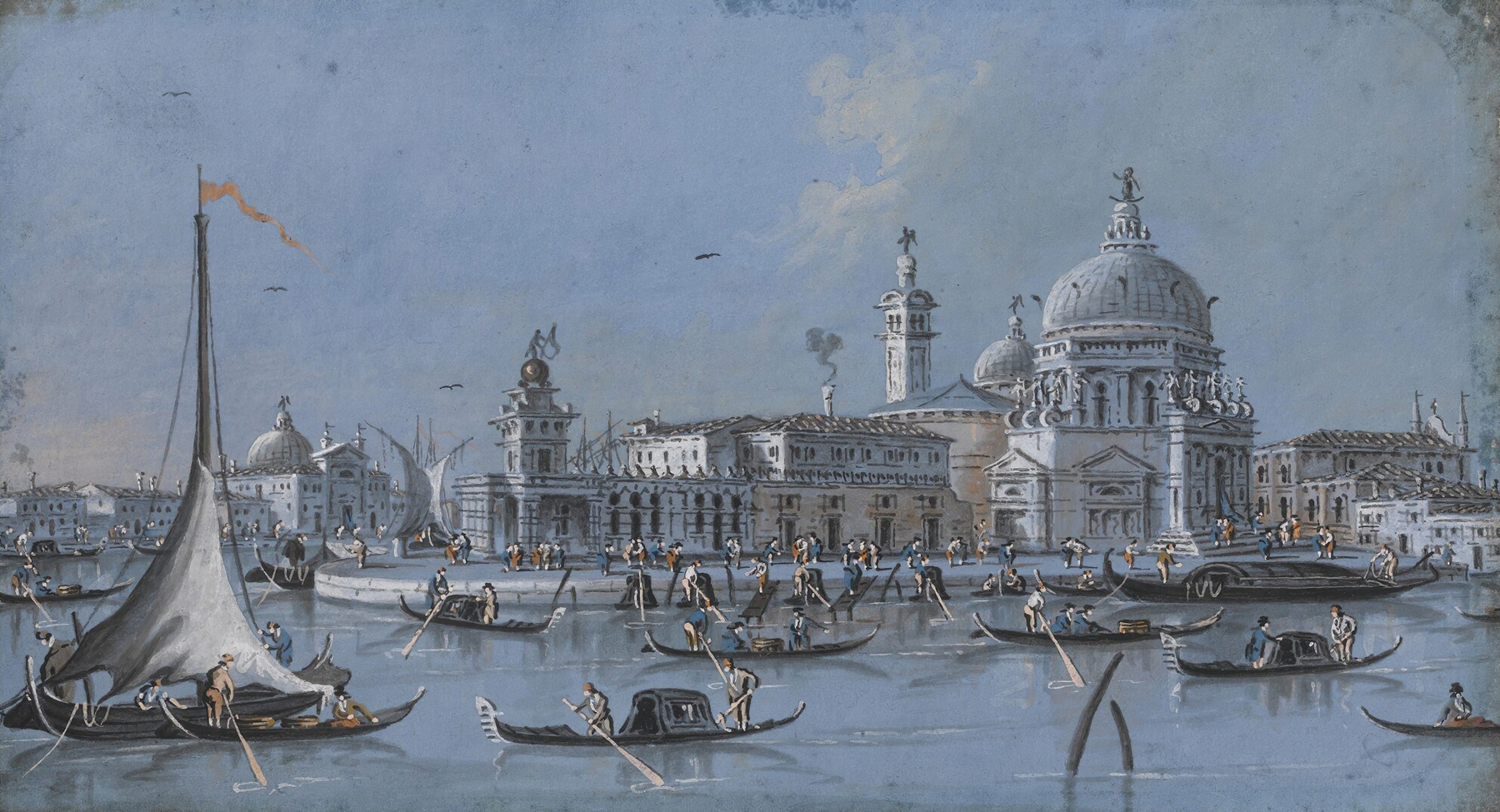
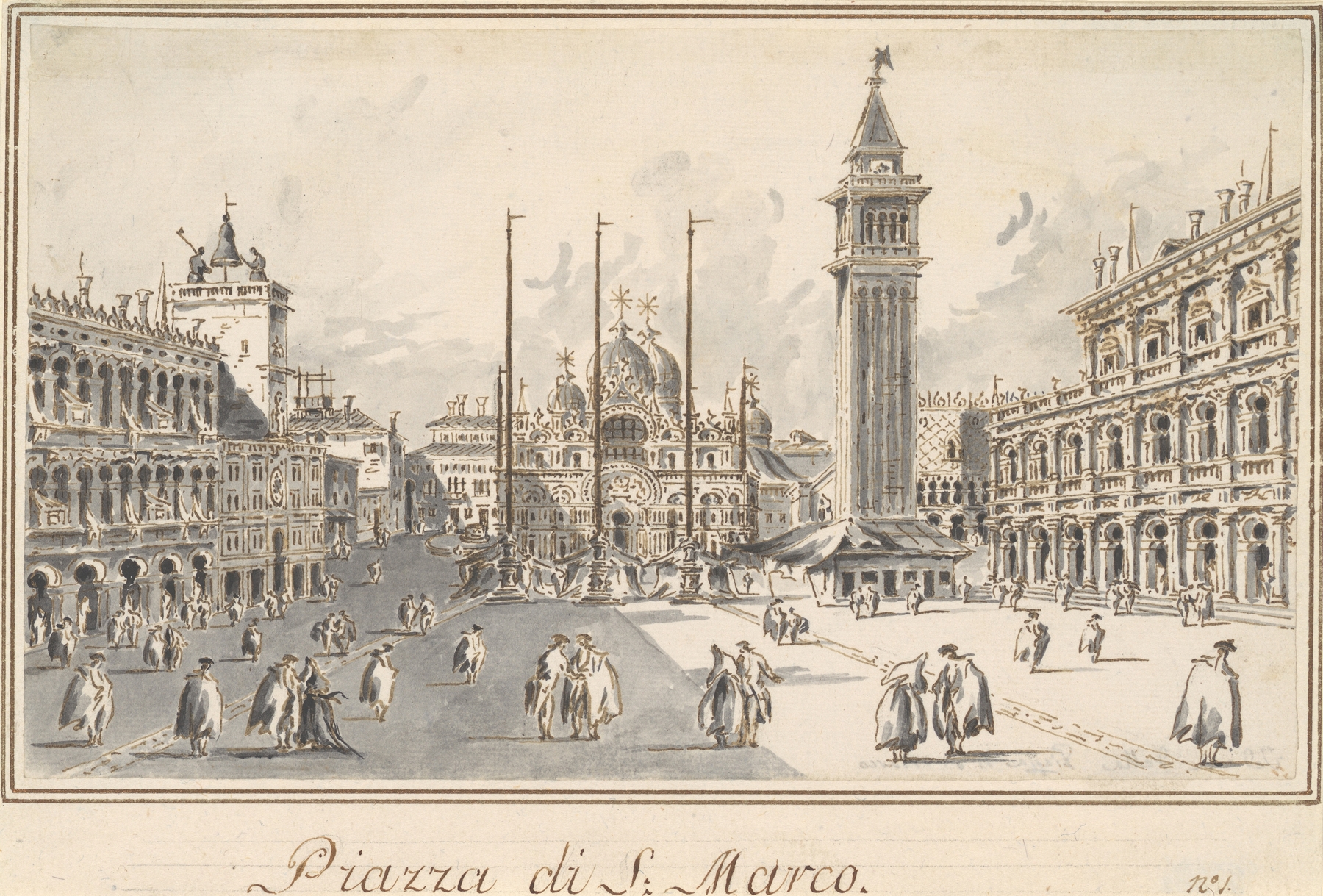
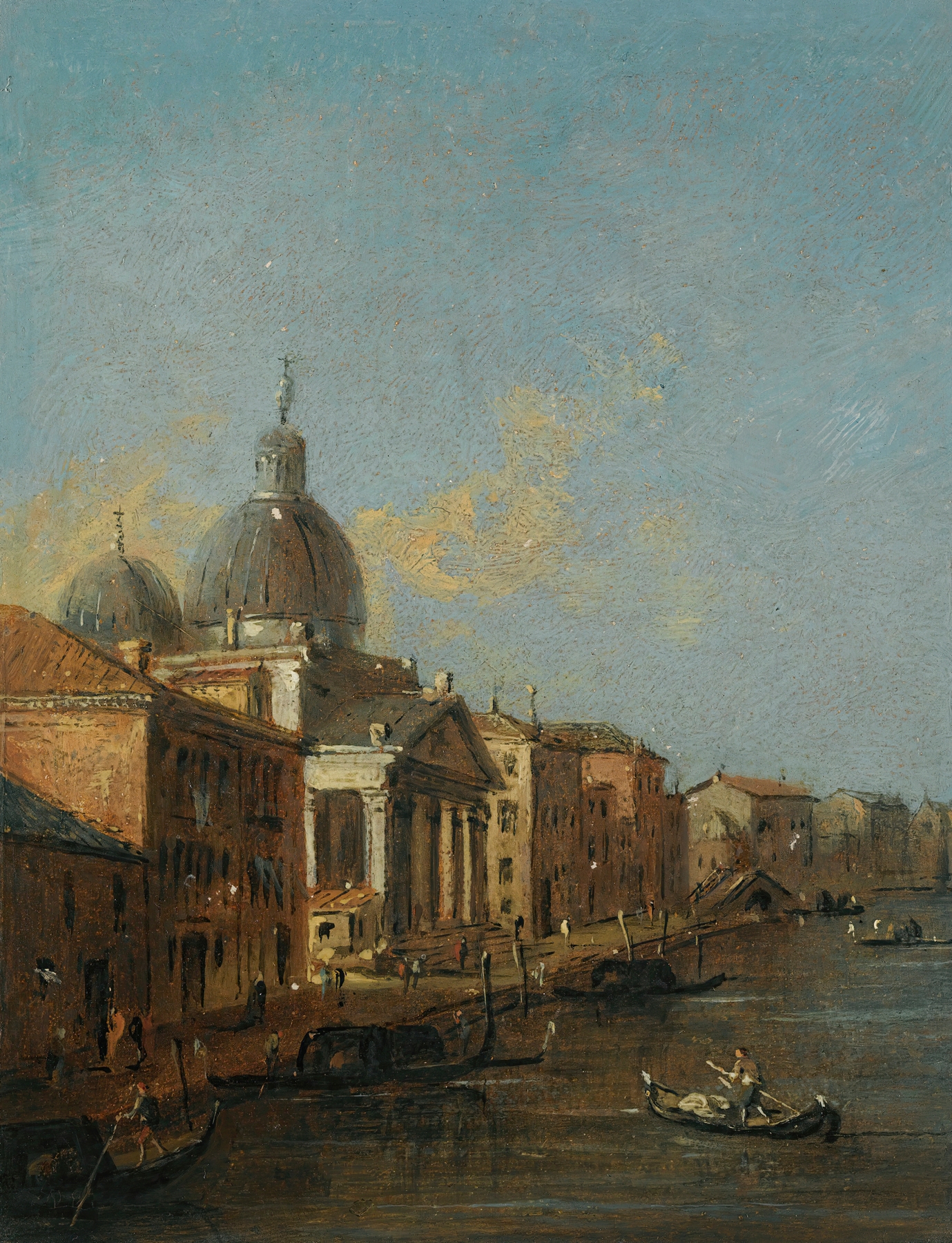
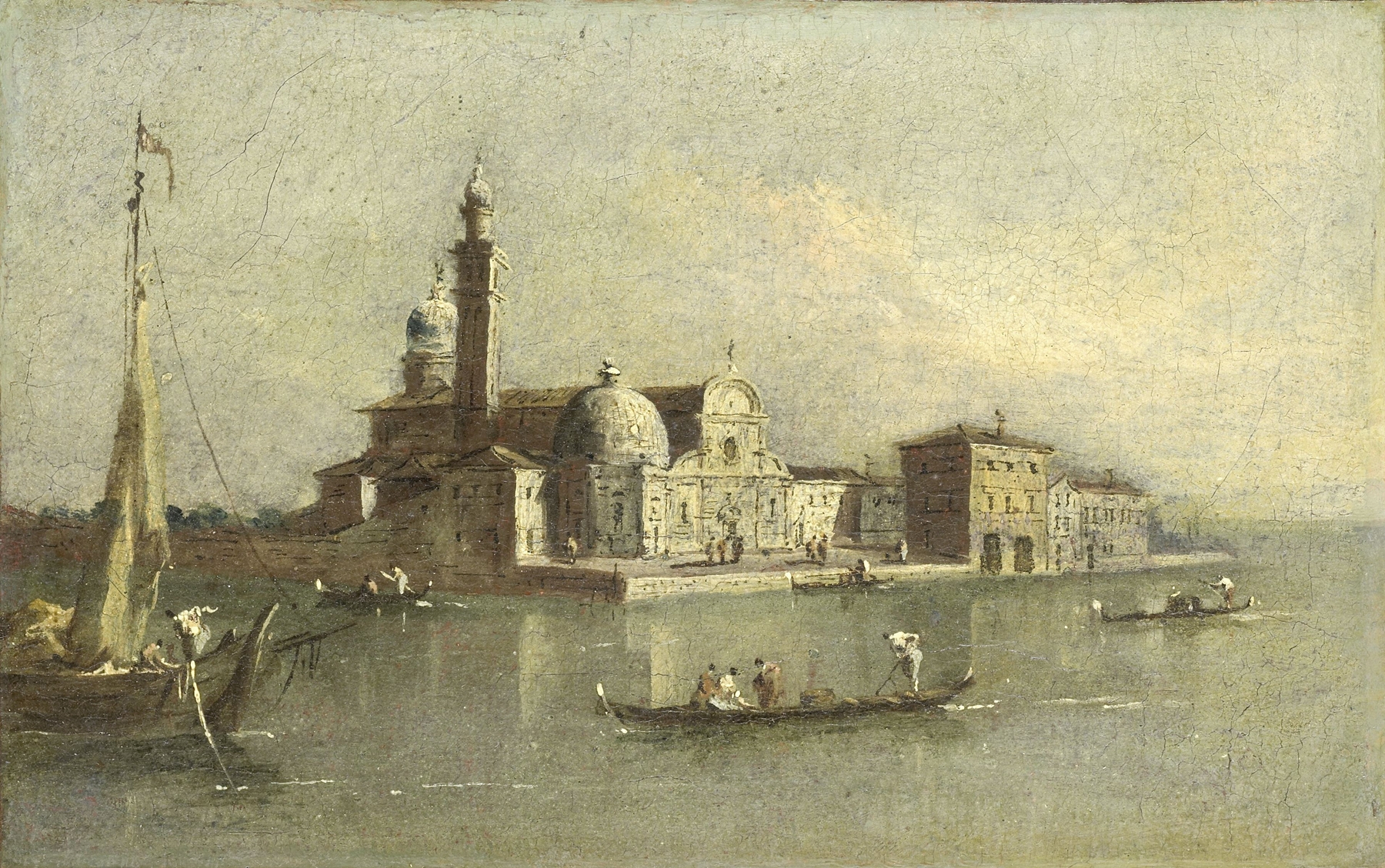
“Sometimes beauty is just pain, disguised in gold.” The allure of a decaying world can mask the weight of its history, inviting contemplation and reflection. First, focus on the gentle ripples of the lagoon, where the water dances in a spectrum of blues and greens, inviting your gaze deeper into the reflection of long-forgotten ruins. Notice how the crumbling architecture rises majestically from the water, their weathered stones bathed in a warm glow that hints at both the passage of time and the transience of beauty. The figures scattered throughout the scene, small and almost ghostlike, blend seamlessly with the landscape, their presence a reminder of the lives once lived.
Deeper layers unfold within the artwork, revealing the interplay of light and shadow as a metaphor for memory and loss. The delicate strokes of the brushwork evoke a sense of nostalgia, where every ruin narrates stories of grandeur now faded. The balance between the serene lagoon and the imposing remains of civilization creates a poignant contrast, allowing viewers to ponder not only what was lost but also the beauty that remains amid decay.
Giacomo Guardi painted this scene during a time marked by societal shifts in 18th-century Venice, a city grappling with its own fading splendor. The artist, known for capturing the ethereal qualities of light and landscape, sought to immortalize not only the physical beauty of the lagoon but also its melancholic history. As the art world began to usher in new movements, Guardi’s focus on the delicate interplay of emotion and environment solidified his place within the evolving narrative of Venetian art.