The Warship ‘De Jacob’ at Anchor — History & Analysis
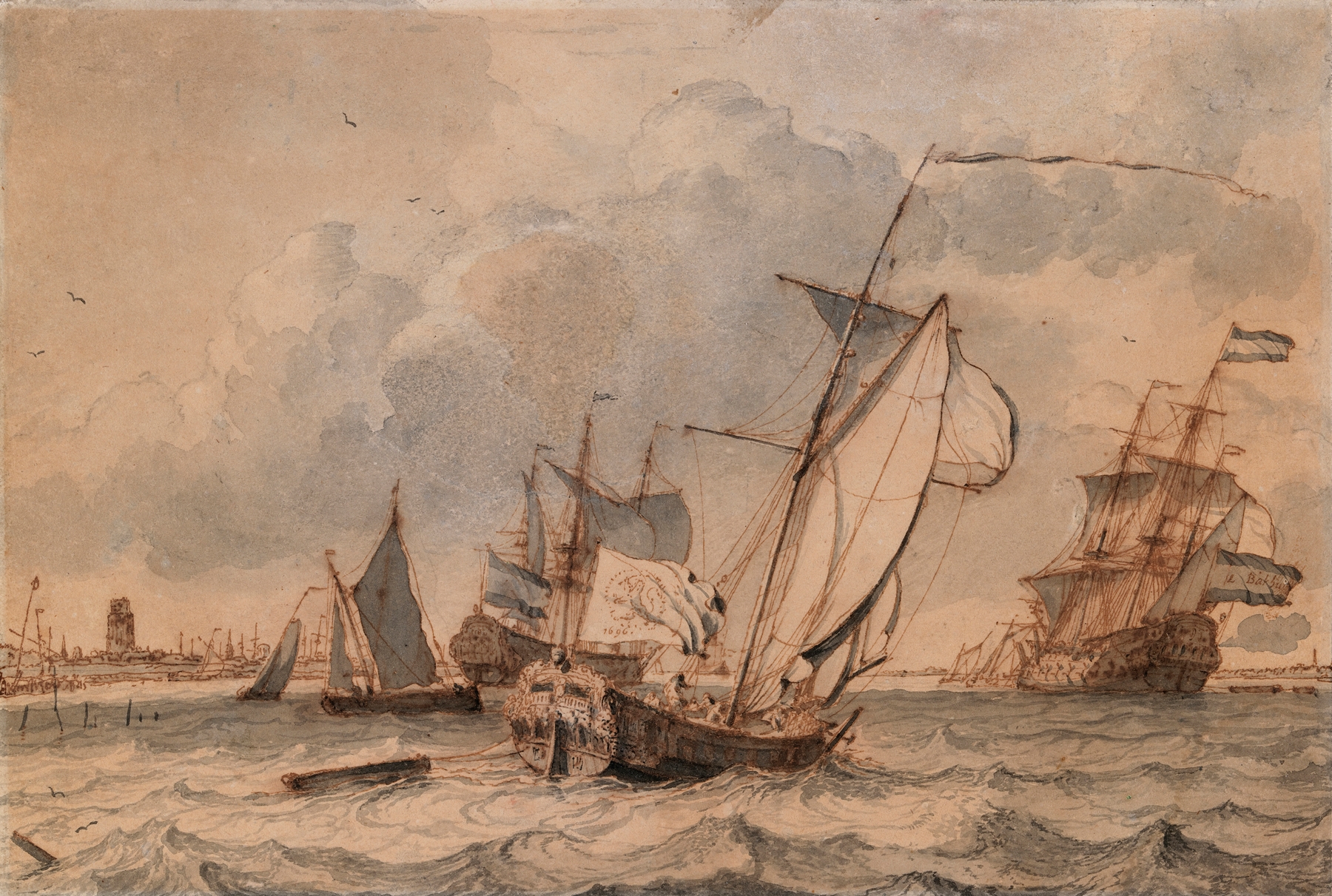
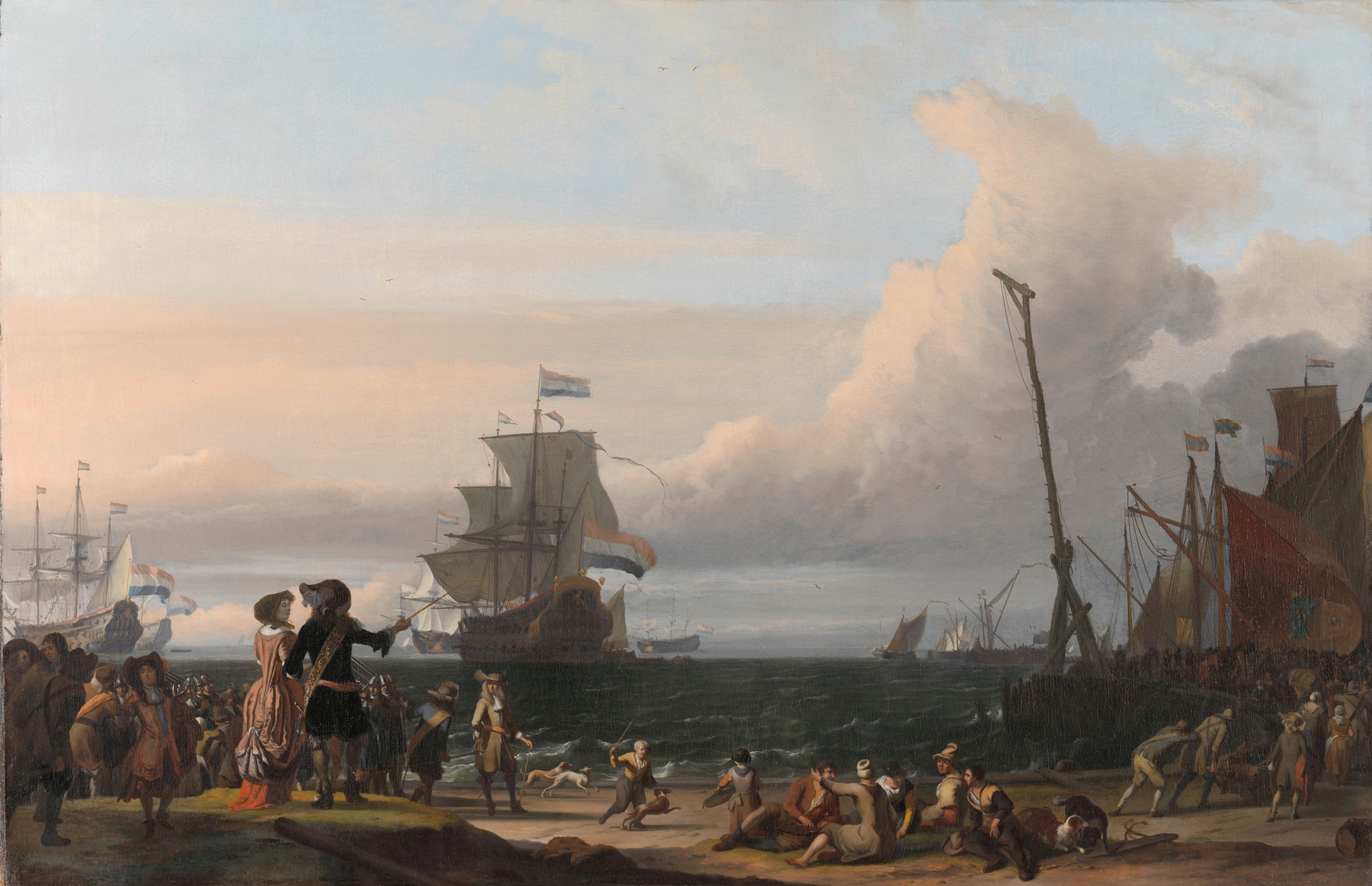
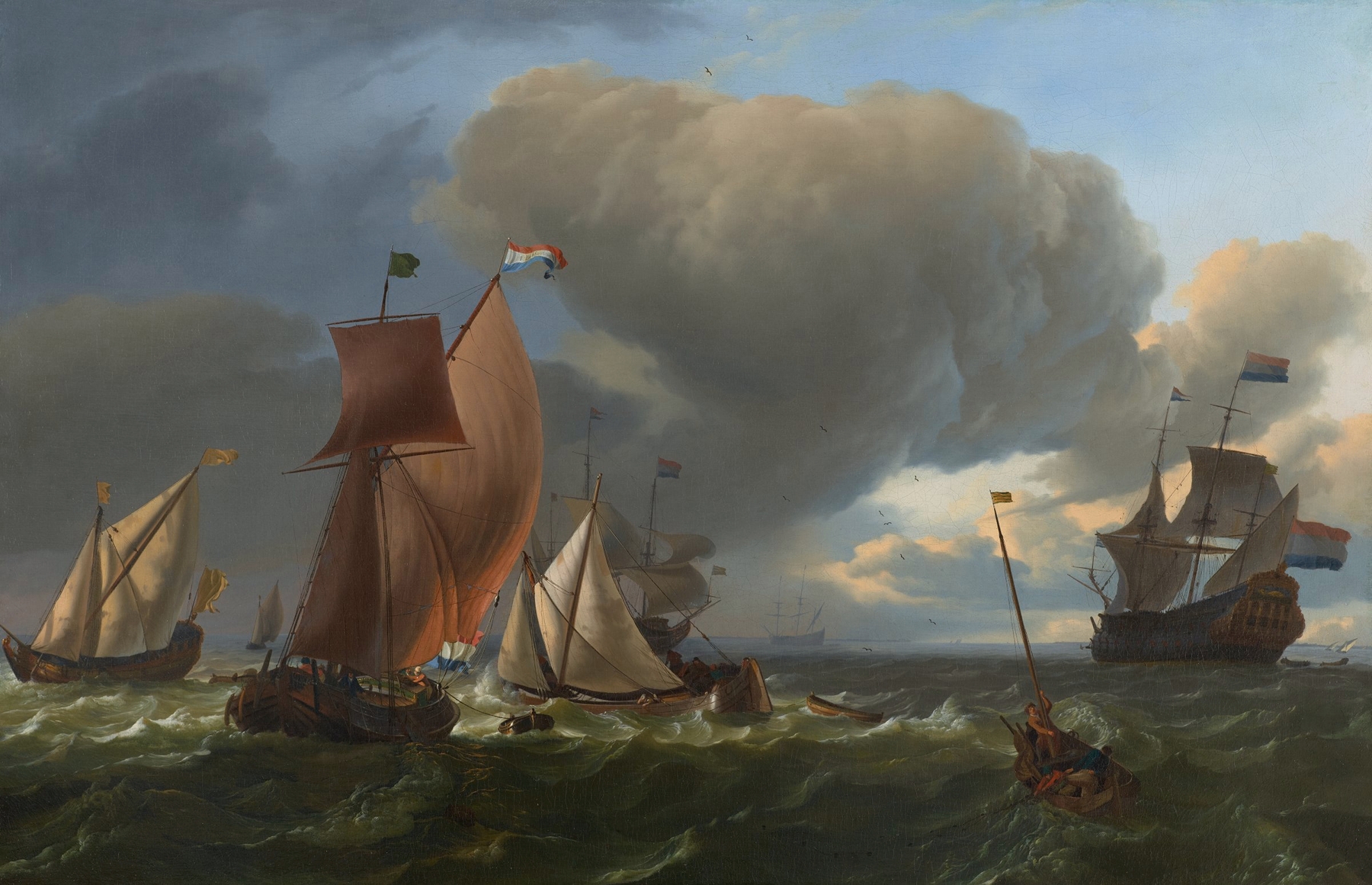
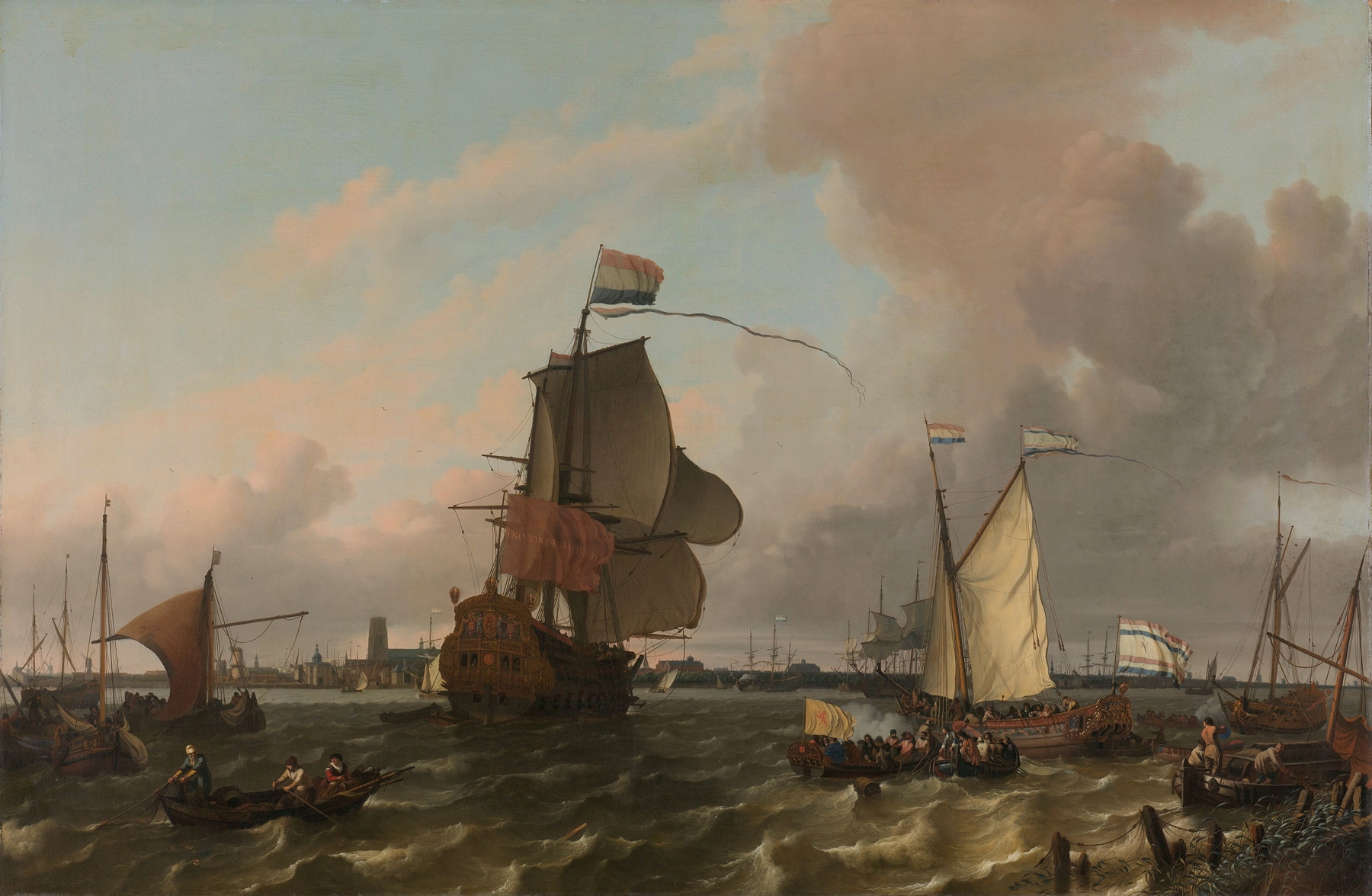
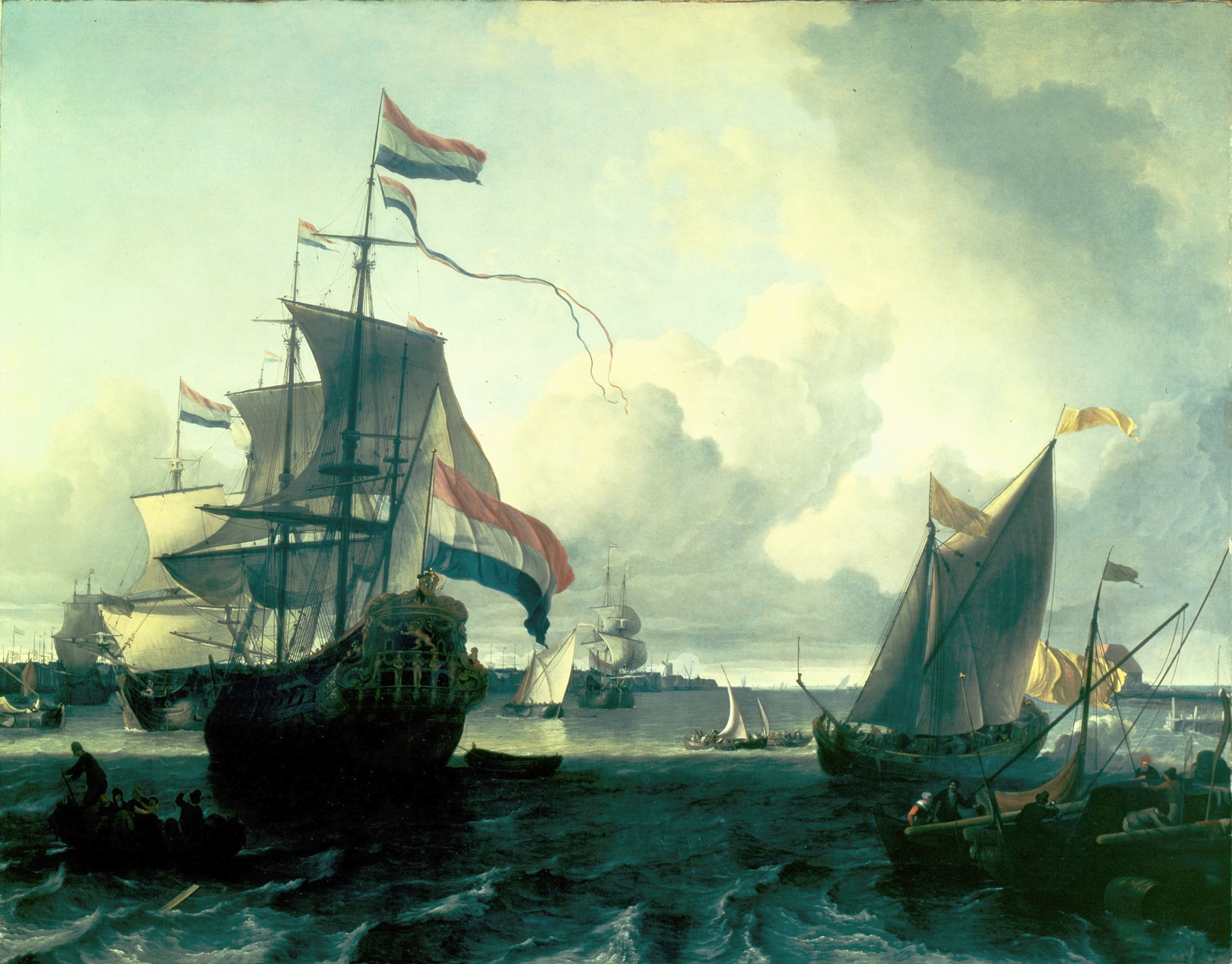
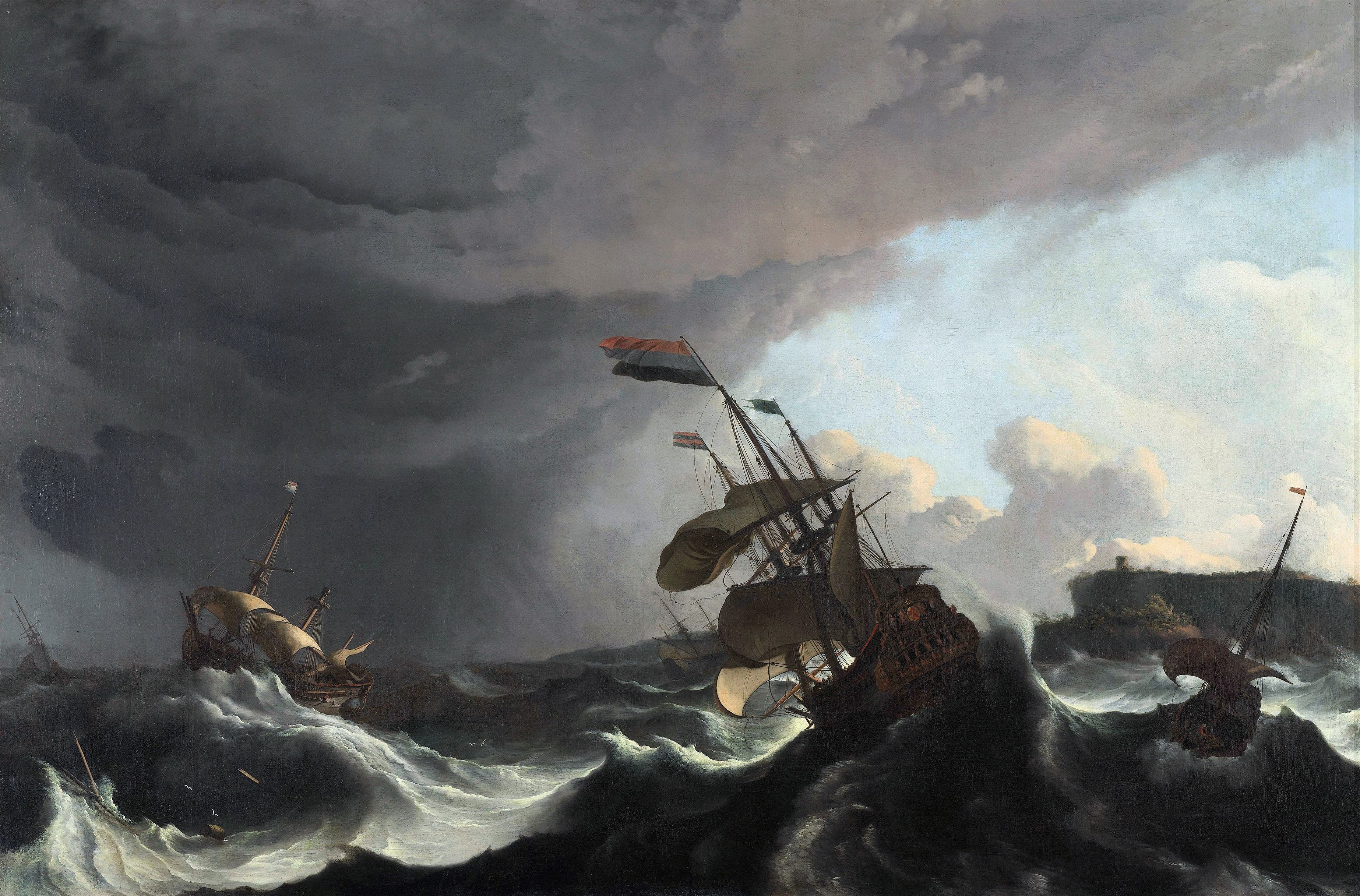
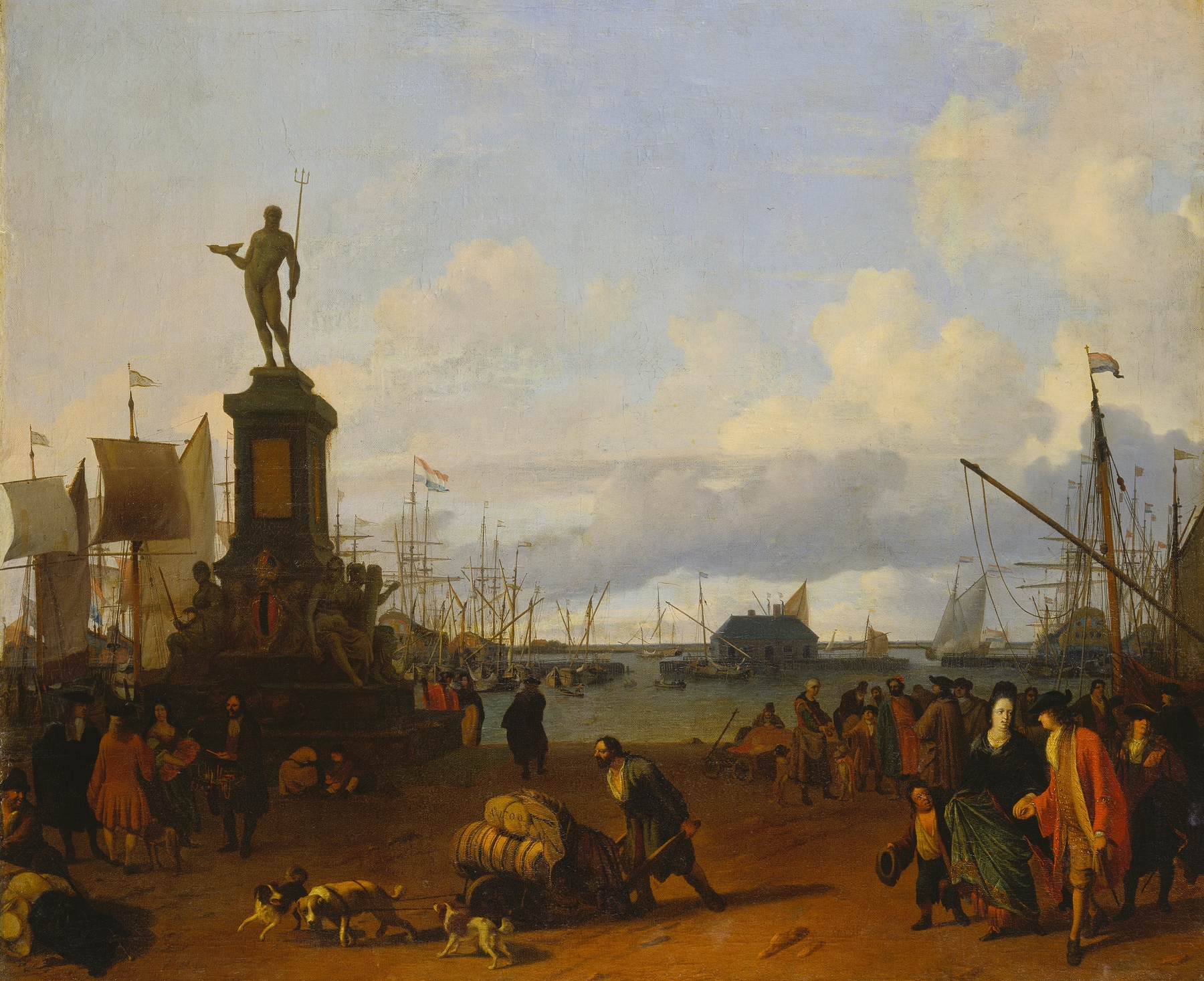
“To paint is to remember what time wants us to forget.” In the stillness of a harbor, where the echoes of past battles linger like whispers in the wind, the yearning for lost glory hangs palpably in the air. Each brushstroke captures not just a ship but a narrative of ambition, struggle, and the relentless passage of time that renders all victories temporary. Look closely at the center of the canvas, where the majestic warship rides gently at anchor. Its sails, billowing slightly, catch a delicate light that dances across the water, illuminating the vessel's intricate rigging. Notice how the artist employs a cool palette of blue and gray, blending seamlessly with touches of warm sunlight that break through the clouds, creating a stark contrast between the calm of the sea and the drama of the sky.
This balance evokes a sense of serenity yet hints at the tumultuous past of the ship. Delve deeper, and you will find hidden tensions in the painting. The stillness of the scene belies the ship's history, suggesting a longing for the battles fought and the journeys undertaken. The small boats surrounding the warship symbolize both companionship and isolation, emphasizing the duality of human experience — a reminder of our interconnectedness yet the solitude that often accompanies remembrance.
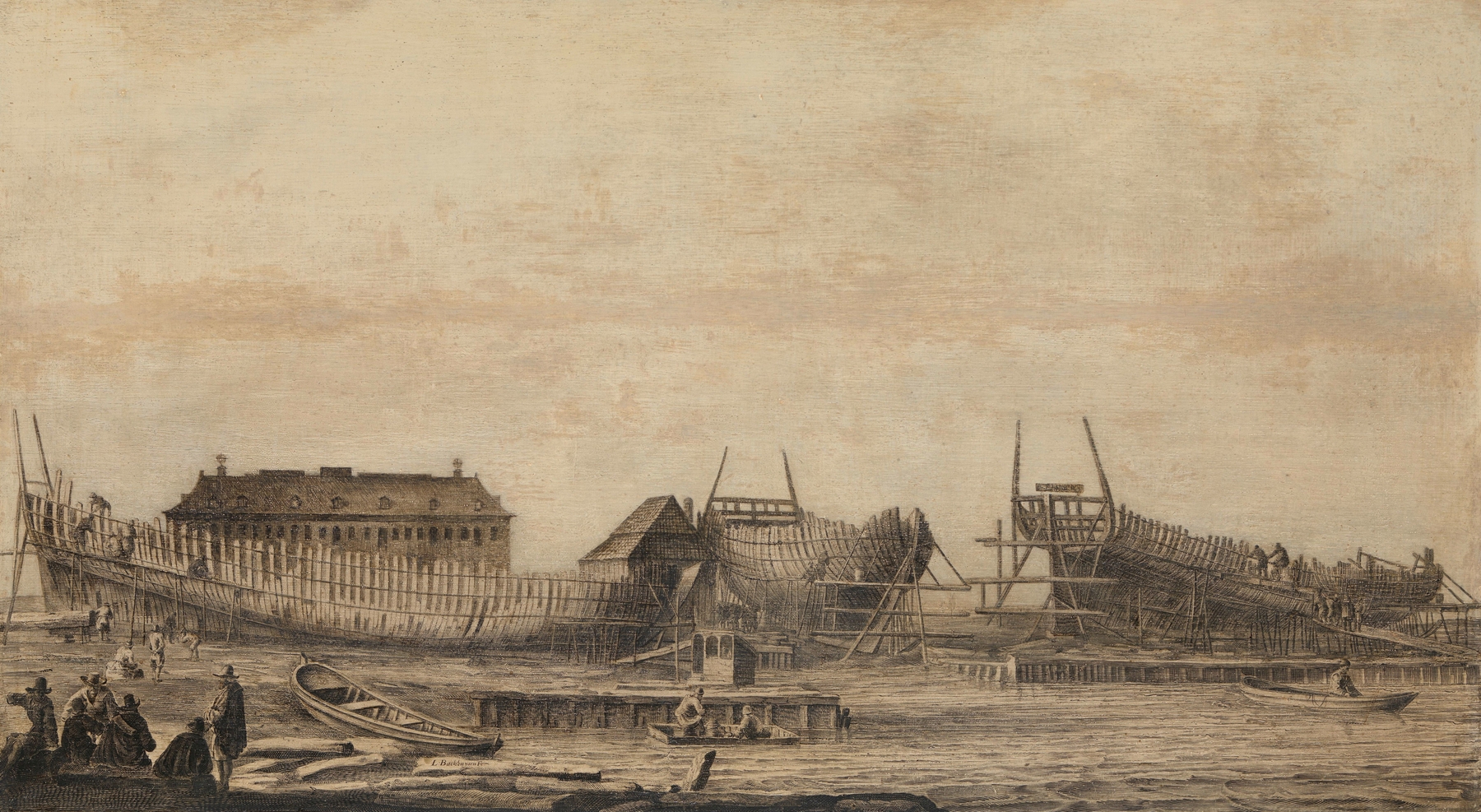
The gentle ripples in the water mirror this emotional conflict, reflecting a world that is ever-changing yet anchored in memory. Created during a period of significant maritime exploration and the rise of powerful naval forces, this work reflects the artist’s mastery in capturing the essence of seafaring life. Although the exact date remains unknown, Ludolf Backhuysen painted in the late 17th century, a time when the Dutch Republic was at the height of its maritime dominance. His representations not only showcase technical skill but also echo the sentiments of a nation proud of its naval achievements and ever aware of their transience.