The Whale’s Back — History & Analysis
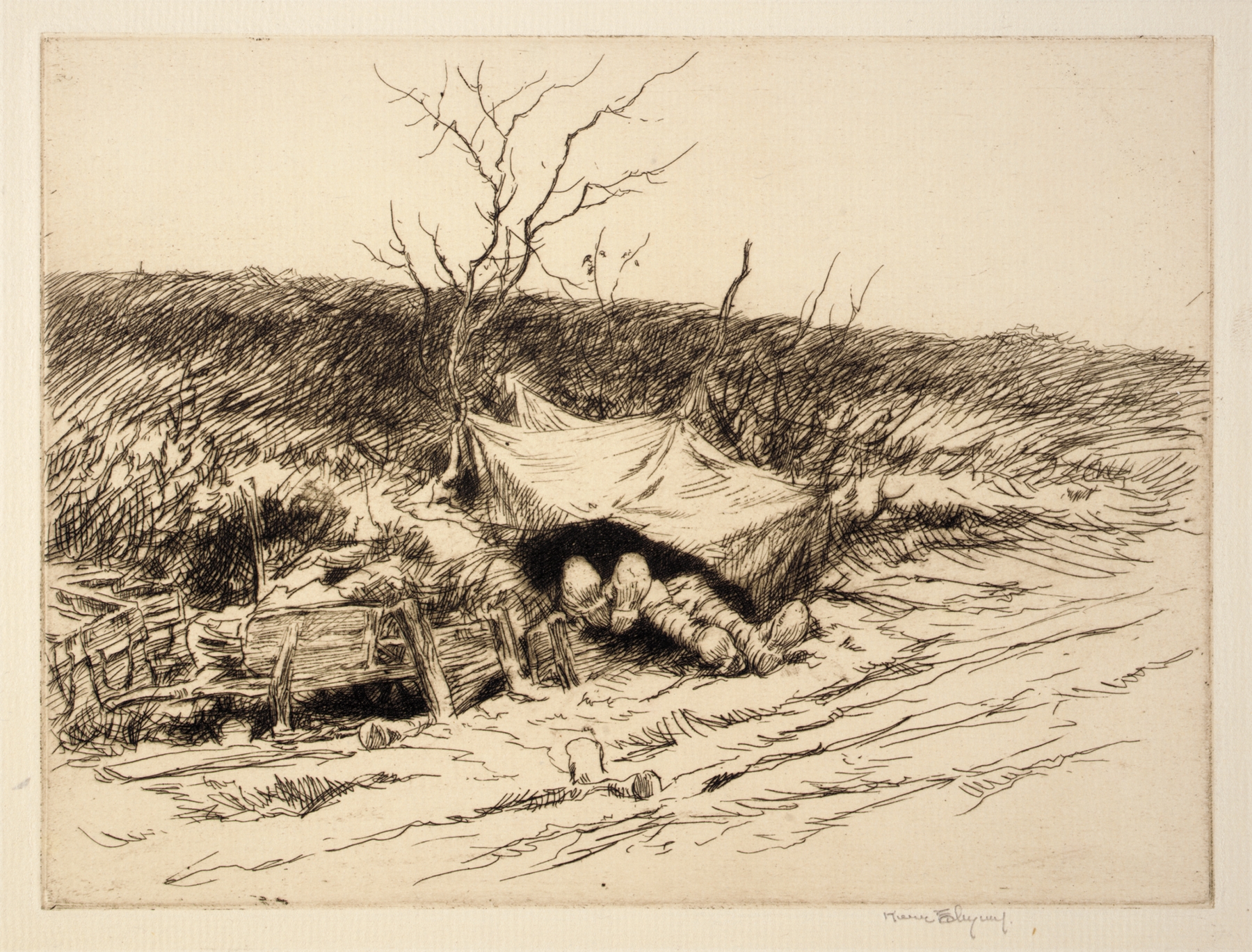
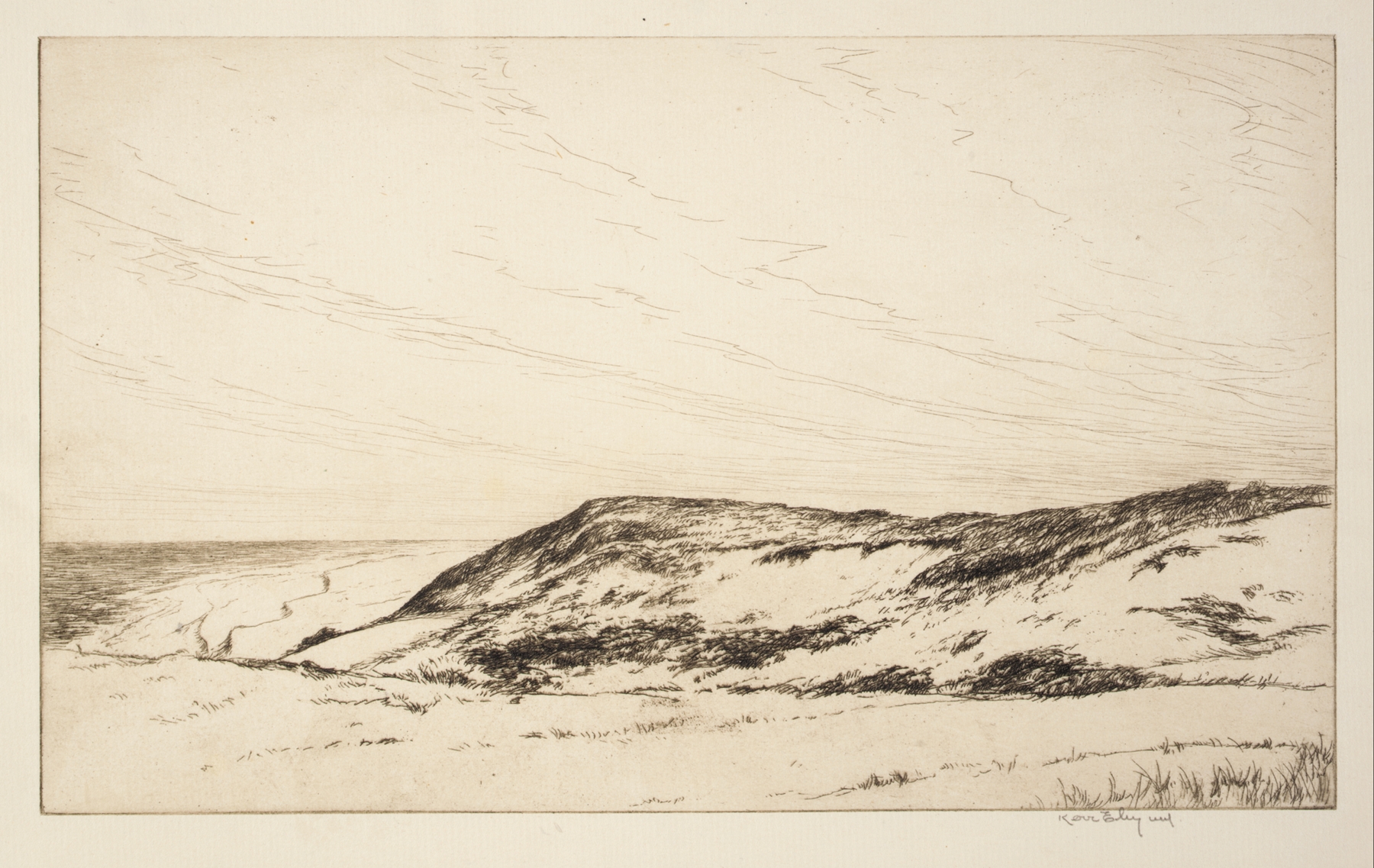
Where does light end, and longing begin? In the delicate interplay between the vastness of the ocean and the gentle rise of a whale's back, serenity unfolds, inviting contemplation amidst its depths. Look to the center of the canvas where the whale emerges, its back glistening in the soft, diffused light, which casts a tranquil glow over the surrounding water. The artist employs a palette of deep blues and muted greens, evoking the calm of the sea while highlighting the creature's majestic form.
Notice how the fluid brushstrokes create a sense of movement, giving life to the water that curls around the whale, almost as if nature itself cradles this enormous being. Within this serene scene lies a profound connection between humanity and the natural world. The whale symbolizes the depth of existence, a gentle giant navigating the vast, uncharted waters of life. The contrast between the creature's solidity and the ephemeral nature of the water reflects our own struggles to find permanence in a transient world.
Each ripple whispers of the unknown, suggesting both the tranquility of acceptance and the haunting pull of the infinite horizon. Kerr Eby painted this work in 1926, during a time when he was deeply immersed in exploring themes of nature and the human experience. Residing in New York, he was influenced by the rising currents of modernism, yet he remained dedicated to capturing the raw beauty of the natural landscape. Eby's work during this period reflects a longing for connection, both to the environment and the emotional landscapes of his own life.