The wood gatherer — History & Analysis
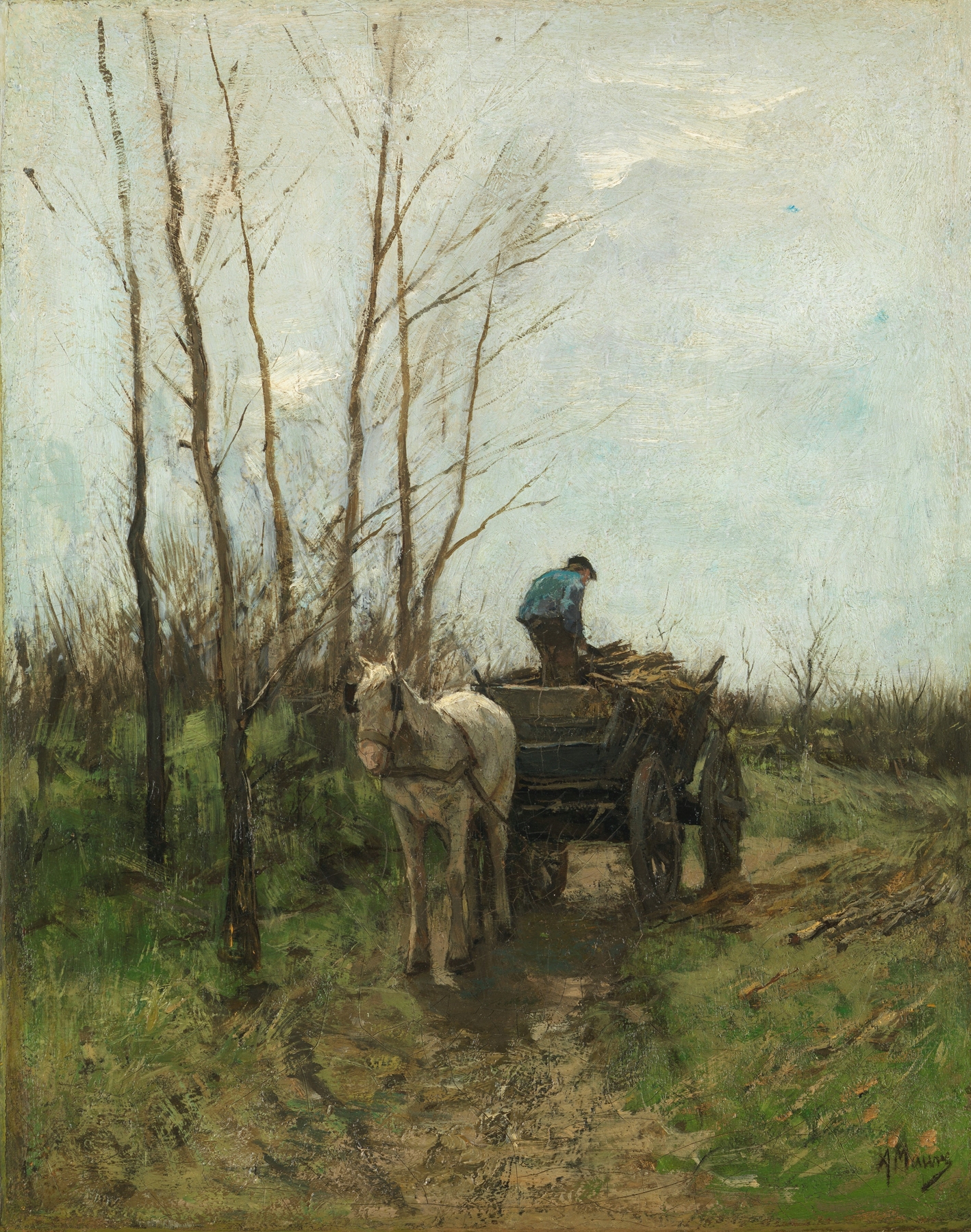
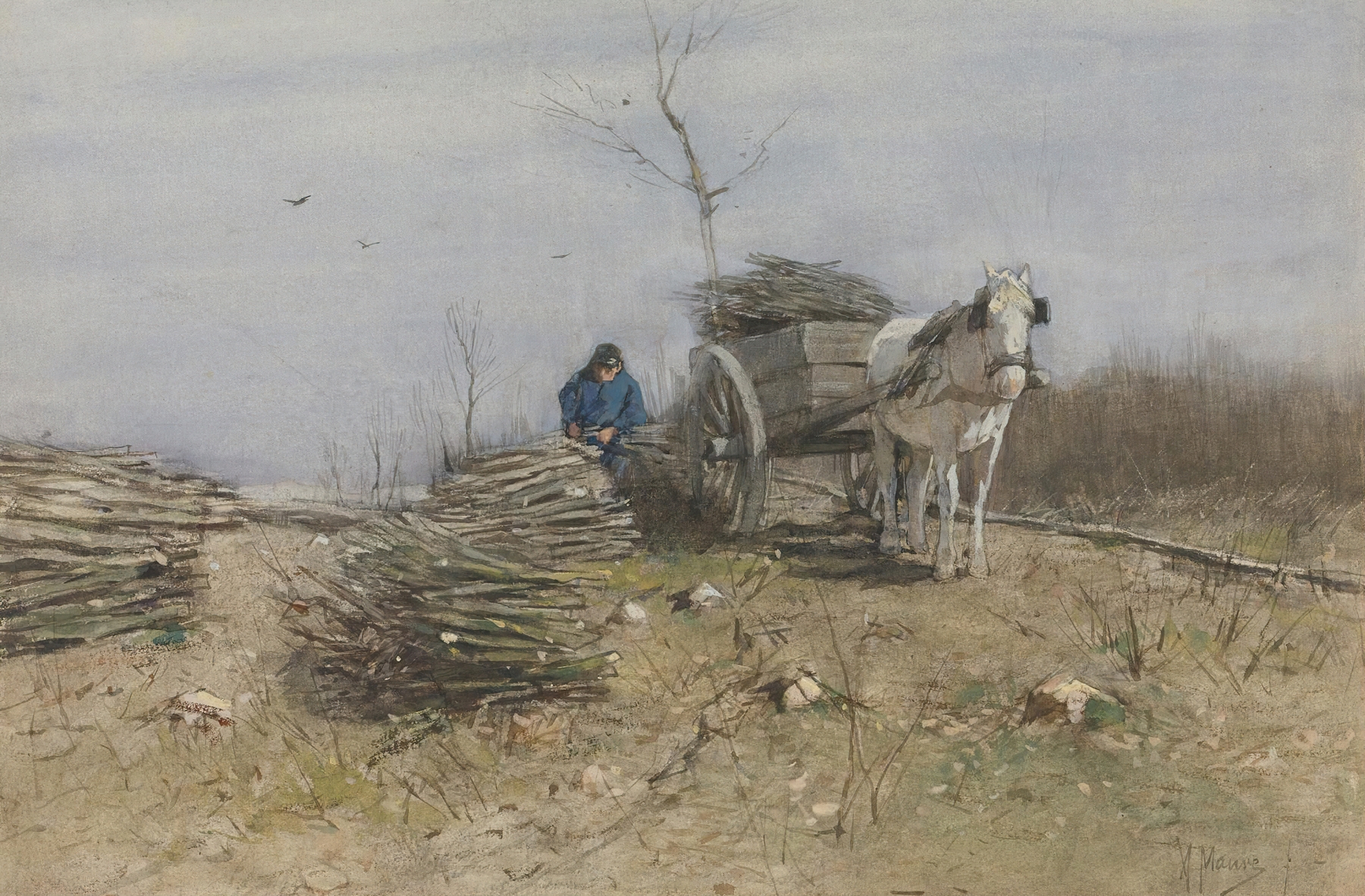
What secret hides in the quiet of the canvas? In a world brimming with noise, grief often lingers in silence, waiting to be unveiled. Look to the left at the figure of the wood gatherer, his hunched shoulders suggesting the weight of both his burden and his sorrow. The soft, muted palette of browns and grays envelops the scene, creating an atmosphere that feels both intimate and melancholic.
Notice how the evening light filters through the trees, casting gentle shadows that seem to dance around him, further emphasizing his solitude. Every brushstroke is deliberate, imbuing the landscape with a sense of tranquil desolation. As you explore the subtle details, you may sense the emotional tension between the surrounding nature and the figure’s introspective demeanor. The wood, a symbol of sustenance and survival, becomes a poignant reminder of loss — is he gathering for himself or in remembrance of someone gone?
The contrast between the serene environment and the man’s heavy heart invites contemplation on the relationship between labor and grief, suggesting that even in work, sorrow can linger deeply. Painted during an uncertain time in France, Mauve created this piece amidst the burgeoning movement of realist art, where emotion and daily life were brought to the forefront. As a member of the Hague School, he sought to capture the essence of rural existence, reflecting not only the beauty of nature but also the somber realities of life. This particular work, undated but reflective of his mature style, encapsulates a moment that resonates with the human experience — one marked by both labor and loss.