The Y at Amsterdam, with the Frigate ‘De Ploeg’ — History & Analysis
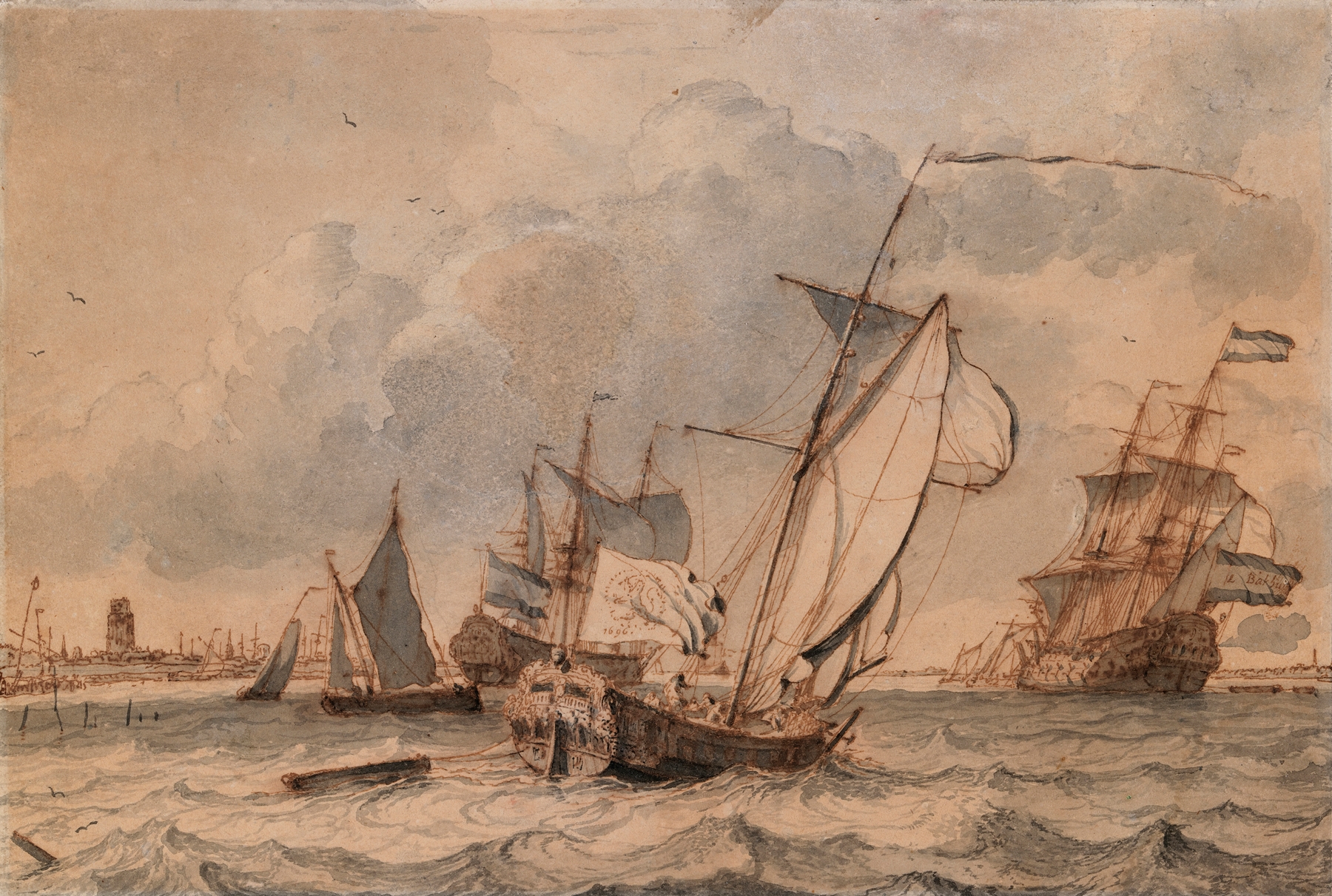
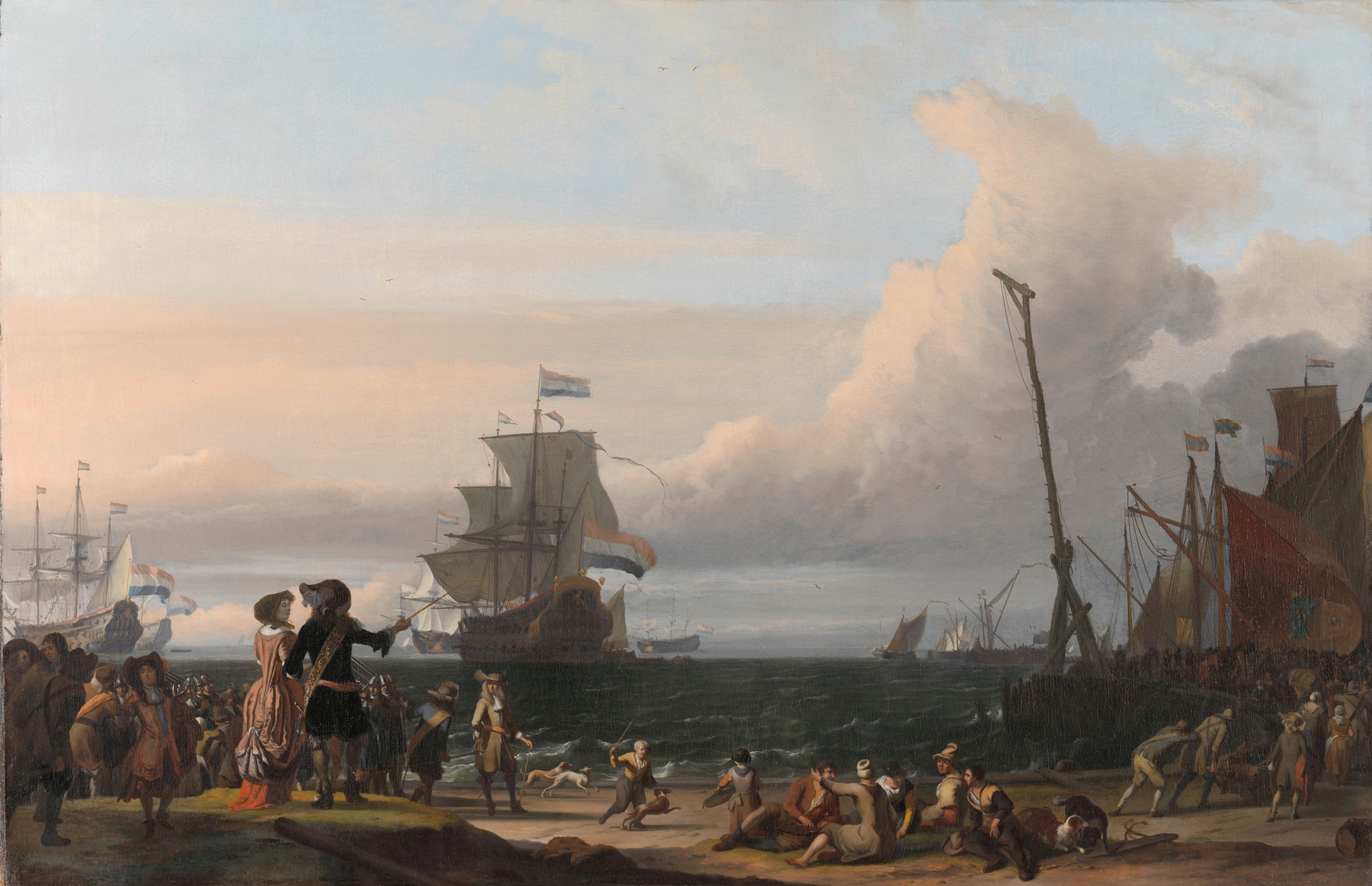
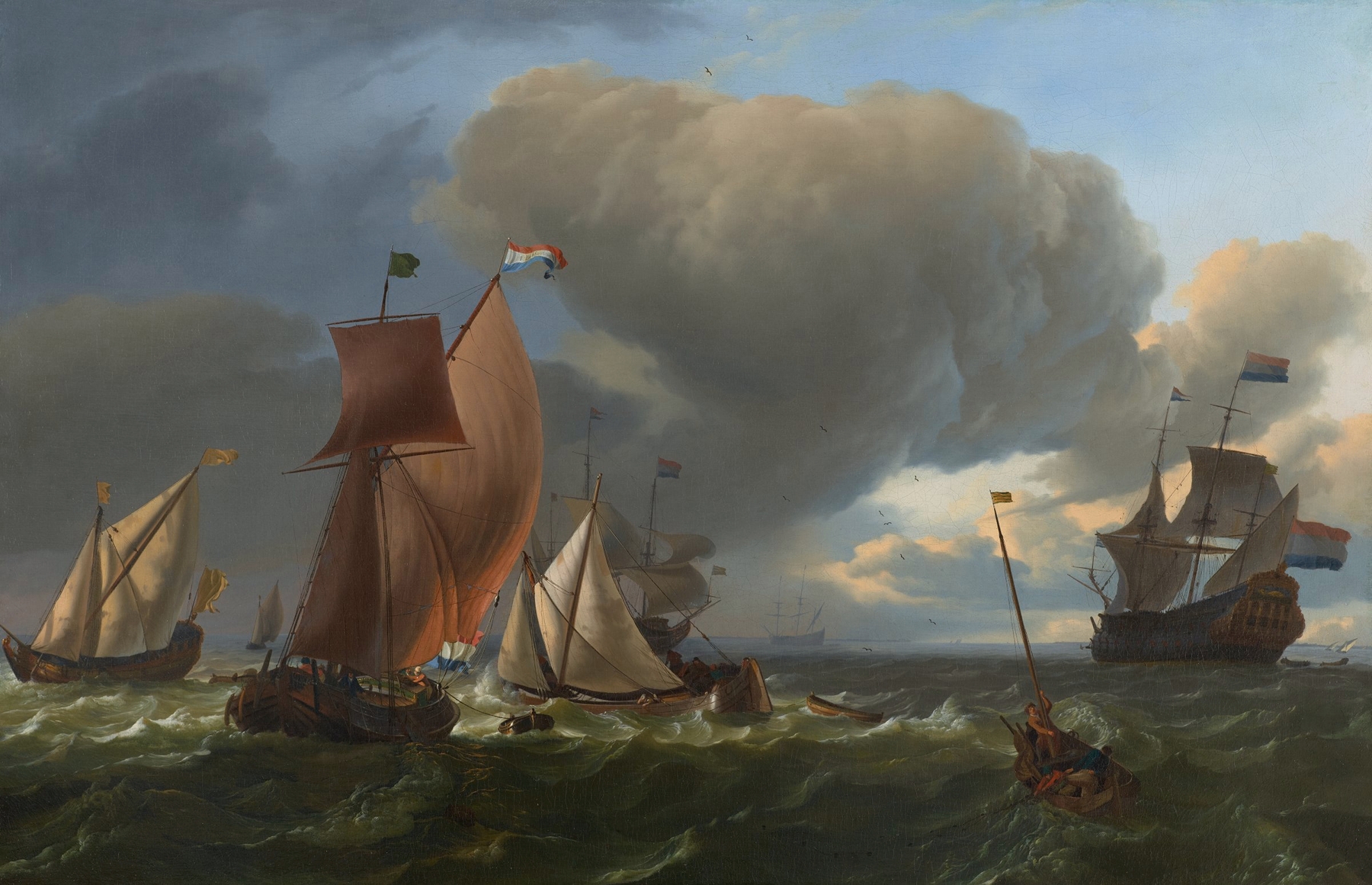
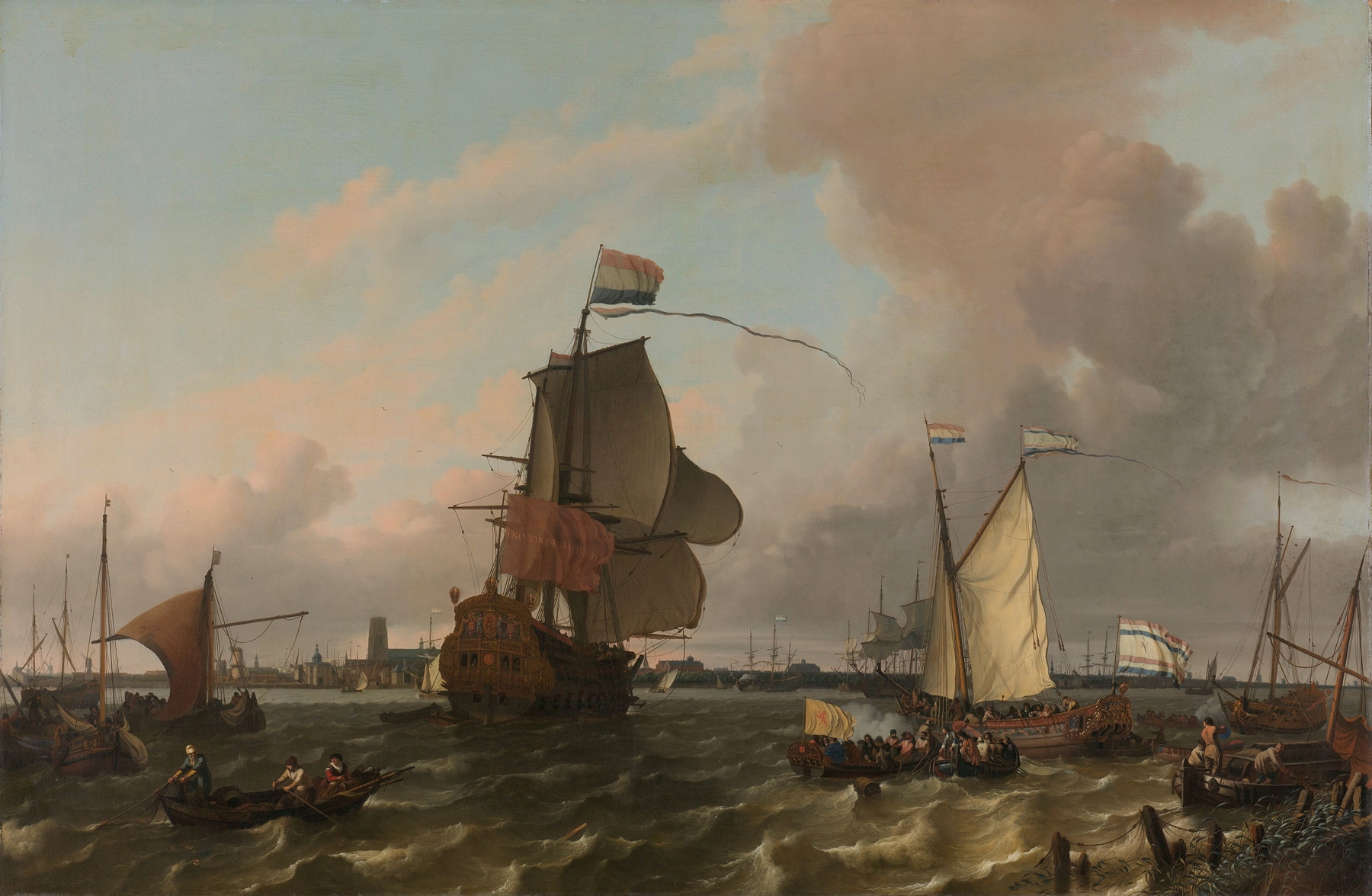
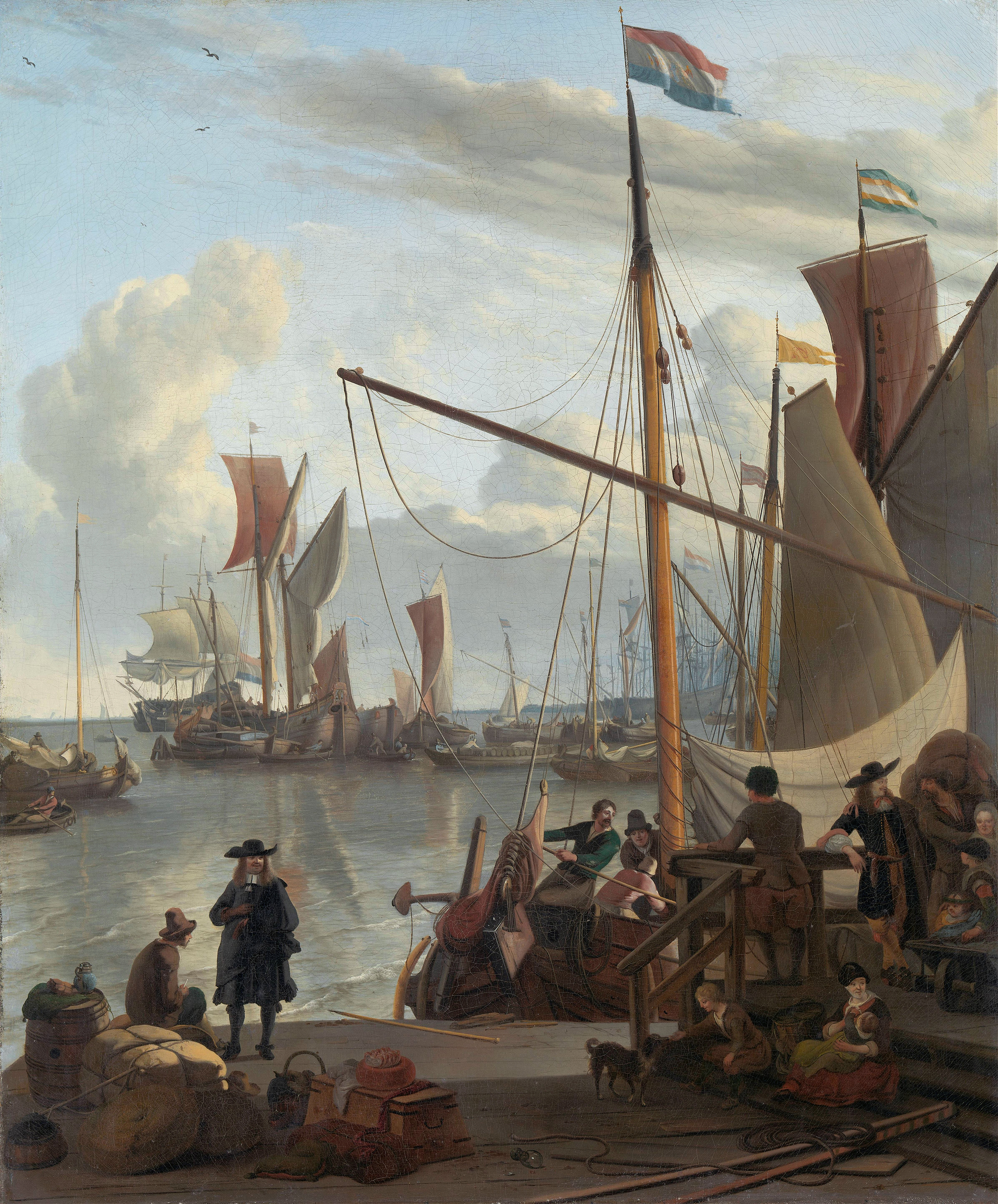
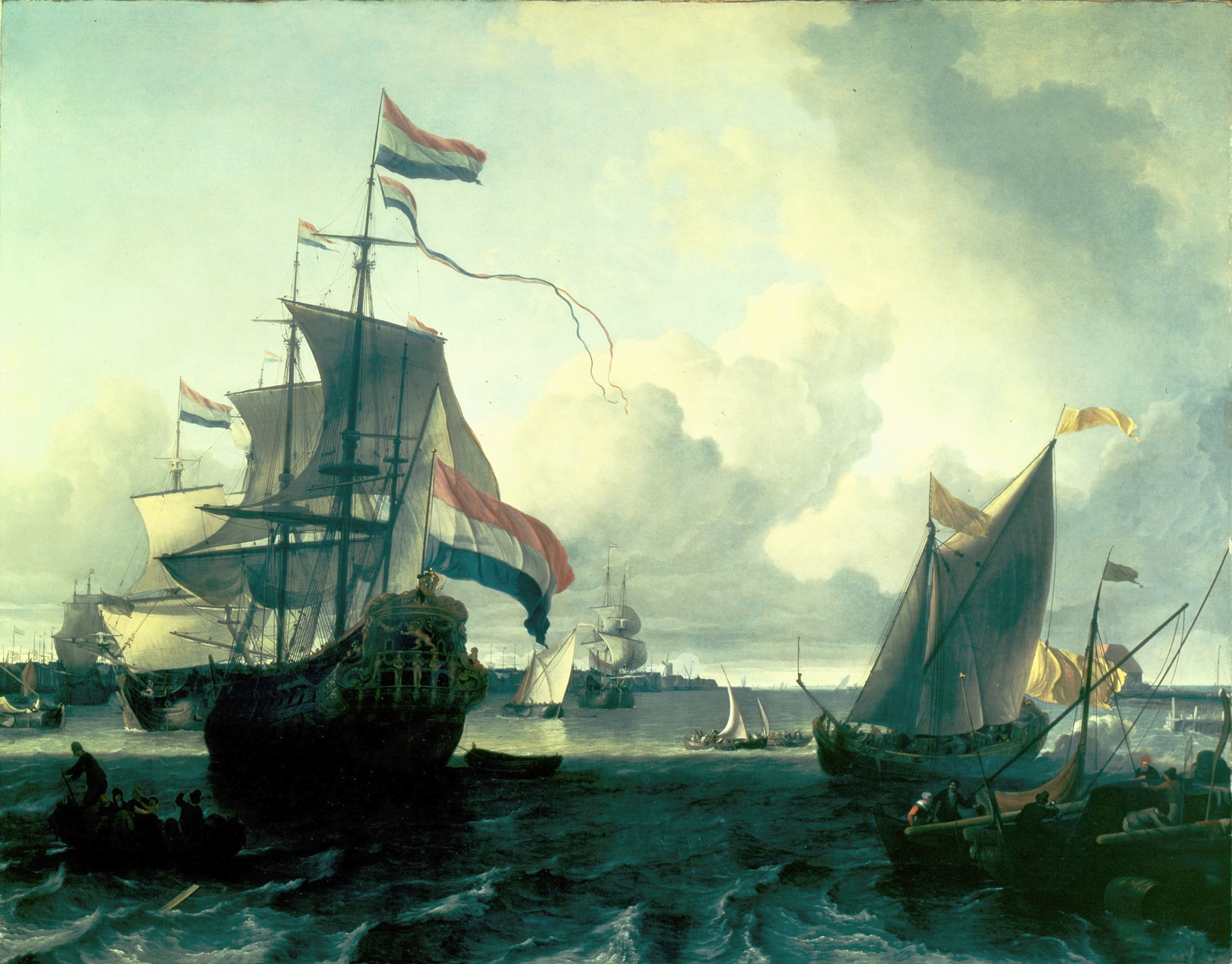
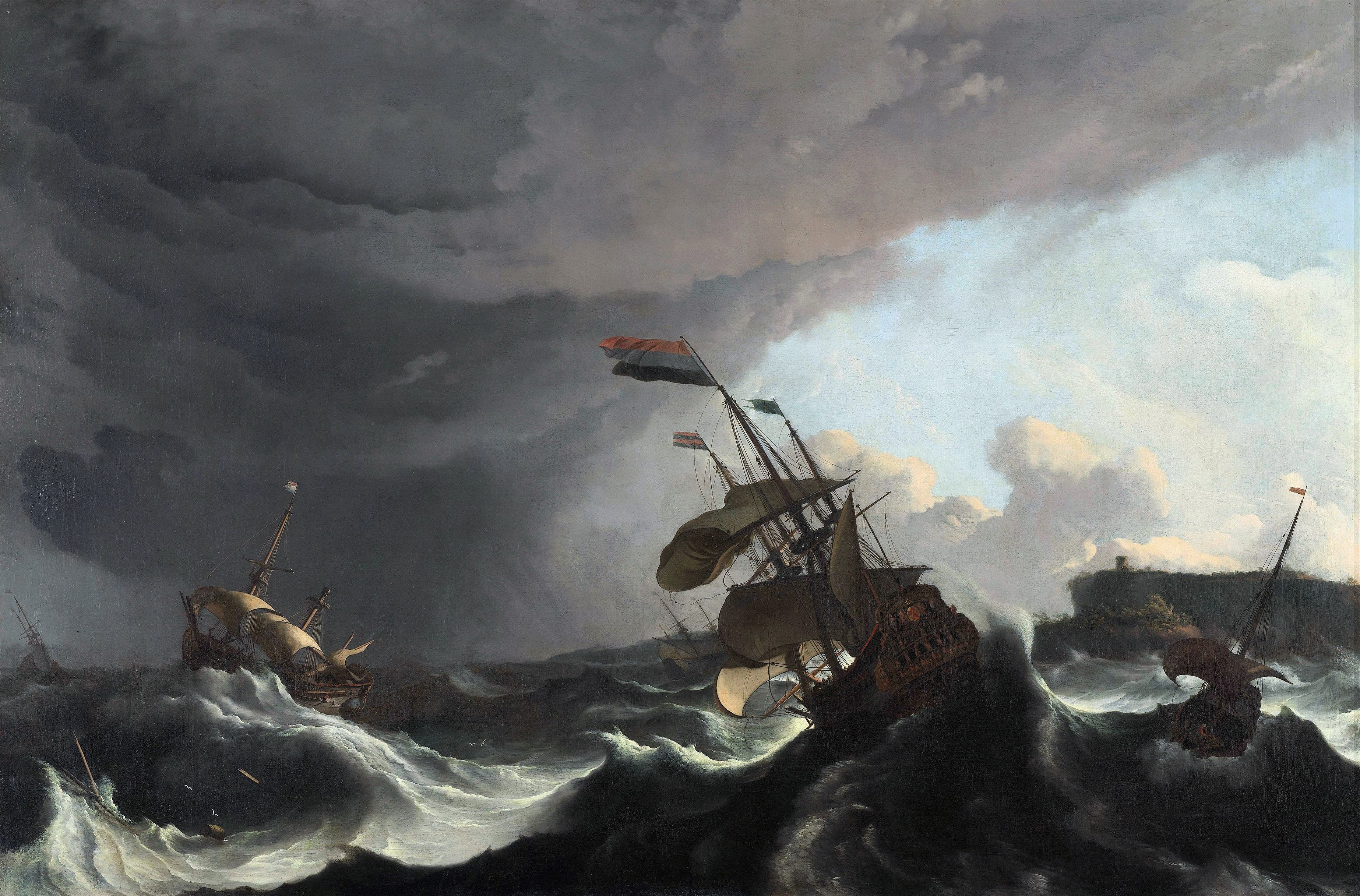
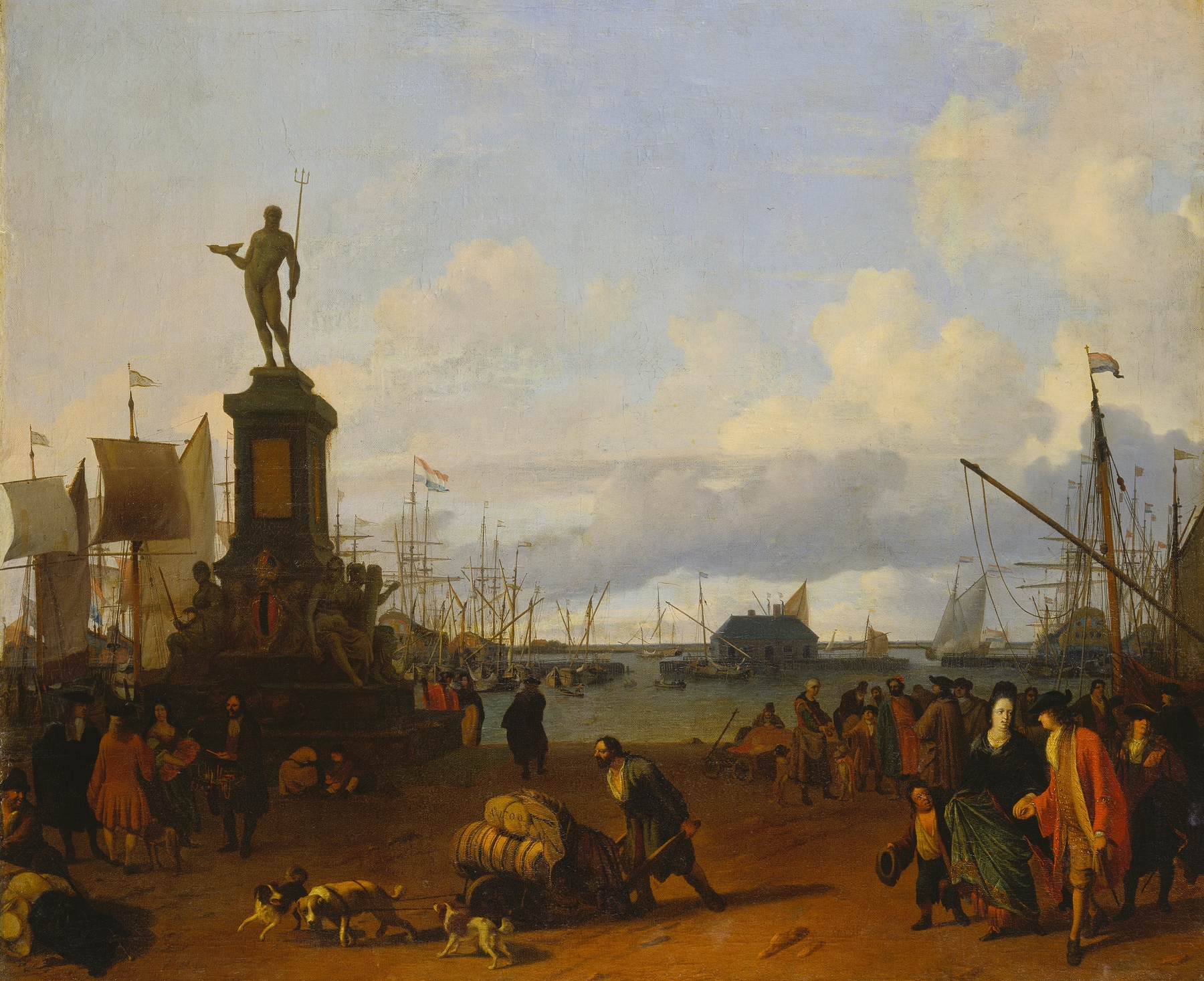
What if silence could speak through light? As the sun glimmers off the water's surface, the moment becomes a revelation of serenity amidst maritime bustle. Look to the left at the sublime interplay of light and shadow, where the frigate ‘De Ploeg’ stands majestically in its harbor. The intricate details of the ship’s sails capture the sun's rays, illuminating the white canvas and deepening the rich blues of the water.
Notice how the horizon, painted in soft pastels, draws the eye toward the distant skyline, creating a sense of space and tranquility that envelops the entire scene. Within the composition lies a tension between the vibrancy of the ship and the stillness of the surrounding water. The gentle ripples contrast with the solid form of the frigate, suggesting a dialogue between movement and calm. Additionally, the presence of distant vessels hints at the busy trade routes of the era, evoking a sense of history and the unyielding march of time against the backdrop of nature's beauty.
Ludolf Backhuysen created this work during the late 17th century, a period marked by the Dutch Golden Age's flourishing maritime trade. He painted The Y at Amsterdam, with the Frigate ‘De Ploeg’ in the Netherlands, an era when artists were exploring naturalism and the effects of light. Backhuysen’s mastery in capturing these elements reflected his acute observations of the world around him, a testament to the interplay of art and life during this dynamic time.