Three Boats — History & Analysis
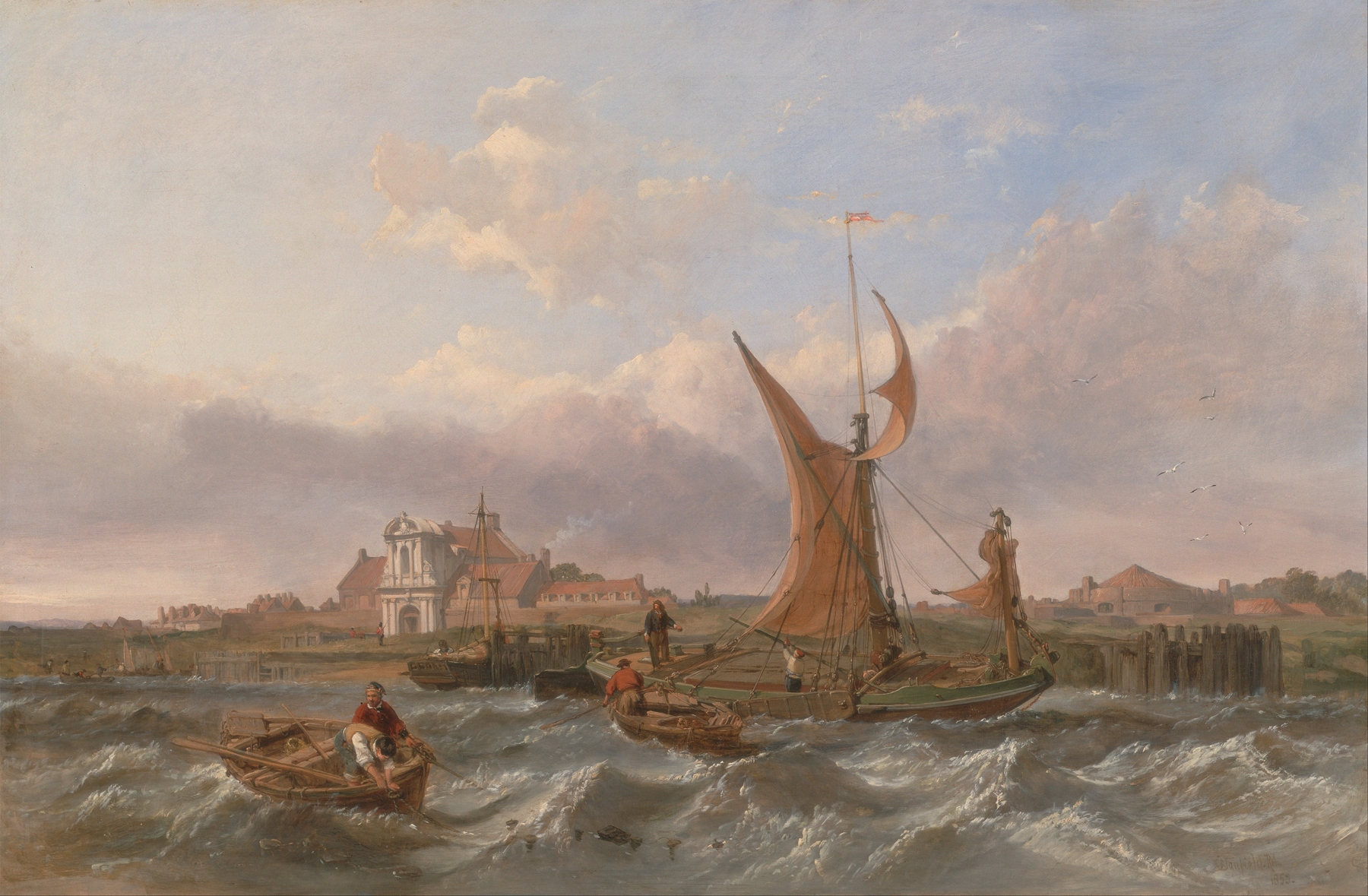
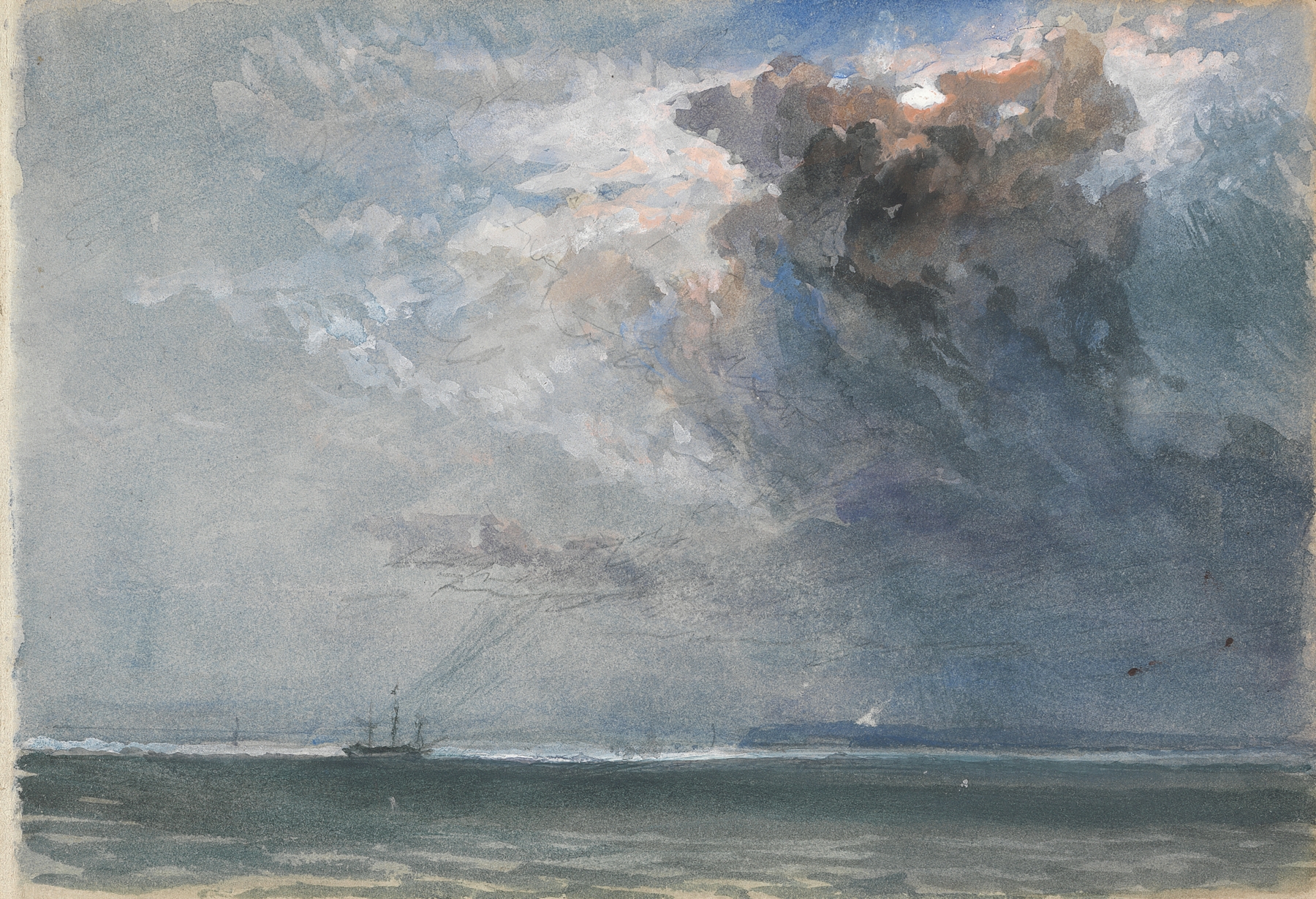
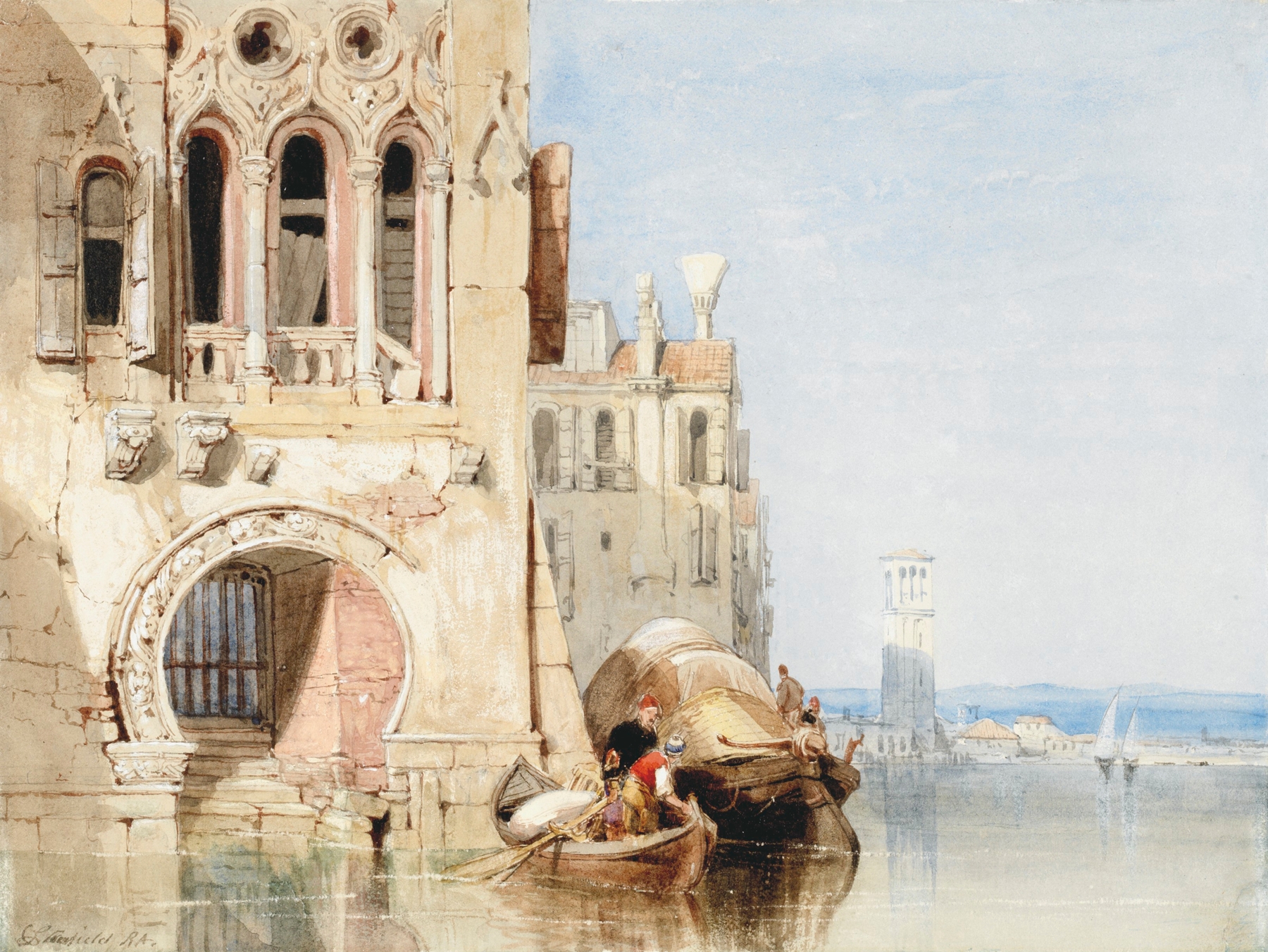
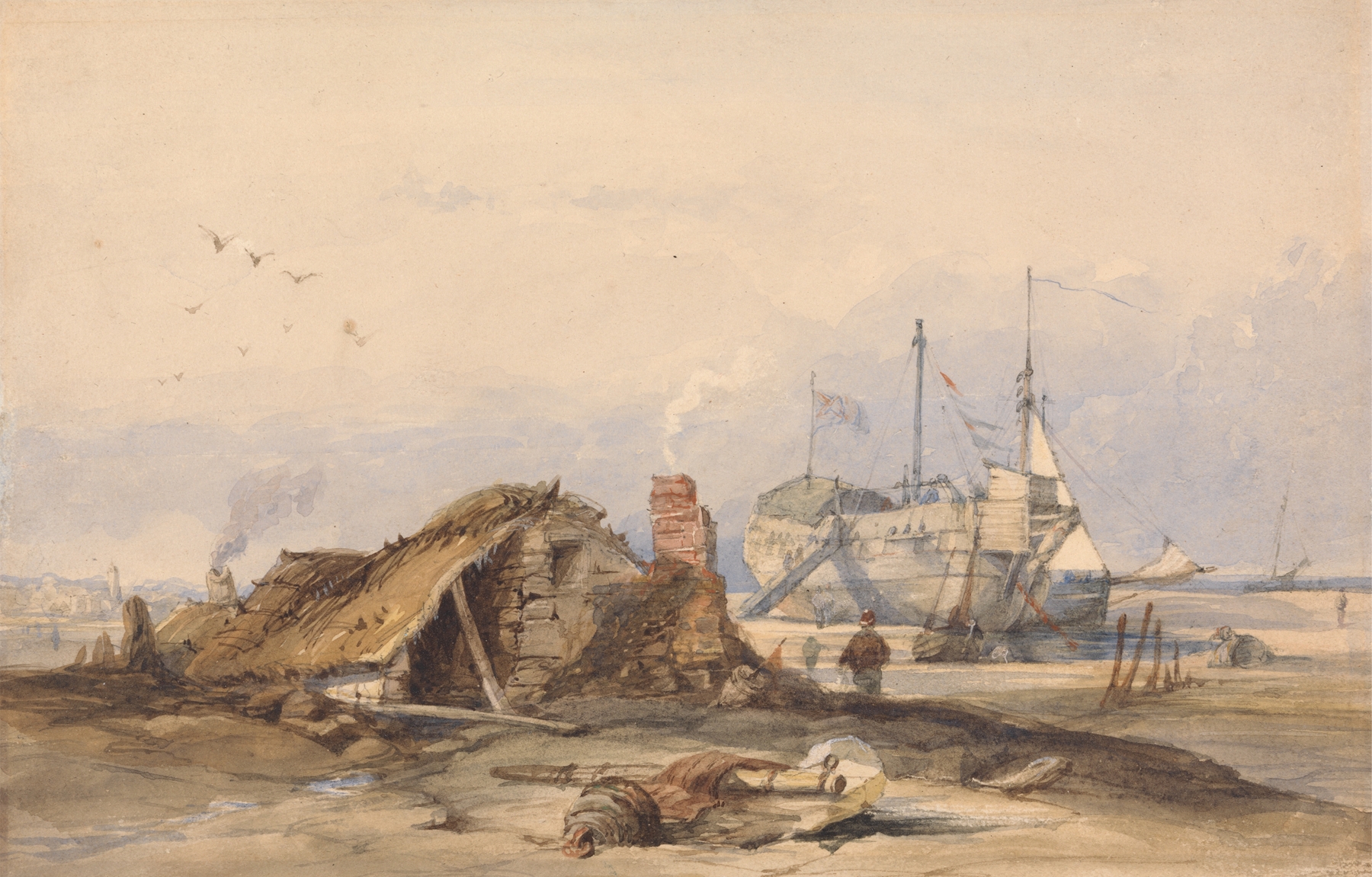
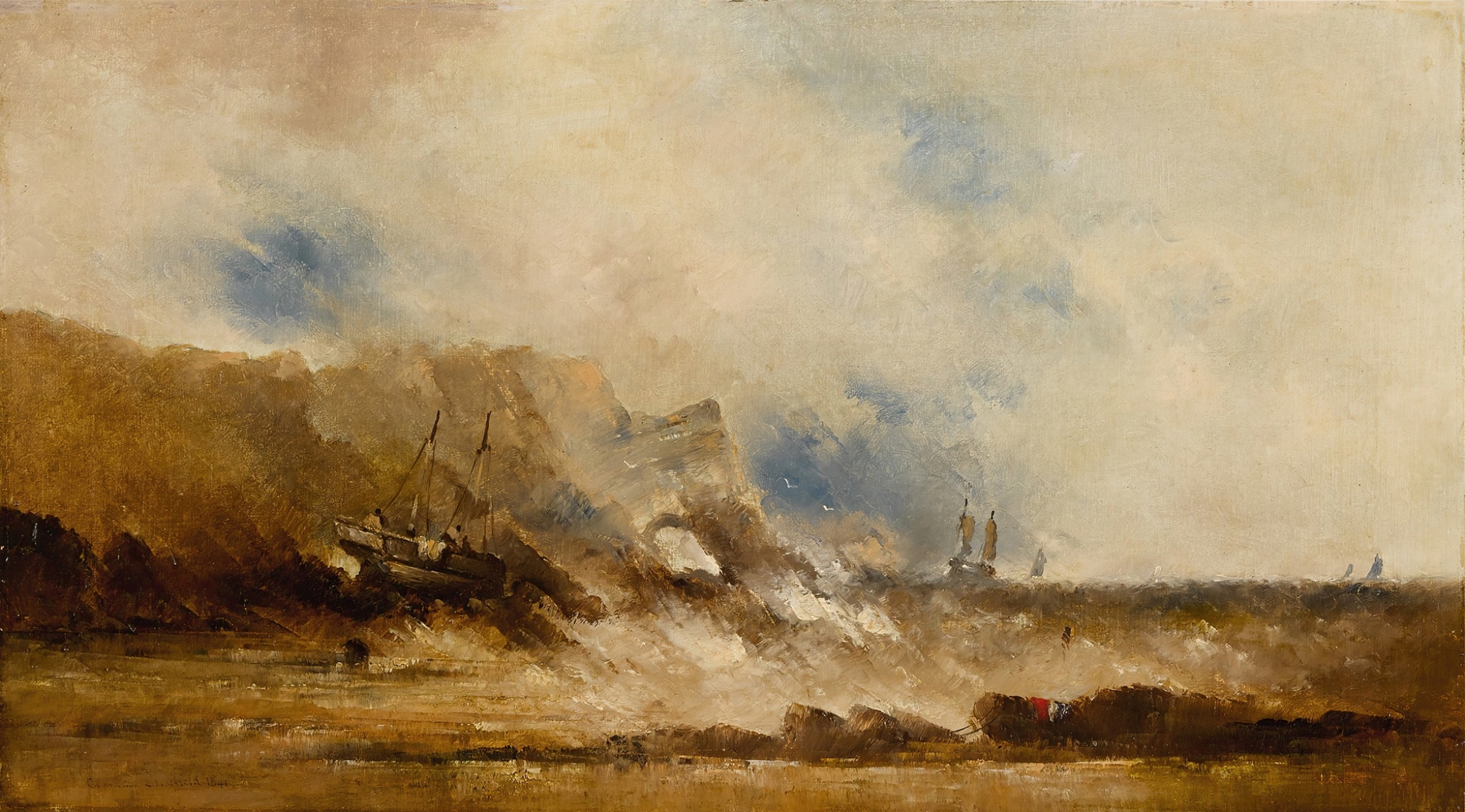
“Sometimes beauty is just pain, disguised in gold.” This sentiment echoes as one gazes upon the tranquil yet haunting image of boats adrift on a shimmering sea, where desire and longing intertwine in an exquisite dance. Look to the left, where the sun breaks through the clouds, casting a golden hue upon the water and illuminating the three boats that float serenely. The artist’s deft use of light enhances the sense of movement, reflecting the gentle ripples that suggest both freedom and restraint. Notice the way the horizon line draws the viewer’s eye across the canvas, inviting exploration into the distance while simultaneously anchoring the boats in a moment of poignant stillness.
In the soft contrast between the bright sky and the deep, moody blues of the sea, one senses an underlying tension. Each boat represents a different facet of desire — a yearning for adventure, for safety, or perhaps for connection. The stillness of the water juxtaposed with the potential energy of the vessels hints at unfulfilled aspirations, reminding us that beauty often carries a weight of longing embedded within it. The viewer can’t help but feel the delicate pull of each boat, silently navigating the currents of hope and hesitation.
Clarkson Stanfield painted Three Boats in 1863, a time when he had firmly established himself as a prominent marine artist. Working in England, he was influenced by the Romantic movement, which emphasized emotion and individualism, setting the stage for a rich examination of nature’s moods. The backdrop of the industrial revolution loomed large during this period, contrasting the serene beauty of the natural world with the tumult of societal change, further fueling his exploration of themes such as desire and solitude.