Three Masted Schooner ‘Andrew C. Pierce’ — History & Analysis
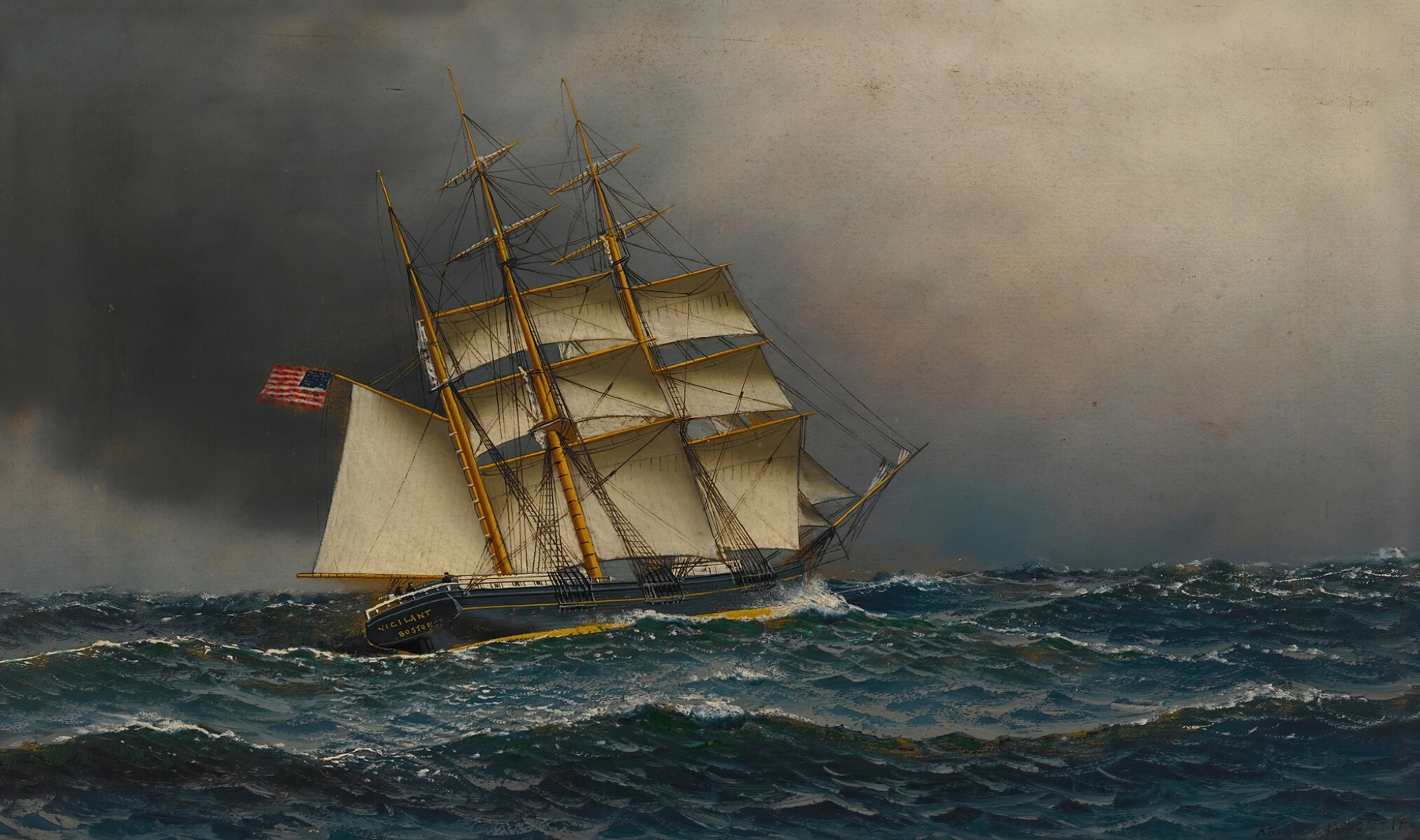
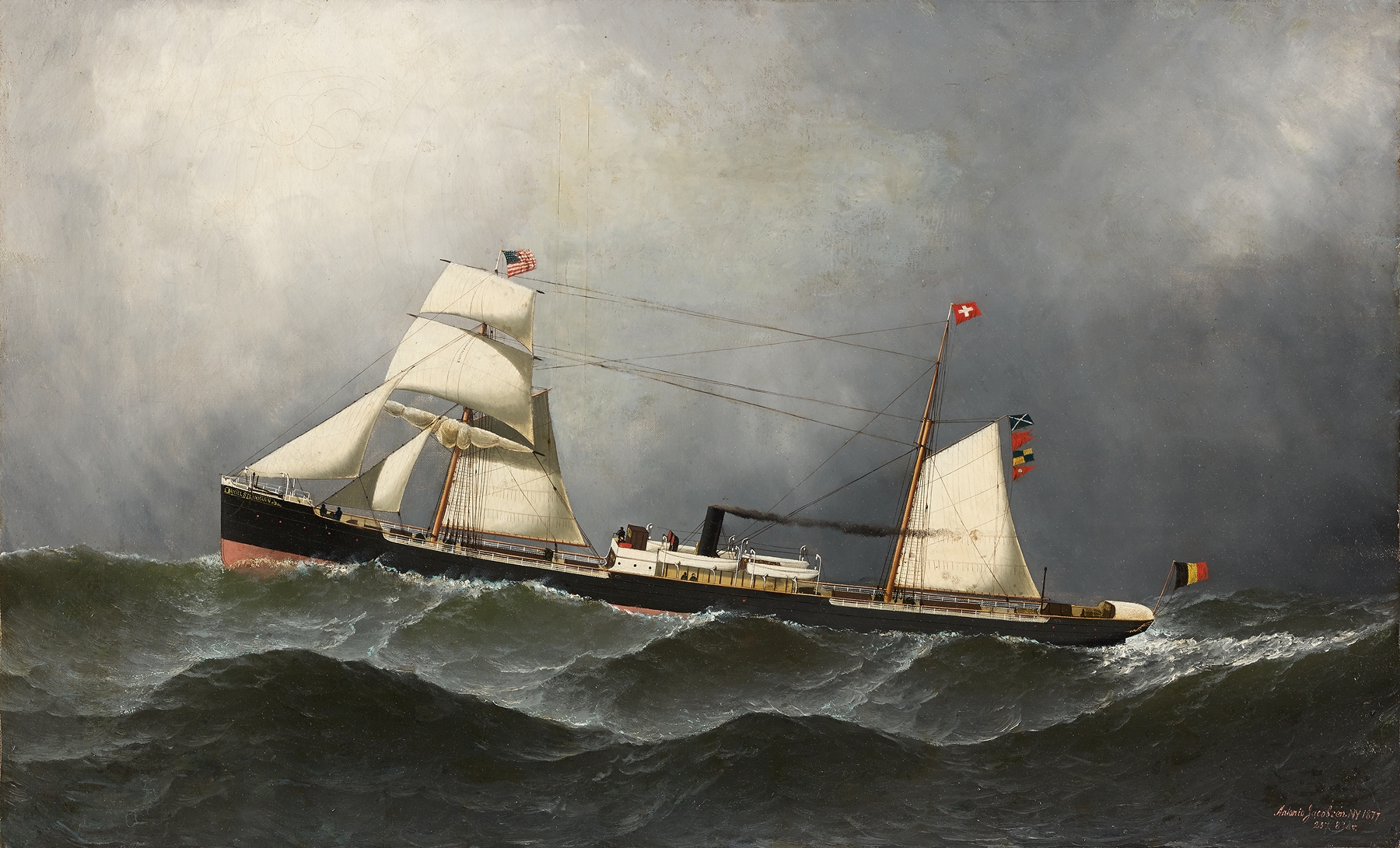
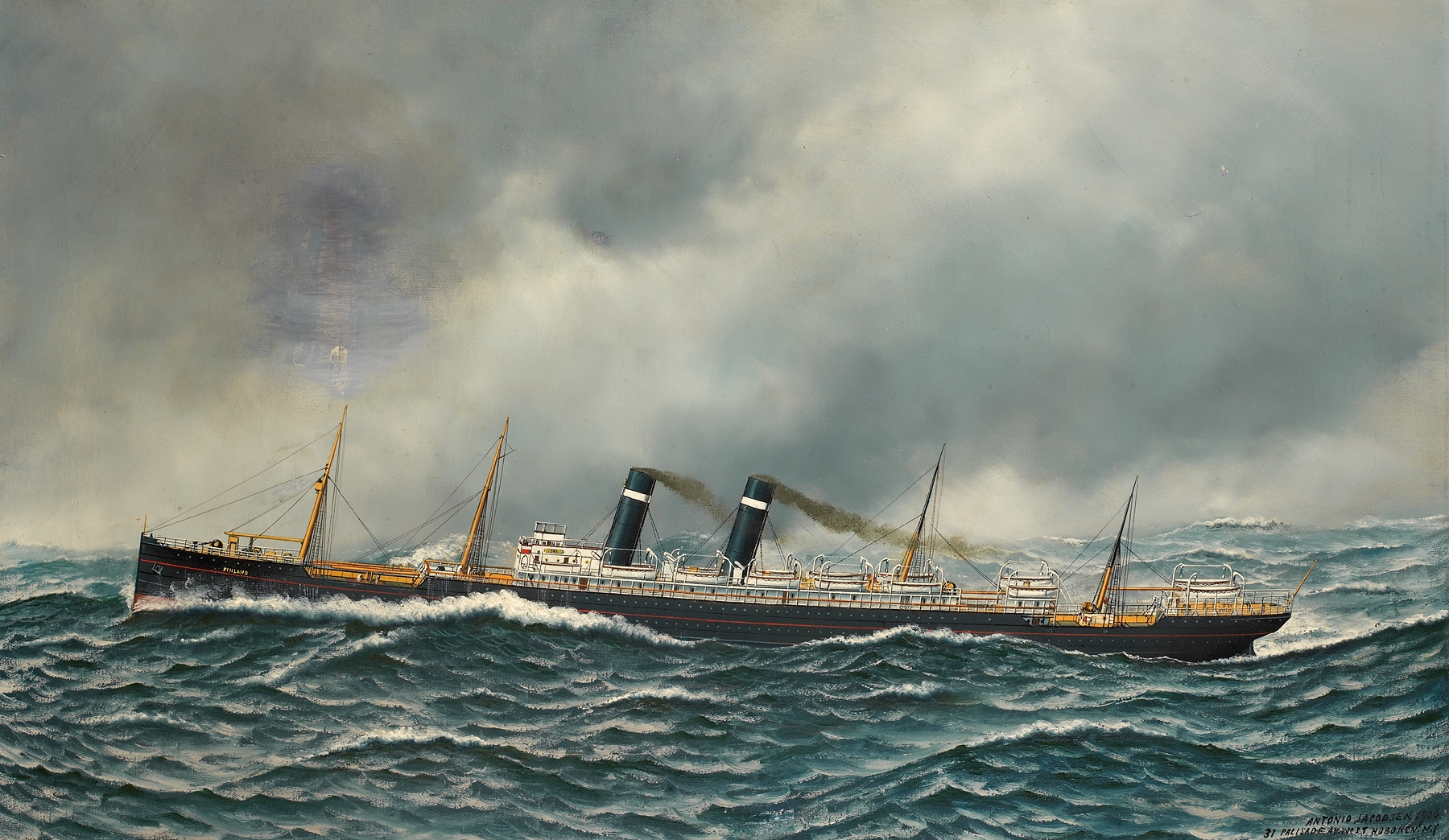
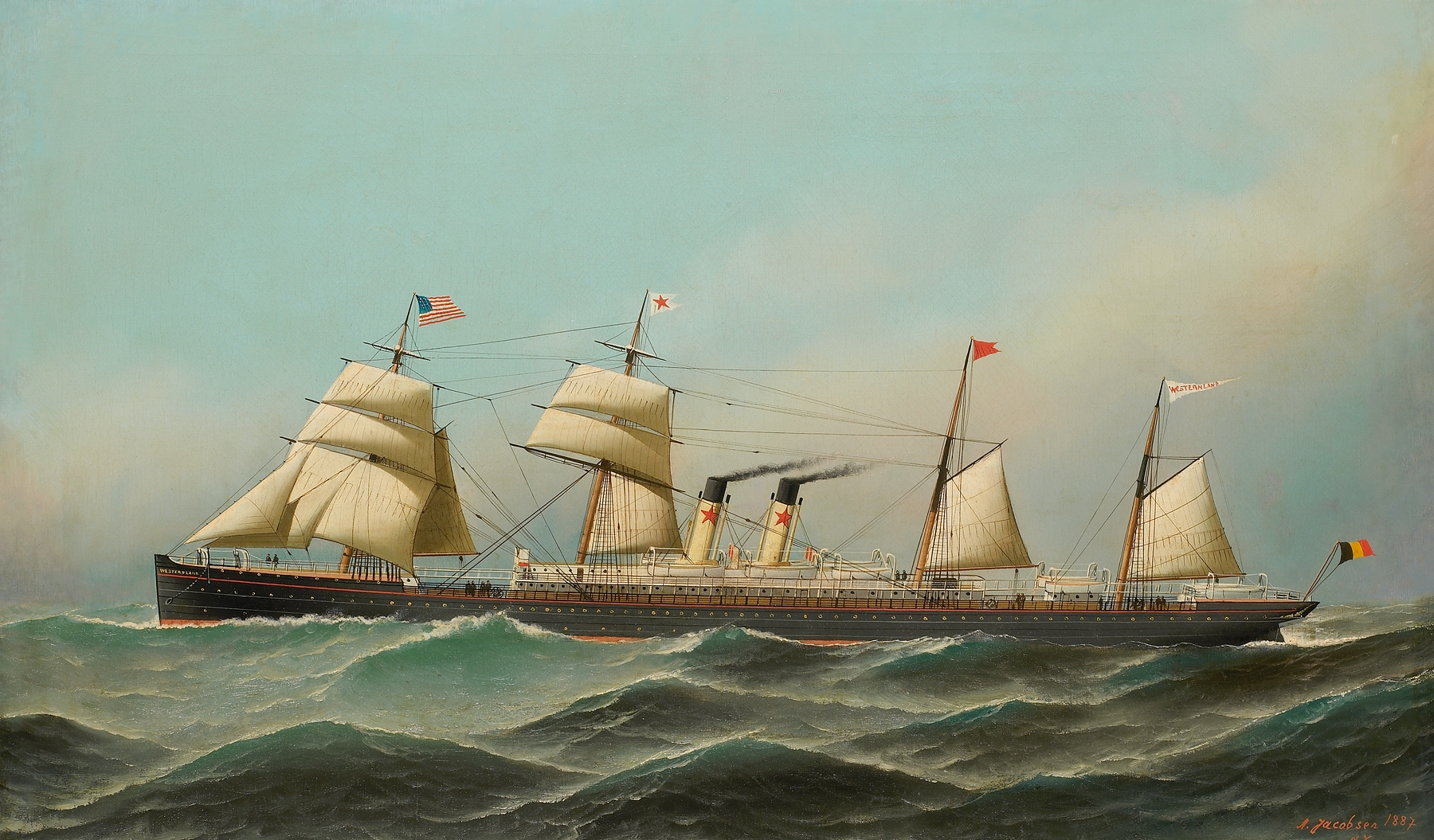
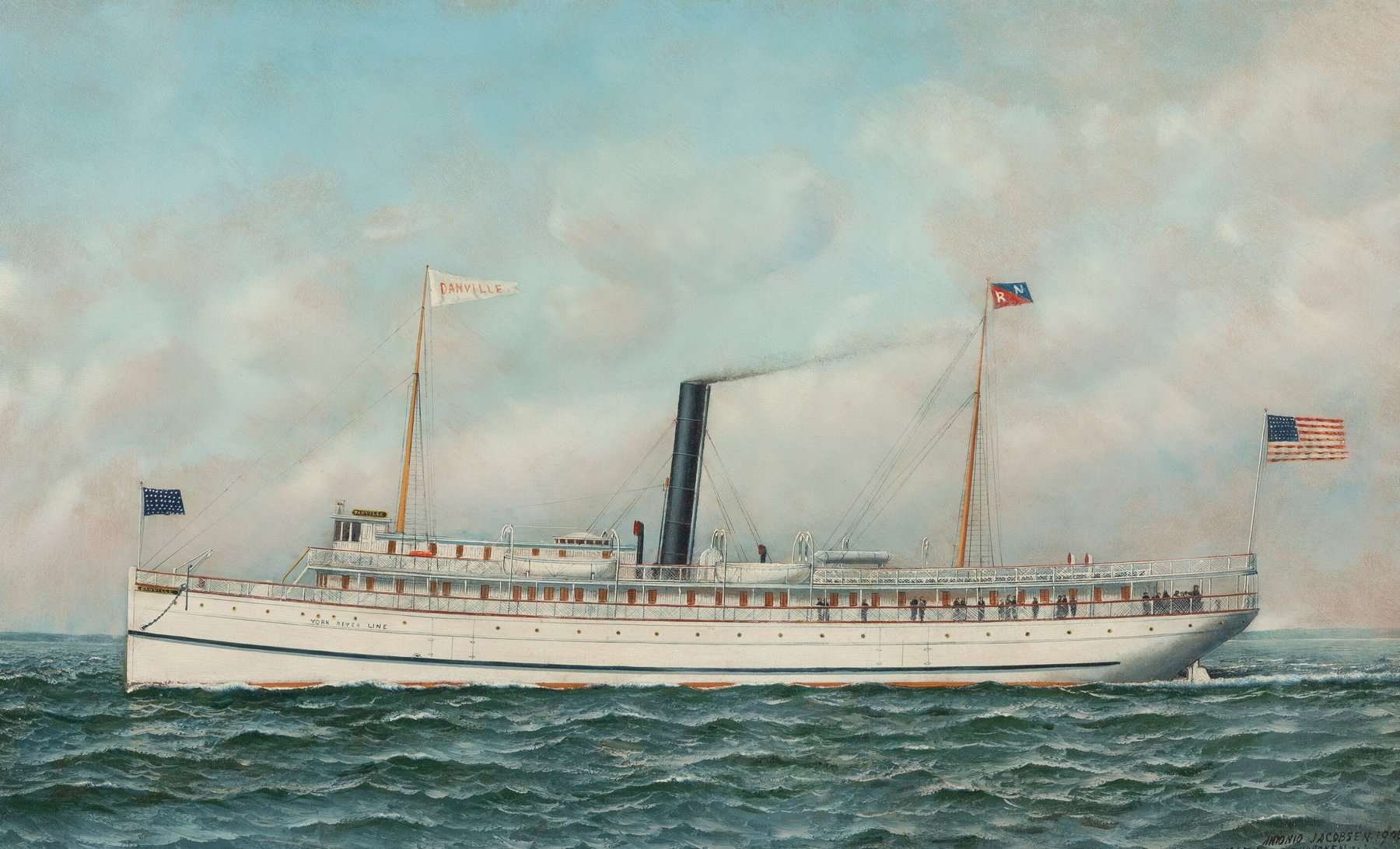
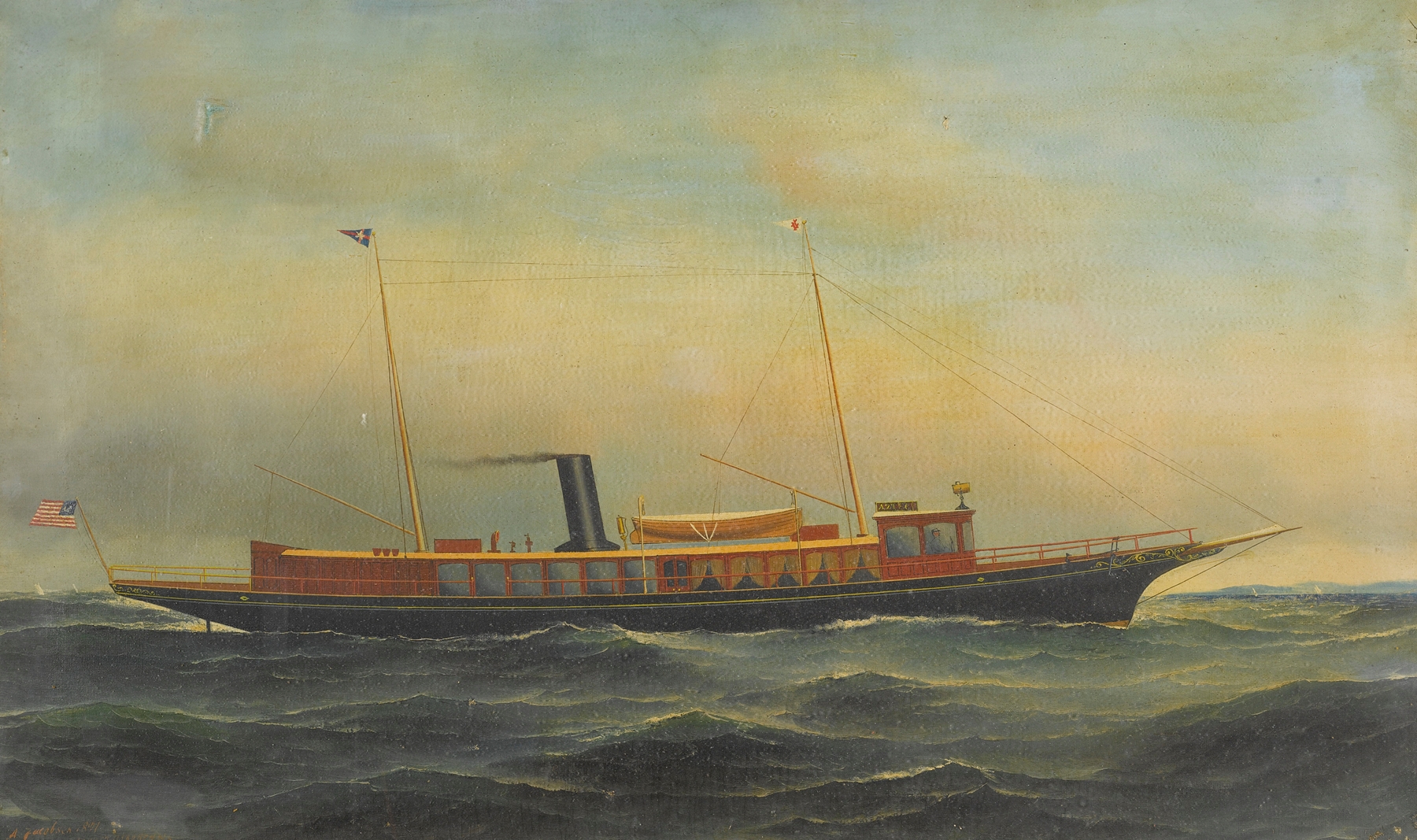
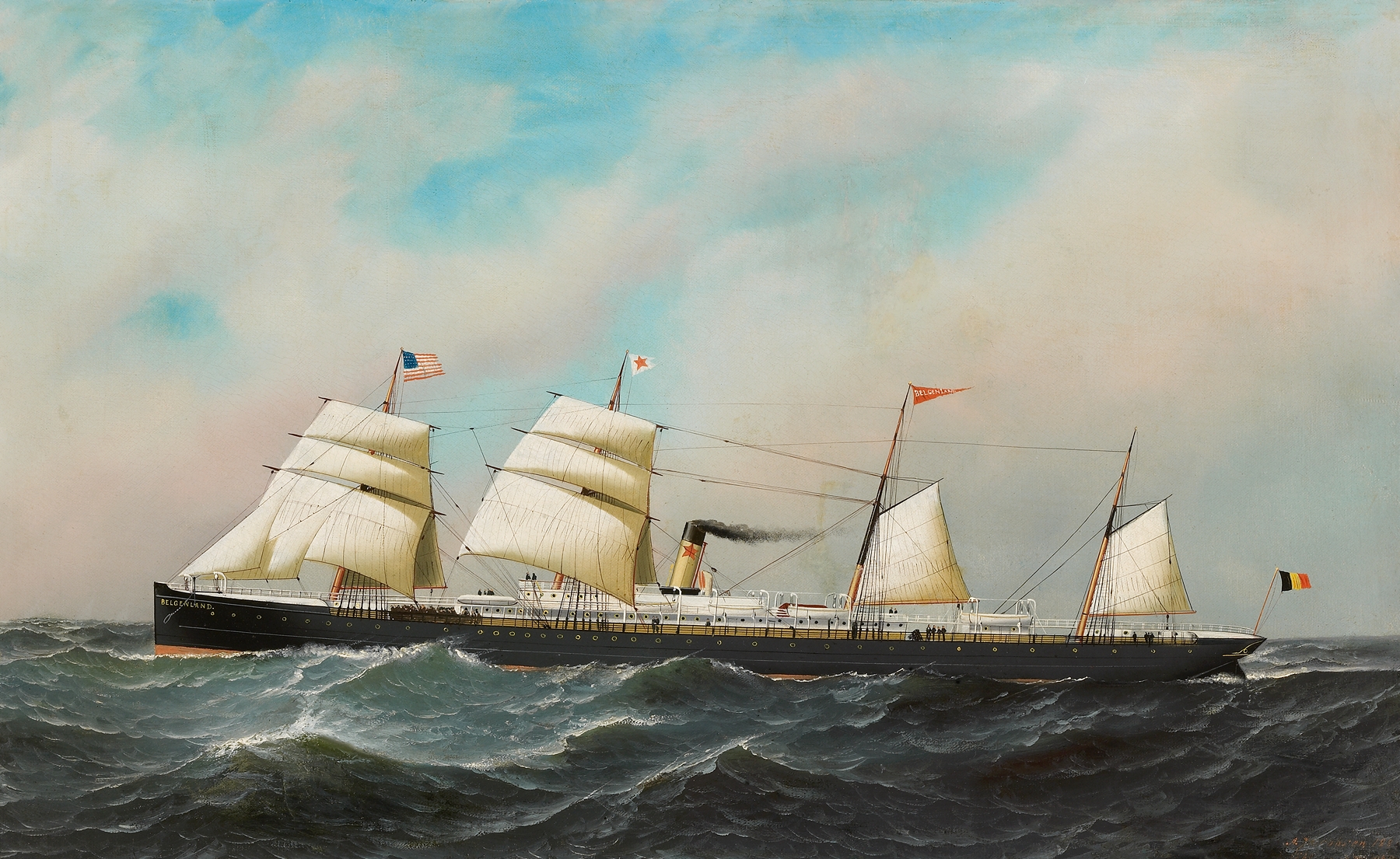
“Every silence here is a confession.” The stillness of the sea can conceal as much as it reveals, and in this world of masts and sails, the line between tranquility and madness blurs. Look to the center of the canvas where the three-masted schooner, Andrew C. Pierce, commands attention. The crisp blues and whites of the ocean contrast sharply with the wooden hues of the ship, its sails catching the light in a delicate embrace of wind.
Notice how the sky, painted with soft strokes of gray and blue, hints at an impending storm, suggesting the fragility of the moment captured. The attention to intricate details, from the billowing sails to the gentle ripples in the water, evokes a sense of harmony even amidst an undercurrent of tension. Beneath the serene surface lies a dichotomy; the schooner's poised elegance juxtaposed with the looming skies hints at the precariousness of life at sea. This interplay captures the madness of the sailor’s existence—the thrill of adventure and the fear of the relentless forces of nature.
The ship, while majestic, almost feels trapped, mirroring the soul seeking freedom yet bound by the uncertainties of the journey ahead. In 1905, Jacobsen painted this maritime scene during a period of great change in the art world, as realism was giving way to modernism and new explorations of form and expression. He was immersed in the nautical culture of New York, where his work, often commissioned by ship owners, reflected both the technical prowess of maritime design and the emotional weight of the sea, a duality that would define much of his career.