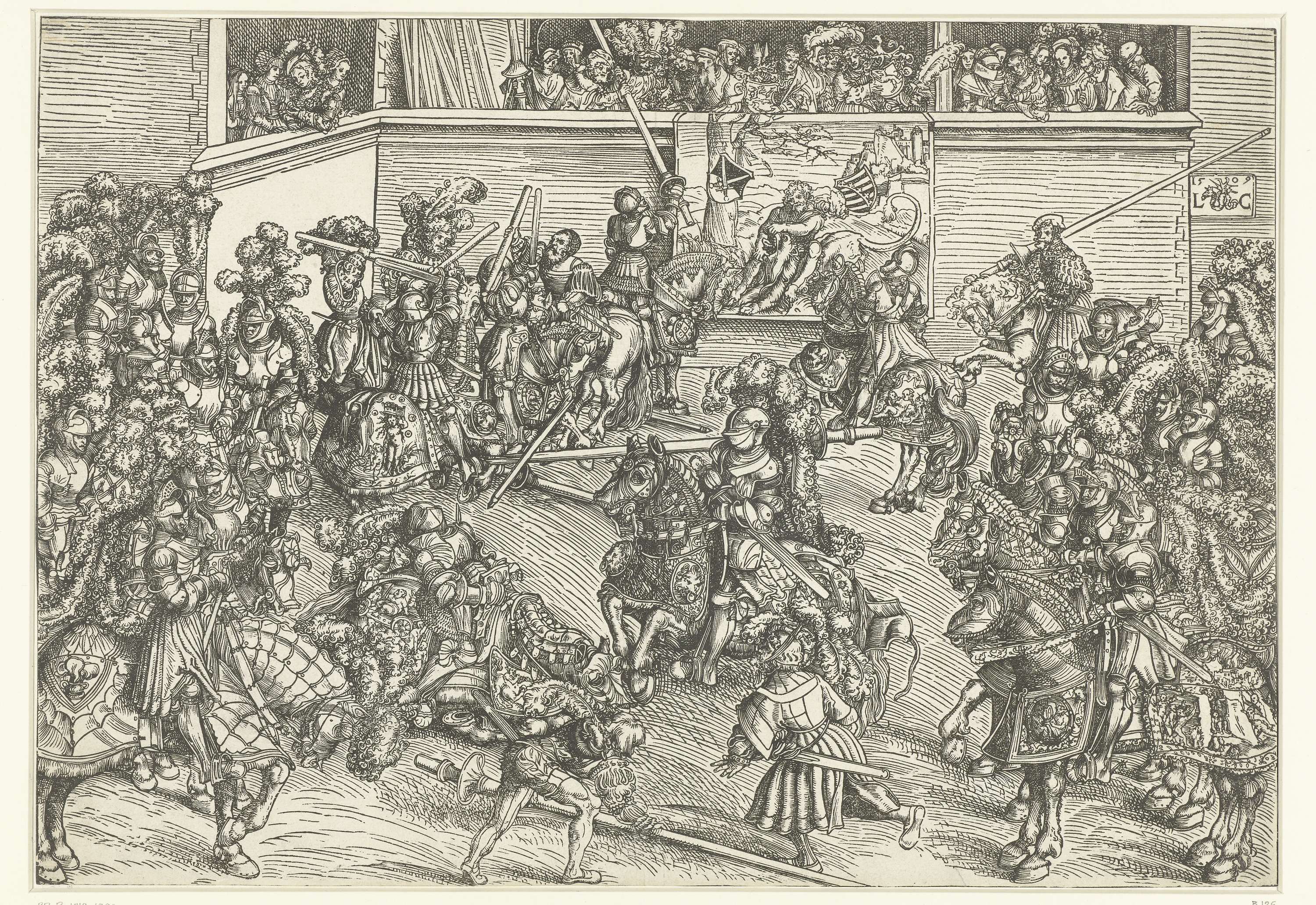
Toernooi van het keurvorstelijk hof van Saksen met wandtapijt Simson doodt de leeuw — History & Analysis
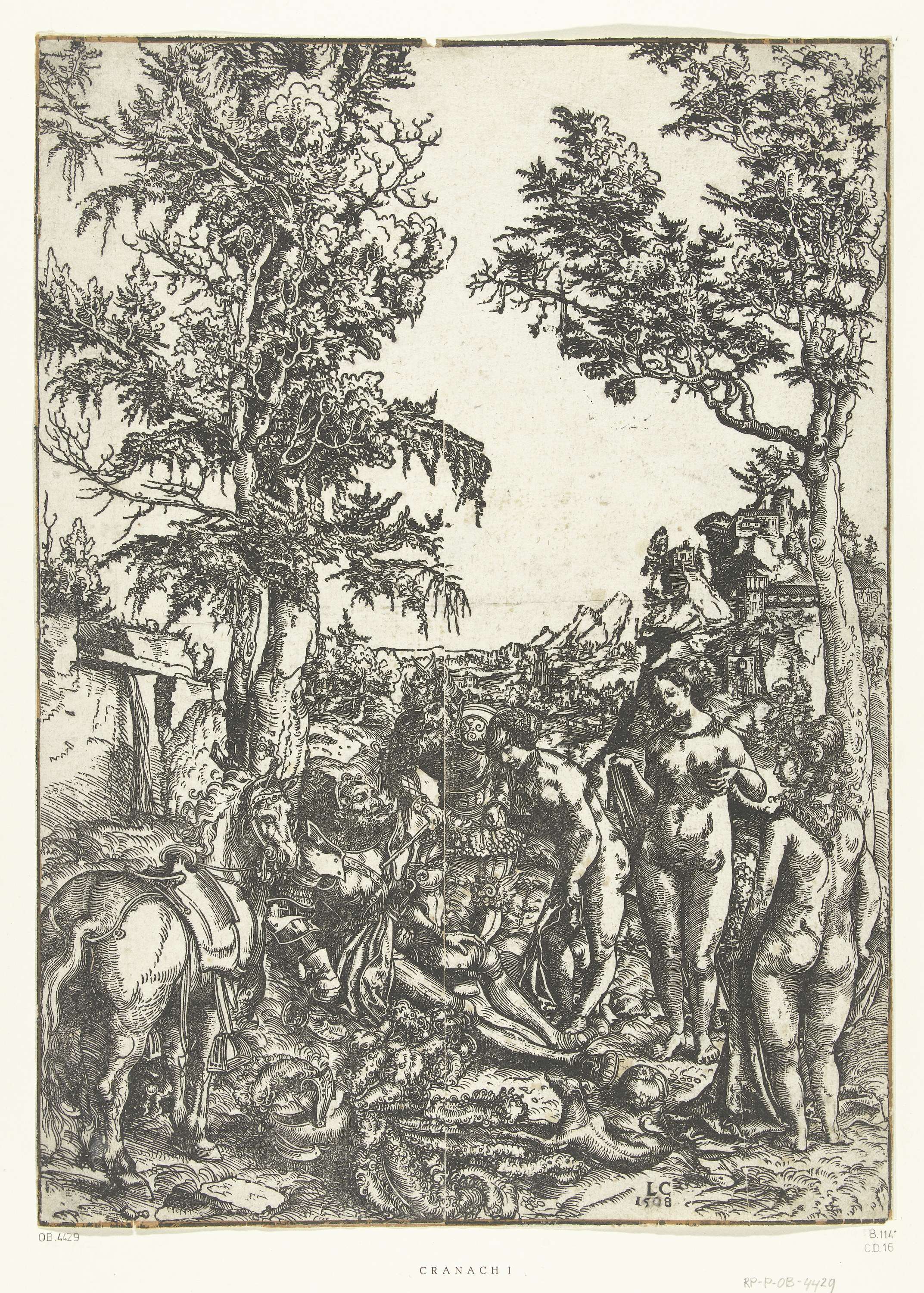
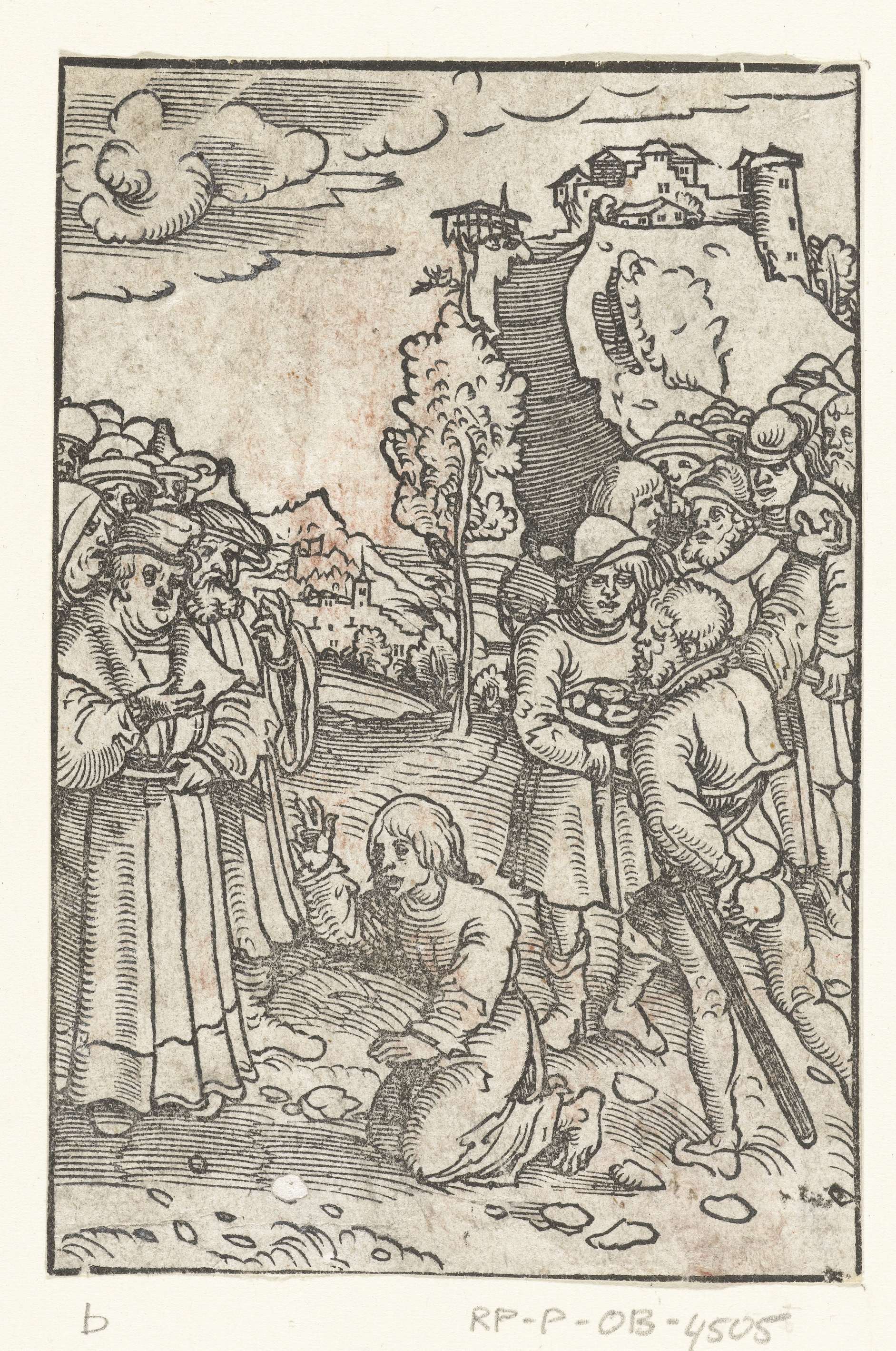
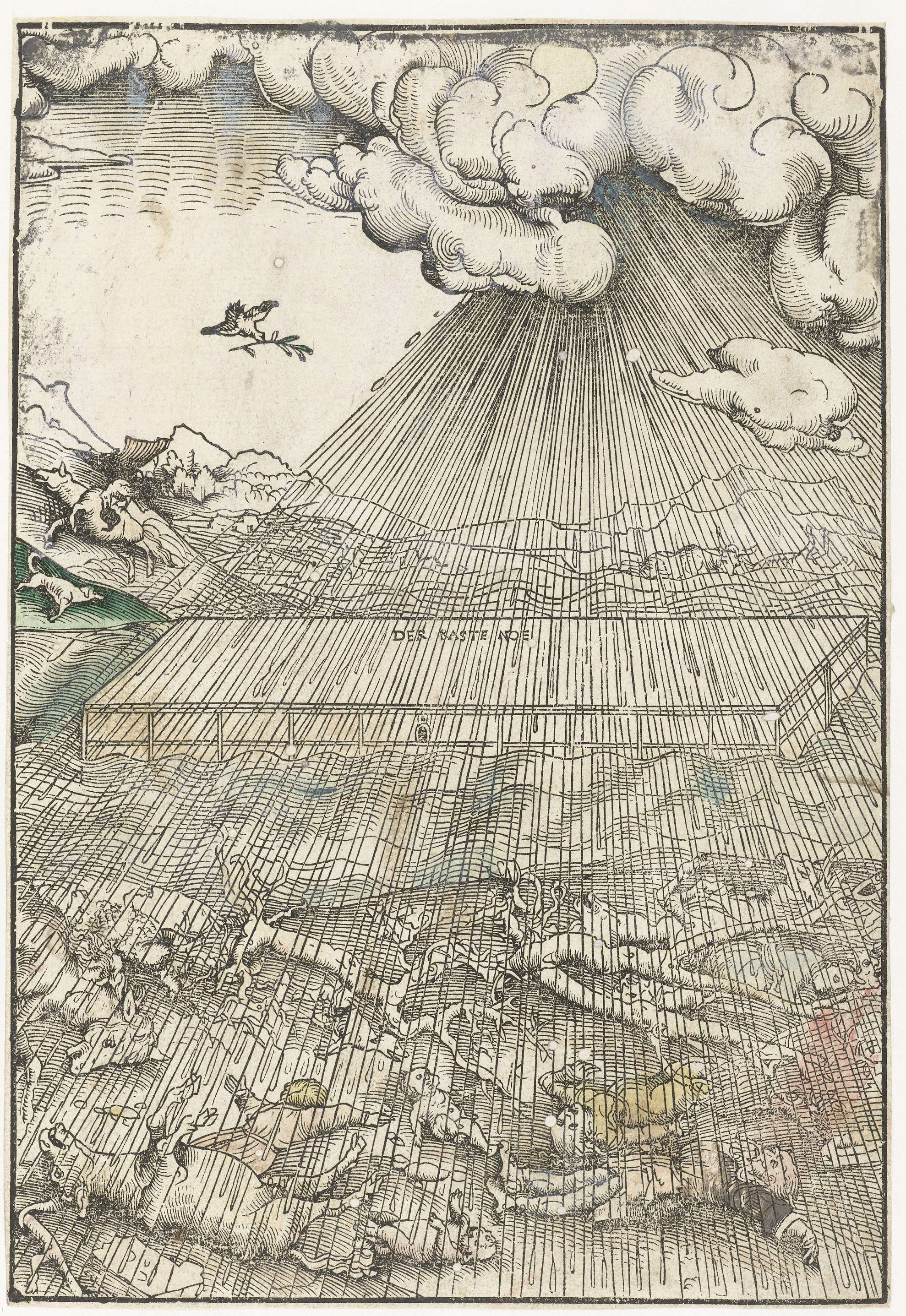
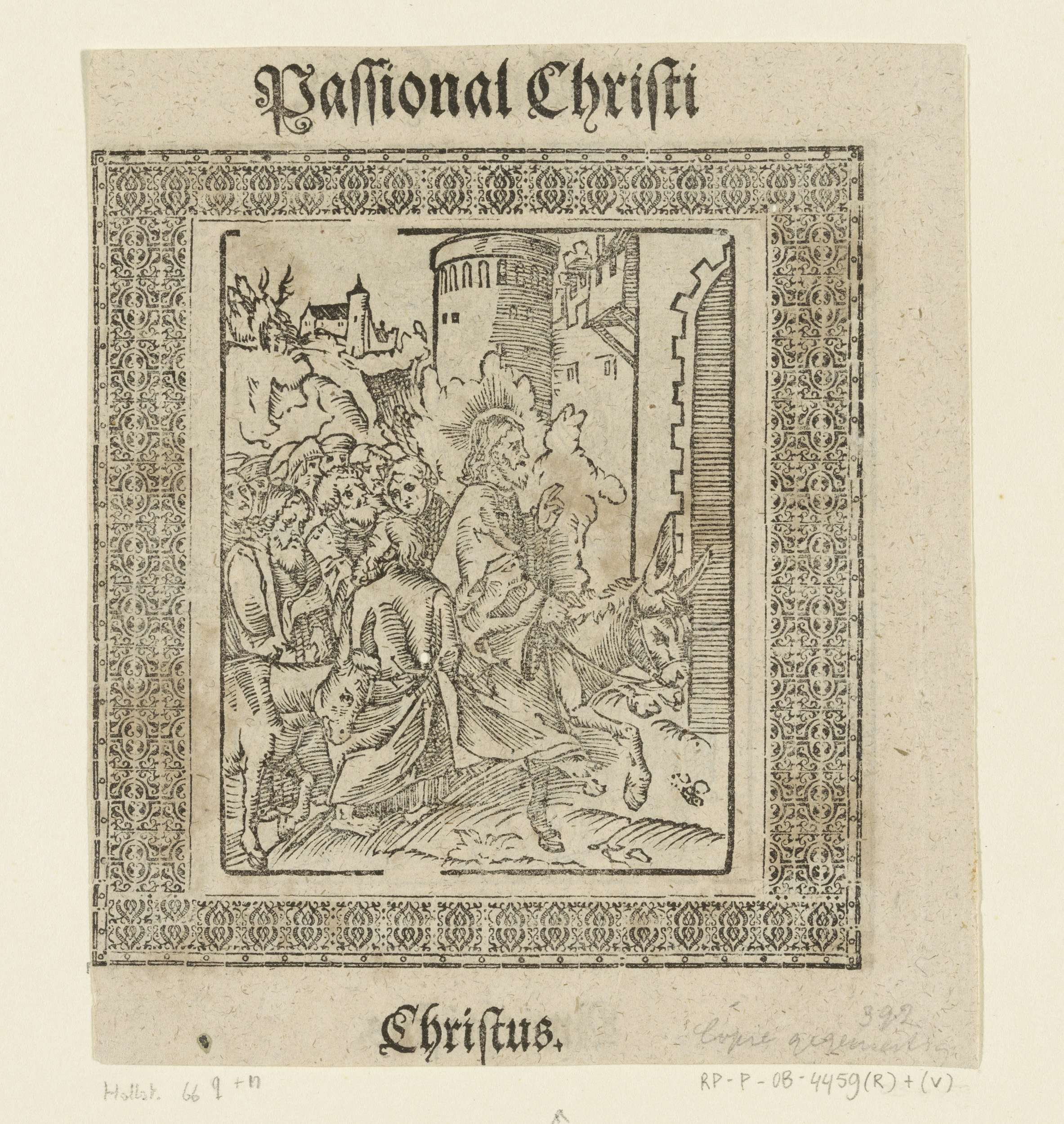
When did color learn to lie? In a world where visual beauty often obscures the truth, the viewer stands before a tapestry woven with threads of destiny, each hue echoing the fates intertwined within its design. Look to the center, where the vivid depiction of the lion’s death captures the moment of triumph; the contrast of the vibrant reds and deep golds against the soft pastels surrounding it pulls the eye inward. Notice how the figures around the scene—the noblemen, the attendants—are painted with meticulous detail, their expressions a blend of awe and reverence, while the rich background creates a tapestry-like effect.
The composition harmonizes the chaos of the hunt with serene elegance, inviting contemplation on the balance between life and death. Yet, beneath the surface, this artwork speaks to the complexities of ambition and consequence. The lion, a symbol of strength, falls at the hands of human cunning, suggesting the inevitable downfall that can accompany greatness. The surrounding figures reflect a courtly display, hinting at the duplicity in their gazes—do they celebrate a victory or mourn a loss?
Here, the interconnectedness of fate is palpable, urging us to consider how even triumph is tinged with tragedy. Created in 1509, this piece emerged during a time when Cranach was deeply engaged with the themes of power and morality, influenced by the politics of the Holy Roman Empire and the growing interest in humanist ideals. In the bustling court of Saxony, where the artist worked closely with elector Frederick the Wise, the tapestry not only serves as a visual feast but also reflects the tension between authority and the natural world—an exploration of destiny woven with expert precision.