Travaux du métro entre le pont Saint Michel et le Petit Pont — History & Analysis
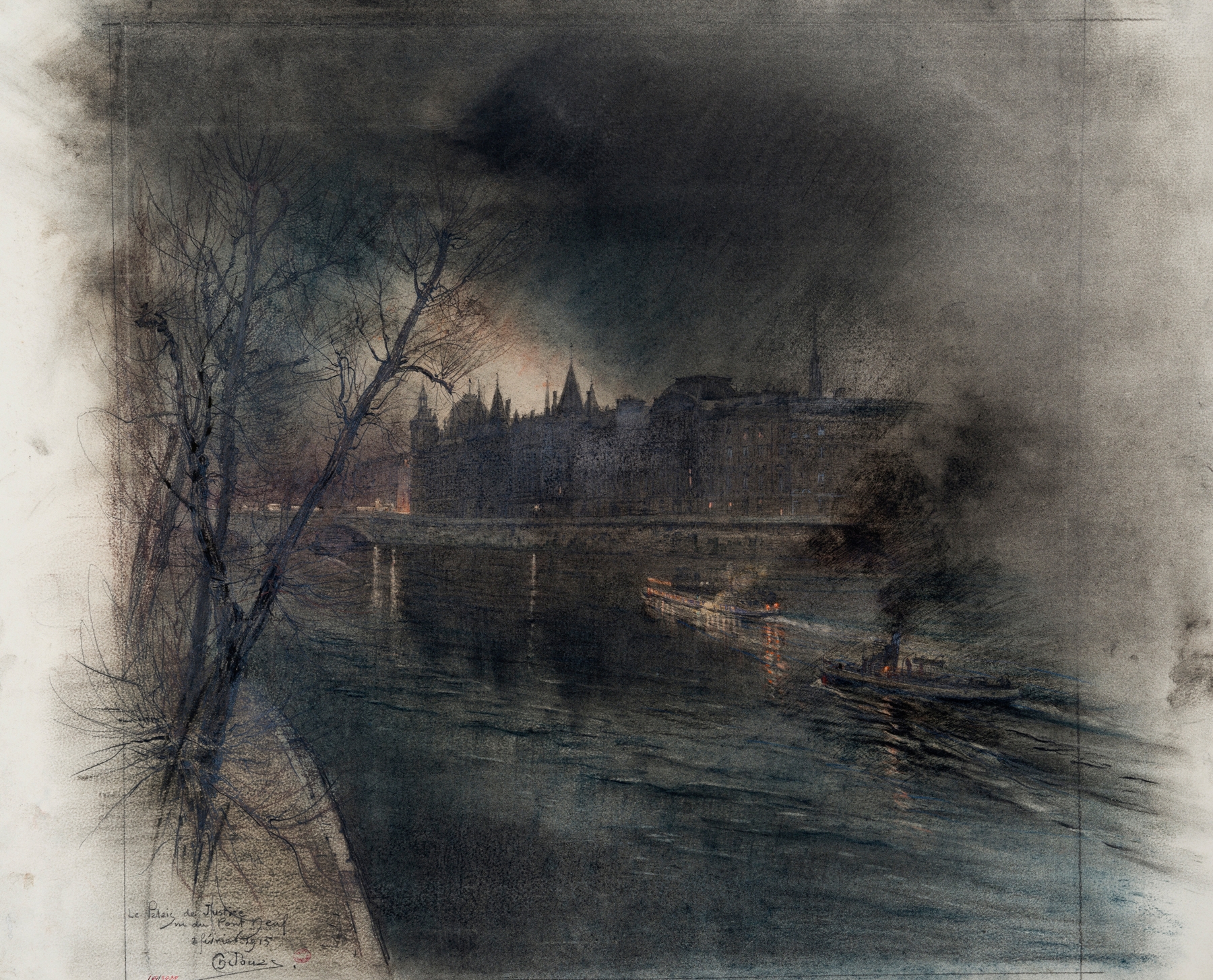
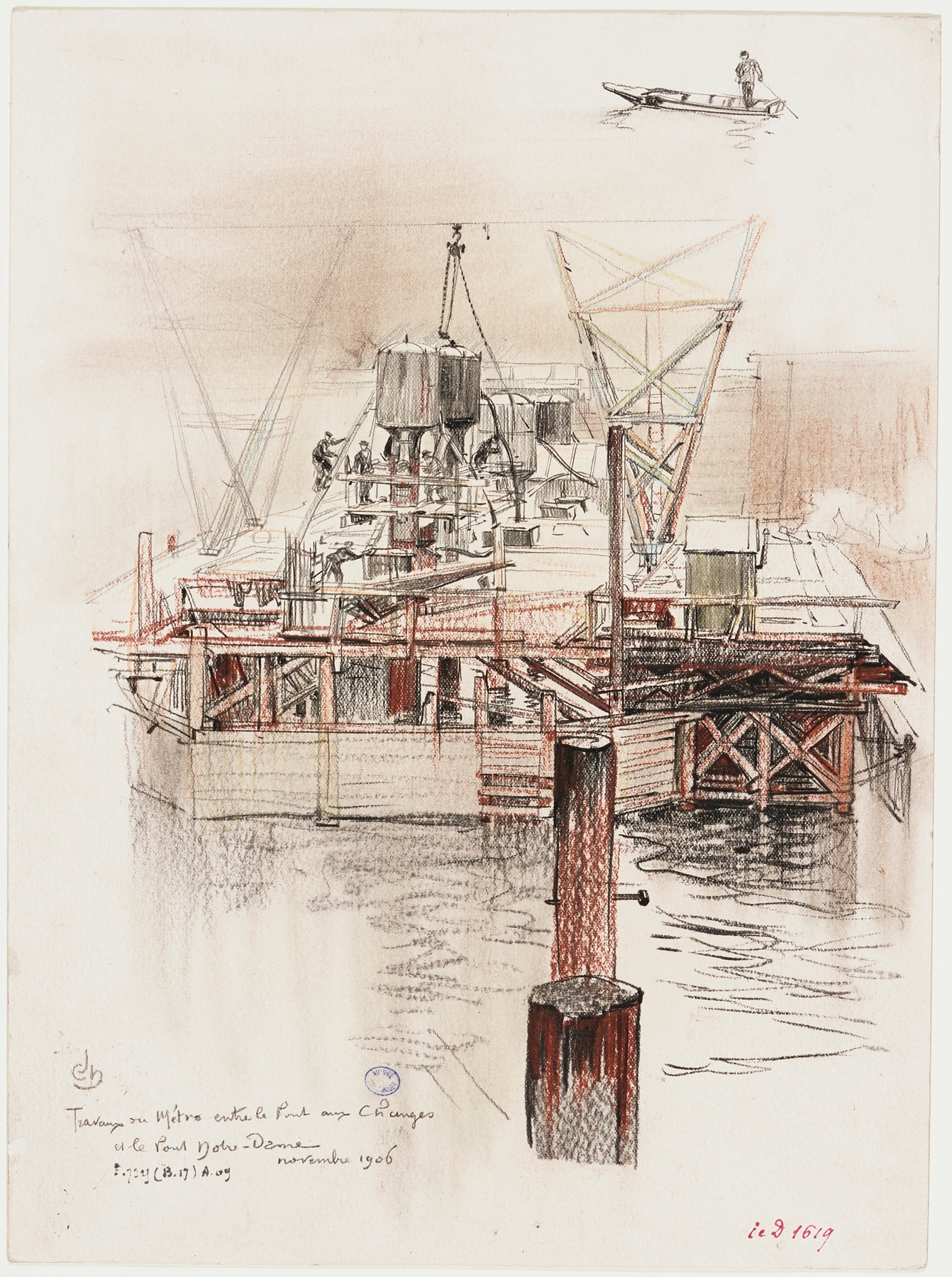
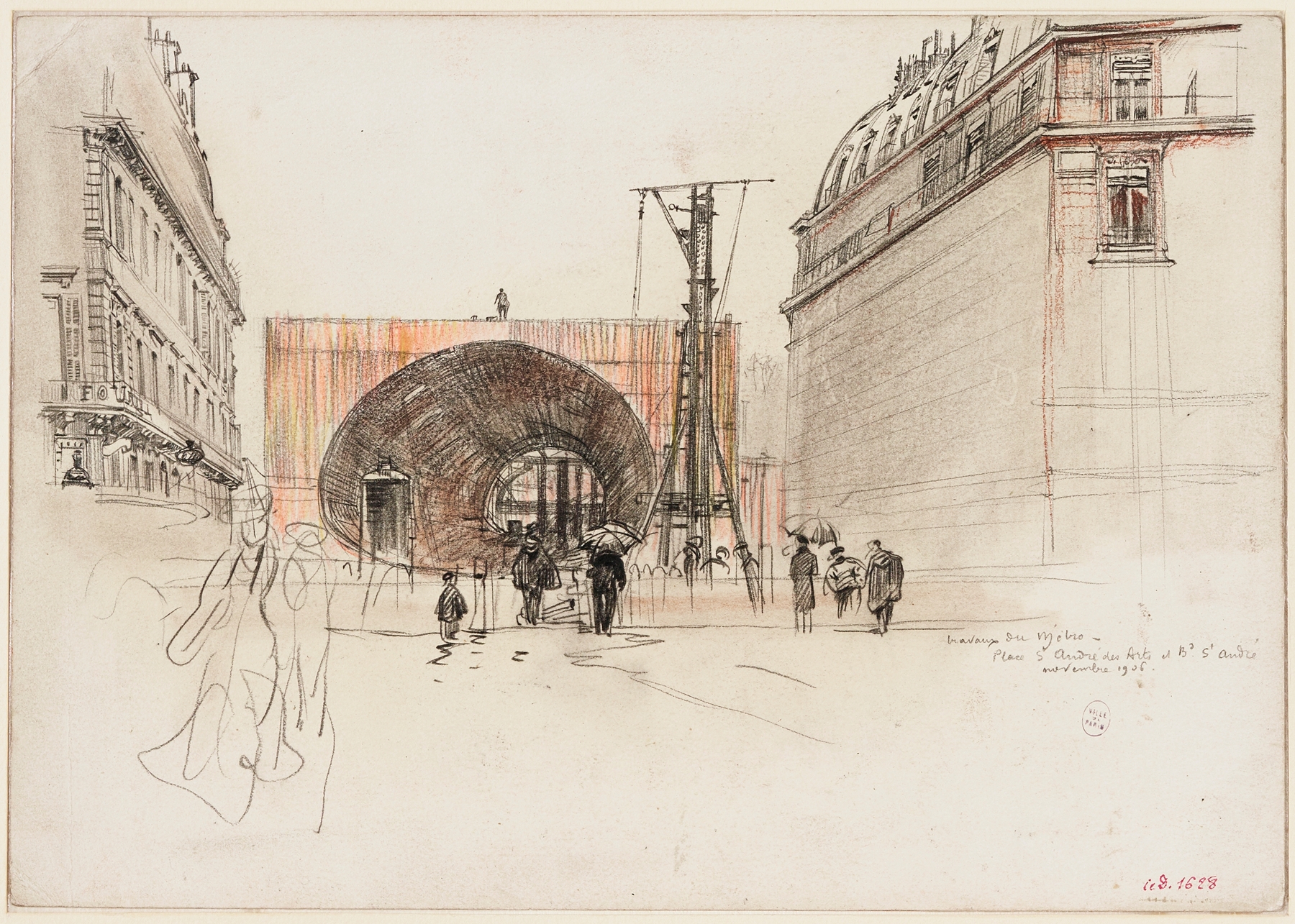
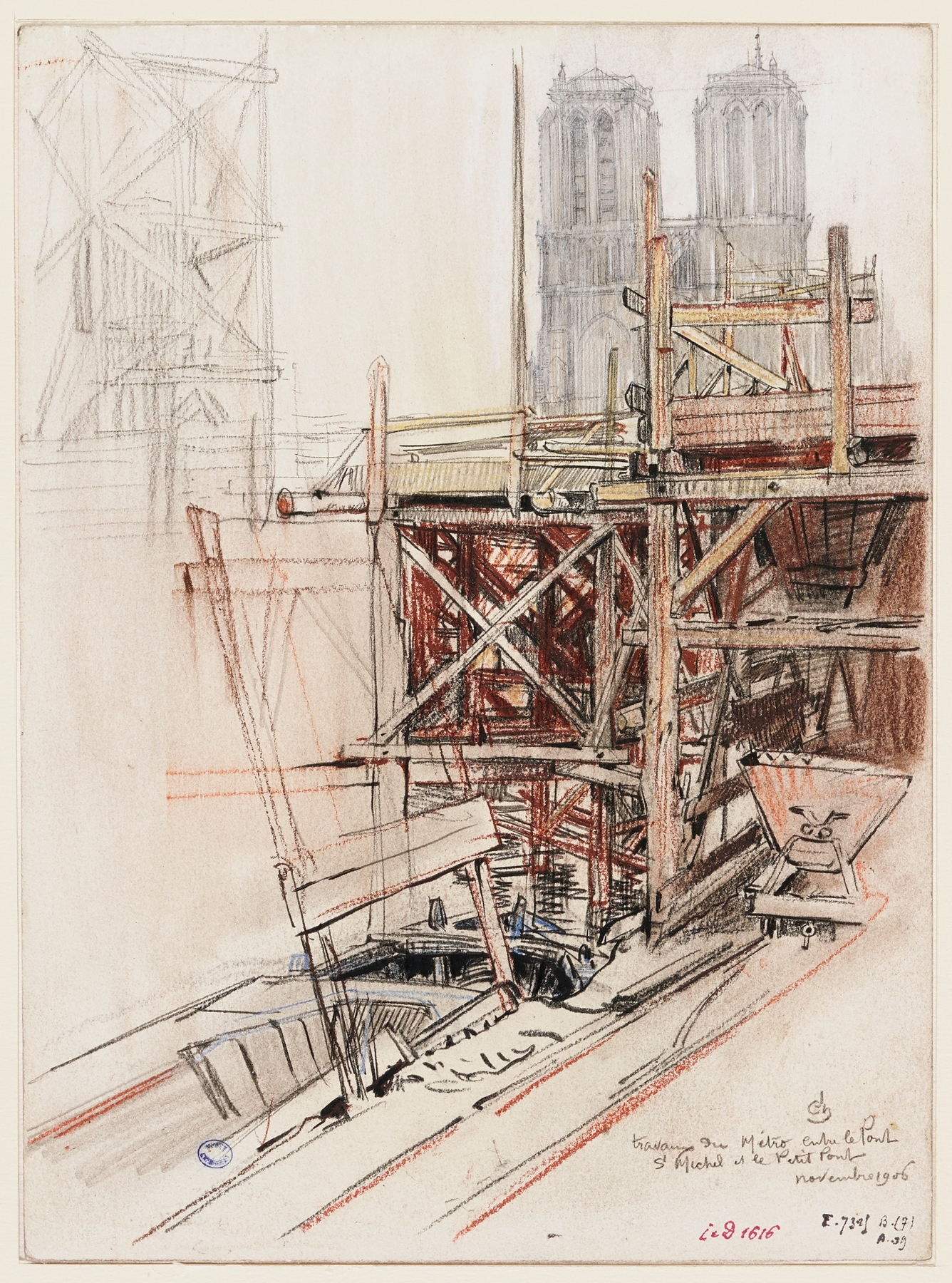
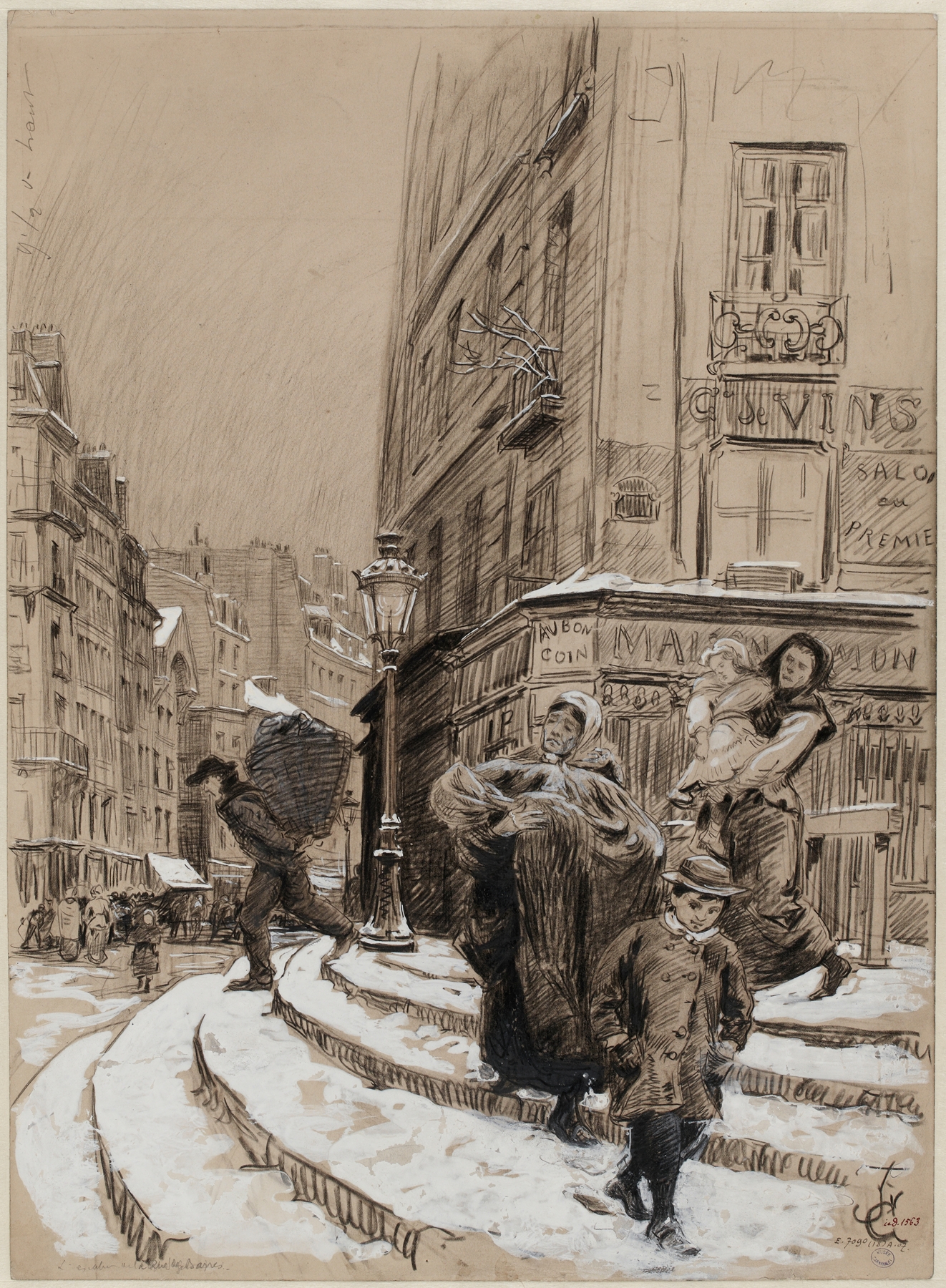
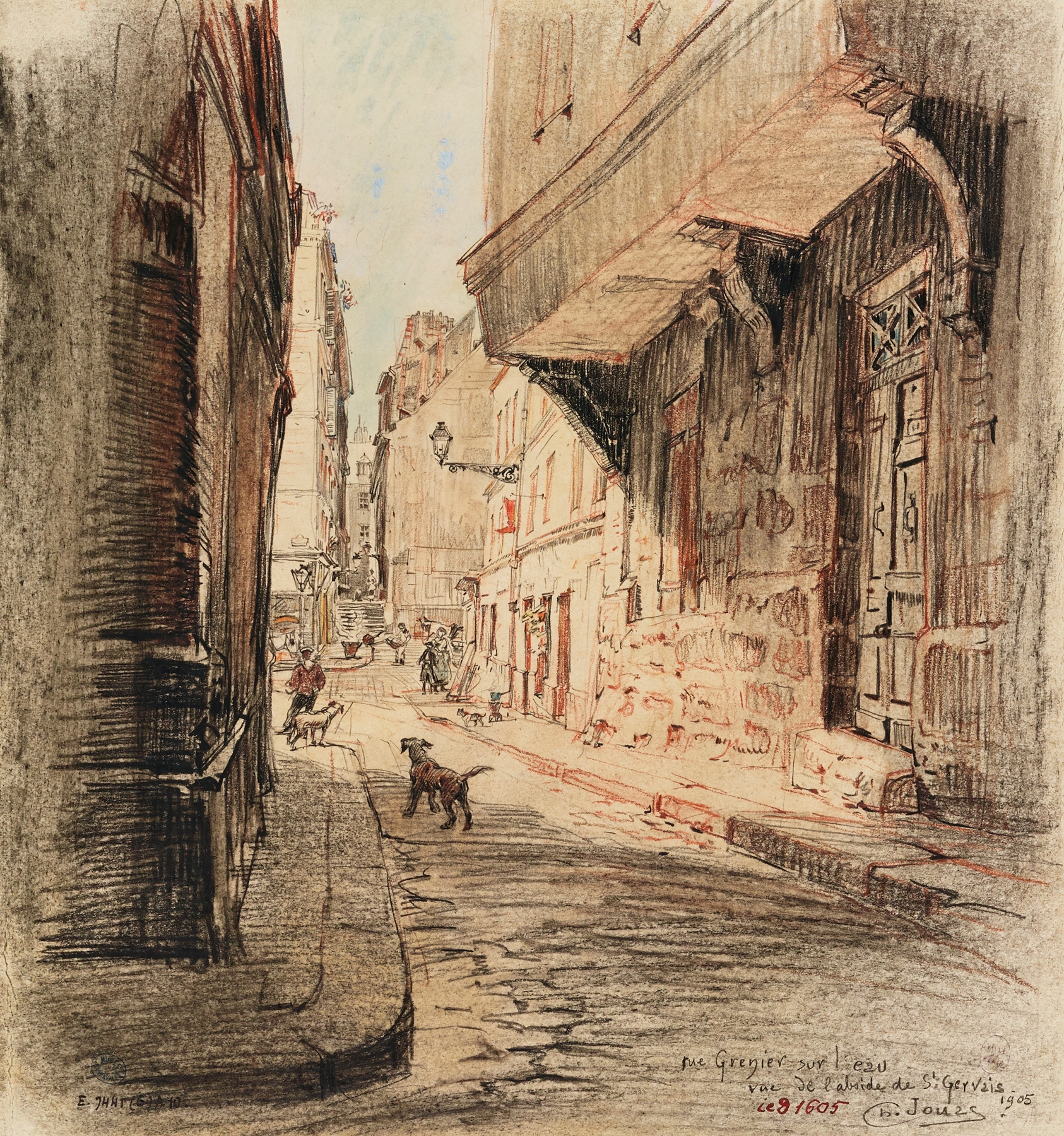
“Every silence here is a confession.” The interplay of light in a bustling city can reveal the secrets of its inhabitants, often unnoticed amid the noise. Focus first on the gentle illumination that bathes the scene, drawing your gaze towards the shadowy figures engaged in their labor. Notice how the soft yet deliberate strokes create a contrast between the bright highlights on the workers’ backs and the dim recesses of the urban landscape. The palette is rich with earthy tones, merging browns and grays, grounding the viewer in the gritty reality of early 20th-century Paris.
As you explore the details, consider the subtle gestures of the workers, each immersed in their task, yet connected by the shared weight of their labor. The slight curve of a shovel or the bend of a back tells a story of perseverance, while the looming architecture stands sentinel, evoking the city’s resilience. The muted light serves not only to illuminate the struggle but also to highlight the hope that lies beneath the surface of this industrious scene.
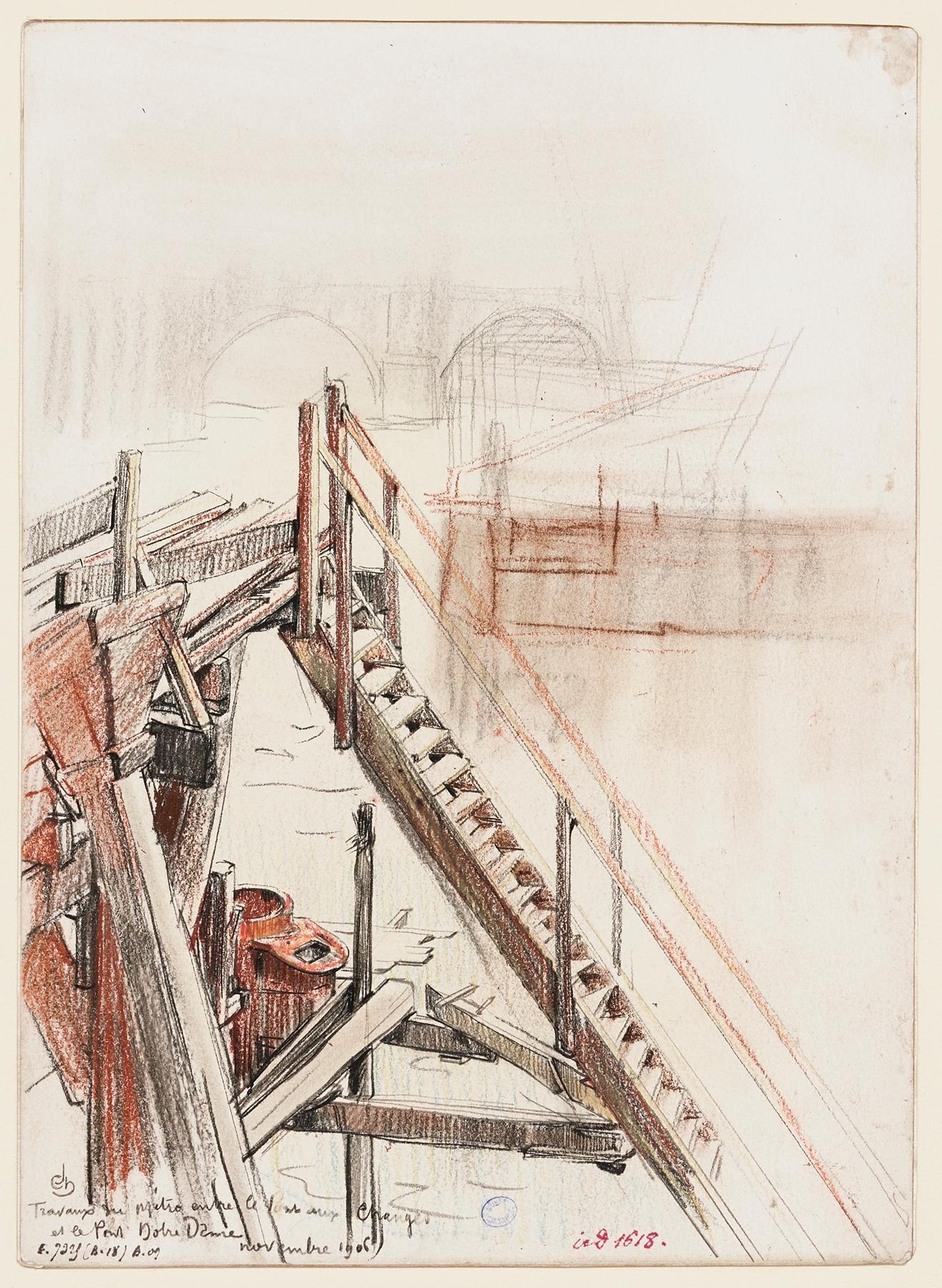
In 1906, Jouas created this piece during a time of rapid urbanization and infrastructural development in Paris. Positioned amidst the socio-economic changes, he sought to capture the essence of modern life, intertwining the human experience with the evolving landscape. This work reflects his commitment to realism, as he navigated the shifting currents of a city that was both a backdrop and a living entity, brimming with stories waiting to be told.