Travaux du métropolitain rue Danton et boulevard Saint-André (le caisson), 6ème arrondissement, Paris — History & Analysis
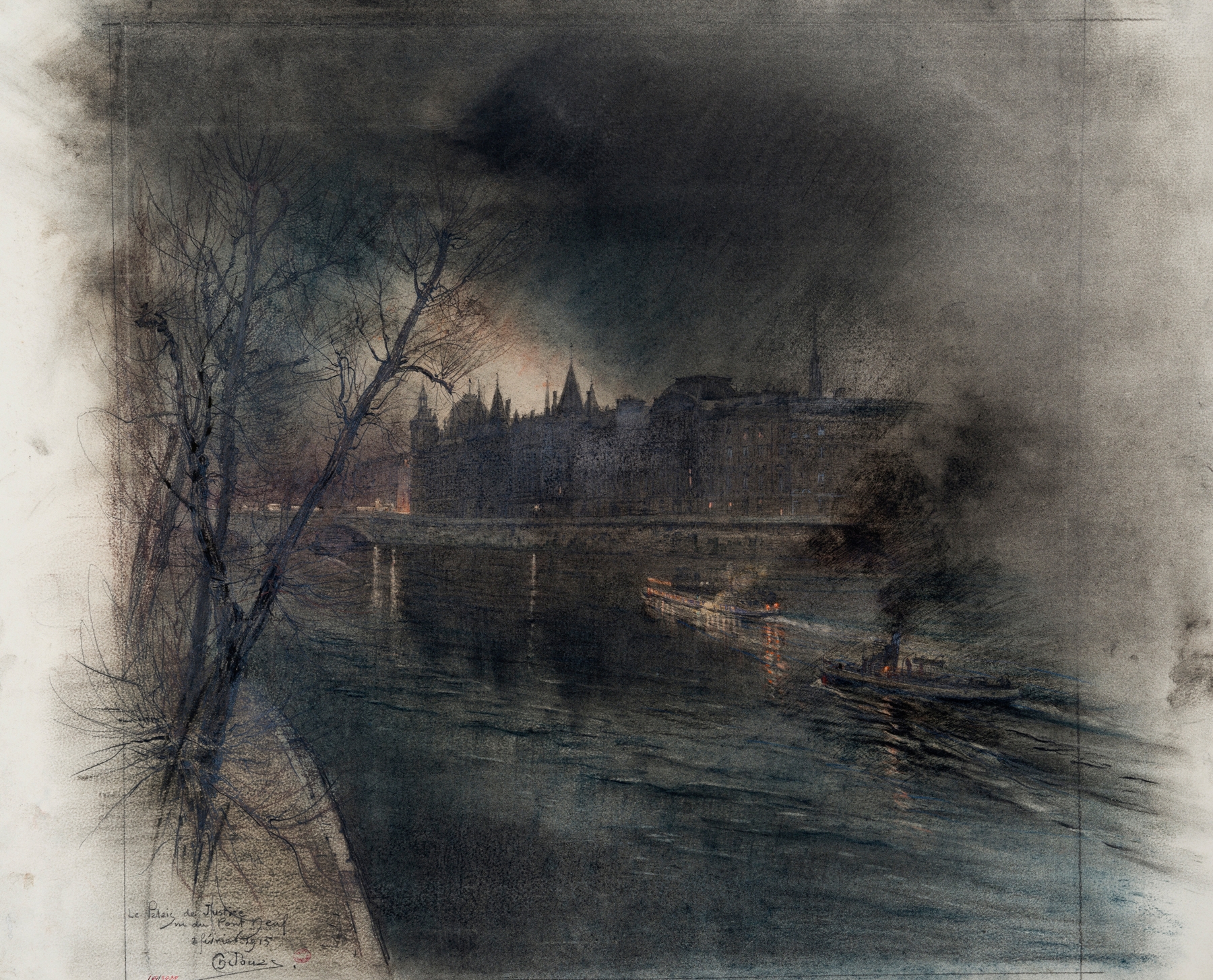
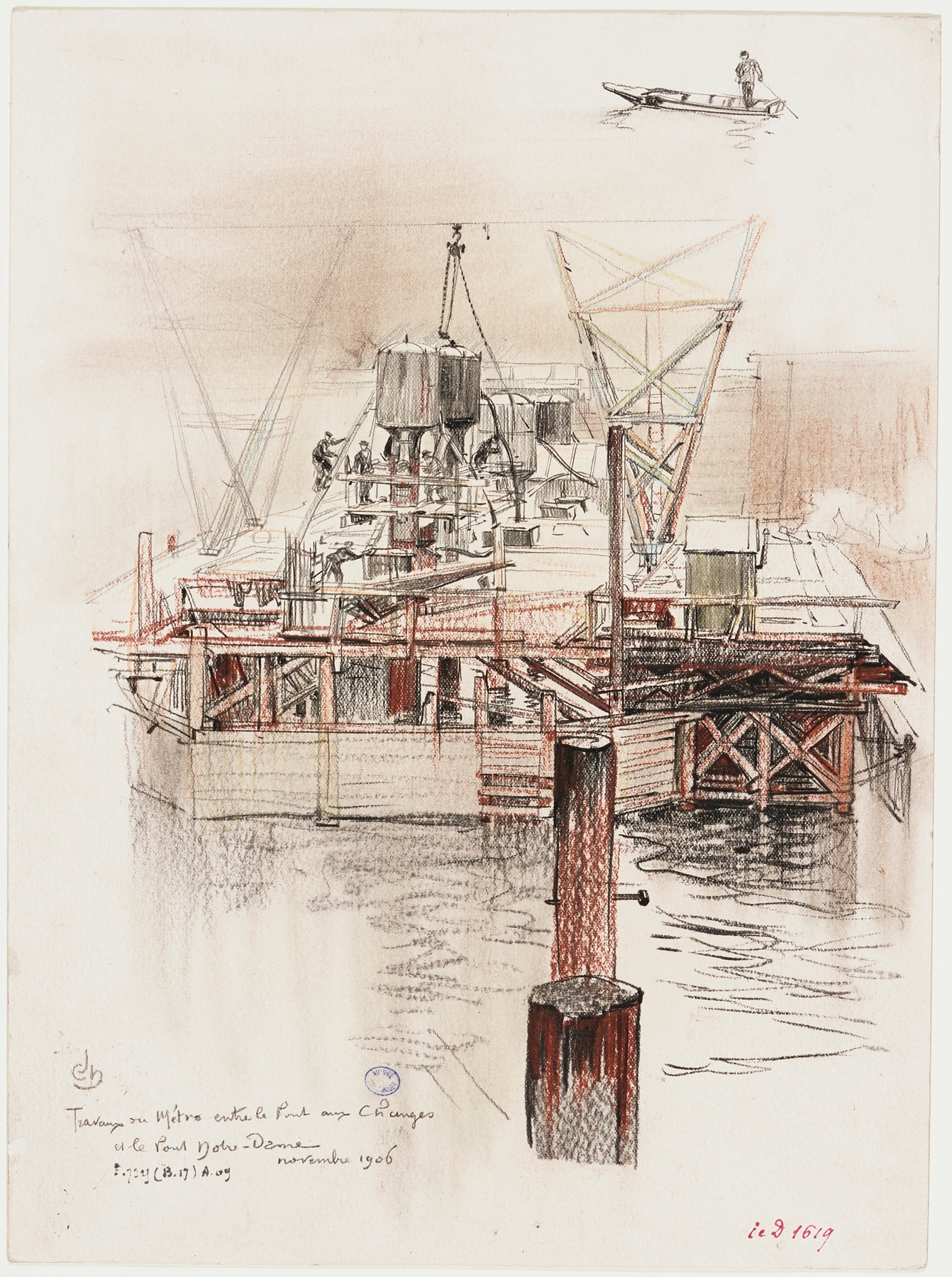
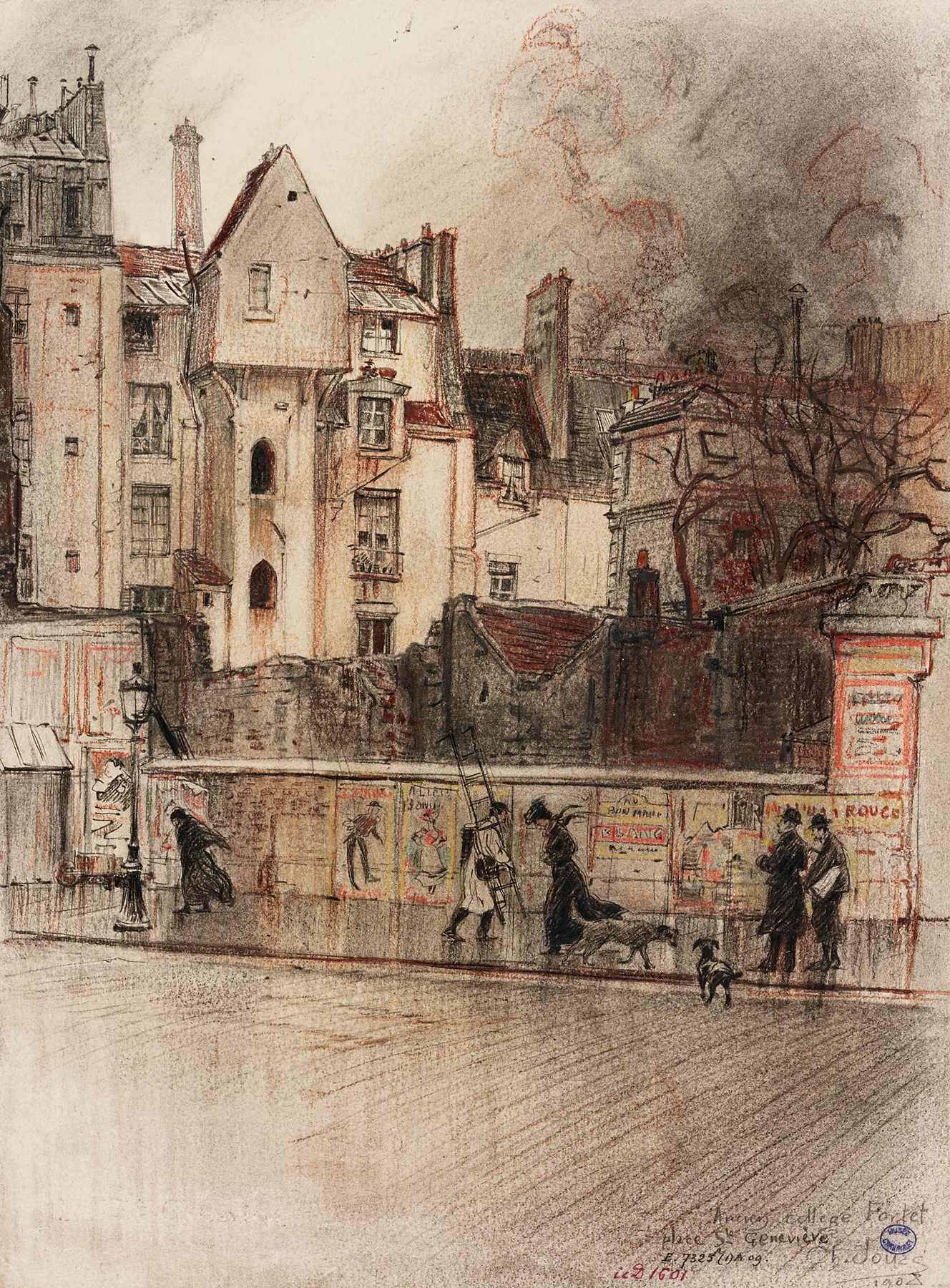
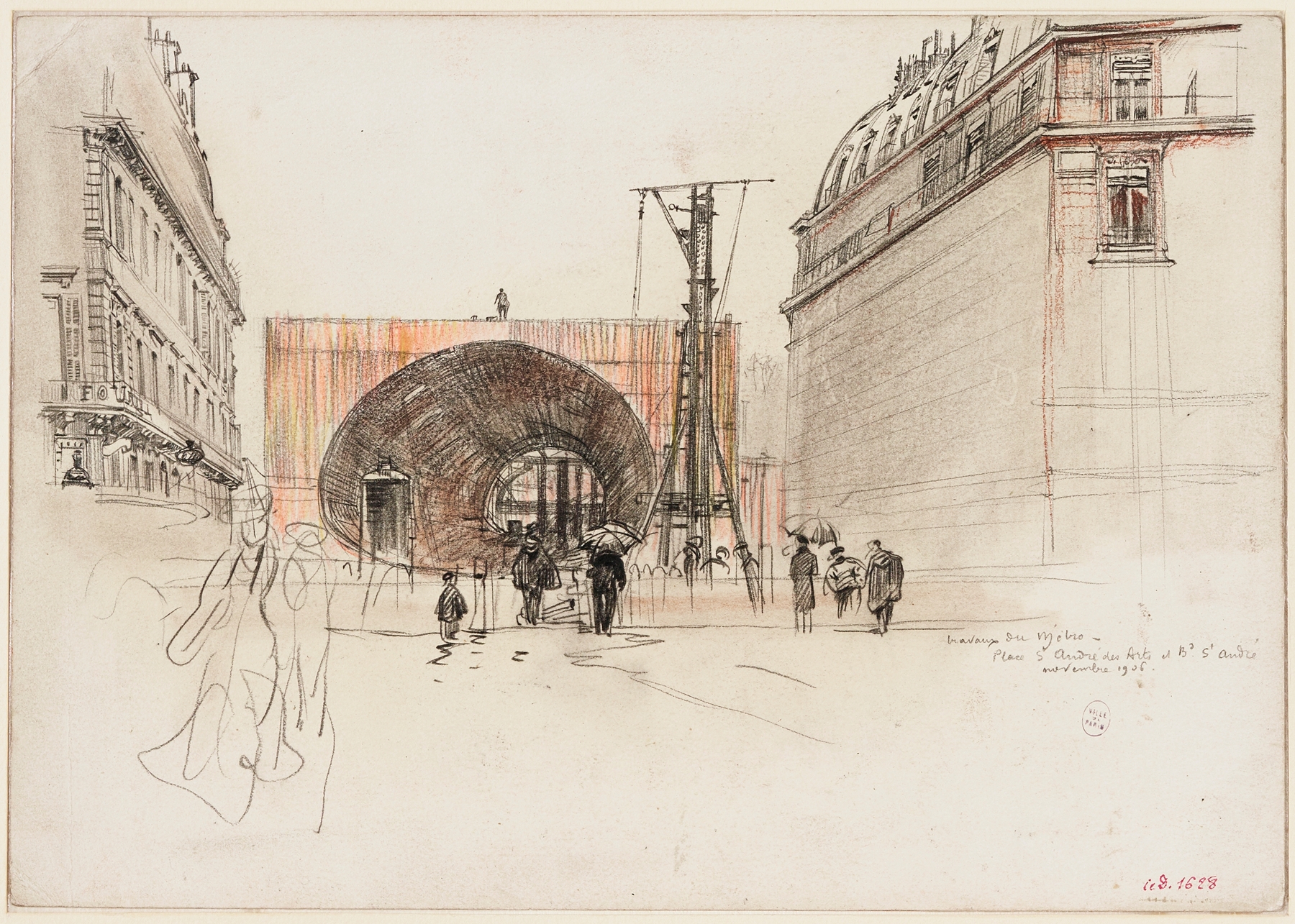
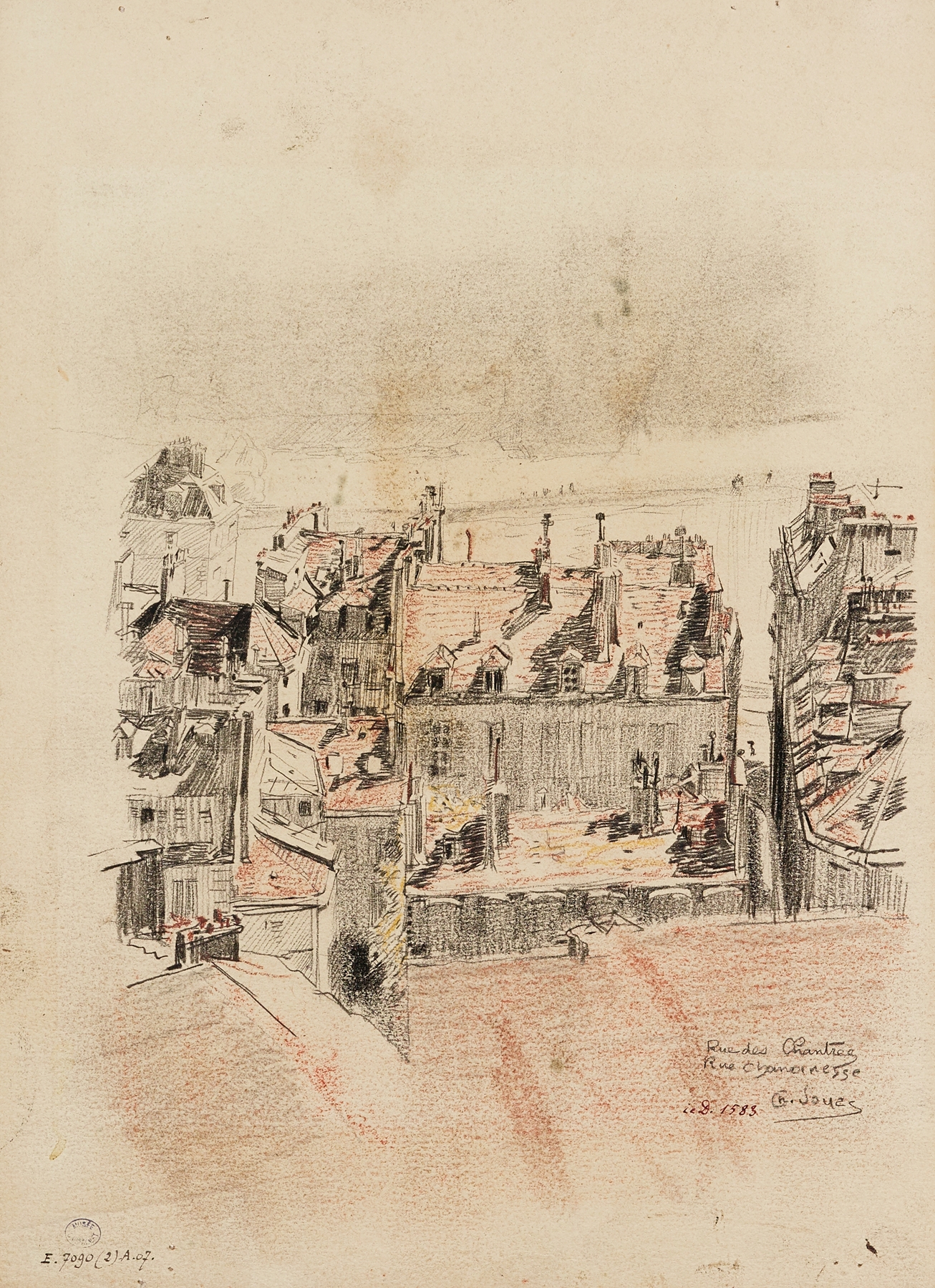
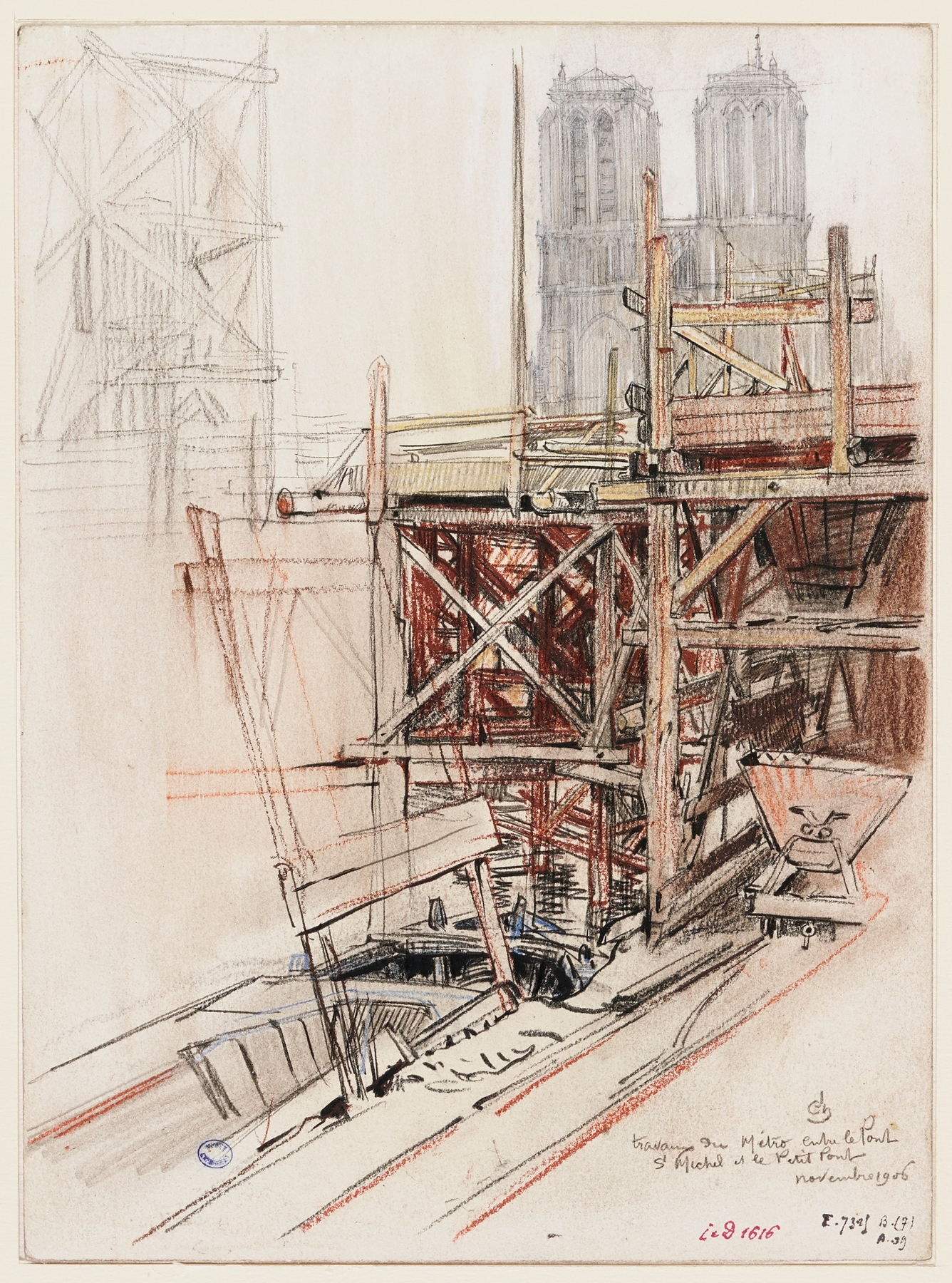
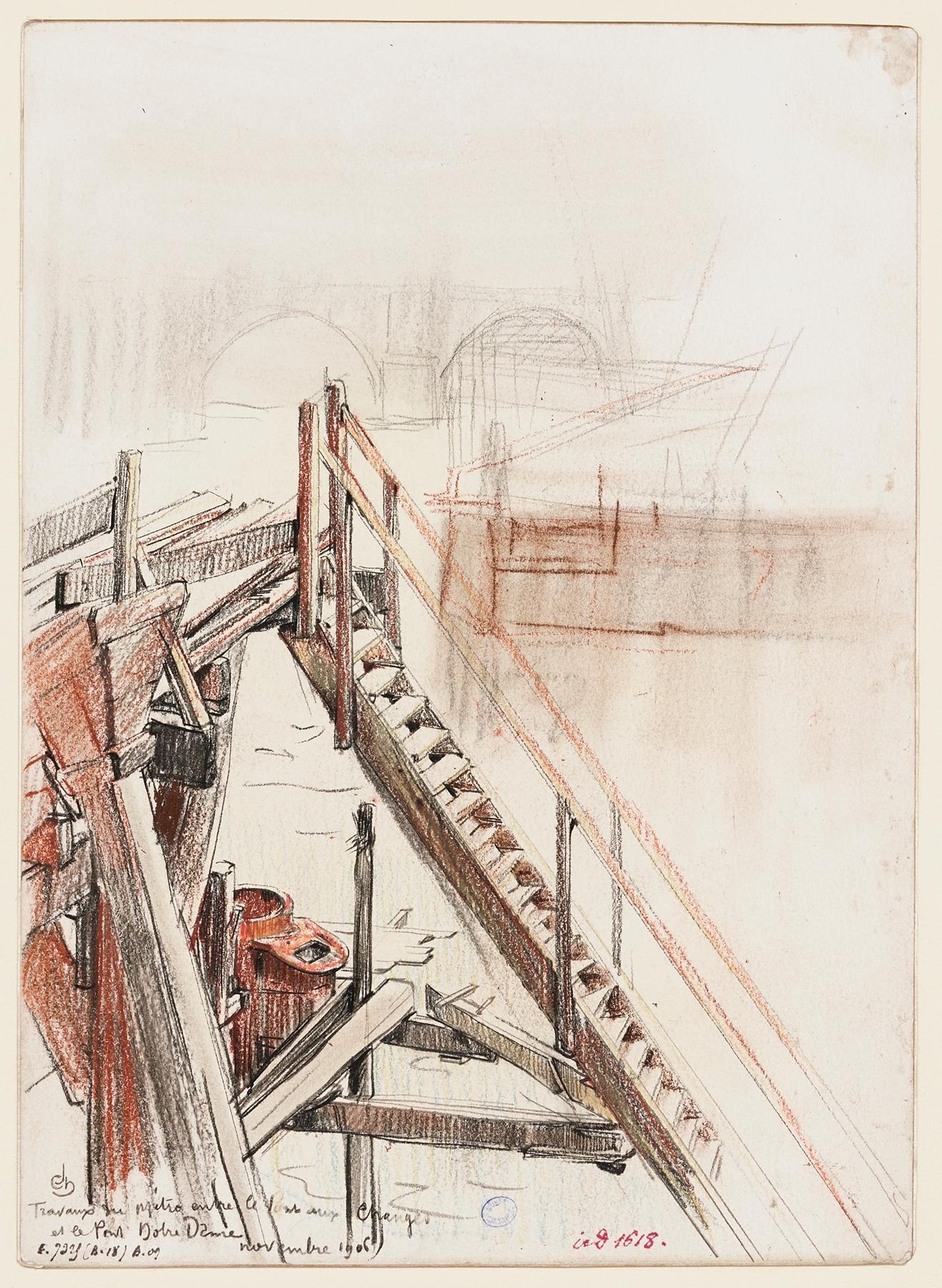
What if beauty was never meant to be finished? In the shadows of urban upheaval, a moment of creation lingers, suspended between chaos and artistry, whispering the fragility of human endeavor. Look closely at the center of the canvas, where the meticulous details of a bustling construction site unfold. Workers labor under the weight of their task, their bodies a blend of movement and tension. The muted palette of earth tones juxtaposes against the stark lines of iron and stone, capturing the gritty essence of the Parisian underbelly.
Notice how the light dances around the figures, illuminating their sweat and determination, while the looming machinery casts dark shadows that suggest both danger and ambition. Beneath the surface, this scene embodies an intricate dialogue of mortality and progress. The juxtaposition of the workers’ toil against the monumental structures they create speaks to the ephemeral nature of life and labor. Each brick laid is a testament to resilience, yet also a reminder of the impermanence inherent in all endeavors.
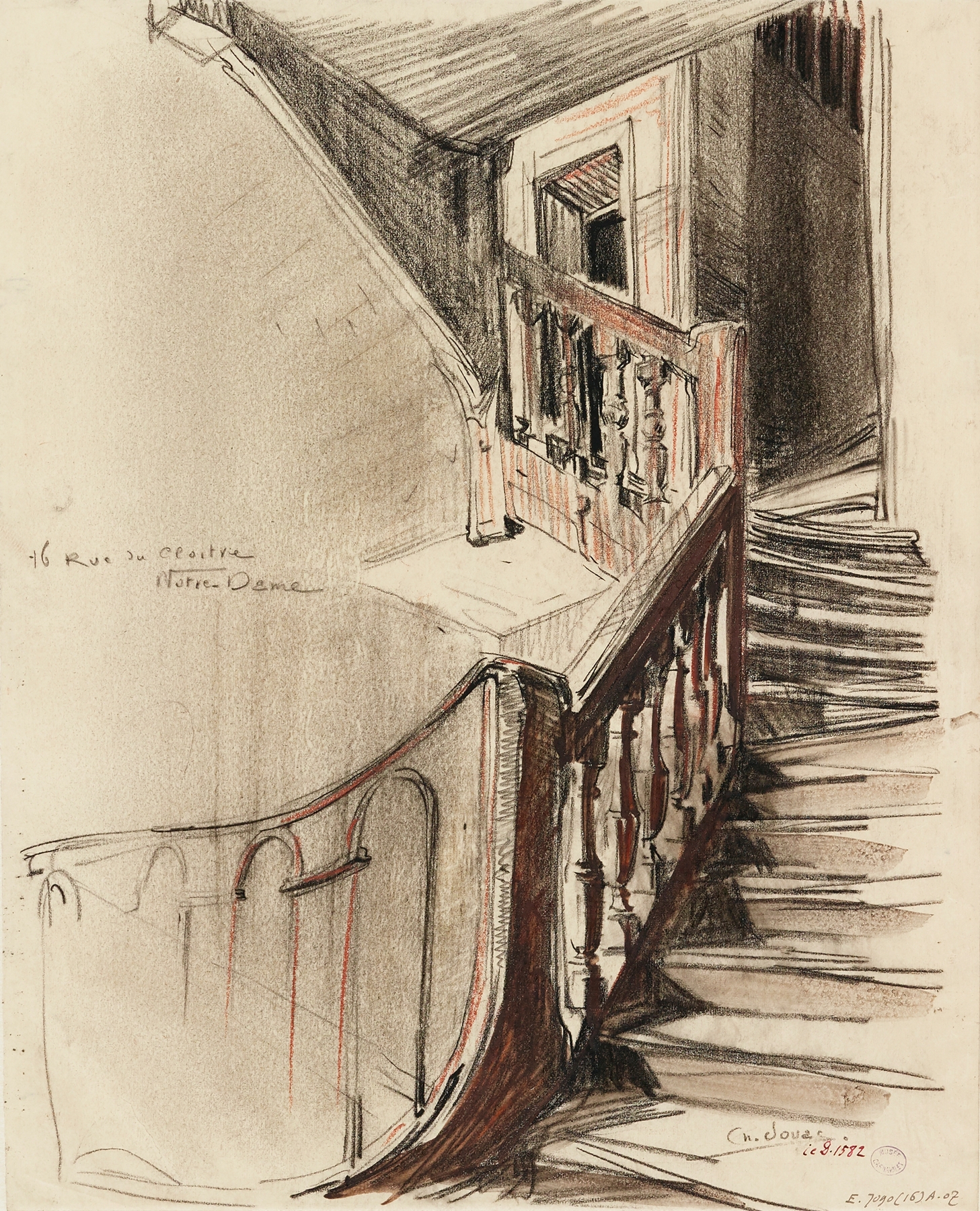
The looming buildings, perhaps symbols of human ambition, hint at the inevitable decay awaiting them, inviting viewers to ponder what is left behind when construction ceases. Charles Jouas painted this work in a time when Paris was undergoing rapid transformation, likely in the late 19th or early 20th century, amid the fervor of industrialization. As the city buzzed with new possibilities and artistic revolutions, Jouas captured not only the physical act of creation but also an existential reflection on the transient beauty of life. This period marked a significant shift in art, with realism intertwining with an emerging modern perspective, as artists sought to document the changing world around them.