Trübe Landschaft bei Eggenburg — History & Analysis
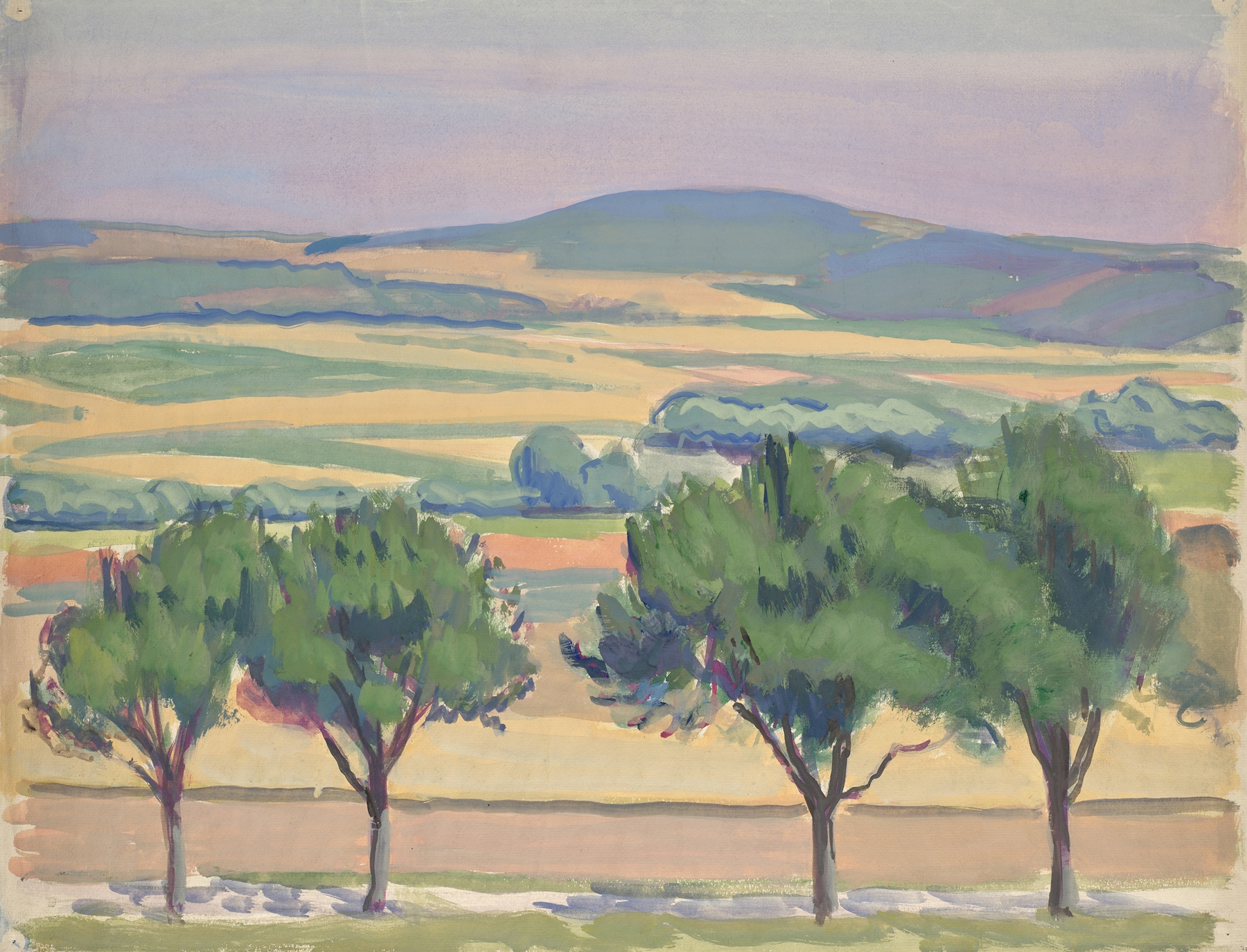
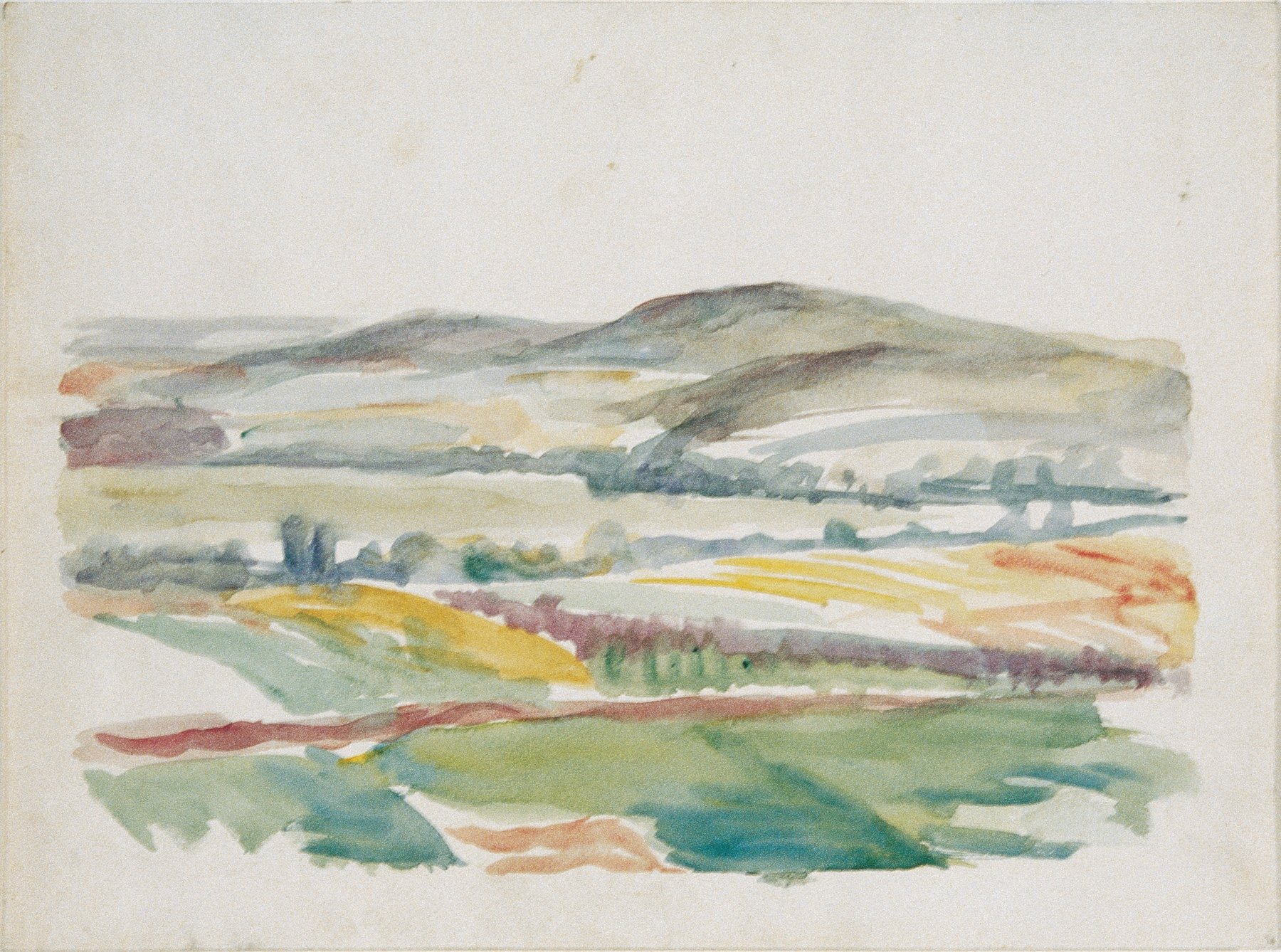
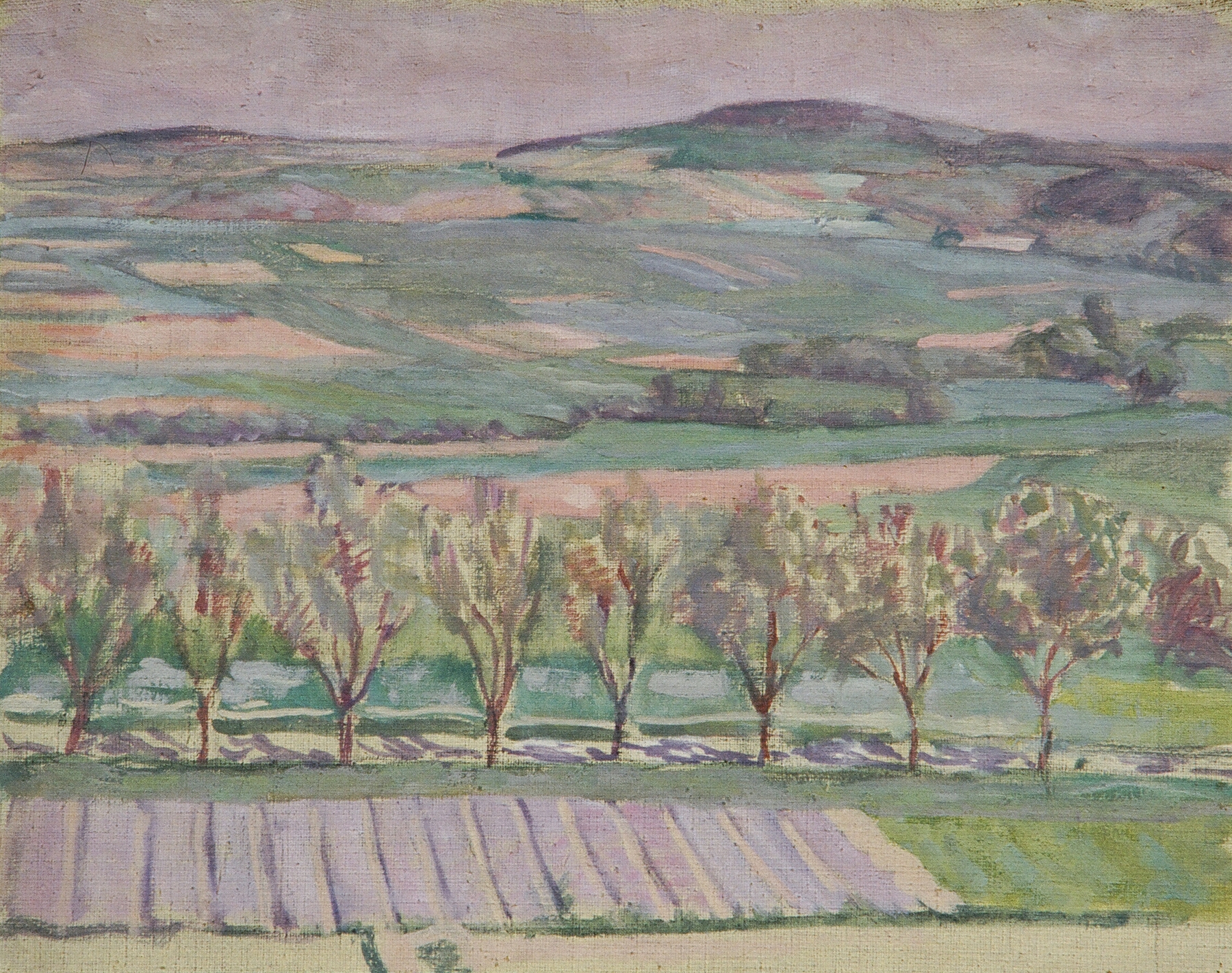
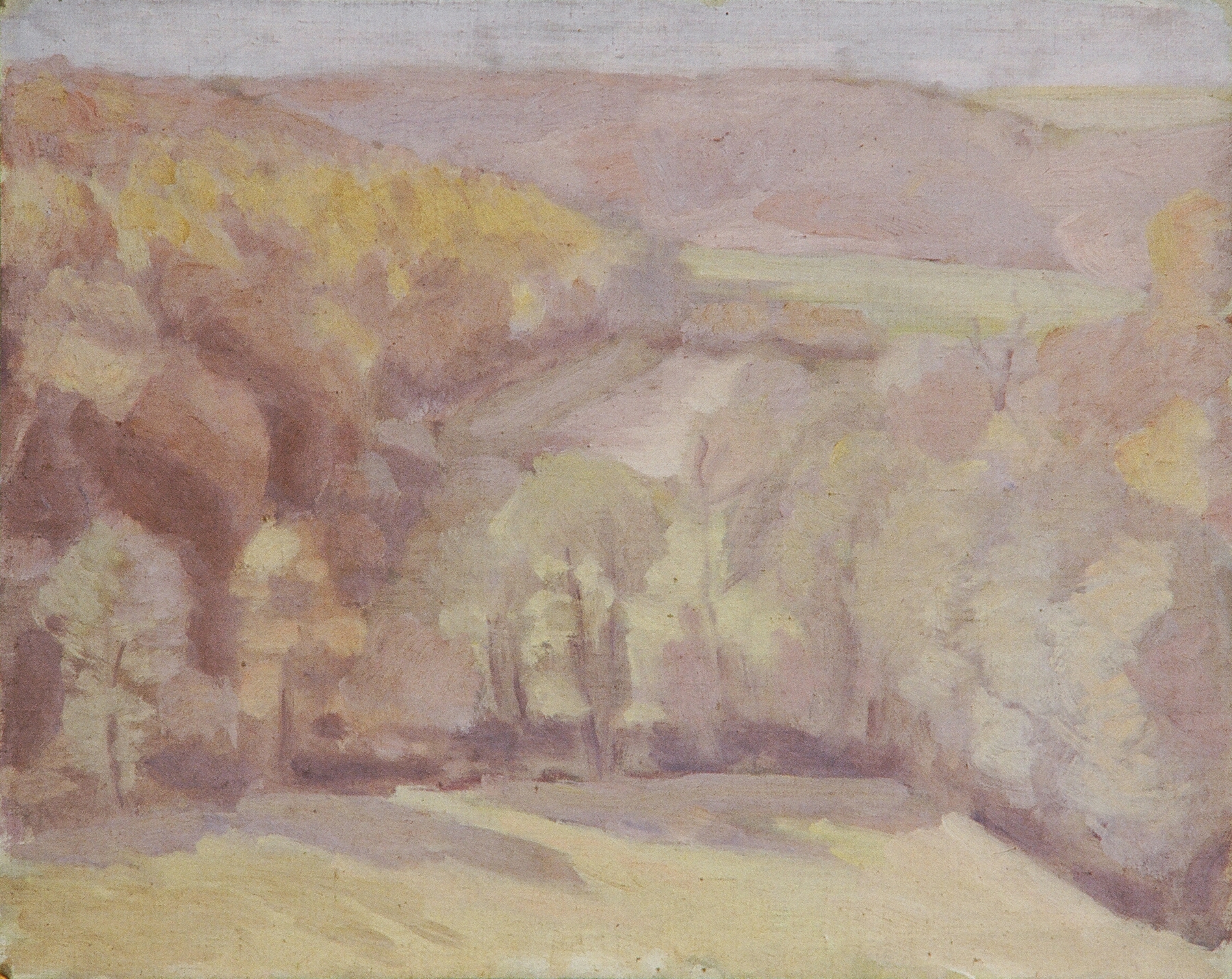
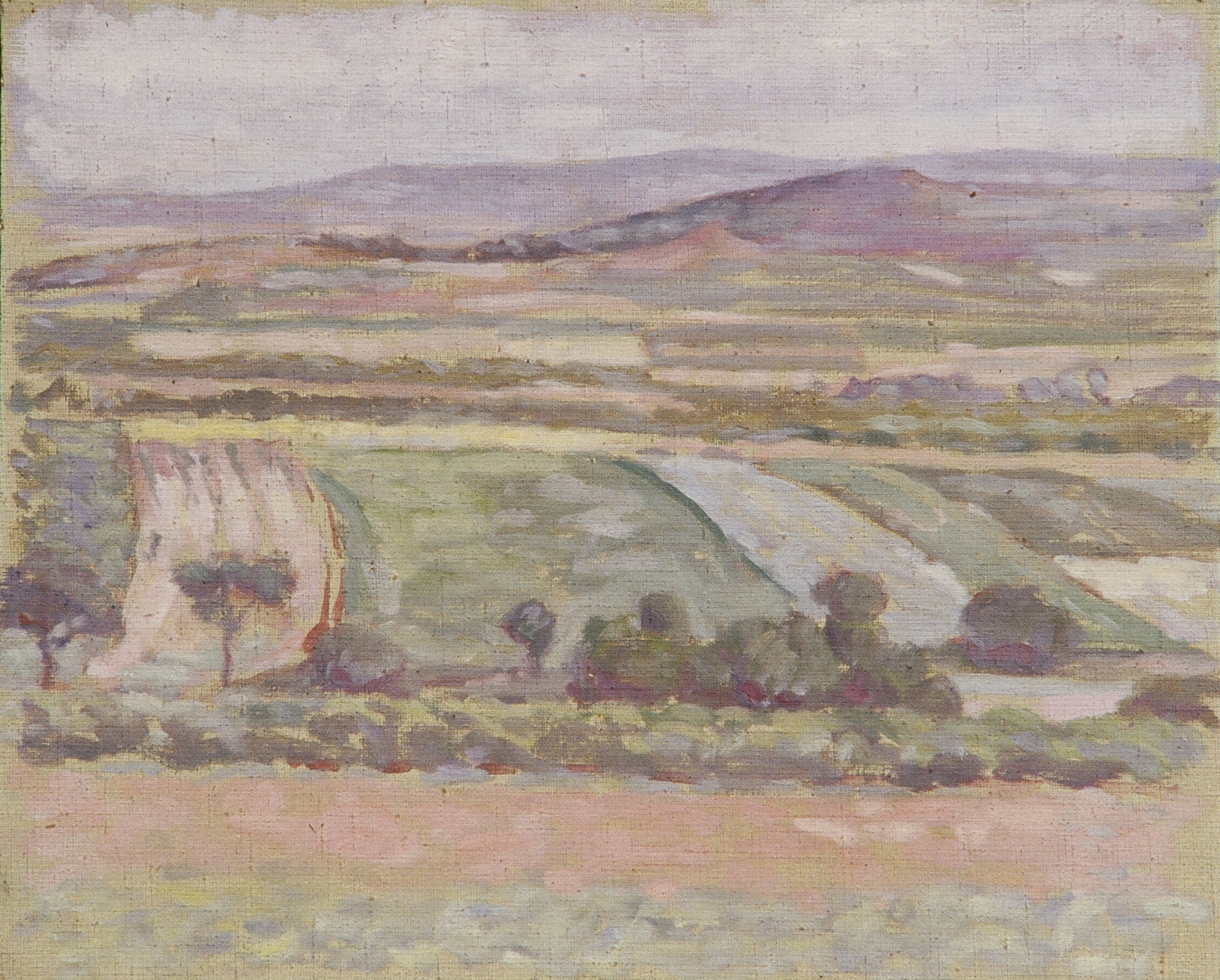
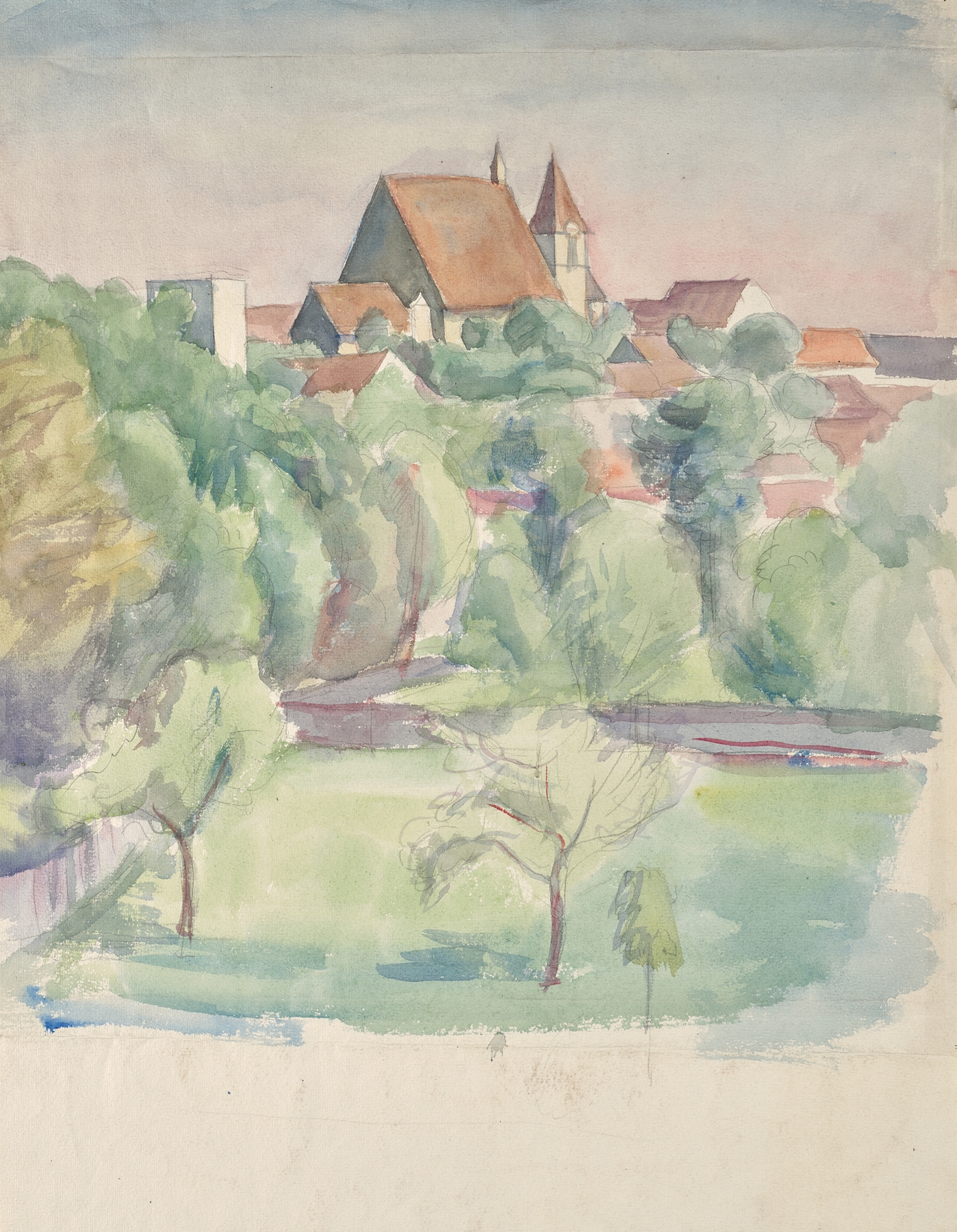
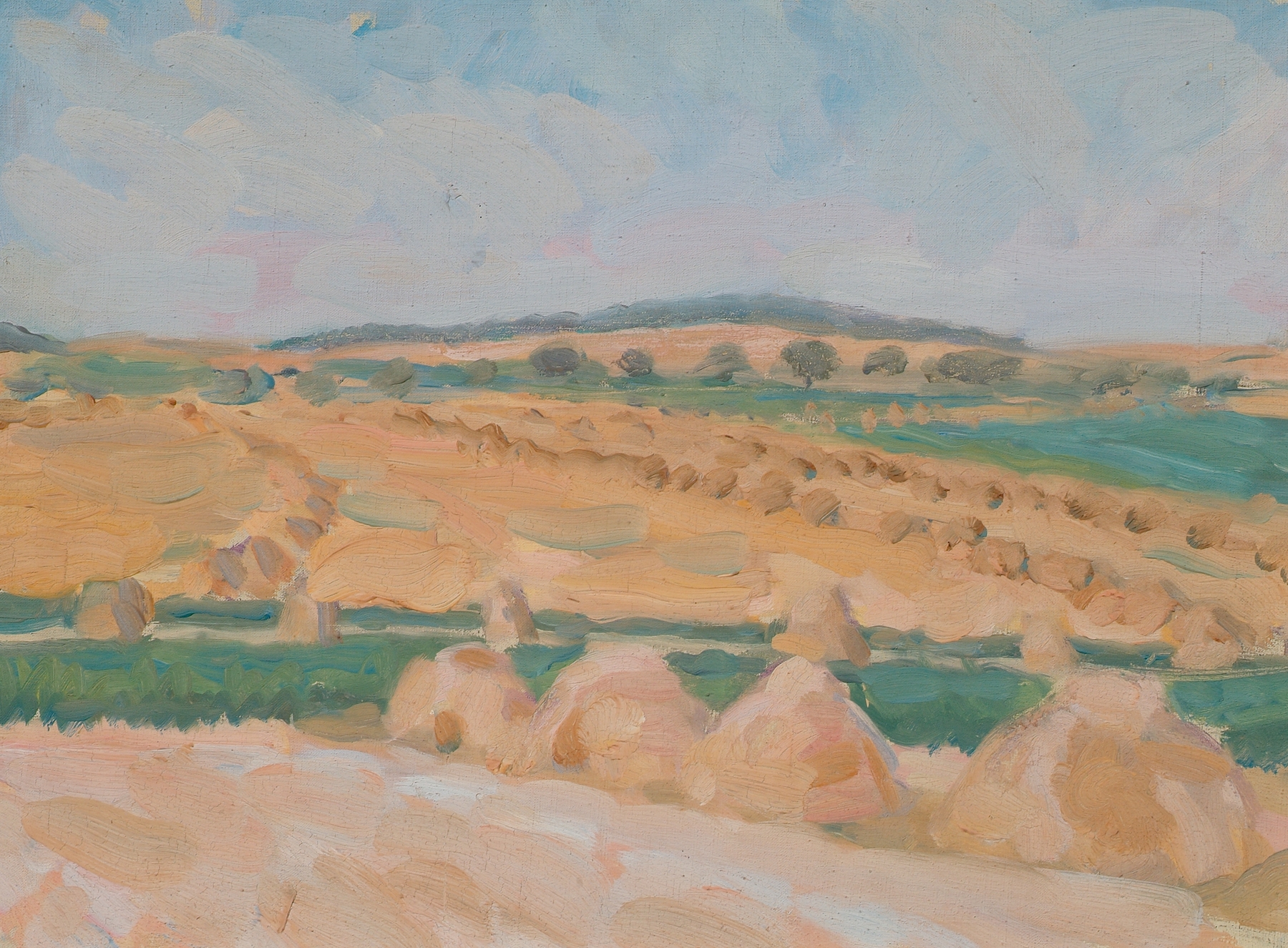
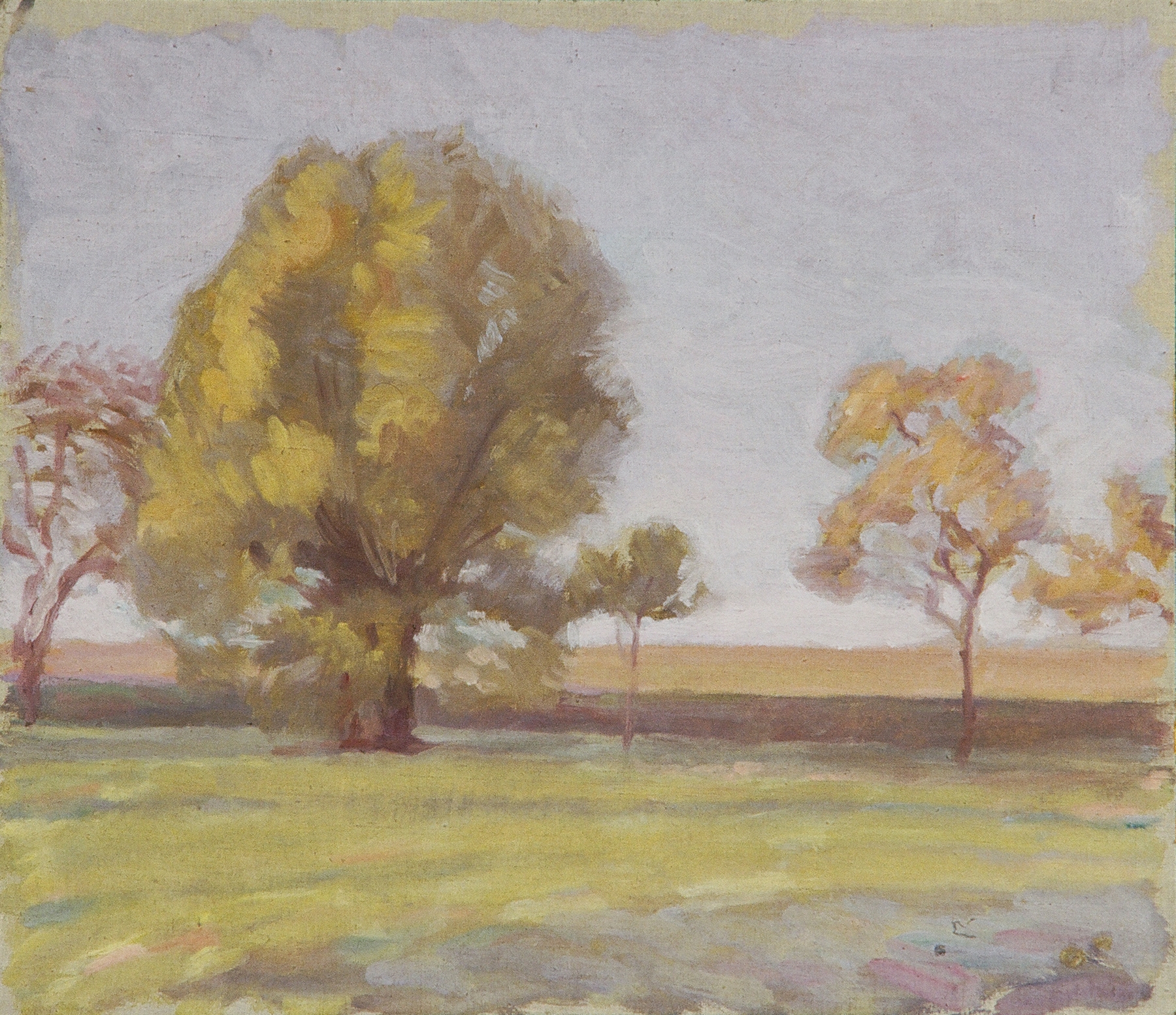
“Art reveals the soul when the world turns away.” In the shadows of life, obsession often lingers, shaping perceptions and revealing truths that remain hidden to the casual observer. Look to the foreground of Trübe Landschaft bei Eggenburg, where dull, muted tones blend into the desolate landscape. The thick, heavy brushstrokes create a palpable weight, drawing your eye into the murky depths of the scene. Notice how the clouds loom ominously overhead, their charcoal greys contrasting sharply with the earthy but lifeless browns and greens below.
The horizon feels almost oppressive, as if pressing down on the forlorn land, evoking a sense of abandonment and introspection. In the somber expanse, a tension arises between the natural beauty of the landscape and the emotional heaviness it carries. The stark lines of the lifeless trees stretch upward like desperate fingers grasping for solace, while the swirling skies hint at turmoil. This discord represents a duality: the artist’s obsession with capturing a fleeting moment of despair and the haunting silence echoing through the vastness.
Each brushstroke whispers of a struggle that transcends mere observation, inviting viewers to confront their own inner darkness. Walther Gamerith created Trübe Landschaft bei Eggenburg in 1938, during a time of considerable political and social upheaval in Europe. Living in Austria, he was influenced by the rise of surrealism and expressionism, movements that sought to convey layered realities through abstraction. This work reflects his intense emotional landscape as he grappled with the complexities of existence amidst the looming threat of war, revealing the artist's unique perspective and obsession with the darker facets of human experience.