Unterbuchberg Im Winter II — History & Analysis
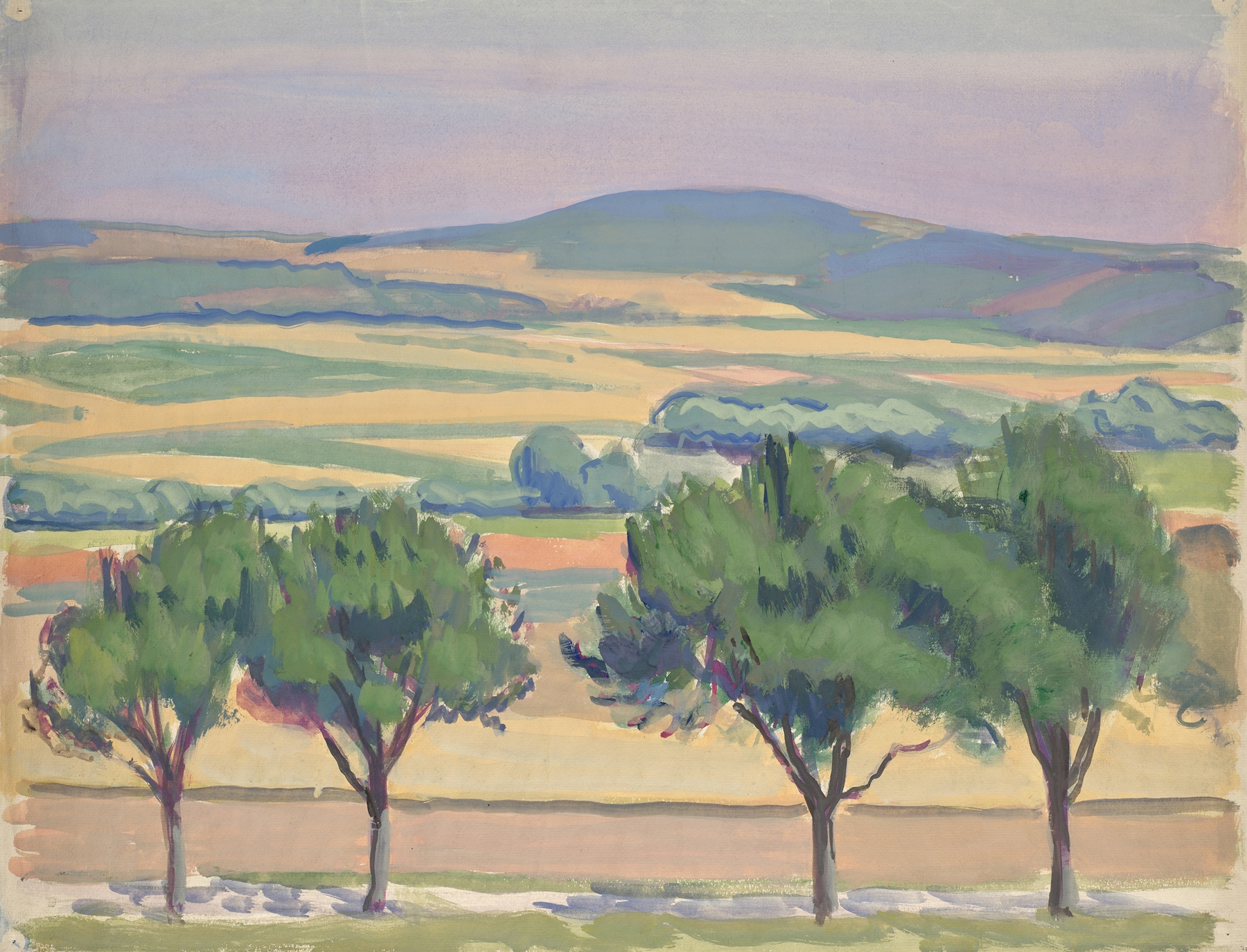
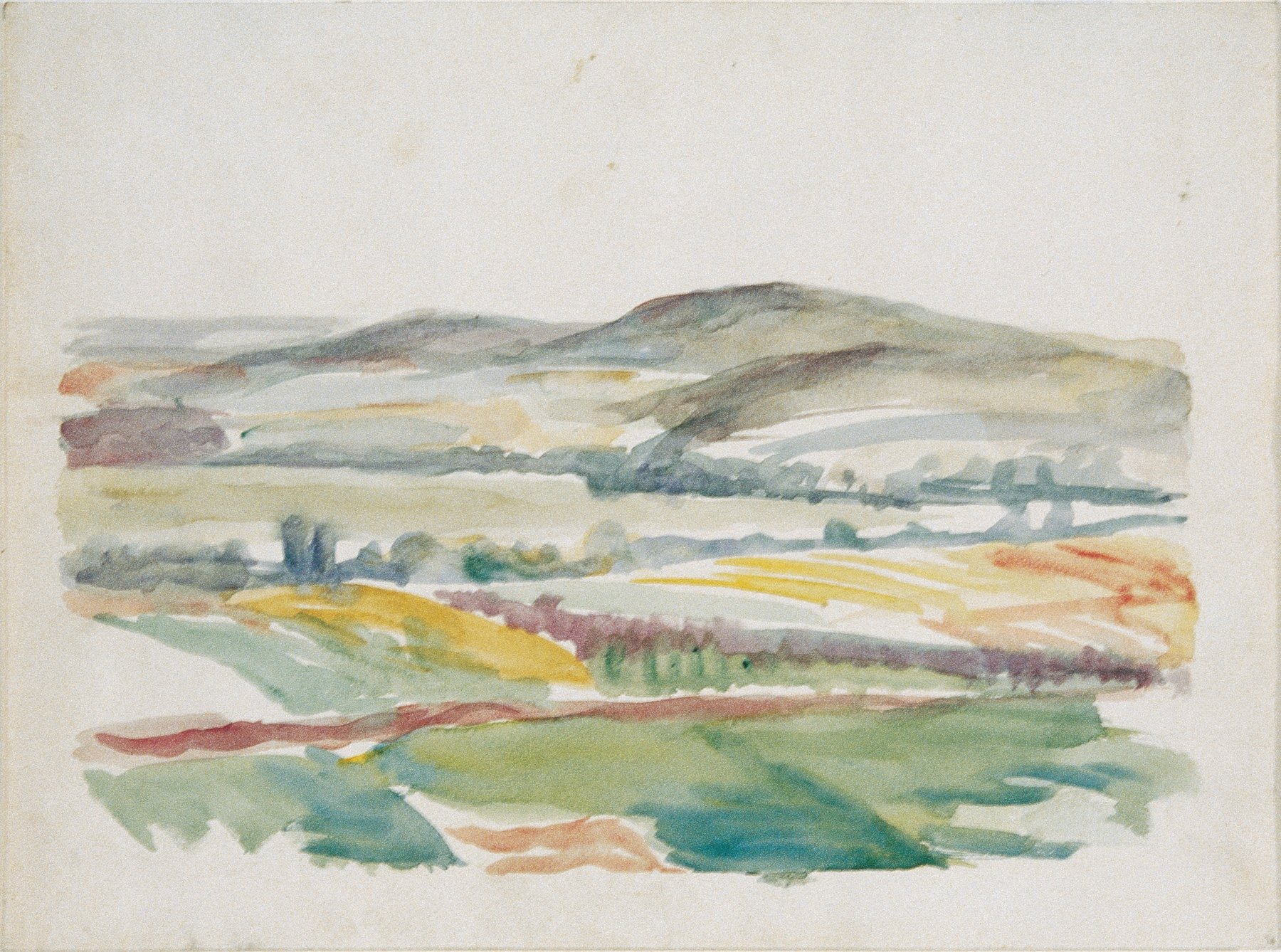
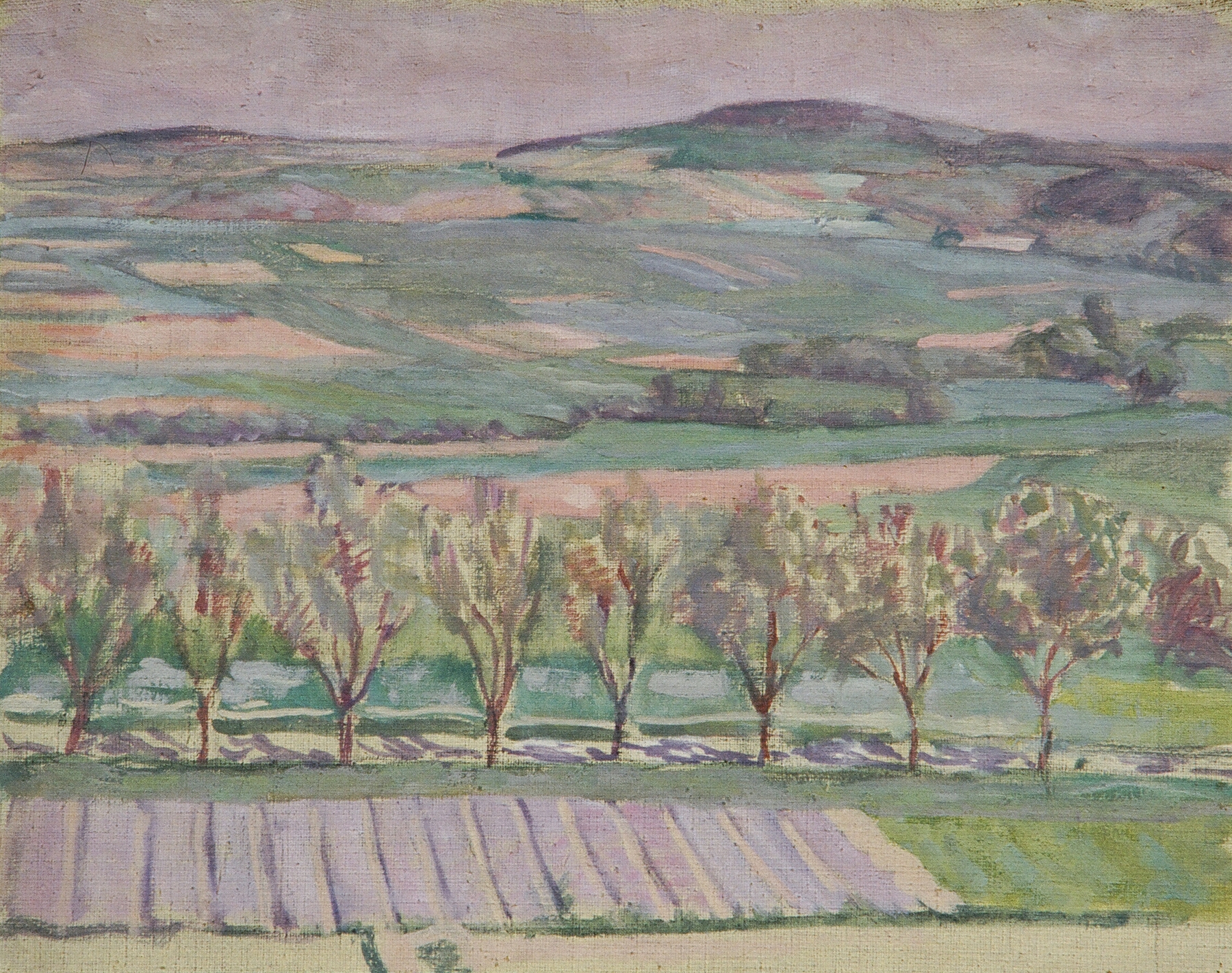
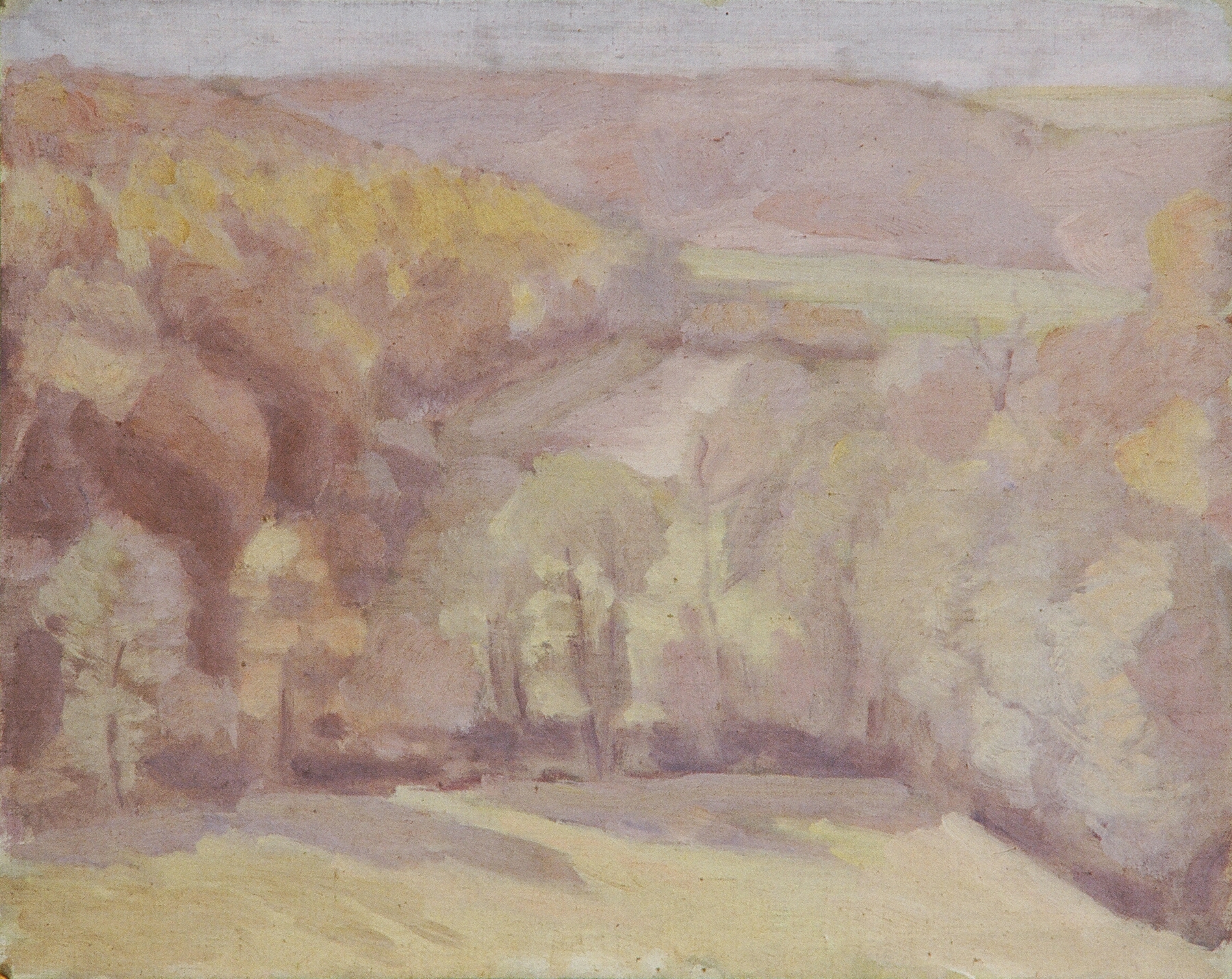
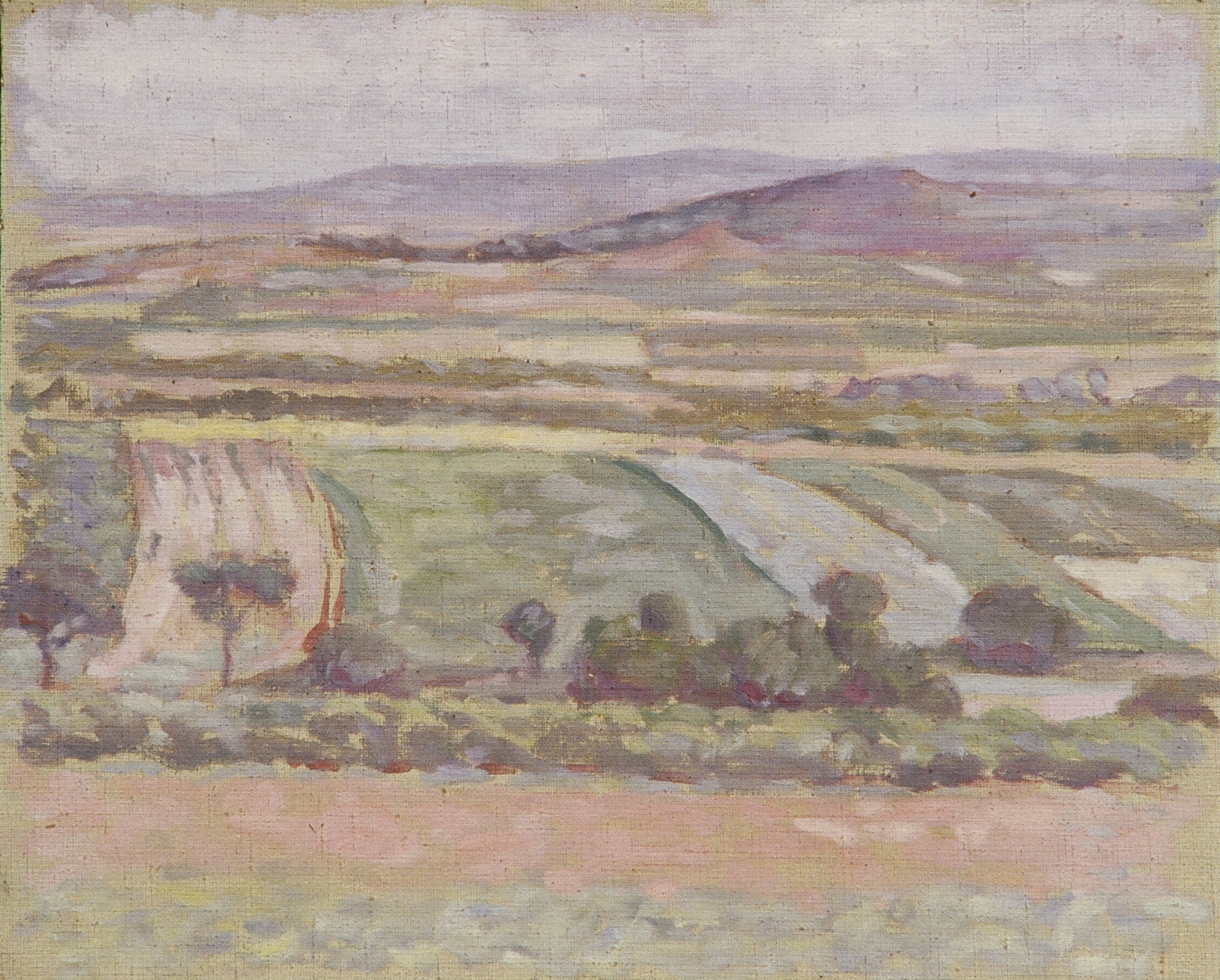
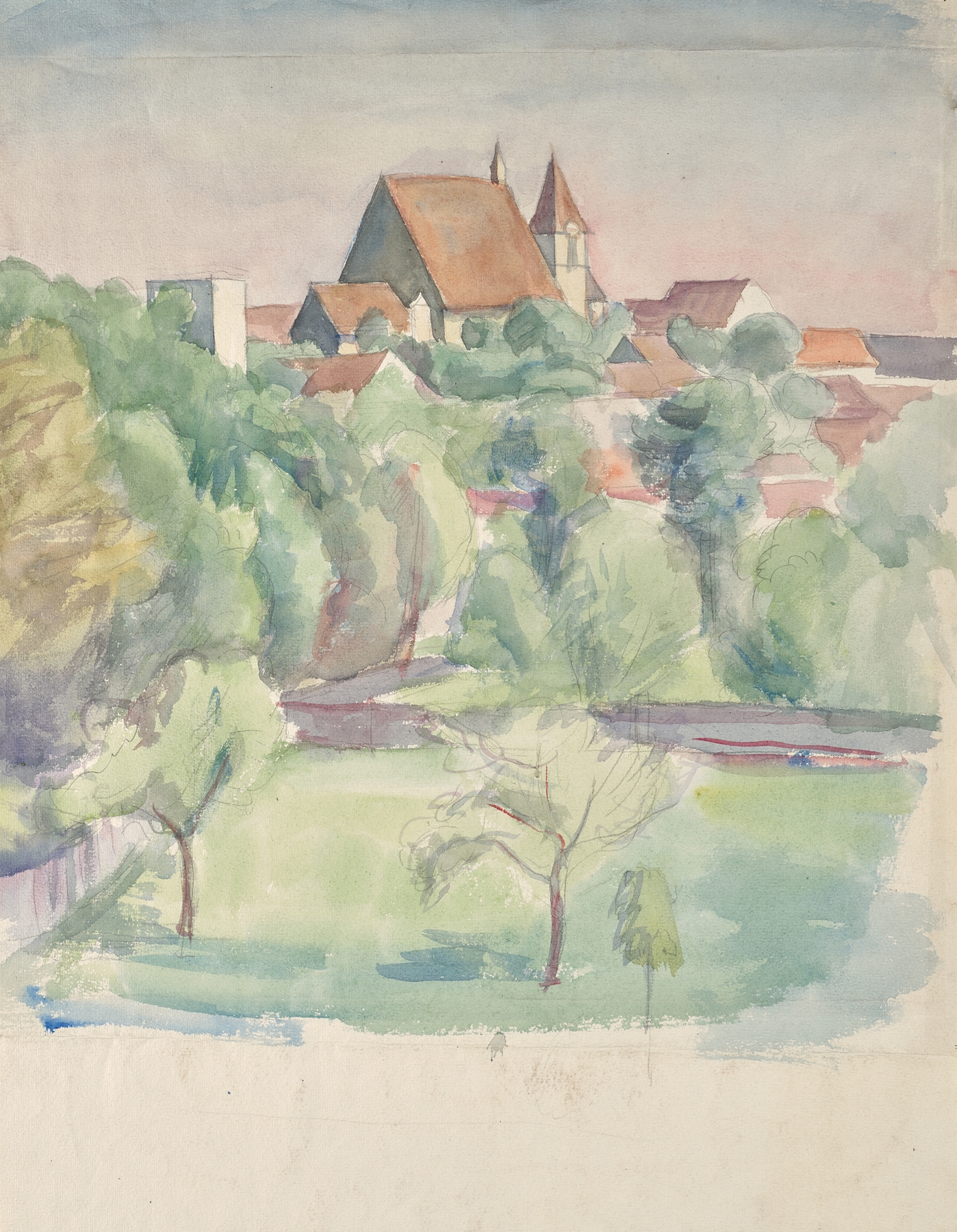
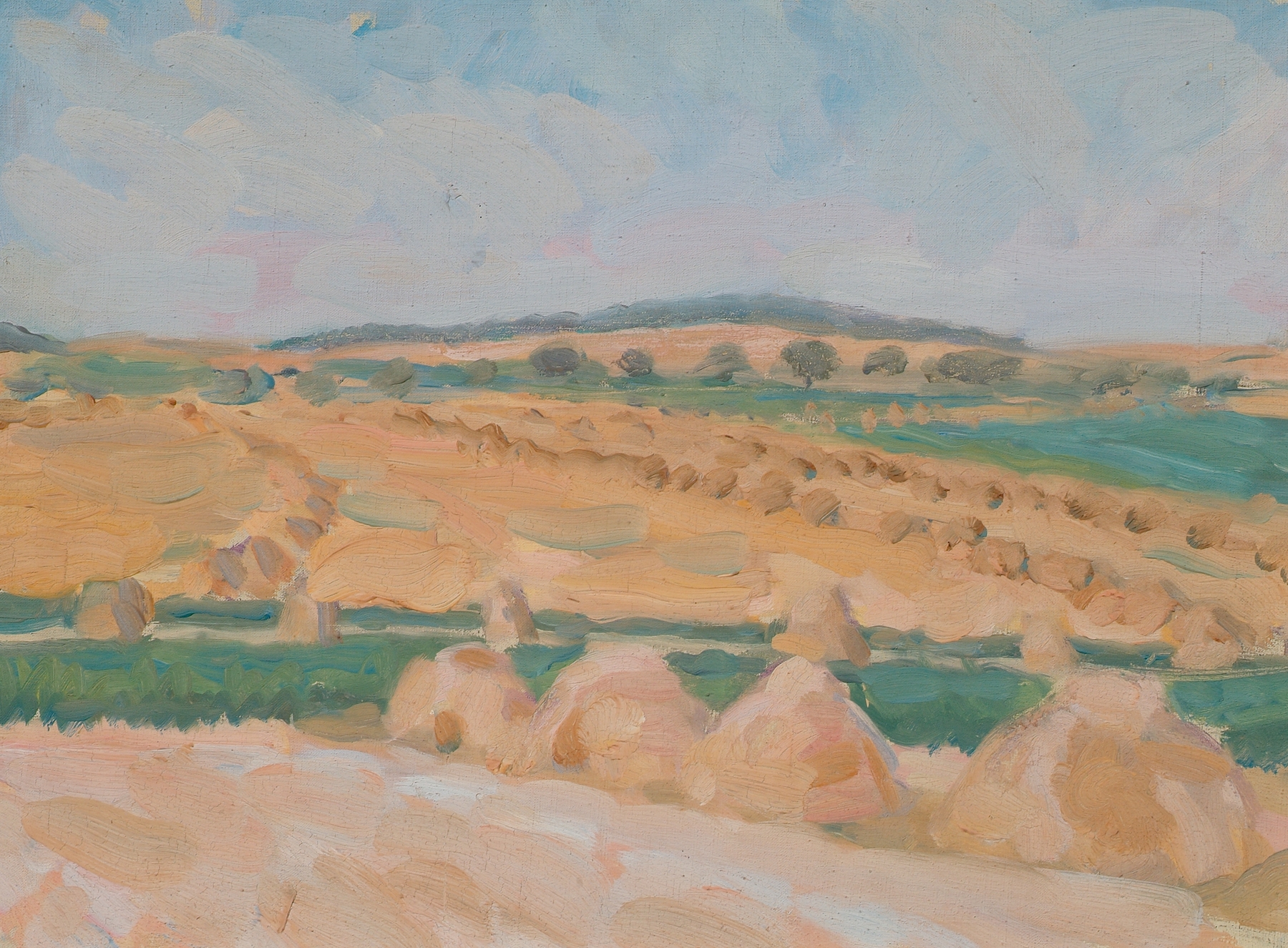
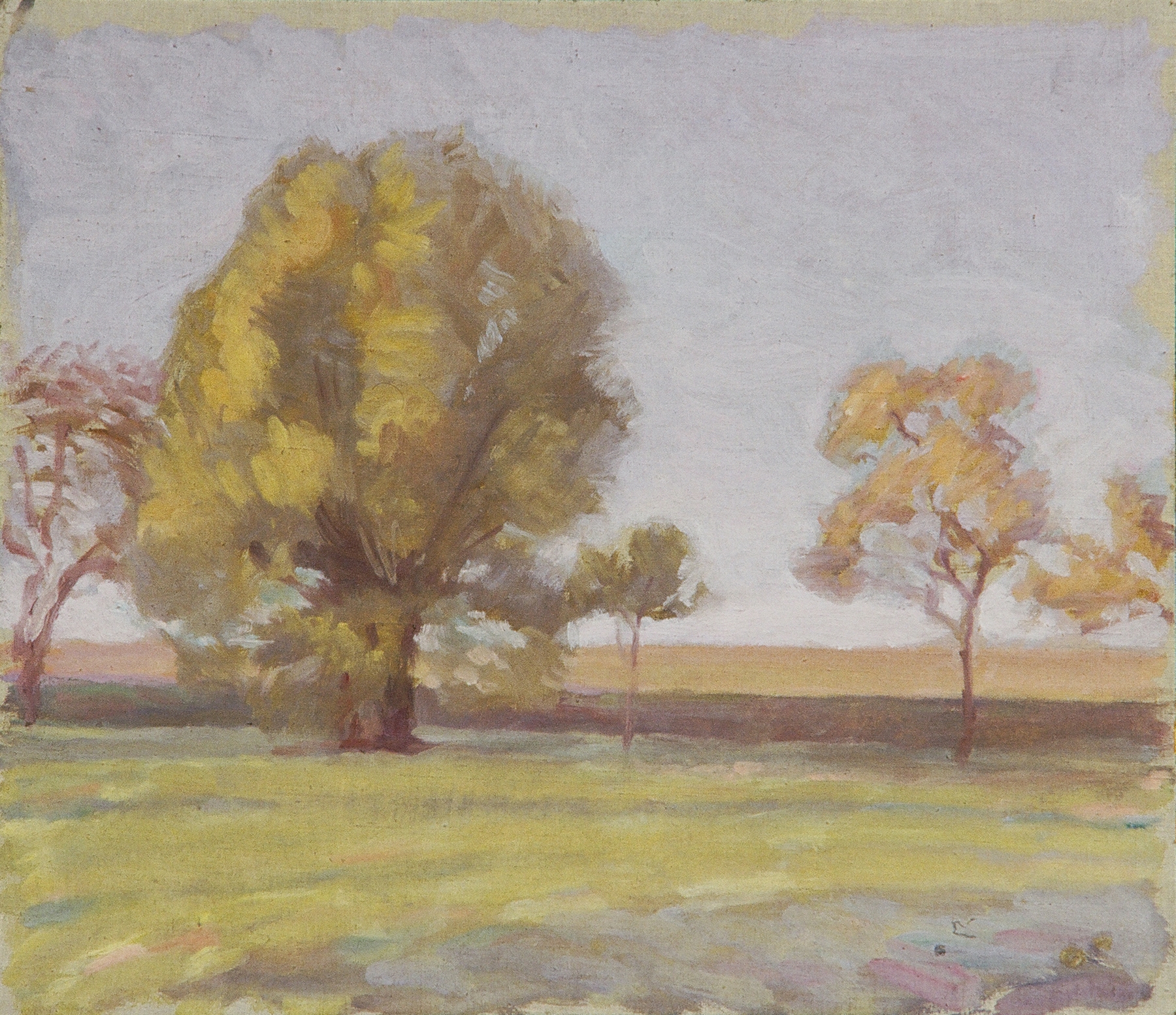
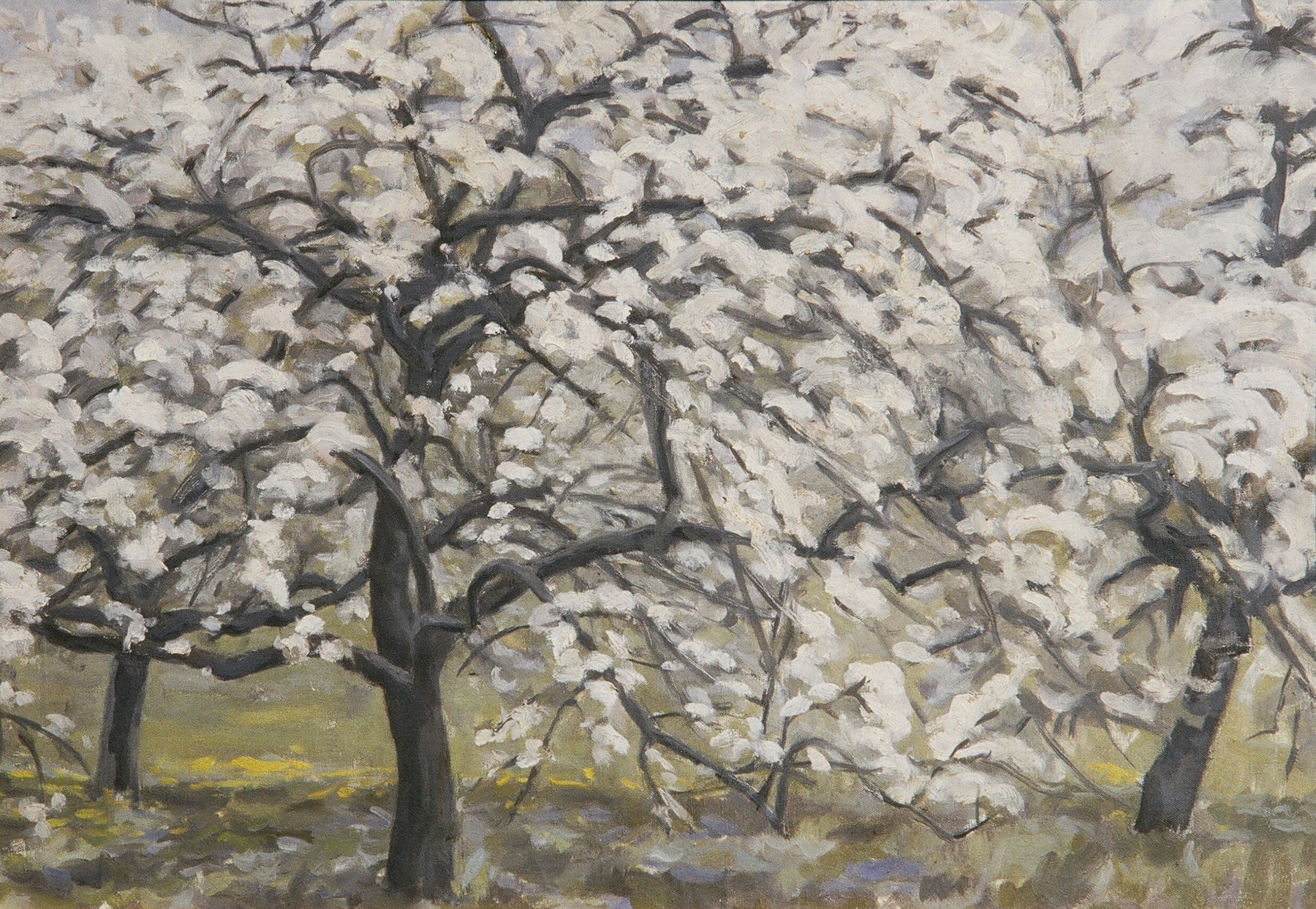
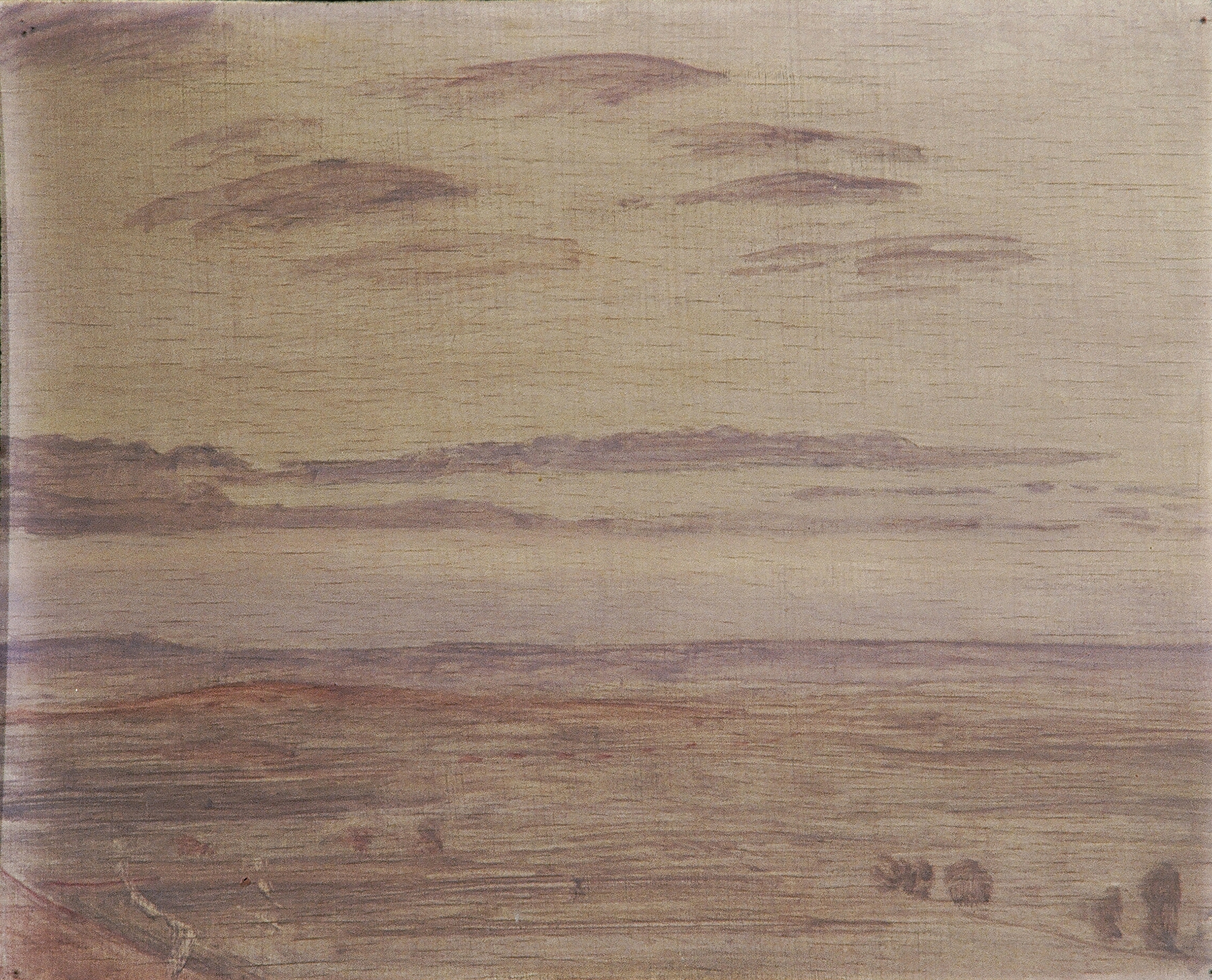
“Every silence here is a confession.” In the stillness of winter, memories linger like the crisp air, capturing moments lost yet held dear. Focus on the soft hues of the landscape, where the cool blues and whites envelop the scene. Look to the left at the delicate brushstrokes that define the snow-laden trees, their skeletal branches reaching out like whispers of the past. Notice how the light plays across the undulating terrain, illuminating patches of frost that reflect a quiet morning glow, suggesting a sense of peace amidst desolation.
The fine details, meticulously crafted, draw your eye into the serene, contemplative atmosphere. Yet, beneath the tranquil surface lies a tension—between the harshness of winter and the warmth of memory. The stark contrast of dark, looming trees against the bright, fragile snow evokes feelings of isolation and introspection. Each element, from the muted palette to the gentle contours of the hills, embodies a yearning for connection, a bridge between solitude and the comfort of reminiscence.
Created in 1946, this work emerged during a time when Walther Gamerith was navigating the aftermath of World War II in Austria. The country was grappling with the scars of conflict, and the art world was undergoing significant transformation. In this context, Unterbuchberg Im Winter II encapsulates not just a landscape, but a deeply personal reflection of recovery and the haunting beauty of memories intertwined with nature.