Erntezeit — History & Analysis
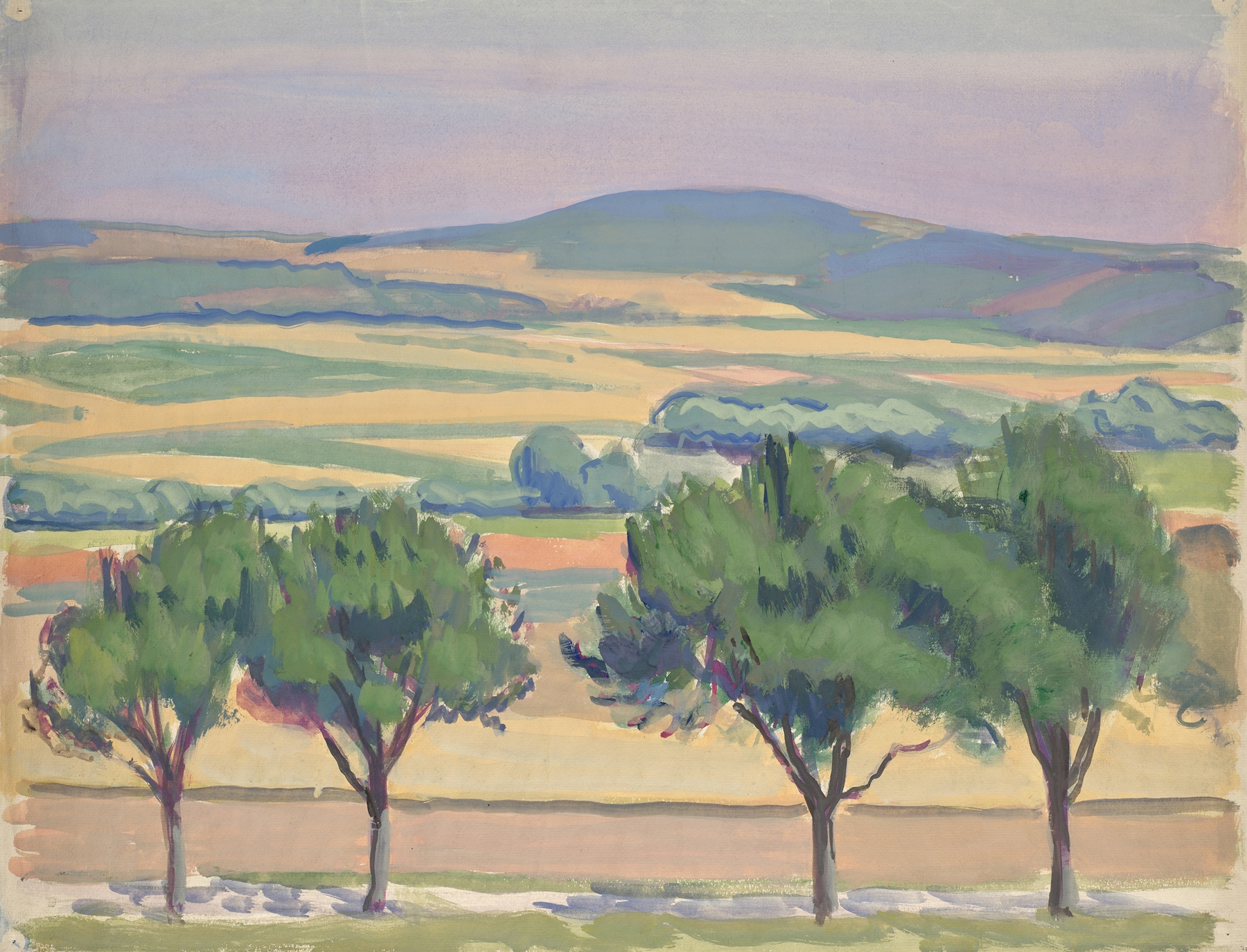
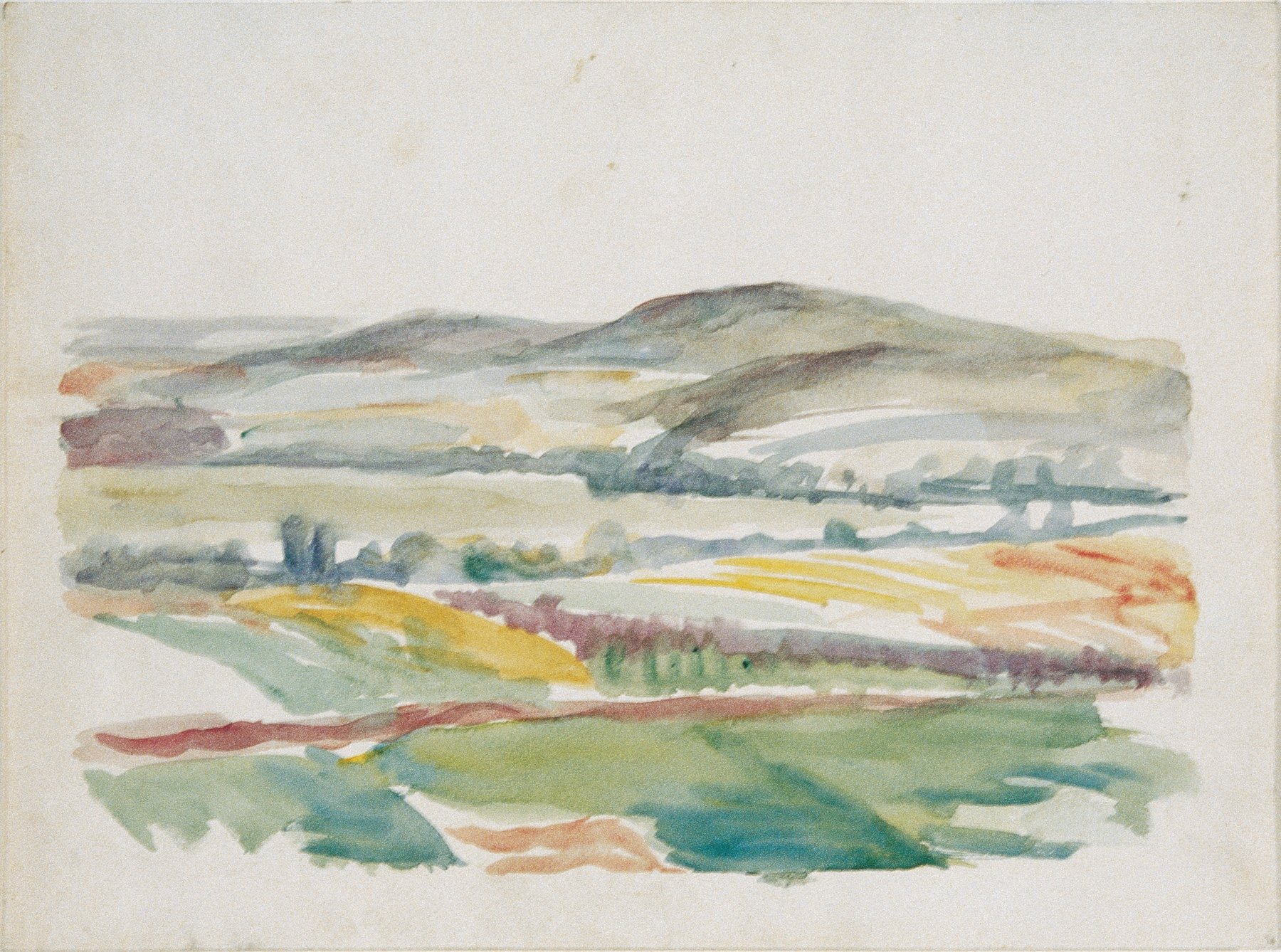
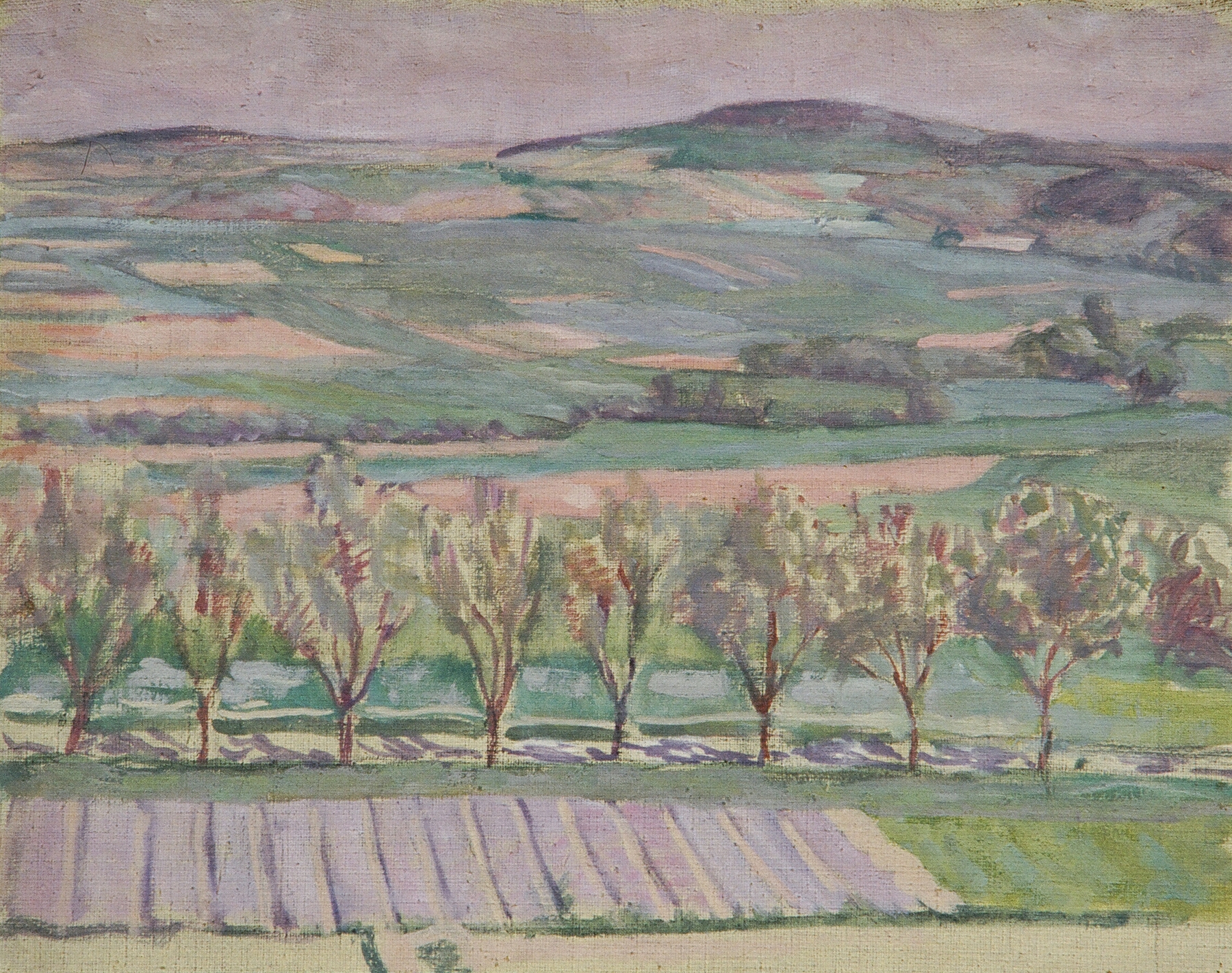
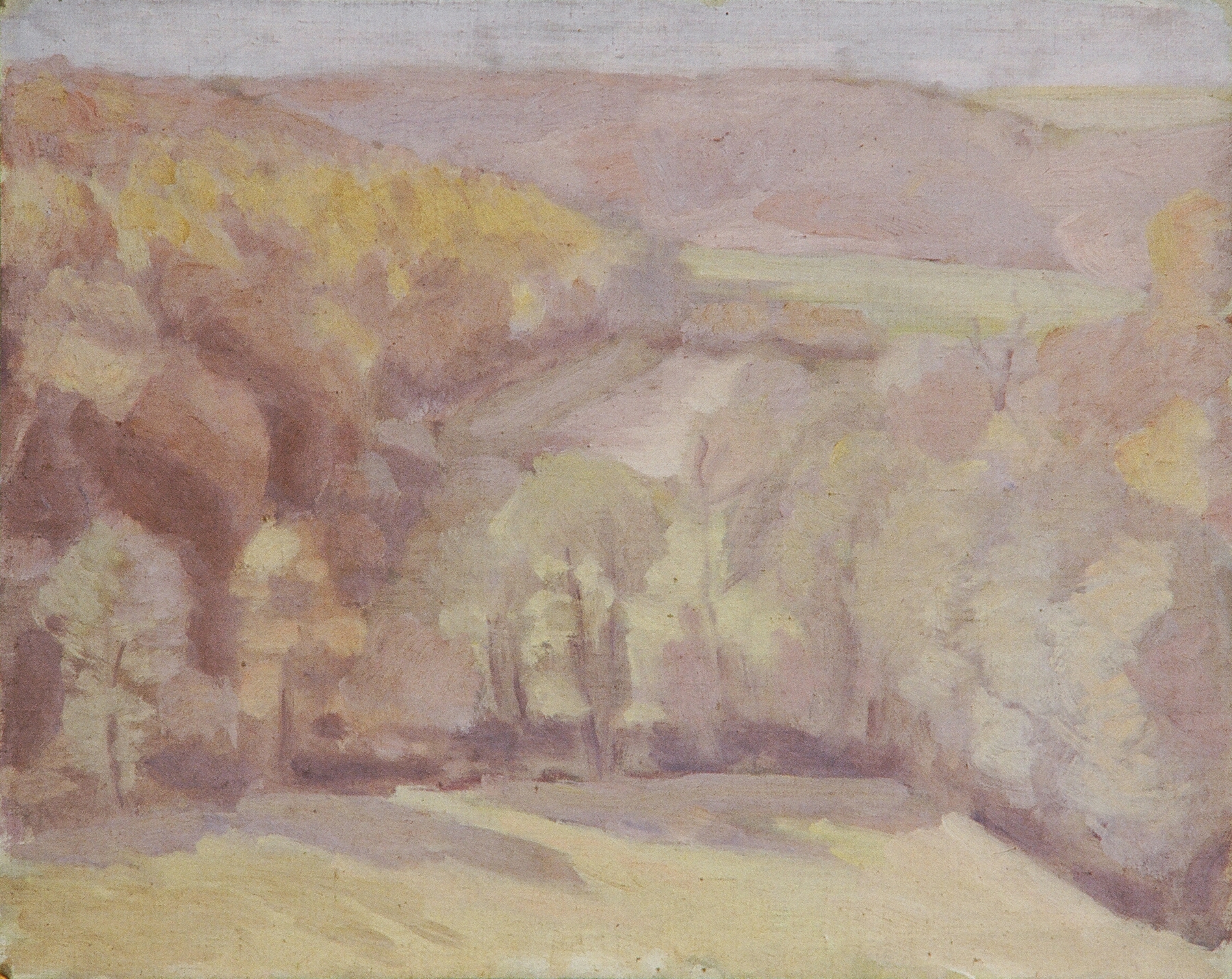
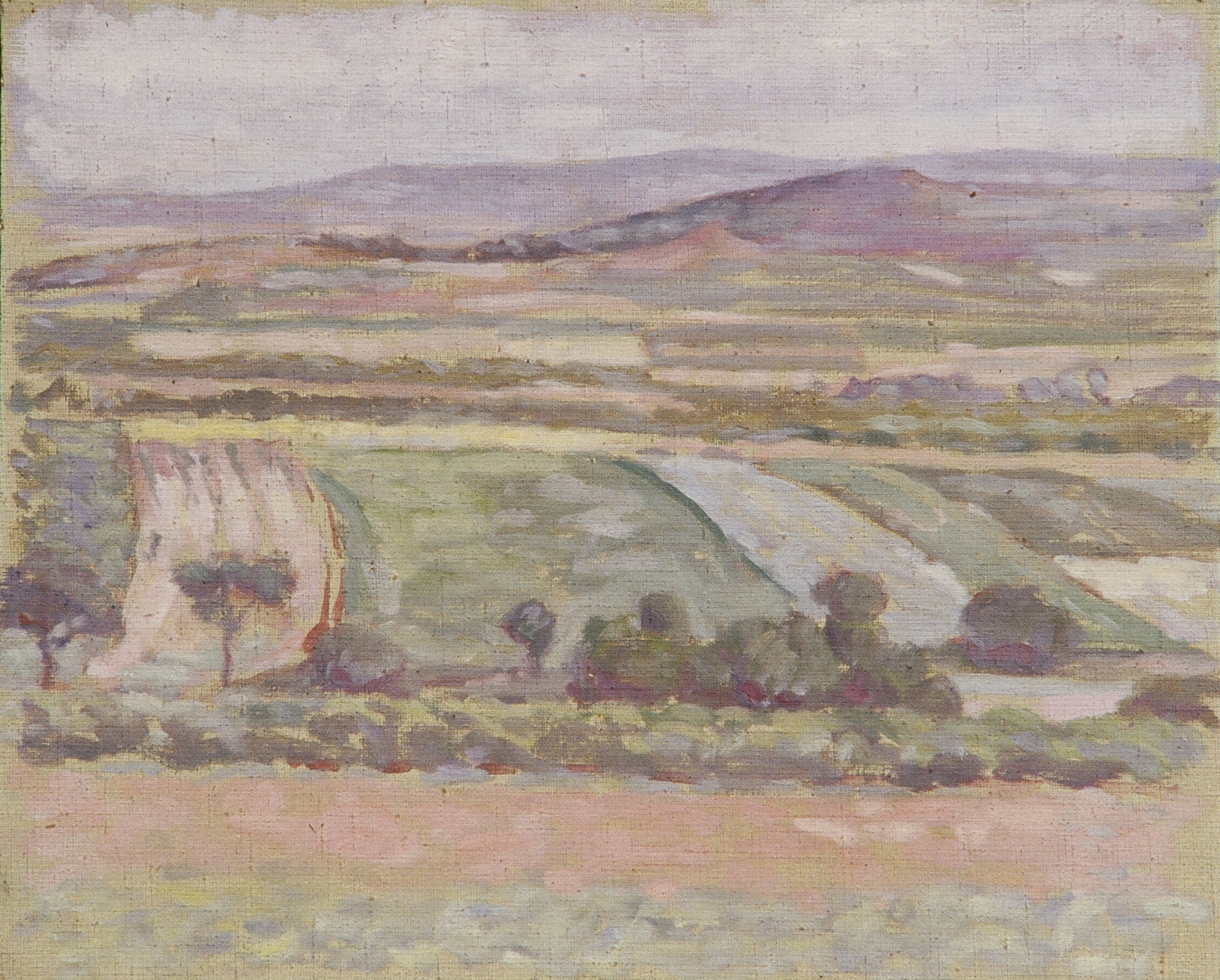
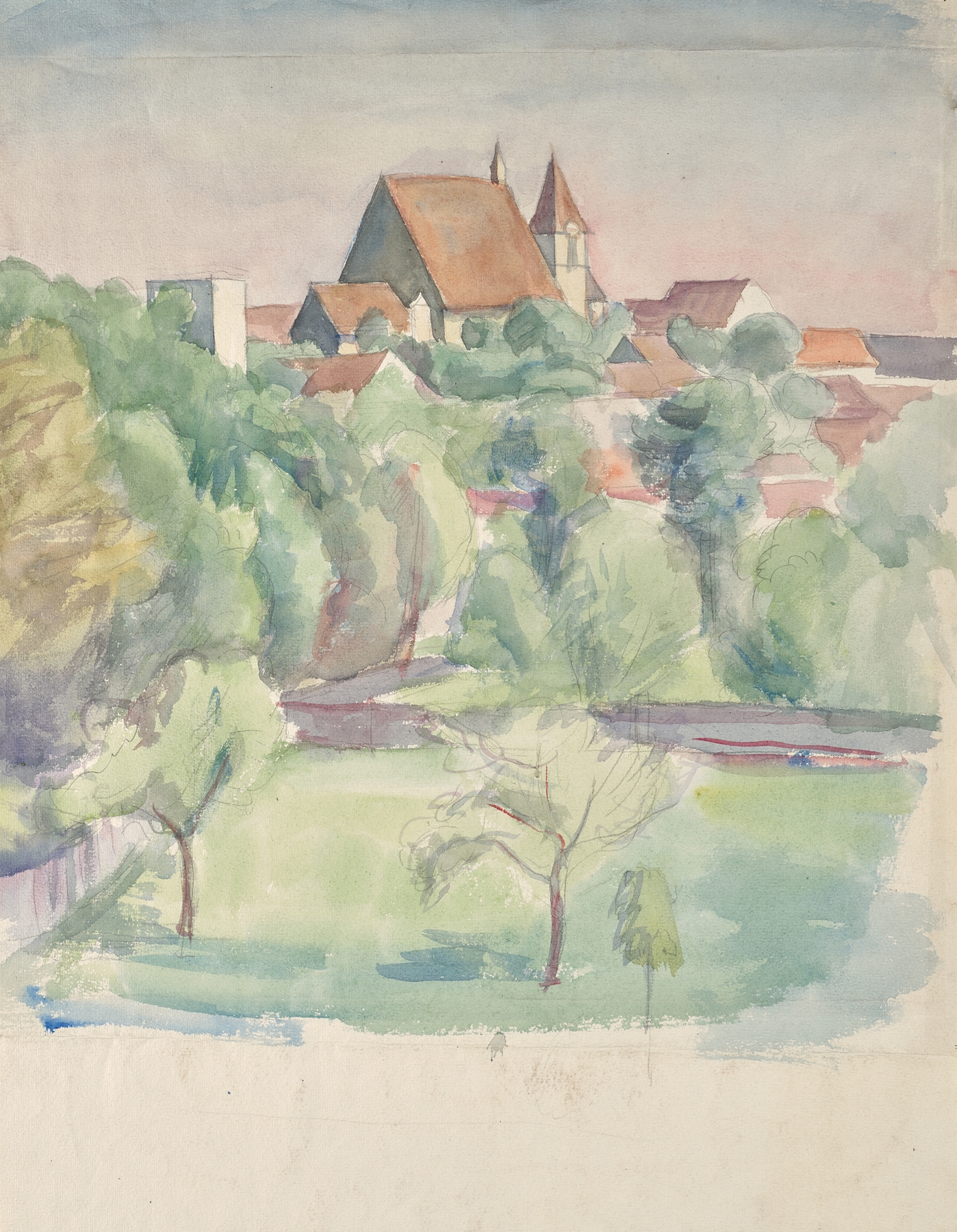
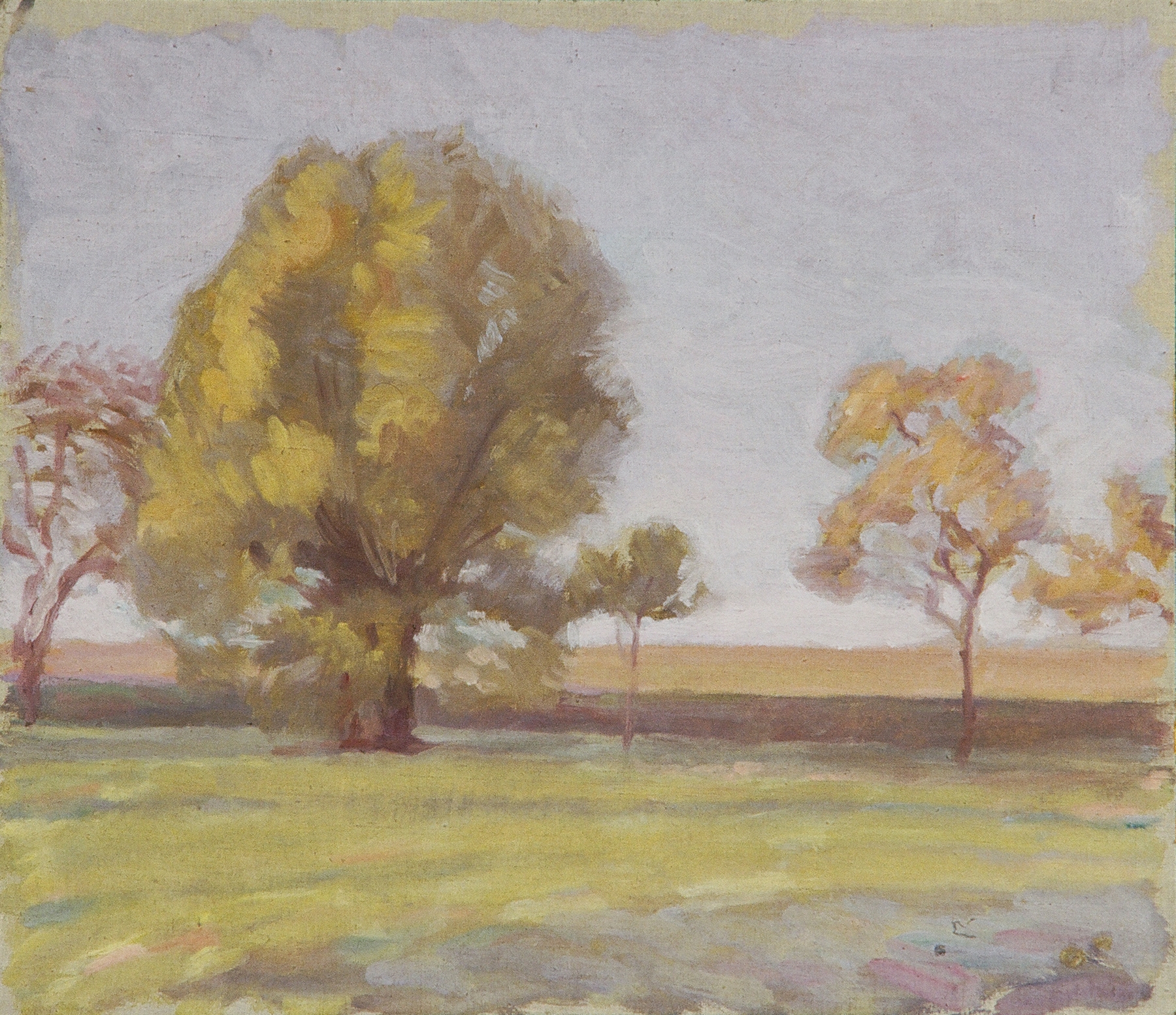
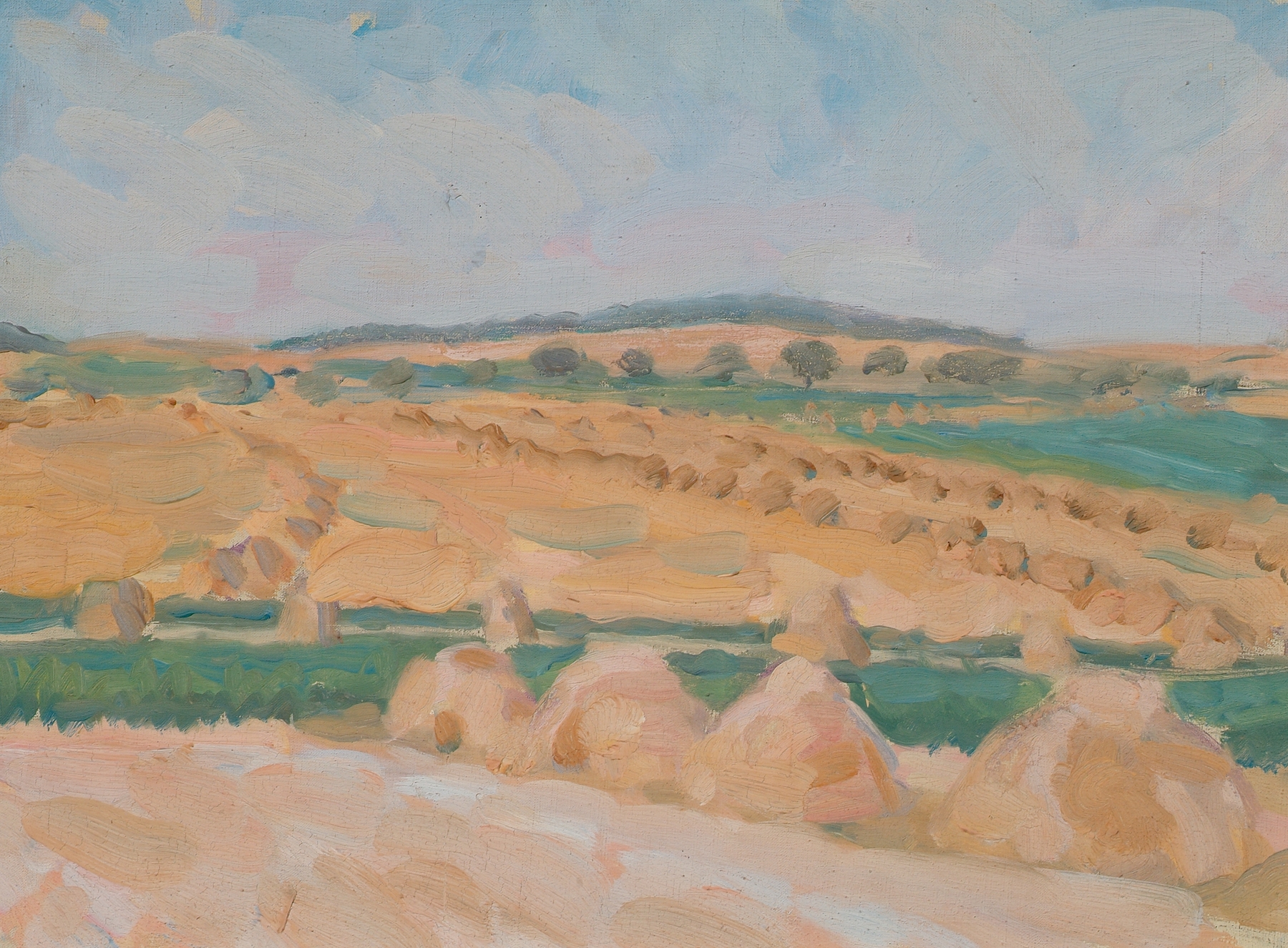
Did the painter know this moment would outlive them? The essence of creation pulsates in the heart of this piece, inviting contemplation on the fleeting nature of existence and the permanence of art. Look to the vibrant hues that dominate the canvas; the warm yellows and deep greens pull you into a rich, agricultural landscape. Focus on the textured strokes that define the fields, where farmers bend over to harvest, their silhouettes stark against the sunlit sky.
The layering of paint reveals not just soil and grain but the artist's deliberate choice to evoke the tactile intimacy of labor and life’s cycles. As you delve deeper, note the contrast between the farmers’ labor and the serene beauty of the landscape. This juxtaposition speaks to the harmony and struggle inherent in creation, where human effort meets the indifferent yet nurturing force of nature. The rhythmic movement of the harvesters mirrors the undulating hills, suggesting a symbiotic relationship between man and earth, both vital yet transient.
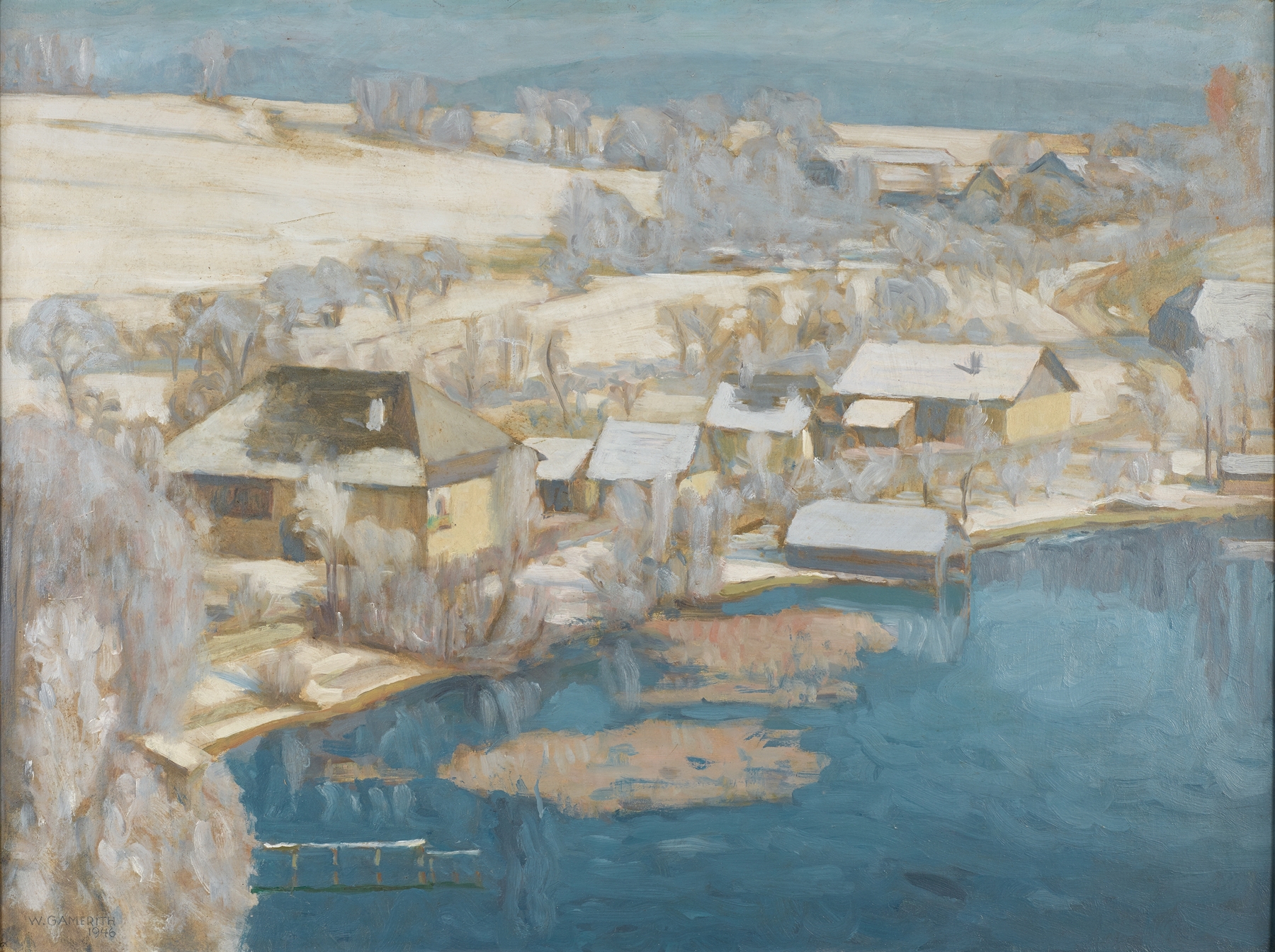
In 1940, Erntezeit emerged from Walther Gamerith during a tumultuous time in Europe, marked by the shadow of impending conflict. Living in Austria, Gamerith was deeply influenced by the regional art movements that celebrated the common man and the pastoral life. This painting reflects not only his artistic evolution but also a collective yearning for connection and simplicity amidst the chaos of a changing world.