Landschaft mit Kirche — History & Analysis
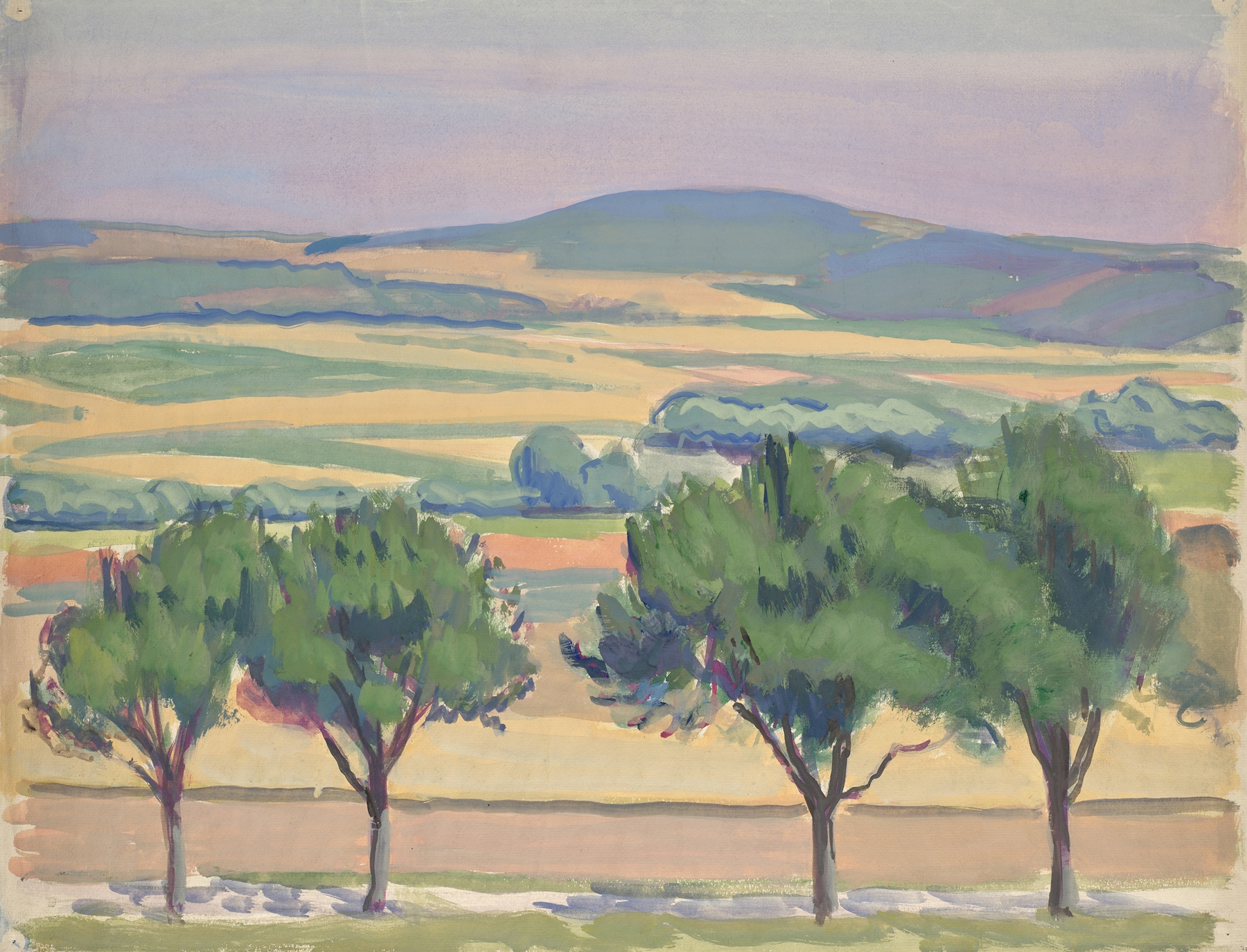
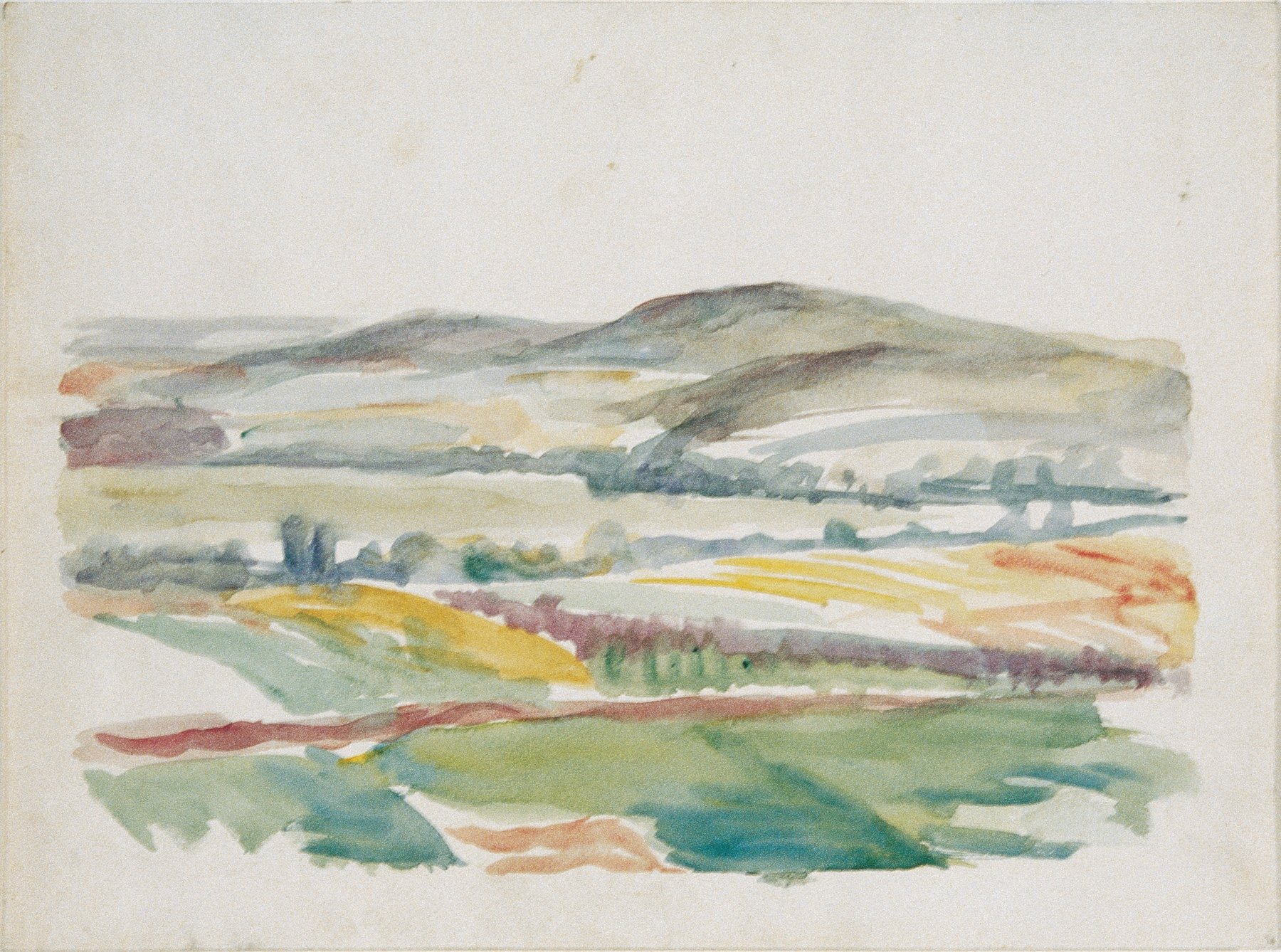
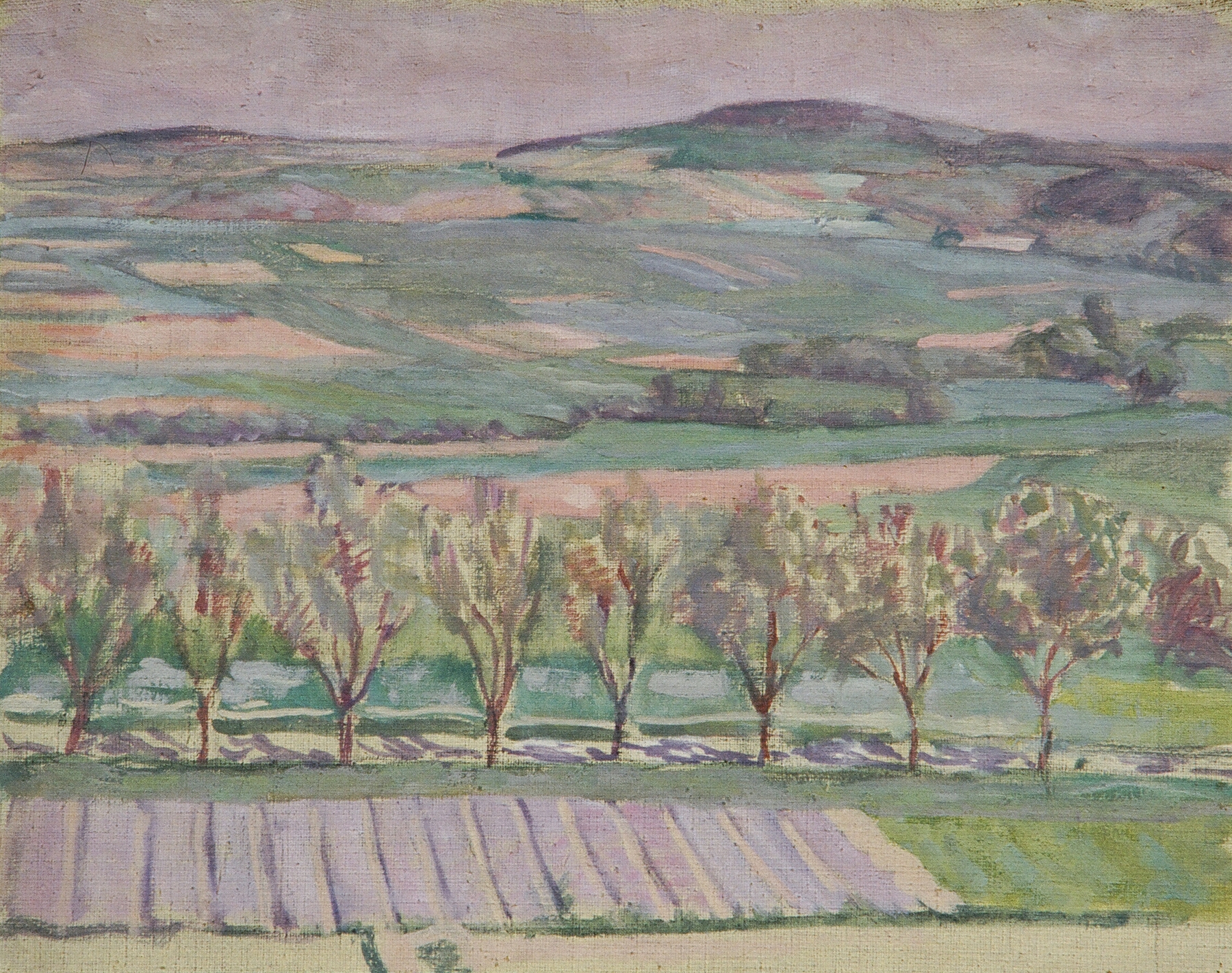
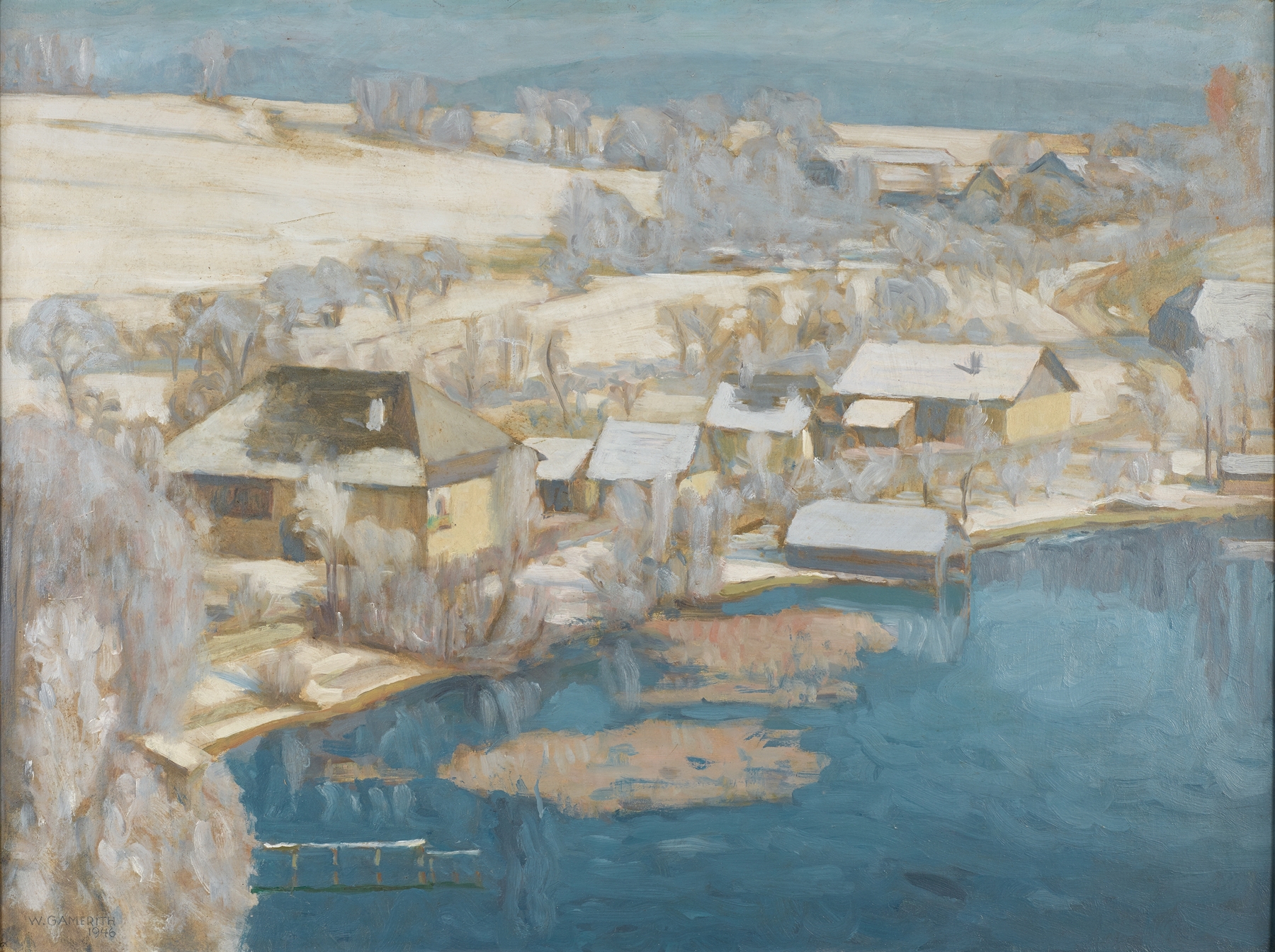
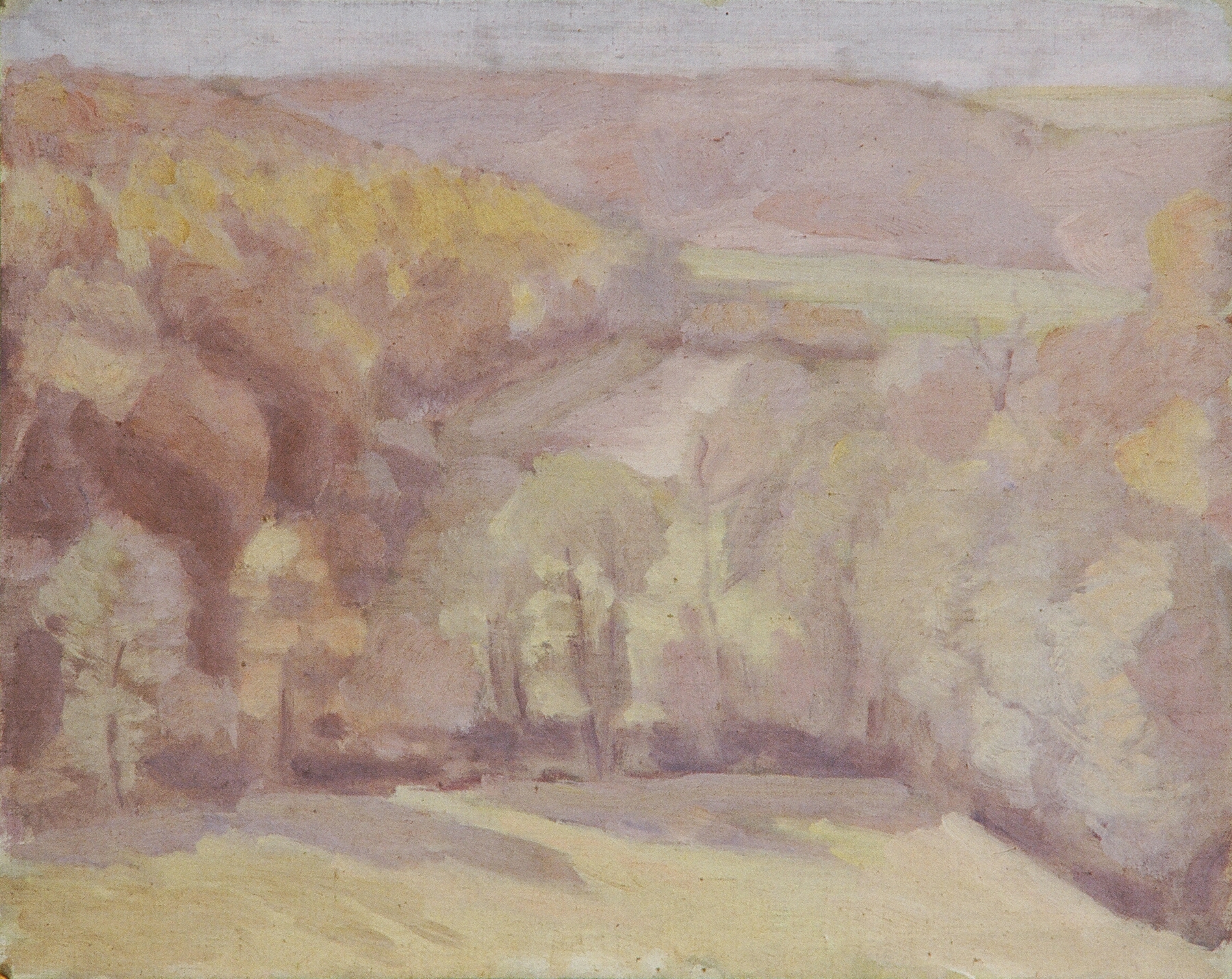
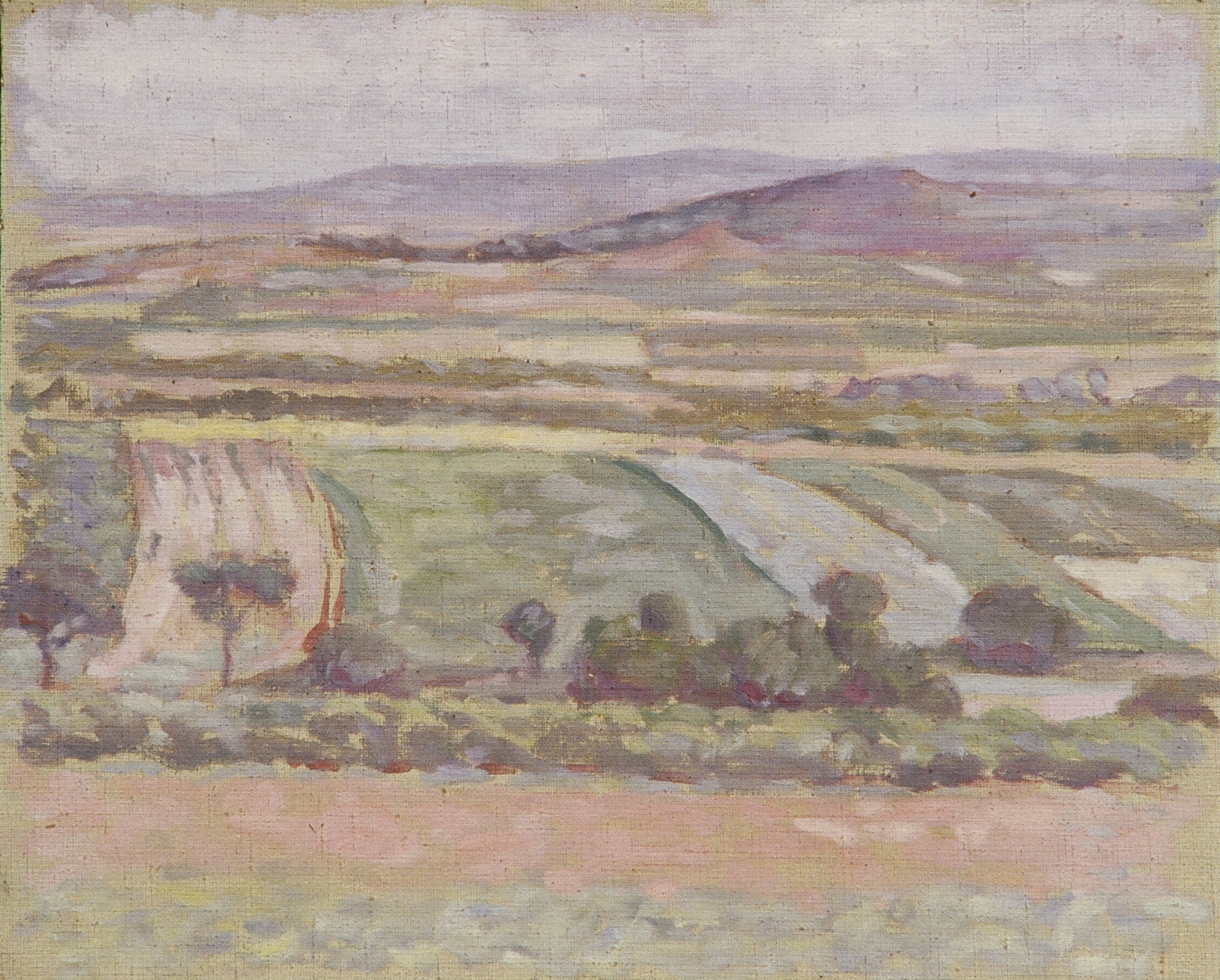
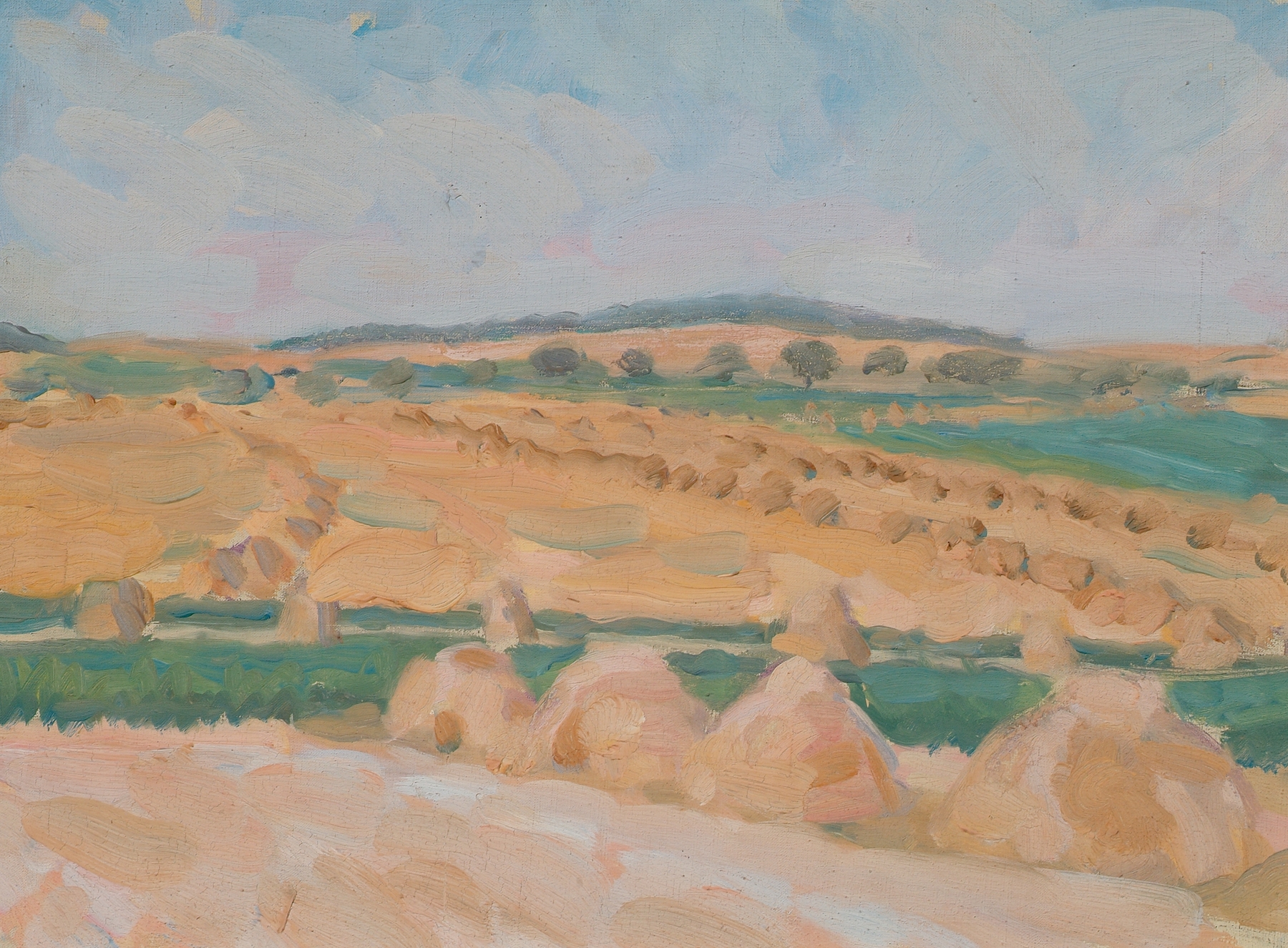
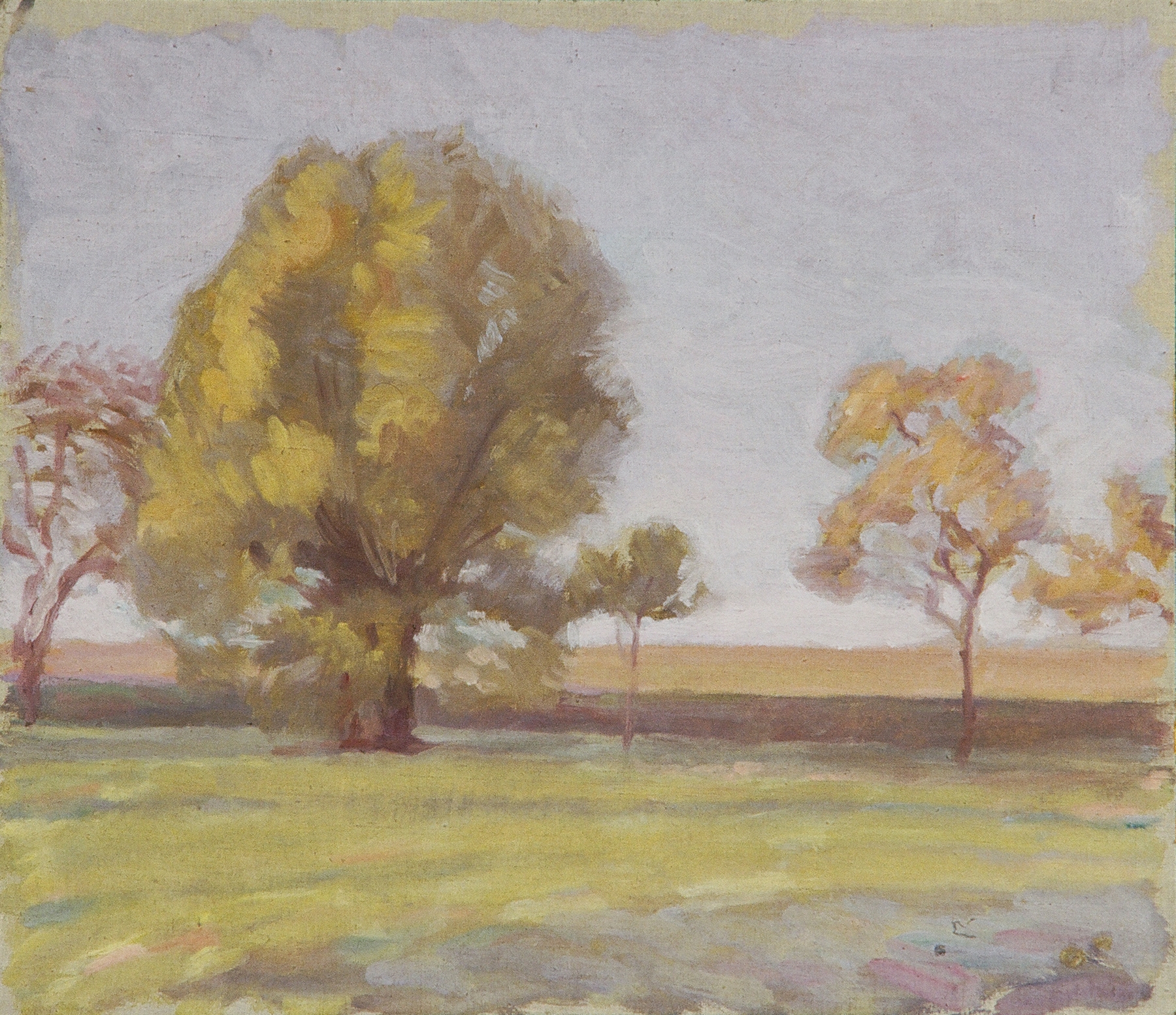
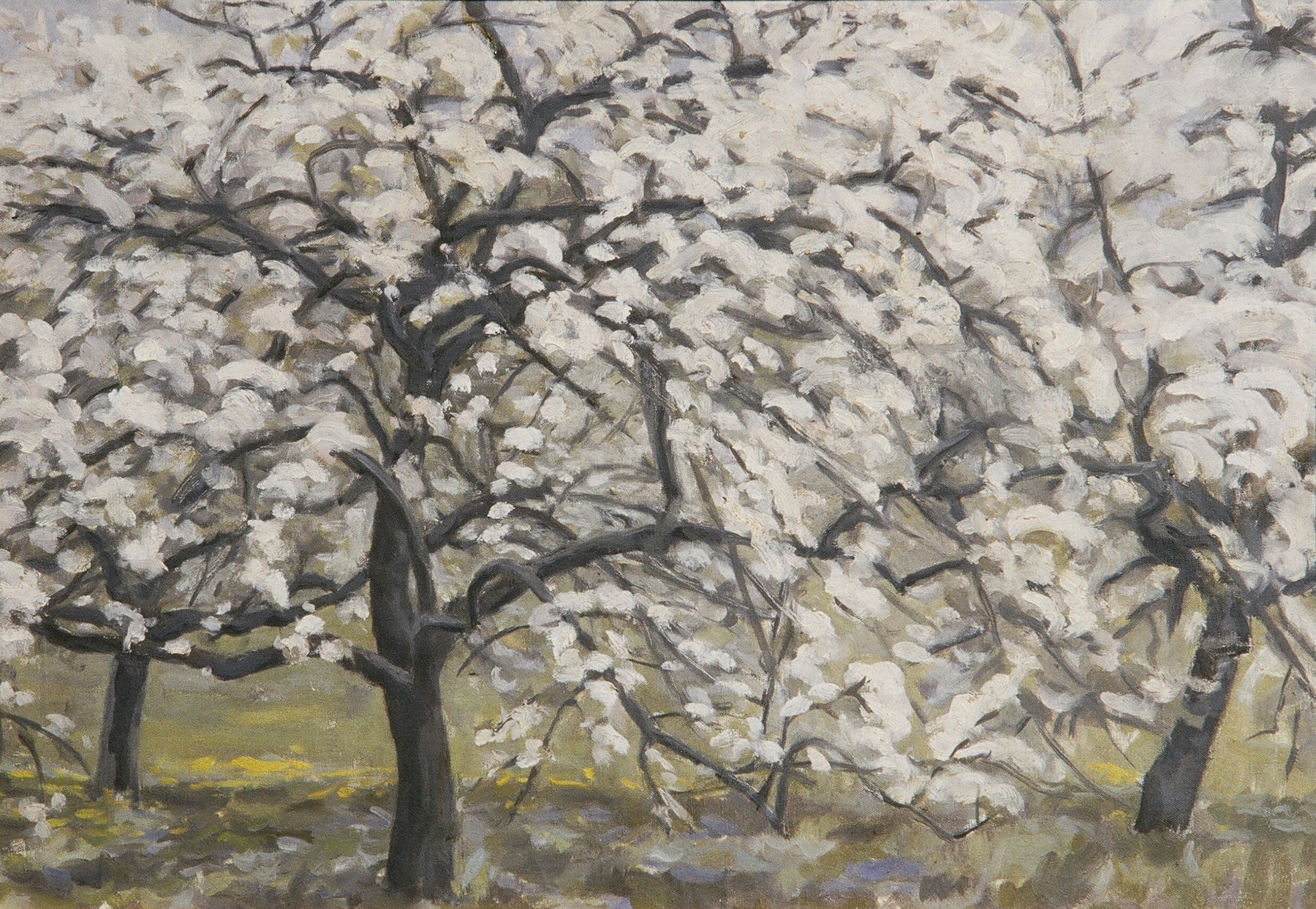
“Every silence here is a confession.” In this serene landscape, the whisper of decay clings to the air, revealing the fragile beauty of existence. Look to the horizon where a delicate church steeple rises against an expansive sky, its muted colors conveying both tranquility and a sense of loss. The artist employs earthy browns and soft greens to evoke the passage of time, while the scattered clouds reflect a palette that feels almost nostalgic.
Notice how the light bathes the scene in a golden hue, illuminating the crumbling stone walls of the church, inviting the viewer to ponder the stories buried within its silence. In this landscape, the interplay of life and decay is palpable. The church stands as a testament to faith and resilience, yet its weathered facade tells of a time long past, symbolizing the inevitable erosion of memory.
The surrounding trees, lush yet fading, mirror this duality; they breathe life, yet hint at an approaching autumn, a gentle reminder that all beauty carries the weight of eventual decay. Created during an unspecified period in Gamerith's life, Landschaft mit Kirche reflects the artist's deep engagement with the natural world and his contemplative approach to spirituality and temporality. Though the exact date is unknown, his works resonate within the broader context of post-war European art, where themes of fragility and the search for meaning were not just prevalent but necessary for understanding the human experience.