Hügellandschaft — History & Analysis
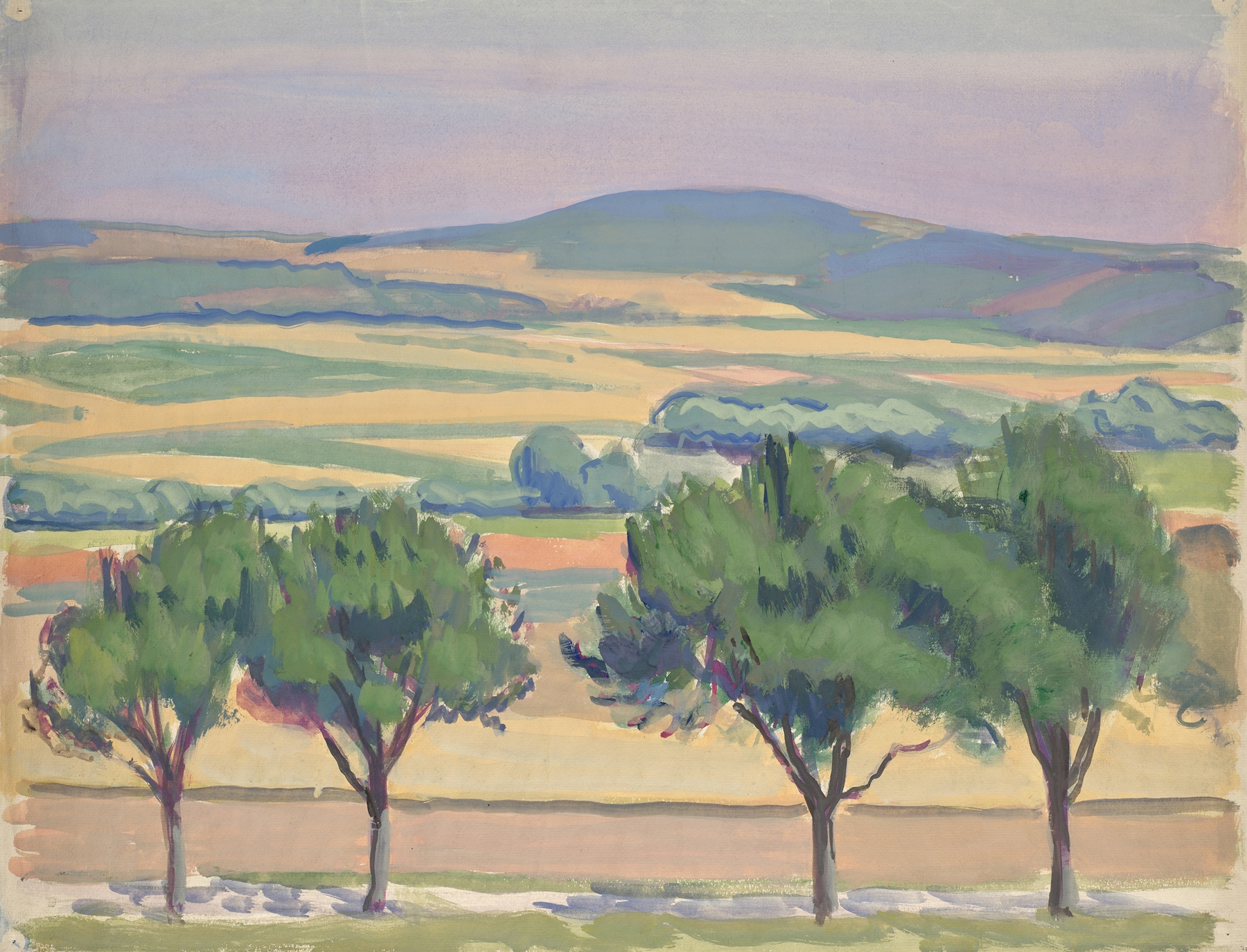
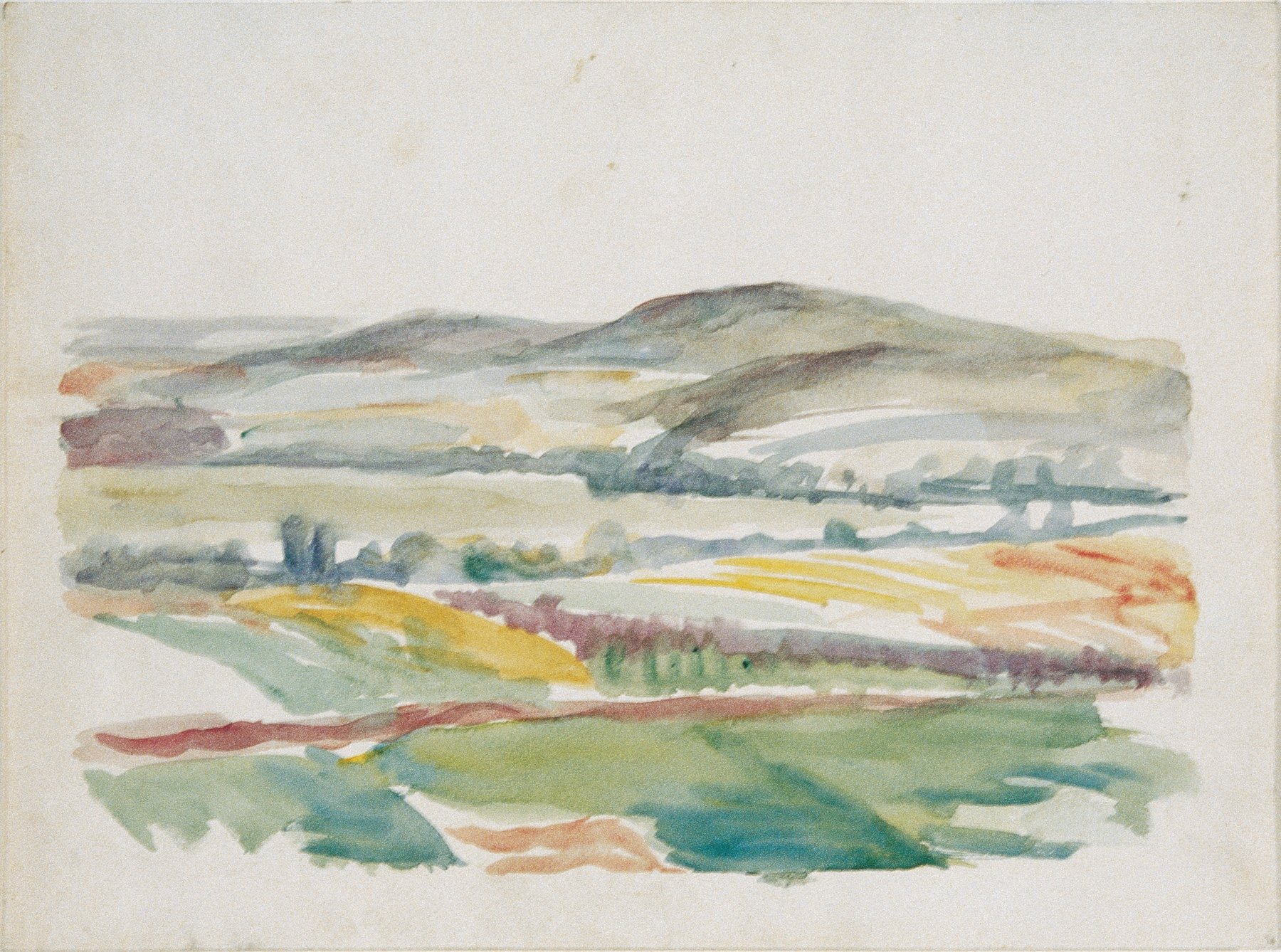
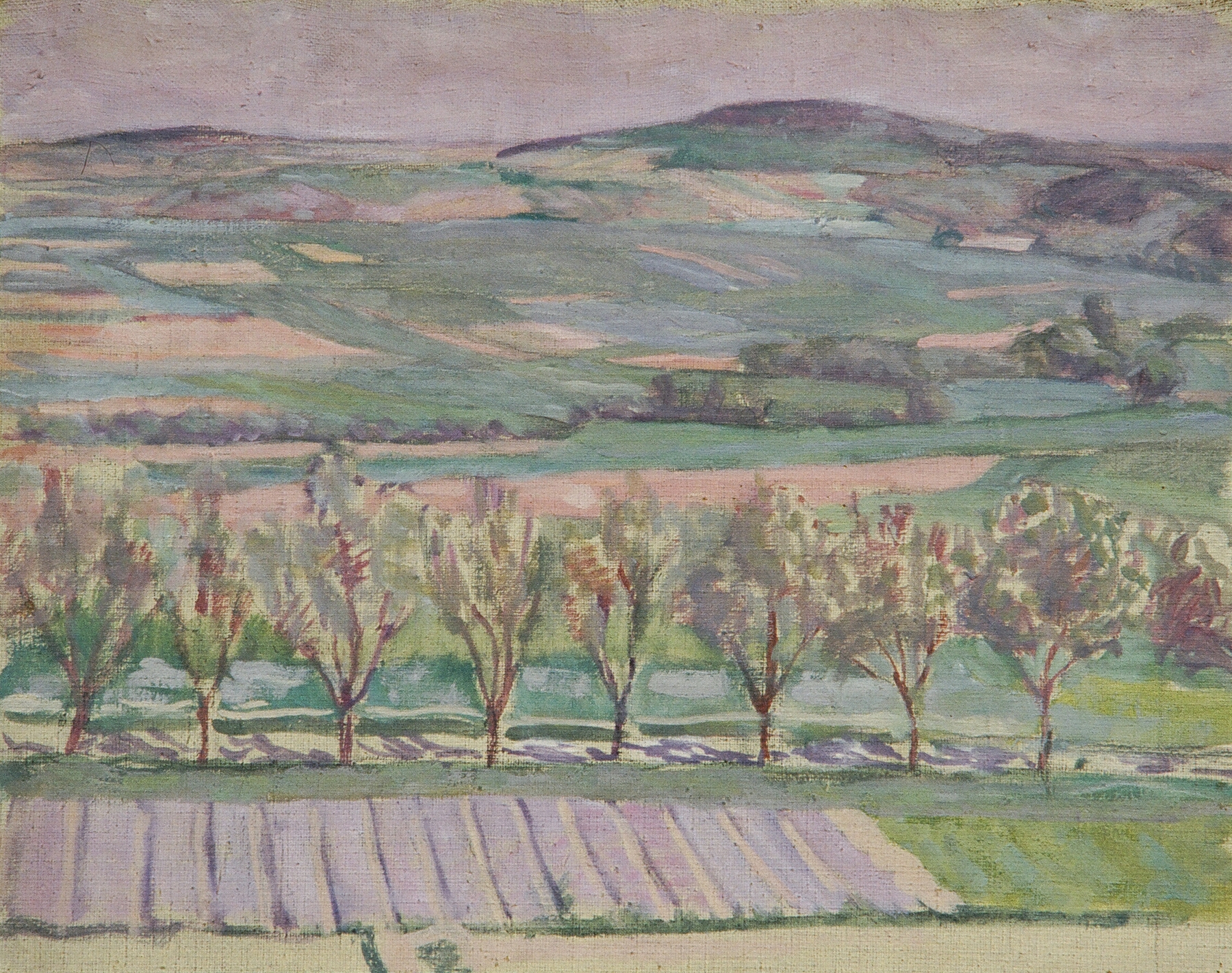
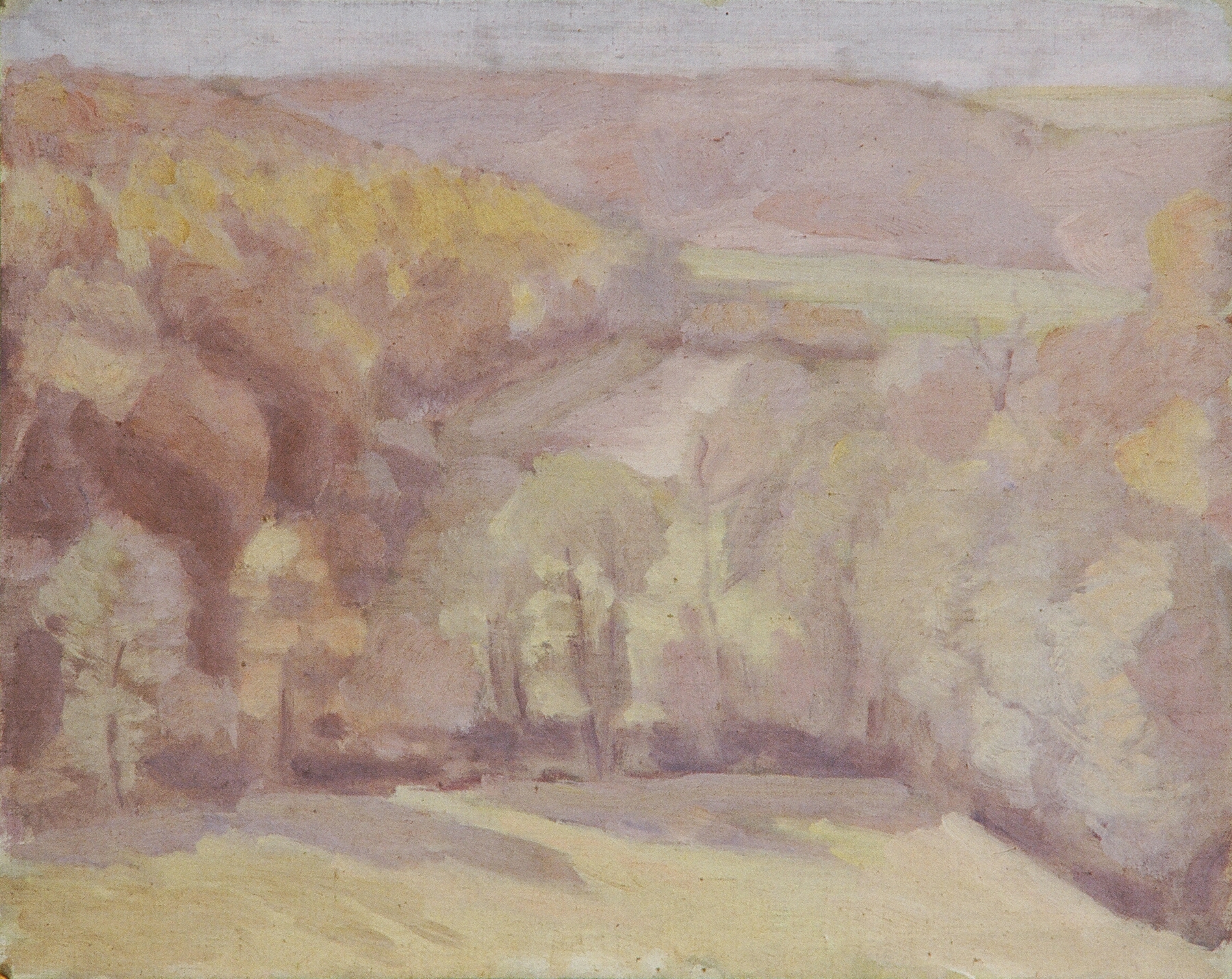
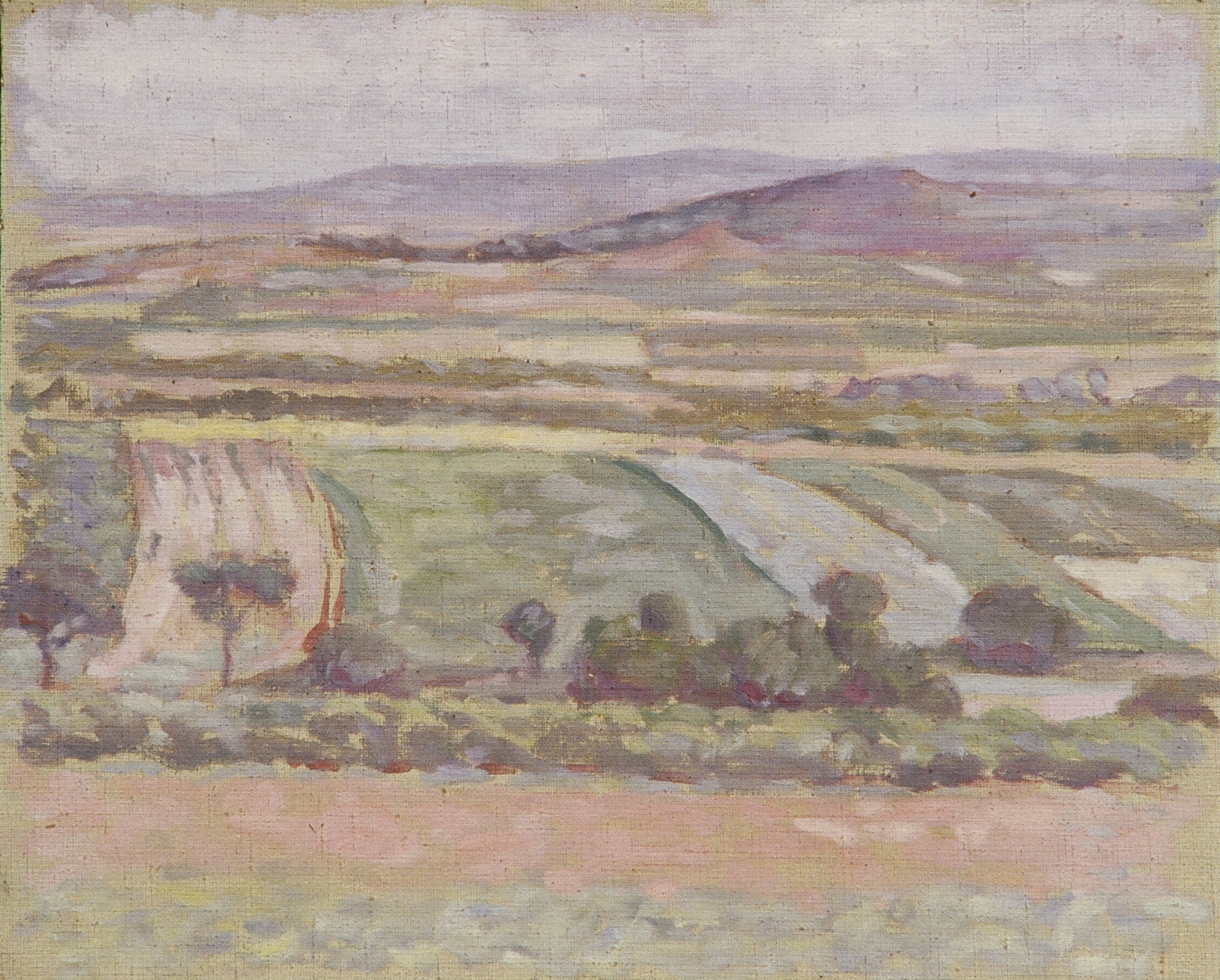
“The canvas doesn’t lie — it simply waits.” In its stillness, it holds grief, a pregnant silence that echoes with the stories of what once was. Look to the left side of the canvas where the rolling hills rise gently, inviting the eye to wander. The muted greens and splashes of earthy browns create a serene yet melancholic landscape that feels both familiar and elusive. Notice how the delicate brushwork captures the subtle shift of light as it dances across the hills, illuminating some areas while leaving others shrouded in shadow, suggesting the duality of loss and memory.
Within this pastoral scene, the contrast between vibrant earth tones and the modest sky hints at an underlying emotional tension. The hills, though beautiful, seem to mourn, embodying a landscape that has experienced loss but continues to endure. This tension resonates in the sparse detail of the foreground, which stands in stark contrast to the expansive background, evoking a feeling of isolation amidst the beauty. Each brushstroke conveys a sense of longing, as if the very essence of the place feels the weight of sorrow embedded in its soil.
Walther Gamerith painted this work during a time when the post-war European landscape was rife with transformation and upheaval. The exact date remains unknown, but his surroundings were marked by a shift from destruction to renewal, reflecting both personal and collective grief. It was an era that demanded resilience, and Hügellandschaft serves as a poignant reminder of the landscapes shaped by both beauty and loss.