Trees, Tracks And Figures — History & Analysis
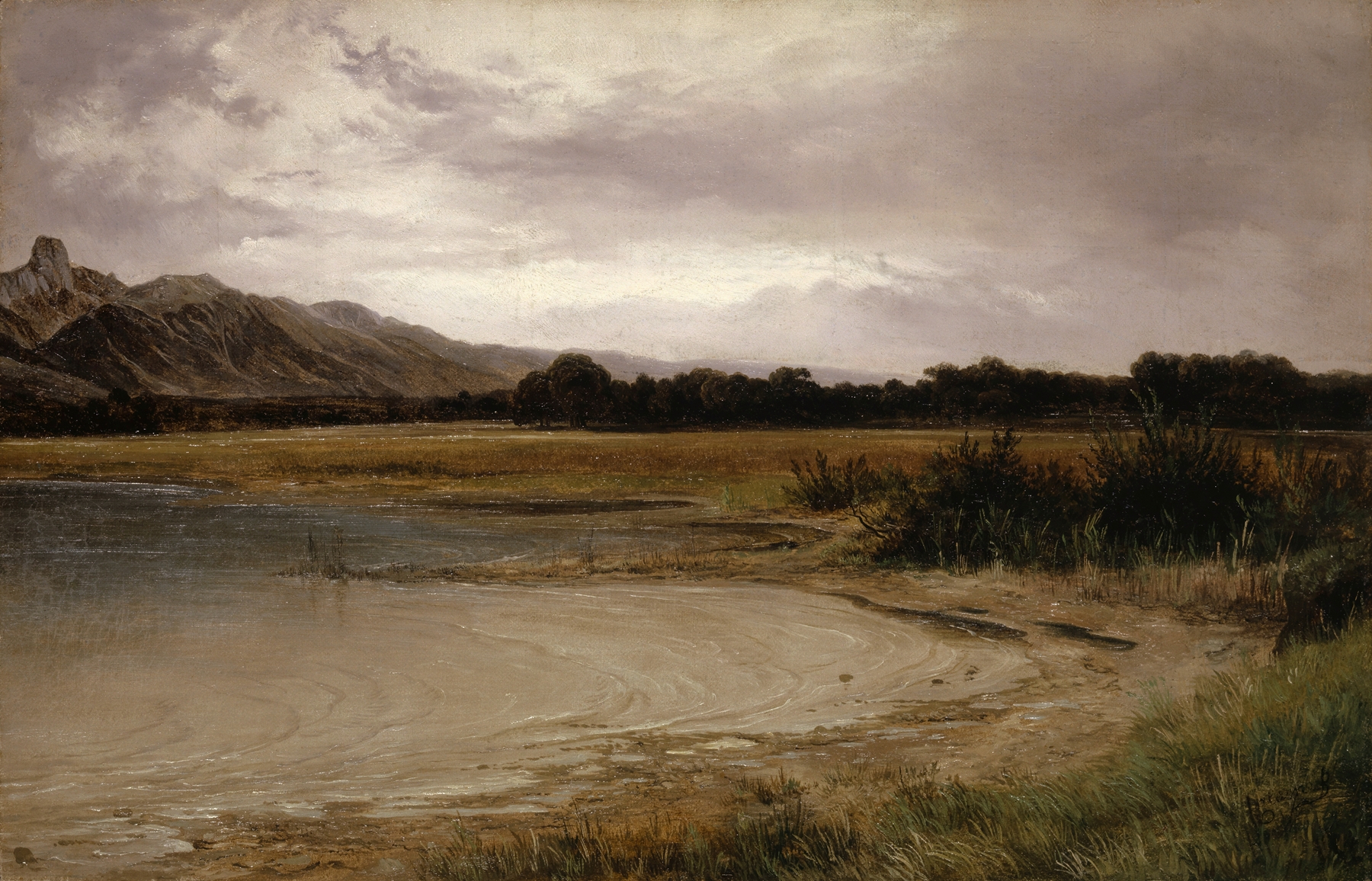
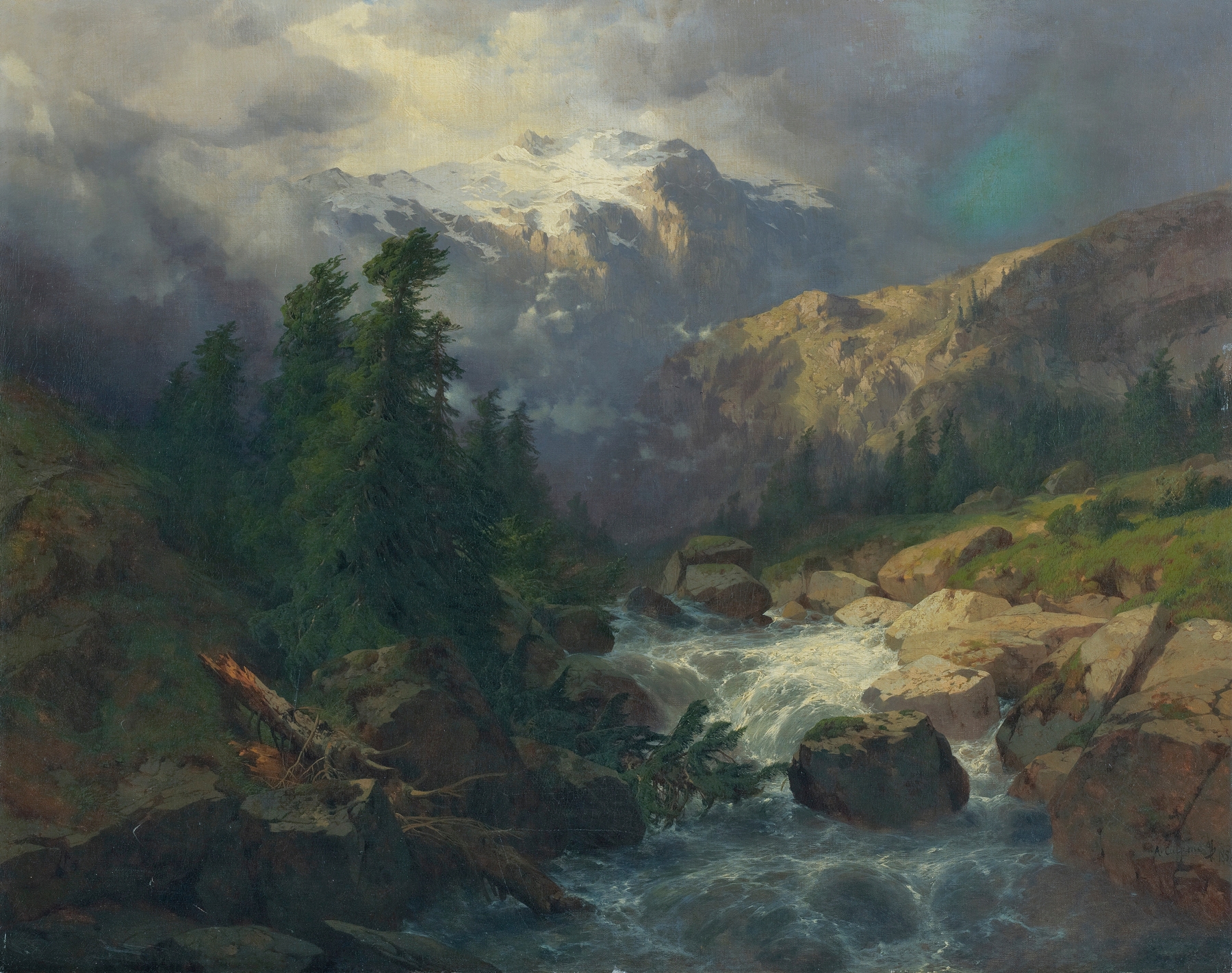
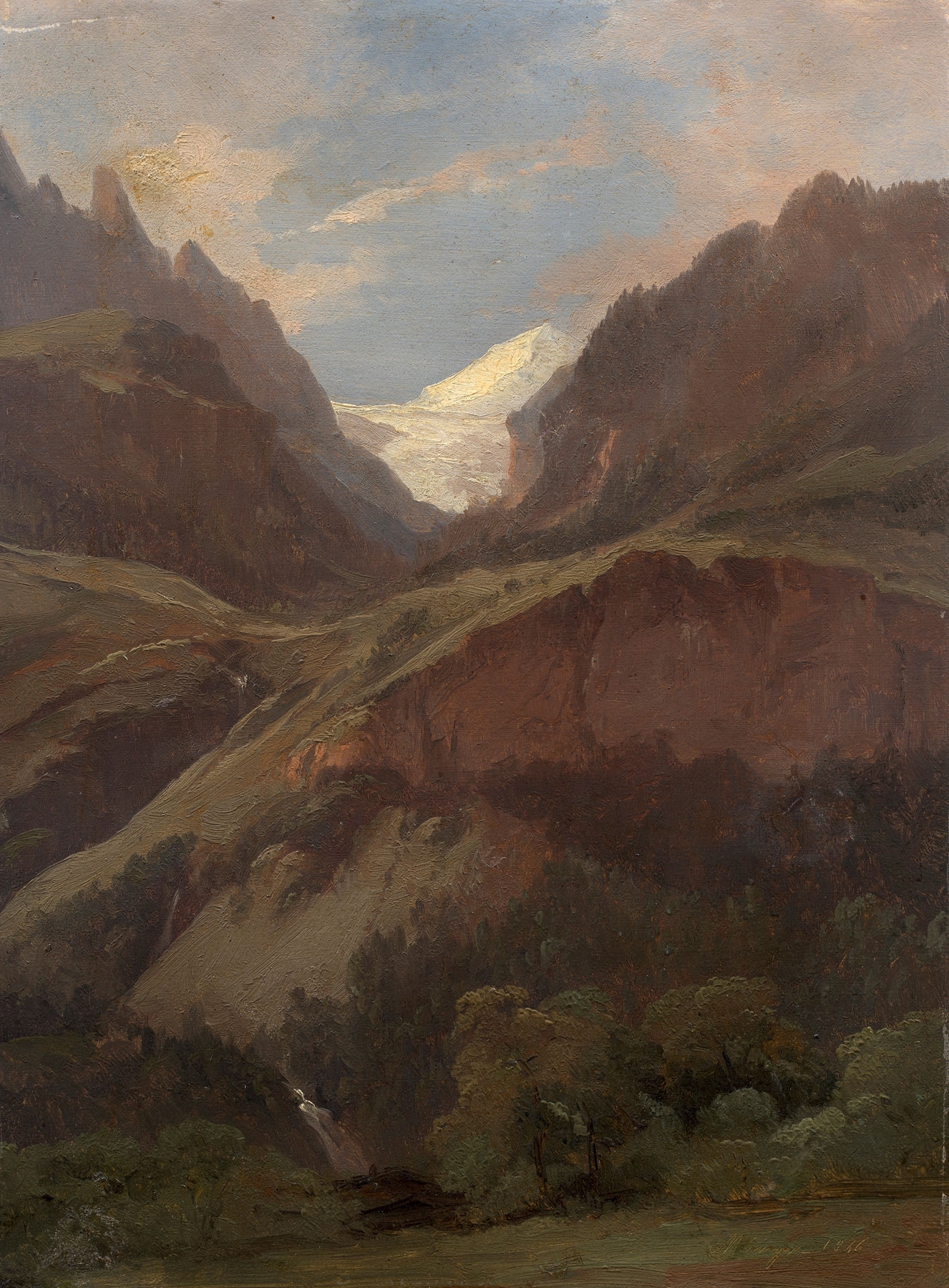
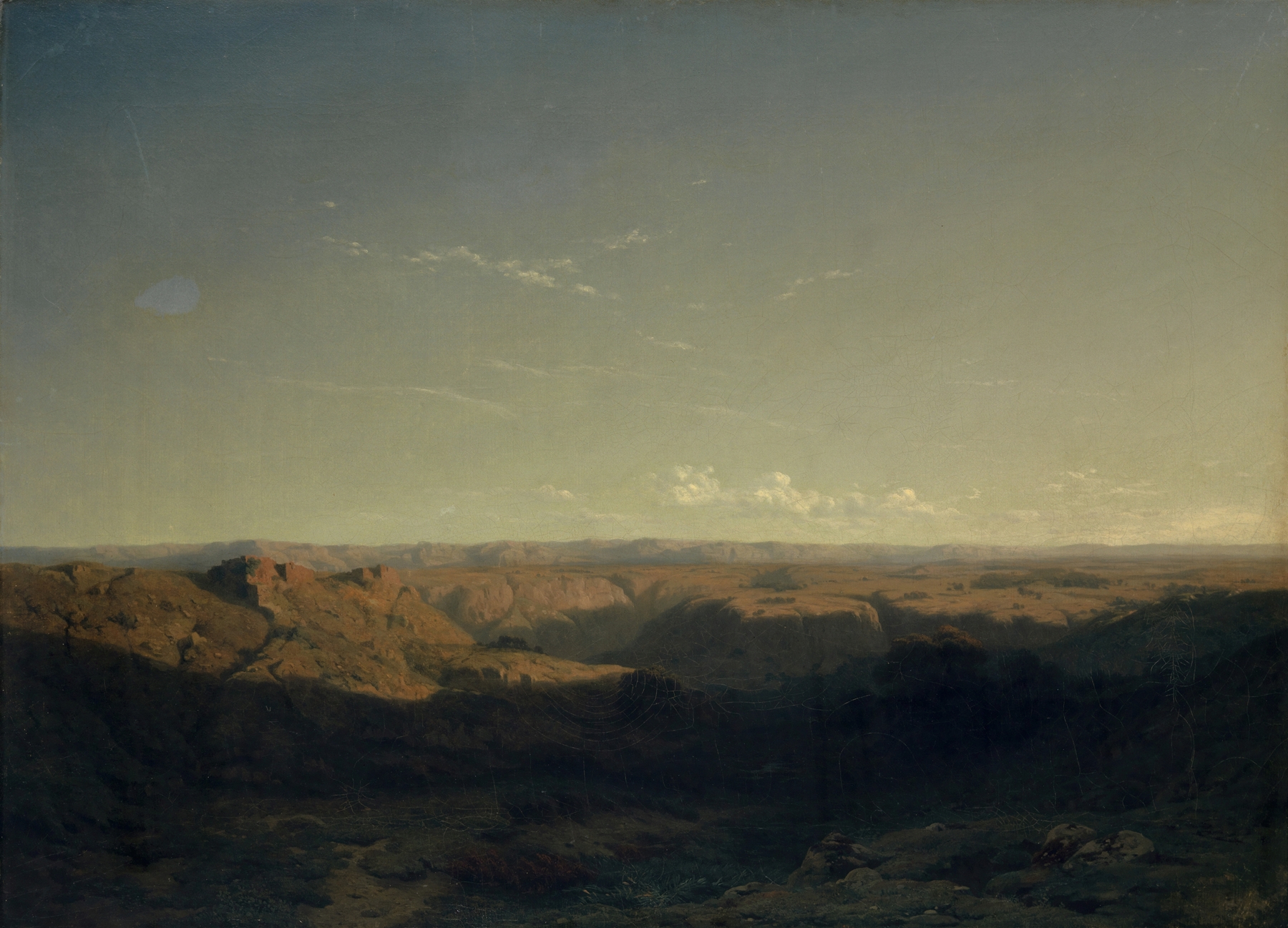
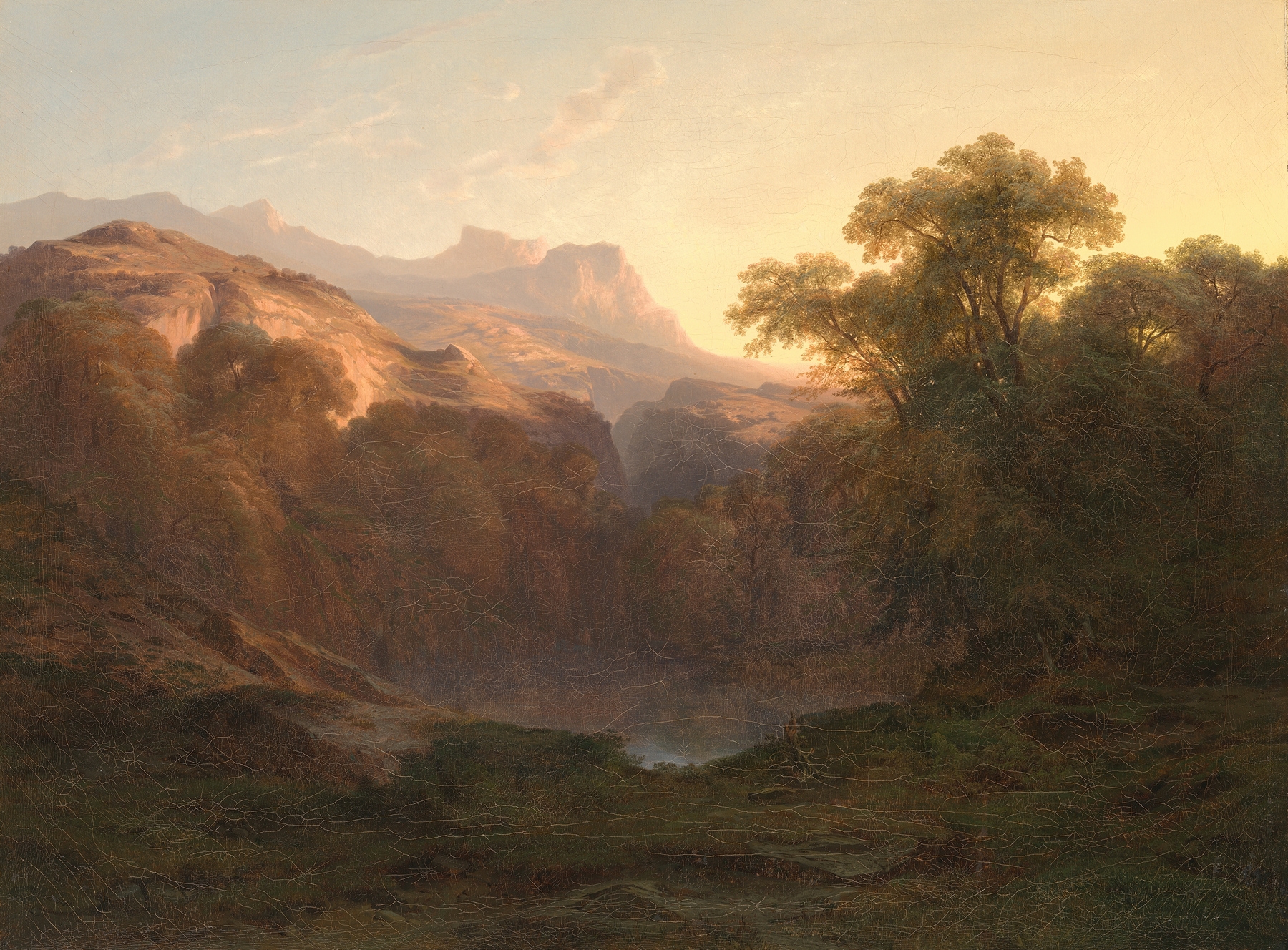
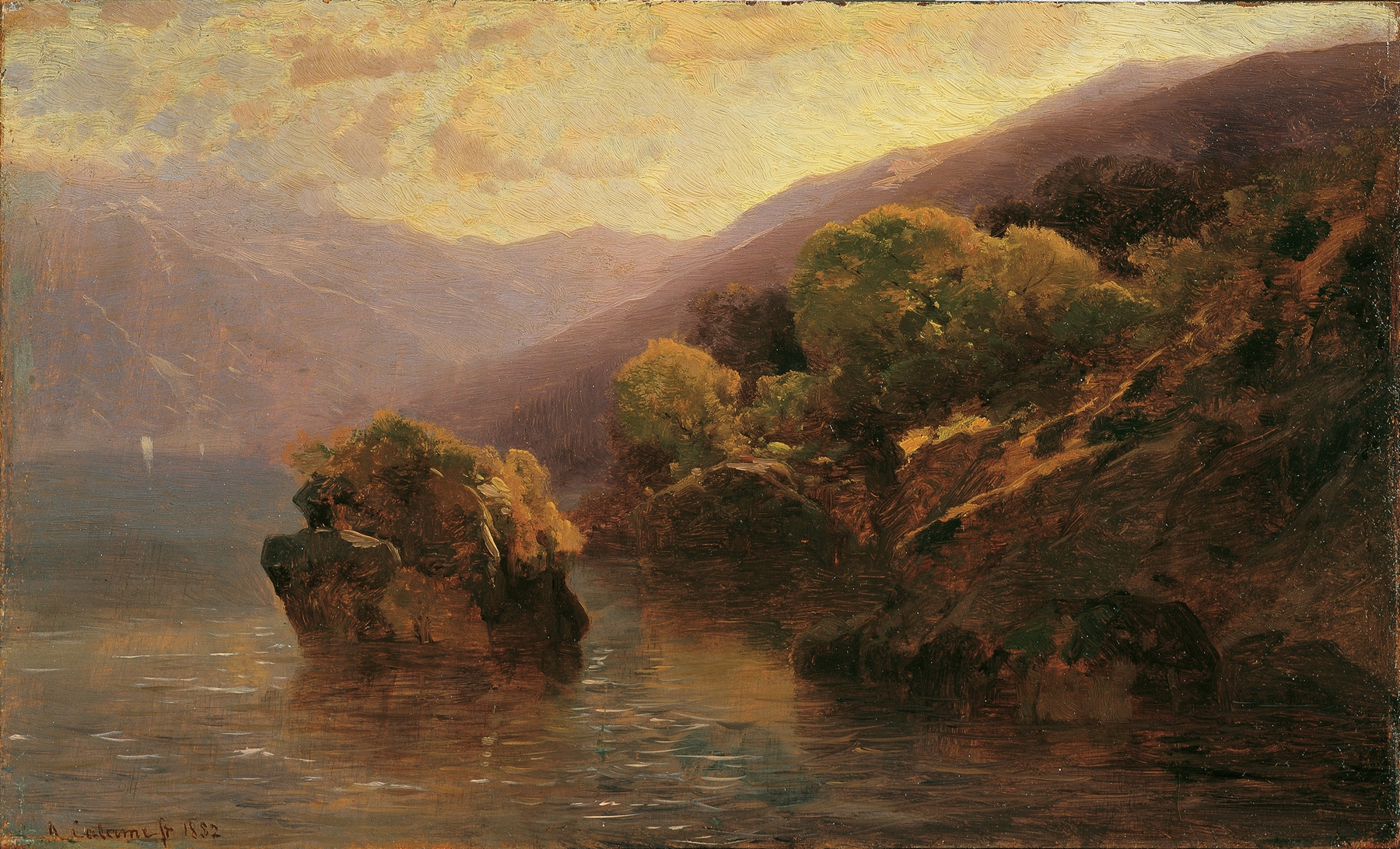
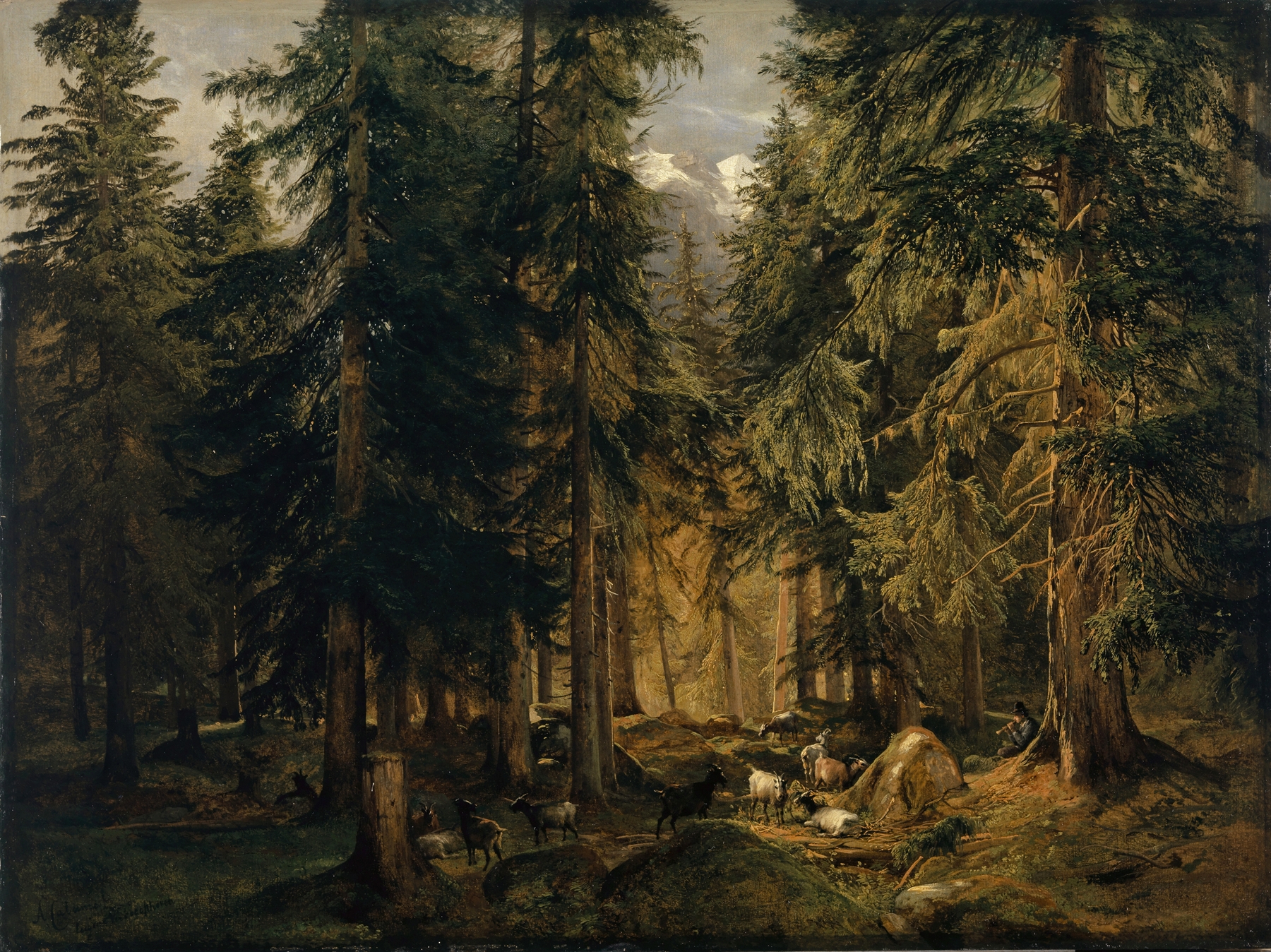
Can beauty exist without sorrow? In the delicate balance of nature and humanity, Alexandre Calame’s work invites contemplation of this profound dichotomy. Look to the left at the sturdy trees rising majestically against the serene sky. Their deep greens and browns contrast sharply with the soft, inviting hues of the setting sun, which bathes the landscape in a golden glow.
Follow the winding track that leads the viewer’s eye through the tranquil scene, meandering toward the distant figures—small yet significant. The meticulous brushwork captures every leaf and shadow, breathing life into the serene environment, inviting us to walk the path alongside the figures. The juxtaposition of the vibrant landscape and the diminutive travelers evokes a sense of transcendence; nature looms large and enduring, while human presence is fleeting and fragile. This contrast speaks to the tension between the eternal and the ephemeral, suggesting that beauty is deeply intertwined with the passage of time.
The tranquil scene, marked by the gentle fading light, fills the viewer with a bittersweet longing for connection to nature, hinting at the inevitable sorrow of impermanence even amidst such splendor. Calame painted this piece in 1834, during a period marked by Romanticism's celebration of nature and individual emotion. Living in Switzerland, he was influenced by the majestic Alpine landscapes that surrounded him, as well as the growing interest in the sublime as a theme in art. This painting reflects not only his artistic maturity but also the burgeoning consciousness of humanity’s relationship with nature during this transformative era in European art.