Twee grote oorlogsschepen — History & Analysis
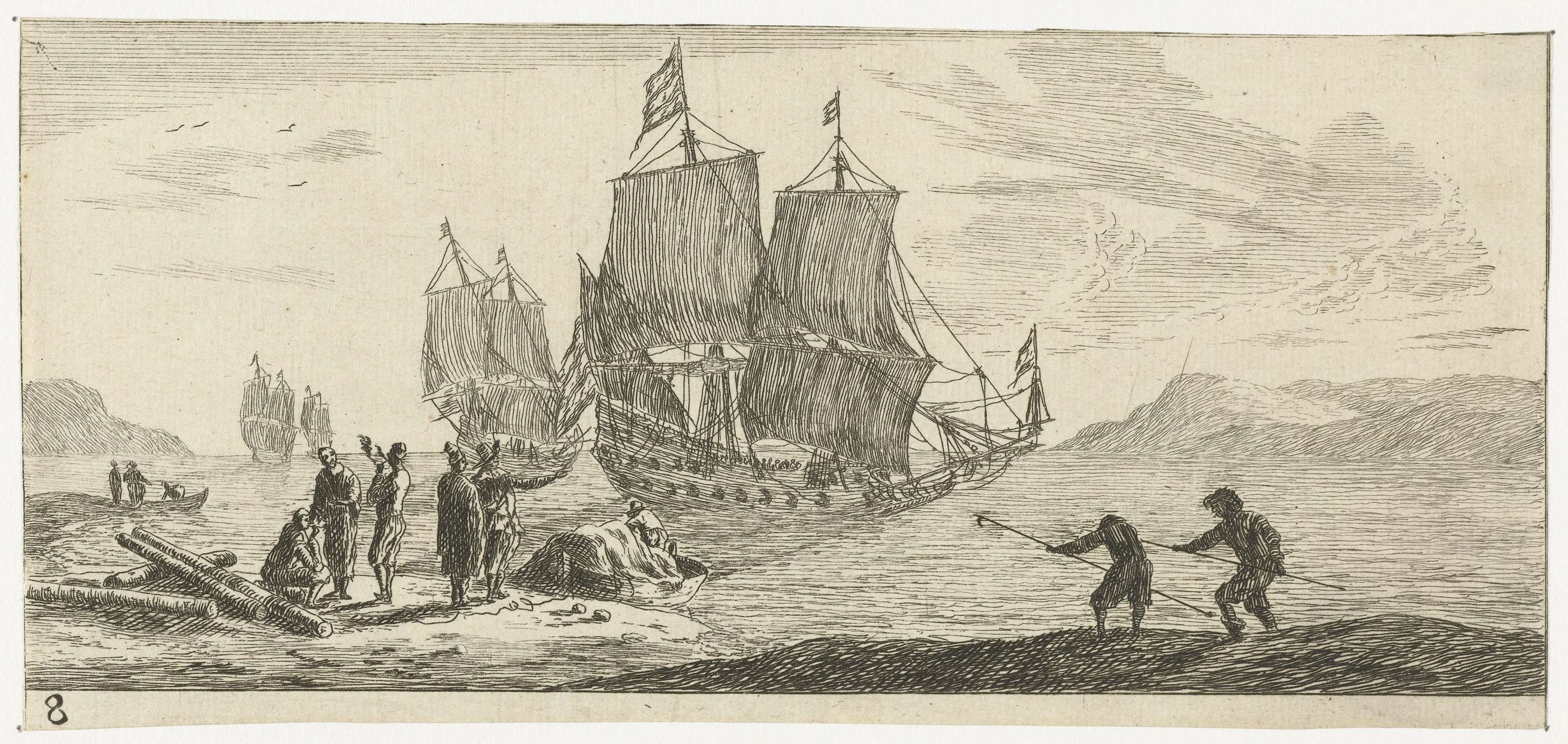
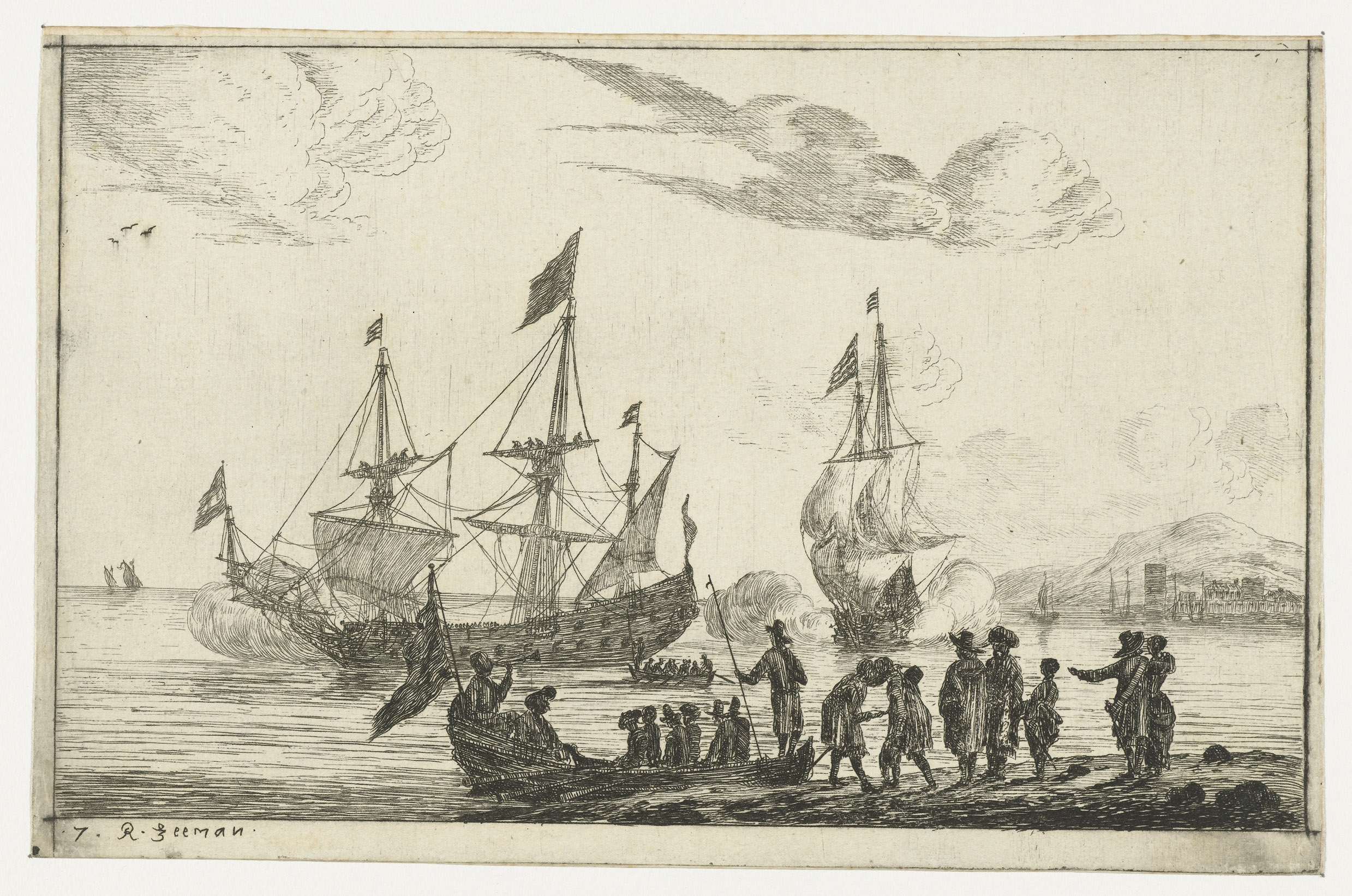
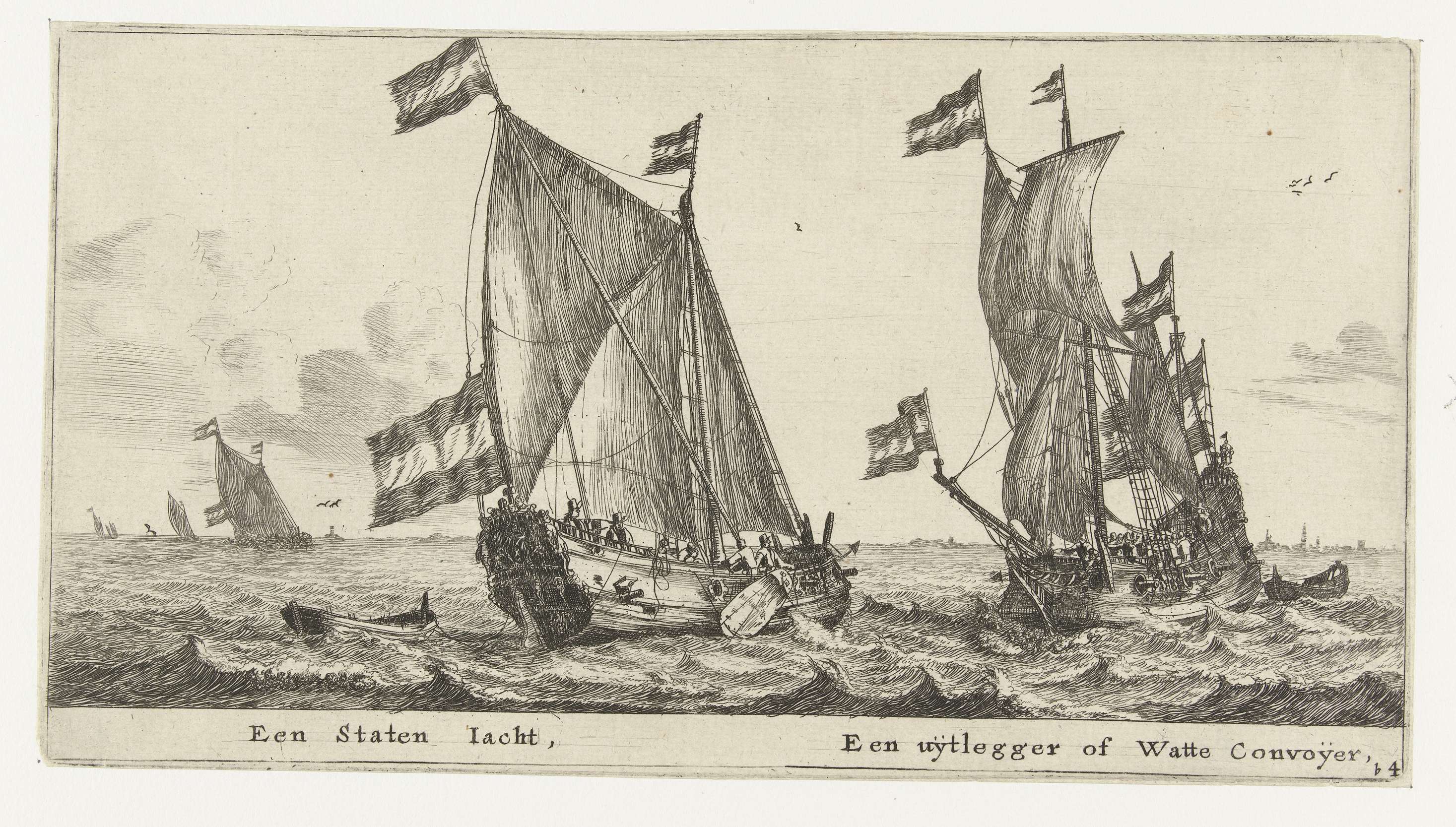
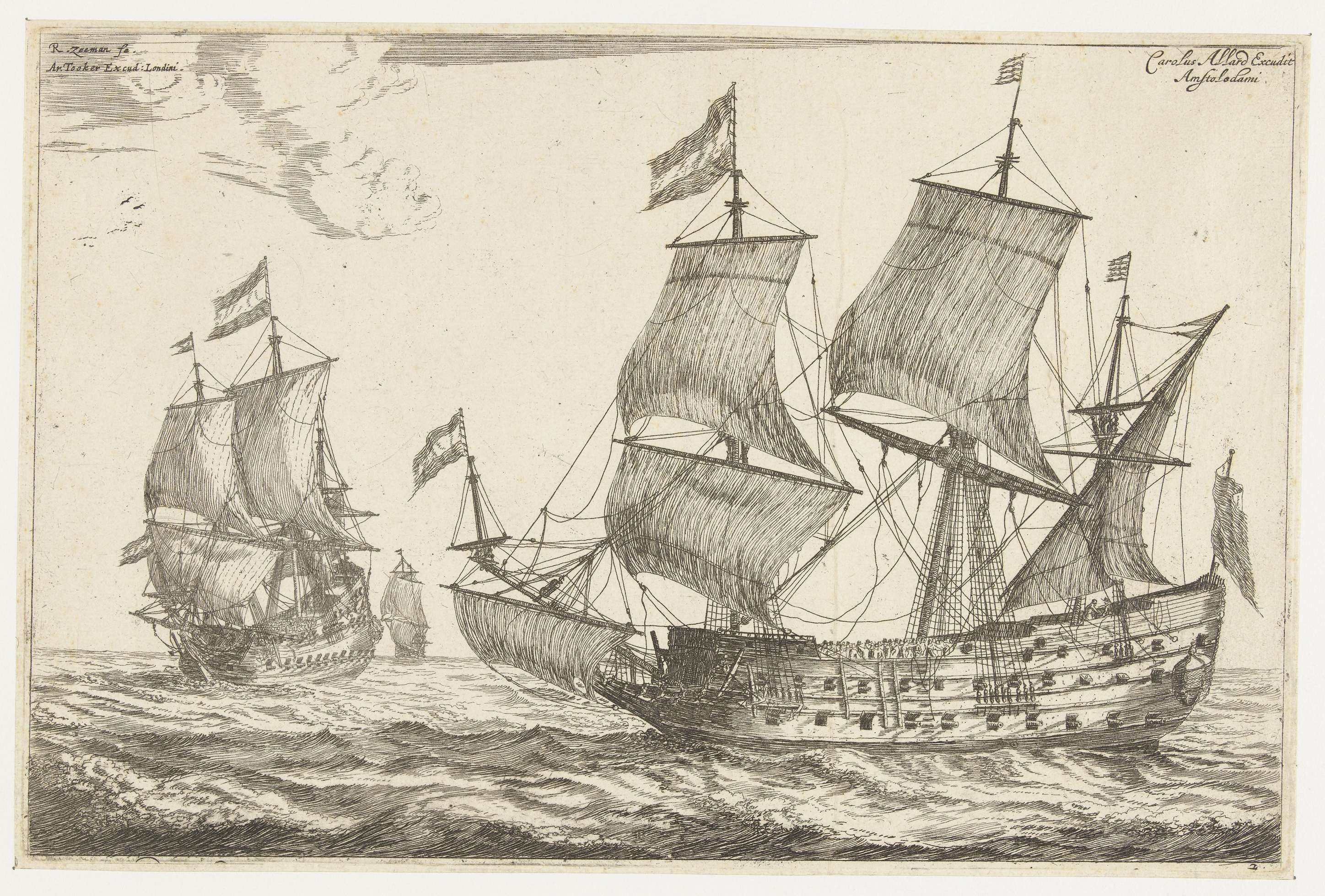
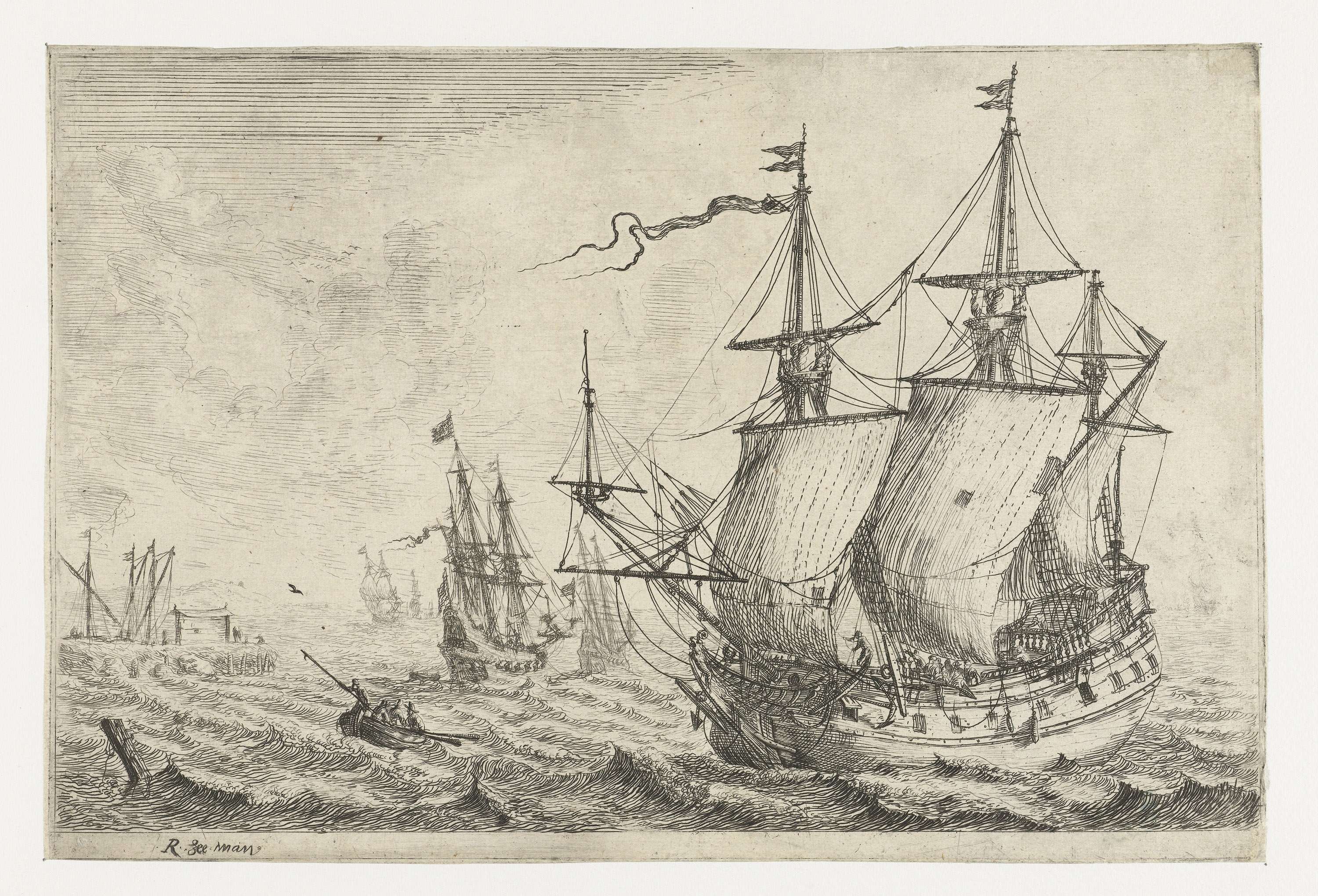
“The canvas doesn’t lie — it simply waits.” In the realm of art, reflections are more than mere images; they hold the power to capture our very essence and the world around us. Look closely at the serene waters in Twee grote oorlogsschepen; their surface serves as a mirror, revealing the formidable warships that venture into the horizon. The vessels, painted with meticulous precision, appear both majestic and imposing against the subtle blues and grays of the sea. Notice how the light dances upon the water’s surface, while shadowy depths hint at the unseen, creating a tension between surface and substance that draws you deeper into the painting.
The stark contrast between the sturdy ships and the tranquil waters evokes a sense of imminent conflict amidst calm. The artist has infused the scene with a palpable unease; the ships are poised for action, yet the stillness of the surroundings belies the chaos of war. Each carefully illustrated detail not only reflects the ships but also touches upon the broader themes of power, vulnerability, and the duality of human ambition in the face of nature.
During the mid-seventeenth century, when this work was created, Reinier Nooms was deeply influenced by his experiences as a maritime painter in the bustling port of Amsterdam. This period was marked by the Dutch Republic's naval dominance and the burgeoning interest in maritime subjects. As Nooms captured the grandeur and intricacy of these vessels, he also engaged with the shifting tides of a world on the brink of change, reflecting the intertwining paths of art and history.