Twee koeien onder een boom — History & Analysis
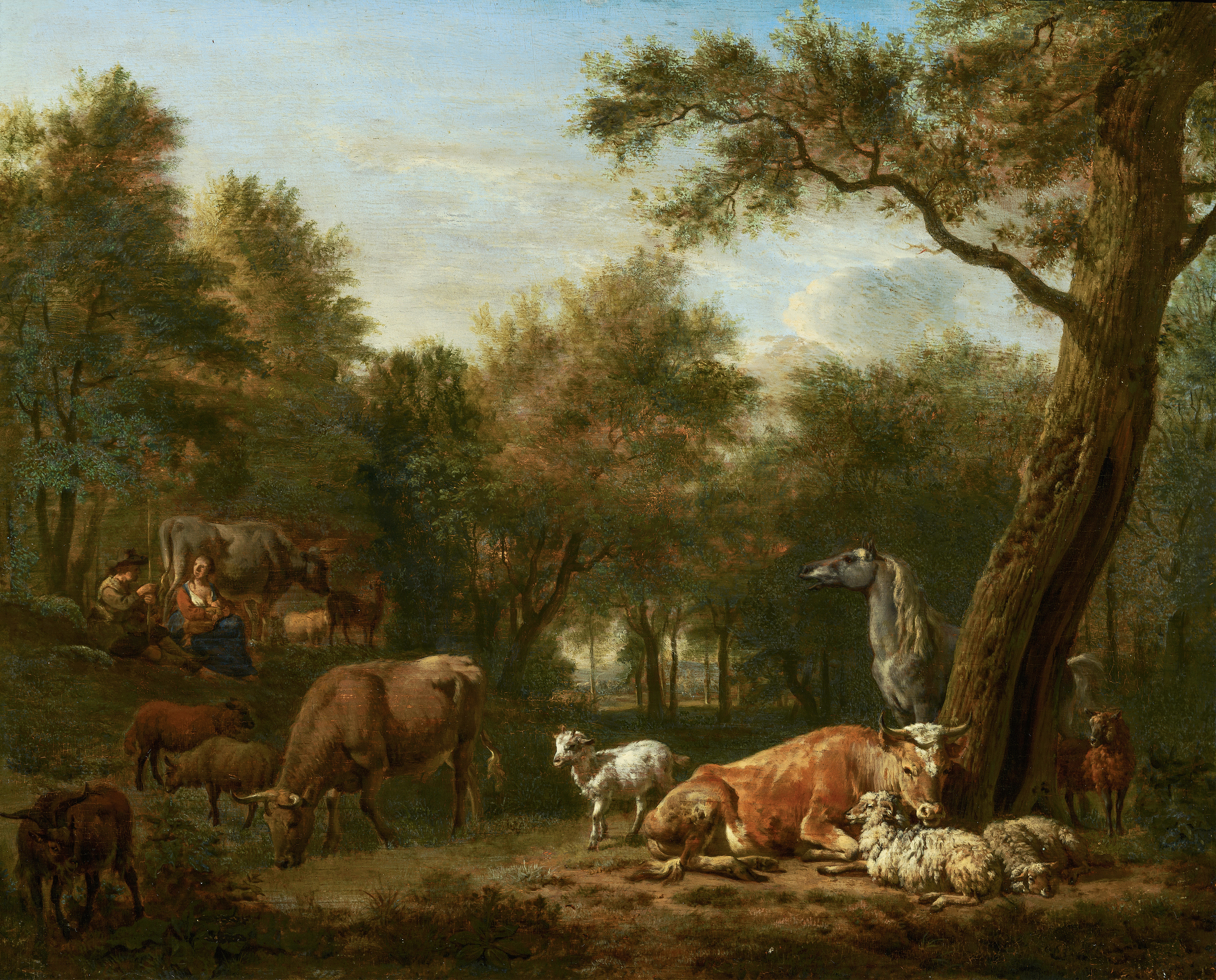
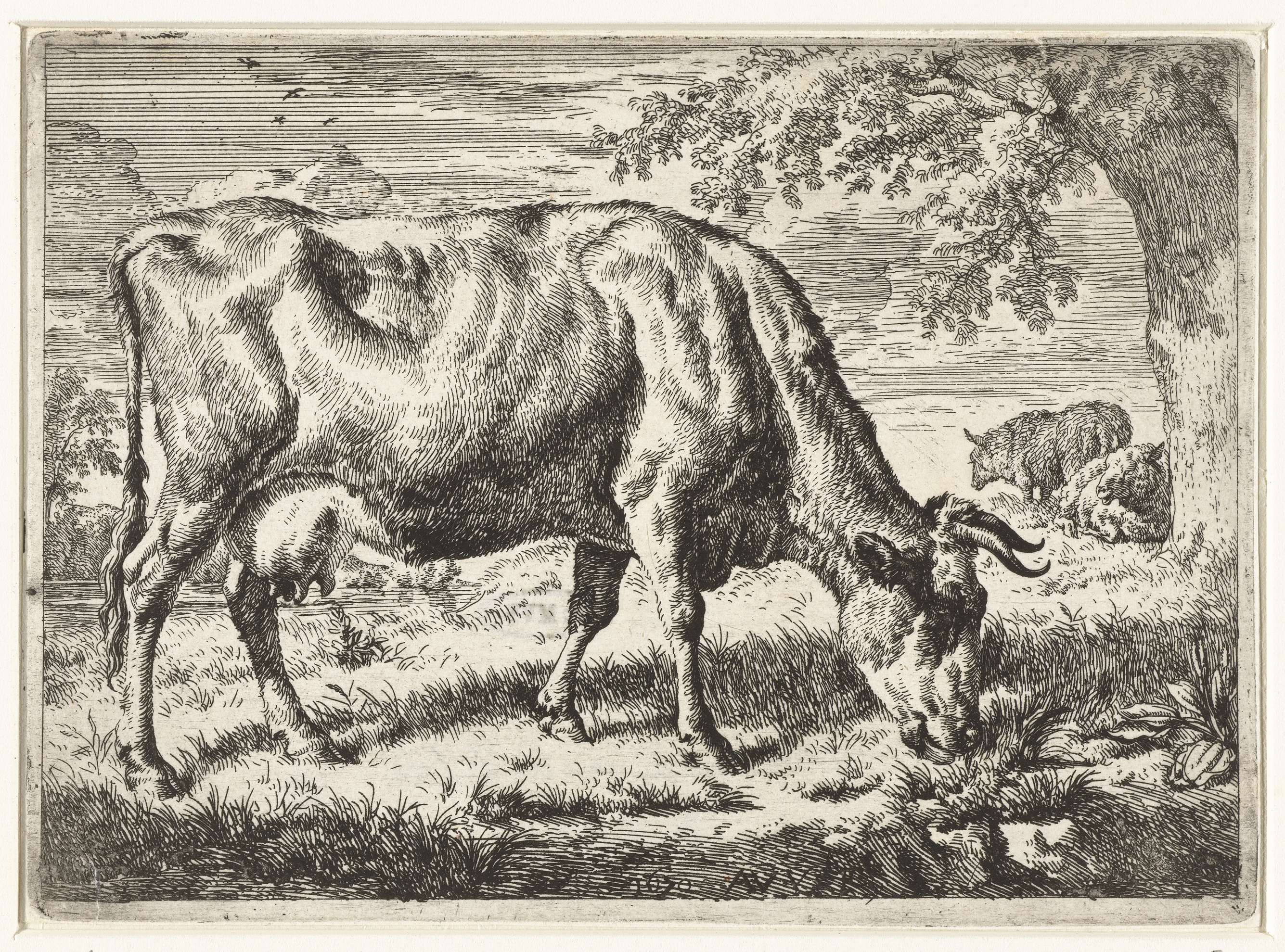
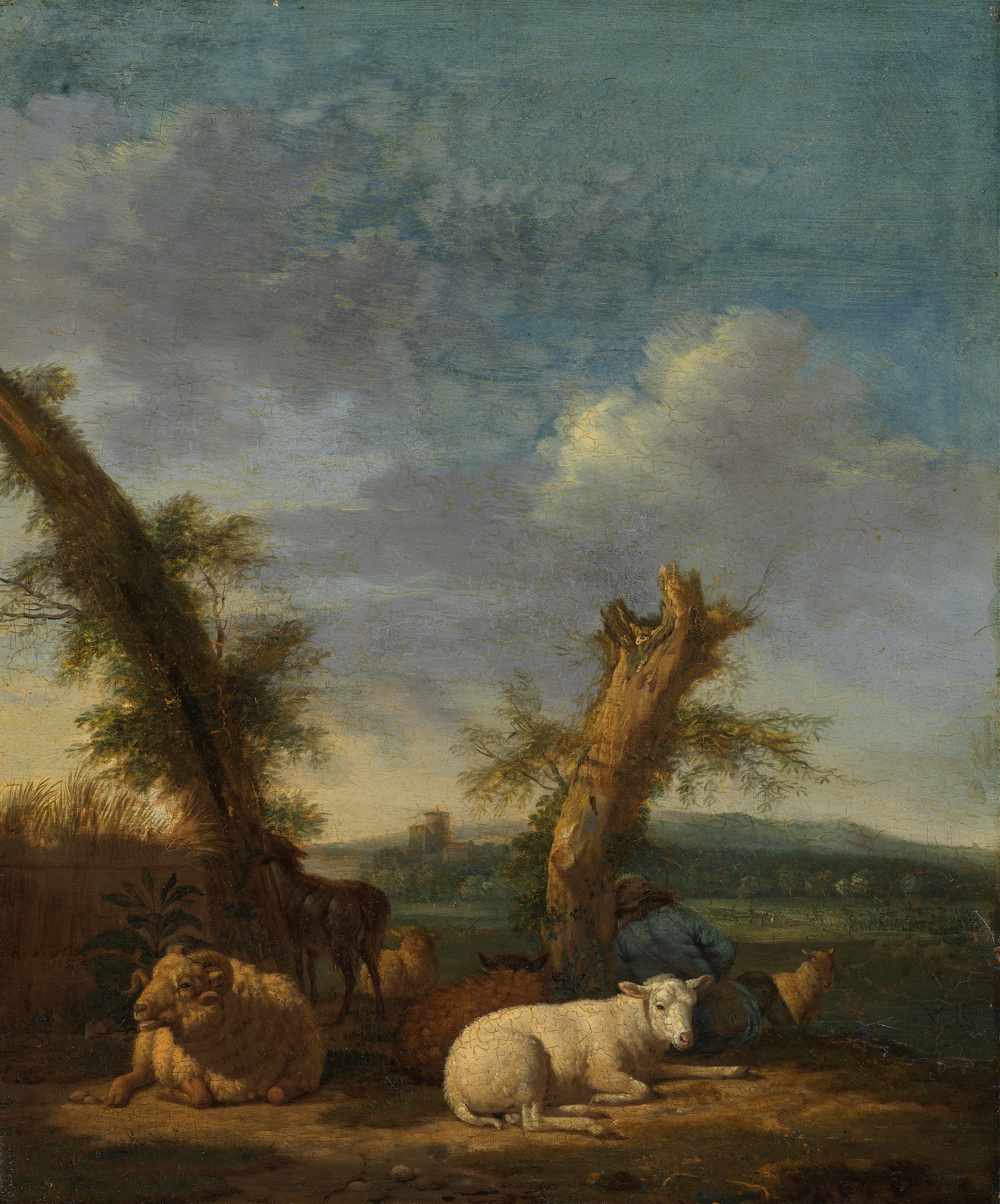
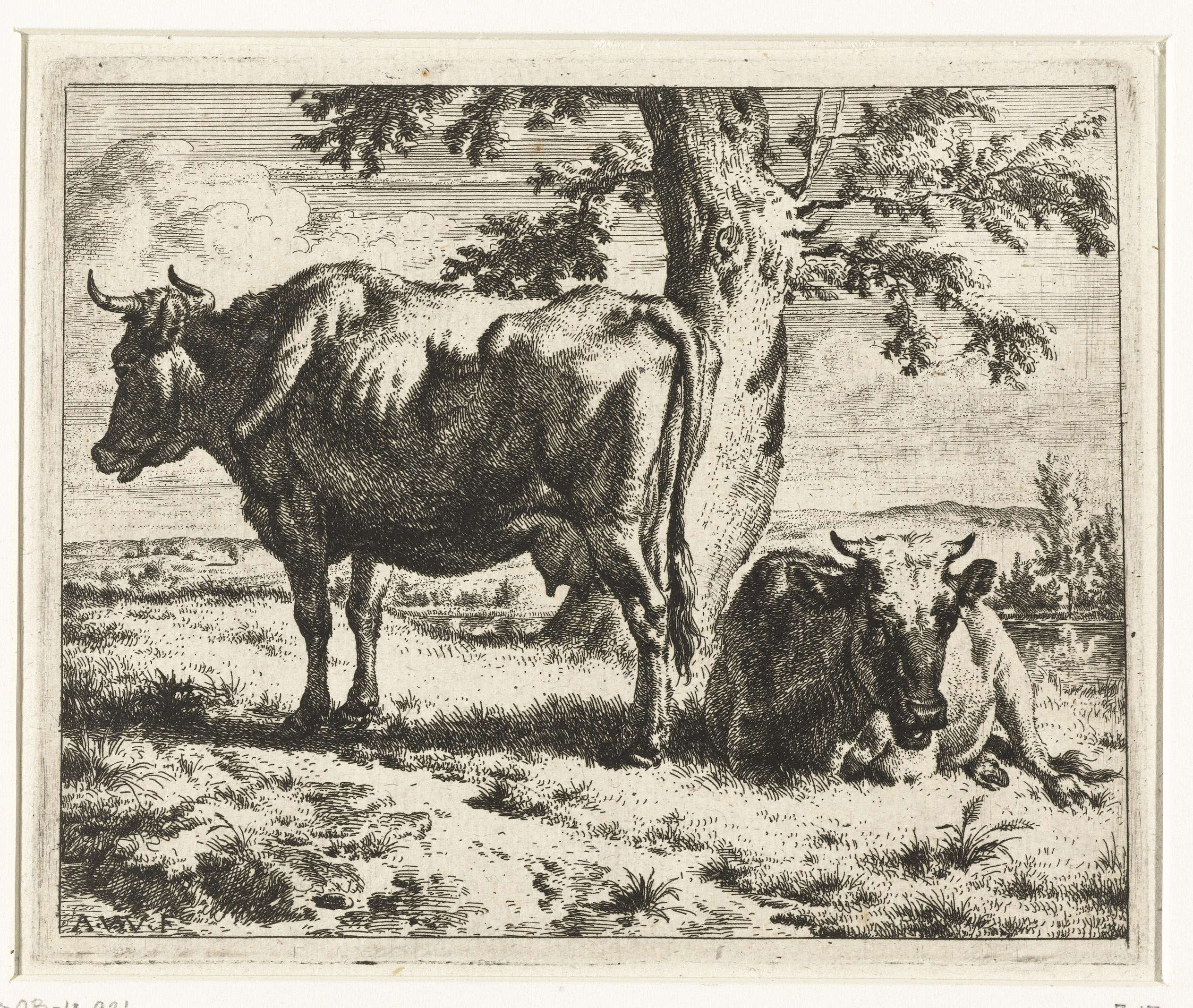
Did the painter know this moment would outlive them? In the quiet stillness of 1670, a tranquil pastoral scene unfolds, where two cows rest beneath the shelter of a grand tree, seemingly caught in a fleeting moment that echoes through time. Look to the left at the robust, textured trunk of the tree, its gnarled branches stretching toward a gentle sky. The artist’s deft brushwork reveals a naturalism that invites the viewer into the lush greenery, emphasizing the contrast between the vibrant earth tones of the cows and the rich foliage.
The soft light dapples through the leaves, casting a warm glow on the animals, encapsulating their serene existence within this idyllic setting. Yet, there lies a subtle tension beneath the surface. The cows, symbols of pastoral beauty, may also represent the weight of earthly existence, tied to the cyclical rhythms of life and nature. The artist masterfully balances tranquility with the inevitability of change — a moment frozen in time amid the ever-turning wheel of destiny.
The lush environment invites contemplation, prompting reflections on life’s fleeting nature juxtaposed with the permanence of the painted moment. Adriaen van de Velde created Twee koeien onder een boom in the Netherlands at a time when the Dutch Golden Age was flourishing, influenced by the Baroque movement. This period marked a significant evolution in landscape painting, emphasizing realism and the beauty of ordinary scenes. Van de Velde, who was also deeply engaged with themes of nature and domestic tranquility, reflected the era's values while imprinting a profound sense of timelessness in his work.