Twee rammen en een schaap — History & Analysis
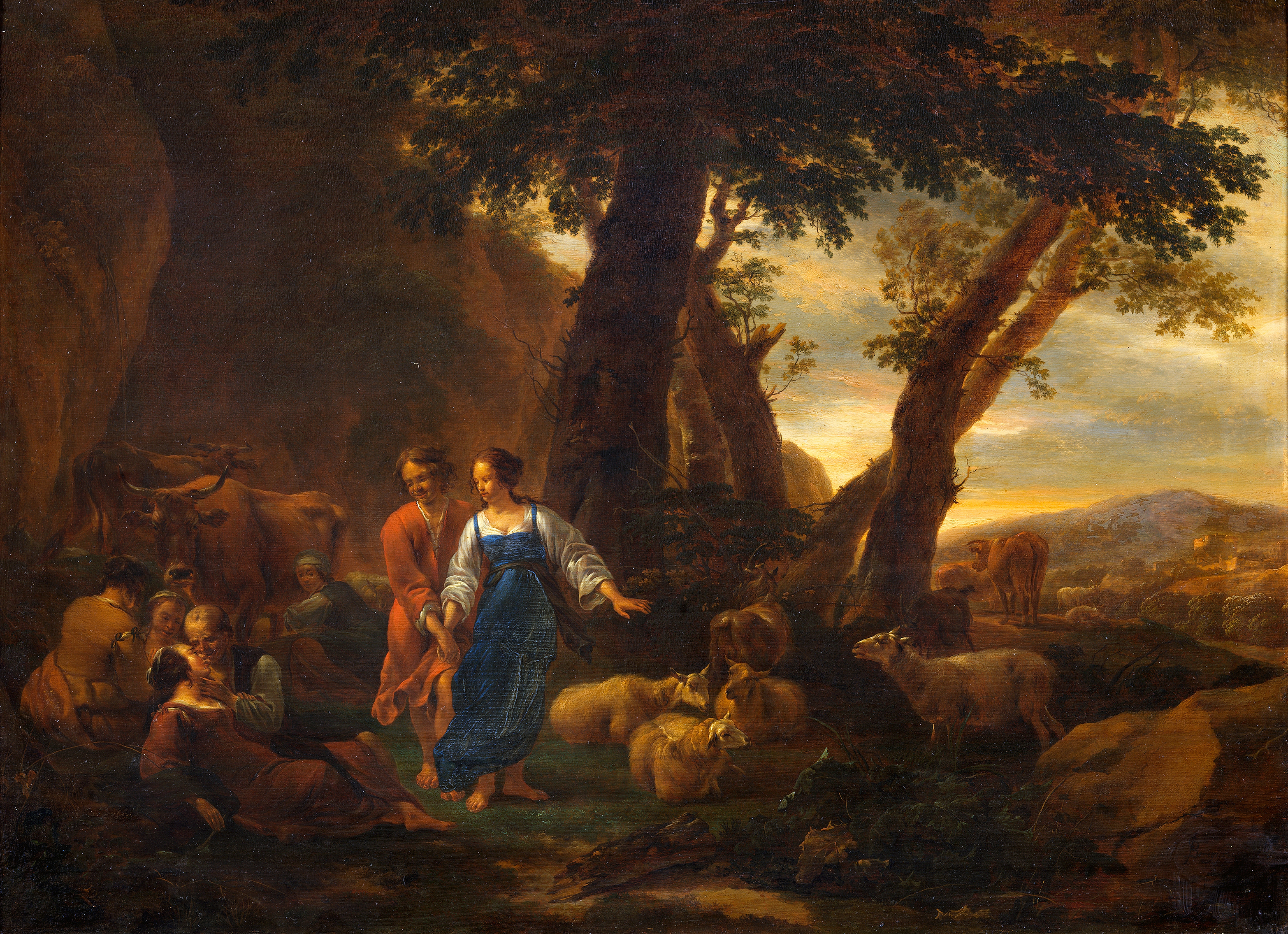
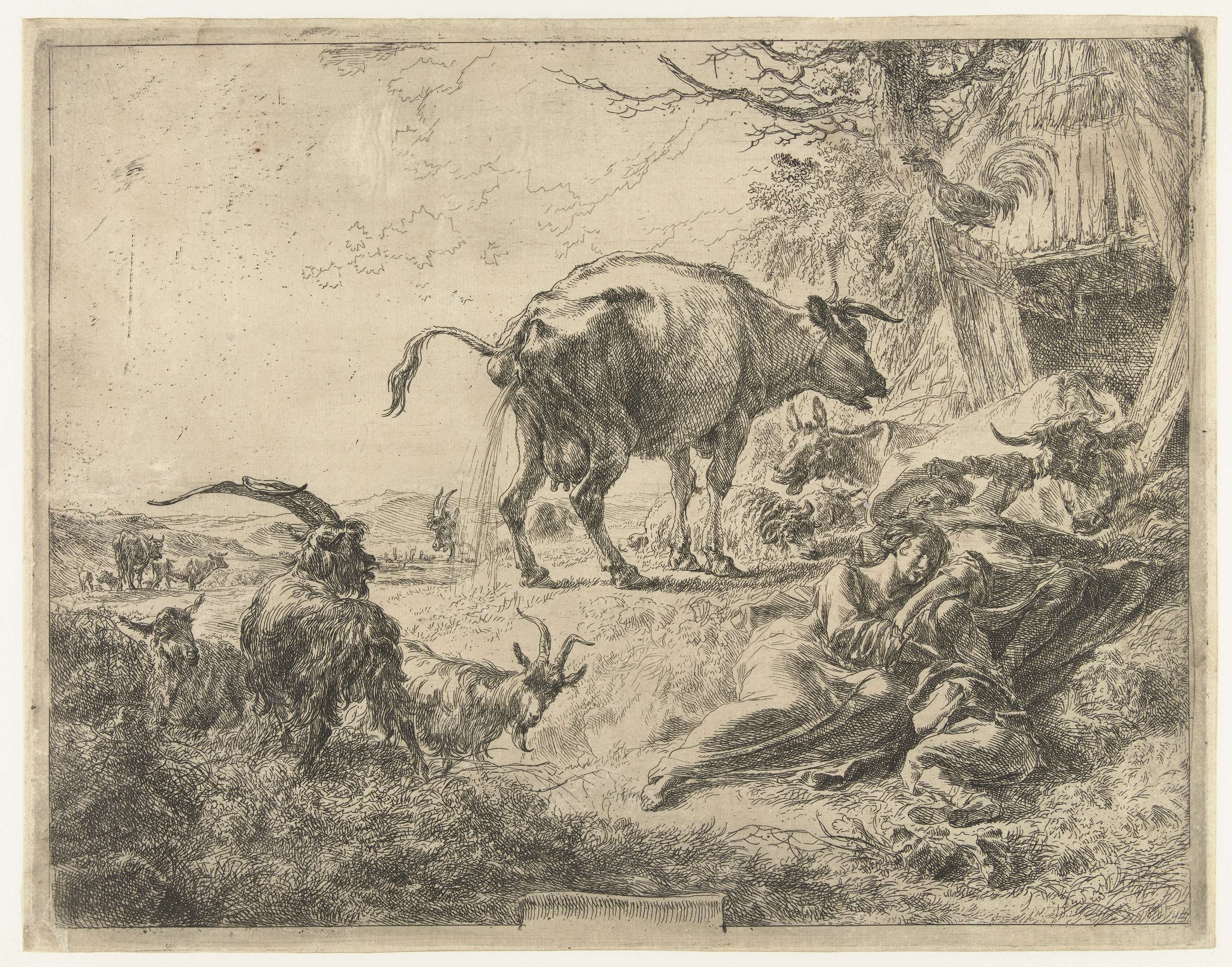
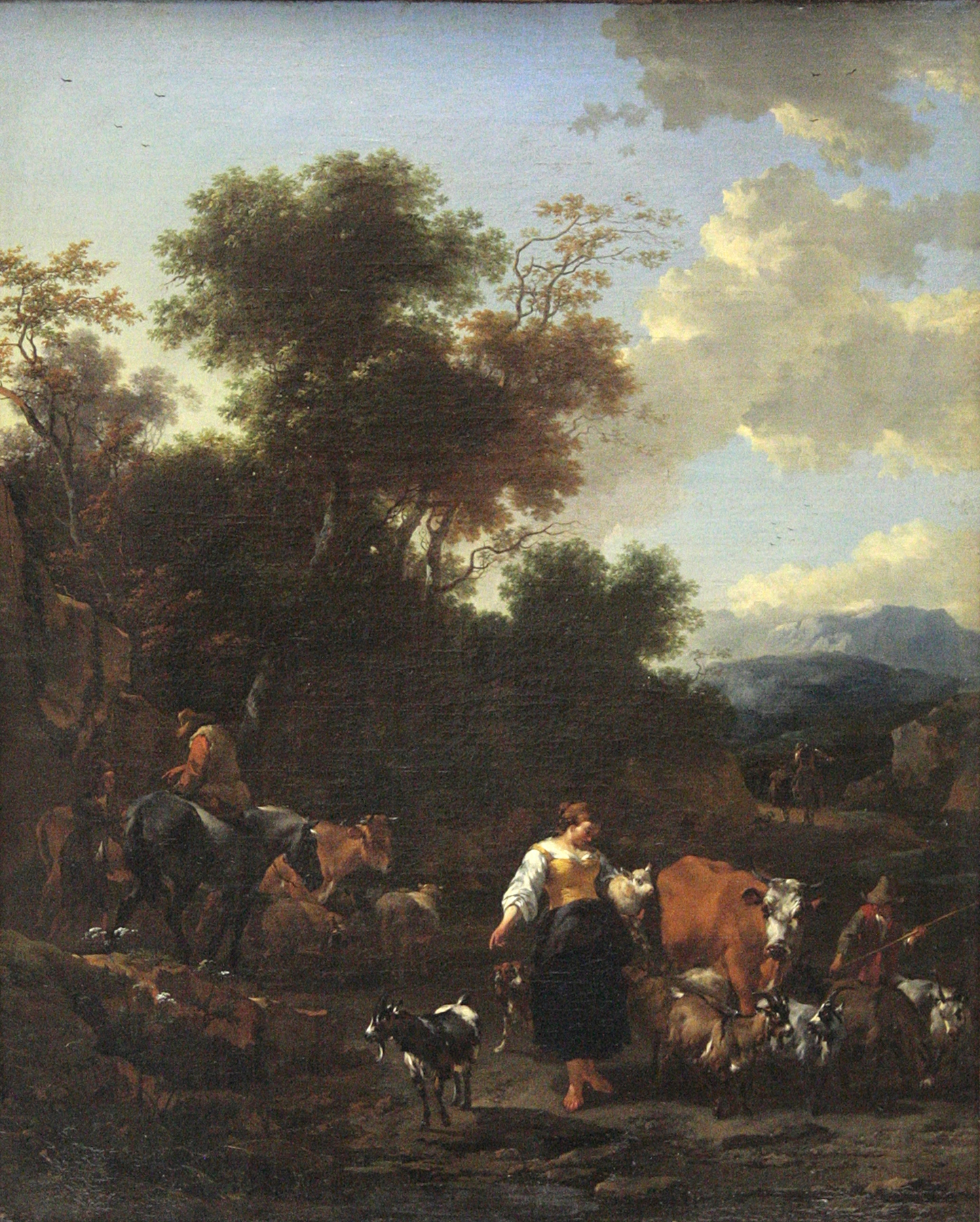
“Under the brush, chaos becomes grace.” Each stroke weaves a dream where nature and whimsy unite, inviting us to explore a world beyond the ordinary. Look to the center, where two rams stand majestically, their coiling horns echoing the swirling clouds above. The delicate sheep nearby, a soft contrast, almost seems like a guardian of this pastoral symphony. The warm hues of ochre and soft greens envelop the scene, while light dapples through the foliage, creating a dance of shadows and illumination.
Notice how the artist’s brushwork brings texture to the wool, capturing the fleeting moments of life in a still frame. Consider the juxtaposition of strength and vulnerability: the powerful rams embody dominance in their posturing, yet the timid sheep embodies innocence. The tranquil landscape serves as a backdrop for a story that flirts with dreams—suggesting harmony but tinged with an underlying tension. Each element, from the rustling blades of grass to the hazy horizon, plays its part in this delicate balance of existence, hinting at a larger narrative about nature's cycles.
In the years between 1648 and 1652, Berchem found himself in a flourishing Dutch art scene, deeply influenced by the pastoral tradition. Painting in Haarlem, his works reflected a growing appreciation for serene rural life and the idyllic landscapes that characterized his contemporaries. This period saw him developing a distinct style that harmonized realism with an almost enchanting idealism, culminating in pieces like this that resonate with both beauty and depth.