Twee ruiters in gevecht — History & Analysis
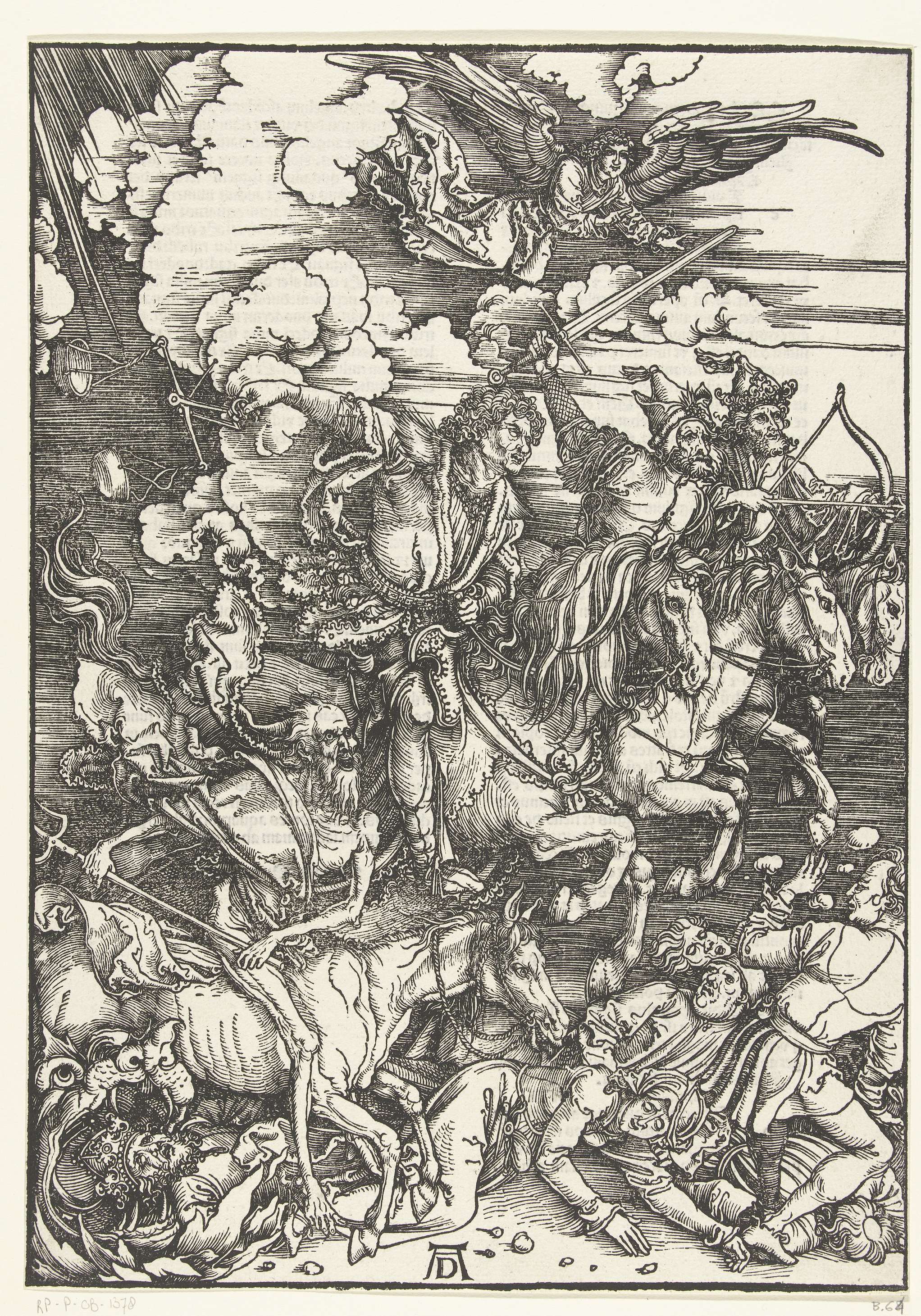
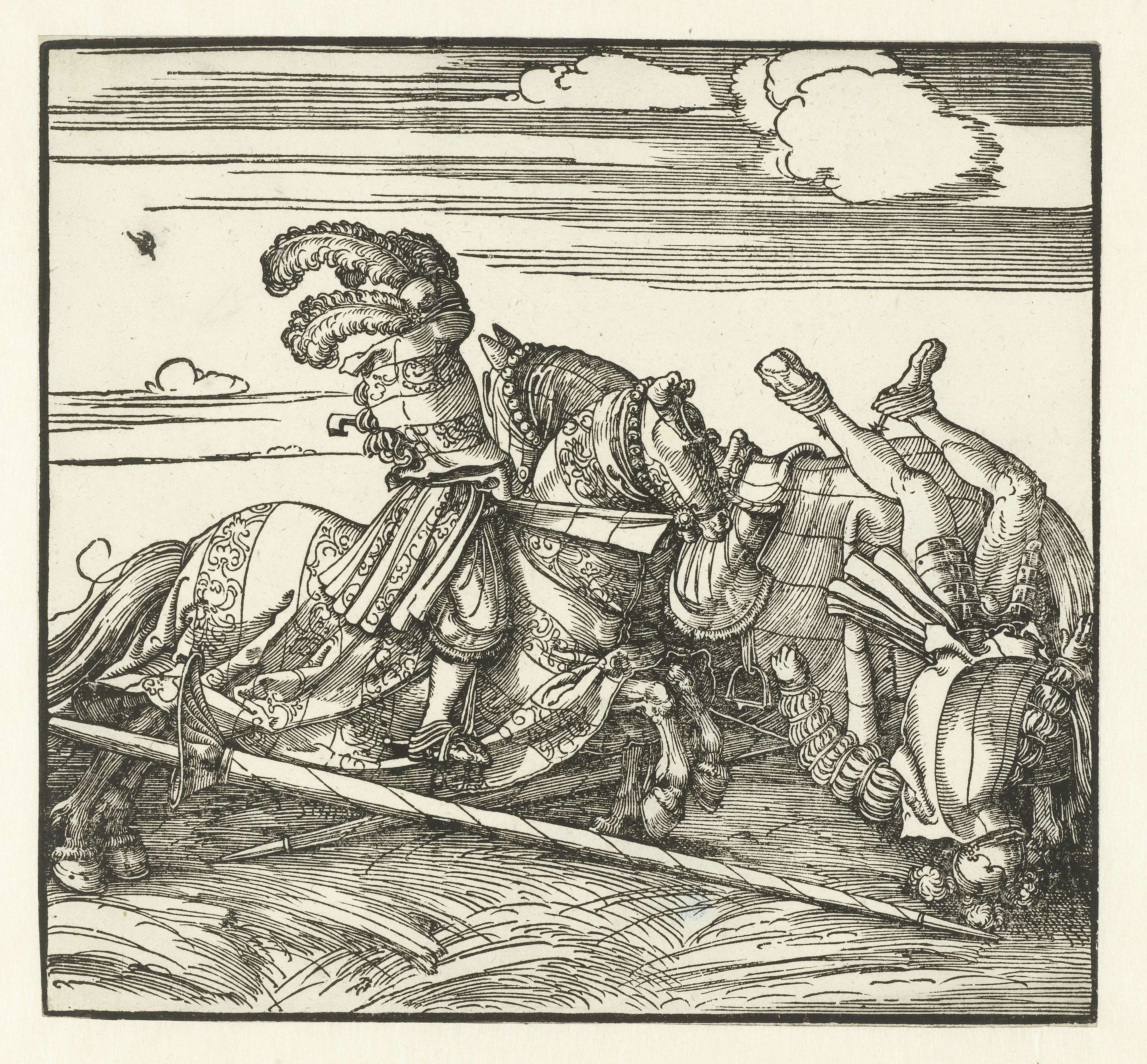
When did color learn to lie? The vibrancy of hues often masks deeper truths, inviting us to question the very essence of creation itself. Look closely at the two figures at the center of *Twee ruiters in gevecht*. Their bodies are locked in a fierce struggle, the tension palpable as muscles strain beneath intricately rendered armor. The contrasting colors of their garments — rich reds against deep greens — draw the eye, while the dynamic composition creates a sense of movement that seems to spill beyond the confines of the canvas. Notice how the delicately lined details of their steeds amplify the urgency of the moment, as intricate brushwork captures the raw energy of the clash. The juxtaposition of the dynamic struggle and the meticulous rendering speaks to a deeper narrative. These warriors, caught in combat, may symbolize not just physical conflict but the ideological battles of their time. The tension between warm and cool tones adds a layer of emotional complexity, hinting at the chaos of war and discord juxtaposed with the beauty of human craftsmanship. There is a haunting reminder of fragility nestled in the strength of the figures, suggesting that creation often comes hand in hand with destruction. Dürer created this masterpiece during a period of significant artistic evolution, between 1517 and 1518, in Nuremberg. This era was marked by the artist's deep engagement with humanism and the exploration of printmaking as a powerful medium. As Europe grappled with religious turmoil and the rise of the Renaissance, Dürer's work reflected both the turmoil and the transformative spirit of his time, capturing the essence of the human experience in the throes of creation and conflict.