Twee schepen: een vlot en een onderlegger — History & Analysis
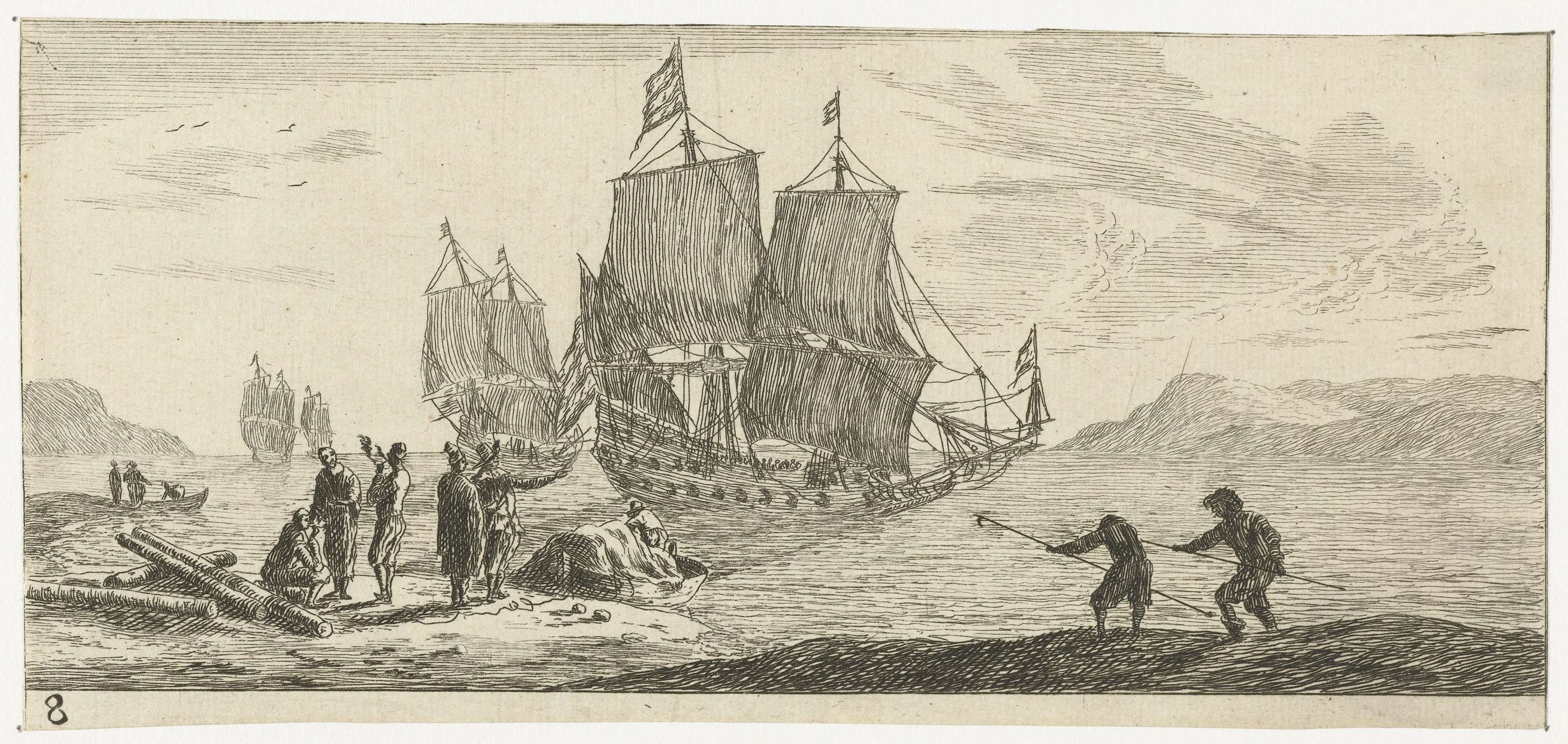
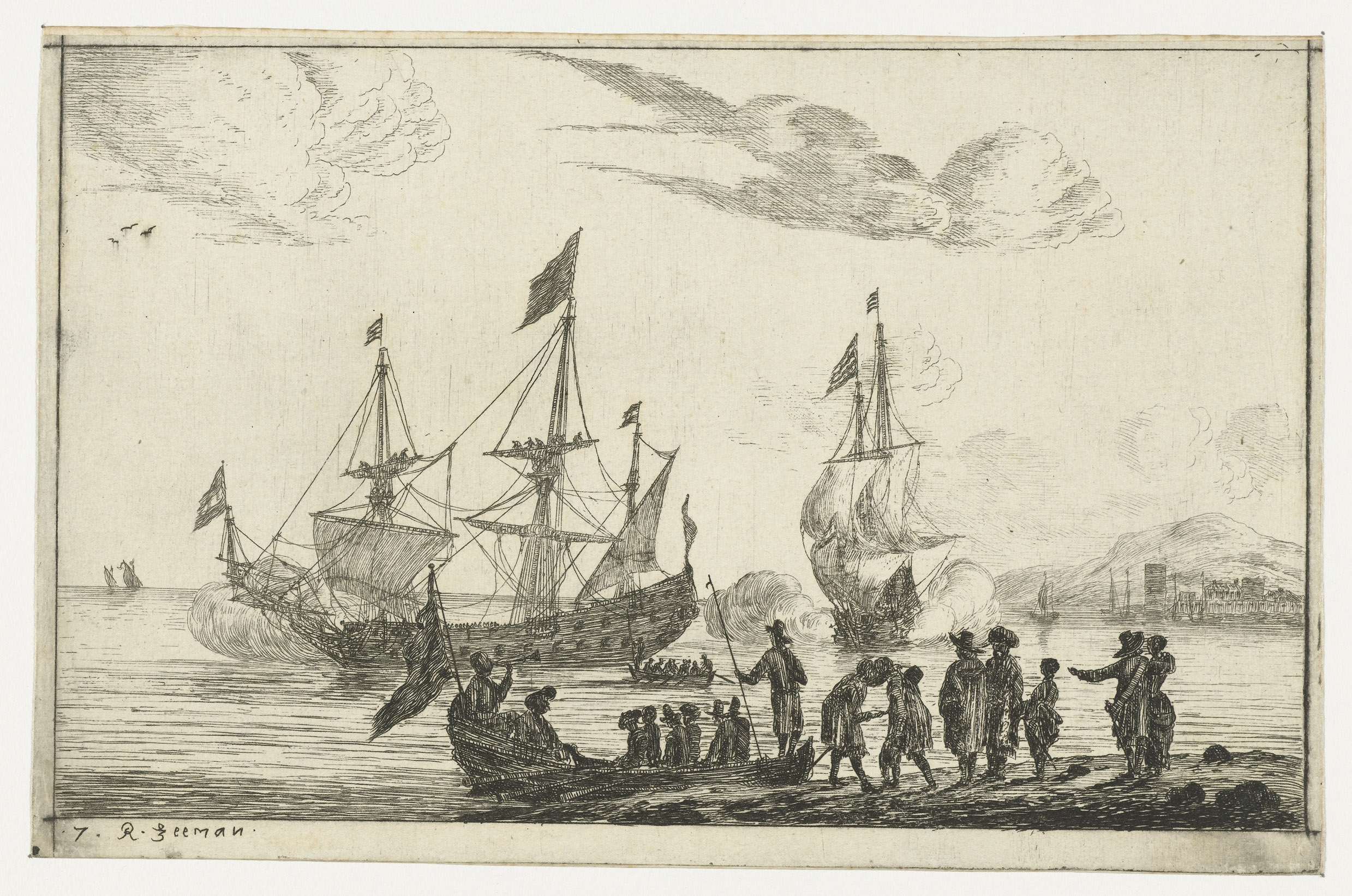
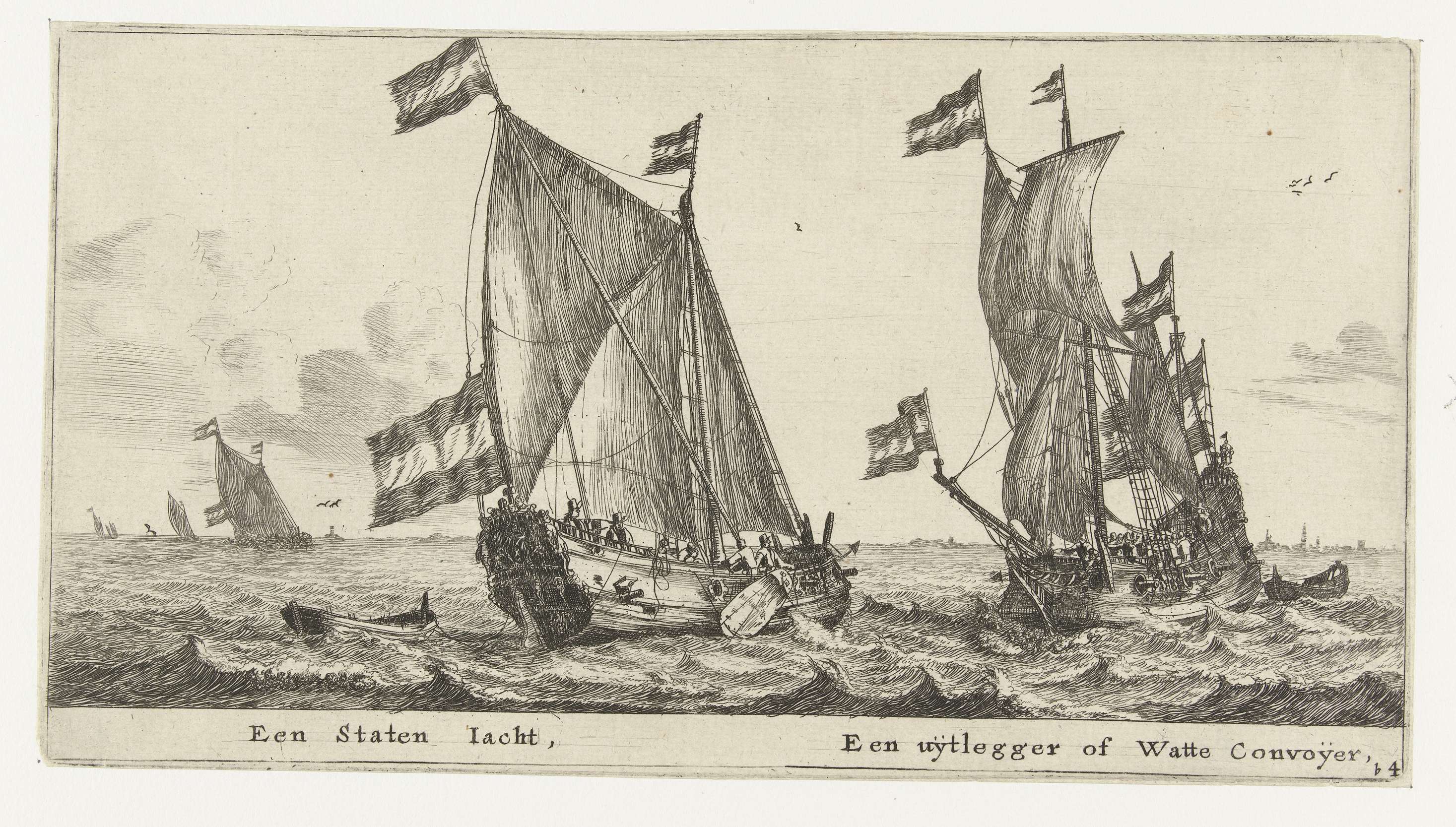
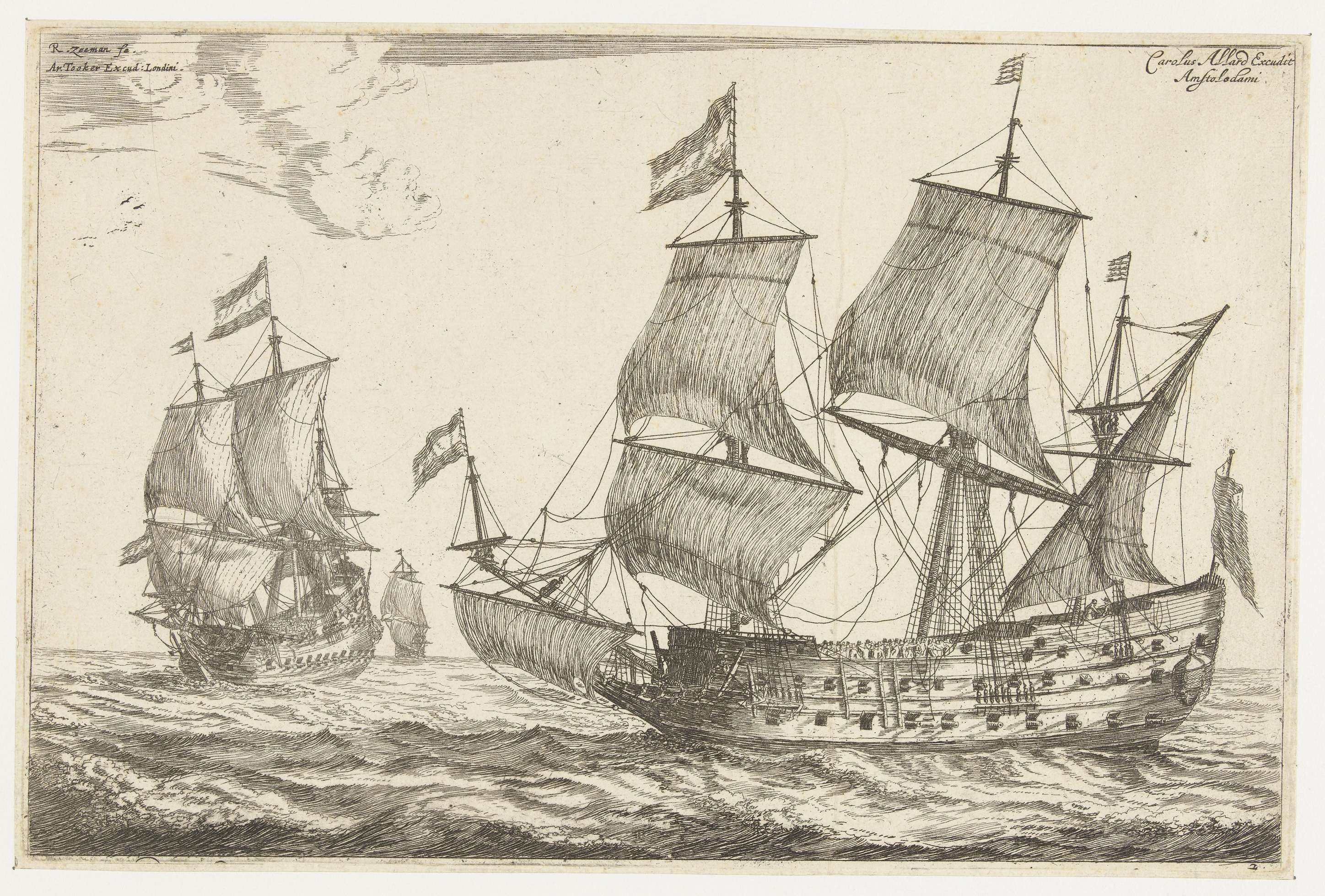
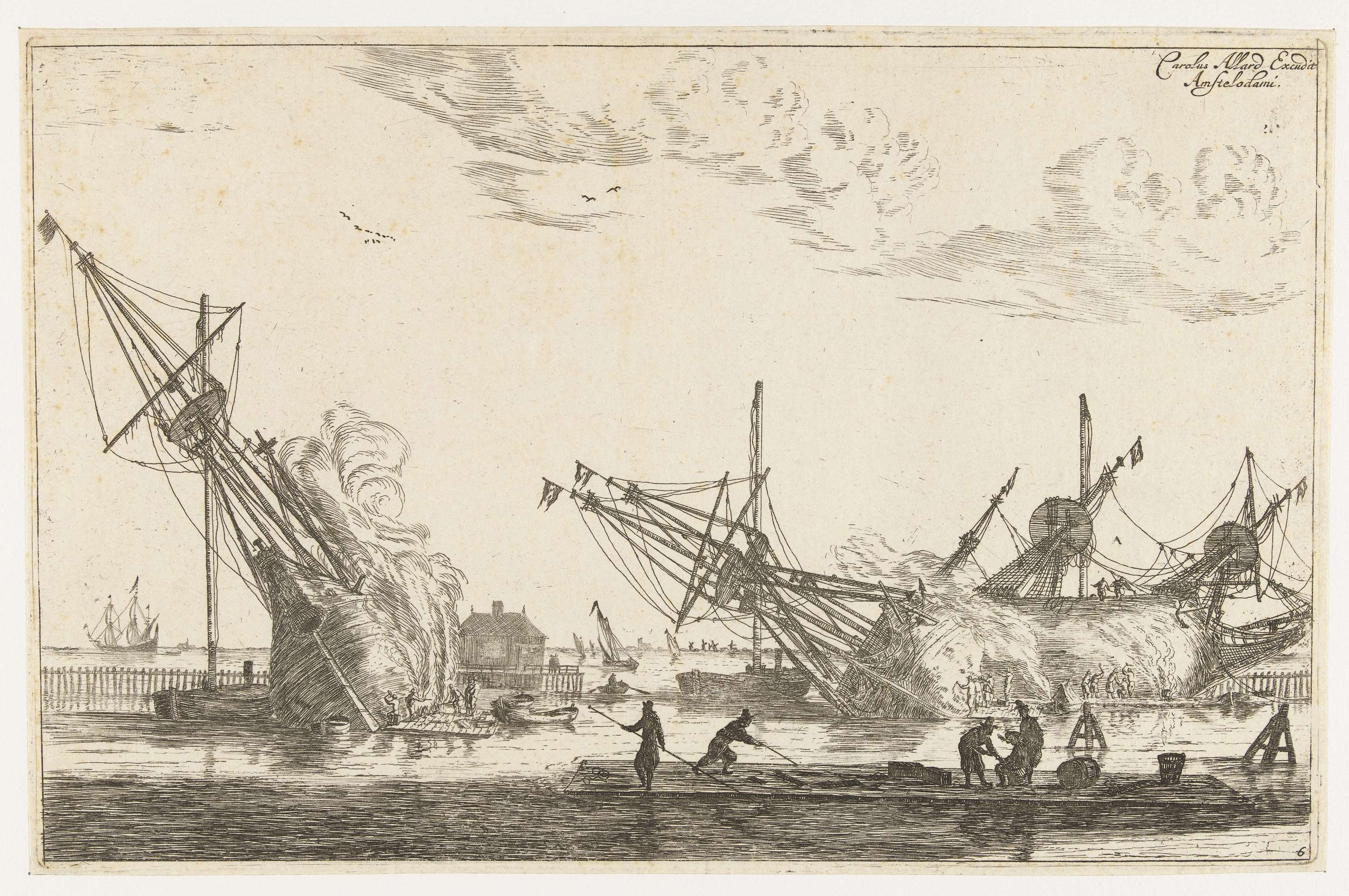
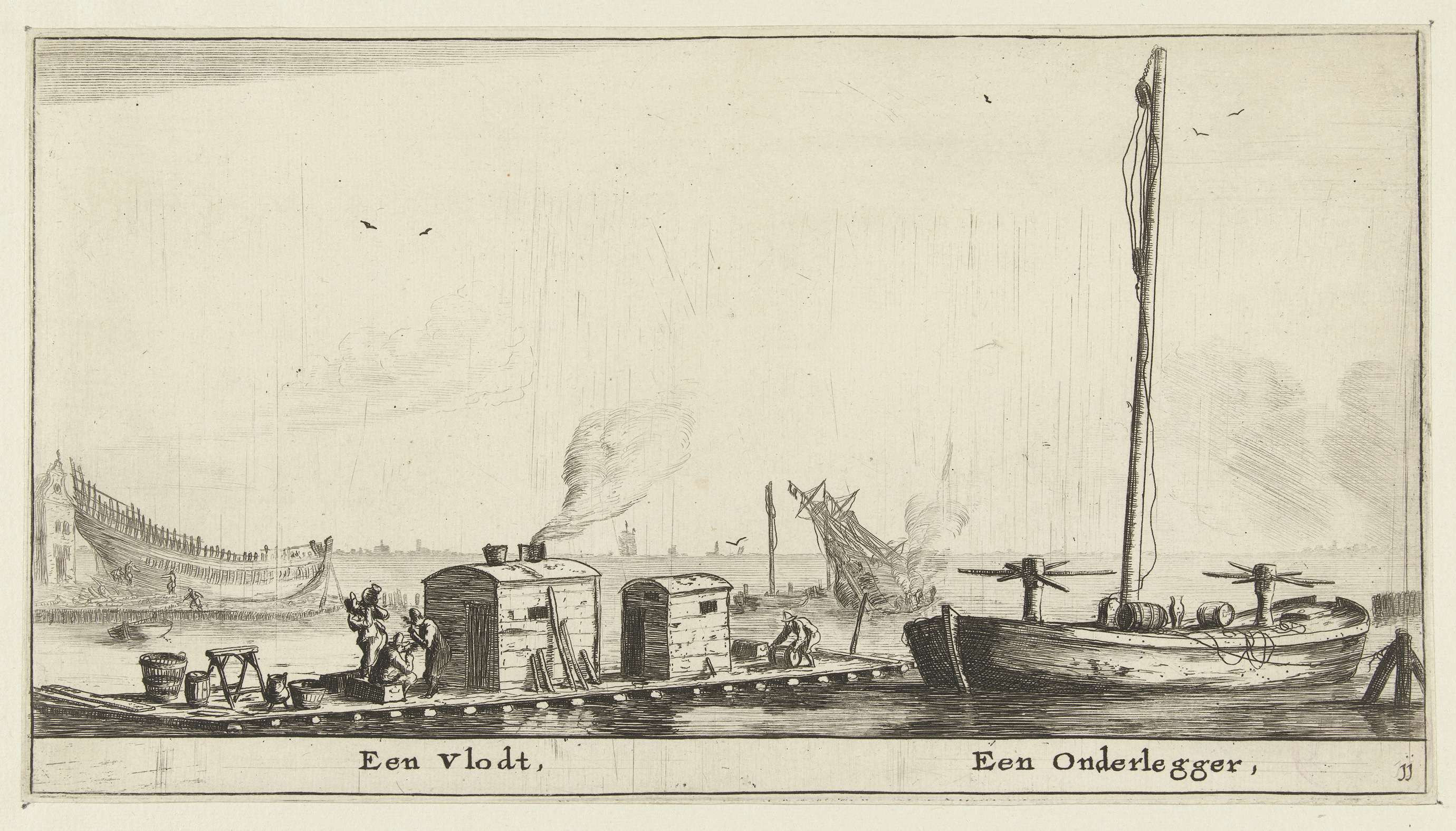
“Every silence here is a confession.” In this tranquil moment captured in art, dreams drift along the surface of a still sea, where the boundaries between reality and imagination softly dissolve. Look to the center of the canvas, where two vessels lie serenely on the water, their shapes mirroring one another. The play of light glistens on the gentle waves, beckoning the viewer's gaze as shadows cast by sunlight create a delicate interplay of contrast. The artist employs a muted palette of blues and earth tones, inviting a sense of calm and contemplation, while the detailed textures of the ships' wooden surfaces evoke a nostalgic connection to maritime life.
Beyond their serene appearance, the vessels symbolize the fragility of dreams and the tension of existential uncertainty. The juxtaposition of the sturdy ship and the frail raft suggests a dichotomy between stability and vulnerability, inviting reflection on the nature of one’s aspirations. Each ripple in the water resonates with whispers of untold stories, revealing how dreams are both a refuge and a risk, adrift in the vast sea of possibility.
Reinier Nooms created this work between 1652 and 1654, a period marked by his deepening engagement with marine themes. Working primarily in Amsterdam, Nooms captured the essence of Dutch maritime culture during the Golden Age, a time when naval prowess and trade flourished. His paintings often reflect a meticulous attention to detail and a profound understanding of light, elements that not only document the era but also infuse his work with a timeless resonance.